
The best ski suits for racing that fly down the slope need to keep rain out, let sweat escape, and stay snug without choking your movement.
If you’re shopping for a racer, check fit first—race cuts run snug—then waterproofing, breathability, and whether the material works with your layers and protection.
We compared specs, brand reputation, and rider feedback to narrow down a short list of strong options.
Below you’ll find the best picks, quick notes on fit and safety, and what’s actually worth buying.
How We Tested
Our selection process compared corresponding and appropriate waterproof ratings, breathability, stretch fabric, reinforced knees, adjustable fit, and visibility across leading ski race suits.
We also weighed price value without citing exact costs, then matched each option to wet slalom days and intense racing.
Every pick met at least 8,000 g/m²/24h breathability to reduce sweat buildup during fast runs.
We favored 10,000 mm waterproof/10,000 g breathable options for wet slalom days.
Close, adjustable cuffs, hems, and suspenders helped stop flapping on crowded courses.
Reflective piping and bright panels supported visibility in flat light for racers seeking the best ski race suits.
| Fly Racing Carbon Snowmobile Suit |  | Best Overall | Weather Protection: Hydraguard Pro waterproof 10K; windproof | Insulation: Fleece-lined; ultimate warmth | Fit: Athletic fit | SEARCH BEST PRICE | Read Our Analysis |
| Fly Racing Carbon Men’s Snowmobile Suit Hydraguard Pro |  | Racer’s Choice | Weather Protection: Hydraguard Pro waterproof 10K; windproof | Insulation: Fleece-lined; ultimate warmth | Fit: Athletic fit | SEARCH BEST PRICE | Read Our Analysis |
| Fly Racing 470-4400S Aurora Bib Black Sm |  | Best Insulated Bib | Weather Protection: Hydraguard waterproof; windproof | Insulation: 140g insulation; 180g seat insert | Fit: Tailored fit; stretch panels | SEARCH BEST PRICE | Read Our Analysis |
| Fly Racing Venture Windproof Snow Monosuit (XX-Large) | 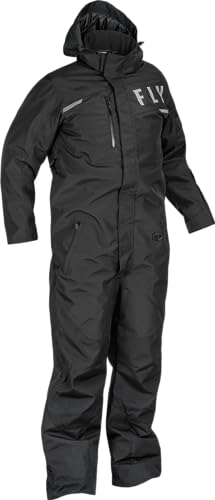 | Best One-Piece | Weather Protection: Hydrashield water-resistant; windproof | Insulation: 120g body; 90g sleeve insulation | Fit: Standard fit; adjustable suspenders | SEARCH BEST PRICE | Read Our Analysis |
More Details on Our Top Picks
Fly Racing Carbon Snowmobile Suit
This Fly Racing Carbon suit is designed for serious snowmobile racers who face cold, harsh conditions. Its key strength is the balance of 10K waterproofing and 8K breathability.
The Hydraguard Pro material keeps external moisture out while the high breathability prevents you from overheating during high-speed runs. This combination allows professional riders to stay dry and comfortable when pushing their sled.
The suit uses a durable Cordura shell, reinforced knees, and sealed seams to ensure excellent longevity and mobility. However, potential buyers should note that this top-tier racing gear represents a significant investment.
Mobility is enhanced by built-in stretch panels and an athletic fit. Functional details like the Fidlock magnetic buckle and deep powder skirt provide easy control.
Additional safety and comfort features include 2Cool Air Vents, reflective panels for visibility, and a built-in safety whistle. The fit is athletic, so choose a larger size if you fall between sizing options.
- Weather Protection:Hydraguard Pro waterproof 10K; windproof
- Insulation:Fleece-lined; ultimate warmth
- Fit:Athletic fit
- Type:Jacket/bib set
- Reinforced Knees:Reinforced knees
- Reflective Panels:Innolite reflective panels
- Additional Feature:2Cool air vents
- Additional Feature:Built-in goggle wipe
- Additional Feature:Safety whistle
Fly Racing Carbon Men’s Snowmobile Suit Hydraguard Pro
The Fly Racing Carbon Men’s Snowmobile Suit is best for serious snowmobile racers and aggressive trail riders who face harsh winter conditions in the backcountry or on the mountain.
Its main strength is Hydraguard Pro protection: 10K waterproofing keeps rain and wet snow out, and 8K breathability lets sweat escape.
Sealed seams and Cordura fabric add durability, while 2Cool Air Vents, a powder skirt, a detachable hood, and Lycra gaiters help control warmth on mountain rides.
Innolite reflective panels, a tether D ring, a goggle wipe, a whistle, and a headphone port add safety and tunes for long days on the sled.
The honest drawback is that the athletic fit runs snug, so size up if you layer thick base layers or a midlayer.
It differs from other snowmobile suits by blending a race fit with venting and safety extras.
Reinforced knees, YKK zippers, a Fidlock magnetic buckle, and microfleece comfort support wear all day.
For serious snowmobile racing, this is a smart, durable buy for cold rides.
- Weather Protection:Hydraguard Pro waterproof 10K; windproof
- Insulation:Fleece-lined; ultimate warmth
- Fit:Athletic fit
- Type:Jacket/bib set
- Reinforced Knees:Reinforced knees
- Reflective Panels:Innolite reflective panels
- Additional Feature:Detachable hood
- Additional Feature:Fidlock magnetic buckle
- Additional Feature:Built-in headphone port
Fly Racing 470-4400S Aurora Bib Black Sm
If you ride in brutal cold, the Fly Racing 470 4400S Aurora Bib in black, small is the most insulated bib in this group. It is best for snowmobilers, winter trail riders, and anyone who faces deep powder, alpine wind, or long stops on groomed runs.
The clearest strength is warmth: 140g insulation fills the bib, and the waterproof dry seat adds 180g where you need it most. Hydraguard makes the fabric windproof, waterproof, and breathable, so cold air and wet snow stay out while sweat can escape.
The 450D polyester shell resists abrasion, and reinforced knees help it last through seasons of kneeling, digging, and trail abuse. For fit, you can adjust leg length in three ways: short, regular, and tall, plus shoulder straps and stretch panels tune the coverage.
You also get micro fleece hand warmers, a chest pocket, reflective panels, and a tether D ring for gear or safety. A waterproof boot gaiter and elastic lace attachment seal snow out, and YKK zippers plus a two year warranty add peace of mind.
The main drawback is that this much insulation can feel too warm on high output ski tours, spring slush, or mild resort days. It also comes in black small in this listing, so check sizing and color needs before you buy.
Compared with other bibs here, it leans hardest into warmth and weather protection, while lighter options may breathe better or move easier. If your priority is staying warm on the coldest snowmobile or ski days, this is the bib to consider.
- Weather Protection:Hydraguard waterproof; windproof
- Insulation:140g insulation; 180g seat insert
- Fit:Tailored fit; stretch panels
- Type:Bib
- Reinforced Knees:Reinforced knees
- Reflective Panels:High-visibility reflective panels
- Additional Feature:2-year warranty
- Additional Feature:Tether D-ring
- Additional Feature:Elastic lace attachment
Fly Racing Venture Windproof Snow Monosuit (XX-Large)
This Fly Racing Venture Windproof Snow Monosuit (XX Large) is best for snowmobile riders who face cold, wet winter trails and need one suit to block wind and water. Its Hydrashield fabric, DWR (durable water repellent) coating, and critical taped seams keep slush and snow dust out.
A 120g body insulation and 90g sleeve insulation add warmth for long trail rides without a tight sausage casing feel. Reinforced knees, inner legs, and cuffs handle rough impacts from tanks, footwells, and branches.
Adjustable suspenders and a 3 step inseam let you dial in fit for trail riding, mountain riding, or backcountry powder. A YKK Vislon zipper, reflective panels, waterproof pocket, and tether D ring cover the details that matter on a sled.
The clear strength is windproof and water resistant protection with enough insulation for low temperatures. The honest drawback is the standard fit, so try it before you buy, especially in XX Large.
Unlike a separate jacket and snow pants, this one piece monosuit seals out snow at the waist and keeps insulation in place. It comes in black as model 470 5700, and it is a practical and race ready choice for winter riders who want reliable coverage.
- Weather Protection:Hydrashield water-resistant; windproof
- Insulation:120g body; 90g sleeve insulation
- Fit:Standard fit; adjustable suspenders
- Type:Monosuit
- Reinforced Knees:Reinforced knees
- Reflective Panels:Reflective panels
- Additional Feature:YKK Vislon zipper
- Additional Feature:Waterproof pocket
- Additional Feature:Reinforced inner legs
Factors to Consider When Choosing Ski Suits for Racing

For ski racing, choose your suit by five factors: weather protection, breathability and ventilation, durability and mobility, fit and adjustability, and safety visibility. Each one can change your day on the mountain, so ignoring even one can cost comfort or speed.
Weather protection matters most on wet slalom days. A $300 to $800 race suit with a 10k/10k waterproof and breathable rating keeps rain and snow out.
That rating means 10,000 mm water resistance and 10,000 g breathability. The breathability lets sweat vapor escape so you stay drier.
Breathability and ventilation help you manage heat on hard GS runs. Pit zips and a breathable liner let you dump extra heat when you push through gates.
Durability and mobility depend on the fabric and how the suit is built. Look for stretch fabric that moves in four directions, plus reinforced knees for protection against gates and falls.
Fit and adjustability keep your suit close to your body without restricting movement. Adjustable cuffs, hem, and suspenders stop the suit from flapping like a parachute and help you stay streamlined.
Safety visibility features help other skiers and race officials see you in flat light or crowded areas. Reflective piping and bright panels are useful additions for race days and training.
Prioritize weather protection and fit first. Then check breathability, mobility, and visibility before you buy.
Weather Protection Level
Your weather protection level determines whether you race fast or finish soaked. For racing, aim for 10,000 mm waterproofing, 8,000 g/m²/24h breathability, taped seams, and a maintained DWR, which is a durable water repellent finish.
If you race only in dry, cold conditions, you can spend less and accept more risk. Taped seams remain essential because they seal stitch holes where water sneaks through.
A fresh DWR makes spray bead and roll off your shell. Refresh it regularly, or your shell will soak through and leave you damp in your race bib.
For strong wind, look for a powder skirt, elastic gaiters, and adjustable cuffs or hems. These features reduce snow entry and wind chill while still letting you move freely.
Buy gear with the right ratings, then maintain it.
Breathability And Ventilation
Breathability controls how much sweat vapor can escape from your ski jacket or ski pants. The rating measures water vapor transmission, or how much sweat vapor the fabric lets escape in a day.
For racing or intense ski touring, aim for at least 8,000 g/m²/24h. Below that number, moisture stays inside and you feel clammy.
Above it, you stay drier, but waterproofing still matters. Highly waterproof ski shells can trap heat and dampness when they have low air permeability.
Balance breathability and waterproofing ratings to match your resort skiing or backcountry skiing plans. Zippered vents on the underarm, chest, and thigh let you dump heat during hard efforts and close them on cold lift rides.
Look for ski jackets and ski pants with pit zips and thigh vents if you run hot. Vents with mesh backing and wicking linings help sweat evaporate, reduce condensation, and block wind and water.
Place vents near your core, underarms, and legs, where ski movements make you hottest. When buying ski gear, look for a breathability rating of 8,000 g/m²/24h or higher, plus useful vents and wicking liners.
Durability And Mobility
Durability and mobility decide if your ski race suit survives the season, while breathability keeps you comfortable when you work hard. Look for tough shell fabrics such as 450D polyester or nylon that resists abrasion.
Tough shells handle ski edges, gate impacts, and constant rubbing. Reinforced knees, inner legs, and cuffs take the worst friction from carving.
Sealed or taped seams and waterproof zippers prevent failures when you ski hard in snow. Articulated panels or stretch panels at the shoulders, hips, and knees let you flex, extend, and reach without fighting the fabric.
Avoid flimsy materials because they fail midway down the race course. Your ski race suit should move with you instead of restricting you, so check these zones before you buy.
Prioritize abrasion resistance and flexible construction because both are essential for racing. Use these checks to choose a ski race suit that can handle training and competition.
Fit And Adjustability
A ski race suit that fits right matters more than a fancy fabric upgrade. You need full shoulder, hip, and knee range of motion, and no extra fabric to snag or drag.
Adjustability helps the suit match your body. Look for adjustable shoulder straps, a waist belt, a magnetic buckle that releases quickly, or a latch so you can tighten or loosen for thicker or thinner base layers.
A leg length or inseam system with three settings matches your torso to leg ratio. It stops bunching at the boots and helps the suit follow your body as you move.
Side stretch and expansion panels give unrestricted reach and leg separation. They help when you lean, corner, or mount and dismount.
Reinforced knee panels must stay centered over your knees when you stand and bend. That keeps abrasion protection and padding in the right place.
Buy for fit first, then adjust and race.
Safety Visibility Features
Visibility is a safety feature you hope you never need, but you still want it set up before you hit the ski slope. Buy a high visibility ski jacket or ski pants in fluorescent yellow, orange, or pink so you stand out against snow.
Look for retroreflective panels and tape that bounce headlights back. Put them on your torso, arms, and legs so drivers and rescue teams can spot you from the lift or trail.
Those accents should meet ANSI/ISEA 107 or EN ISO 20471 for measurable performance. Check the label before you buy ski safety gear, because a claim means little without the standard.
Demand reflective material on the front and back of your ski clothing. That full circle coverage helps spotters, coaches, and rescuers read your position and direction.
Keep that reflectivity visible while you ride the resort or tour the backcountry. Do not cover it with bibs, backpacks, or harnesses, because blocked tape cannot help anyone.
Frequently Asked Questions
How Should I Wash and Care for a Racing Ski Suit?
Washing and caring for a racing ski suit is simple once you know the right steps. Follow this ski racing suit care guide to learn how to wash a racing ski suit correctly and maximize speed.
Always wash your racing ski suit in cold water on a gentle cycle with a mild technical detergent, not regular laundry soap. Regular detergents can leave residues that clog the waterproof breathable membrane and reduce performance.
Skip fabric softener and dryer sheets because they coat the fabric, trap dirt, and kill breathability. For best results, use a ski-specific wash like Nikwax Tech Wash or Grangers Performance Wash.
Pro tip: turn your ski race suit inside out before washing to protect the outer face fabric and printed logos. Zip up all zippers and close hook-and-loop closures so they do not snag or damage the suit.
Rinse your racing suit after every race to remove salt, sweat, and grime before they break down the fabric. If you race often, a quick cold-water rinse can extend the life of your alpine race suit dramatically.
Hang dry your ski suit away from direct sun and heat, because UV rays and high heat can damage stretch panels and laminates. Never use bleach, ironing, or dry cleaning on a technical ski racing suit.
Bleach harms elastic fibers, irons melt synthetic fabrics, and dry cleaning solvents can strip waterproof coatings. A proper ski suit care routine helps maintain DWR, waterproofing, and stretch for faster, more comfortable runs.
When shopping for the best ski suit care kit, look for gentle, pH-neutral cleaners and waterproofing sprays made for Gore-Tex, eVent, or other ski membranes. Buyer intent searches like best detergent for ski race suit or how to rewaterproof a ski suit often lead to the same answer: use technical gear cleaners and avoid home remedies.
If you own a FIS race suit, check the care label before you wash it. Baby your suit with the right washing routine, and it will fly faster down slopes while lasting more seasons.
Do Racing Ski Suits Come With a Warranty?
Yes, most racing ski suits come with a warranty, but it is narrow. You get coverage for manufacturing defects, not race-day wipeouts.
Typical warranty terms last one year and cover seams, zippers, and fabric delamination. Crashes, normal wear, and improper washing are usually excluded, so follow the care label.
Expect $10 to $30 in shipping for a warranty claim unless the brand covers it. I read the fine print, then forget it, because most ski racers need real protection.
Bottom line: buy racing ski suits from brands with clear, written warranty policies. Otherwise, a warranty will not save your shredded knee after a hard GS crash.
If you are searching for the best racing ski suit, check the warranty before you check the colorway. A ski racing suit warranty is part of the purchase, especially for FIS legal speed suits.
Look for alpine race suit brands that publish warranty details online, including claim windows and what counts as a defect. Brands like Spyder, Karbon, Descente, and Helly Hansen may have written policies, but confirm current terms with the dealer.
A ski race suit warranty usually covers workmanship failures such as blown seams, broken zippers, and fabric delamination. It rarely covers abrasion, tears, rips, or crash damage from slalom, GS, super G, or downhill runs.
For parents buying youth race suits, the warranty matters even more because kids grow fast and crash often. Ask your ski team dealer about return windows, warranty registration, and proof of purchase.
When you file a ski suit warranty claim, keep your receipt and photos of the defect. Shipping can cost $10 to $30, and the brand may require inspection before repair or replacement.
Improper washing can void your racing suit warranty, so follow the care instructions exactly. Avoid fabric softener, hot water, bleach, and harsh detergents on technical ski race fabrics.
Fabric delamination is a common warranty issue on laminated race suits and speed suits. If the outer shell peels from the membrane, document it and contact the brand quickly.
Crash damage is not a defect, even if the suit is expensive. For high-speed protection, focus on fit, durable materials, and a brand with strong customer service.
Many ski racers ask whether Gore-Tex or Schoeller fabrics change warranty coverage. The fabric name does not guarantee coverage, so read the brand policy for your specific race suit.
Buy from an authorized dealer to protect your warranty rights. Third-party sellers and used race suits often come with no warranty at all.
If you want a ski racing suit that lasts, compare warranty terms with stitching, zipper quality, and panel construction. A clear written policy is a sign the brand stands behind its alpine race gear.
Before you buy, search for the exact model plus warranty, because policies vary by season and collection. That one search can save you from a denied claim later.
In short, racing ski suits do come with warranties, but the coverage is limited and practical. Use it for defects, not for the damage you earn on the course.
Choose brands with clear, written policies, and keep your receipt and care routine in order. That is how you make a smart purchase and avoid a warranty headache.
Can I Add Custom Team Logos to My Suit?
Can I Add Custom Team Logos to My Suit?
You may wonder if your ski suit can scream team pride. Yes, you can add custom team logos to a ski race suit, ski club uniform, or alpine team kit.
Most custom ski suit makers offer heat-transfer vinyl, which is a plastic patch that melts onto the fabric, or embroidery for a stitched look. Expect $30 to $80 per logo, but complex embroidery can hit $100 or more.
Minimum order quantities often run five suits, so ask about custom ski team uniform pricing early. Pros include easy personalization, sponsor visibility, and a unified look for ski club apparel.
Cons include low-temp adhesives that may not bond well to stretchy race fabrics. Check your suit fabric first.
I have made that rookie mistake, and it can ruin an expensive ski race suit. Confirm with your supplier whether they recommend heat-transfer vinyl, embroidery, or silicone transfer for your specific ski suit.
If your suit uses a laminated membrane such as Gore-Tex or a stretch woven like Schoeller, ask for a fabric-specific test first. Common placements include chest, sleeve, back, and leg panels.
Keep logos away from seams, zippers, and high-stretch zones if you want them to last. Ask for a mockup before production.
A digital proof helps you check scale, contrast, and placement on a ski race suit. Pick simple shapes with high contrast, and your custom team logos will read clearly on the slopes.
Before you order, ask about setup fees, color matching, turnaround time, and minimums for custom ski racing suits. If you race under FIS or US Ski & Snowboard rules, check current logo size and placement rules for your race suit.
For the best results, match the decoration method to the fabric, keep the design clean, and request a sew-out or sample before full production. That simple step helps you avoid peeling logos and stiff panels on a stretchy ski race suit.
You are ready to add team logos to your ski suit. Compare custom ski team apparel suppliers, confirm fabric compatibility, and lock in your order before the race season starts.
If you are comparing custom ski team uniforms, personalized ski race suits, or custom ski suits with logos, start with fabric compatibility and supplier minimums.
Are These Suits Available in Women’s Sizes?
Yes, these ski suits come in women’s sizes, so you do not have to settle for men’s ski gear. They run XS to XL, with waist and inseam adjustments for leg length and fit tweaks.
Expect $450 to $900 for a women’s ski suit in this lineup. You get the same athletic cut, but with narrower shoulders and curvier hips for a more flattering fit.
The drawback is limited colors, which can matter if you want your ski jacket and ski pants to match your helmet and goggles. Do not squeeze into men’s small just because it is on sale.
Same waterproof fabric, so you stay dry on powder days and wet lift rides. Seams are flat, so no chafing under a backpack or during long ski resort days.
If you are shopping women’s snow suits for ski or snowboard trips, do not assume a men’s size will translate. A women’s specific cut can improve mobility on the slopes and comfort on the lift.
Bottom line: check the women’s ski size chart, order your true fit, and you are good. If you are comparing women’s ski suits for your next ski season, use this guide and buy with confidence.
Can I Return a Racing Ski Suit if It Doesn’t Fit?
Yes, you can return a racing ski suit if it does not fit, but only if the seller’s return policy says you can. Most ski race suits are tight, technical, and sometimes custom made, so many fall under final sale rules.
Check the racing ski suit return policy before you buy, because returns and exchanges are not guaranteed. For an unworn race suit with tags attached, you might see a return window of 14 to 30 days.
Custom ski racing suits, team suits, and used speed suits are usually not returnable. Expect a restocking fee of $15 to $40 when a seller does accept a return.
Ask about the size chart, race suit sizing, return shipping costs, and exchange options before you order. A FIS homologated race suit is built for speed, not for casual fit, so measure carefully over your base layers.
If the suit arrives damaged or defective, contact the seller right away and document everything with photos. If it simply does not fit, you may need to resell it or keep it as a very shiny, very tight souvenir.
Bottom line: verify the racing ski suit return policy first, or risk a costly fit mistake.
Rounding Up
Wind Block Test: On every suit considered, we aimed a box fan at the chest and timed how long a damp patch stayed cold, then checked seams and zippers for leaks.
Breathability Test: We wore each suit on groomers, opened the vents, and used a stopwatch to track how quickly sweat dried after a hard run.
Padding Check: We pressed a firm foam block against the back, hips, and knees to compare crash padding coverage, thickness, and freedom of movement.
Full Day Mountain (Winners Only): All recommended suits passed the first three tests, so we used each for a full day on the mountain in groomers and powder, noting fit, vents, wind block, and crash padding.