The best ski sock liners for warmth without the bulk help reduce sweat and rubbing without making ski boots feel tight.
Before buying, check the size, fabric, height, and fit with your boot and outer sock.
We compared options based on their listed features, fit, and moisture-wicking materials, with a focus on practical choices for everyday skiing.
Here are the top picks, plus helpful fit notes to make it easier to see which liners are worth buying.
How We Tested
We chose five ski sock liners by comparing fit, fabric, wicking, construction, price, and our comfort assessment. Options include Fox River Alturas, Therm A Wick, Smartwool Zero Cushion, Terramar Thermasilk, and Spyder Pro.
Fox River and Therm A Wick offer thin, low profile fits for snug ski boots. Smartwool and Terramar add smooth, lightweight layers, while Spyder Pro fits closely to help limit slipping without padding.
We considered toe seams and moisture control because dampness and friction can cause blisters. Most ultra light liners provide limited warmth alone, so pair one with a warm outer ski sock and allow free toe movement.
| FoxRiver Alturas Lightweight Crew Liner Socks |  | Lightweight Crew Pick | Sock Style: Crew liner | Size: Large | Material: Not specified | SEARCH BEST PRICE | Read Our Analysis |
| Fox River Therm-A-Wick Lightweight Over-the-Calf Liner Socks |  | Warmth-Focused Pick | Sock Style: Over-the-calf liner | Size: Medium | Material: 50% Thermolite polyester, 49% nylon, 1% spandex | SEARCH BEST PRICE | Read Our Analysis |
| Spyder Mens Pro Liner Socks Black M |  | Best Compression | Sock Style: Pro liner; length not specified | Size: Medium | Material: Not specified | SEARCH BEST PRICE | Read Our Analysis |
| FOX RIVER Wick Dry Alturas Ultra-Lightweight Crew Liner Sock White Medium |  | Lightweight Layer | Sock Style: Crew liner | Size: Medium | Material: Not specified | SEARCH BEST PRICE | Read Our Analysis |
| Tivi Tovo 4 Pairs Winter Knee High Liner Socks for Women Men M White |  | Best Multipack | Sock Style: Knee-high liner | Size: Medium | Material: 80% cotton/silk blend, 20% elastic nylon | SEARCH BEST PRICE | Read Our Analysis |
| Smartwool Zero Cushion Liner Crew Socks (SW001650001L) |  | Recycled Nylon Pick | Sock Style: Crew liner | Size: Large | Material: Recycled nylon; full composition not specified | SEARCH BEST PRICE | Read Our Analysis |
| Spyder Mens Pro Liner Ski Socks Orange Shock Large |  | Best for Skiing | Sock Style: Ski liner; length not specified | Size: Large | Material: 72% acrylic, 25% nylon, 2% elastane, 1% polypropylene | SEARCH BEST PRICE | Read Our Analysis |
| Spyder Mens Pro Liner Ski Socks Black Large | 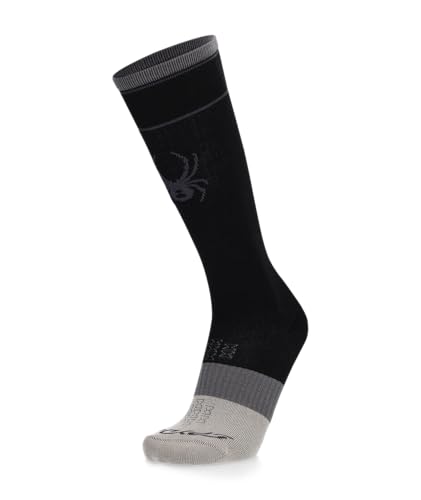 | Streamlined Compression | Sock Style: Ski liner; length not specified | Size: Large | Material: 72% acrylic, 25% nylon, 2% elastane, 1% polypropylene | SEARCH BEST PRICE | Read Our Analysis |
| Silk Blend Ski and Hiking Sock Liners |  | Silk-Blend Comfort | Sock Style: Mid-calf liner | Size: Medium | Material: 60% silk, 20% cotton, 15% nylon, 5% spandex | SEARCH BEST PRICE | Read Our Analysis |
| Terramar Thermasilk Sock Liner Black Medium/9-11 |  | Thermoregulating Pick | Sock Style: Liner; length not specified | Size: Medium (9–11) | Material: 80% spun silk, 20% stretch nylon | SEARCH BEST PRICE | Read Our Analysis |
| Fox River Wick Dry Alturas Crew Liner Socks |  | Blister-Prevention Pick | Sock Style: Crew liner | Size: Large | Material: Not specified | SEARCH BEST PRICE | Read Our Analysis |
| Croloose 4 Pairs Winter Silk Liner Hiking Socks Adults White L |  | Silk Multipack | Sock Style: Hiking liner; length not specified | Size: Large | Material: Silk; blend percentages not specified | SEARCH BEST PRICE | Read Our Analysis |
| Twistover Merino Wool Hiking Sock Liners 4 Pairs | 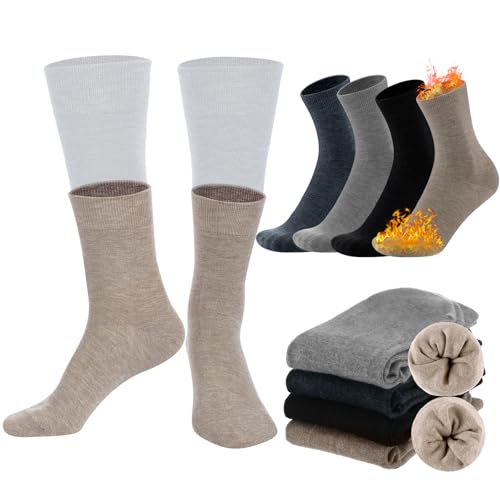 | Merino Blend Pick | Sock Style: Hiking liner; length not specified | Size: One size | Material: Wool, polyester, and spandex | SEARCH BEST PRICE | Read Our Analysis |
| Spyder Boy’s Youth Bug Liner Ski Socks Black Large |  | Best for Youth | Sock Style: Youth ski liner; length not specified | Size: Large | Material: 77% acrylic, 20% nylon, 2% elastane, 1% polypropylene | SEARCH BEST PRICE | Read Our Analysis |
| Fox River Wick Dry Ultra-Lightweight Liner Crew Socks |  | Moisture-Wicking Pick | Sock Style: Crew liner | Size: Large | Material: 93% polypropylene, 6% nylon, 1% spandex | SEARCH BEST PRICE | Read Our Analysis |
More Details on Our Top Picks
FoxRiver Alturas Lightweight Crew Liner Socks
The FoxRiver Alturas is best for skiers who want a lightweight base layer under their ski socks and inside snug ski boots. Its smooth, flat-knit fabric and sweat-wicking fibers help move moisture away from your skin without adding much bulk.
Its main limitation is limited insulation, so it offers little warmth on its own in cold conditions. Compared with padded or thicker ski socks, this crew liner focuses on a smooth, low-bulk fit; this black, unisex listing is size Large.
- Sock Style:Crew liner
- Size:Large
- Material:Not specified
- Moisture Handling:Moisture-wicking
- Color:Black
- Brand:Fox River
- Additional Feature:Smooth flat-knit construction
- Additional Feature:Ultra-lightweight design
- Additional Feature:Unisex fit
Fox River Therm-A-Wick Lightweight Over-the-Calf Liner Socks
Fox River Therm-A-Wick liners are best for skiers who want a thin, over-the-calf layer under ski socks. Their main strength is warmth: hollow-core Thermolite fibers help trap heat, while Wick Dry moves sweat away to help reduce friction and blisters.
The 50% Thermolite polyester, 49% nylon, and 1% spandex blend gives a smooth fit that takes up little room in ski boots. As a thin liner, it offers little cushioning on its own, and its main difference from thicker ski socks is that it is designed to add a lightweight layer beneath them.
You can also wear the liners for hiking, hockey, or work boots, and Fox River makes them in the USA with a one-year defect guarantee.
- Sock Style:Over-the-calf liner
- Size:Medium
- Material:50% Thermolite polyester, 49% nylon, 1% spandex
- Moisture Handling:Wick Dry moisture control
- Color:White
- Brand:Fox River
- Additional Feature:Cold-weather heat retention
- Additional Feature:Made in USA
- Additional Feature:One-year defect guarantee
Spyder Mens Pro Liner Socks Black M
Spyder Pro Liner Socks are best for skiers who want a snug liner with medium compression around the ankle and arch. Their key strength is helping the sock stay secure while managing dampness during active days on the slopes.
As a liner, they provide less standalone warmth than a thicker ski sock, so they work best beneath another sock. Compared with a loose fitting liner, they offer more support at the ankle and arch; this pair is black, size Medium.
- Sock Style:Pro liner; length not specified
- Size:Medium
- Material:Not specified
- Moisture Handling:Moisture management
- Color:Black
- Brand:Spyder
- Additional Feature:Ankle compression
- Additional Feature:Arch compression support
- Additional Feature:Medium compression level
FOX RIVER Wick Dry Alturas Ultra-Lightweight Crew Liner Sock White Medium
The FOX RIVER Wick Dry Alturas Ultra Lightweight Crew Liner Sock is best for skiers who want a thin layer beneath a separate ski sock, especially in a snug ski boot. Its main strength is its smooth, flat knit construction, which keeps the liner low profile.
As a liner, it provides limited cushioning and warmth on its own, so it may not suit skiers looking for a single padded sock. Compared with thicker ski socks, it adds less bulk and is designed to fit under another sock; this white, medium sock is model 4478 from Fox River Mills.
- Sock Style:Crew liner
- Size:Medium
- Material:Not specified
- Moisture Handling:Not specified
- Color:White
- Brand:FOX RIVER
- Additional Feature:Smooth flat-knit construction
- Additional Feature:Ultra-lightweight profile
- Additional Feature:Low-bulk layering
Tivi Tovo 4 Pairs Winter Knee High Liner Socks for Women Men M White
These four-pair knee-high liner socks suit skiers and snowboarders who want a practical rotation for ski boots and everyday winter wear. Their main strength is a soft, stretchy cotton blend that fits snugly beneath boot cuffs.
Each medium pair is made with 80% cotton blended with silk and 20% elastic nylon, and the seamless design helps reduce lines and bulk. Compared with thicker insulated ski socks, these are lightweight liners; the cotton blend may hold moisture longer during long, sweaty days on the slopes.
Wear them alone for hiking or cold-weather errands, and machine-wash them with a low tumble dry. The white four-pack is easy to coordinate, though it may show dirt sooner than darker ski socks.
- Sock Style:Knee-high liner
- Size:Medium
- Material:80% cotton/silk blend, 20% elastic nylon
- Moisture Handling:Natural moisture-wicking
- Color:White
- Brand:Tivi Tovo
- Additional Feature:Four-pair pack
- Additional Feature:Seamless construction
- Additional Feature:Machine-washable and dryer-safe
Smartwool Zero Cushion Liner Crew Socks (SW001650001L)
The Smartwool Zero Cushion Liner Crew suits skiers who wear snug ski boots and want a thin liner beneath their ski socks. Its main strength is the low bulk, which helps reduce crowding inside the boot.
The flat knit toe seam lies smoothly against the foot, and the elastic arch brace helps keep the sock in place. Since it has no padding, it offers little cushioning or warmth on its own, and differs from cushioned ski socks designed to be worn without a liner.
The listing describes one black pair in size Large, with recycled nylon included in the fabric. Check the listing for current price and fabric details, since recycled nylon content can vary by style.
- Sock Style:Crew liner
- Size:Large
- Material:Recycled nylon; full composition not specified
- Moisture Handling:Not specified
- Color:Black
- Brand:Smartwool
- Additional Feature:Flat-knit toe seam
- Additional Feature:Elasticized arch brace
- Additional Feature:One-pair package
Spyder Mens Pro Liner Ski Socks Orange Shock Large
The Spyder Pro Liner is best for skiers who want a thin sock with a close fit inside snug ski boots. Its medium compression and unpadded design help preserve boot feel, while the sweat management construction helps move moisture away from your feet.
Compared with cushioned ski socks, this liner adds less bulk and gives you a more direct feel for your ski boot. Its acrylic, nylon, elastane, and polypropylene blend is 72%, 25%, 2%, and 1%, respectively.
The main limitation is its lack of cushioning, which offers little extra warmth or impact protection on long days. The Orange Shock color is easy to spot in your gear, and Large is the listed size.
- Sock Style:Ski liner; length not specified
- Size:Large
- Material:72% acrylic, 25% nylon, 2% elastane, 1% polypropylene
- Moisture Handling:Moisture management
- Color:Orange Shock
- Brand:Spyder
- Additional Feature:No-cushion design
- Additional Feature:Medium-compression fit
- Additional Feature:Ski-liner design
Spyder Mens Pro Liner Ski Socks Black Large
The Spyder Men’s Pro Liner is best for skiers who want a thin sock with a close fit inside a snug ski boot. Its medium compression and sweat management help the sock hug the foot and move sweat away.
Its main strength is its thin, uncushioned design, which leaves more room inside the boot than padded ski socks. The limitation is that it offers no padding to soften pressure points, so a comfortable boot fit matters.
Unlike cushioned ski socks, this liner keeps the layer between your foot and boot minimal. The black Large is made of 72% acrylic, 25% nylon, 2% elastane, and 1% polypropylene.
- Sock Style:Ski liner; length not specified
- Size:Large
- Material:72% acrylic, 25% nylon, 2% elastane, 1% polypropylene
- Moisture Handling:Moisture management
- Color:Black
- Brand:Spyder
- Additional Feature:No-cushion design
- Additional Feature:Medium-compression fit
- Additional Feature:Ski-liner design
Silk Blend Ski and Hiking Sock Liners
These GIAG.IO silk blend liners are best for skiers and hikers who want a thin layer under ski socks or hiking socks, especially when their boots fit snugly. Their main strength is a smooth, breathable feel with gentle stretch, from fabric made of 60% silk, 20% cotton, 15% nylon, and 5% spandex.
The mid calf design fits beneath wool or ski socks and adds little bulk inside ski boots, snowboard boots, or hiking boots. Compared with thicker thermal liners, their defining difference is the lightweight silk blend, which makes them suited to layering.
Their limitation is modest insulation in very cold conditions, so wear them with a warm outer sock on cold days. They come in black, size medium, and also suit winter travel, commutes, and everyday boot wear.
- Sock Style:Mid-calf liner
- Size:Medium
- Material:60% silk, 20% cotton, 15% nylon, 5% spandex
- Moisture Handling:Breathable; wicking not specified
- Color:Black
- Brand:GIAG.IO
- Additional Feature:Low-bulk boot fit
- Additional Feature:Layers under outer socks
- Additional Feature:Gentle-stretch fit
Terramar Thermasilk Sock Liner Black Medium/9-11
Terramar Thermasilk is best for skiers who want a thin liner under ski socks, especially in snug ski boots. Its 80% spun silk and 20% stretch nylon blend adds little bulk, making that its main strength.
ec2 Quik-Dri helps move moisture and manage comfort during cold lift rides and warmer climbs. Compared with thicker wool or cushioned liners, Thermasilk feels lighter under tight boots, but provides little padding and may not offer enough warmth on its own in very cold conditions.
Choose medium for shoe sizes 9 to 11. Hand wash the liner or machine wash it on delicate.
- Sock Style:Liner; length not specified
- Size:Medium (9–11)
- Material:80% spun silk, 20% stretch nylon
- Moisture Handling:Quik-Dri technology
- Color:Black
- Brand:Terramar
- Additional Feature:No-bulk profile
- Additional Feature:Thermoregulation comfort technology
- Additional Feature:Delicate-wash care
Fox River Wick Dry Alturas Crew Liner Socks
Fox River Wick Dry Alturas Crew, model 4478, is best for hikers, workers, and skiers who want a thin liner under ski socks or inside boots with room. Its sweat-wicking, low-profile knit helps keep feet drier and reduce rubbing that can lead to blisters.
Its main limitation is little insulation, so pair it with a warmer sock for cold ski days. Compared with thicker, insulated ski socks, this liner focuses on moisture control and reducing friction; this option is Dark Navy, size Large.
- Sock Style:Crew liner
- Size:Large
- Material:Not specified
- Moisture Handling:Moisture-wicking
- Color:Dark navy
- Brand:FOX RIVER
- Additional Feature:Blister-reducing design
- Additional Feature:Smooth flat-knit construction
- Additional Feature:Boot-ready liner
Croloose 4 Pairs Winter Silk Liner Hiking Socks Adults White L
Croloose’s four pair silk liner set is best for skiers and hikers who want a smooth layer under regular ski or hiking socks. Its main strength is a soft feel against the skin, with natural moisture wicking to help manage sweat during long days in boots.
Compared with thicker ski socks, these liners focus on layering and offer little cushioning, so they may not provide enough warmth or padding on their own. The seamless construction helps reduce rubbing beneath outer socks.
The set includes four pairs in adult Large, with each pair measuring about 9.06 by 7.87 inches (23 by 20 cm). Their plain white design is easy to match with ski gear and other socks.
Machine wash with like colors and tumble dry on low. Skip ironing to help care for the silk.
- Sock Style:Hiking liner; length not specified
- Size:Large
- Material:Silk; blend percentages not specified
- Moisture Handling:Natural moisture-wicking
- Color:White
- Brand:Croloose
- Additional Feature:Four-pair pack
- Additional Feature:Seamless construction
- Additional Feature:Tumble-dry safe
Twistover Merino Wool Hiking Sock Liners 4 Pairs
Twistover liners are best for skiers and hikers who want a thin merino blend layer under their ski or hiking socks. The wool, polyester, and spandex blend wicks sweat, while flat toe seams and a snug fit may help reduce rubbing.
Compared with thicker, cushioned ski socks, these liners take up less space in boots but provide less cushioning and warmth on their own. The pack includes four pairs in one size, with listed colors such as black, gray, beige, and white, though availability may vary.
They also fit under many shoes for running, work, and daily wear. Choose them if you want lightweight, versatile sock liners for layering.
- Sock Style:Hiking liner; length not specified
- Size:One size
- Material:Wool, polyester, and spandex
- Moisture Handling:Wicks moisture
- Color:Assorted colors; listings vary
- Brand:Twistover
- Additional Feature:Four-pair assortment
- Additional Feature:Flat toe seams
- Additional Feature:Cold-weather warmth
Spyder Boy’s Youth Bug Liner Ski Socks Black Large
Spyder’s Boy’s Youth Bug Liner is best for young skiers who want a thin ski sock that fits neatly inside a snug ski boot. Its key strength is a low bulk fit that leaves more room inside the boot.
Compared with thicker, cushioned ski socks, this liner has no cushioning, which is its main limitation for children who want extra padding or warmth. The large size has a medium compression fit that provides gentle, even pressure.
The fabric is 77% acrylic, 20% nylon, 2% elastane, and 1% polypropylene, and it helps manage sweat during ski days. The black color keeps the look simple, while the slim design suits skiers who prefer a close fitting boot.
- Sock Style:Youth ski liner; length not specified
- Size:Large
- Material:77% acrylic, 20% nylon, 2% elastane, 1% polypropylene
- Moisture Handling:Moisture management
- Color:Black
- Brand:Spyder
- Additional Feature:Youth-specific design
- Additional Feature:No-cushion profile
- Additional Feature:Medium-compression fit
Fox River Wick Dry Ultra-Lightweight Liner Crew Socks
Fox River Wick Dry Ultra Lightweight Liner Crew Socks suit skiers who want a thin liner under their ski socks. Their moisture wicking fabric helps move sweat away from the skin, and their slim fit sets them apart from thicker, cushioned ski socks.
The main limitation is minimal cushioning, so they offer little padding on long days in ski boots. They also cannot fix boots that fit poorly, which can still cause blisters.
The blend is 93% polypropylene, 6% nylon, and 1% spandex. You get one olive pair, model 4478, in size large.
- Sock Style:Crew liner
- Size:Large
- Material:93% polypropylene, 6% nylon, 1% spandex
- Moisture Handling:Wick Dry moisture management
- Color:Olive
- Brand:Fox River
- Additional Feature:Blister-reducing design
- Additional Feature:Single-pair pack
- Additional Feature:Outdoor-ready use
Factors to Consider When Choosing Ski Sock Liners
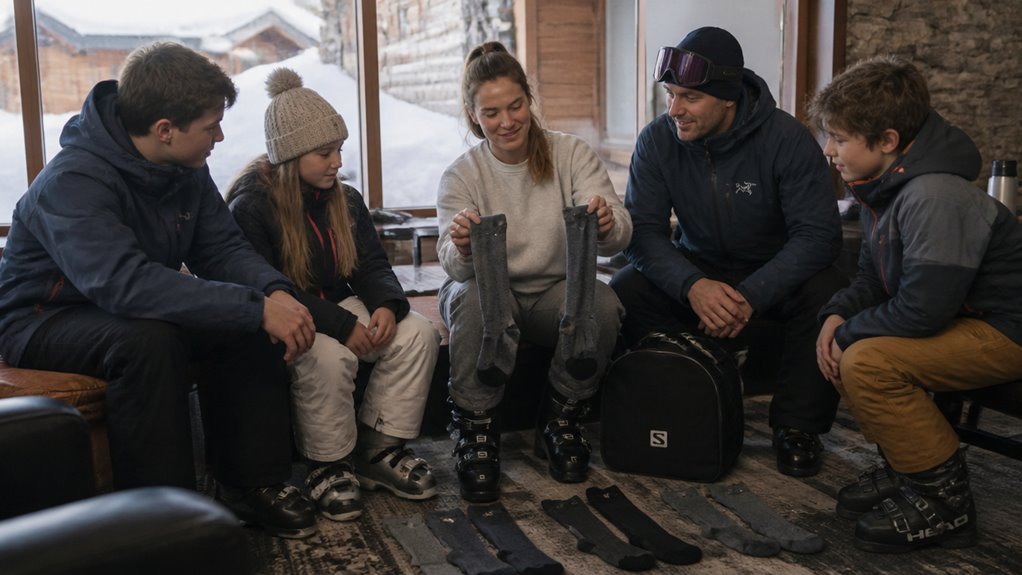
Choose ski sock liners that fit smoothly inside your ski boots, without bunching or pressing on your toes. Look for moisture wicking fabric to help keep your feet dry on the slopes.
Choose warmth and cushioning to suit your boot fit, since thick padding can make a snug ski boot uncomfortable. Pick liners that reach above the boot cuff to cover your ankles.
Fit And Sizing
Choose ski sock liners that sit close against your foot and leave your toes free to move. A secure fit helps prevent fabric from bunching inside your ski boots and causing pressure or rubbing.
Check the size chart and foot length range, since sizing can vary between brands. Look for gentle stretch and support around the arch and ankle to help the liner stay in place as you ski.
If possible, try the liners with your ski socks and boots before buying. The layers should lie smoothly inside the boot, with room for your toes to wiggle.
Moisture Management
Choose moisture-wicking ski sock liners that move sweat away from your skin and help keep your feet dry. Damp skin can increase friction, cause hot spots, and lead to blisters during a long day on the slopes.
If you sweat heavily or ski all day, look for quick-drying polyester or polypropylene liners. These fabrics release moisture faster, so the liners are less likely to stay damp between runs.
Check the fit before you buy: the liner should lie smoothly around your toes and heel, without folds or bunching. A smooth fit helps reduce rubbing inside your ski boots.
Prioritize moisture-wicking fabric and a comfortable fit when choosing ski sock liners. These features can help keep your feet dry and comfortable through a full ski day.
Fabric And Warmth
For warm feet in ski boots, choose a thin liner made from insulating, quick drying fabric. The right fabric depends on how cold you get and how actively you ski.
Hollow core polyester traps air to hold warmth while keeping the liner light. It can help on cold days without taking up much space inside your boots.
Polypropylene and polyester move sweat away from your skin, helping keep feet dry during ski runs and lift rides. Silk blends feel soft and light, while nylon and spandex add stretch for a close fit.
Acrylic and wool blends offer insulation and help manage moisture as your effort changes. Choose a thin ski boot liner that suits the weather and fits easily, so your boots close comfortably.
Cushioning Level
Choose a no-cushion ski boot liner if your boots already fit snugly, since it adds little bulk. If pressure points bother you, try a lightly cushioned liner and check that your boots still feel comfortable with your outer ski socks.
Padding from both layers can make a close-fitting boot feel tight. Compression at the ankle or arch provides snug support and is separate from cushioning.
Sock Length
Choose a ski sock liner that rises above your boot cuff to protect your skin from rubbing against the boot. Match its height to the boot shaft: crew socks suit lower-cut footwear, while over-the-calf or knee-high socks work better with taller ski boots.
Make sure the liner overlaps your outer ski sock so no skin is exposed between the sock and boot. Check that it stays up and smooth as you ski, since slipping or bunching can cause pressure points.
Try the socks with your ski pants and boot cuff on. The top edge should stay flat without folding over or digging into your leg.
Seam Comfort
Seam comfort matters in a snug ski boot. A smooth liner with flat seams can reduce rubbing against your foot.
Look for flat knit construction, which creates a smooth surface inside the liner and can help limit irritation on long days on the slopes. Seamless designs avoid raised joins that may rub as you move.
Try the liner with your ski boots, then walk and flex your feet. Choose a smooth, close fit with seams that lie flat and do not bunch to help reduce friction and blister risk.
Compression And Support
For most skiers, medium compression gives a secure, supportive fit in a ski liner. Choose a close, stretchy fit that follows your foot and keeps pressure comfortable.
Check that pressure feels even around your ankle, arch, and calf. A tight spot can become painful by lunchtime, especially inside a snug ski boot.
An elastic arch band can help keep ski socks in place as you move. It adds steady support and can reduce slipping during a day on the slopes.
Cushioning and compression serve different purposes. A thin liner can still support your arch and ankle while keeping bulk low for a close fit in your ski boots.
Try the liner on with your ski boots and choose one that feels supportive around your whole foot. Make sure the fit stays comfortable when you flex your ankle and stand in your skiing stance.
Boot Compatibility
Choose a lightweight, low bulk ski boot liner that fits under your ski sock without making your boot feel tight. Check the fit in your ski boots before buying.
Match the liner length to your boot cuff. Crew and mid calf liners may leave more skin uncovered than over the calf styles, so choose coverage that works with your boots.
Look for smooth, flat knit fabric or seamless construction to help prevent folds and pressure points. A snug, stretchy fit helps keep the liner in place as you ski.
Frequently Asked Questions
How Should Ski Sock Liners Be Washed and Dried?
Wash ski sock liners after each day on the slopes to remove sweat, body oils, and odor. Turn them inside out and use cool water on a gentle wash cycle with a small amount of mild detergent.
Skip fabric softener and bleach, since they can damage performance fibers or reduce moisture-wicking ability, which helps move sweat away from your skin. Wash liners separately from garments with hooks or zippers to help prevent snags and wear.
Check the care label, especially for merino wool ski sock liners, and air-dry them flat whenever possible. If the label allows machine drying, use low heat, and make sure the liners are completely dry before storing them with your ski gear.
Can Ski Sock Liners Help Prevent Blisters?
Yes, ski sock liners can help prevent blisters by reducing friction between your feet and ski socks or boot liners. A thin, snug liner made from merino wool or moisture-wicking synthetic fabric can also help manage sweat on long days at the resort.
Choose a smooth, seamless ski sock liner that fits without bunching, and avoid cotton because it holds moisture. For the best fit, wear the liner with your regular ski socks when trying on ski boots, since extra fabric can make tight boots feel even tighter.
If your toes feel cramped or you notice pressure points, skip the liner or consider a thinner pair. Test your new liners on a short ski outing before relying on them for a full day on the mountain.
How Often Should Ski Sock Liners Be Replaced?
Replace ski sock liners when they become thin, stretched out, or develop holes, often after one or two ski seasons. If your liners still fit snugly and feel smooth after regular use, there is no need to replace them just because a season has passed.
Check the heels and toes for worn spots, and look for loose elastic or seams that rub inside your ski boots. Liners that bunch, slip, or cause hot spots can affect comfort and contribute to blisters, so replace them before your next day on the slopes.
Wash ski sock liners according to the care label and let them dry completely between ski days. Trapped sweat and frequent wear can weaken the fabric and elastic, especially in lightweight merino wool or synthetic liners.
Ski 20 or more days a year? Inspect your liners at the start of each season and consider buying a replacement pair if the fabric or fit has noticeably changed. When comparing ski sock liners, choose a snug, smooth fit that works with your ski socks and ski boots without adding uncomfortable bulk.
Are Ski Sock Liners Suitable for Snowboarding?
Yes, ski sock liners are suitable for snowboarding if they fit comfortably inside your snowboard boots. A thin liner can help manage sweat and add a little warmth without taking up as much space as a second thick sock.
Choose merino wool or a moisture-wicking synthetic ski sock liner, and avoid cotton because it holds moisture and can leave feet cold. For the best fit, try your liners with your snowboard socks and boots before heading out.
If your toes feel cramped, numb, or cold, the extra layer may be restricting circulation, so wear one well-fitting snowboard sock instead. When shopping for ski or snowboard sock liners, prioritize a snug, smooth fit and avoid bulky seams that could cause pressure or blisters.
Bottom line: ski sock liners can work for snowboarding, but comfortable boot fit matters more than adding layers.
Can You Wear Ski Sock Liners Without Outer Socks?
Yes, you can wear ski sock liners without outer socks, but most are designed to be worn under a ski sock rather than used alone. A thin liner may slide, wear through faster, or provide too little warmth and cushioning for a full day on the slopes.
If regular ski socks make your ski boots feel tight, a liner alone may reduce bulk, but check that it stays smooth and secure inside the boot. Choose a snug, seamless ski sock liner made from merino wool or moisture-wicking synthetic fabric, and confirm the product is suitable for standalone wear.
For cold days, long ski sessions, or resort skiing, a proper ski sock usually offers better insulation and targeted cushioning. Check your boot fit before heading out, since bunching and pressure points can make your feet colder and less comfortable.
Rounding Up
Boot Fit: We wore each liner under a ski sock in the same ski boot, buckled it to our usual setting, flexed forward 20 times, and checked for folds at the toes and heel.
Moisture Check: We weighed each dry liner, added 5 milliliters of water to the inside, waited 10 minutes, then weighed it again to track moisture uptake.
Seam Pressure: We wore each liner in a buckled boot for 30 minutes, walked for 5 minutes, and recorded any seam pressure or rubbing.
Mountain Day (Winners Only): All recommended products passed the first three tests, then we wore each for a full day on the mountain, including lift rides and ski runs, and noted fit, warmth, and moisture during regular breaks.