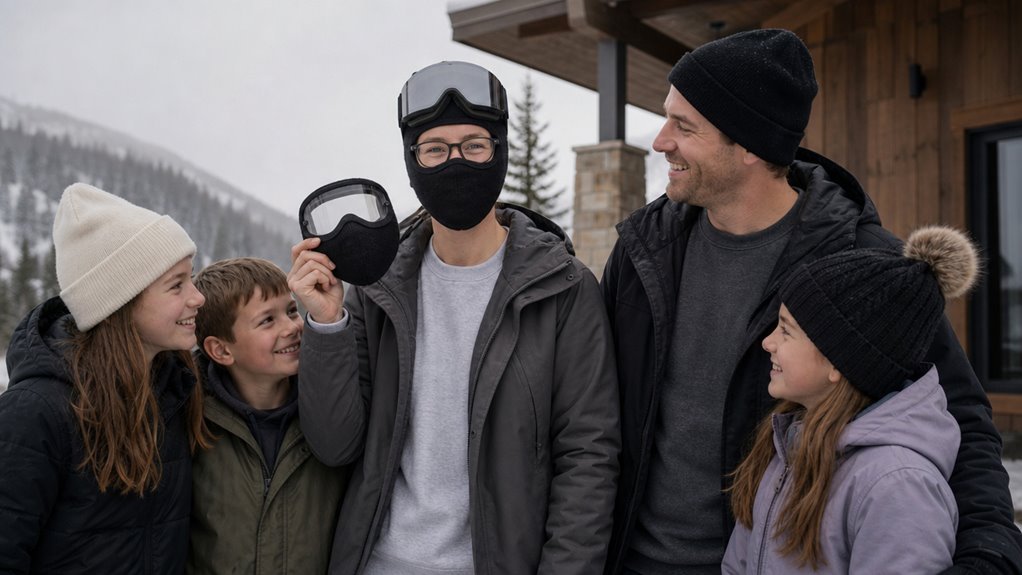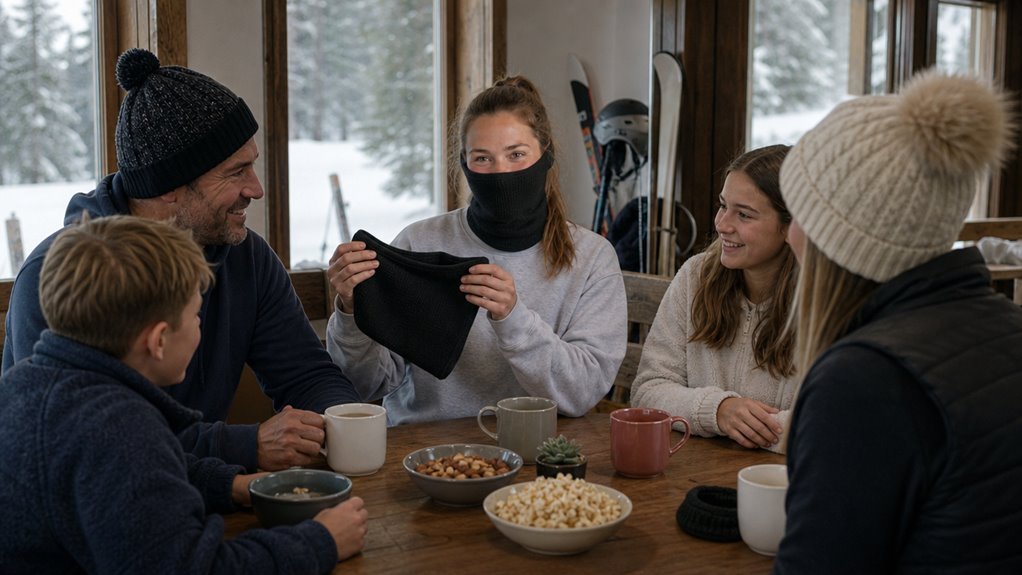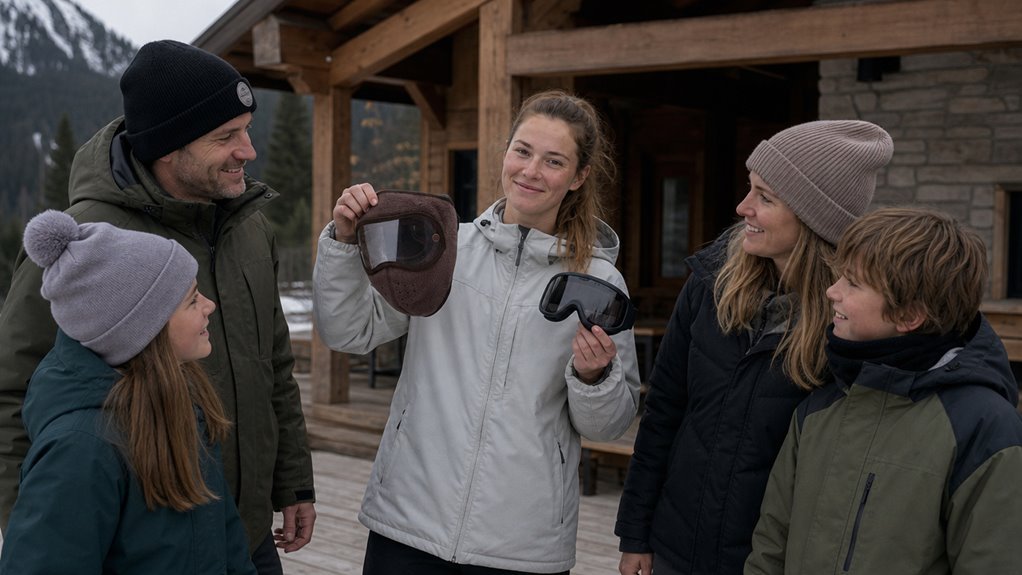
The best face masks that don’t fog goggles can make a cold day on the slopes a lot more comfortable.
Before buying, check the fit around your nose, the warmth and material, and whether the mask works with your goggles or glasses.
We compared options based on their features, fit details, and brand reputation—not hype alone.
Here are two picks, plus practical notes to help you decide what’s worth buying for your next ski day.
How We Tested
Options include Winter Balaclava Ski Mask with Anti Fog Goggles, with warm coverage and detachable HD goggles, plus Oakley MSK3 Anti Fog Face Mask, with a nose bridge and silicone gasket for glasses wearers. Both suit skiing, though neither guarantees fog free lenses.
We compared specifications, price, and our own impressions, including coverage, fit, breathability, and nose seal design. These criteria suit ski and snowboard buyers.
Test the mask with your goggles and helmet, keeping its edge below the goggle frame. Choose breathable fabric and follow care instructions to keep it clean and dry.
| Winter Balaclava Ski Mask with Anti-Fog Goggles |  | Best for Winter Sports | Fog Control: Detachable anti-fog goggles | Fit: Adjustable hook-and-loop straps | Breathability: Breathable fleece | SEARCH BEST PRICE | Read Our Analysis |
| Oakley Msk3 Anti-fog Face Mask |  | Best for Glasses Wearers | Fog Control: Adjustable nose bridge and silicone gasket help reduce fogging | Fit: Elasticized straps and adjustable closure | Breathability: Breathable design | SEARCH BEST PRICE | Read Our Analysis |
More Details on Our Top Picks
Winter Balaclava Ski Mask with Anti-Fog Goggles
This winter balaclava ski mask is best for skiers and snowboarders who want face coverage and goggles in one piece of cold weather gear. Its main strength is full face protection from wind, snow, and cold, with detachable HD goggles that use anti fog technology to help keep your view clear in damp conditions.
Its key difference from other winter face coverings is the detachable goggles, which let you adjust your setup as conditions change. The lenses can still mist in some conditions, and the warm fleece may feel hot during hard climbs or mild weather.
Adjustable hook and loop straps help secure the fit, while breathable fleece and helmet compatibility make it useful for skiing, cycling, hiking, and cold weather commuting. Consider it if you want a helmet compatible ski mask with goggles included and are comfortable wearing a warm fleece layer.
- Fog Control:Detachable anti-fog goggles
- Fit:Adjustable hook-and-loop straps
- Breathability:Breathable fleece
- Material:Fleece
- Color:Coffee
- Quantity:1
- Additional Feature:Detachable HD goggles
- Additional Feature:Helmet-compatible design
- Additional Feature:Full-face coverage
Oakley Msk3 Anti-fog Face Mask
The Oakley MSK3 is best for glasses wearers who want to reduce lens fog on walks, active days, or ski days. Its adjustable aluminum nose bridge and silicone gasket create a soft seal that helps limit fog from warm breath and changing temperatures.
Compared with a basic cloth mask, its semi rigid shape and adjustable closure offer more ways to manage the fit around glasses. One limitation is that it cannot guarantee fog free lenses, and filters are sold separately.
The mask is made from breathable 100% polyester and comes in black, model AOO0036AC. Compatible washable, reusable, or disposable filters are available, with options that offer 95% filtration.
Hand wash the mask and hang it to dry. Choose it if an adjustable nose fit is your priority, and consider another mask if you need a filter included.
- Fog Control:Adjustable nose bridge and silicone gasket help reduce fogging
- Fit:Elasticized straps and adjustable closure
- Breathability:Breathable design
- Material:100% polyester
- Color:Black
- Quantity:1
- Additional Feature:95% filtration efficiency
- Additional Feature:Replacement filters sold separately
- Additional Feature:Hand-wash care
Factors to Consider When Choosing Face Masks That Don’t Fog Goggles
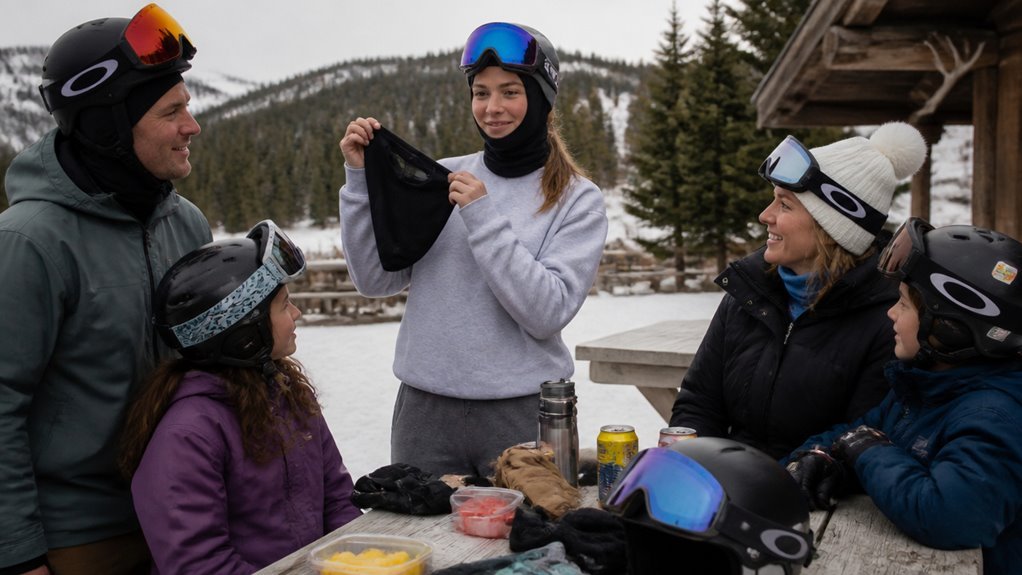
For skiing, choose a face mask that fits snugly and has an adjustable nose bridge to direct your breath away from your goggles. This helps reduce fogging while keeping the mask comfortable on the slopes.
Look for breathable, moisture-wicking fabric to help manage dampness during a day on the mountain. Check that the mask fits comfortably under your ski goggles and stays in place without frequent adjustments.
Fit and Seal
A close, comfortable fit helps keep ski goggles clear when choosing a ski mask. Look for a soft gasket that rests gently against your face and helps limit warm breath from escaping toward your goggles.
Adjustable straps or hook and loop tabs help you fit the mask to your head without making it too tight. A lightly structured front panel keeps fabric away from your mouth while the edges stay close to your face.
If possible, test the fit before you buy by turning your head, talking, and moving around. The mask should stay in place, and it should fit under your helmet without shifting or loosening.
Choose a mask that feels comfortable and provides steady coverage. A comfortable fit makes it easier to wear the mask for longer and can help keep your goggles clear.
Nose Bridge Design
Choose a ski mask with an adjustable nose bridge to help create a close seal and reduce warm breath reaching your goggles. This can help limit fogging while skiing, cycling, or hiking.
The bridge should follow the shape of your nose and close gaps that let air escape upward. Flexible silicone can follow your facial contours, while a firmer bridge holds its shape and still bends for comfort.
Check that the bridge sits evenly without pinching or leaving gaps at the sides. Adjust it until it feels secure, so you can focus on the trail instead of reshaping your mask.
Breathability and Moisture
For clear ski goggles, choose a breathable ski mask with a snug nose seal. Breathable fabric helps release heat and moisture as you ski, while the seal keeps warm breath from rising toward your lenses.
A loose fit can direct breath onto your goggles and cause fogging. A mask that feels too restrictive may make breathing uncomfortable and trap dampness.
Choose a mask that feels comfortable, lets you breathe easily, and stays in place on the slopes. Try it with your goggles to check that the nose seal fits securely beneath the frame.
Goggle Compatibility
Fit your ski mask with your goggles before heading to the slopes. A poor seal can send warm breath onto your lenses and cause fogging.
Choose a close nose seal, and adjust the nose bridge to close gaps beneath the goggles. This helps direct exhaled air down and away from the lenses.
With your goggles on, check that the mask’s upper edge sits below the frame without pressing on or lifting it. Keep the mask straps clear of your goggle straps, and choose a low profile mask if you wear a helmet.
Try on your full ski setup and breathe hard to test the fit. Your goggles should stay in place, with no warm air escaping toward the lenses.
Adjustability and Comfort
When choosing a ski face mask, look for breathable fabric and adjustable features to help you stay comfortable and reduce warm breath reaching your ski goggles. Hook and loop straps or elastic closures make it easier to adjust the fit for your head and reduce pressure on your ears.
An adjustable nose bridge can help the mask seal and sit comfortably. Bend it gently to follow the shape of your nose.
Breathable fleece or polyester allows airflow, and a mask body that holds its shape helps keep fabric away from your face. Try the mask with your ski goggles before heading to the slopes, and adjust it until it feels secure and comfortable.
Material and Care
When choosing a ski mask, look for soft, breathable fleece or polyester. These fabrics help release heat and moisture, which can make wearing the mask with ski goggles more comfortable on long days.
Check the care label before you buy, since some masks need hand washing and air drying. Follow the instructions to help the fabric keep its shape and performance.
If the mask has replaceable filters, check whether each filter is washable or disposable. Follow the filter’s care instructions separately, and make sure the mask and filters are clean and dry before your next day on the slopes.
Frequently Asked Questions
Can I Wear Prescription Glasses With an Anti-Fog Face Mask?
Yes, you can wear prescription glasses with an anti-fog face mask. For less fogging, choose a mask with an adjustable nose wire that seals comfortably and directs warm breath away from your lenses.
Put the mask on first, fit it high over your nose, then rest your glasses over its top edge. If your lenses still fog, check the seal and consider a lens-safe anti-fog spray approved for your glasses.
For skiing or snowboarding, make sure your face mask fits comfortably under your ski goggles without breaking the goggle seal. If you wear glasses on the slopes, look for over-the-glasses (OTG) ski goggles or prescription goggle inserts for a more reliable fit.
How Often Should I Wash a Face Mask Worn With Goggles?
Wash your ski face mask after every day on the mountain, and sooner if it gets damp, sweaty, or dirty. A clean mask helps reduce odor and skin irritation, while a fully dry mask is more comfortable under ski goggles.
Check the care label before washing, especially for merino wool or technical fabrics. Use the recommended water temperature and a mild detergent, then air-dry the mask completely before wearing it again.
Keep a spare ski face mask in your boot bag so you have a dry option between runs or on back-to-back ski days. When buying a replacement, look for a breathable, quick-drying design that fits comfortably with your ski goggles and helps limit fogging.
Are Anti-Fog Face Masks Suitable for People With Asthma?
Usually, people with asthma can wear an anti-fog face mask for skiing if it feels comfortable and does not make breathing harder. Look for a breathable ski mask or balaclava with a comfortable fit, moisture-wicking fabric, and ventilation that works with your ski goggles.
Avoid masks that feel tight or trap too much heat and moisture around your nose and mouth. Before buying, check the product details and try the mask at home, then wear it briefly on an easy run to see how it feels during activity.
If you develop wheezing, chest tightness, or unusual breathlessness, remove the mask when safe and follow your asthma action plan. Contact your clinician if symptoms persist or you are unsure which cold-weather face covering is suitable for you.
A clear goggle fit matters, but so does comfortable breathing, so choose an anti-fog ski face mask that works for both.
Can I Use These Masks for Cycling or Other Outdoor Activities?
Yes, these masks can work for cycling and other outdoor activities, provided the fit and airflow suit your effort level. On a chilly ride, a ski face mask with a nose panel that directs warm breath downward may help keep goggles clearer.
Choose a snug, secure fit that stays in place when you turn your head, and check that you can breathe comfortably during hard efforts. If you’re shopping for a cycling or ski mask, look for breathable, moisture-wicking fabric and a design that works with your helmet and eyewear.
Carry a spare mask on longer rides, since sweat or rain can leave the fabric damp and less comfortable. Test the mask on a short ride before relying on it for a long cycling trip, ski day, or other outdoor adventure.
Do Anti-Fog Face Masks Work in Warm, Humid Weather?
Anti-fog face masks can help in warm, humid weather by directing breath down and away from ski goggles, but they cannot prevent fog caused by sweat, moisture, or poor goggle ventilation. For skiing and snowboarding, a snug nose seal and breathable, moisture-wicking fabric can make a noticeable difference.
For a better fit, position your ski goggles comfortably over the mask’s upper edge without creating gaps or putting pressure on the seal. Choose goggles with good ventilation and an anti-fog lens coating, and avoid touching or wiping the inside of the lens.
Before buying an anti-fog mask for skiing, check that it fits with your helmet and goggles, then test the combination in realistic conditions. For cycling or other warm-weather activities, carry a clean, dry lens cloth and let damp gear air out between uses.
Rounding Up
Nose Seal Check: We fitted each mask under the same goggles and adjusted the straps until the nose bridge sat snugly. We checked the seal in a mirror and noted visible gaps.
Breath Direction Check: For every mask, we wore the goggles and took twenty steady breaths while looking for fog across the lens. We repeated the check after one minute of normal breathing.
Fit Shift Test: For every mask, we turned our heads left and right ten times, then spoke five sentences and checked whether the nose bridge or fabric shifted.
Real World (Winners Only): All recommended products passed the first three tests, then we wore each for a full day on the mountain. We checked fogging, breathing, and comfort every hour on groomers and during breaks.