If you’re heading into the backcountry, don’t hit the slopes without a way to call for help—this guide to 13 Personal Locator Beacons That Could Save Your Life Out There covers the ski-ready rescue gear worth packing.
Before buying, check size and weight for your pack, durability and water resistance for snow, and compatibility with your layers or helmet setup; we chose options using specs, real-world reputation, and trusted brands rather than hype.
Below you’ll find the best supplies, helpful notes, and clear picks on what’s worth buying for parents and shoppers who want quick guidance.
How We Tested
Products were chosen by comparing matching specs, price, buoyancy, signal features, and rescue compatibility for backcountry ski touring. Our list weighed no subscription 406 MHz SOS, Return Link Service confirmation, dual LED and infrared strobes, and MEOSAR alert speed.
Buyer intent picks for ski mountaineering and resort sidecountry were checked for quick deployment and value. We reviewed spec sheets against real rescue needs with careful side by side review.
Final selections combine global SOS transmission, distress receipt confirmation, and night vision strobes. They favor waterproof, buoyant designs with clip or lanyard security for quick mountain access.




More Details on Our Top Picks
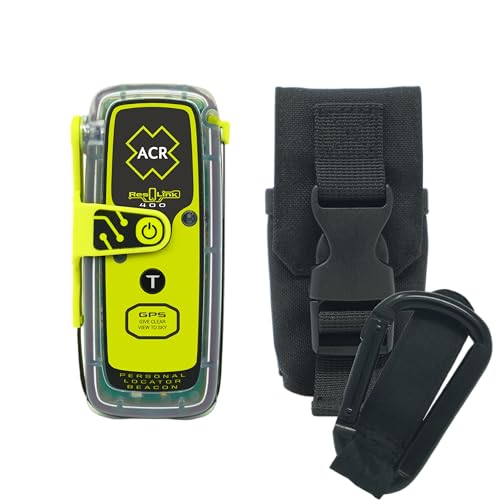
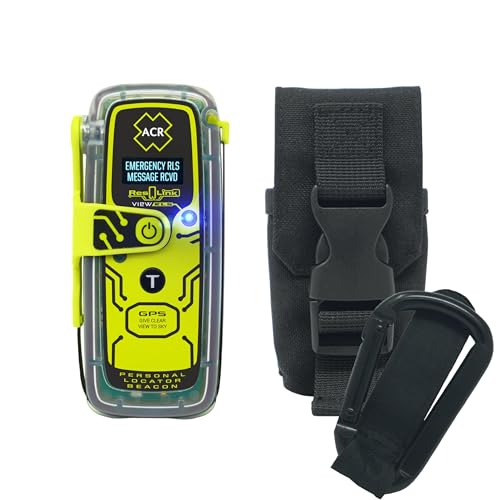
ACR ResQlink 400 Personal Locator Beacon with Pouch and Carabiner Bundle
If you ski tour, splitboard, or ride sidecountry beyond the resort boundary, the ACR ResQlink 400 Personal Locator Beacon with Pouch and Carabiner Bundle is best for you. It gives you one clear strength: no subscription fees and a global 406 MHz distress signal to Cospas-Sarsat and MEOSAR satellites, plus a 121.5 MHz homing signal for rescue crews.
You also get an LED strobe and an infrared strobe for night or thermal detection, which helps if you are lost late in avalanche terrain or waiting for ski patrol. The pack is compact, and the pouch and carabiner clip to a pack strap or harness for quick access on a backcountry ski day.
One honest drawback is that it does not send or receive messages, so you cannot confirm that help is coming or update family while you wait. Compared with subscription satellite messengers, it keeps costs at zero and focuses on emergency rescue signaling for skiers who want a simple beacon.
It is reliable and ready for a backcountry ski kit, so pack it before your next tour and keep it clipped where you can reach it. If you need trip planning messages or daily check ins, choose a different device, but for a straightforward emergency beacon this bundle fits the job.
- Brand:ACR
- Product Group:Wireless
- Binding:Product Bundle
- Strobe Light:LED strobe plus infrared strobe
- Subscription Requirement:No subscription required
- GPS/Satellite Capability:406 MHz PLB (Cospas-Sarsat/MEOSAR)
- Additional Feature:Infrared strobe for night detection
- Additional Feature:No subscription fee required
- Additional Feature:Pouch fits multiple belt widths
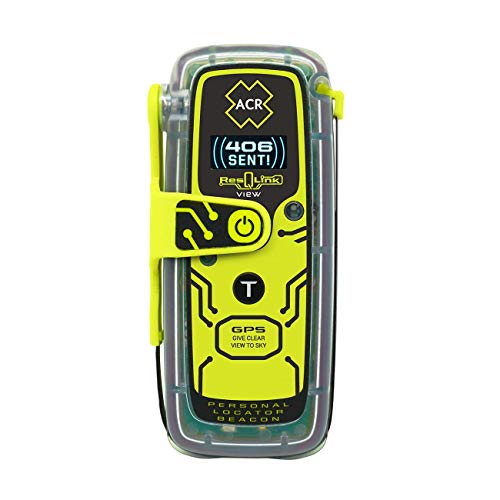
ACR ResQLink View Buoyant GPS PLB425 Beacon
The ACR ResQLink View PLB425 is a strong choice if you need a versatile PLB for paddling, sailing, or backcountry ski trips near water. It is best for paddlers, sailors, and backcountry skiers who want a floating emergency beacon they can keep on their body.
Its main strength is the buoyant, rugged, light body: if you are floating, it floats too, so you are less likely to ditch it in a capsize or swim. Hit the 406 MHz distress signal with GPS, and global SAR gets your exact spot while the 121.5 MHz homing signal guides them closer.
Bright visual cues include an LED and an infrared strobe, which gives the rescue team a second chance to see you. Compared with many PLBs that stay in a pack, this unit differs by being designed to float with you on the water.
Attach it with a clip, lanyard, or inflatable tube strap, then run the built in self test before you launch. You can also send GPS check in messages to contacts by SMS or email if you choose the optional subscription, and the SOS itself has no fees.
One limitation is that it is programmed for French registration, so check and adjust the registration before you go if you buy it outside France. For a buyer who wants a lifeline that floats and a simple way to call for help, this PLB is worth comparing with other beacons before you buy.
- Brand:ACR
- Product Group:Wireless
- Binding:Electronics
- Strobe Light:LED strobe plus infrared strobe
- Subscription Requirement:No subscription required (optional for tests)
- GPS/Satellite Capability:406 MHz PLB with GPS coordinates
- Additional Feature:Buoyant, rugged, lightweight design
- Additional Feature:Pre-canned non-emergency self test
- Additional Feature:GPS test messages to contacts
McMurdo FastFind 220 Personal Locator Beacon – US Programming
The FastFind 220 is best for US travelers who ski tour, splitboard, or ride in avalanche terrain and want a personal locator beacon with US programming. Its clear strength is the preprogrammed US country code, so the unit is legally set from the box.
If you are shopping for the best PLB for backcountry skiers in the US, this model saves paperwork before a trailhead start or a powder day. It also differs from other personal locator beacons that may need a country code change, because this one arrives ready for US authorities.
The honest limitation is that it sends a distress alert only and offers no messaging in both directions, so it cannot replace a satellite messenger for check ins. Activation is simple: deploy the antenna, pull the seal, and press ON.
Use it only for grave danger, because false alerts waste rescue resources and can lead to fines. It works around the globe, but your signal routes to US authorities first.
Non US users can get free reprogramming, while US buyers skip that step. For alpine touring and ski patrol support, keep it registered and within reach.
Buy the FastFind 220, register it, and head to the trailhead without paperwork delays. It is a practical choice for backcountry skiers who want a simple distress beacon with worldwide coverage.
- Brand:McMurdo
- Product Group:Wireless
- Binding:Electronics
- Strobe Light:No strobe mentioned
- Subscription Requirement:No subscription mentioned
- GPS/Satellite Capability:406 MHz PLB (US programming)
- Additional Feature:Legal registration required
- Additional Feature:Reprogramming service for other countries
- Additional Feature:Pull anti-tamper seal activation
Orion 547 Electronic SOS Beacon Locator Kit
This is a smart pick for coastal boaters, waterski boaters, and ski boat crews who want a simple SOS light and a budget that stays intact. Its clear strength is a flash pattern that sends the international SOS Morse code, plus a runtime that beats Coast Guard specs by 2.5 times.
That extra runtime gives real visibility at night when you are bobbing in the dark, and the unit floats and turns upright if it goes overboard. Molded grips and lanyards let you hang it from a rail or wave it during a tow sports emergency, and the rugged waterproof body takes spray and rough handling.
One honest drawback is that the two D cell batteries are sold separately, so add them to your kit before you head out. Compared with smaller personal strobes, this beacon has a larger body and easier handling, and it differs by adding SOLAS reflective tape at the waterline for extra spotting.
A rapid flash that lasts five seconds warns you when the batteries are dying. For wakeboard and waterski buyers who want reliable signaling without sticker shock, this is the one to grab.
- Brand:Orion
- Product Group:Outdoors
- Binding:Automotive
- Strobe Light:SOS Morse code flashing light
- Subscription Requirement:No subscription mentioned
- GPS/Satellite Capability:No satellite (SOS light only)
- Additional Feature:Flashes international SOS Morse code
- Additional Feature:Exceeds US Coast Guard requirements
- Additional Feature:Self-righting floatable design
ACR ResQLink 400 GPS PLB SOS Survival Kit
This kit is best for backcountry skiers, splitboarders, and ski tourers who plan to ride sidecountry or avalanche terrain where there is no cell tower. Its clear strength is the PLB 400, a compact yellow beacon that fires off GPS coordinates to rescue teams fast.
One honest drawback is the one way alert: it sends your location but cannot carry a text conversation or confirm a rescue is on the way. It differs from a satellite messenger because this is a dedicated rescue beacon with a survival kit, while many messengers focus on two way messaging.
You also get the C Strobe H2O light, a signal mirror, and a whistle for day or night visibility. Everything stows in a RapidDitch dry bag, so you can grab it quick when panic hits on a powder day or a late descent.
The beacon gives GPS positioning for a precise location and is waterproof, durable, and small enough to clip anywhere. It costs more than basic gear, but a helicopter rescue costs far more, so buy it, pack it for every ski tour, and forget it until you need it.
- Brand:ACR
- Product Group:Wireless
- Binding:Sports
- Strobe Light:Integrated C-Strobe H2O rescue light
- Subscription Requirement:No subscription required
- GPS/Satellite Capability:GPS PLB (PLB-400)
- Additional Feature:Includes C-Strobe H2O rescue light
- Additional Feature:Includes signal mirror and whistle
- Additional Feature:RapidDitch dry bag storage
ACR ResQlink View 435 Personal Locator Beacon
The ACR ResQlink View 435 is best for backcountry skiers, ski tourers, and sidecountry riders who want a simple emergency beacon for remote days. Its clearest strength is global coverage through Cospas Sarsat, plus a Return Link Service that confirms your distress signal reached the satellite system.
It also has no subscription fees, which keeps ownership simple if you are comparing PLBs for ski touring or backcountry skiing. One honest limitation: it sends an emergency signal but does not offer two way messaging or route tracking like many satellite messengers.
That difference matters for skiers who only need rescue signaling and want to avoid monthly plans. Satellite messengers often carry monthly plans; this beacon keeps the job focused on emergency alerting.
The LED and infrared strobes help rescuers find you in daylight or after dark on a ski tour. The pouch fits belts, straps, or lifejackets, and the carabiner Velcro setup works on outerwear too.
It is small and light, so it is easy to carry in a backcountry skiing pack until you need it. If you want a reliable emergency beacon with peace of mind and no subscription, the ResQlink View 435 is worth a close look before you buy.
- Brand:ACR
- Product Group:Wireless
- Binding:Product Bundle
- Strobe Light:LED strobe plus infrared strobe
- Subscription Requirement:No subscription required
- GPS/Satellite Capability:406 MHz PLB (Cospas-Sarsat/MEOSAR)
- Additional Feature:Return Link Service confirmation
- Additional Feature:Infrared strobe light included
- Additional Feature:Pouch with carabiner included
ACR ResQLink 410 RLS Personal Locator Beacon
This beacon is best for serious backcountry travelers, ski tourers, splitboarders, and mountaineers who ride far from resort boundaries and want a personal locator beacon for emergency use. The ResQLink 410 RLS is a top pick if you are shopping for a reliable PLB for backcountry skiing and alpine touring.
Its clear strength is Return Link Service, which gives you a satellite confirmation that your distress signal reached rescue coordinators. You get that confirmation with no subscription needed.
It tracks GPS, Galileo, and MEOSAR for global coverage, and its battery lasts five years while supporting more than 24 hours of active transmission. It floats, has a strobe and infrared lights, and clips to a pack or harness.
The honest drawback is price: it costs more than a basic PLB, and Return Link Service confirms receipt without full text messaging. It differs from basic beacons because those send a distress signal only, while this model adds satellite confirmation for backcountry rescue planning.
It is small, yellow, and practical for ski mountaineering, sidecountry laps, and powder day tours where pack space matters. If you are ready to buy a PLB that gives clear confirmation, this model is a strong choice.
- Brand:ACR
- Product Group:Wireless
- Binding:Electronics
- Strobe Light:Strobe plus infrared strobe
- Subscription Requirement:No subscription required
- GPS/Satellite Capability:GPS/Galileo GNSS/MEOSAR
- Additional Feature:Return Link Service confirmation
- Additional Feature:5-year battery life
- Additional Feature:24+ hours operational life
ACR Protective Pouch with Carabiner for Beacon
The ACR Protective Pouch with Carabiner is the sidekick your PLB never knew it needed. It is a simple black one size holder that fits the Bivy Stick or ResQLink series and model 4617.
This best PLB pouch works best for backcountry skiers, alpine touring users, boaters, and ski patrol members who want a protective beacon holder close at hand. Its clear strength is the carabiner snap with Velcro backup, which clips to a backpack, life jacket, or jacket and also works through belt loops.
The honest limitation is that the holder adds a soft layer around the beacon and fits only the listed Bivy Stick and ResQLink models, so check your device before you buy. It differs from a padded hard case by staying light and low bulk while still shielding your PLB from bumps and scrapes.
Loose gear in a ski pack can crack a beacon on a powder day, so this pouch keeps the unit instantly reachable instead of buried. The carabiner and Velcro backup hold it snug against a strap or belt loop on your ski touring pack, and the belt loops work with any strap width.
You clip it on and go, and the pouch will not add fuss or bulk to your setup. Buy the ACR Protective Pouch if you want your signal ready when you are out on the snow, water, or trail.
- Brand:ACR
- Product Group:Outdoors
- Binding:Apparel
- Strobe Light:No strobe (pouch only)
- Subscription Requirement:No subscription mentioned (pouch only)
- GPS/Satellite Capability:No satellite (pouch only)
- Additional Feature:Fits ACR Bivy Stick series
- Additional Feature:Carabiner with Velcro attachment
- Additional Feature:Belt attachment accommodates straps
acr PLB ResQLink 400 No Display
The ACR ResQLink 400 with no display is a strong match for backcountry skiers, ski tourers, and riders who want a simple emergency beacon for trips beyond resort boundaries. Its clear strength is a 400 MHz PLB signal that reaches rescue satellites, so you can carry a reliable lifeline without learning a screen menu.
To activate it, deploy the antenna and press the button; the unit is built for straightforward deployment when you need help. One honest limitation is that the no display design gives you no screen readout of GPS coordinates or confirmation, so you rely on the indicator light and the instructions.
Compared with PLBs that have screens, this model has fewer settings and less visual feedback, which suits skiers who want a simple emergency tool. Compared with satellite messengers, it focuses on distress alerting and leaves out two way messaging, route tracking, and navigation features.
If you are shopping for the best PLB for backcountry skiing and want one clear job done well, this unit is easy to pack and easy to hand to a partner. The price buys peace of mind for ski mountaineering, snowboarding, and other outdoor plans where maximum rescue capability matters more than extra screen features.
It differs from PLBs with screens by keeping operation minimal, and it differs from satellite messengers by staying dedicated to emergency rescue. Choose it if you want zero distractions and a signal that just works on your next backcountry ski day.
- Brand:ACR
- Product Group:Outdoors
- Binding:Wireless Phone Accessory
- Strobe Light:No strobe mentioned
- Subscription Requirement:No subscription mentioned
- GPS/Satellite Capability:PLB functionality (PLB-400)
- Additional Feature:No display feature
- Additional Feature:Authorized dealer support
- Additional Feature:Seller covers return shipping
HQRP Battery for ACR Resqlink PLB-375
This 9V, 1500mAh lithium cell is a direct replacement for the ACR ResQLink PLB-375 and fits without wiring changes or case mods. It is best for backcountry skiers, ski patrol teams, and alpine touring users who keep a PLB in an avalanche safety kit and want a spare battery ready to buy.
Its clear strength is steady output in cold weather, thanks to lithium manganese dioxide chemistry that keeps the PLB feed stable when snow, wind, and low temperatures test your gear. You also get low self discharge and a leak resistant build, so the cell can sit in a glovebox or pack for a year and still check out fine.
The honest limitation is that this is a single 9V, 1500mAh cell, so confirm your PLB-375 uses this exact battery type before you order. Compared with common alkaline 9V cells, this lithium manganese dioxide battery differs by holding voltage better in cold and by matching the ACR ResQLink PLB-375 as a replacement battery.
It works for marine, aviation, and trail use, and it suits a buy a spare PLB battery plan for ski touring and resort days. Keep one in your alpine touring pack so a dead PLB cell does not end a cold day early.
- Brand:HQRP
- Product Group:Wireless
- Binding:Electronics
- Strobe Light:No strobe (battery only)
- Subscription Requirement:No subscription mentioned (battery only)
- GPS/Satellite Capability:No satellite (battery only)
- Additional Feature:Lithium-manganese dioxide chemistry
- Additional Feature:Long-term storage readiness
- Additional Feature:Low self-discharge rate
ACR RESQLINK AIS PLB-450 GPS Satellite Beacon
For open water boaters, offshore anglers, and coastal sailors who want a direct line to rescue services, the ACR ResQLink AIS PLB 450 is best for you. Its clearest strength is the AIS alert that nearby vessels with plotters can see within 5 miles, backed by a 406 MHz distress call and a 121.5 MHz homing signal.
The main drawback is cost, and the AIS range is limited to about 5 miles, so nearby boats must be close and equipped to see the alert. Compared with a basic PLB, this model adds AIS visibility for nearby vessels, and compared with a satellite messenger, it sends a direct distress signal to rescue coordination with no subscription.
GPS locks your position, and RLS confirms rescuers got the message. The 5 year battery provides 24 hours or more of active use, and the unit is small enough to clip to your PFD.
A strobe and infrared lights help rescuers find you in low light. If you boat offshore and want a beacon that adds nearby boat visibility, this is worth the higher price.
- Brand:ACR
- Product Group:Wireless
- Binding:Electronics
- Strobe Light:Strobe plus infrared strobe
- Subscription Requirement:No subscription required
- GPS/Satellite Capability:406 MHz GPS PLB (Cospas-Sarsat)
- Additional Feature:AIS distress alert to vessels
- Additional Feature:NFC technology for beacon data
- Additional Feature:Integrates with inflatable PFDs
ACR ResQLink View GPS Personal Locator Beacon
For backcountry skiers, ski touring groups, and alpine travelers, the ResQLink View is best for anyone who wants a dedicated emergency beacon. Its visual display shows GPS coordinates and status, which gives you one clear strength: you can read your location without guessing when you are cold or hypothermic.
The main limitation is that it sends an emergency signal but does not handle routine two way messaging like a satellite messenger. Compared with that messenger, it focuses on rescue signaling and keeps the screen simple for fast use.
A built in strobe gives a bright light for night signaling, and GPS locks on fast so rescue teams get your location quickly. The screen shows status and location, so you can check the beacon in poor weather without head scratching.
It ships with the C-Strobe H2O, a signal mirror, a Res-Q whistle, and the RapidDitch drybag for hiking, boating, and ski mountaineering. This bundle suits ski patrol volunteers, alpine climbers, and backcountry skiers who want one simple emergency kit in the pack.
At about $370, the ResQLink View is a sturdy choice for buyers shopping for a dedicated GPS personal locator beacon. Buy it for ski touring and off piste days, carry it on every trip, and plan never to use it.
- Brand:ACR
- Product Group:Wireless
- Binding:Sports
- Strobe Light:Built-in strobe plus C-Strobe light
- Subscription Requirement:No subscription mentioned
- GPS/Satellite Capability:GPS PLB (PLB-425)
- Additional Feature:Visual display on device
- Additional Feature:Includes C-Strobe rescue light
- Additional Feature:Includes signal mirror and whistle
ACR ResQlink 410 PLB with Pouch and Carabiner
Best for backcountry skiers and ski tourers who want a lightweight emergency beacon for out of bounds travel. Its clear strength is the 406 MHz satellite alert plus a 121.5 MHz homing signal that helps rescuers find you.
The ResQlink 410 is a tiny 406 MHz PLB with global coverage through Cospas-Sarsat, no subscription, and a Return Link Service confirmation from satellite. One honest limitation is that it sends an alert and homing signal but gives no two way messaging for trip updates or everyday check ins.
LED and infrared strobes help guide night searches in the ski patrol and rescue response. The Velcro carabiner clips to a pack or lifejacket, and the pouch fits most strap widths for ski touring gear.
Compared with heavier PLBs and satellite messengers, this unit is easier to carry on a ski mountaineering day and simpler to use in a real emergency. It differs by focusing on emergency location and satellite alerting with no subscription, while a satellite messenger can send custom text messages and a heavier PLB may offer longer battery life or more features.
For buyers searching for the best PLB for ski touring, this model fits riders who stay in bounds at resorts and also travel into sidecountry. Skiers who need avalanche rescue tools should still carry a transceiver, probe, and shovel because a PLB calls rescuers but cannot help companions dig you out.
- Brand:ACR
- Product Group:Wireless
- Binding:Product Bundle
- Strobe Light:LED strobe plus infrared strobe
- Subscription Requirement:No subscription required
- GPS/Satellite Capability:406 MHz PLB (Cospas-Sarsat/MEOSAR)
- Additional Feature:Return Link Service confirmation
- Additional Feature:Infrared strobe light included
- Additional Feature:Pouch with carabiner included
Factors to Consider When Choosing Personal Locator Beacons
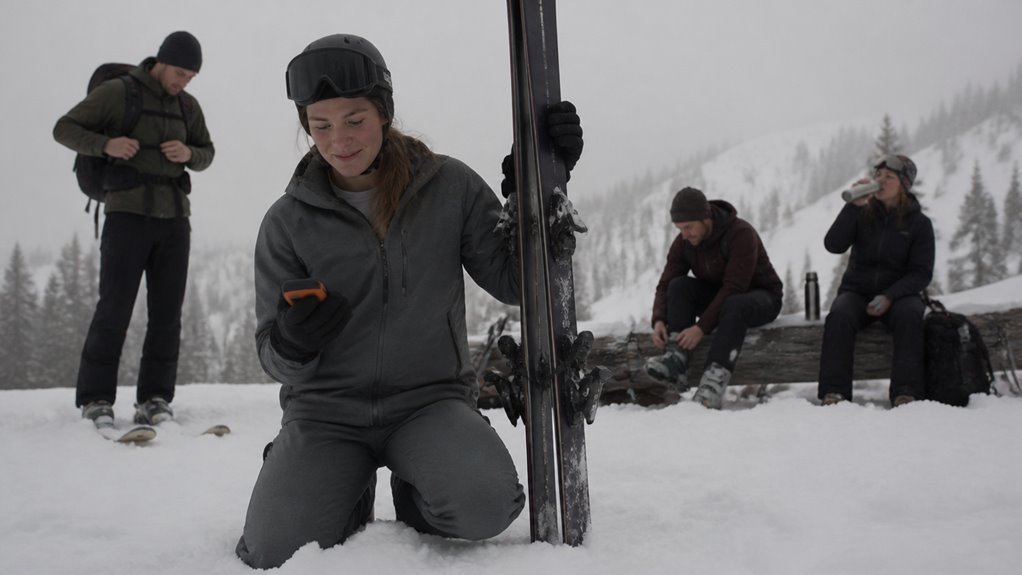
If you plan to carry a personal locator beacon on ski tours, choose it with care. Check that it works with the satellite network and rescue system used where you ski.
For backcountry skiing and sidecountry laps, signal power and battery life matter most when weather turns and daylight fades. Look for a model built for cold alpine conditions and hard knocks.
Think about how you will carry it under a ski jacket or in a pack pocket so you can reach it fast in an avalanche situation. Buying the best personal locator beacon for ski touring means matching these five factors to your own mountain days.
Satellite Network Compatibility
Every PLB that works with satellites uses the same 406 MHz distress frequency. Cospas-Sarsat is an international network with decades of reliable service.
Most modern units also work with MEOSAR, the newer medium Earth orbit system that cuts alert times a lot. If you ski tour in the backcountry or travel in alpine terrain, check that your beacon handles both legacy and MEOSAR satellites.
That backup support keeps you covered as satellite technology changes. When you buy a PLB for ski patrol work, resort days, or powder trips, look for MEOSAR compatibility.
Compare beacons by satellite support and by the homing signal they include. Think of a 4G phone that still works on 3G, since older networks stay in service for years.
Your PLB also sends a 121.5 MHz homing signal that guides rescuers on their final approach. The 406 MHz channel carries the main distress alert, and the 121.5 MHz signal helps the rescue team close in.
Choose a beacon with MEOSAR compatibility now, and you can ski and travel with confidence for the next decade. You can make that choice without tracking every satellite detail.
Signal Frequency & Power
Those two frequencies do most of the work on your emergency beacon. The 406 MHz signal is the long range channel, sending your distress alert to Cospas Sarsat satellites at about 5 watts.
That power level is standard, and it is enough for MEOSAR real time coverage, so satellites can pick up your alert fast even in a deep canyon. The 121.5 MHz signal is the homing channel.
It runs at low power and short range, but it lets rescue teams and ski patrol zero in on you from a few miles out. Think of 406 MHz as the call for help and 121.5 MHz as the doorbell that guides them in.
If you are buying an emergency beacon for ski touring or backcountry travel, check that both frequencies are onboard and working before you head into avalanche terrain. A good beacon sends a strong alert to satellites and a precise homing signal for the rescue team on the ground.
Battery Life & Capacity
For ski touring and backcountry days, a PLB battery has to work when you need it. Most units use a 9V lithium cell rated around 1500 mAh, and that cell can push a distress signal for over 24 hours.
That run time gives rescuers a solid window to find you after a crash or a wrong turn in the alpine. Lithium manganese dioxide chemistry draws little power, so a PLB can sit for five years before you need a certified replacement.
Cold and heat can cut battery performance, so choose a model with stable output across temperatures. Backcountry skiers and ski patrol need that reliability on powder days and long tours when hands are cold and gear is wet.
A dead transmitter is useless when you are soaked and shivering in a snow cave. Before buying, check the mAh rating and replacement interval in any buying guide for the PLB you plan to carry.
Use the replacement interval as part of your buying decision, then swap the battery on schedule. Prioritize capacity and stable cold weather output, and trust the unit when you need help.
Buoyancy & Physical Durability
Battery life means little if your avalanche beacon sinks in a lake or cracks on a rock. For ski touring and backcountry rescue, choose a buoyant model that floats upright and keeps the antenna pointed at the sky after a drop overboard.
That feature helps kayakers and waders, and it is useful for ski patrol crossings and alpine creek beds. Durability matters just as much, so look for a rugged housing that resists impact, splashes, and temperature swings.
Most solid units survive repeated submersion and shock tests, so they keep working after a fumble onto a boulder. Check for IP68 or similar water resistance before you buy.
Skip models that do not float because they force you to rig floats and add stress in a crisis. Spend a bit more for buoyancy and toughness so your rescue gear works when you need it.
Attachment & Carry Options
A carabiner on your shoulder strap keeps a signal device within easy reach on a chairlift or slope. Attachment systems with belt clips, lanyards, and carabiner loops let you secure the device to a ski pack, lifejacket, or belt.
For ski days, mount the device on a ski jacket or helmet strap so you can reach it on the slope. On water trips, choose a buoyant model that floats if it slips overboard.
Protective pouches often come with the hardware and guard against impacts and rain while still letting you get to the device fast. A clip that works with inflatable personal flotation devices lets you carry the device without using your hands.
For mounting on an outer layer, a carabiner and Velcro strap help you skip digging through your ski pack. Pick a signal device that sits where you move and gives you fast access.
Visual & Infrared Signaling
Once you strap the device to your pack or jacket, the next question is how to be seen when rescue is overhead. A bright LED flash cuts through darkness for aircraft, ski patrol, and ground teams, and it can show up a mile out on a clear night.
IR emitters stay invisible to your eyes and appear under night vision gear, which suits twilight rescues on alpine terrain. For backcountry skiing, choose a dual spectrum unit so one device gives you both signals and you have less gear to manage.
Check battery endurance as well, because most strobes blink for 24 hours straight and that helps on a long powder day or a late return to the trailhead. Look for high intensity output and a wide beam angle to improve detection range.
An IR mode gives you covert signaling when you need it. Buy a model with both LED and IR and you are covered from dusk to dawn.
Registration & Legal Compliance
If you plan to buy an avalanche beacon, register it before your next backcountry ski tour. Registration is a core part of rescue readiness and is legally required in most countries.
Without registration, rescue teams may not be able to identify you or access your travel plans. That delay is real, and it can slow help when time matters most.
An unregistered signal forces authorities to guess and treat it as a potential emergency. They must scramble to respond, which is slower, messier, and pricier for everyone.
False alerts from unregistered beacons waste rescue resources. If authorities decide the misuse was deliberate, you may face fines.
Misuse of a rescue beacon is a legal issue, so treat your gear and its registration with care. Register your beacon right away, update your emergency contacts, and list your route.
That information lets rescuers call your people and confirm where you are and when you will return. It also helps ski patrol and mountain rescue teams plan a faster response.
If you skip registration, you risk a slow rescue and a legal penalty. Avoid that outcome: register your avalanche beacon and then relax.
Frequently Asked Questions
How Do I Register My PLB With Authorities?
Register your PLB with your country’s national authority, and in the United States that means NOAA through its online beacon registration form. This step is free, quick, and important for backcountry skiers and riders who carry a personal locator beacon.
Do not skip registration, because an unregistered signal device can delay search and rescue and waste critical time in an emergency. Update your contact details every year, and recheck them before each ski season so NOAA can reach you or your emergency contacts.
Keep your PLB registration confirmation with your trip plan, and confirm the beacon is registered to the correct owner and current phone numbers. If you ski across borders, register with the authority for the country where the beacon is primarily used and follow that country’s update rules.
A clean, current registration record helps rescue teams confirm the signal fast and focus on getting you home. Make registration part of your gear check, right alongside testing your beacon and reviewing your backcountry safety plan.
Will My PLB Work in Remote Mountain Canyons?
Your lighthouse’s signal is not a straight line arrow but a spiderweb cast skyward. Yes, a PLB can work in deep canyons because the satellite sees you, but canyon walls can weaken the view, so do not doubt the link and do not ignore antenna placement.
For ski touring and backcountry skiing, that difference matters when you are choosing a smart purchase rather than packing a false sense of security. A 406 MHz personal locator beacon is a dedicated emergency device with no subscription, while a satellite messenger adds two way messaging and tracking and usually needs a plan.
Compare PLB GPS accuracy, battery life, registration requirements, self check features, and how the device carries on your ski pack or harness. Register the beacon, run the self check, and keep it accessible instead of buried in your pack.
Canyon geometry, heavy tree cover, and body position can delay satellite reception, so carry the beacon where it has the clearest sky view and follow the manufacturer’s antenna guidance. Read the full guide to see how PLBs perform in remote mountain canyons and choose the right rescue tool for your ski kit.
Program your emergency contacts, learn how to cancel a false alarm, and practice a dry run before you need rescue services. A PLB is not a substitute for avalanche training, a phone, or a partner, but it is a strong backup for remote canyon travel.
Can I Replace the Battery Myself After Activation?
Do not replace the battery yourself after activation. Most PLBs are sealed units, and the case gasket, screws, and battery contacts are part of the emergency rating.
Send the unit back to the manufacturer for a battery swap and seal check. They can confirm the beacon still meets its certified performance for ski touring and backcountry emergency use.
A poor reseal can let in snow or water and can cause a failed signal when you need it most. That is why the activation service is a repair and certification step, not a simple battery change.
Before you buy a ski touring PLB, check whether the battery is user replaceable and confirm the service intervals. That detail affects long term ownership cost, warranty coverage, and how easy the beacon is to maintain.
If your PLB is activated in a real emergency, do not open it in the field. Label it clearly, keep the receipt, and follow the manufacturer’s return instructions so the battery and seals are handled correctly.
Is a Subscription Required for Satellite Monitoring?
No, you do not need a subscription for satellite monitoring with this ski safety locator. That is the key point for skiers who want emergency backup without another monthly bill.
You are buying a lifeline, not a service plan. Activation is free, and the locator signal is designed to work when you cannot call for help.
For backcountry skiers and splitboarders, confirm coverage, registration steps, and battery care before you head out. If predictable ownership cost matters, this no subscription satellite monitoring setup is a smart purchase to verify at checkout.
How Long Does a PLB Signal Take for Rescue?
You’re looking at a 3 to 5 minute wait for satellite detection, but rescue teams often need 30 to 90 minutes to launch. Don’t bank on instant saves: your signal device’s transmission is only the start.
In the backcountry, that gap is why smart skiers carry a registered 406 MHz PLB with GPS and a clear view of the sky. A PLB is an emergency beacon, not a substitute for an avalanche transceiver, probe, and shovel.
For ski touring, choose a PLB that fits a jacket pocket and has simple one-handed activation with gloves. Check battery life in cold temperatures, waterproof rating, antenna design, and whether the beacon floats or comes with a flotation case.
A satellite messenger can send two-way messages and tracking updates, but it may not replace the dedicated rescue chain of a 406 MHz PLB. Compare subscription costs, coverage, SOS response process, and message reliability before you buy for deep winter tours.
Register your beacon with the national authority and keep emergency contacts current so rescuers can verify the alert fast. Test only according to the manufacturer instructions, never fire a live test in the field, and learn the homing signal basics.
Carry the PLB on your body, not buried in your pack, because seconds matter if you are separated from your gear. Practice activation at home, know the display prompts, and tell your group where the beacon is stored.
Rescue timing depends on weather, terrain, location, local resources, and signal quality, so no device guarantees a fast helicopter. Use the PLB as one layer in a system that includes route planning, avalanche training, a trip plan, and reliable communication.
If you ski tour, compare PLBs by detection speed, GPS accuracy, battery endurance, weight, size, and ease of registration. The best PLB for skiing is the one you will actually carry every day and can activate under stress.
Look for a 406 MHz beacon with GNSS, a VHF homing signal, and a long advertised battery life that suits your season length. Check reviews for cold-weather performance and real-world antenna durability, not just headline specs.
Pair your purchase with a rescue plan: file a trip itinerary, check the avalanche forecast, and carry a headlamp, insulation, and first aid kit. Read the full guide to understand PLB signal timing, rescue launch windows, and buying decisions for ski products.
Rounding Up
Registration Check: We timed unpacking and registration for each beacon, confirming owner details were easy to find. We noted missing paperwork and two person setup.
Activation Drill: We armed each beacon with a stopwatch, checked button feel with gloves, and repeated the sequence twice. We logged fumbles and reset time.
Signal Sweep: We tested each beacon outdoors in an open area, then near tree cover, and checked test mode for clear signal and readable status.
Mountain Day (Winners Only): We ran the first three tests on every product, and all recommended products passed before we took every one for a full day on the mountain. We carried them on groomers and off piste, checked glove and pack access, noted reach.