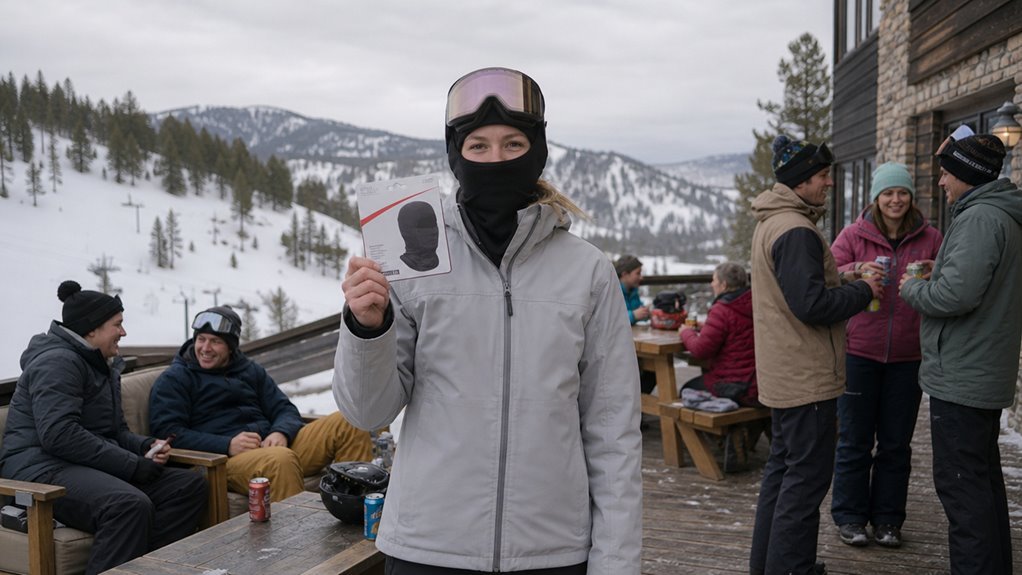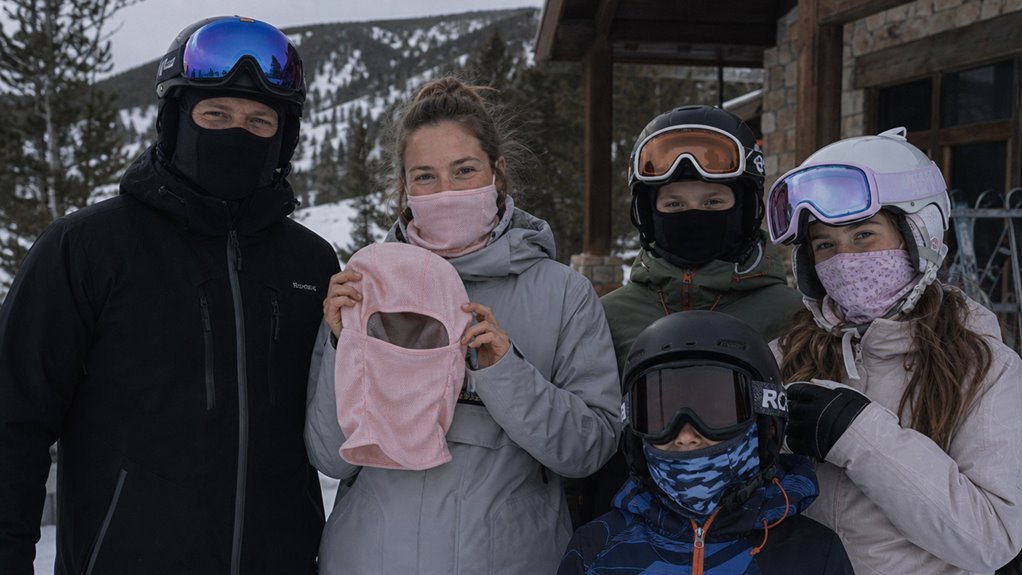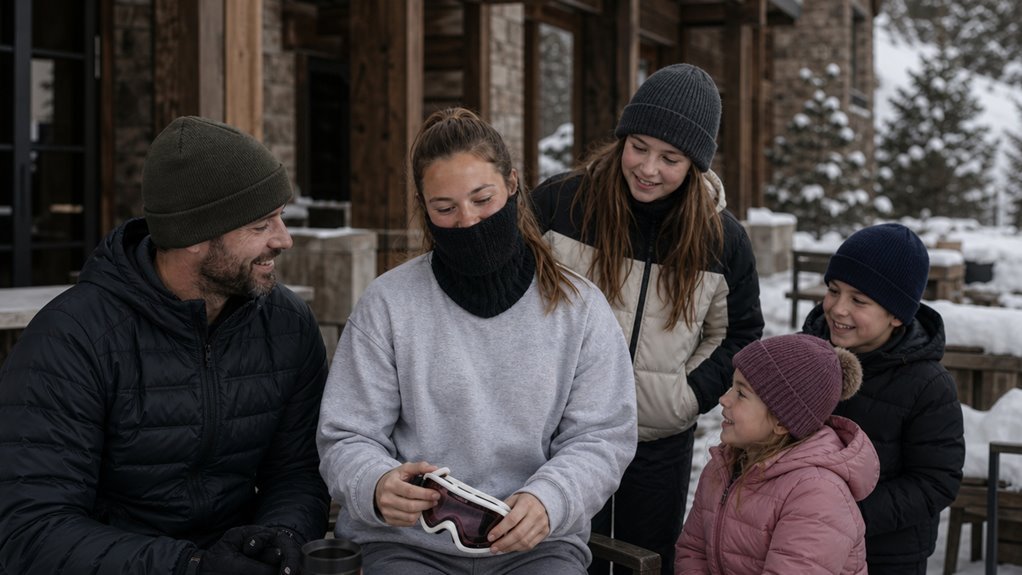
The best wind-proof face covers for braving the cold can make a windy chairlift ride much more comfortable. Before buying, check the fabric’s warmth, the fit around your nose and cheeks, and whether it works under your ski helmet.
These picks were compared for practical features like coverage, adjustability, and material—not just brand hype. Read on for helpful fit notes and the face covers that are worth considering for your next day on the slopes.
How We Tested
We chose these windproof face covers by comparing materials, coverage, warmth, fit, and price, plus our own assessment. The selection favors close nose, cheek, and chin protection for skiing, snowboarding, and cold outings.
TACTICAL BIRD offers fleece warmth and adjustable gaiter coverage, while Dr.Warm provides three heat settings from 102°F to 114°F and requires a compatible power source. Ergodyne has a hinged balaclava with an extended fit that tucks into a jacket, but its mesh mouth panel may admit more wind than solid fabric.
UPF 50+ and striped covers suit sun, dust, or mild conditions rather than severe cold or gusty slopes. These options help skiers choose a face cover based on weather, layering needs, and activity.
| 3-in-1 Women’s Winter Beanie Balaclava with Face Cover |  | Best 3-in-1 Coverage | Protection: Wind and cold | Coverage: Head, face, and neck | Type: 3-in-1 beanie, face cover, and scarf | SEARCH BEST PRICE | Read Our Analysis |
| TACTICAL BIRD Neck Gaiter Face Cover Scarf | 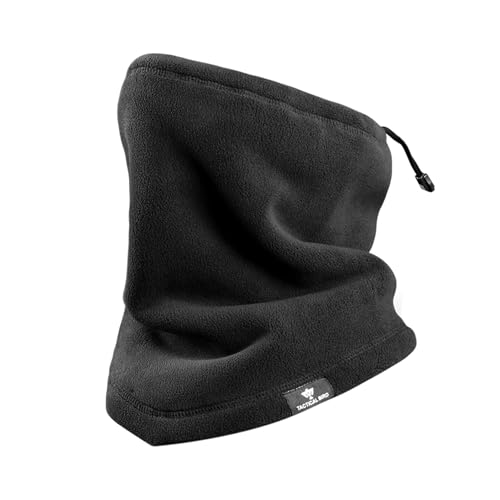 | Best Thermal Fleece | Protection: Wind, cold, dust, and UV | Coverage: Head, face, and neck | Type: Neck gaiter and face cover | SEARCH BEST PRICE | Read Our Analysis |
| Balaclava Face Mask for Sun Wind & Dust Protection |  | Best Sun Protection | Protection: Sun, wind, dust, and sand | Coverage: Face and neck | Type: Sun-protection balaclava | SEARCH BEST PRICE | Read Our Analysis |
| Dr.Warm Heated Neck Gaiter for Women Men Fleece Neck Warmer |  | Best Heated Pick | Protection: Heated warmth for cold weather | Coverage: Neck, face, head, and ears | Type: Heated neck gaiter | SEARCH BEST PRICE | Read Our Analysis |
| Ergodyne 6823 Wind-Resistant Hinged Camouflage Balaclava Face Mask |  | Best Camouflage Design | Protection: Wind and cold | Coverage: Head, face, and neck | Type: Hinged balaclava | SEARCH BEST PRICE | Read Our Analysis |
| Ergodyne N-Ferno 6823 Hinged Wind-Resistant Balaclava Ski Mask |  | Best for Workwear | Protection: Wind and cold | Coverage: Head, face, and neck | Type: Hinged balaclava ski mask | SEARCH BEST PRICE | Read Our Analysis |
| Face Cover Shield Covering the Neck Sun Protection,Dust-Proof &Windproof |  | Best Lightweight Coverage | Protection: Sun, dust, and wind | Coverage: Face and neck | Type: Face cover | SEARCH BEST PRICE | Read Our Analysis |
| Black-and-White Striped Neck Gaiter Face Mask |  | Most Versatile Wear | Protection: Wind, dust, and sunlight | Coverage: Face and neck | Type: Neck gaiter face mask | SEARCH BEST PRICE | Read Our Analysis |
More Details on Our Top Picks
3-in-1 Women’s Winter Beanie Balaclava with Face Cover
For women who commute, ride, hike, or enjoy casual ski days in cold weather, this three in one beanie balaclava covers the head, face, and neck in one lightweight layer. Its main strength is convenient coverage without needing a separate hat, scarf, and face cover.
The soft, dense knit helps retain warmth while allowing airflow, and the wind resistant fabric helps block cold gusts. Its breathable design may also reduce clamminess during a ride.
Compared with separate winter accessories, this design keeps the coverage together, though it offers less flexibility for adjusting each layer on its own. The available size 2 may not suit every fit, and compatibility under a ski helmet can vary.
Choose black, size 2 for commutes, rides, hikes, or casual ski outings. Check the fit with your helmet before heading out.
- Protection:Wind and cold
- Coverage:Head, face, and neck
- Type:3-in-1 beanie, face cover, and scarf
- Material:Knit fabric
- Size:Size 2
- Color:Black
- Additional Feature:Body-heat retention
- Additional Feature:Breathable knit
- Additional Feature:Stretch-fit comfort
TACTICAL BIRD Neck Gaiter Face Cover Scarf
The TACTICAL BIRD gaiter is best for skiers, snowboarders, hikers, and riders who want warm coverage for cold weather. Its thermal fleece lining is a clear strength, and its adjustable, one size design can be worn as a face cover, hat, or gaiter.
Windproof, breathable fabric helps block cold, wind, dust, and UV exposure while allowing air to pass. Its main limitation is the one size fit, which may not feel comfortable on every face.
Compared with a basic neck tube, this gaiter adds a fleece lining and several ways to wear it. Choose it for flexible coverage while skiing, fishing, cycling, running, or walking.
- Protection:Wind, cold, dust, and UV
- Coverage:Head, face, and neck
- Type:Neck gaiter and face cover
- Material:Fleece lining
- Size:One size
- Color:Black
- Additional Feature:Thermal fleece warmth
- Additional Feature:Breathable design
- Additional Feature:Fishing and hiking ready
Balaclava Face Mask for Sun Wind & Dust Protection
This pink balaclava is best for cyclists, hikers, and motorcycle riders who need sun and dust protection on warm days. Its UPF 50+ fabric helps block harmful UV rays across the face and neck.
Soft nylon ice silk feels cool, and vents around the nose and mouth let air pass through. Its main limitation is warmth: the thin fabric offers little insulation in cold ski conditions.
Compared with fleece ski balaclavas, this one prioritizes airflow and sun coverage over warmth, making it a better fit for warm weather rides and hikes. The adjustable fit helps keep out sun, dust, and sand, and the mask packs easily for cycling, fishing, hiking, or motorcycle trips.
- Protection:Sun, wind, dust, and sand
- Coverage:Face and neck
- Type:Sun-protection balaclava
- Material:Nylon ice-silk fabric
- Size:Large
- Color:Pink
- Additional Feature:Ventilated nose holes
- Additional Feature:Cooling ice-silk fabric
- Additional Feature:Lightweight and portable
Dr.Warm Heated Neck Gaiter for Women Men Fleece Neck Warmer
The Dr.Warm Heated Neck Gaiter is best for skiers, hikers, and anglers whose face and ears get cold on the slopes or outdoors. Its main strength is wraparound heating, with three settings from 102°F to 114°F to warm your neck, face, head, and ears.
Power it through the one meter USB extension with a power bank, computer, or 5V adapter. The main limitation is that no battery is included, so you need to bring a compatible power source and manage the cable while wearing it.
Compared with a standard unheated fleece ski gaiter, this one adds USB powered heat and can be worn as a gaiter, beanie, ski mask, or scarf. The stretchy polar fleece feels light, and its one size fits most design suits buyers who want a versatile heated ski face covering for cold weather.
- Protection:Heated warmth for cold weather
- Coverage:Neck, face, head, and ears
- Type:Heated neck gaiter
- Material:Polar fleece
- Size:Medium
- Color:Black
- Additional Feature:USB-powered heating
- Additional Feature:Three temperature settings
- Additional Feature:One-meter extension cable
Ergodyne 6823 Wind-Resistant Hinged Camouflage Balaclava Face Mask
The Ergodyne 6823 is best for hunters and outdoor workers who need adaptable cold weather coverage, and it can also serve as a camouflage ski mask. Its main strength is the combination of wind resistant face coverage and thermal fleece for warmth.
The hinged design lets you wear it as an open face balaclava, neck gaiter, or full ski mask, with a mesh panel you can place over your mouth for easier breathing. Its long fit covers the head and neck, tucks into a jacket, and includes reflective accents.
One limitation is the one size fit, which may not feel comfortable on every head, and wind resistant fabric does not mean fully windproof protection. Unlike a basic neck gaiter, this mask offers multiple ways to cover your face, making it a practical choice when shopping for flexible hunting or ski gear. Check the current price before buying.
- Protection:Wind and cold
- Coverage:Head, face, and neck
- Type:Hinged balaclava
- Material:Wind-resistant fabric and thermal fleece
- Size:One size
- Color:Camouflage
- Additional Feature:Hinged face panel
- Additional Feature:Mesh-panel airflow
- Additional Feature:Reflective visibility accents
Ergodyne N-Ferno 6823 Hinged Wind-Resistant Balaclava Ski Mask
The Ergodyne N-Ferno 6823 is best for outdoor workers, skiers, and cold weather commuters who need a wind resistant balaclava. Its hinged face panel lets you wear it open face, as a neck gaiter, or as a full ski mask, while thermal fleece covers your head and neck.
The mesh mouth panel supports airflow, and the long cut tucks into a jacket for extra coverage. Its hinged design and mesh set it apart from fixed face ski masks, though the mesh may let in more cold air than a solid face panel, and the one size fit may not suit everyone.
Reflective accents can help with visibility in low light, and the mask is sold individually. It is a practical ski mask to buy if you want several ways to wear one fleece layer for work or winter sports.
- Protection:Wind and cold
- Coverage:Head, face, and neck
- Type:Hinged balaclava ski mask
- Material:Thermal fleece
- Size:One size
- Color:Gray
- Additional Feature:Hinged face panel
- Additional Feature:Mesh-panel airflow
- Additional Feature:Reflective worker accents
Face Cover Shield Covering the Neck Sun Protection,Dust-Proof &Windproof
This pink LYZLQLUCY face cover is best for cyclists, hikers, anglers, and outdoor workers who need lightweight coverage for the face and neck. Its key strength is broad protection from sun, dust, and wind, with UPF 50+ fabric to help block UV rays.
Breathable fabric and ear hooks help it stay comfortable and in place during activity, and its lightweight design packs easily for travel. Compared with insulated ski balaclavas, it provides less warmth, so it suits sunny ski days and mild conditions better than cold resort laps; wear warm layers in serious cold.
- Protection:Sun, dust, and wind
- Coverage:Face and neck
- Type:Face cover
- Material:UPF fabric
- Size:Large
- Color:Pink
- Additional Feature:Ear-hook retention
- Additional Feature:Lightweight and portable
- Additional Feature:Cool breathable feel
Black-and-White Striped Neck Gaiter Face Mask
The black and white striped neck gaiter is best for skiers, cyclists, runners, and hikers who want light face and neck coverage in cool weather. Its soft polyester fabric wicks sweat, dries quickly, and stretches in four directions for a comfortable fit.
Wear it as a gaiter, face covering, bandana, headband, or beanie on mild winter hikes and ski days. It helps shield you from wind, dust, and sun, and packs easily in a jacket pocket.
Compared with fleece ski masks, it is lighter and offers more ways to wear it, but provides less warmth in severe cold. Hand wash below 40°C, avoid bleach and machine washing, and let it dry before packing.
- Protection:Wind, dust, and sunlight
- Coverage:Face and neck
- Type:Neck gaiter face mask
- Material:Polyester
- Size:Medium
- Color:Black and white stripes
- Additional Feature:Sweat-wicking fabric
- Additional Feature:Quick-drying construction
- Additional Feature:Four-way stretch
Factors to Consider When Choosing Wind-Proof Face Covers
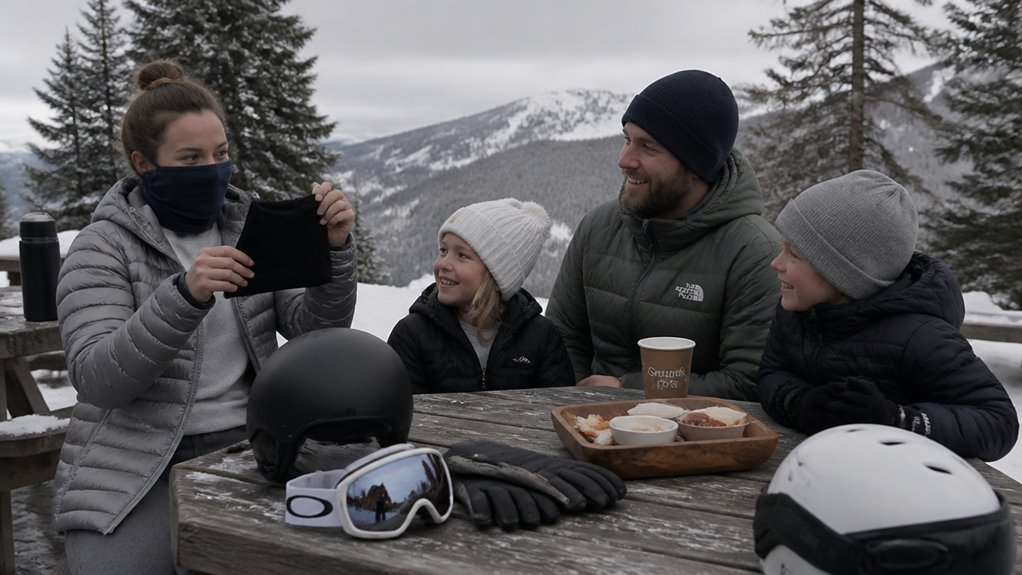
When choosing a windproof face cover for skiing, check how well it blocks cold wind and whether its fabric can handle regular use. Choose a breathable cover that lets air pass, fits securely, adjusts easily, and covers your nose and cheeks.
Wind Protection Level
A ski face cover blocks wind best when it fits closely and uses dense fabric. For windy ski days or gusty commutes, choose a cover that leaves little room for air to pass through.
Wind resistant fabric slows airflow, while a windproof layer blocks more. Check the fit around your nose, cheeks, and chin, and make sure the cover sits comfortably under your ski helmet.
A longer cut tucked into your jacket helps keep cold air from reaching your neck. Mesh over the mouth and nose can improve airflow, though it lets more wind through.
Choose coverage that seals well and still feels comfortable to breathe in. For gusty conditions, look for fewer vents and a close fit.
Fabric and Durability
For skiing and other cold-weather outings, a dense knit helps hold body heat while allowing some airflow. A soft thermal fleece layer adds insulation, while a wind-resistant outer fabric helps reduce heat loss on chairlifts or windy commutes.
Choose a ski neck gaiter that feels sturdy and comfortable. Four-way stretch polyester moves as you turn your head or adjust the gaiter, making it useful for skiing, cycling, and hiking.
Check the care label before washing. Some polyester gaiters should be hand washed in cold water below 40°C to help preserve their shape, stretch, and color.
Breathability and Moisture Control
For active days, choose a breathable ski face cover that lets air flow and helps limit moisture buildup. A knit fabric with vents near the nose and mouth can release warm air while blocking cold wind on the ski hill, during a hike, or on a bike ride.
Sweat wicking, quick drying fabric pulls perspiration away from your skin and dries fast, helping you stay comfortable during breaks. For hard efforts, look for a lightweight balaclava with enough wind coverage and airflow, and remember that vents may reduce glasses fogging but cannot prevent it.
Fit and Adjustability
A secure, adjustable fit matters as much as airflow in a ski face cover. Choose stretch fabric that feels comfortably snug and lets you breathe and move freely.
Check the size chart against your head and face measurements, since “one size fits most” may not suit every skier. Ear loops or hooks can help keep the cover in place under a ski helmet.
If the cover has adjustable straps, set them before you leave and check that it stays put when you turn your head or talk. Test the fit at home before a windy day on the slopes.
Coverage and Design
Choose a ski face covering that protects your face, neck, ears, and head. Wind can find gaps around a thin mask, so check that your ears and neck stay covered when you turn your head or wear a helmet.
An integrated beanie and scarf joins head and neck coverage, which can reduce gaps between layers. A hinged balaclava lets you switch from full face coverage to an open face style or neck gaiter as your activity changes, using a flexible fabric section.
A mesh mouth panel allows airflow while keeping your face covered. Choose stretchy fabric or adjustable coverage for a secure ski mask fit that allows free movement, and match the coverage to your outdoor activities.
Warmth and Insulation
For skiing in cold, windy weather, choose a face cover made from thermal fleece or dense knit to help hold in body heat. A breathable ski balaclava or neck gaiter lets moisture escape, helping keep your skin comfortable.
Look for coverage over your head, neck, ears, and cheeks to limit exposed gaps. A snug, stretchy fit keeps the insulation close to your skin while allowing you to move freely.
On cold mornings, choose a full coverage face cover with a close fit for warmth on the lift and slopes. Check that it fits comfortably under your ski helmet and does not restrict your breathing.
Activity and Wear Options
Choose a face cover that matches your activity, pace, and weather. A style that feels comfortable on a brisk walk may feel too warm when you run or ski.
For active use, look for a breathable mouth panel that lets air pass while keeping your face covered. If you are shopping for a ski face cover, check that it fits comfortably under your helmet and works with your goggles.
Multiwear designs can switch from face cover to neck gaiter, hat, scarf, or full balaclava. They give you options for hiking, fishing, skiing, and other outdoor activities while helping you pack less.
Hinged styles let you adjust coverage from an uncovered face to a neck gaiter or full face cover as conditions change. Longer designs can tuck into your jacket to cover your head and neck.
Choose a style that suits your activity and fits comfortably with your jacket, helmet, and goggles.
Frequently Asked Questions
How Should I Wash a Wind-Proof Face Cover Without Damaging Its Fabric?
Check the care label first, since ski face covers, balaclavas, and neck gaiters may use different fabrics and wind-resistant finishes. When the label allows hand washing, soak the cover in cool water with a small amount of mild detergent.
Gently swish it to lift away sweat, sunscreen, and ski-day grime, but do not scrub or twist the fabric. Rinse thoroughly, then press out excess water with a clean towel to help protect the fit and finish.
If machine washing is permitted, place the face cover in a mesh laundry bag and use a gentle cycle with cool water. Skip bleach, fabric softener, and hot water, which can damage some performance fabrics and wind-resistant coatings.
Air-dry the cover flat, away from direct heat, and avoid the dryer unless the care label specifically allows it. For a durable ski face cover that stays comfortable season after season, follow the manufacturer’s washing instructions and store it completely dry.
Can Wind-Proof Face Covers Be Worn Comfortably With Prescription Glasses?
Yes, you can wear a windproof face cover comfortably with prescription glasses while skiing, as long as it fits well around your nose. A loose fit can direct warm breath upward and fog your lenses.
When choosing the best ski face cover for glasses, look for a low-profile balaclava or neck gaiter with breathable fabric and an adjustable nose panel. A close fit helps block cold wind without pressing your frames against your face.
Position the face cover below your glasses’ nose pads so fabric does not interfere with their fit. Before heading onto the slopes, exhale normally and check whether your lenses fog.
For added comfort, choose a cover that works with your ski helmet and goggles, including over-the-glasses (OTG) goggles if you wear them. Anti-fog wipes may help on long days, but check that they are safe for your lens coatings.
A washable, quick-drying ski face cover is a practical choice for everyday use on the mountain. Prioritize a secure nose fit, breathable material, and comfortable coverage to keep your glasses clearer in windy conditions.
How Can I Prevent My Face Cover From Fogging up My Goggles?
To stop ski goggles from fogging, choose a ski mask, balaclava, or neck gaiter that fits comfortably over your nose and directs breath downward. Pinch the nose wire snugly, or adjust the face cover’s top edge to reduce warm air escaping toward your lenses.
Keep the face cover clear of your goggles’ foam vents, since blocked ventilation can make fogging worse. If you’re shopping for new ski goggles, look for a double-layer lens, effective ventilation, and an anti-fog coating.
For extra protection, use anti-fog spray that’s labeled safe for your goggle lenses, and follow the manufacturer’s instructions. Avoid wiping the inside of the lens when it’s dry, since that can damage the anti-fog coating.
A thin, moisture-wicking face layer can help manage sweat and keep your setup comfortable on the slopes. Check that your goggles and face covering fit together well before you buy, especially if you wear prescription glasses.
Are Wind-Proof Face Covers Suitable for People With Sensitive Skin?
Yes, a windproof ski face cover can work for sensitive skin, but the fabric, seams, and fit matter more than the windproof label. For skiing, look for a soft merino wool balaclava, smooth fleece face mask, or breathable neck gaiter designed to fit comfortably under a helmet.
Flat seams and a smooth lining help reduce rubbing around your cheeks, nose, and chin, especially when worn with ski goggles. If wool tends to irritate your skin, choose a soft synthetic fabric and check the product details for dyes, finishes, or other potential irritants.
Before heading to the slopes, wash the face cover with fragrance-free detergent and wear it indoors for a short trial. A comfortable fit should block cold wind without pressing tightly against your face or causing friction as you move.
When comparing windproof ski face covers, prioritize skin-friendly materials, breathability, and a helmet-compatible fit. The best choice is one that feels comfortable against your skin while providing the warmth and wind protection you need on the mountain.
When Should I Replace a Wind-Proof Face Cover?
When Should I Replace a Wind-Proof Face Cover?
Replace your wind-proof face cover when it is damaged, fits loosely, or no longer keeps cold wind off your face. For skiing and snowboarding, a worn balaclava or neck gaiter can leave your cheeks, nose, and chin exposed on the lift or during a fast run.
Look for split seams, thinning fabric, stretched elastic, and holes around the nose or mouth. A damp, musty smell that remains after washing can also be a sign it is time for a new ski face mask.
Check your face covering every few weeks during regular winter use, especially after long days on the mountain. Follow the care label, since high heat or tumble drying can damage some windproof and moisture-wicking fabrics.
If wind gets through, the fabric stays wet, or the cover slips out of place, replace it before your next ski trip. When shopping for a replacement, look for a secure fit, breathable material, and enough coverage to work comfortably with your ski helmet and goggles.
Rounding Up
Wind Block Check: We wore each cover three feet from a fan on the same setting for five minutes, then noted whether air reached our nose, cheeks, and chin.
Fit and Seal: We put each cover on over a ski helmet and goggles, adjusted it, and turned our heads left and right ten times, noting any gaps or slipping.
Breath Comfort: We wore each cover for ten minutes while walking uphill, timing the test and noting whether breathing felt restricted or moisture built up.
Mountain Day Test (Winners Only): All recommended products passed the first three tests, then we wore each for a full day on the mountain, including runs on groomers and time on lifts, noting coverage, comfort, and whether it stayed in place.