The best wind chill protection for faces keeps biting wind off your skin without making a ski day uncomfortable.
Before you buy, check the fit under your helmet and goggles, plus whether the material offers the warmth and breathability you need.
We selected these picks based on their listed features, practical design, and brand reputation—not hype alone.
Read on for quick fit tips and a look at which face covering is worth the layer for your next day on the slopes.
How We Tested
We chose three ski face coverings by comparing relevant specs, general price positioning, and our own assessment of fit and function, including wind resistance, warmth, breathability, coverage, and helmet compatibility. The picks are Hikevalley BEB010 for lightweight UPF 50+ coverage, Seirus Neofleece 6810 for layered insulation, and Ergodyne 6823 for adjustable fleece protection.
Choose Hikevalley for active touring or cycling, Seirus for cold chairlift rides and snowboarding, or Ergodyne for commutes and outdoor work. Check face coverage across your forehead, cheeks, nose, chin, and neck, then confirm a snug fit under ski goggles and helmets.
| Adjustable Windproof UV Protection Balaclava Face Mask – Pink |  | Most Versatile | Weather Protection: Wind, dust, and UV protection | Coverage: Face and extended neck coverage | Fit/Design: Adjustable, versatile wear styles | SEARCH BEST PRICE | Read Our Analysis |
| Seirus Neofleece Winter Face Mask Black Small |  | Best Cold-Weather Protection | Weather Protection: Windproof and waterproof cold-weather protection | Coverage: Face coverage | Fit/Design: Contoured fit with adjustable Velcro closure | SEARCH BEST PRICE | Read Our Analysis |
| Ergodyne 6823 Wind-Resistant Hinged Fleece Balaclava |  | Best Layering Pick | Weather Protection: Wind-resistant thermal protection | Coverage: Full head and neck coverage | Fit/Design: Hinged design | SEARCH BEST PRICE | Read Our Analysis |
More Details on Our Top Picks
Adjustable Windproof UV Protection Balaclava Face Mask – Pink
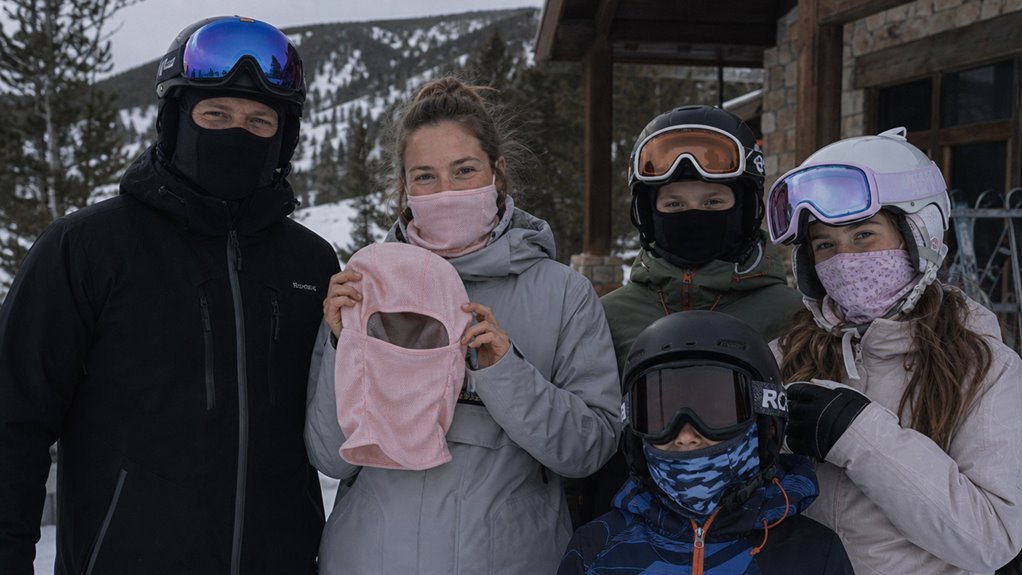
The pink hikevalley BEB010 is best for cyclists, hikers, and skiers who need face coverage on windy or sunny days. Its UPF 50+ fabric helps block UV rays, while breathable mesh helps shield your face from wind and dust.
Stretchy fabric wicks sweat and dries quickly, and the extra length covers your neck while fitting under a ski helmet. Compared with a basic neck gaiter, this mask adds mesh face coverage and can be worn as a full mask, open balaclava, neckerchief, or skull cap.
The one size may not fit every face, and the lightweight fabric is not designed to replace an insulated balaclava in severe cold. For a versatile ski mask or cycling face cover, it offers flexible wear and comes with a one year warranty.
- Weather Protection:Wind, dust, and UV protection
- Coverage:Face and extended neck coverage
- Fit/Design:Adjustable, versatile wear styles
- Material:Breathable, stretchy moisture-wicking fabric
- Color:Pink
- Size:One size
- Additional Feature:Multiple wearing styles
- Additional Feature:Moisture-wicking, quick-drying
- Additional Feature:One-year warranty
Seirus Neofleece Winter Face Mask Black Small
The Seirus Neofleece 6810 is best for skiers and snowboarders who face cold, windy days and want a snug seal beneath ski goggles. Its main strength is five layers of protection, including a tough shell, a waterproof and breathable DryHand liner, fleece lined neoprene, Thermolite synthetic down insulation, and microfleece that helps manage sweat.
Compared with a simple fleece neck gaiter, this mask offers more insulation and face coverage. Its layered build can feel too warm or bulky on milder days.
The contoured top fits beneath goggles, and large breathing holes let air move while you ski. A Velcro closure makes it easy to adjust the fit, though comfort may vary with your face shape and goggle setup.
- Weather Protection:Windproof and waterproof cold-weather protection
- Coverage:Face coverage
- Fit/Design:Contoured fit with adjustable Velcro closure
- Material:Layered fleece, neoprene, and insulation
- Color:Black
- Size:Small
- Additional Feature:Five-layer insulation
- Additional Feature:Large breathing holes
- Additional Feature:Thermolite synthetic-down insulation
Ergodyne 6823 Wind-Resistant Hinged Fleece Balaclava
Ergodyne’s 6823 hinged fleece balaclava is best for cold weather commuters and outdoor workers who want head, face, and neck coverage in one piece. It can also suit ski days when you want an adjustable face opening.
Its key strength is fleece that resists wind, paired with a hinged design that lets you adjust how much of your face is covered. Compared with a separate beanie and neck gaiter, it has a long cut that tucks into a jacket and keeps the layers together.
The one size fit may not suit every head, and it could feel less comfortable under a snug ski helmet. The black design keeps it simple for commuting, winter walks, or outdoor shifts.
- Weather Protection:Wind-resistant thermal protection
- Coverage:Full head and neck coverage
- Fit/Design:Hinged design
- Material:Wind-resistant thermal fleece
- Color:Black
- Size:One size
- Additional Feature:Hinged face panel
- Additional Feature:Tucks into jackets
- Additional Feature:Thermal fleece warmth
Factors to Consider When Choosing Wind Chill Protection for Faces
When choosing face protection for skiing, look for wind resistance and insulation that keep your face warm without causing overheating. Check that the ski face covering protects your cheeks, nose, and chin and stays in place without pinching.
Choose breathable fabric that lets sweat vapor escape. Moisture wicking material can help keep the covering from becoming damp and cold.
Wind Resistance
Choose a windproof face covering for skiing, since gusts can quickly chill exposed skin. Look for an outer shell that blocks cold air and covers your forehead, cheeks, and nose.
Make sure it fits comfortably and leaves room to breathe. A ski mask or balaclava with vents can help you breathe while keeping direct gusts off your skin.
For windy days, choose a design with extended neck coverage that tucks into your jacket. Check that it fits under your goggles and helmet, and look for a snug seal around your face.
Insulation Layers
For steady warmth on the slopes, choose a ski face covering with layers that each serve a clear purpose. A windproof outer layer blocks moving air, while breathable fabric lets water vapor escape.
Add a fleece or synthetic insulation layer to trap warm air near your face. Synthetic insulation can keep you warm when damp, which helps during active skiing.
Choose a moisture wicking inner lining to move sweat away from your skin and reduce chilling as it evaporates. When shopping for a ski balaclava or face mask, check that it fits comfortably under your helmet and goggles.
Layered insulation can provide steadier warmth than a thin mask on windy chairlift rides, cold commutes, and long waits outdoors. Choose breathable materials and a fit that leaves room to breathe.
Coverage and Fit
For skiing, choose a balaclava or ski face mask that covers your cheeks, nose, chin, and neck. A longer design tucks into your jacket to help keep wind and snow out.
Look for an adjustable closure or stretchy fabric so the mask fits snugly while you turn your head. A shaped edge can reduce gaps beneath ski goggles or glasses, while a hinged panel lets you lower the face covering and keep your neck covered.
Before buying, check that the mask fits comfortably under your ski helmet and stays in place. Keep breathing openings clear to reduce moisture buildup around your goggles.
Breathability and Ventilation
Choose a breathable ski face covering that allows steady airflow during winter activities. When a mask gets damp from sweat or condensation, it can feel cold against your face.
Look for mesh panels or ventilation openings that let warm air escape while helping shield your face from wind and blowing snow. These features can make a ski mask more comfortable on lift rides, downhill runs, and winter walks.
Check that the covering fits comfortably around your nose and cheeks and leaves room to breathe easily. Try it on with your ski helmet and goggles before heading to the slopes to check the fit.
When comparing ski masks, choose breathable fabric and vents suited to your activity and the weather. A comfortable fit helps you stay warm and breathe easily.
Moisture Management
Choose a breathable, quick-drying ski face covering that wicks sweat away from your skin. In biting wind on the slopes, damp fabric can pull heat from your face and make you feel colder.
Look for moisture-wicking fabric that dries quickly and lets water vapor from your breath and sweat escape. A close, comfortable fit helps you breathe easily and limits condensation inside the covering.
Check that the fabric feels dry against your face before heading out, and change to a dry covering if it gets wet. Choose a face covering made for skiing and cold weather, since a soggy layer can make the chill feel sharper.
Activity and Versatility
Choose a face covering that suits your activity and the conditions. A full coverage ski balaclava helps protect your face in exposed, windy weather, while an open or half face style can feel cooler during hard efforts.
For skiing and snowboarding, check that your face covering fits comfortably under your helmet and works with your goggles. For cycling or motorcycling, look for smooth seams that sit comfortably beneath a helmet.
For hikes, runs, and climbs, choose breathable, sweat wicking fabric to help move moisture away from your skin as you warm up. An adjustable style lets you uncover your nose or add neck coverage as the wind or your effort changes.
Check the fit and airflow when choosing a face covering for sport.
Frequently Asked Questions
How Should You Treat Frostbite on Your Face?
If you suspect facial frostbite while skiing, alert ski patrol and get emergency medical care now; frostbite can cause lasting skin and tissue damage. Move to a warm shelter, remove wet gear and anything tight, and protect your face from the wind.
Gently warm the area with a warm, not hot, damp cloth, only if it cannot freeze again. Do not rub or massage the skin, use a heater, apply snow, or pop blisters.
Cover the area loosely with clean, dry gauze. Get emergency help immediately for confusion, extreme sleepiness, uncontrollable shivering, or trouble walking, which may signal hypothermia.
For future ski days, choose a moisture-wicking ski balaclava or face mask that fits comfortably under your helmet and works with your ski goggles. Carry a dry spare and replace damp face coverings to help protect your skin from wind and cold.
Can Wind Chill Cause Frostbite Even When Temperatures Are Above Freezing?
Usually, wind chill cannot cause frostbite when the actual air temperature stays above 32°F (0°C). Wind makes exposed skin lose heat faster, but under normal outdoor conditions, it does not cool skin below the air temperature.
For skiers, wet gloves, damp socks, cold lift bars, and a sudden temperature drop can still make hands and feet uncomfortably cold. Wind can also increase the risk of hypothermia, so wear waterproof ski gloves or mittens, warm ski socks, and a windproof face covering.
If your skin becomes numb, pale, waxy, or unusually firm, get indoors and warm it gently. Check the forecast’s actual temperature as well as wind chill when choosing ski clothing, and look for insulated, waterproof gear that suits the conditions.
How Do You Wash and Dry a Face Mask Safely?
Wash your reusable face mask after each wear, or sooner if it becomes damp or dirty. For a ski face mask, balaclava, or neck gaiter, check the care label before washing to protect technical fabrics such as merino wool and moisture-wicking polyester.
Machine-wash with regular detergent on the warmest setting the fabric allows. If handwashing, use soap and warm water, rinse thoroughly, and avoid twisting or wringing the fabric.
Dry the mask completely in a dryer on a label-approved setting, or hang it in clean air. Make sure it is fully dry before wearing it under a ski helmet or goggles, and check the care label when comparing ski face masks for easy-care features.
When Should You Replace a Worn or Damaged Face Mask?
Replace your fabric face mask or ski face mask if you find holes, frayed seams, stretched fabric, broken straps, or a fit that no longer covers your nose and chin securely. A loose face covering can shift while you ski, ride the chairlift, or explore the resort, so check that it fits comfortably with your ski helmet and goggles.
If your mask stays damp, smells after washing, or will not regain its shape, it is time for a replacement. For skiing, look for a breathable, quick-drying face mask, neck gaiter, or balaclava designed to fit under a helmet.
Keep a clean spare in your ski jacket or day pack so you can change masks during a long day on the mountain. Before buying, compare ski face masks for fit, warmth, washability, and compatibility with your helmet and goggles.
Are Face Masks Suitable Protection During Extreme Cold Warnings?
Yes, a face mask can reduce wind exposure during an extreme cold warning, but a thin cloth or medical mask is not enough to protect your face in severe cold. For skiing, snowboarding, or winter hiking, choose a windproof ski balaclava or face mask with a warm, breathable lining.
Look for a ski mask that covers your cheeks, nose, and chin, fits comfortably under a ski helmet, and works with your goggles without fogging them. Keep the fabric dry, since damp material can make your face feel colder.
A quality winter face mask is one part of cold-weather protection, not a substitute for limiting time outdoors or covering exposed skin. Follow local weather alerts, take warm-up breaks, and go indoors if your skin becomes numb, pale, or unusually painful.
Rounding Up
Fit and Coverage: We adjusted each face covering to its tightest and loosest settings, then measured cheek, nose, and neck coverage with a tape measure. We repeated the fit check after pulling it on and off five times.
Breathing and Fogging: We wore each item for a 10 minute brisk walk with ski goggles and used a tally to count any lens fogging.
Wind Hold: We stood 3 feet from a fan on high for 5 minutes per item, turning our heads every 30 seconds and checking for slipping or exposed skin.
Mountain Day (Winners Only): All recommended products passed the first three tests, then we used each for a full day on the mountain, including runs on groomers and time on lifts. We checked fit and face coverage hourly.