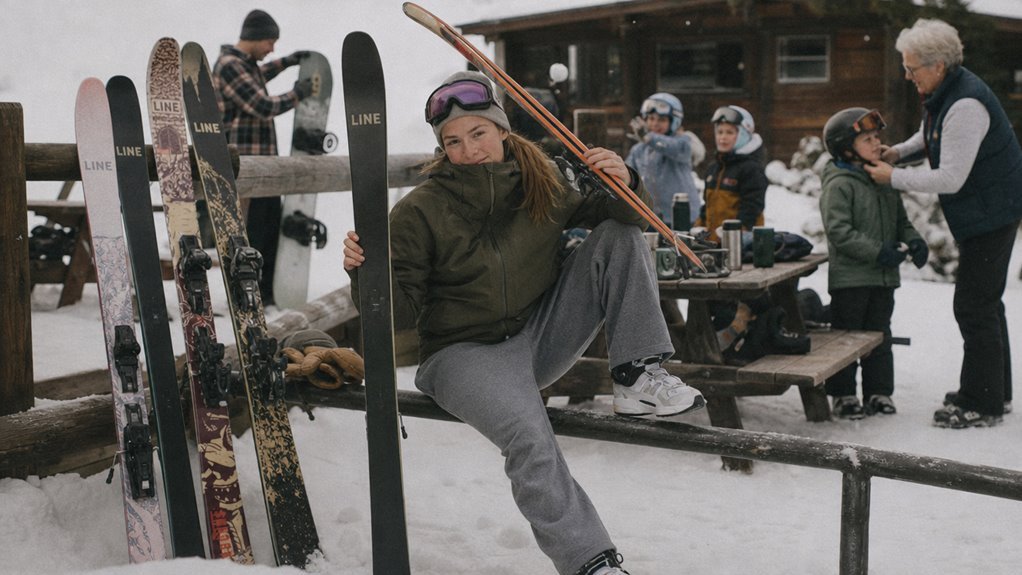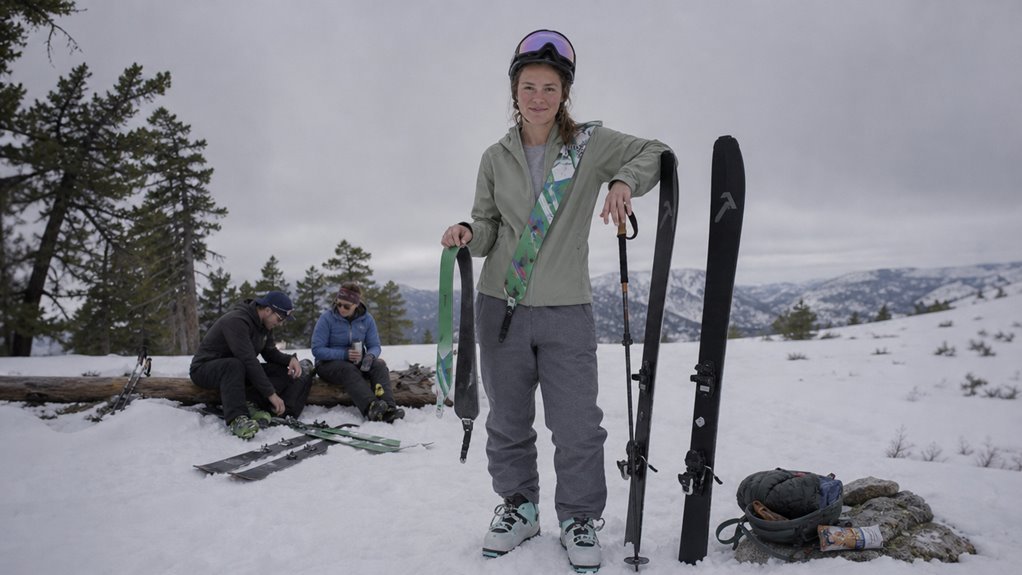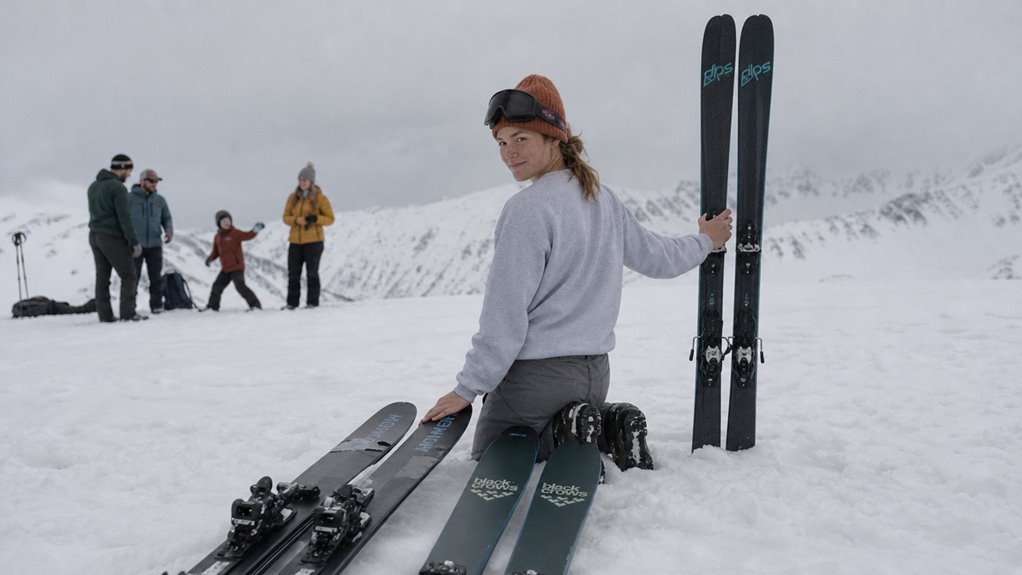
If you’re chasing epic backcountry lines, the right touring ski should make the climb feel easier without leaving you sketched out on the descent.
Our guide to the 3 best touring skis built for epic backcountry lines focuses on that balance—lightweight uphill efficiency, dependable downhill performance, and the right fit for your weight and terrain.
Before buying, check length, waist width, weight, core material, and binding compatibility so your setup matches your style and snow.
We picked these skis by comparing specs, real-world chatter, and brand reputation, then narrowed them to options worth considering.
Below you’ll find the top picks, plus helpful notes on bindings and what’s actually worth buying.
How We Tested
We chose Dynafit Blacklight 88, LINE Pandora 84, and K2 Mindbender 90C by comparing appropriate specs, price, waist width, core and layup, and binding compatibility. This selection method targets touring, powder float, hardpack grip, and value.
Dynafit Blacklight 88 excels for strong tourers needing light weight and technical descents; LINE Pandora 84 suits hardpack but sinks in deep powder. K2 Mindbender 90C offers budget versatility for lift served and light backcountry use.
Match waist width 85 to 95mm to snow: narrower hardpack, wider floats powder. Verify binding mount compatibility with paulownia cores or carbon layups for safety and performance.
| Dynafit Blacklight 88 Alpine Touring Ski Black/Blue 178cm |  | Best for Climbers | Core Construction: Paulownia Speed Core with Uni-Directional Pre-Preg Carbon | Rocker Profile: Tip and tail rocker | Stability/Edge Hold: Full sidewall in camber pocket for edge hold and stability | SEARCH BEST PRICE | Read Our Analysis |
| LINE Women’s Pandora 84 Alpine Skis 2024 |  | Best for Quick Turns | Core Construction: Capwall Construction (sidewall underfoot, cap in tip/tail) | Rocker Profile: Directional flex (softer tip, stiffer tail) | Stability/Edge Hold: Stiffer tail provides power, stability, high-speed control | SEARCH BEST PRICE | Read Our Analysis |
| K2 Mindbender 90C Men’s All Mountain Skis |  | Best Value | Core Construction: Aspen Paulownia Core with Bio-Resin | Rocker Profile: All-Terrain Rocker (camber midsection, mild rocker tip/tail) | Stability/Edge Hold: Titanal I-Beam enhances torsional stiffness, edge grip, stability | SEARCH BEST PRICE | Read Our Analysis |
More Details on Our Top Picks
Dynafit Blacklight 88 Alpine Touring Ski Black/Blue 178cm
This Dynafit Blacklight 88 is best for climbers and strong ski tourers who want a light setup for long ascents and technical descents. Its clear strength is feather light uphill travel from the Paulownia Speed Core, so your pack feels easier on the climb.
The unidirectional pre preg carbon adds stiffness and stability for charging down after the climb. Tip and tail rocker helps with flotation in soft snow.
A full sidewall in the camber pocket supports solid edge hold on ice, and the wider platform gives speed and control without extra weight. The honest limitation is that it asks for active input and rewards a skier ready to work.
It differs from narrower race skis by offering a wider platform, and it differs from heavier freeride touring skis by keeping the climb lighter. At 178cm, it is a solid quiver option for alpine touring buyers, so grab it before it sells out if you want efficiency and power.
- Core Construction:Paulownia Speed Core with Uni-Directional Pre-Preg Carbon
- Rocker Profile:Tip and tail rocker
- Stability/Edge Hold:Full sidewall in camber pocket for edge hold and stability
- Intended Terrain:Long ascents, technical descents
- Weight Management:Feather light weight
- Turn Shape Versatility:Not specified
- Additional Feature:Rando race ski construction
- Additional Feature:Paulownia Speed Core
- Additional Feature:Uni-directional pre-preg carbon
LINE Women’s Pandora 84 Alpine Skis 2024
Quick turns are the main strength of this ski, and they feel natural on hardpack with clear skies and fast snow. The 5CUT sidecar blends five radiuses, so you can carve tight arcs or open up the turn with little thought.
Capwall construction gives precise edge grip underfoot while keeping the tips light and durable. A softer tip floats and starts turns, and a stiffer tail powers through crud for a lightweight but stable ride.
This ski is best for groomer lovers who dabble off piste and want a frontside specialist that can handle a freeride line now and then. Compared with wider all mountain skis, it turns faster and feels more at home on firm snow, while wider models offer more float in deep snow.
The honest limitation is deep powder float: the 84mm waist sinks more than a wider freeride ski, so keep it for groomers and softer off piste detours. Choose the 165cm size with binding included if you want intuitive versatility on piste without extra weight.
- Core Construction:Capwall Construction (sidewall underfoot, cap in tip/tail)
- Rocker Profile:Directional flex (softer tip, stiffer tail)
- Stability/Edge Hold:Stiffer tail provides power, stability, high-speed control
- Intended Terrain:Hardpack specialist, all-mountain freeride
- Weight Management:Lightweight feel for frontside skiers
- Turn Shape Versatility:5CUT Multi-Radius Sidecut blends five radiuses for varied turn shapes
- Additional Feature:Capwall Construction hybrid
- Additional Feature:Directional flex technology
- Additional Feature:5CUT Multi-Radius Sidecut
K2 Mindbender 90C Men’s All Mountain Skis
The K2 Mindbender 90C is a value priced touring ski for intermediate and advanced skiers who want one setup for lift served days and light backcountry trips. Its camber underfoot grips groomers, while rockered tips and tails help it float through powder.
That aspen and paulownia core keeps the ski light and snappy, so tight lines feel playful and you do not get punished. A Titanal I beam adds torsional stiffness for carving, and Dark Matter Damping along the edge lets you push harder with less chatter.
Bio Resin cuts eco guilt while keeping a smooth flex, and at 172cm this all mountain workhorse covers a lot of ground. Compared with heavier freeride skis, it tours and costs less, and compared with narrow carvers it gives you more float.
The honest drawback is that the light build and 90mm waist can feel less planted in deep snow or rough variable snow at high speed. If you want a budget friendly, responsive tourer for mixed resort and touring use, grab it and lighten your quiver.
- Core Construction:Aspen Paulownia Core with Bio-Resin
- Rocker Profile:All-Terrain Rocker (camber midsection, mild rocker tip/tail)
- Stability/Edge Hold:Titanal I-Beam enhances torsional stiffness, edge grip, stability
- Intended Terrain:All-mountain, groomers and soft snow
- Weight Management:Paulownia reduces weight and increases maneuverability
- Turn Shape Versatility:Not specified
- Additional Feature:Titanal I-Beam reinforcement
- Additional Feature:Dark Matter Damping system
- Additional Feature:Bio-Resin renewable materials
Factors to Consider When Choosing Touring Skis
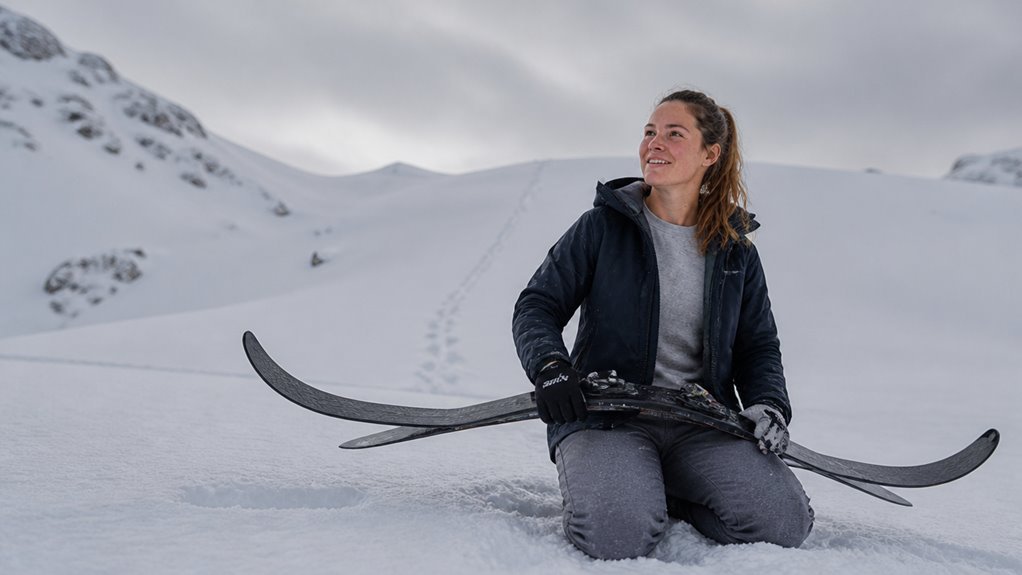
Before you buy touring skis, match the ski to your plan for the day. Weight, rocker, core, flex, width, and length all affect how the ski climbs and descends.
A ski that weighs 1,600 grams can feel light on the uphill and soft or unstable on the descent. Think about where you will tour most and how hard you plan to ski down.
Use these factors to choose a touring ski that fits your fitness, terrain, and snowpack. Pick a balanced setup so you spend less energy on the climb and keep control on the descent.
Weight & Materials
The weight of a touring ski affects every step of the climb. You feel it on each switchback and in the drag on your boot pack.
Lighter skis often use a paulownia wood core or a mixed wood core to cut swing weight. That makes the boot pack less tiring before you reach the summit.
Carbon fiber adds stiffness without extra bulk, which helps on long ascents. A ski with a Titanal layer is heavier and damped, so it grips firm snow well while it makes uphill travel harder.
Smart builders place carbon in the tip and tail to reduce momentum. They put denser wood underfoot to keep the ski stable when you carve.
For big lines, look for a ski that balances power and weight with a stiff, light, precise feel. Pick a touring ski that climbs smoothly and forgivingly because you carry it up before you ski down.
Rocker Profiles
Rocker profiles shape the ski’s attitude before you make a turn. They control how the ski behaves in different snow and terrain.
If you want maximum edge grip on hardpack, full camber puts a slight arch underfoot. That profile can fight you in deep powder, so it fits firm snow best.
Tip rocker adds an upward bend at the front, which improves flotation and helps turns start easier. Keep a flat tail when you want snap for carving and sloppy landings.
Deeper tip rocker shortens the effective edge, so the ski feels shorter and nimble in tight trees. You trade stability at high speed for that quicker feel.
For variable snow, early rise blends flotation with a secure hold and helps prevent hooking. Match your rocker to your terrain.
If you chase powder stashes, lean toward tip rocker. For mixed days, early rise is a safe bet.
Core Construction
Core construction decides how touring skis perform on the climb and the descent. You need a balance of low weight, dampening, stability, and snap.
Paulownia wood keeps the core light for easier climbs. Add aspen hardwood to keep stability and pop without making the ascent feel heavy.
Carbon fiber layers add stiffness and power transfer for technical descents without much extra weight. A full sidewall in the camber pocket gives edge grip on hard snow, while softer tips and tails help the ski float in powder.
Look for a paulownia aspen hybrid with carbon fiber if you want a practical setup. It stays light for the skin track and sturdy for the drop, so your legs will thank you.
Stiffness & Flex
Choose ski flex for your weight, terrain, and skiing style. A stiff tail works well on firm snow at speed, but it can punish your legs during a long sunrise climb up a couloir.
Flex matters for backcountry skiing because it affects how the ski turns, floats, and holds an edge. Look for a directional profile with a softer tip for powder and turn initiation, plus a stiffer tail for speed on firm snow.
Stiffer skis grip hardpack well but feel harsh on low angle climbs. Softer skis forgive sloppy technique but can chatter when you push them hard.
Match flex to your weight when buying skis. If you weigh 150 pounds, choose a ski flex rated for your size and ability.
Underfoot, a firmer camber pocket gives precise carves, while a softer pocket feels more playful. For most backcountry skiers, a medium stiff flex is the sweet spot.
Pick the ski flex you can bend and control for your weight and terrain. Use that flex as your starting point when choosing skis for powder, firm snow, and long climbs.
Width & Length
When you buy touring skis, choose waist width for the snow you ride most. Narrow waists from 80 to 90 mm move edge to edge fast on hardpack, and they can leave you sinking into powder like a beginner.
Wider waists from 95 to 110 mm float better, and the extra swing weight can make kick turns harder on steep climbs. I have felt that on steep climbs, so test how the ski feels before you commit.
Match touring ski length to your weight and skill. Longer skis, about 10 to 20 cm above your height, give stability at speed, while shorter skis can save you in tight trees.
Rockered tips may mean you add 5 to 10 cm to keep carving grip on firm snow. For mixed alpine touring, aim for 85 to 95 mm underfoot and a length that puts your weight over the camber for skinning grip.
Pick width for the snow you expect and length for control, so your legs have an easier day. Use these numbers as a starting point, then adjust for your weight, skill, and the terrain you ride most.
Binding Compatibility
Your skis can perform at their best only when the bindings fit correctly. Check the mounting zone before you drill, because a poor fit can pull a screw or injure your knee.
Skis with paulownia cores feel light and lively, yet they need reinforced plates or longer screws to handle torsion. Metal or carbon layups add stiffness, and they also require a brake width that matches your ski waist; a narrow brake will snag on turns.
Tech pin bindings need a certified toe insert pattern. Frame bindings fit any flat area, but they add about a pound of weight and reduce downhill feel.
Compare the manufacturer’s DIN range and weight limit with your boot sole length. A mismatch can cause premature release or stop the binding from releasing at all.
Match binding specs to the ski’s construction and your boot setup. This fit protects your gear and your knees.
Frequently Asked Questions
Can I Mount Tech Bindings on These Skis?
Yes, you can mount tech bindings on these skis because they are built for that use. Check the ski model and year against our full tech binding mounting guide before you drill, since ski construction, reinforcement, screw length, and the recommended mount point all affect a safe install.
Confirm your boots have tech inserts and the correct sole length, and then match the binding mounting pattern to the ski. Look for existing holes, previous mounts, core damage, and any warranty limits, then have a shop use the right drill jig, torque, and release check.
Choose a tech binding that fits your ski width, brake width, and intended terrain so the setup performs on big lines. Our guide also covers mount point, boot sole length adjustment, hole conflicts, and pro install checks that help you buy once and mount right.
What Is the Ideal Skin Pairing for Each Ski?
Match skin width to ski waist before you buy, because a poor fit costs glide and grip. Measure the widest point of the waist, then choose skins that cover the base edge to edge without overhang.
For wide skis, choose 90mm plus skins; for narrow skis, stay near 80mm and confirm the manufacturer’s fit chart. Check tip and tail attachment compatibility, trim to your ski shape, and pick mohair for glide or nylon for durability based on your tours.
A clean width match reduces drag on flats, improves climbing efficiency, and helps you trust grip on steep, icy lines. Use this ski skin pairing guide to compare widths, materials, and attachments before you buy.
How Do These Skis Perform in Spring Slush?
You’ll find these skis float predictably through spring slush, though heavier models bog down and need more input. Lighter skis carve cleaner in soft slush but chatter on refrozen crust, so match the ski to your ability and terrain.
For spring slush performance, rely on rocker and stiff tails for maneuverability instead of expecting powder day grace. Check waist width, rocker profile, and tail stiffness if you want predictable float, clean carves, and fewer surprises when snow changes.
Heavier skis suit strong skiers who value stability in cut up slush, while lighter skis reward quick edge changes and softer snow. If crust and chatter are common on your mountain, prioritize damping and a stiffer tail over pure weight savings.
Use this as a practical buying guide for late season laps and spring slush ski reviews. The right combo of rocker, stiffness, and weight helps you make a smart purchase and get more fun from slushy conditions.
Are These Models Available With Lighter Cores?
You are in luck. Several ski models offer paulownia or balsa cores and can save up to a pound per ski, but the exact gain depends on length, binding, and construction.
Do not assume every model offers a lighter core. Check each ski spec sheet for core material, weight per ski at the reference length, and laminate details, then compare those numbers before you buy.
Lighter cores usually mean quicker climbs and easier kick turns, yet they can feel less damp in slush, crud, and variable snow. Match the core to your terrain, snowpack, and skiing style, and consider metal laminates or carbon when you need a better balance of weight, stability, and durability.
If you tour often, weight savings matter, but a ski that is too light can cost you control on descents. Demo when possible, read the full guide, and use the spec sheet to confirm the core before you commit.
Which Ski Best Suits a 5’5 Skier?
For a 5’5″ skier, the best ski length usually starts around 165cm, especially with a narrower waist like the 96mm DPS. That setup feels lighter, pivots faster, and is less likely to overpower your shorter stature.
Don’t settle for a longer model, because extra length can tire you fast in deep snow and make quick turns harder. Focus on a ski that matches your height, weight, ability, and terrain, so you get control, confidence, and a smarter purchase.
If you compare all mountain skis, prioritize a waist width that supports the snow you ride most and a length that keeps you nimble. Use this 165cm starting point as a practical guide, then adjust for your skill level and goals.
Rounding Up
Setup Stopwatch: We timed with a stopwatch how long it took to adjust every ski considered to fit our boots and set bindings for hands on fit check.
Flex Check: We measured waist width and rocker profile, then noted how much hand force it took to flex each ski in the all mountain category.
Edge Stress: We ran a deliberate stress test by making 10 edge turns on icy groomers and checked each ski for burrs, dull spots, and damage.
Full Mountain Day (Winners Only): All recommended products passed the first three tests, so we used every recommended model for a full day on the mountain. We skied groomers, powder days, and chopped snow, noting turn ease and leg fatigue.