
If you want easy sips from first chair to last run, the 9 best hydration packs for skiing that keep you going all day are here to help.
The real challenge is finding one that fits your layers, carries enough water, and works with your gear—so check size, insulation, strap routing, and compatibility before buying.
We picked these based on specs, brand reputation, and real rider feedback, not just hype.
Below are the best supplies, helpful notes, and what’s actually worth buying for your next ski day.
How We Tested
We chose products by comparing corresponding and appropriate specs and price, not personal feeling.
Our shortlist weighed fit, reservoir insulation, ski carry style, capacity, and price for resort laps and all day touring.
The Osprey Glade 20L, 12L, and 5L packs use insulated reservoirs to prevent tube freeze in sub zero temps.
Pick the 20L for avalanche gear; the 5L to 6L range gives a snug, low profile resort setup.
Insulate tubes and blow air back after sips; standard hoses ice fast below zero.
Prioritize 2L to 2.5L capacity, and match vertical, diagonal, or A frame ski carry to terrain.
| Osprey Glade 20L Snow Pack with 2.5L Reservoir | 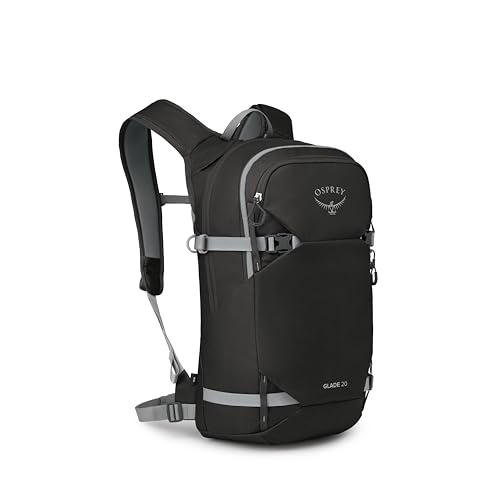 | Best Overall | Hydration Capacity: 2.5L reservoir included | Weight: 2.31 lb | Material: NanoTough (water/abrasion-resistant) | SEARCH BEST PRICE | Read Our Analysis |
| Osprey Glade 12-Snow HYD Pack-Cold-Weather Winter Pack with 2.5L Water | 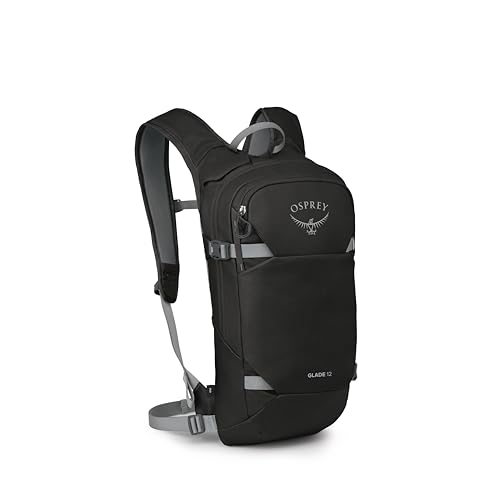 | Most Versatile | Hydration Capacity: 2.5L reservoir included | Weight: 1.85 lb | Material: NanoTough (water/abrasion-resistant) | SEARCH BEST PRICE | Read Our Analysis |
| Osprey Glade 5L Ski & Snowboard Hydration Backpack |  | Lightest Pick | Hydration Capacity: 2.5L reservoir included | Weight: 1.27 lb | Material: NanoTough (water/abrasion-resistant) | SEARCH BEST PRICE | Read Our Analysis |
| Osprey Glade 5L Ski Backpack with Hydraulics Reservoir |  | Best Value | Hydration Capacity: 2.5L reservoir included | Weight: 1.27 lb | Material: NanoTough (water/abrasion-resistant) | SEARCH BEST PRICE | Read Our Analysis |
| Arvano Bike Backpack Lightweight 6L for MTB Cycling | 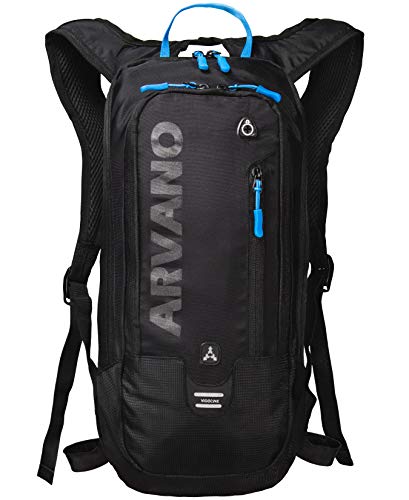 | Budget-Friendly Pick | Hydration Capacity: Fits up to 2.0L bladder (not included) | Weight: 1.1 lb | Material: Not specified | SEARCH BEST PRICE | Read Our Analysis |
| IX INOXTO 16L Hydration Backpack with 2L Bladder |  | Best For Beginners | Hydration Capacity: 2L bladder included | Weight: Not specified | Material: Breathable mesh fabric | SEARCH BEST PRICE | Read Our Analysis |
| CamelBak Zoid Hydration Pack 70oz (Black/White) |  | Professional Grade | Hydration Capacity: 70oz (2.07L) reservoir included | Weight: Not specified | Material: SnowShield (snow/moisture-repellent) | SEARCH BEST PRICE | Read Our Analysis |
| Lemuvlt Hiking Daypack 15L Waterproof Lightweight Backpack |  | Most Storage | Hydration Capacity: Fits up to 3L bladder (not included) | Weight: Lightweight (exact unspecified) | Material: Water-resistant ripstop | SEARCH BEST PRICE | Read Our Analysis |
| Arvano Hydration Backpack with 2L Bladder for Biking |  | Editor’s Choice | Hydration Capacity: 2L bladder included | Weight: 1.15 lb | Material: Not specified | SEARCH BEST PRICE | Read Our Analysis |
More Details on Our Top Picks
Osprey Glade 20L Snow Pack with 2.5L Reservoir
For most resort skiers and snowboarders who ride lifts and want water and avalanche gear close at hand, this is a strong pick. The Osprey Glade 20L carries a 2.5L Hydraulics reservoir inside an insulated harness, so your water stays liquid on cold lift rides.
That setup makes it a practical ski pack with hydration reservoir for cold days when you want to sip without stopping to chip ice. It also gives you three carry options for your snowboard: A frame, diagonal, or vertical.
Avalanche gear has its own dedicated compartment, so your probe and shovel are easy to find when you need them fast. The NanoTough fabric handles branches and snow, and the pack weighs 2.31 pounds so it stays light on the hill.
The main limitation is room. At 20L, the pack feels tight on long backcountry ski touring days when you need extra layers, food, and a full safety kit.
It differs from larger backcountry ski packs by staying compact for resort laps, and it offers a dedicated avalanche gear compartment that many small packs for lift days leave out. Choose it if you want the best ski backpack for resort laps with built in hydration and quick gear access.
- Hydration Capacity:2.5L reservoir included
- Weight:2.31 lb
- Material:NanoTough (water/abrasion-resistant)
- Carry/Strap System:Adjustable harness; A-frame, diagonal ski, vertical snowboard carries
- Storage Capacity (Total Pack Volume):20L
- Freeze Prevention / Cold-Weather Feature:Insulated harness with THERMOLITE lining
- Additional Feature:A-frame ski carry
- Additional Feature:Dedicated safety gear compartment
- Additional Feature:THERMOLITE insulated harness
Osprey Glade 12-Snow HYD Pack-Cold-Weather Winter Pack with 2.5L Water
The Glade 12 is a versatile winter pack for skiers and snowboarders who take short tours and want water within easy reach. It comes with a 2.5L Osprey Hydraulics reservoir, and the insulated harness sleeve is its clear strength because it keeps the water tube flowing when temps drop below zero.
That sleeve means you can take a sip during an alpine tour without fighting a frozen bite valve. The NanoTough shell also handles tree branches and abrasion well, so tight tree lines and brushy descents do not make you baby the pack.
You can carry skis diagonally, or strap a snowboard on the front panel either vertically or horizontally. Pockets secure your phone, gloves, and snacks for quick stops on the skin track or at the summit.
The stable harness moves with you for nordic skiing, fat biking, or a fast lap at the resort. At 1.85 lb, the pack feels light and stays steady when you shift through turns.
The main drawback is the 12L capacity, which is tight for a long tour with extra layers, a full lunch, and safety gear. It differs from bigger alpine packs by focusing on light weight and easy water access for short winter outings.
Choose this Osprey pack if you want a small ski pack for quick laps, nordic days, or fat biking and you value a hydration setup that keeps working in the cold. Look at a larger touring pack if you need room for a full day of gear.
- Hydration Capacity:2.5L reservoir included
- Weight:1.85 lb
- Material:NanoTough (water/abrasion-resistant)
- Carry/Strap System:Adjustable harness; diagonal ski, front-panel snowboard/snowshoe carries
- Storage Capacity (Total Pack Volume):12L
- Freeze Prevention / Cold-Weather Feature:Insulated harness sleeve prevents freezing
- Additional Feature:Front-panel vertical/horizontal snowboard carry
- Additional Feature:Secure pockets for tools/gloves
- Additional Feature:Access to powder stashes
Osprey Glade 5L Ski & Snowboard Hydration Backpack
The Osprey Glade 5L is best for skiers and snowboarders who want hydration on short resort days without carrying a bulky daypack.
Its clear strength is a low profile fit that moves with you during aggressive turns and icy tumbles, with a light 1.27 pound build.
This pack works well if you pack light and want quick access to water on lift rides and quick laps.
An honest limitation is the small 5L capacity, so it leaves little room for extra layers, snacks, or a full safety kit.
The integrated 2.5L reservoir sits in an insulated sleeve to help keep water from freezing during cold ski days.
NanoTough fabric resists sharp ski edges and snow, which makes it a reliable choice for everyday mountain use.
A small stash pocket holds your phone and keys, and helmet compatible gear loops give you a place for your lid.
Compared with larger ski hydration packs, the Glade 5L is lighter and more compact, and it trades extra storage for a snug carry.
Choose it for lift served skiing, snowboarding, and short tours where water matters more than gear space.
If you need to carry more layers or safety gear, look at a larger ski pack instead.
- Hydration Capacity:2.5L reservoir included
- Weight:1.27 lb
- Material:NanoTough (water/abrasion-resistant)
- Carry/Strap System:Snug, low-profile; adjustable harness
- Storage Capacity (Total Pack Volume):5L
- Freeze Prevention / Cold-Weather Feature:Insulated harness sleeve prevents freezing
- Additional Feature:External helmet-compatible gear loops
- Additional Feature:Internal stash pocket
- Additional Feature:Low-profile minimalist design
Osprey Glade 5L Ski Backpack with Hydraulics Reservoir
This pack is best for resort skiers and short sidecountry tours where you want water that stays liquid. Its clearest strength is the insulated harness sleeve around the 2.5L Hydraulics reservoir, which keeps your drink from turning to slush on chairlift rides.
The 5L capacity is the honest drawback: it leaves little room for a full touring kit or extra layers. Compared with larger ski touring packs, this Osprey model carries less gear and keeps a closer fit for carving or snowshoeing.
The NanoTough fabric shrugs off sharp edges and wet snow, and the pack weighs just 1.27 lb. You may forget it is there until you need a drink or a quick stash for your phone.
A close body fit works for carving or snowshoeing, and external loops secure your helmet or extra layers. An internal stash pocket keeps your phone dry and close on cold ski days.
You get minimalist storage, serious durability, and a winter ready hydration setup that works when temperatures drop. Choose this pack if you ski cold and want a small ski backpack with easy water access.
- Hydration Capacity:2.5L reservoir included
- Weight:1.27 lb
- Material:NanoTough (water/abrasion-resistant)
- Carry/Strap System:Snug, low-profile; adjustable harness
- Storage Capacity (Total Pack Volume):5L
- Freeze Prevention / Cold-Weather Feature:Insulated harness sleeve prevents freezing
- Additional Feature:External helmet-compatible gear loops
- Additional Feature:Internal stash pocket
- Additional Feature:Low-profile minimalist design
Arvano Bike Backpack Lightweight 6L for MTB Cycling
This pack is best for riders who want a minimal, affordable MTB backpack for short rides and quick lift access laps. Its clear strength is a secure fit on rough descents, and it differs from many heavier hydration packs by keeping weight and capacity low.
At just 1.1 lbs and 6 liters, the Arvano is very small, like a hydration vest that skipped breakfast. You can fit a 2L bladder (sold separately) plus your phone in the front pocket, which is handy for quick sends.
The padded back and shoulder straps help keep you dry on warm climbs, but the limited space means you cannot carry spare layers. That makes it a poor match for long hut trips or full alpine touring days.
Adjustable chest, waist, and shoulder straps hold the pack steady so it does not bounce on rough descents. Reflective strips improve visibility for drivers at dusk, which helps after a long day on the trail.
For short ski tours, lift days, or cardio workouts, this is an affordable sidekick that covers the basics. Choose it if you want a light MTB pack for fast rides and simple hydration, and look at larger packs if you need room for layers or gear.
- Hydration Capacity:Fits up to 2.0L bladder (not included)
- Weight:1.1 lb
- Material:Not specified
- Carry/Strap System:Adjustable shoulder, chest, waist straps
- Storage Capacity (Total Pack Volume):6L
- Freeze Prevention / Cold-Weather Feature:None specified
- Additional Feature:Fits max 2.0L bladder
- Additional Feature:Headphone line output hole
- Additional Feature:Reflective night visibility strips
IX INOXTO 16L Hydration Backpack with 2L Bladder
The IX INOXTO 16L Hydration Backpack with 2L Bladder is best for new skiers and casual resort skiers who want a simple hydration pack for groomers and easy runs. Its clear strength is a stable fit from chest and waist straps that adjust from 31 to 57 inches, so the pack stays close without bouncing.
The included 2L PEVA bladder is flexible, leakproof, and locks at the nozzle to help prevent a wet back. One honest limitation is the basic feature set: you get useful pockets and mesh, but no luxury materials or advanced backcountry organization.
Compared with pricier ski hydration packs, this IX INOXTO model keeps the price under $40 and focuses on simple comfort for casual days. Breathable mesh helps keep your back dry, and reflective trim adds visibility when the light fades early.
The pack has three layers of pockets for keys, phone, or sunscreen, and side bags hold poles or a helmet. If you want a solid first pack for skiing without overthinking gear, this is an easy pick.
You will spend less time fiddling and more time carving. Plan to upgrade later if you get serious about skiing and need more technical features.
- Hydration Capacity:2L bladder included
- Weight:Not specified
- Material:Breathable mesh fabric
- Carry/Strap System:Adjustable chest/waist straps (31–57 in)
- Storage Capacity (Total Pack Volume):16L
- Freeze Prevention / Cold-Weather Feature:None specified
- Additional Feature:Helmet storage side bags
- Additional Feature:Chest strap slides up/down
- Additional Feature:Bladder can add ice cubes
CamelBak Zoid Hydration Pack 70oz (Black/White)
This 70oz hydration pack suits lift served skiers who want a drink on the chair without stopping, and it works best for short resort days when you carry little gear. Its clear strength is the Therminator harness, which insulates the drinking tube inside the shoulder strap so water keeps flowing on cold laps.
The 70oz Crux Reservoir gives more water per sip, and the on/off lever controls flow so you avoid accidental gulps. Refills stay simple with the ergonomic handle, while SnowShield fabric shrugs off damp snow and a zippered pocket holds keys or a snack.
One honest drawback: storage is slim, so this pack leaves no room for extra layers or a large lunch. Compared with bigger snow hydration packs, the Lift Access QR Harness and adjustable sternum strap keep the fit close for quick chairlift rides.
If you live for in bounds snow days and want a minimalist hydration sidekick, this is the pack to check. It differs from bulkier daypacks by trimming cargo and focusing on fast lift access.
- Hydration Capacity:70oz (2.07L) reservoir included
- Weight:Not specified
- Material:SnowShield (snow/moisture-repellent)
- Carry/Strap System:Lift Access QR harness; adjustable sternum strap
- Storage Capacity (Total Pack Volume):Not specified
- Freeze Prevention / Cold-Weather Feature:Therminator harness insulates drinking tube
- Additional Feature:Lift Access QR Harness
- Additional Feature:Crux reservoir ergonomic handle
- Additional Feature:SnowShield moisture-repelling fabric
Lemuvlt Hiking Daypack 15L Waterproof Lightweight Backpack
This 15L daypack is best for skiers who want organized storage on lift served days. Its five separate pockets make it a clear top pick for anyone who hates digging through one giant black hole of gear.
You get two waist zippers for quick access to your phone or keys, a center open pocket for your jacket, and mesh sides for a water bottle or helmet. It also fits a 3L bladder, though you need to buy that separately.
The insulated pocket keeps water cool for hours, and the honeycomb mesh on your back helps you avoid overheating on the slopes. Cushioned straps spread weight evenly, and the emergency whistle on the chest strap is a useful extra for safety.
This pack resists splashes but is not submersible, so deep snow or a wet fall can still soak your gear. Compared with bigger ski packs, it keeps your load lighter and easier to sort, which suits resort skiers who carry only the essentials.
Grab this lightweight ski daypack if you want organized storage without the bulk. You will spend less time digging and more time skiing.
- Hydration Capacity:Fits up to 3L bladder (not included)
- Weight:Lightweight (exact unspecified)
- Material:Water-resistant ripstop
- Carry/Strap System:Adjustable shoulder, chest, waist straps
- Storage Capacity (Total Pack Volume):15L
- Freeze Prevention / Cold-Weather Feature:Insulated pocket keeps water cool; no freeze prevention specified
- Additional Feature:Insulated pocket keeps water cool
- Additional Feature:Emergency whistle on chest strap
- Additional Feature:Luminous logo glows green
Arvano Hydration Backpack with 2L Bladder for Biking
Arvano’s 2L bladder pack earns our editor’s choice for resort skiers and bikers who want a light daypack without bulk. At just 1.15 lb, you will barely notice it until you sip hands free on the lift.
This pack is best for short resort days and quick bike rides where you need water, a layer, and a snack. Its clear strength is the BPA free bladder with a 4 inch opening, so filling, cleaning, and adding ice cubes take little effort.
One honest drawback is the 6L capacity, which leaves little room for a bulky layer or a long day out. Compared with larger hydration packs, this model stays light and snug but gives up space for multi day trips and heavy gear.
Adjustable chest, waist, and shoulder straps keep it stable on mogul runs, while reflective strips help at dusk and the front pocket holds a phone or a towel. Grab it for resort days and day rides, and pick a bigger pack when you need to haul more.
- Hydration Capacity:2L bladder included
- Weight:1.15 lb
- Material:Not specified
- Carry/Strap System:Adjustable shoulder, chest, waist straps
- Storage Capacity (Total Pack Volume):6L
- Freeze Prevention / Cold-Weather Feature:None specified
- Additional Feature:Large 4-inch bladder opening
- Additional Feature:BPA-free, taste-free materials
- Additional Feature:Ergonomic handle for refilling
Factors to Consider When Choosing Hydration Packs for Skiing
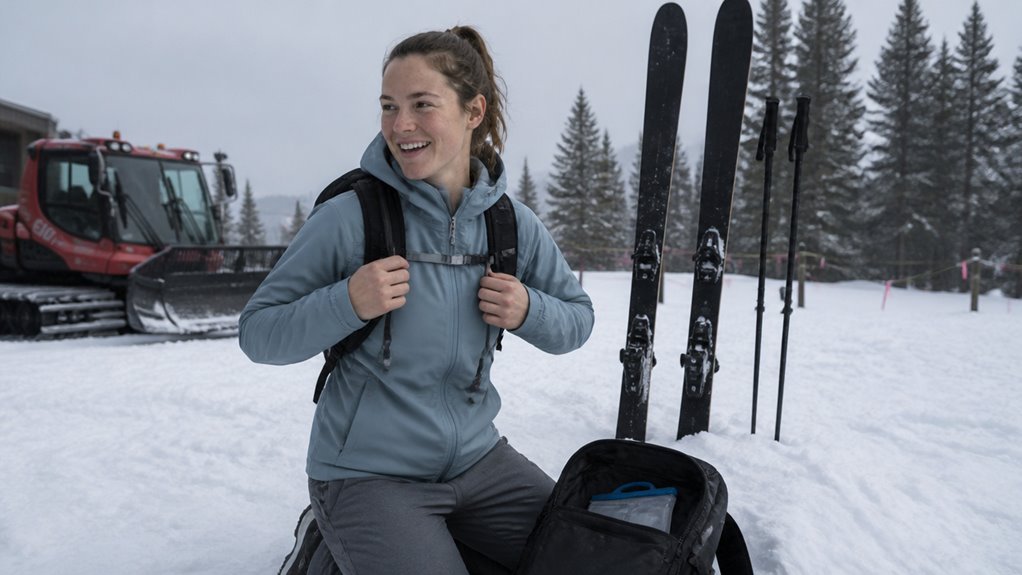
Choosing a hydration pack for skiing means matching the pack to cold weather and movement. Start with capacity, meaning how much water you will drink on a cold ski day, and check that the hose stays flexible in below zero temps.
Look for an insulated hose and a bite valve that resist freezing so you can drink without stopping. Then focus on ski carry features, smooth arm swing, and a hip belt that holds the load close when you ride.
A good ski hydration pack should also keep weight stable on descents and let you reach essentials with gloves on. Use these buyer checks to narrow your options before you compare storage or zippers.
Hydration Capacity & Type
Two liters works well for most skiers and gives solid endurance without a heavy pack. For alpine touring or fat biking, step up to 2.5 liters so you can avoid rationing water.
If you choose a small pack under 10L total, you trade water capacity for agility, and that setup works for resort laps. When you buy a hydration pack, check the bladder material first.
Flexible PEVA, a soft plastic, resists cracks. A bladder made without BPA will not taste like a rubber tire.
Look for wide openings that let you add ice cubes and scrub the bladder clean without much fuss. A 2.5L bladder with a light harness weighs around 1.3 lb and keeps your profile low.
Match water capacity to the length of your ski day. With the right hydration setup, you will ski longer, drink smarter, and avoid a frozen drinking tube.
Insulation & Freeze Protection
A frozen drinking tube can ruin a ski day faster than a bad fall. Standard hoses ice up in 30 to 60 minutes below zero, leaving you parched.
Choose insulation rated by its R value, which measures thermal resistance and how well it keeps your water from freezing. A higher R value gives longer freeze protection.
Route the tube inside the shoulder strap and keep it close to your core. Your body heat does most of the work to keep water flowing.
An insulated reservoir matters because the bladder has a large surface that loses heat fast. A bare valve can freeze while you ride.
Blow air back into the tube after each sip to clear the water. Below minus 10°C, even good winter hydration gear needs that step.
When you shop for a ski hydration pack, look for a neoprene hose cover and an insulated reservoir. Full coverage helps you sip all day.
Carry Options & Skis
Getting skis to the lift is easier with the right carry system on your ski pack. Look for dedicated ski carry loops and a fit that matches your ski length and terrain.
A frame carry holds skis vertically against your back for stability on touring kick and glide sections. Diagonal carry angles one ski across your pack, frees side panels for snowshoes or a snowboard, and reduces drag on uphill lunges.
Vertical snowboard carry puts the board on your front and keeps your back clear for tight tree runs. Check that your ski pack fits skis up to 185 cm without hitting your helmet.
For steep technical descents, choose vertical carry; for long approaches, diagonal carry works well. Match the carry style to your day’s plan, and your skis will stay put even if you never look graceful.
Storage & Gear Access
Three storage factors matter most on a ski hydration pack: volume, external carry options, and insulated pockets.
When choosing a ski hydration pack for ski touring or backcountry skiing, start with how much gear you need to carry.
A 20L pack gives you dedicated compartments for an avalanche shovel and probe.
That keeps your snow safety gear organized so you can find it fast in a crisis.
A 5 to 6L pack works for short resort laps.
It is basically one pouch for a phone and gloves, with little room for extra layers or tools.
External lash points let you carry a helmet or skis outside the pack and save interior space.
Look for solid straps and easy buckles if you plan to bootpack or ski tour.
Insulated stash pockets protect electronics because cold batteries lose power fast.
A dead phone is a bad outcome on any ski day.
Midsize packs with multiple pockets let you grab snacks or tools without unloading everything.
That helps on a windy ridge when you want to keep moving.
Match storage to your day.
For short resort laps, a small ski hydration pack is enough.
For backcountry missions, choose a larger pack and organize your avalanche gear, snacks, and layers.
You will move faster and stay calmer when everything has a place.
Fit & Mobility
Fit and mobility affect how well you ski, so choose a ski pack by its harness first. Look for a harness that hugs your body snugly so you can make mogul turns without fighting your gear.
Heavier packs around 2.3 lb anchor you during long tours, while lighter packs under 1.3 lb reduce sway on aggressive descents. Pick a low profile shape that will not snag on chairlifts or branches.
Adjustable sternum and waist straps spread weight across your torso and hips to stop annoying bounce. Breathable padded back panels with ventilation channels keep sweat from pooling during a climb.
For a hydration pack or ski pack, choose a streamlined adjustable design that moves with you. Then test the fit with your winter layers before you buy.
Durability & Fabric
A good fit means little if your ski pack tears on the first rocky run. Choose fabric that resists abrasion and handles sharp ski edges and tree branches.
Nylon with a high denier count, or materials like NanoTough, gives you tear strength without adding too much bulk to your back. Look for coatings that repel water and keep snow and sleet from soaking through and freezing your gear solid.
Reinforced stitching at stress points, especially harness attachments and zipper seams, is your lifeline under heavy loads. That is where cheap packs fail, usually when you lift them.
Check puncture resistance too, because temperatures below zero make materials brittle and repeated compression can wear thin spots fast. Pick a backcountry ski touring pack with burly fabric and double stitching at the seams; a torn side panel saves nothing for your gear or your back, and a lighter pack only saves grams.
Weight & Dimensions
Most skiers struggle to balance pack weight against the haul, but you can get this right with a simple plan. A 1.1 to 1.3 lb pack reduces fatigue on dynamic runs, while a 2.3 lb model gives you durable fabric and room for a shovel.
Expect that heavier pack to feel noticeable after lap three, so choose it only when the extra durability matters. Volume sets bulk, and a 5L pack hugs your spine for lift laps.
A 12 to 20L option stashes layers and avy gear for backcountry tours. Pay attention to width because slim packs from 6.3 to 8.3 inches clear chairlifts and branches.
An 11.8 inch pack swallows bulky items but snags easier. Height around 17 to 18 inches keeps the load balanced when you carve or drop.
Heavier packs often add insulation or extra straps for carrying gear, which helps in cold weather but hurts portability. Match the specs to your terrain and your day.
For resort days, go light and slim; for missions, accept the extra pounds and enjoy smoother skiing.

Swap in a clean spare bladder for quick refills and nonstop sips on long ski days.

Wrap your hose to stop freeze-ups and keep water flowing in subzero temperatures.

Dry and sanitize your bladder fast, preventing mold and keeping every sip fresh.
See today's best deals onHydration Pack Accessories
Frequently Asked Questions
Can I Use a Ski Hydration Pack for Summer Hiking?
You can absolutely use a ski hydration pack for summer hikes. Expect more sweat because insulated reservoirs and padded ski features add bulk and warmth.
Do not ditch it. Pack lighter layers, wear breathable clothing, and use the pack straps to keep the load close and stable.
Check fit before you go: a ski pack can sit high and feel warm, so loosen chest straps and adjust shoulder straps for airflow. Clean the reservoir and hose after each hike to prevent taste issues and mold.
Use electrolytes for long summer days, and carry only the water capacity you need to cut weight. A ski hydration pack is a solid, versatile pick when you match it to the weather and your hike length.
If you want a dedicated summer setup, compare pack weight, back panel ventilation, and reservoir access before buying. Read the full guide for summer setup tips, capacity picks, and cleaning steps.
How Do I Stop the Drinking Tube From Freezing?
How do I stop the drinking tube from freezing? Blow the water back into the reservoir after every sip so the hose stays mostly empty.
That habit is your lifeline on cold ski days, and it costs nothing. Insulate the hose with a full-length sleeve, not a short cover that leaves exposed sections.
Tuck the hose close to your body heat and route it under a jacket layer when you can. You are not feeding the freeze, you are starving it.
Pair that routine with a self-sealing bite valve that limits drips and ice at the tip. Before you buy a ski hydration pack, check insulation sleeve coverage, hose length, and valve design.
Look for a wide mouth reservoir for easy filling and cleaning, plus a hose that disconnects so you can keep the bladder warm. Heated hydration packs and heated hose kits can help in extreme cold, but only if the battery and controls fit your skiing style.
A simple insulated sleeve and smart tube routing often beat bulky gadgets for most resort skiers. Keep the reservoir inside your jacket on lift rides and start with warm water, not hot water that can freeze faster as it cools.
People search for frozen hydration tube fixes, insulated hydration hose options, and the best ski hydration pack for cold weather. Read the full guide on stopping drinking tube freeze before your next ski purchase.
Will a 3-Liter Bladder Fit in These Ski Packs?
You’ll fit a 3-liter bladder in most ski packs, but check the specs before you buy. Some ski packs max out at 2.5 liters, so never assume your pack can handle a 3-liter reservoir.
Measure your pack’s sleeve depth and compare it with the filled bladder dimensions. That quick check prevents wasted cash and a sloshing back on the mountain.
Use the full ski pack bladder fit guide to confirm sleeve depth, reservoir shape, and pack specs before checkout. A smart fit keeps your hydration stable and your day on the hill better.
Are These Packs Compatible With Avalanche Airbag Systems?
Most packs will not mate with airbag systems because their frames and harness layouts clash. Look for dedicated airbag mounting loops or vest style compatibility, or you may buy a pack that cannot carry a system safely.
Before you buy, match the exact pack model and size to the airbag system’s approved list, then confirm the canister, trigger, and leg loop routing. Check whether the pack needs a specific frame, zip path, or removable lid, because small fit differences can block deployment.
Use this guide to compare compatible packs, spot false claims, and avoid buried regret on your next ski tour. If you want a pack that works with your airbag, verify compatibility first and buy once.
How Do I Clean Mold From the Reservoir and Hose?
To clean mold from a hydration reservoir and hose, start with warm water and baking soda and scrub the reservoir walls, corners, and bite valve area. Then soak the reservoir in a vinegar solution so mold has less chance to cling to the plastic.
Do not forget the hose because mold often hides inside the tube, so use a brush kit made for hydration hoses. Rinse every part thoroughly with clean water until you cannot smell vinegar or baking soda.
Shake out excess water and air dry the reservoir and hose completely before storage. Hang the reservoir open and let the hose drain straight so moisture does not sit in dark spots.
If mold keeps returning, check for rough surfaces, old tubing, or a dirty bite valve that traps moisture. A smart purchase is a hydration pack with a wide opening and a removable hose, because those features make deep cleaning easier.
Store your ski hydration pack dry and loose, never sealed with damp parts inside. This simple routine helps you clean mold from the reservoir and hose, protect your gear, and avoid buying replacements too soon.
Rounding Up
Reservoir Fill Test: We filled each reservoir to its mark, started a stopwatch, and timed loading, sealing, and hose routing.
Bite Valve Stress: We clipped each bite valve open for two minutes, filled reservoirs with cold water, and checked for leaks at valve and hose connections.
Carry Fit Check: We loaded each pack with a filled reservoir and ski layer, adjusted straps, and noted pressure points on a short walk.
Mountain Day Test (Winners Only): The recommended products all passed the first three tests, which we ran on every pack considered, and were then used for a full day on the mountain. We wore each on groomers and in powder, checked hydration access with gloves, and noted fit and stability.