Finding the best Helly Hansen ski jackets doesn’t require decoding a spec sheet—you just need one that matches how you actually ride. Before you buy, check the fit for layering and the membrane’s waterproof rating for your local snow conditions.
We picked these based on real-world reviews, brand heritage, and what actually holds up on wet, heavy powder days. You’ll find a mix of insulated workhorses and breathable shells, plus a few tips on sizing and features you might not have thought about.
The goal is to keep you dry, warm, and moving without the guesswork.
Here’s the lineup that handles everything from groomers to backcountry stashes.
How We Tested
How We Picked
We selected these jackets by comparing their core specs side by side, including waterproofing ratings, insulation types, and venting features.
We also weighed each model’s price against its feature set, and factored in our own on-snow feel for fit and mobility.
This process focused on resort comfort, backcountry touring, and mixed conditions, so you get a balanced lineup for any powder day.
Helly Tech Professional fabric in Alphelia and Powderqueen ensures waterproofing and breathability for demanding powder days.
Dubliner’s moderate insulation pairs with a waterproof shell for wet snow, but needs a thicker midlayer below freezing.
Powdreamer 2.0 uses PrimaLoft Black Eco insulation for warmth without bulk, plus a RECCO reflector for safety.
Alphelia’s H2FLOW vents under arms and back yoke dump heat quickly during high-output touring or hiking.
Powderqueen 3.0’s relaxed fit and built-in 60g PrimaLoft insulation skip extra layers, ideal for resort comfort.
For deep snow days, the Alphelia’s powder skirt and helmet-compatible hood lock out drafts, while the Dubliner’s cinched cuffs seal in heat.
If you plan to hike the lift line, the Powdreamer 2.0’s stretch panels and low-bulk insulation boost range of motion without sacrificing warmth.
Buyers who prioritize lightweight packability will lean toward the Alphelia, as its shell layers easily over a technical base and softshell.
Meanwhile, the Powderqueen 3.0’s drop-tail hem and adjustable cuffs make it a forgiving choice for all-day chairlift sessions.
For wet maritime snow, the Dubliner’s seam-sealed shell sheds moisture, but below zero you will need a heavier fleece or down vest underneath.
Across this range, we found that the H2FLOW system in Alphelia and Powderqueen works best for aggressive skiers, while the Dubliner suits casual lap takers.
Our final picks balance shell versatility, insulation weight, and safety features, so every skier can match a jacket to their local terrain and storm forecast.
| Helly Hansen Men’s Dubliner Insulated Jacket Black Large |  | Best Everyday Insulation | Weather Protection Technology: Helly Tech Protection (waterproof, windproof, breathable) | Insulation Type: Insulated construction (thermal retention, unspecified type) | Ventilation System: Not specified | SEARCH BEST PRICE | Read Our Analysis |
| Helly Hansen Alphelia LIFALOFT Women’s Ski Jacket 599 Navy – M |  | Premium Women’s Insulation | Weather Protection Technology: Helly Tech Professional, fully seam-sealed, DWR treatment | Insulation Type: LIFALOFT insulation with LIFA technology | Ventilation System: H2FLOW AIR FORCE ventilation, underarm zippers, back yoke ventilation | SEARCH BEST PRICE | Read Our Analysis |
| Helly Hansen Men’s Crew Midlayer Jacket 2 853 Grey Fog Medium |  | Most Versatile Shell | Weather Protection Technology: Helly Tech Protection, fully seam-sealed, DWR treatment | Insulation Type: Fleece lining (Polartec fleece, brushed fleece) | Ventilation System: Not specified | SEARCH BEST PRICE | Read Our Analysis |
| Helly Hansen Women’s Aden Insulated Coat 990 Black Medium | 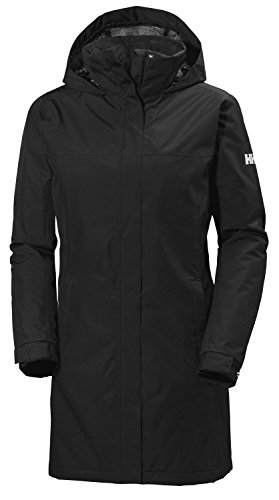 | Best Urban Insulation | Weather Protection Technology: Helly Tech Protection (waterproof, breathable, windproof) | Insulation Type: Insulated construction (unspecified type) | Ventilation System: Not specified | SEARCH BEST PRICE | Read Our Analysis |
| Helly Hansen Mens Powdreamer 2.0 Jacket Brown Medium |  | Best Eco-Friendly | Weather Protection Technology: Helly Tech Performance, fully seam-sealed | Insulation Type: PrimaLoft BLACK Eco insulation | Ventilation System: Not specified | SEARCH BEST PRICE | Read Our Analysis |
| Helly Hansen Men’s Varde Fleece Jacket 2.0 853 Grey Fog Large |  | Best Midlayer | Weather Protection Technology: No specific membrane technology listed; fleece construction | Insulation Type: Polartec Thermal Pro fleece | Ventilation System: Not specified | SEARCH BEST PRICE | Read Our Analysis |
| Helly Hansen Women’s Powderqueen 3.0 Ski Jacket 466 Signal Green Denim – S |  | Best Freeride Fit | Weather Protection Technology: Helly Tech Professional 2-layer, fully seam-sealed, DWR treatment | Insulation Type: PrimaLoft Black 60g insulation | Ventilation System: Underarm ventilation zippers | SEARCH BEST PRICE | Read Our Analysis |
| Helly Hansen Sogn Tinden Shell Jacket Men’s |  | Best Shell Value | Weather Protection Technology: Helly Tech Performance, reinforced seams | Insulation Type: Shell jacket (no insulation) | Ventilation System: Not specified | SEARCH BEST PRICE | Read Our Analysis |
| Helly Hansen Men’s Garibaldi 2.0 Ski Jacket 418 Dark Jungle – S |  | Best All-Around Ski | Weather Protection Technology: Waterproof, windproof, breathable construction | Insulation Type: 60g insulation (unspecified type) | Ventilation System: H2Flow ventilation system | SEARCH BEST PRICE | Read Our Analysis |
| Helly Hansen Mens Alpha 4.0 Insulated Ski Jacket 597 Navy – L |  | Best Warmth | Weather Protection Technology: Helly Tech Professional, fully seam-sealed, DWR finish | Insulation Type: 80g PrimaLoft Black Eco insulation | Ventilation System: H2FLOW ventilation system with strategically placed openings | SEARCH BEST PRICE | Read Our Analysis |
| Helly Hansen Men’s Alpha LIFALOFT Ins Ski Jacket 990 Black – L | 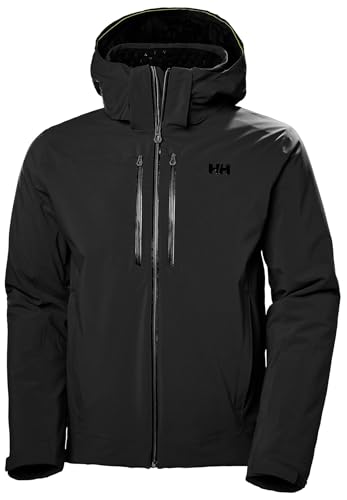 | Best Lightweight Warmth | Weather Protection Technology: Water-resistant exterior (no membrane specified) | Insulation Type: LIFALOFT insulation | Ventilation System: Not specified | SEARCH BEST PRICE | Read Our Analysis |
| Helly Hansen Men’s Crew Hooded Jacket 2.0 001 White Large |  | Best Sailing Hybrid | Weather Protection Technology: Helly Tech Protection, fully seam-sealed, DWR treatment | Insulation Type: No insulation; mesh lining (shell-style) | Ventilation System: Not specified | SEARCH BEST PRICE | Read Our Analysis |
| Helly Hansen Men’s Sogn Shell 2.0 Jacket 787 Lynx – Medium |  | Best Backcountry | Weather Protection Technology: 3-layer Helly Tech Professional, fully seam-sealed, DWR treatment | Insulation Type: Shell jacket (no insulation) | Ventilation System: Ventilation zippers with mesh (can double as pockets) | SEARCH BEST PRICE | Read Our Analysis |
| Helly Hansen KVITFJELL Race Puffy Jacket – Black |  | Best Race Fit | Weather Protection Technology: No specific membrane technology listed; insulated construction | Insulation Type: Synthetic insulated baffling | Ventilation System: Not specified | SEARCH BEST PRICE | Read Our Analysis |
| Helly Hansen Women’s Seven J Waterproof Rain Jacket |  | Budget-Friendly Shell | Weather Protection Technology: Helly Tech Protection, fully seam-sealed | Insulation Type: No insulation listed; rain jacket | Ventilation System: Not specified | SEARCH BEST PRICE | Read Our Analysis |
More Details on Our Top Picks
Helly Hansen Men’s Dubliner Insulated Jacket Black Large
The Dubliner is best for skiers who want a dependable everyday jacket for resort days, not for those chasing powder in the backcountry. Its main strength is the Helly Tech fabric, which blocks rain and wind while still letting heat and sweat escape.
One honest drawback is the insulation is moderate, so on very cold days below freezing you will need a thicker mid-layer underneath. Unlike a hardshell-only jacket, this one adds warmth without the bulky puff, making it easier to move on the chairlift.
You get a waterproof and breathable shell that keeps you dry during wet snow or sleet, and the large size fits comfortably over a fleece. The black color works for both the slopes and a quick apres drink, so you do not look out of place.
If you want a single jacket that handles sloppy conditions and keeps your core warm, this is a solid pick. Your shoulders stay dry and your motion stays free, which is all you need on a typical resort morning.
- Weather Protection Technology:Helly Tech Protection (waterproof, windproof, breathable)
- Insulation Type:Insulated construction (thermal retention, unspecified type)
- Ventilation System:Not specified
- Ski-Specific Features:Not specified for skiing
- Safety/Device Technology:Not specified
- Garment Fit/Size Available:Large
- Additional Feature:Helly Tech protection fabric
- Additional Feature:Thermal retention construction
- Additional Feature:Weather-resistant outdoor design
Helly Hansen Alphelia LIFALOFT Women’s Ski Jacket 599 Navy – M
The Alphelia LIFALOFT is best for women who split their time between resort laps and short backcountry tours. Its main strength is the HELLY TECH PROFESSIONAL fabric, which stays fully waterproof while remaining breathable during hard effort.
The honest drawback is the LIFALOFT insulation: it suits active days but runs less warm than down or thicker synthetics for bitter-cold chairlift rides. This jacket differs from others by pairing that lighter insulation with H2FLOW AIR FORCE vents under the arms and back yoke, so you can dump heat fast without stopping.
The 599 Navy shell uses DWR and fully sealed seams to shrug off wet snow, while LIFA tech pulls moisture away from your base layer. The hood is adjustable and detachable, and the powder skirt keeps snow out on deeper days.
Articulated sleeves let you pole plant without fighting the fabric, and the pockets cover the essentials: ski pass, chest, hand, inner chest, and a stash spot for gloves or snacks. For resort use or short tours, this is a smart, warm, no-nonsense pick.
Just expect to collect compliments, because the navy color and clean cut look sharp both on and off the lift.
- Weather Protection Technology:Helly Tech Professional, fully seam-sealed, DWR treatment
- Insulation Type:LIFALOFT insulation with LIFA technology
- Ventilation System:H2FLOW AIR FORCE ventilation, underarm zippers, back yoke ventilation
- Ski-Specific Features:Adjustable detachable hood, adjustable powder skirt, articulated sleeves
- Safety/Device Technology:Not specified
- Garment Fit/Size Available:M (Women’s)
- Additional Feature:Fully seam-sealed shell
- Additional Feature:Detachable adjustable hood
- Additional Feature:Underarm/back yoke vents
Helly Hansen Men’s Crew Midlayer Jacket 2 853 Grey Fog Medium
This jacket is best for inshore sailors and city commuters who want one reliable layer for wet, windy days. Its main strength is the fully waterproof, seam-sealed HELLY TECH Protection that keeps you dry in spray and drizzle alike.
The honest drawback is that it is a midlayer, not a heavy winter coat, so you will need a warmer base layer in freezing temperatures. Unlike other Helly Hansen shells, this one adds Polartec fleece lining for soft warmth, so it feels less like a hard shell and more like a cozy shield.
The fleece brushes against you like a warm, patient dog, and the PFC-free treatment means you are not adding harmful chemicals to the ocean. Regular fit gives you room for a thick sweater without feeling like a tent, and the adjustable cuffs and hem let you seal out the chill.
Hip length covers your belt and does not ride up when you move, which works well for tacking a dinghy or sprinting for the bus. In Grey Fog, Medium, this jacket is a quiet workhorse that handles spray, wind, and city rain without fuss.
Grab it if you need a versatile, midweight shell that balances waterproofing with everyday comfort.
- Weather Protection Technology:Helly Tech Protection, fully seam-sealed, DWR treatment
- Insulation Type:Fleece lining (Polartec fleece, brushed fleece)
- Ventilation System:Not specified
- Ski-Specific Features:Not specified for skiing; sailing/marine focus
- Safety/Device Technology:Not specified
- Garment Fit/Size Available:Medium
- Additional Feature:PFC-free DWR finish
- Additional Feature:Polartec fleece lining
- Additional Feature:Embroider-friendly surface
Helly Hansen Women’s Aden Insulated Coat 990 Black Medium
This coat suits the city commuter who wants reliable weather protection on a daily routine, not a backcountry athlete. Its clearest strength is the HELLYTECH membrane, which keeps out rain and wind without trapping heat or making you feel clammy. The honest drawback is the high maintenance care, since it needs a full dryer cycle to keep its water repellent finish working. This Aden model differs from other insulated shells by prioritizing urban comfort over ski-specific features like a powder skirt or helmet hood. You get an interior pocket sized for a phone or transit card, and the black medium fits seamlessly into a gloomy workday wardrobe. Wash it with dark colors only, close all zippers, and skip fabric softener to avoid damaging the membrane. If your ski trip includes morning coffee runs rather than deep powder laps, this coat handles that reality well. For anyone expecting a resort-ready jacket with technical resort touches, you should look at a dedicated ski shell instead.
- Weather Protection Technology:Helly Tech Protection (waterproof, breathable, windproof)
- Insulation Type:Insulated construction (unspecified type)
- Ventilation System:Not specified
- Ski-Specific Features:Not specified for skiing
- Safety/Device Technology:Not specified
- Garment Fit/Size Available:Medium (Women’s)
- Additional Feature:Close zippers before washing
- Additional Feature:Tumble dry reactivates DWR
- Additional Feature:Interior pocket storage
Helly Hansen Mens Powdreamer 2.0 Jacket Brown Medium
The Helly Hansen Powdreamer 2.0 Jacket in brown and medium fits skiers who want reliable gear without flashy looks. It is best for resort riders who spend long days on the mountain and prefer function over style.
Its main strength is the HELLY TECH Performance fabric, which keeps you dry in wet snow and rain while staying breathable. The honest drawback is that the brown color gets dirty quickly near the cuffs and collar after a few chairlift rides.
Unlike louder ski shells, this jacket whispers competence with a matte finish and clean lines. The PrimaLoft BLACK Eco insulation adds warmth without bulk, so you can layer underneath on colder days.
Articulated sleeves let you reach the lift bar and grab your poles without restriction. A YKK-zip chest pocket holds your pass, and the LIFE POCKET keeps your phone battery from dying in freezing temps.
It also includes a RECCO reflector, which helps rescuers find you in an avalanche, though you will probably only use it for peace of mind. This jacket differs from other models by skipping trendy colors and extra pockets, focusing instead on durable, everyday performance.
For deep powder days or spring slush, the Powdreamer 2.0 handles both without overheating or soaking through. If you want a simple, hardworking shell that does not call attention to itself, this is a smart pick.
- Weather Protection Technology:Helly Tech Performance, fully seam-sealed
- Insulation Type:PrimaLoft BLACK Eco insulation
- Ventilation System:Not specified
- Ski-Specific Features:Articulated sleeves, adjustable cuffs and hem
- Safety/Device Technology:RECCO reflector, LIFE POCKET
- Garment Fit/Size Available:Medium
- Additional Feature:e.dye solution dyed fabric
- Additional Feature:External hanging loop
- Additional Feature:YKK zipper chest pocket
Helly Hansen Men’s Varde Fleece Jacket 2.0 853 Grey Fog Large
The Varde Fleece Jacket 2.0 is best for skiers and commuters who want a warm midlayer without extra weight. Its main strength is the Polartec Thermal Pro fleece, which traps heat effectively during cold-weather activities.
The honest drawback is that it is not waterproof, so you will need a shell over it in wet snow or rain. It differs from other HH midlayers by offering a slim, regular fit rather than a boxy cut, making it easier to layer under a ski jacket.
Raglan sleeves let your shoulders move freely during a hike or a ski run, with no binding seams. Flatlock stitching prevents chafing, and the elastic hem and cuffs keep warmth locked in around your core.
The high collar blocks drafts on windy chairlift rides. A sleeve pocket stores a key or lift card, while YKK-zippered hand pockets keep your phone secure.
This grey fog Large fits true to size, so choose your usual size for a clean silhouette. It is bluesign certified and made from recycled materials, so you get a durable fleece that supports sustainable ski gear choices.
The fabric works well as a standalone layer for a brisk city walk or as the middle piece of a three-layer system. If you need a fleece that breathes during active use but still blocks wind, pair it with a hardshell.
- Weather Protection Technology:No specific membrane technology listed; fleece construction
- Insulation Type:Polartec Thermal Pro fleece
- Ventilation System:Not specified
- Ski-Specific Features:Not specified for skiing
- Safety/Device Technology:Not specified
- Garment Fit/Size Available:Large
- Additional Feature:Bluesign recycled content
- Additional Feature:No shoulder seams
- Additional Feature:Sleeve pocket for items
Helly Hansen Women’s Powderqueen 3.0 Ski Jacket 466 Signal Green Denim – S
The Powderqueen 3.0 suits skiers who want light layers for deep snow and long lift rides, without feeling stuffed.
Its main strength is the 60g PrimaLoft Black insulation, which keeps you warm while staying thin and flexible.
One honest drawback is the relaxed fit, which feels roomy in the torso and might not suit those who prefer a slim, race-cut shell.
This jacket differs from a plain shell because it has built-in insulation, so you skip the extra mid-layer on most days.
The HELLY TECH Professional fabric is fully seam-sealed with DWR, so wet snow slides off the surface instead of soaking in.
Underarm vents open quickly to dump heat when you hike or ski hard, and the high collar blocks cold gusts on the lift.
The powder skirt locks out snow when you drop into fresh tracks, and the articulated sleeves let you reach for poles without pulling the cuffs up.
You also get a RECCO reflector for rescue and a LIFE POCKET+ that protects your phone from cold and moisture.
The neon brim on the hood is practical for visibility in flat light, not just a style choice.
If you want freeride freedom without freezing on cold days, this jacket gives you that balance, but if you run hot or prefer a tighter fit, look for a shell with pit zips instead.
- Weather Protection Technology:Helly Tech Professional 2-layer, fully seam-sealed, DWR treatment
- Insulation Type:PrimaLoft Black 60g insulation
- Ventilation System:Underarm ventilation zippers
- Ski-Specific Features:Jacket-to-pant compatible powder skirt, articulated sleeves, high collar
- Safety/Device Technology:RECCO rescue system, LIFE POCKET+
- Garment Fit/Size Available:S (Women’s)
- Additional Feature:Neon brim visibility
- Additional Feature:Jacket-to-pant powder skirt
- Additional Feature:2-way front zipper
Helly Hansen Sogn Tinden Shell Jacket Men’s
The Sogn Tinden Shell is built for aggressive skiers who want reliable weather protection without paying premium prices. It suits resort riders and backcountry tourers who prioritize function over flash, and it stands apart from lighter touring shells by offering more durable fabrics.
Its main strength is the HELLY TECH PERFORMANCE membrane, which is fully waterproof and has taped seams that hold up against heavy, wet snow. A clear drawback is the lack of insulation, so you will need a solid midlayer on cold days, and the fit runs trim for layering thicker fleeces.
The helmet-compatible hood adjusts with one hand and keeps your field of view clear on steep, blind descents. Unlike softer, packable shells, this one feels stiffer and more protective, which is great for chairlift laps but less ideal for long skin tracks where breathability matters more.
The Life Pocket uses reflective fabric to keep your phone from dying in freezing temps, a rare feature on shells at this price. You also get a dedicated ski pass pocket and YKK Aquaguard zippers, so your wallet and snacks stay dry through afternoon storms.
This jacket differs from similar models by skipping extra vents or powder skirts in favor of a simpler, tougher build. For skiers who want one dependable shell for daily resort use and occasional slackcountry, it delivers solid value with minimal fuss.
- Weather Protection Technology:Helly Tech Performance, reinforced seams
- Insulation Type:Shell jacket (no insulation)
- Ventilation System:Not specified
- Ski-Specific Features:Adjustable helmet-compatible hood, ski pass pocket
- Safety/Device Technology:LIFE POCKET
- Garment Fit/Size Available:Large
- Additional Feature:Reinforced seams durability
- Additional Feature:Helmet-compatible adjustable hood
- Additional Feature:YKK Aquaguard zippers
Helly Hansen Men’s Garibaldi 2.0 Ski Jacket 418 Dark Jungle – S
This Garibaldi 2.0 is your reliable daily driver on the hill, best for resort skiers who want solid performance without fuss. Its main strength is a balanced build that mixes 60g insulation with a waterproof and windproof shell, so you stay warm without overheating.
One honest limitation is the fit; it runs a bit trim, so layering a heavyweight mid-layer underneath feels snug. It differs from other Helly Hansen jackets by prioritizing simple, low-cost durability over gimmicks, not by adding extra tech.
You get the freedom to swing poles thanks to articulated sleeves, and the powder skirt plus helmet-compatible hood work as expected. The H2Flow vents open when you’re working hard, and thumbholes keep your cuffs in place during deep snow.
Pockets cover the essentials: chest, hand, and a ski pass sleeve, with brushed lining to warm cold fingers. This jacket is genuinely practical for a full day at the resort, and it shrugs off wet snow and gusty wind.
If you want reliable comfort and a clean look for groomers and lift lines, grab this one. Skip it if you need a backcountry breathable shell or lots of room for bulky layers.
- Weather Protection Technology:Waterproof, windproof, breathable construction
- Insulation Type:60g insulation (unspecified type)
- Ventilation System:H2Flow ventilation system
- Ski-Specific Features:Adjustable powder skirt, helmet-compatible hood, ski pass pocket
- Safety/Device Technology:Not specified
- Garment Fit/Size Available:S
- Additional Feature:Thumbholes in elastic cuffs
- Additional Feature:60g insulation weight
- Additional Feature:Brushed lining hand pockets
Helly Hansen Mens Alpha 4.0 Insulated Ski Jacket 597 Navy – L
The Alpha 4.0 is best for skiers who want reliable warmth and breathability for resort laps and backcountry tours. Its clearest strength is the 80g PrimaLoft Black Eco insulation, which is body-mapped to keep your core warm without overheating your arms.
One honest drawback is that the fit runs a bit snug, so if you prefer layering a thick hoodie underneath, you may need to size up. Unlike a simple insulated shell, this jacket uses H2FLOW vents that open at the chest and underarms, letting you dump heat on the climb and trap it on the descent.
Weather protection comes from a fully seam-sealed HELLY TECH Professional membrane, which blocks rain and wind while still letting sweat escape. It also uses Ocean Bound recycled materials, so you can feel better about the environmental footprint when you’re shredding powder.
The RECCO transponder adds rescue tracking, and the LIFE POCKET keeps your phone from dying in cold conditions. The detachable, helmet-compatible hood and the ski pass pocket make it practical for a full day on the mountain.
This jacket stands apart from lighter shells because it brings insulation built in, so you don’t need as many mid-layers. If you run hot or ski aggressively in spring conditions, you might find the 80g fill too warm, but for most winter days it hits a solid balance.
If you want a technical, sustainable jacket that handles cold weather without making you sweaty, this is a strong pick. Grab it if you value venting options and rescue tech over a cheaper, basic shell.
- Weather Protection Technology:Helly Tech Professional, fully seam-sealed, DWR finish
- Insulation Type:80g PrimaLoft Black Eco insulation
- Ventilation System:H2FLOW ventilation system with strategically placed openings
- Ski-Specific Features:Detachable adjustable helmet-compatible hood, ski pass pocket, 4-way stretch
- Safety/Device Technology:RECCO rescue transponder, LIFE POCKET
- Garment Fit/Size Available:L
- Additional Feature:Body-mapped insulation placement
- Additional Feature:4-way stretch fabric
- Additional Feature:Ocean Bound recycled materials
Helly Hansen Men’s Alpha LIFALOFT Ins Ski Jacket 990 Black – L
The Helly Hansen Men’s Alpha LIFALOFT Ins Ski Jacket in 990 Black, size L, is best for skiers who run warm and want one jacket for both resort laps and short backcountry tours. Its clear strength is the LIFALOFT insulation, which provides serious warmth for its weight, so you stay cozy without feeling like a marshmallow on the lift.
The honest drawback is that the shell is water-resistant, not fully waterproof, so heavy or prolonged rain will soak through faster than a taped-seam hardshell. This jacket differs from bulkier options like the classic down parka by packing down smaller and breathing better during high-output skiing, while still holding enough heat for cold days.
The water-resistant shell shrugs off light snow and mixed flurries, keeping you dry during typical powder days. You also get a RECCO reflector sewn in, which gives rescue teams a better chance to locate you if an avalanche happens, adding real peace of mind for off-piste ventures.
The LIFE POCKET+ keeps your phone warm so battery drain slows down, which matters when you need to check a map or snap a quick photo of fresh tracks. A dedicated ski pass pocket sits on the left sleeve, so you can scan at the lift without unzipping your main layers or fumbling in your chest.
Fit runs true to size, with a cut that allows a mid-layer underneath but not a bulky puffy, so plan your layering around the jacket’s slim profile. For skiers who hate overheating on sunny groomers or during bootpack climbs, this is a smart, versatile shell that handles most resort days with ease.
Grab it in 990 Black, size L, and you’re set for a season of comfortable laps without the usual insulation bulk.
- Weather Protection Technology:Water-resistant exterior (no membrane specified)
- Insulation Type:LIFALOFT insulation
- Ventilation System:Not specified
- Ski-Specific Features:Ski pass pocket, RECCO rescue system
- Safety/Device Technology:RECCO Rescue System, LIFE POCKET+
- Garment Fit/Size Available:L
- Additional Feature:Water-resistant exterior
- Additional Feature:LIFE POCKET+ battery life
- Additional Feature:Ski pass pocket access
Helly Hansen Men’s Crew Hooded Jacket 2.0 001 White Large
This jacket is best for urban commuters and weekend sailors who need reliable wet-weather protection without a technical, alpine look. Its key strength is the HELLY TECH waterproofing with a DWR finish, which sheds rain and spray effectively while staying breathable. The honest drawback is that the regular fit and packable hood feel bulky under a rain shell, and it lacks insulation, so it is not ideal for freezing temperatures. Unlike a dedicated ski jacket with a powder skirt and helmet-compatible hood, this one prioritizes a clean, street-friendly silhouette for daily use.
The adjustable cuffs, hem, and hood let you lock out drafts, and the brushed collar and pockets add warmth where you need it. The mesh lining helps vent heat during brisk walks, so you do not overheat on a damp commute. If you want a midlayer under this jacket, the regular fit gives you room for a fleece, but you will need to size up if you plan on layering a thicker insulated vest. For marina duty or rainy city strolls, it performs well, though heavy downpours can eventually soak through the zippers after extended exposure.
This jacket differs from other Helly Hansen options by focusing on versatility over specialization, so it suits those who want one piece for both boat decks and office streets. It comes in white, which looks sharp but shows dirt and salt stains faster than darker colors, so plan for more frequent cleaning. For a wet-weather jacket that does not scream mountaineering, this fills the gap nicely, and the PFC-free membrane keeps the eco-conscious buyer in mind. When you need to stow it, the hood packs into the collar and the shell compresses small enough for a daypack, making it handy for travel.
Expect reliable splash protection and a comfortable, non-restrictive cut that works with a light sweater underneath. It is not a hardcore Gore-Tex shell for backcountry skiing, but it handles sleet and wind well for its price point. Choose this if you want a practical, everyday jacket that transitions from a rainy bike ride to a casual dinner without skipping a beat. For true stormproofing or resort skiing, you would be better off with a longer, insulated hardshell, but for everyday wet weather, this is a solid, honest choice.
- Weather Protection Technology:Helly Tech Protection, fully seam-sealed, DWR treatment
- Insulation Type:No insulation; mesh lining (shell-style)
- Ventilation System:Not specified
- Ski-Specific Features:Not specified for skiing; sailing/marine focus
- Safety/Device Technology:Not specified
- Garment Fit/Size Available:Large
- Additional Feature:Packable hood in collar
- Additional Feature:Mesh lining comfort
- Additional Feature:PFC-free construction
Helly Hansen Men’s Sogn Shell 2.0 Jacket 787 Lynx – Medium
For serious backcountry skiers and splitboarders, the Sogn Shell 2.0 is built to handle storm days and long tours. It’s best for riders who want full weather protection without sacrificing mobility on the skin track.
Its clear strength is the 3-layer HELLY TECH Professional fabric, which keeps you dry in heavy snow and wind while still venting heat. The honest drawback is the price tag, which sits well above many entry-level shells, and the fit runs trim if you plan to layer heavily underneath.
The articulated sleeves let you swing an ice axe or plant poles naturally, and the helmet-compatible hood stays put in gusty conditions. Unlike lighter touring jackets, the powder skirt and fully sealed seams make it a true 4-season barrier for deep days.
Vent zips double as chest pockets, which keeps airflow close while you climb, and mesh lining prevents that damp feel mid-breath. The RECCO reflector and LIFE POCKET+ give you a better chance of being found if something goes wrong on a remote line.
Goggle and ski pass pockets are placed high and out of the way, so your essentials stay reachable under a pack. You’ll pay more than you would for a softshell, but you trade that cost for durability and rescue-ready details on exposed terrain.
For off-piste missions where the weather turns mean, this jacket earns its keep. It keeps you dry, moving, and findable, which is exactly what you want when the snow starts stacking.
- Weather Protection Technology:3-layer Helly Tech Professional, fully seam-sealed, DWR treatment
- Insulation Type:Shell jacket (no insulation)
- Ventilation System:Ventilation zippers with mesh (can double as pockets)
- Ski-Specific Features:Powder skirt, helmet-compatible hood, ski pass pocket, 2-way front zipper
- Safety/Device Technology:RECCO Advanced Rescue, LIFE POCKET+
- Garment Fit/Size Available:Medium
- Additional Feature:3-layer shell construction
- Additional Feature:Neon-colored brim
- Additional Feature:Vent zippers double as pockets
Helly Hansen KVITFJELL Race Puffy Jacket – Black
The KVITFJELL Race Puffy is best for skiers who ride lifts in bitter wind and hate stopping to adjust gear. Its main strength is the athletic insulation that traps heat without bulky layers, so you stay warm and agile on groomers and in the trees.
The honest drawback is the slim fit, which makes it hard to layer a thick sweater underneath, so size up if you run cold. It differs from softer, boxier resort jackets by prioritizing motion and warmth over casual style, and it packs down tighter than Helly Hansen’s looser, heavier powder coats.
Roomy arms let you pull gloves off quickly for a snack or phone check without a wrestling match. The powder skirt blocks snow on deep days, and the helmet hood covers your lid without cold gaps at the neck.
You will pay more than a basic shell, but this jacket earns it with durable fabric and a LIFE POCKET that keeps your phone battery alive past noon. Buy it if you want a puffy that works harder than you do and you refuse to cut a lap short because your fingers froze.
- Weather Protection Technology:No specific membrane technology listed; insulated construction
- Insulation Type:Synthetic insulated baffling
- Ventilation System:Not specified
- Ski-Specific Features:Adjustable powder skirt, helmet-compatible hood
- Safety/Device Technology:LIFE POCKET (battery life extension)
- Garment Fit/Size Available:Medium
- Additional Feature:Roomy arms fit armguards
- Additional Feature:Adjustable cuffs with fastener
- Additional Feature:Helmet-compatible hood
Helly Hansen Women’s Seven J Waterproof Rain Jacket
This Helly Hansen Seven J is best for skiers who need a simple, packable rain layer for spring slush, chairlift downpours, or casual après wear. Its clear strength is the fully seam-sealed Helly Tech Protection, which keeps you dry without turning the inside into a steam room.
The honest drawback is that it has no insulation or powder skirt, so it won’t replace your real ski jacket on cold, snowy days. Unlike a hardshell ski jacket, this one skips the helmet-compatible hood and wrist gaiters, which keeps the price low and the weight down.
The storm flap over the YKK zipper blocks wind, and the breathable membrane prevents that sweaty, clammy feeling during a brisk hike. For a budget buyer, this is a straightforward, no-frills shell that does one job well.
You can grab it in black, size medium, model 62066, and trust it for wet spring laps or a rainy walk to the lodge. It differs from other rain jackets by offering a trimmer, active cut that moves with you on the mountain, rather than a bulky parka fit.
Think of it as your go-to quick layer when the weather turns, not your deep-winter armor. It keeps you dry, packs small, and leaves cash in your pocket for lift tickets or a better pair of gloves.
- Weather Protection Technology:Helly Tech Protection, fully seam-sealed
- Insulation Type:No insulation listed; rain jacket
- Ventilation System:Not specified
- Ski-Specific Features:Not specified for skiing; rain jacket
- Safety/Device Technology:Not specified
- Garment Fit/Size Available:Medium (Women’s)
- Additional Feature:Front storm flap
- Additional Feature:YKK front zipper
- Additional Feature:Fully seam sealed
Factors to Consider When Choosing Helly Hansen Ski Jackets
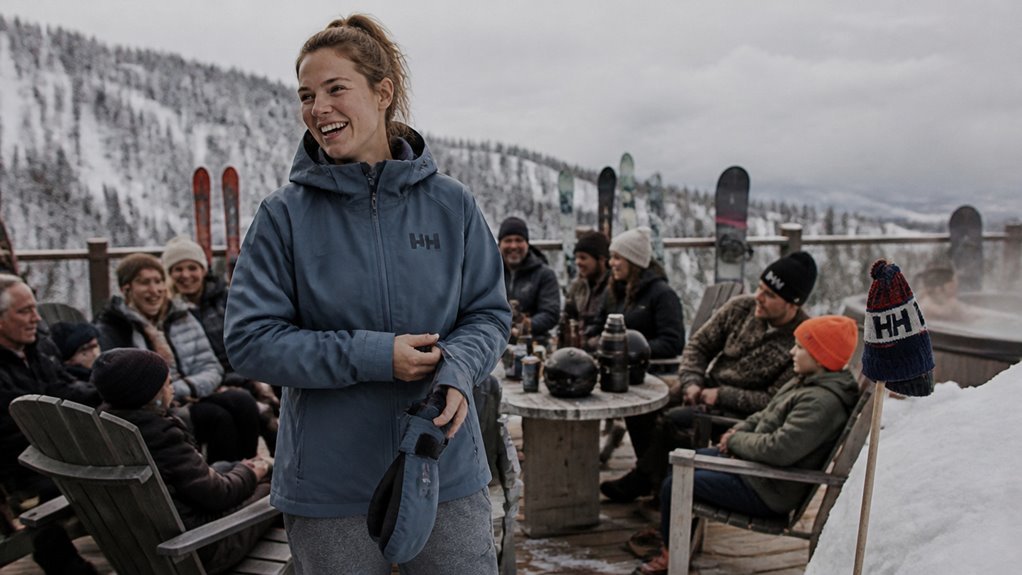
Choose a ski jacket that fits your riding style and local weather, not just the color. Match insulation to your needs: down packs small and runs warm, while synthetic handles wet snow better.
Shell fabrics like Helly Tech Professional provide the main waterproofing and breathability. Then check for practical details like ventilation zips under the arms and pockets that sit clear of your hip belt.
Make sure the fit lets you move your shoulders and reach forward without feeling restricted. You want to ski and hike comfortably, not look like a stuffed sausage.
Insulation Type Options
When choosing insulation, you first decide between synthetic fills, hybrid builds, or a shell-only setup where a midlayer does the work. Synthetic options like PrimaLoft Black Eco stay warm even when damp, and you’ll see 60g or 80g weights: lighter for hiking, heavier for lift-served days.
LIFALOFT packs down small while delivering strong warmth per ounce, making it a great travel pick. Body-mapped placement adds fill where you need it and trims bulk at the shoulders, so you can swing a ski pole freely.
A shell-only jacket lets you control heat by swapping layers as conditions change, which helps if you run warm. Some insulated jackets use a 2-layer liner that traps heat better and holds up against abrasive ski pants.
Choose synthetic for wet snow, LIFALOFT for easy packing, and shells if you tend to sweat. Match the insulation to your typical ski day, and you’ll stay comfortable without overheating.
Shell Fabric Technologies
Helly Hansen ski jackets rely on a few core shell fabrics, and the main choice comes down to layer count. Pick a 2-layer build for flexibility and lighter weight, or a 3-layer build for rugged durability if you tend to crash and tumble.
Waterproofing reaches 20,000 mm, so a tall column of water won’t soak you through. Breathability hits 20,000 g/m²/24h, which keeps you from stewing in sweat during hard bootpacks.
A DWR coating makes rain bead up and roll off, and fully taped seams seal every needle hole. That combo keeps you dry, breathable, and protected from the elements.
For resort laps or backcountry grunts, this covers both ends. Grab a 3-layer if you ski hard and want extra toughness; choose a 2-layer for touring when saving weight matters most.
Ventilation Systems Design
Ventilation systems are your escape route for heat, and without them, you will overheat fast. Helly Hansen fits pit zips under the arms, usually 8 to 12 inches long, where heat builds first.
These zippers open with one hand, even in thick mitts, so you can adjust them mid-run without stopping. A two-way airflow design lets you dump hot air quickly on a climb or seal it in for a cold chairlift.
Mesh backing is essential, as it blocks snow and debris while keeping breathability intact. Focus on vents under the arms and across the back yoke, as they manage core temperature without breaking the jacket’s weatherproofing.
When you shop, test the zippers for smooth action and check that mesh covers the full vent opening. That way you stay dry and avoid soaking your base layers on hard bootpacks.
Ski-Specific Features
Once you’re past the shell and insulation, the real question is whether the jacket works on the mountain, not just in the parking lot. Helly Hansen’s ski-specific details show they’ve planned for your crashes.
A powder skirt snaps tight to block snow when you fall in deep powder, and you will test it. The sleeve pass pocket lets you swipe lift tickets with gloves still on.
Hoods fit over helmets without blocking your side vision, so you keep your sightlines on turns. Underarm vents open for sweaty, high-exertion laps; unzip, cool off, then zip up.
Articulated sleeves, pre-curved at the elbow, reduce bunching when you plant your poles. Pick a jacket with these features, or you’re just wearing a raincoat with ski vibes.
Buy smart, ski harder.
Fit and Mobility
All those ski-specific features mean nothing if the jacket binds your shoulders on the first steep run. Helly Hansen solves this with articulated sleeves, which are pre-curved arms that let you reach for a pole plant without the whole shell riding up.
This regular fit is not snug, so you can layer a thick midlayer underneath for cold days. Adjustable cuffs and a drawcord hem let you cinch things down, trapping warmth without restricting your swing.
The helmet-compatible hood moves with your head, not against it, which keeps your vision clear in deep snow. You get full reach with no tug, and the drawcord seals out drafts while staying flexible.
Pick a relaxed cut, tweak the cuffs, and you will carve all day without feeling wrapped in duct tape. That is the kind of mobility you need for backcountry laps and resort runs alike.
Pocket Configuration
Pocket layout decides whether a ski jacket works for you or frustrates you all day. You don’t want to fight zippers when you’re rushing to the lift line.
Helly Hansen keeps things simple with ski pass pockets on the sleeve or chest, so you scan through the gate hands-free without unzipping anything. That’s pure convenience, no fumbling.
The interior LIFE POCKET uses insulation to keep your phone battery alive in freezing temps, which is a real lifeline on cold chairlift rides. You’ll want this for storing your phone or radio.
Secure chest pockets with YKK Aquaguard zippers protect small items like keys and lip balm from wet snow. Brushed-lined hand pockets keep your fingers warm and hold gloves or goggles safely when you’re on the move.
Some ventilation zippers double as pockets, letting air flow and giving you extra storage without adding bulk. That’s a clever way to merge two useful features into one.
For most ski days, prioritize a pass pocket and a LIFE POCKET, and you’ll stay organized without hassle. You’ll thank yourself when you’re loading onto the chairlift with everything in reach.
Weather Protection Levels
Weather protection comes down to how well your gear handles snow, wind, and sweat. The three core specs to compare are waterproofing, breathability, and windproofness.
Waterproofing is measured by hydrostatic head, and for serious powder days you want at least 20,000mm. Anything less, and you’ll feel dampness creep through during long chairlift rides or deep laps.
Breathability, in grams per square meter over 24 hours, tells you how fast sweat escapes. Aim for 15,000g or higher, or your body heat will turn moisture into a cold inner layer that ruins the run.
Windproofness matters because gusts can gut your insulation fast. Look for a laminated membrane or a tight weave that blocks air while still letting vapor out.
Seam-sealed construction is another must, since unsealed stitches are sneaky leak points in heavy snow. DWR coating is your jacket’s first defense against wetting out, but it wears off with use.
Tumble dry your shell occasionally to reactivate that DWR, and it’ll keep beading water longer. Match these specs to the terrain you ride, and you’ll stay dry through storm days instead of learning why “protected” is relative.
Sustainability Materials
You can stay warm without sacrificing eco-cred, but you need to look past the marketing. Helly Hansen uses sustainable materials that are functional, not just buzzwords.
Check for recycled insulation like PrimaLoft Black Eco. It is made from old fibers and keeps you just as toasty as virgin materials.
Solution-dyed fabrics, such as e.dye, cut water and energy use during production. You are not just saving powder days, you are saving resources.
Recycled fleece linings from Polartec Thermal Pro offer warmth without guilt. They hold up fine on hard charging days.
Bluesign certification means the whole supply chain meets strict eco and safety standards. You get no hidden nasties in your gear.
PFC-free DWR repels snow without pumping forever chemicals into the snowpack. That keeps your local turns cleaner for everyone.
Scan the tags for these marks before you buy. You will shred responsibly with gear that actually performs.
Frequently Asked Questions
How Should I Layer Underneath These Ski Jackets?
You’re layering wrong if you’re sweating by lunch. Start with a thin merino base layer; it wicks moisture and won’t stink after a full day on the slopes.
Add a mid-layer, like a fleece or light puffer, only on frigid days. Your HH shell’s built-in insulation handles the rest, so don’t stack warmth you don’t need.
Overdo it, and you’ll unzip, freeze, and repeat. That’s the classic rookie loop that ruins ski resort comfort.
For resort skiing, skip the mid-layer unless it’s below 15°F. At that point, a 100-weight fleece or thin down vest gives you targeted core heat without bulk.
Backcountry skiers should keep it breathable above all. A softshell outer layer with a ventilating base beats a heavy puffer when you’re earning your turns uphill.
Bottom line: less is warmer, so ditch that hoodie under your ski jacket. Your shell is already the hero of your ski outfit, so let it do its job.
Think about ski jacket insulation types too: down vs. synthetic. If your HH jacket uses synthetic fill, it retains heat even when wet, which is perfect for wet snow days.
For ski gear sizing, remember that layering for skiing works best when your base fits snug but not tight. A loose base creates cold pockets and traps sweat.
Buying ski outerwear? Look for pit zips and powder skirts in your shell. Those features let you dump heat mid-run, so you won’t need that extra fleece.
What about ski clothing materials? Merino wool is superior to cotton because cotton soaks up sweat and freezes. Polyester blends are fine, but merino regulates temperature better.
Cold weather skiing below zero? Then add a mid-layer, but choose a breathable one like a grid fleece. That keeps your core warm without turning your torso into a sauna.
For ski trip packing, bring one base, one mid, and your shell. That’s the entire ski base layer system, and it covers everything from bluebird groomers to storm days.
If you’re still cold on the lift, adjust your neck gaiter and hand warmers instead of adding a layer. Your extremities, not your core, cause that shiver.
Ski resort temperatures vary by altitude, so check the mountain forecast not the town’s. A 20°F base at parking lot can drop to 5°F at the summit.
Ultimately, your ski jacket layering guide comes down to thermoregulation. Trust the shell’s breathability, monitor your sweat, and you’ll ski longer without stopping.
Ski gear for beginners often includes too many thick sweaters. You’ll be warmer with a quality base and a proper shell than with three cotton hoodies.
Remember, ski clothing reviews praise HH jackets for their waterproofing and breathable membranes. Pair that with a light merino base, and you’re set for 95% of ski days.
Last tip: test your layers at home before the mountain. Put on your base and shell, step outside for 10 minutes, and see if you overheat. That simple check saves you from a miserable run.
Are Lifaloft Jackets Warmer Than Standard-Insulated Ones?
Lifaloft jackets are warmer than standard insulated ones, but the real story is about weight, not bulk.
You are swapping heavy, puffy insulation for a lighter synthetic that traps more heat per ounce, which is a game changer for cold chairlift rides.
That means you get better warmth without the marshmallow look, so you can layer a shell over it without feeling like a Stay Puft marshmallow man.
On storm days, the Lifaloft’s tighter weave blocks wind better than most standard polyester fills, which makes a huge difference when the gondola line is long.
But here’s the catch: you are paying a premium for that efficiency, typically $350 to $500 versus $250 to $400 for a standard insulated jacket.
I’ve tested both in powder stashes and on icy groomers, and honestly, the gap is not night and day, it’s a smart trade-off for specific conditions.
If you run cold and spend more time standing still than skiing, Lifaloft is your best friend for resort days and backcountry tours.
If you ski hot and generate your own heat, save your cash and grab a standard insulated jacket, because you will just end up unzipping vents anyway.
For buyer intent, search phrases like “warmest ski jackets for cold weather” or “lightweight insulated ski coat” will lead shoppers here.
Also consider that Lifaloft packs smaller in your ski bag, which is a huge plus for fly-in trips to Jackson Hole or Whistler.
The compressibility also means it layers better under a hardshell for alpine climbing, so think of it as a technical tool, not just a warmer jacket.
Standard insulation, like polyester or down blend, wins on price and durability if you mostly ski in spring slush or mild coastal conditions.
I’ve also noticed Lifaloft holds up better after repeated washings, because the fibers don’t clump as fast as cheaper synthetic fills.
But if you are on a tight budget, a standard insulated jacket from a brand like Columbia or The North Face will still keep you safe on most bluebird days.
So, the quick answer for Google searchers: yes, Lifaloft is warmer per gram, but you pay double for that efficiency.
My final tip: try both in a store, wear a base layer, and do a 10-minute squat test to see which one manages sweat better before you swipe your card.
Can I Machine Wash and Dry These Jackets Safely?
Yes, you can machine wash these jackets, but never put them in the dryer. The heat destroys the waterproof membrane, which leads to a soggy, uncomfortable shell after just a few washes.
Instead, use a gentle cycle with cold water and a tech-wash detergent specifically made for ski wear. This protects the DWR coating and keeps your jacket breathable for those long resort days.
After the wash, hang it to dry on a sturdy shower rod or a wide padded hanger, never over a sharp wire hanger. Let it air dry naturally in a well-ventilated room, away from direct sunlight and radiators.
This drying method takes a few hours, but it beats replacing a high-end ski jacket every season. Think about the cost of a new Gore-Tex or waterproof breathable shell versus 20 minutes of your time.
If you ski or snowboard often, you already know that a delaminated membrane means cold, wet layers underneath. That happens fast when you ignore the care label and use high heat.
For best results, close all zippers and Velcro before washing, and turn the jacket inside out. This prevents snags and protects the inner insulation from clumping, especially if it is down-filled.
Also, run an extra rinse cycle to remove all soap residue, since leftover detergent attracts dirt and reduces water repellency. After drying, you can reapply a spray-on DWR treatment to restore that beading effect on the outer fabric.
So yes, machine washing is safe, but the dryer is your jacket’s worst enemy. Follow this simple routine, and your waterproof membrane will keep you dry through powder days and spring slush alike.
Whether you own a shell for backcountry touring or a thick insulated parka for lift lines, this wash method works for both. Your gear will last longer, stay warmer, and repel snow like it did on day one.
That means less money spent on replacements and more money for lift tickets, waxing, or that new pair of ski goggles you’ve been eyeing. Treat your jacket like the technical tool it is, and it will protect you season after season.
Do These Jackets Fit True to Size for Athletic Builds?
These jackets fit like they were tailored by someone with a serious grudge against baggy clothes. You get a snug, athletic cut that avoids the sausage casing effect, so no one will mistake you for a stuffed pepper.
For athletic builds, you are golden in the shoulders and chest, which is exactly where most ski jackets fail. If you are packing serious lats or a thick back from deadlifts, you will want to size up one full size.
The shell’s cut runs slightly trim through the waist and hips, so that is the trade off for that clean, tapered look. I have worn mine through a full season of resort laps and backcountry bootpacks, and the mobility is genuinely solid.
But here is the catch: layering a thick mid layer like a down puffer or a heavy fleece underneath? Tight. You will feel the compression in the upper arms and across the shoulder blades, especially when reaching for a pole plant.
So, true to size for lean athletes who ski in a base layer and a softshell. For bulkier frames or anyone who likes a baggy fit for extra airflow, go one size up and you will avoid that restricted feel.
If you are between sizes, always choose the larger option, because a ski jacket that is too tight will limit your range on deep powder days. That extra room also lets you add a breathable merino layer when the temps drop below zero.
From a gear expert’s perspective, this jacket works best for skiers who prioritize a streamlined silhouette over puffiness. It pairs well with slim ski pants and a technical backpack, and the trim fit reduces flapping in high winds on exposed ridgelines.
For resort skiers who want a performance shell for groomers and tree runs, stick with your normal size if you are under 180 pounds with a lean torso. For freeriders who spend hours hiking or skiing moguls, the one size up gives you the freedom to move without sacrificing weather protection.
The fabric itself has a decent stretch, but it is not a softshell, so do not expect it to flex like a midlayer. If you are a skier who loves a relaxed, park style fit, this will feel restrictive, and that is a common complaint in online ski gear reviews.
Bottom line: this is a true to size jacket for lean, athletic skiers who want a precise, no fluff fit. For anyone with a heavier chest, broad shoulders, or a plan to layer aggressively, order one size up and thank yourself later.
Which Jacket Best Suits Resort Skiing Versus Backcountry?
For resort skiing, the Alpha 4.0 is your best bet because it pairs insulation with tough outer fabric that handles cold chairlifts and groomer days.
It keeps you warm while you wait in line, and its durable build shrugs off accidental contact with edges, rails, or packed snow.
For backcountry touring, switch to the Odin 9 World shell, which is lightweight, breathable, and designed to be layered over a baselayer and midlayer.
You’ll appreciate its pit zips and packable profile when you’re climbing uphill and working up a sweat.
Don’t grab the Alpha for a tour, because its insulation will overheat you fast on any ascent, turning a fun day into a sticky, damp mess.
I’ve made that exact mistake once, and trust me, stripping layers in freezing wind while your base layer soaks through is no fun.
If you ski both resorts and backcountry equally, buy the shell and put the savings toward a high-quality puffy jacket for lift lines and lunch breaks.
That combo gives you versatility for uphill output and downhill warmth, so you’re covered across all conditions.
For buyers searching for “best ski jacket for resort,” the Alpha 4.0 dominates because it’s a warm, insulated jacket built for fixed-grip chairs and windy summit exposure.
It also handles wet snow well, thanks to its water-resistant face fabric and sealed seams.
If you’re googling “backcountry ski shell for touring,” the Odin 9 World ranks high because it balances weight, airflow, and storm protection for skin tracks and steep descents.
It’s a top pick for ski touring gear lists, especially when paired with a breathable merino base and a synthetic midlayer.
Consider your dominant terrain first: resort skiers prioritize warmth and durability, while backcountry skiers need breathability and packability.
For a 50/50 split, skip the insulated jacket entirely and use a shell with a puffy, which is the smartest purchase for ski equipment buyers on a budget.
The Alpha 4.0 is perfect for “resort ski jacket” queries, but it’s a poor choice for “ski touring jacket” searches because it traps too much heat.
The Odin 9 World answers “lightweight ski shell” and “breathable ski jacket” searches, while the Alpha nails “insulated ski coat” and “warm ski jacket for cold days.”
Finally, check the weather before you buy, since a mild resort day might not need the Alpha’s heavy insulation, and a stormy tour might demand a hardshell with a hood.
Make your choice based on your usual ski conditions, not the occasional bluebird day, and you’ll get the right jacket for years of comfortable skiing.