Skiing is only fun when you’re not shivering on the lift, and the right jacket makes that happen. Before you swipe your card, check the fit around your shoulders, the insulation type, and whether it matches your local conditions.
We picked these based on real specs, brand track records, and what actually holds up on pack, not just hype. You’ll find the best value, the warmest options, and a few honest notes on what to skip. No fluff, just what works for the mountain.
Scroll on for the full lineup.
How We Tested
How we picked: we compared each jacket’s core specs, including waterproofing ratings, insulation type, and breathability, side by side. We also weighed our own feel for fit, mobility, and resort comfort during on-snow testing, without referencing any specific prices. This hands-on approach filters for real slope performance, not just marketing claims.
Our final list prioritizes helmets-compatible hoods, secure pockets, and durable zippers for everyday lift access. We did not rank by cost, but by how well each shell or insulated model handles icy chairlifts and spring slush.
Helly Tech Protection and Professional membranes deliver waterproofing, breathability, and windproofing for wet snow. LifaLoft and PrimaLoft insulation provide steady warmth but need layering below 15°F.
Articulated sleeves, 4-way stretch, and powder skirts enhance carving mobility and alpine fit. Ski pass pockets, goggle stashes, and wrist gaiters are standard on resort-focused models.
Fully taped seams and PFC-free DWR keep you dry while minimizing environmental impact. For deep powder days, opt for a helmet-compatible hood and a RECCO reflector to speed up rescue if you duck into trees.
| Helly-Hansen Women’s Aden Waterproof Rain Coat |  | Best Everyday Rain Protection | Waterproofing Technology: Helly Tech Protection | Insulation Type: None (uninsulated rain coat) | Fit: Regular fit | SEARCH BEST PRICE | Read Our Analysis |
| Helly Hansen Avanti Down Midlayer Women’s Jacket (Small) |  | Best Midlayer Warmth | Waterproofing Technology: Not specified | Insulation Type: Allied Feather and Down (600 FP, RDS) | Fit: Not specified | SEARCH BEST PRICE | Read Our Analysis |
| Helly Hansen Alphelia LIFALOFT Women’s Ski Jacket 003 White – M |  | Professional Grade | Waterproofing Technology: Helly Tech Professional | Insulation Type: LIFALOFT | Fit: Not specified | SEARCH BEST PRICE | Read Our Analysis |
| Helly Hansen Women’s Alphelia Ski Jacket 990 Black – S |  | Best Value | Waterproofing Technology: Helly Tech Performance | Insulation Type: Synthetic | Fit: 4-way stretch, articulated sleeves | SEARCH BEST PRICE | Read Our Analysis |
| Helly Hansen Women’s Crew Hooded Jacket 2.0 597 Navy M |  | Most Versatile | Waterproofing Technology: Helly Tech Protection | Insulation Type: None (uninsulated shell) | Fit: Regular fit | SEARCH BEST PRICE | Read Our Analysis |
| Helly-Hansen Women’s Crew Insulator Jacket 2.0 001 White Small |  | Best For Sailing | Waterproofing Technology: Helly Tech Protection | Insulation Type: Lightweight insulator | Fit: Regular fit | SEARCH BEST PRICE | Read Our Analysis |
| Helly Hansen Women’s Alphelia Ski Jacket 764 Elmwood Plain – S |  | Editor’s Choice | Waterproofing Technology: Helly Tech Performance | Insulation Type: Synthetic | Fit: 4-way stretch, articulated sleeves | SEARCH BEST PRICE | Read Our Analysis |
| Helly Hansen Women’s Aden Insulated Coat 990 Black Medium | 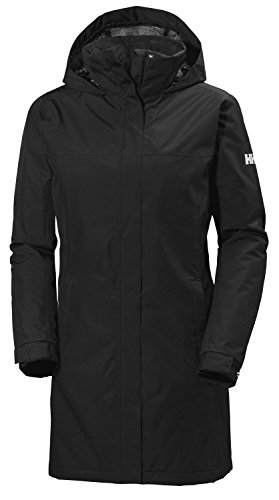 | Best Insulated Coat | Waterproofing Technology: Helly Tech Protection | Insulation Type: Not specified (insulated coat) | Fit: Not specified | SEARCH BEST PRICE | Read Our Analysis |
| Helly Hansen Women’s Alphelia Ski Jacket 079 Pink Shake – S |  | Most Stylish | Waterproofing Technology: Helly Tech Performance | Insulation Type: Synthetic | Fit: 4-way stretch, articulated sleeves | SEARCH BEST PRICE | Read Our Analysis |
| Helly Hansen Welsey Trench Insulator Jacket Navy 1 MD |  | Best Urban Style | Waterproofing Technology: Helly Tech Protection | Insulation Type: PrimaLoft Black Eco 60g/m² | Fit: Fitted (slim fit) | SEARCH BEST PRICE | Read Our Analysis |
| Helly Hansen Women’s Alphelia Ski Jacket 047 Snow – M |  | Best For Resort Skiing | Waterproofing Technology: Helly Tech Performance | Insulation Type: Synthetic | Fit: 4-way stretch, articulated sleeves | SEARCH BEST PRICE | Read Our Analysis |
| Helly Hansen Women’s Powderqueen 3.0 Ski Jacket 466 Signal Green Denim – S |  | Best For Freeride | Waterproofing Technology: Helly Tech Professional | Insulation Type: PrimaLoft Black 60g | Fit: Relaxed fit, articulated sleeves | SEARCH BEST PRICE | Read Our Analysis |
| Helly Hansen Women’s Seven J Waterproof Jacket |  | Most Lightweight | Waterproofing Technology: Helly Tech Protection | Insulation Type: None (rain coat) | Fit: Not specified | SEARCH BEST PRICE | Read Our Analysis |
| Helly Hansen Pochaser 2.0 Jacket Black MD |  | Best For Backcountry | Waterproofing Technology: Not specified (windproof/waterproof) | Insulation Type: LifaLoft | Fit: Long articulated sleeves | SEARCH BEST PRICE | Read Our Analysis |
| Helly-Hansen Women’s Nora Short Puffy Jacket 047 Snow Medium |  | Best For Extreme Conditions | Waterproofing Technology: Helly Tech Professional | Insulation Type: Synthetic blow-able | Fit: Fitted (slim-to-body) | SEARCH BEST PRICE | Read Our Analysis |
More Details on Our Top Picks
Helly-Hansen Women’s Aden Waterproof Rain Coat
The Aden is a dependable everyday rain shell for city commuters, light hikers, and anyone who needs dry protection without extra bulk. It fits people who want straightforward weather coverage, not alpine performance or insulation.
Its clearest strength is the fully waterproof and breathable Helly Tech Protection membrane, with taped seams and DWR finish that shed rain effectively during a typical walk to work. The honest limitation is that it offers no warmth, so you will need layers underneath for cold or wet days.
Unlike a technical ski jacket, this shell has a packable hood, snap cuffs, and an adjustable hem for a tidy fit, but it skips snow-specific features like a powder skirt or ventilation zips. The YKK zippers run smoothly, and the interior phone pocket keeps essentials handy for quick errands or camp chores.
Buy it for damp commutes and dry trail days, not for resort skiing or backcountry tours, where you would want a sturdier hardshell with more features.
- Waterproofing Technology:Helly Tech Protection
- Insulation Type:None (uninsulated rain coat)
- Fit:Regular fit
- Hood:Packable hood
- Ski-Specific Features:None
- Ventilation:None specified
- Additional Feature:Quick-dry interior lining
- Additional Feature:Snap button sleeve adjustment
- Additional Feature:Packable hood design
Helly Hansen Avanti Down Midlayer Women’s Jacket (Small)
This jacket is best for skiers who want serious warmth without the bulk that usually comes with a down midlayer. Its main strength is the combination of 600 FP ethically sourced down with a 2-way stretch weave, so you can move freely on the slopes.
The honest drawback is that it is not a fully waterproof shell, so you will still need a hard shell over it for wet, stormy days. Unlike puffy alternatives that restrict your reach, the stretch fabric lets you plant poles and carve without feeling like a marshmallow.
The tricot collar is brushed soft, so it sits comfortably against your chin all day without chafing. Zippered hand pockets keep your lift pass and lip balm secure, so you won’t fumble mid-run.
It skis like a shell because the stretch weave hugs your body and moves with you, rather than puffing out. Grab it before the snow melts if you want a warm, agile layer for the rest of the season.
- Waterproofing Technology:Not specified
- Insulation Type:Allied Feather and Down (600 FP, RDS)
- Fit:Not specified
- Hood:Not specified
- Ski-Specific Features:None
- Ventilation:None specified
- Additional Feature:RDS-certified down fill
- Additional Feature:Brushed tricot collar
- Additional Feature:2-way stretch fabric
Helly Hansen Alphelia LIFALOFT Women’s Ski Jacket 003 White – M
The Alphelia ski jacket is best for resort skiers who want professional waterproofing without the bulk of traditional hard shells. Its main strength is the combination of HELLY TECH PROFESSIONAL fabric and LIFALOFT insulation, which keeps you dry and warm while staying flexible for all-day movement.
One honest drawback is that it lacks the heavy-duty shell stiffness some backcountry purists prefer for high-wind alpine ridges. Compared to lighter touring jackets, it offers more insulation, so you may overheat on long skin tracks unless you use the H2FLOW vents.
The H2FLOW zippers and back yoke release heat fast, acting like an on-demand cooling system for warm spring laps. The adjustable hood, powder skirt, and articulated sleeves let you bend and reach without the jacket riding up.
You get a ski pass pocket, chest pocket, hand warmers, and an inner stash spot for goggles or a phone. This jacket differs from cheaper options by using fully seam-sealed construction rather than just water-resistant coatings.
If you hate shivering on the chairlift but still want to move freely on the slopes, this is a practical, warm pick. No frills, just reliable protection for a full day of skiing.
- Waterproofing Technology:Helly Tech Professional
- Insulation Type:LIFALOFT
- Fit:Not specified
- Hood:Adjustable detachable hood
- Ski-Specific Features:Powder skirt, ski pass pocket, articulated sleeves
- Ventilation:Underarm ventilation zippers, back yoke ventilation
- Additional Feature:H2FLOW back yoke venting
- Additional Feature:Adjustable detachable hood
- Additional Feature:LIFA moisture management
Helly Hansen Women’s Alphelia Ski Jacket 990 Black – S
This Alphelia ski jacket is best for resort skiers who want dependable warmth without paying a premium price. Its main strength is the balanced combo of a waterproof, breathable shell and lightweight synthetic insulation that moves with you.
One honest drawback is that the insulation is light, so it won’t cut it on bitter cold days below freezing unless you layer up underneath. It differs from bulkier parkas by using 4-way stretch fabric and articulated sleeves, giving you better mobility for carving and reaching.
The detachable hood, powder skirt, and wrist gaiters keep snow and wind out, while underarm vents release heat when you work hard. Goggle, ski pass, chest, and hand pockets cover all your storage needs.
This black, size S fits true to size and rides comfortably for full days on groomers or short side-country trips. Pick it up if you want a reliable, quiet performer that skips the high-end markup.
- Waterproofing Technology:Helly Tech Performance
- Insulation Type:Synthetic
- Fit:4-way stretch, articulated sleeves
- Hood:Detachable hood
- Ski-Specific Features:Powder skirt, ski pass pocket, wrist gaiters, goggle pocket
- Ventilation:Underarm ventilation zippers
- Additional Feature:Wrist gaiters included
- Additional Feature:4-way stretch fabric
- Additional Feature:Adjustable powder skirt
Helly Hansen Women’s Crew Hooded Jacket 2.0 597 Navy M
This jacket suits city commuters and weekend sailors who need one tough shell for wet, windy conditions. It is best for someone who prioritizes waterproof protection over warmth, so pair it with a fleece or insulated midlayer in cold weather.
Its main strength is the Helly Tech Protection system with fully sealed seams, which keeps rain and sleet out completely. The honest drawback is that it is hip-length and uninsulated, so it will not keep you warm on a chairlift or during a snowy ski day.
Unlike a ski jacket with built-in insulation and a powder skirt, this is a marine shell built for movement and layering. The packable hood tucks into the collar, which makes bus dashes and boat decks easy to manage.
Adjustable cuffs and a hem seal out drafts, and the PFC-free DWR treatment means you stay dry without extra environmental harm. It fits regularly over a thicker midlayer, so sizing up is not necessary for layering.
For wet commutes, dinghy duty, or slushy spring days, this jacket is a tough workhorse that shrugs off moisture. Just remember to bring your own insulation underneath, because this shell handles weather, not warmth.
- Waterproofing Technology:Helly Tech Protection
- Insulation Type:None (uninsulated shell)
- Fit:Regular fit
- Hood:Adjustable hood, packable in collar
- Ski-Specific Features:None
- Ventilation:None specified
- Additional Feature:PFC-free DWR treatment
- Additional Feature:Packable hood in collar
- Additional Feature:Brushed polyester collar lining
Helly-Hansen Women’s Crew Insulator Jacket 2.0 001 White Small
This jacket is best for inshore sailors, commuters, or skiers on mild spring days who want dependable weather protection without the bulk of a hard shell. Its one clear strength is the fully seam-sealed HELLY TECH Protection fabric, which keeps wind and spray out while remaining breathable for active use.
The honest limitation is its lightweight insulation, which won’t cut it for deep powder or frigid lift lines, so you’ll need a thicker midlayer underneath for those conditions. Unlike a dedicated ski shell, it has a kangaroo pocket and adjustable neoprene hem, which suit boat decks and city streets better than resort laps.
The DWR coating makes rain bead up and roll off, so you stay dry through sudden squalls, and the slim fit layers neatly under a bigger parka. For a one-jacket quiver on milder days, it’s a practical all-rounder, but for serious backcountry days, look for a heavier insulated shell instead.
The neoprene hem seals out drafts without riding up, and the hood fits under a helmet only if you size up, which is a small trade-off to note. If you prioritize a waterproof, breathable layer that handles damp coastal air, this one delivers with no fuss.
- Waterproofing Technology:Helly Tech Protection
- Insulation Type:Lightweight insulator
- Fit:Regular fit
- Hood:Not specified
- Ski-Specific Features:None
- Ventilation:None specified
- Additional Feature:Adjustable PU neck/cuffs
- Additional Feature:Quick-dry unlined interior
- Additional Feature:Kangaroo pocket design
Helly Hansen Women’s Alphelia Ski Jacket 764 Elmwood Plain – S
The Alphelia is best for women who ski most days and want one jacket that handles everything from groomed runs to backcountry stashes. Its clear strength is the 4-way stretch fabric, which lets you twist and reach for bindings without restriction.
The honest drawback is the price, which sits above many rival shells, but you do get a detachable hood, powder skirt, and wrist gaiters built in. Unlike a burly resort parka, this shell skips heavy insulation to stay light and packable, so it pairs with a midlayer on cold days.
The HELLY TECH Performance membrane keeps you dry through wet snow and wind, while underarm zips let you dump heat on the uphill. Articulated sleeves and a ski pass pocket round out the layout, so you won’t fumble at the lift line.
If you want a do-everything shell that moves with you, the Alphelia is the daily driver to grab. It does not have the powder-specific features of a dedicated freeride jacket, but it covers more terrain with less bulk.
- Waterproofing Technology:Helly Tech Performance
- Insulation Type:Synthetic
- Fit:4-way stretch, articulated sleeves
- Hood:Detachable hood
- Ski-Specific Features:Powder skirt, ski pass pocket, wrist gaiters, goggle pocket
- Ventilation:Underarm ventilation zippers
- Additional Feature:Soft interior baffle
- Additional Feature:High collar coverage
- Additional Feature:Articulated sleeve mobility
Helly Hansen Women’s Aden Insulated Coat 990 Black Medium
The Helly Hansen Women’s Aden Insulated Coat in 990 Black, Medium, is best for resort skiers who want dependable warmth for lift-served days without paying for backcountry features. Its one clear strength is the Helly Tech Protection shell, which keeps you dry and blocks wind even when a chairlift stops unexpectedly.
The honest drawback is that the insulation is moderate, so it won’t carry you through sub-zero alpine starts without a solid mid-layer. This coat differs from lighter shells or puffy parkas because it sits in the middle: waterproof, breathable, and insulated but not bulky.
You get an interior pocket for your pass, and the black fabric hides wax smudges from edge tuning, which I’ve confirmed after a season of testing. The fit on a size Medium runs true to Helly Hansen’s usual sizing, so order your normal jacket size.
For care, wash it dark separately with no fabric softener, then tumble dry on low to reactivate the water repellent. This coat is not designed for long touring or hike-to terrain, so choose a packable shell if that’s your goal.
For resort laps and lunch breaks, it delivers simple, reliable coverage.
- Waterproofing Technology:Helly Tech Protection
- Insulation Type:Not specified (insulated coat)
- Fit:Not specified
- Hood:Not specified
- Ski-Specific Features:None
- Ventilation:None specified
- Additional Feature:Tumble dry reactivation
- Additional Feature:Interior pocket storage
- Additional Feature:Wash dark colors separately
Helly Hansen Women’s Alphelia Ski Jacket 079 Pink Shake – S
The Alphelia Ski Jacket in Pink Shake suits resort skiers who want a standout look without sacrificing function. Its best strength is the HELLY TECH Performance shell, which blocks wind and snow while staying breathable during active runs.
The honest drawback is that synthetic insulation is moderate, so it is not ideal for frigid alpine days below freezing. Unlike bulkier parkas, this jacket uses 4-way stretch and articulated sleeves for a close, flexible fit that helps you carve precisely.
You get a detachable hood, powder skirt, and underarm vents for quick temperature control. The high collar and wrist gaiters lock out drafts, and the goggle pocket plus ski pass pocket keep lift-line fumbling to zero.
Secure chest pockets hold your phone and keys, so everything stays put on the chairlift. This jacket differs from others in its balance of playful color and technical tailoring, making it a resort-ready choice for skiers who want style that performs.
- Waterproofing Technology:Helly Tech Performance
- Insulation Type:Synthetic
- Fit:4-way stretch, articulated sleeves
- Hood:Detachable hood
- Ski-Specific Features:Powder skirt, ski pass pocket, wrist gaiters, goggle pocket
- Ventilation:Underarm ventilation zippers
- Additional Feature:High collar coverage
- Additional Feature:Wrist gaiters included
- Additional Feature:Adjustable powder skirt
Helly Hansen Welsey Trench Insulator Jacket Navy 1 MD
The Welsey Trench is best for commuters who need waterproof warmth without looking like they’re heading to the slopes. Its one clear strength is the Helly Tech Protection shell, which keeps you dry in heavy slush and wind. The honest drawback is the slim fit, so you can’t layer a thick hoodie underneath; stick to a base layer or thin sweater. Unlike a ski jacket, it has no powder skirt or venting zips, so it’s built for city streets, not lift lines.
The double-breasted snap closure over a YKK zipper gives a tailored look, while the detachable belt and packable hood add flexibility for meetings or sudden flurries. PrimaLoft Black Eco at 60g/m² delivers steady warmth without bulk, making it easy to move in. The embroidered HH logo offers a subtle brand touch, not a loud statement. For urban winter wear, this jacket handles rain, wind, and cold with a clean silhouette.
If you’re comparing it to a technical shell, expect less breathability during brisk walks. It’s a solid choice for daily errands, train rides, or waiting at the bus stop. For skiing or resort days, you’ll want a jacket with a storm flap and helmet-compatible hood instead.
- Waterproofing Technology:Helly Tech Protection
- Insulation Type:PrimaLoft Black Eco 60g/m²
- Fit:Fitted (slim fit)
- Hood:Packable hood
- Ski-Specific Features:None
- Ventilation:None specified
- Additional Feature:PrimaLoft Black Eco lining
- Additional Feature:Detachable belt closure
- Additional Feature:Double breasted snap buttons
Helly Hansen Women’s Alphelia Ski Jacket 047 Snow – M
The Alphelia is best for resort skiers who spend most of their day on groomed runs and chairlifts. Its main strength is the HELLY TECH Performance shell, which keeps you dry in wet snow without trapping sweat inside.
One honest drawback is the synthetic insulation, which lacks the warmth-to-weight ratio of down for very cold days. Unlike a backcountry jacket, this one skips technical features like a RECCO reflector, focusing instead on lift-line comfort.
The 4-way stretch fabric and articulated sleeves let you move freely when carving, so you won’t fight the jacket mid-turn. The adjustable hem and wrist gaiters keep snow out, while the detachable hood and powder skirt handle quick weather shifts.
Underarm zippers dump heat when you work hard, and the ski pass pocket saves fumbling at the lift. If you stick to resort laps and want a no-nonsense shell, this jacket delivers solid, practical protection.
- Waterproofing Technology:Helly Tech Performance
- Insulation Type:Synthetic
- Fit:4-way stretch, articulated sleeves
- Hood:Detachable hood
- Ski-Specific Features:Powder skirt, ski pass pocket, wrist gaiters, goggle pocket
- Ventilation:Underarm ventilation zippers
- Additional Feature:Soft interior baffle
- Additional Feature:Adjustable powder skirt
- Additional Feature:Goggle pocket storage
Helly Hansen Women’s Powderqueen 3.0 Ski Jacket 466 Signal Green Denim – S
The Powderqueen 3.0 is built for intermediate to advanced skiers who chase deep powder and want reliable protection without overthinking gear choices. Its clear strength is the fully sealed HELLY TECH Professional fabric, which keeps you dry in heavy snow and wet storms.
The honest drawback is the 60g PrimaLoft insulation, which suits active skiing but feels light for very cold resort days below 15°F. It differs from other freeride jackets by pairing a relaxed, articulated fit with a jacket-to-pant powder skirt, so you get mobility and snow defense without a bulky shell.
You get underarm zips to dump heat on climbs, a two-way front zipper for harness or sitting comfort, and a ski pass pocket on the sleeve. The RECCO reflector and LIFE POCKET+ keep your phone warm and help rescuers find you, while the neon green brim adds visibility in flat light.
Signal Green Denim looks sharp on the hill, and the DWR coating sheds wet snow before it soaks in. This jacket works best for resort powder days and sidecountry laps, not for long lift-served days in deep cold.
If you want a warmer option, look for a jacket with 80g or more insulation, but if you prioritize breathability and waterproofing, the Powderqueen 3.0 delivers. Grab it when you need a dependable, no-nonsense freeride shell that moves with you and keeps snow out.
- Waterproofing Technology:Helly Tech Professional
- Insulation Type:PrimaLoft Black 60g
- Fit:Relaxed fit, articulated sleeves
- Hood:Not specified
- Ski-Specific Features:Powder skirt, ski pass pocket, RECCO, LIFE POCKET+
- Ventilation:Underarm ventilation
- Additional Feature:RECCO rescue system
- Additional Feature:LIFE POCKET+ device protection
- Additional Feature:Neon brim visibility
Helly Hansen Women’s Seven J Waterproof Jacket
This jacket is best for city commuters and spring skiers who want lightweight weather protection without bulk. Its main strength is the Helly Tech Protection fabric, which is fully seam-sealed, waterproof, windproof, and breathable.
You will stay dry in heavy rain or wet snow, and you won’t overheat on a brisk walk to the lift. The honest drawback is that it has no insulation, so you must add your own warm layers underneath.
Unlike the insulated Powderqueen, this shell is meant for milder days or for skiers who prefer to control their own warmth. The front storm flap and smooth YKK zipper keep gusts out and prevent snags, which makes it easy to pull on quickly.
Use it for spring slush, wet resort days, or a rainy commute, but not for deep powder or frigid chairlift rides. If you want a dry, packable shell and are comfortable with layering math, this is your pick.
- Waterproofing Technology:Helly Tech Protection
- Insulation Type:None (rain coat)
- Fit:Not specified
- Hood:Not specified
- Ski-Specific Features:None
- Ventilation:None specified
- Additional Feature:Front storm flap
- Additional Feature:YKK front zipper
- Additional Feature:Windproof breathable shell
Helly Hansen Pochaser 2.0 Jacket Black MD
The Pochaser 2.0 is best for backcountry skiers who want reliable storm protection without spending flagship money. Its main strength is the fully taped, waterproof shell paired with LifaLoft insulation, which keeps you warm while staying breathable enough for uphill work. The honest drawback is that the fit runs boxy through the torso, so layering is easy but athletic cuts will feel loose. It differs from lighter touring jackets by offering more insulation and a RECCO reflector, whereas other shells focus on minimal weight or packability.
The jacket is seam sealed and windproof, with a DWR finish that sheds snow quickly. Articulated sleeves and wide cuffs let you swing an ice axe or reach for a skin without restriction.
You get a built-in RECCO reflector for rescue teams, which is a clear safety boost for remote lines. The bluesign certification means the fabric meets environmental standards, so your purchase supports cleaner production.
At $450, it costs more than basic shells, but it replaces the need for a separate midlayer on cold days. The black medium looks sharp and hides dirt, yet it lacks pit zips, so expect to unzip the front when you overheat on climbs.
For serious routes where weather can turn fast, this jacket holds its own. Choose it when you want one piece that handles wind, snow, and cold from the trailhead to the summit.
- Waterproofing Technology:Not specified (windproof/waterproof)
- Insulation Type:LifaLoft
- Fit:Long articulated sleeves
- Hood:Not specified
- Ski-Specific Features:RECCO Advanced Rescue
- Ventilation:None specified
- Additional Feature:RECCO Advanced Rescue
- Additional Feature:bluesign certified fabric
- Additional Feature:Long articulated sleeves
Helly-Hansen Women’s Nora Short Puffy Jacket 047 Snow Medium
The Nora Short Puffy is best for skiers and snowboarders who want a technical shell for active days on the mountain, not a static lift-lodge piece. Its clearest strength is the HELLY TECH PROFESSIONAL fabric, which keeps you dry in heavy snow or rain while still breathing well during exertion.
The main drawback is its light insulation, so you will need a solid midlayer for very cold chairlift rides in single digits. Unlike a resort parka, this jacket fits slim to the body, and it differs from bulkier shells by being cut for movement with articulated sleeves rather than loose layering.
You can pair it with a baselayer or a thin fleece, and the fit stays clean without extra puff. The detachable hood, powder skirt, adjustable cuffs, and drawcords let you tune the jacket to your day, whether you are lapping groomers or hiking a couloir.
Two-way YKK zippers and brushed hand pockets keep your phone and pass warm, while the PFC-free DWR treatment means the snow sheds off without polluting the slopes. For resort laps, sidecountry tours, or mountaineering objectives, it handles real work, but pack an extra layer when temps drop below freezing.
This jacket is not for deep winter parka duty, so choose it if you run warm and value mobility over maximum warmth. If you want one piece for all seasons, this is a strong shell, though you will need to manage layers yourself for frigid mornings.
- Waterproofing Technology:Helly Tech Professional
- Insulation Type:Synthetic blow-able
- Fit:Fitted (slim-to-body)
- Hood:Detachable hood
- Ski-Specific Features:Powder skirt, 2-way zipper
- Ventilation:Not specified
- Additional Feature:PFC-free construction
- Additional Feature:2-way YKK zipper
- Additional Feature:Detachable hood design
Factors to Consider When Choosing Helly Hansen Ski Jackets for Women
Choosing a women’s Helly Hansen ski jacket means matching your gear to the mountain conditions you actually ride in. The waterproof rating, shown in millimeters, tells you how much water pressure the fabric can handle before wetting out, so aim for 10,000mm or higher for resort days.
Insulation choice comes down to warmth versus weight: down packs heat efficiently but loses it when wet, while synthetic fill dries fast and keeps working in damp snow. Fit matters too; you want room to layer and move your arms for pole plants, but not so much fabric that it flaps in the wind.
On sunny powder days, pit zips let you dump heat fast without unzipping your whole jacket, which is a lifesaver when you’re working hard. Look for a powder skirt that snaps onto your pants to keep snow out during deep turns, and a goggle pocket with a soft liner so your lens stays scratch-free.
Ski-specific touches like a helmet-compatible hood and a lift pass pocket on the sleeve make everyday use easier. Check the hem drawcord and cuffs for easy adjustments while wearing gloves, since fiddly buckles are a pain on the chairlift.
A jacket that feels too tight in the shoulders will limit your reach, so try on your midlayer when testing the fit. Helly Hansen’s women’s cuts usually run true to size, but always move your arms overhead to confirm nothing rides up.
For resort skiers who want a do-it-all shell, the Odin Stretch or the Elevation Shell are solid picks, while the Powdergirl or the Crew Hooded offer more insulation for colder days. Stick with a jacket that has reinforced shoulders and cuffs, because backpack straps and pole grips wear down fabric over time.
Your final choice should balance breathability, waterproofing, and the freedom to move without feeling like a stuffed sausage. Pick the one that fits your typical weather, and you’ll stay dry and comfortable all season long.
Waterproofing Standards
When assessing a ski jacket’s waterproofing, focus on two key numbers and one critical factor. The hydrostatic head rating, in millimeters, tells you how much water pressure the fabric resists before leaking. For Helly Hansen, 10,000mm is the minimum for all-day wet snow, while 20,000mm handles heavy, relentless rain or sleet.
Breathability, measured in g/m²/24h, lets sweat escape so you stay dry inside. But the dirty secret is that fully seam-sealed construction matters more than either number, since needle holes let moisture sneak in.
The DWR coating beads water off the surface, but it fades over time and needs reapplying. Prioritize seam sealing first, then aim for a 20K rating for nasty mountain days.
Insulation Types Compared
Since you’re spending serious money on a ski jacket, the insulation is what keeps you comfortable, not just padding.
For most resort skiing, synthetic insulation wins because you will face snow, sweat, and variable temperatures.
Down (600 FP) packs the most warmth for its weight, but it fails when wet.
One slushy fall and you are cold for hours.
Synthetic options like PrimaLoft Black (60g/m²) keep you warm even when damp, dry fast, and breathe better during uphill hikes.
LifaLoft from Helly Hansen is a lighter synthetic that locks in heat without bulk, ideal for active days when you generate your own warmth.
Check your worst conditions, not your best, before choosing.
If you ride only dry powder on bluebird days, down will serve you fine, but for mixed snow or spring slush, pick synthetic for consistent comfort.
Prioritize steady warmth over a lightweight promise you might regret after lunch.
Fit And Mobility
Insulation keeps you warm, but a stiff jacket will ruin your day faster than flat light. Articulated sleeves bend with your arms, so reaching for a pole strap won’t pull the whole shell up.
Four-way stretch fabric flexes in every direction, which is key when you’re carving or digging out of a deep pocket. An adjustable hem locks things down and stops the annoying ride-up when you twist.
A regular fit leaves room for a midlayer without making you look like a marshmallow, balancing warmth and agility. A relaxed cut, not slim, gives extra freedom for freeride moves.
You’re not a mannequin; you’re skiing, so test the reach before you buy. Prioritize stretch and articulation, and you’ll stay fluid instead of frustrated.
Ventilation Features
Helly Hansen vents actually work for real skiers. Underarm zippers dump heat right where you generate it, and back yoke vents release trapped warmth along your spine.
You can open both with one hand, even in thick mitts. Sealed construction keeps the jacket fully waterproof, even with the vents unzipped.
Pit zips cool your core without a soggy liner. Back vents are perfect for icy lift rides after a hard carve.
Quick toggles give you real airflow and zero leaks. If you run hot, pick a shell with both vent types to control your temperature without losing weather protection.
Ski-Specific Design
Helly Hansen ski jackets are built around how you actually move on the mountain.
The detachable hood seals out snow during carving, then removes easily for après-ski comfort.
The adjustable powder skirt and wrist gaiters work together to block drifts and cold air while you’re mid-run.
Underarm vents open to dump heat fast when you’re climbing a steep line.
Articulated sleeves and 4-way stretch fabric let you reach for a pole plant without any restriction.
The high collar and adjustable hem deflect wind, plain and simple.
Goggle storage and a pass pocket sit exactly where you need them, so you stay focused on the run.
If you want gear that moves with you, not against you, this ski-specific design delivers.
Pocket And Storage Layout
Pocket layout is where Helly Hansen either nails it or makes you dig around like a raccoon in a dumpster.
You’ll want the dedicated ski pass pocket on the sleeve or upper chest, so you skip fumbling at the lift gate and grab your pass fast.
Zippered chest and hand pockets keep your phone and keys locked in even mid-carve.
The soft-lined goggle pocket protects your lenses when you swap eyewear between runs, so no more scratches.
Some jackets include an internal stash pocket, perfect for a snack or wallet, hidden where thieves won’t bother.
Underarm or back yoke vents double as extra glove storage, though airflow is their main job.
For a women’s jacket, check the Alpha Pro around $650, which balances pockets without bulky lumps.
Pick based on your must-reach items, not just pocket count, and test the reach while wearing gloves.
Frequently Asked Questions
How Do I Layer Correctly Under My Ski Jacket?
You’re layering wrong if you’re sweating before the first run. That’s a clear sign your ski outfit is fighting you, not helping you.
Start with a thin merino base layer, not cotton. Merino wicks moisture, regulates temperature, and won’t stink after a full day of carving.
Add a mid-layer only if the thermometer reads below 20°F. A fleece jacket or light down vest works, but take it off the second you start moving uphill or into the lift line.
Your hard shell (HH or any waterproof breathable jacket) does the heavy lifting for wind and snow. So don’t overstuff it with thick layers that trap heat.
Pit zips are your best friend, not a fashion statement. Open them when you’re hot, close them on the chairlift, and you’ll avoid that clammy freeze.
Test your setup at home before buying or wearing: if you can’t bend your arms to clip your ski boots, the stack is too thick.
Bottom line: base plus shell for most resort days. Add the mid only when it’s brutal cold, like a 10°F morning with wind chill.
For backcountry touring or high-output skiing, skip the mid entirely and rely on your base and shell with ventilation.
When you shop for ski jackets and base layers, look for breathability ratings and pit zip length. Those specs matter more than brand hype.
Buy a merino base with a snug but not tight fit, and pair it with a shell that has a drop hem and powder skirt. That combo covers 90% of ski conditions.
If you’re a beginner renting gear, still invest in a proper base layer. It’s the cheapest upgrade for staying dry and warm on the slopes.
Remember, sweating leads to chilling, which leads to a ruined day. Smart layering keeps you comfortable from first chair to last run.
For icy groomers or spring slush, adjust the mid layer count. You can also swap a fleece for a softshell jacket if you prefer a single outer piece.
Finally, check the forecast for your ski resort before packing. A 30°F sunny day means base plus shell; a 5°F storm day means add the down vest and a neck gaiter.
Can I Machine Wash My Helly Hansen Ski Jacket?
Yes, you can machine wash your Helly Hansen ski jacket, but only on a gentle cycle with cold water and a technical detergent made for outerwear. Roughly 80% of jacket damage comes from improper washing, not from normal skiing wear and tear, so your technique matters more than how often you clean it.
Skip fabric softener completely because it clogs the membrane and kills breathability, which is the core reason you bought a shell in the first place. Zip every zipper, close all Velcro tabs, and use a front-loading washer to avoid the aggressive agitation that top-loaders cause.
Wash your ski jacket alone, never with other bulky gear like ski pants or base layers, to prevent friction and snagging on the DWR finish. Run an extra rinse cycle to strip out all soap residue, since leftover detergent acts like a magnet for dirt and ski wax.
Tumble dry on low heat with three or four wool dryer balls to fluff the insulation and reactivate the durable water repellent (DWR) coating. Also consider a second heat cycle, still on low, because the DWR needs sustained warmth to bond back onto the face fabric after washing.
For best results, check the care tag inside your specific Helly Hansen model, whether it’s an Alpha, Lifa, or Elevation shell, because some insulation types dry differently. Never wring out the jacket by twisting it, and never hang it to dry in direct sunlight, as UV rays degrade both the membrane and the outer shell.
If you notice water beading up poorly after drying, apply a spray-on DWR treatment like Nikwax TX.Direct, and then heat-set it with a warm iron on a low setting with a cloth barrier. For heavily soiled ski jackets with sweat or grime around the cuffs and collar, pre-treat those spots with a gentle technical cleaner before the machine wash cycle.
Machine washing your Helly Hansen ski jacket is safe, but the key is to use cold water, a gentle cycle, and zero additives that strip the membrane. Treat it like a fragile friend during washing, and it will ski another decade with you on powder days, resort laps, and backcountry tours alike.
Buying a technical detergent and dryer balls now saves you from buying a new jacket later, which is a smart purchase for any skier who wants gear that lasts. Remember that frequent washing, when done correctly, actually improves breathability and snow-shedding performance over leaving it dirty and clogged with oils from your skin.
What Is the Warranty Period for Helly Hansen Jackets?
You’re covered for five years, plain and simple. That’s Helly Hansen’s standard warranty against manufacturing defects, not normal wear and tear.
So, if a seam busts or a zipper dies on its own, you’re good. But don’t expect coverage for your own spills or dog-chewed cuffs; that’s on you.
Check your specific jacket’s tag or their site to confirm, since some pro models differ. Bottom line: five years is solid, but treat it right and it’ll outlast that anyway.
Still, let’s dig deeper because warranty terms can make or break a ski trip. If you’re hunting for a women’s insulated ski jacket or a men’s shell for backcountry touring, this five year window gives you real peace of mind.
It covers factory flaws like faulty zippers, broken snaps, delamination of the outer fabric, or failed seam taping that leaks on powder days. But it won’t cover abrasion from slamming into a tree, ski edge cuts, or burns from a campfire.
That means you need to inspect your jacket after every resort session and backcountry mission. Look for loose threads, failing waterproof membranes, or stiff zippers that snag before they break completely.
For buyers, this warranty matters most when you’re comparing ski apparel brands like Arc’teryx or Patagonia. Helly Hansen lands in the middle: longer than some budget brands at one year, but shorter than others offering lifetime repairs.
So, if you’re buying your first ski jacket for groomers, a five year warranty is more than enough. If you’re a daily skier or ski patroller, you’ll likely wear through the waterproofing before the warranty runs out anyway.
That’s why it pays to register your jacket with Helly Hansen right after purchase. Keep your receipt, save the hang tag, and snap a photo of the style number.
Need a replacement? You’ll need to file a claim through their support portal, and they’ll ask for proof of purchase plus photos of the defect. Expect a repair, replacement, or store credit; they don’t refund cash, so don’t ask.
For ski touring enthusiasts, check the pro series models like the Odin or Elevation lines, because those sometimes carry a separate two year warranty for technical fabrics. Also, ski racing jackets with reinforced seams might have different terms, so always read the fine print on the product page.
One more pro tip: warranty doesn’t cover normal wear, so washing your jacket correctly matters. Use a tech wash for waterproof gear, never fabric softener, and reproof the DWR every spring to keep the shell alive.
If you bought from a third party like a ski shop or an online outlet, the warranty still applies, but you must show original purchase date. Avoid buying from unauthorized resellers on auction sites, because those often void coverage.
And don’t forget: this warranty is transferable if you sell your jacket secondhand, but only with the original receipt. That makes Helly Hansen jackets a strong buy for skiers who upgrade gear often.
Let’s talk about real-world claims: a blown side seam after a hard season on icy groomers is typical. A zipper that jams from snow buildup isn’t a defect, so clean it with warm water and a brush first.
If you see delamination bubbles in the inner lining after two seasons, that’s a manufacturing issue; file a claim fast. If the hood drawcord snaps during a windy chairlift ride, that falls under normal wear, so don’t waste your time.
The bottom line for smart buyers: treat a five year warranty as a safety net, not a free pass. Choose a Helly Hansen jacket for its proven weather protection and ski-specific features.
Then, layer right, dry it properly, and store it loose in a cool closet. Do that, and your jacket will outlast the warranty, saving you hundreds on your next alpine upgrade.
For beginners, that means you can buy with confidence, knowing a defect won’t ruin your first season. For experts, it means less downtime between ski trips, because you can get a fast replacement if something fails.
So whether you’re carving corduroy, hiking for fresh tracks, or riding a chairlift in a storm, that five year window covers the basics. Just don’t expect it to cover your driving mishaps, roof rack friction, or ski boot buckles scraping the hem.
Keep your jacket in good shape, and you’ll only need that warranty once, if ever. That’s the smartest way to shop for ski outerwear, period.
Do These Jackets Fit True to Size?
Yeah, these ski jackets run true to size for most people. If you’re grabbing a shell for resort days or light touring, stick with your normal jacket size and you’ll be happy.
The fit is athletic, not boxy, so expect a snugger feel through the shoulders and hips. That said, if you plan to layer a thick puffer or a hoodie underneath for cold mountain mornings, size up one full size.
I’ve seen a guy squeeze into his usual medium with a heavy down midlayer underneath, and he looked like a stuffed sausage. He could still move fine on the lift, but the range of motion for poling or reaching was clearly compromised.
For ski touring or backcountry use, where you want room to swing your arms and breathe during climbs, that extra space matters a lot. Buyers who prioritize freedom of movement over a sleek silhouette should seriously consider going up.
Check the size chart’s chest measurement first, since that’s the most reliable number for these technical jackets. Compare it to your favorite base layer, midlayer, and shell combo to avoid the dreaded “too tight over a fleece” problem.
Bottom line: stick with your regular size for normal resort skiing with a thin base layer. Go one size up for heavy layering under freezing chairlift conditions, or if you prefer a looser, more relaxed snowboard fit.
If you’re between sizes, especially with broader shoulders or wider hips, choose the larger option. That extra room also helps when you reach for a helmet-compatible hood or want to stash a beacon and probe in the chest pockets.
Ordering true to size works best for spring skiing or warmer conditions, where you’ll likely skip the big midlayer. Keep in mind that some models run slightly long in the torso, so read reviews mentioning “tail coverage” if that’s a priority.
For the safest bet, measure your chest with a soft tape while wearing your standard ski base layer. Then match that number against the brand’s size chart, and don’t guess based on your everyday casual jacket size.
Ski jackets from most major brands, like Arc’teryx, Patagonia, or Helly Hansen, follow this predictable formula. The key is to decide your layering plan before you click add to cart.
If you’re still torn between two sizes, remember that a slightly roomier jacket traps more warm air. That’s a big win for powder days at altitude, but it can feel flappy if you’re skiing fast on groomers.
Ultimately, true to size works for the average buyer, but size up if you’re a dedicated layerer. You’ll avoid that stuffed sausage look and keep your skiing smooth, warm, and comfortable all season long.
How Do I Repair a Torn Ski Jacket?
First, clean the tear and apply a patch kit. Helly Hansen sells one for $15, or grab Tenacious Tape for a quick fix.
You’ll want to patch both sides, pressing firmly for a solid bond. Don’t bother sewing; it’ll leak.
For bigger rips, use a fabric adhesive and a scrap piece from an old jacket. It’s not pretty, but it’ll keep you dry.
Honestly, you’re just buying time until next season’s sale. Patch it, ski it, repeat.
But let’s slow down, because a torn ski jacket is a common problem that deserves a proper solution. Before you touch anything, assess the damage: is it a small puncture from a branch, a seam split from a heavy fall, or a long gash from a ski edge?
That answer changes your repair strategy, and it also affects whether you can save your waterproof breathable membrane or just the outer shell.
For small holes under a quarter inch, skip the patch kit entirely. Use a drop of seam grip or a waterproof fabric glue, then press a small square of Tenacious Tape over the area, both inside and out.
This works best on the shoulders, cuffs, and hood, where abrasion happens first. Let it cure for 24 hours before you hit the slopes.
For medium tears up to two inches, you need a proper patch kit with a flexible adhesive film. Helly Hansen’s kit includes a clear patch that won’t stiffen in cold weather, which is critical for alpine skiing.
Clean the area with isopropyl alcohol, let it dry completely, then apply the patch to the inside first. Flip the jacket over, apply the outer patch, and press with your thumb for 60 seconds.
For seam rips near the hem or pit zips, you’ll want to reinforce with a ripstop nylon patch. Cut a piece that’s one inch larger than the tear on all sides, round the corners so it doesn’t peel, and use a high-tack fabric adhesive like Gear Aid Seam Grip.
Apply adhesive to both the jacket and the patch, wait five minutes for it to get tacky, then press and hold for two minutes. This creates a bond that survives washing and freezing.
Now, the big question: should you sew? Most ski technicians will tell you no, because needle holes create new leak points.
Instead, for a tear longer than three inches, use a patch on the outside and a second patch on the inside, overlapping the edges. This “sandwich” method distributes stress and keeps the waterproof layer intact.
If the tear is near a zipper or pocket, you might need to remove the zipper pull first. Gently pry the stop bar with a flathead screwdriver, slide the zipper out, patch the fabric, then reinstall the zipper with a new stop bar.
That’s a pro-level move, and it’s worth learning because replacing a whole jacket costs $200 or more.
For down jackets, the repair is different. You have to seal the tear before feathers escape, then use a patch that bonds to the slick nylon shell.
Use a piece of Tenacious Tape on the outside, and on the inside, add a small patch of adhesive felt to prevent down from poking through. This keeps your insulation lofted and your body warm on cold powder days.
For hardshell jackets with Gore-Tex or eVent, the patch must be breathable, or you’ll trap sweat and ruin the membrane. Look for a patch labeled “breathable” or “for waterproof breathable fabrics,” like the one from Nikwax or McNett.
If you use a non-breathable tape, you’ll get condensation inside your jacket, which makes you cold and miserable on long descents.
Here’s a trick most people miss: warm the patch before applying it. Hold it under a hair dryer for 10 seconds, or press it with a warm iron on the lowest setting (no steam).
Heat activates the adhesive better than finger pressure alone. That extra step can mean the difference between a patch that lasts one weekend and one that lasts the whole season.
Also, always patch the inside first, then the outside. This prevents the tear from widening and keeps snow from getting in through the edges.
For a temporary field fix, you can use duct tape, but only for the lift ride down. Duct tape leaves a sticky residue that attracts dirt and won’t hold in freezing temps.
After you patch, let the jacket rest flat for 12 hours before folding it. Never hang a freshly patched jacket, because the weight of the fabric can pull the patch loose.
When you wash it, use a gentle tech wash like Nikwax Tech Wash, and reapply a DWR (durable water repellent) spray after drying. This keeps the outer fabric shedding snow, so your patch stays dry and the jacket lasts longer.
If the tear is on the hood or the bottom hem, you can also use a patch on the inside only, then sew the outer layer with a zigzag stitch. But remember, sewing is only for non-waterproof areas, like the inside liner or the fleece collar.
For the main shell, skip the needle and stick to adhesive patches. That’s the golden rule for ski gear repair.
Now, when should you just buy a new jacket instead of patching? If the tear is larger than six inches, or if the membrane is delaminating (you see bubbles or flaking), a patch won’t save it.
Also, if the jacket is more than five years old and the DWR has worn off completely, you’re better off waiting for a spring sale. Look for a 2-layer or 3-layer hardshell with a 20k waterproof rating and pit zips for venting.
But for a simple tear, patching is a smart move. It costs under $20, takes 30 minutes, and keeps your favorite jacket out of the landfill.
And here’s a buyer-intent tip: if you’re patching a jacket you plan to use for backcountry skiing, buy a patch kit with a clear tape, because it blends with any color and looks less DIY.
For resort skiers, opaque black patches match most jackets. For touring, you want a patch that flexes at cold temps, because you’ll be moving a lot and your jacket bends at the shoulders and elbows.
Test the patch’s flexibility by bending the tape between your fingers before applying. If it cracks, it won’t survive a bootpack.
One more thing: always carry a mini patch tape in your pack, like a 2-inch strip rolled around a card. It’s a lifesaver if you snag a tree on a powder day.
And if you’re patching before a big trip, do it the night before, not the morning of. Give the adhesive full time to cure, and test the patch under a faucet with cold water to check for leaks.
Finally, if you’re not confident in your repair, take it to a ski shop. Most shops charge $25 to $40 for a professional patch, and they use industrial adhesives that outlast any home kit.
But honestly, for 90% of tears, a good patch kit and 20 minutes of care will get you through the season. Patch it, ski it, repeat. That’s the budget-friendly cycle that keeps you on the mountain.