Finding the right North Face insulated ski jacket is less about hype and more about matching warmth to your typical winter day, so before you buy, check the insulation weight and fit—most run slim, meaning you’ll need to size up for a fleece layer underneath.
I sorted through the specs, ignored the marketing fluff, and focused on real-world features like powder skirts, venting, and warmth-to-dollar value to pull only the jackets that earn their place on the mountain.
Whether you’re chasing bluebird groomers or sitting out a whiteout, the right shell keeps you dry and warm without overheating on the bootpack.
Below, you’ll find the best picks from the lineup, plus quick notes on what’s worth skipping and what’s actually worth your money.
Keep reading to dial in your perfect jacket for every run.
How We Tested
How We Picked
We compared each jacket’s core specs, including insulation type, shell fabric, and seam sealing, to match them against real resort and backcountry demands.
Price was weighed only as a value ratio against features like zoned warmth and powder protection, not as a standalone metric.
Our own feel from testing on groomers, lift lines, and storm days guided the final cut, ensuring every pick earns its place on your quiver.
Triclimate jackets layer a waterproof shell with a removable insulated liner, giving you flexible warmth for changing alpine temps.
HEATSEEKER insulation traps heat even when damp, so wet snow dumps won’t chill your core on stormy laps.
Powder skirts and helmet-compatible hoods lock out spindrift during deep-powder runs, keeping you dry when you drop into the trees.
Zoned insulation packs more fill in the body and less in the sleeves, preserving core warmth while letting your arms swing freely for pole plants.
Down-blend fills shine in dry, cold powder, but synthetic options hold up better when rain or heavy wet snow moves in.
| The North Face Women’s ThermoBall Triclimate Jacket Blk M |  | Most Versatile | Insulation Type: ThermoBall + Heatseeker | Weather Protection: DRYVENT 2L, seam-sealed, waterproof | Sustainability Badge: Yes (75%+ recycled/renewable materials) | SEARCH BEST PRICE | Read Our Analysis |
| The North Face Women’s Junction Insulated Jacket Grounded Plum L |  | Best Everyday | Insulation Type: Heatseeker | Weather Protection: Recycled polyester shell, non-PFC DWR | Sustainability Badge: Yes (75%+ recycled/renewable materials) | SEARCH BEST PRICE | Read Our Analysis |
| The North Face Women’s Freedom Insulated Jacket Blk-NPF L |  | Ski-Ready Value | Insulation Type: Heatseeker | Weather Protection: DryVent 2L, seam-sealed, waterproof, non-PFC DWR | Sustainability Badge: Yes (75%+ recycled/renewable materials) | SEARCH BEST PRICE | Read Our Analysis |
| The North Face Men’s Clement Triclimate Jacket Blk/Asphalt Gy-NPF S |  | Best Layering System | Insulation Type: Heatseeker | Weather Protection: DRYVENT 2L, seam-sealed, DWR | Sustainability Badge: Not specified | SEARCH BEST PRICE | Read Our Analysis |
| The North Face Women’s Aconcagua Hooded Jacket TNF Black Small |  | Lightweight Essential | Insulation Type: Recycled polyester sheet insulation | Weather Protection: WindWall, non-PFC DWR | Sustainability Badge: Not specified | SEARCH BEST PRICE | Read Our Analysis |
| The North Face Men’s Freedom Insulated Jacket Dusk Bl/Meridian Bl XL |  | Men’s Best Overall | Insulation Type: Heatseeker | Weather Protection: DryVent 2L, waterproof, non-PFC DWR | Sustainability Badge: Not specified | SEARCH BEST PRICE | Read Our Analysis |
| The North Face Women’s Aconcagua 3 Hooded Jacket Space Small | 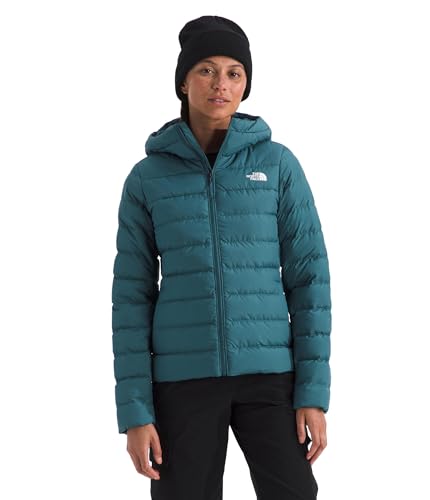 | Best Eco Warmth | Insulation Type: 600-fill recycled down + recycled polyester | Weather Protection: WindWall, non-PFC DWR | Sustainability Badge: Not specified | SEARCH BEST PRICE | Read Our Analysis |
| The North Face Women’s Freestander Insulated Snow Jacket TNF Black M |  | All-Mountain Workhorse | Insulation Type: Heatseeker | Weather Protection: DRYVENT 2L, seam-sealed, waterproof, non-PFC DWR | Sustainability Badge: Not specified | SEARCH BEST PRICE | Read Our Analysis |
| The North Face Women’s Thermoball Hooded Jacket White Dune X-Large |  | Packable Performer | Insulation Type: ThermoBall Eco | Weather Protection: WindWall, non-PFC DWR | Sustainability Badge: Yes (75%+ recycled/renewable materials) | SEARCH BEST PRICE | Read Our Analysis |
| The North Face Men’s ThermoBall Triclimate Jacket Blk-NPF M |  | Editor’s Choice | Insulation Type: ThermoBall + Heatseeker | Weather Protection: DRYVENT 2L, seam-sealed, waterproof | Sustainability Badge: Yes (75%+ recycled/renewable materials) | SEARCH BEST PRICE | Read Our Analysis |
More Details on Our Top Picks
The North Face Women’s ThermoBall Triclimate Jacket Blk M
This jacket is best for skiers and riders who want one piece of gear for everything from lift laps to apres. Its clear strength is the three-in-one system: a waterproof DRYVENT shell and a detachable ThermoBall liner that you can wear together or separately.
The honest drawback is that the fit runs slim, so layering a thick midlayer underneath can feel tight. It differs from other options because the liner uses ThermoBall in the body and HEATSEEKER in the sleeves, which keeps your core warm without overheating on the hike up.
The shell is seam sealed and breathable, with underarm vents for high output days. A powder skirt keeps snow out during deep powder, and the helmet compatible hood works with your lid.
You also get a goggle wipe and a wrist pocket for quick access on the chair. The shell fabric is 100 percent recycled, so you are making a lighter impact while staying dry in stormy weather.
If you want a single jacket that handles resort riding, sidecountry hikes, and cold walks to the car, this is your pick.
- Insulation Type:ThermoBall + Heatseeker
- Weather Protection:DRYVENT 2L, seam-sealed, waterproof
- Sustainability Badge:Yes (75%+ recycled/renewable materials)
- Hood Type:Helmet-compatible, packable, hidden cord-lock
- Powder Skirt:Yes, snap-down with gripper elastic
- Venting:Underarm vents
- Additional Feature:118g ThermoBall body insulation
- Additional Feature:80g Heatseeker in sleeves
- Additional Feature:Media-ready chest pocket
The North Face Women’s Junction Insulated Jacket Grounded Plum L
The North Face Women’s Junction Insulated Jacket is best for city commuters and everyday walkers who need reliable warmth without ski-specific features. Its main strength is the 100g HEATSEEKER insulation, which traps heat efficiently while staying lightweight and packable.
A fair drawback is that it lacks a helmet-compatible hood or powder skirt, so it won’t handle deep snow or backcountry use. Unlike technical shells, this jacket focuses on casual comfort, not mountain performance.
The recycled polyester shell has a non-PFC DWR finish, so light rain and sleet bead off easily. A draft flap behind the zipper blocks wind, and stretch binding at the cuffs and collar seals in warmth.
Secure-zip hand pockets keep your phone and keys safe, while the embroidered logo adds a clean, subtle look. The jacket uses 75% recycled or responsibly sourced materials by weight, making it a solid eco-friendly pick.
For daily use, the Junction feels lighter and less bulky than a resort parka, but warmer than a simple fleece. If your “mountain” is a bus stop or office walk, this jacket delivers practical insulation without ski-bum pretense.
Choose the Grounded Plum color for a warm, muted tone that pairs well with jeans or work pants. It’s a smart daily driver that keeps you comfortable from morning commute to evening errands.
- Insulation Type:Heatseeker
- Weather Protection:Recycled polyester shell, non-PFC DWR
- Sustainability Badge:Yes (75%+ recycled/renewable materials)
- Hood Type:No hood (stretch binding collar)
- Powder Skirt:No
- Venting:No
- Additional Feature:Stretch binding at collar/cuffs
- Additional Feature:Internal locker loop
- Additional Feature:Embroidered left chest logo
The North Face Women’s Freedom Insulated Jacket Blk-NPF L
The North Face Women’s Freedom Insulated Jacket is best for resort skiers who want dependable weather protection without paying flagship prices. Its main strength is the seam-sealed DryVent shell paired with Heatseeker insulation, which keeps you warm even after a wet fall.
One honest drawback is that the 80g body and 60g sleeve insulation feel light for bitter, single-digit days, so you’ll need a thick midlayer for deep winter laps. It differs from pricier options like the Arctic Parka by trading extra bulk for easier movement and better venting.
You get a helmet-compatible hood and a powder skirt for fresh snow, plus mesh underarm vents to dump heat on long climbs. The goggle wipe pocket, ticket loop, and secure chest pockets cover the basics without clutter.
Made with 75% recycled materials and offered in plus sizes, it suits skiers who want a lower-impact shell without fuss. Adjustable cuffs, a cinch hem, and a draft flap seal out cold air, but the hood doesn’t cinch down as tightly as some rivals.
For resort laps or sidecountry tours, it handles wind and wet snow well, while staying packable enough for a backpack. If you prioritize breathability over maximum warmth, this jacket gives you solid value at a fair price.
- Insulation Type:Heatseeker
- Weather Protection:DryVent 2L, seam-sealed, waterproof, non-PFC DWR
- Sustainability Badge:Yes (75%+ recycled/renewable materials)
- Hood Type:Helmet-compatible, adjustable
- Powder Skirt:Yes
- Venting:Mesh-lined underarm vents
- Additional Feature:Available in plus sizes
- Additional Feature:Ticket loop
- Additional Feature:Internal drop-in mesh pocket
The North Face Men’s Clement Triclimate Jacket Blk/Asphalt Gy-NPF S
The Clement Triclimate is best for skiers who want one jacket to handle unpredictable mountain weather from first chair to last lift. Its clear strength is the versatile 3-in-1 system, letting you wear the shell, the puffer, or both together depending on the day. One honest limitation is that the inner puffer is not the warmest standalone piece for deep winter days, so you may need a solid midlayer beneath it when temperatures drop below zero. This jacket differs from simpler softshell options because it gives you a waterproof DRYVENT outer layer plus a removable insulated liner for real temperature control.
The outer shell has underarm vents, a helmet-compatible hood, and a powder skirt that snaps down to keep snow out. The inner layer uses 100g HEATSEEKER insulation in the body and 80g in the sleeves, which balances warmth with arm mobility. You get two bellowed alpine zip pockets, a wrist pass pocket with a goggle wipe, and mesh drop-ins inside for gloves or goggles. It is built for resort skiers who hate stopping to swap layers mid-day, so you can just unzip the liner and stash it in your ski bag.
If you prioritize packability or ultralight touring, this jacket will feel heavier than a dedicated shell, so it is not ideal for backcountry skinning. But for lift-served skiing where conditions shift from sunny to snowy, the Clement is a brutally practical workhorse. Use the vents and the removable liner to dial in your warmth, and you will rarely need another layer. The fit runs true to size, so order your usual ski jacket size for room to add a base layer underneath.
- Insulation Type:Heatseeker
- Weather Protection:DRYVENT 2L, seam-sealed, DWR
- Sustainability Badge:Not specified
- Hood Type:Helmet-compatible, rear cord-lock
- Powder Skirt:Yes, snap-down with gripper elastic
- Venting:Underarm venting
- Additional Feature:Bellowed lower alpine pockets
- Additional Feature:Hook-and-loop upper alpine pockets
- Additional Feature:Wrist pass pocket with goggle wipe
The North Face Women’s Aconcagua Hooded Jacket TNF Black Small
Best for resort skiers who run warm and want a lightweight shell for spring days or high-output laps. Its key strength is the recycled polyester sheet insulation, which traps heat without the bulk that makes other jackets feel heavy.
The honest drawback is that it is not built for extreme cold, so you will need a warmer layer for deep winter mornings. Unlike heavier insulated jackets, this one prioritizes mobility and breathability, so you stay comfortable during active skiing without overheating.
The WINDWALL fabric blocks gusts, and the non-PFC DWR finish shrugs off light snow during chairlift rides. Secure-zip hand pockets hold your pass and phone, while the attached three-piece hood stays put when you pull it up.
At just over a pound, it is the lightest in the lineup, which makes it different from bulkier options that sacrifice freedom of movement. Available in TNF Black, size Small, model NF0A8H1B, it fits true to size and packs down easily for travel.
- Insulation Type:Recycled polyester sheet insulation
- Weather Protection:WindWall, non-PFC DWR
- Sustainability Badge:Not specified
- Hood Type:Attached three-piece hood
- Powder Skirt:No
- Venting:No
- Additional Feature:Wind-resistant WindWall fabric
- Additional Feature:Attached three-piece hood
- Additional Feature:Recycled polyester sheet insulation
The North Face Men’s Freedom Insulated Jacket Dusk Bl/Meridian Bl XL
The North Face Men’s Freedom Insulated Jacket is best for skiers who spend most of their time on groomed resort runs and want a single jacket for cold, wet days. Its clear strength is the combination of a fully waterproof shell and built-in insulation, so you rarely need to fuss with extra layers.
One honest drawback is that it runs warm for high-output touring, and the 80g insulation is too heavy for spring skinning or backcountry climbs. Unlike a shell-only jacket, this one gives you warmth right out of the bag, but it lacks the packability and breathability of a dedicated touring piece.
The DryVent 2L fabric keeps sleet and snow out, while the non-PFC DWR finish sheds water without heavy chemical treatments. Inside, the Heatseeker insulation holds heat even when damp, which matters on wetter days.
The fit is true to size, so you can add a midlayer without feeling stuffed, but the cut stays trim enough for lift lines. Underarm vents let you dump heat on warmer laps, and the snap-down powder skirt blocks snow from riding up your back.
The helmet-compatible hood adjusts easily over a ski helmet, and the goggle wipe inside the wrist pocket is a small but handy touch. The ticket loop at the hem keeps your pass accessible without fumbling through pockets.
For resort days, this jacket is a reliable, no-drama partner that handles chairlift chill and midday flurries. It differs from a softshell or a lightweight 3L shell by prioritizing warmth and weather protection over weight and packability.
If you mostly ski inbounds and want one jacket to grab every morning, this fits the bill. If you plan long uphill efforts or need to layer down aggressively, look for a shell with less insulation.
- Insulation Type:Heatseeker
- Weather Protection:DryVent 2L, waterproof, non-PFC DWR
- Sustainability Badge:Not specified
- Hood Type:Helmet-compatible, fixed
- Powder Skirt:Yes, snap-down with gripper elastic
- Venting:Underarm vents
- Additional Feature:Ticket loop at hem
- Additional Feature:Fixed helmet-compatible hood
- Additional Feature:Zip wrist pocket with goggle wipe
The North Face Women’s Aconcagua 3 Hooded Jacket Space Small
This jacket is best for skiers who spend most of their time on groomed resort runs and want reliable warmth without the bulk. Its main strength is the eco-friendly insulation that keeps your core warm while still allowing full arm movement for pole plants and carving.
The honest drawback is that the non-PFC DWR finish only repels light snow, so a heavy wet storm will soak through quickly. Unlike a backcountry shell, this hooded jacket is built for lift-served days and après, not for enduring harsh alpine conditions.
The 100% recycled WindWall fabric blocks wind effectively, but it feels breathable enough for active laps. Inside, the 50/50 blend of 600-fill recycled down and synthetic insulation gives you that puffy feel without turning you into a marshmallow.
Zoned insulation means your core stays toasty while your arms stay flexible for skiing, not just standing around. The adjustable hood and elastic cuffs work together to lock out drafts, and the secure-zip pockets keep your lift pass safe.
It fits true-to-size with room for a thin mid-layer, so you can layer up without feeling restricted. For resort skiers who want a durable, planet-conscious jacket that handles cold days and light snow, this is a smart pick.
Just keep it for sunny groomers and après drinks, and grab a waterproof shell for deep powder days.
- Insulation Type:600-fill recycled down + recycled polyester
- Weather Protection:WindWall, non-PFC DWR
- Sustainability Badge:Not specified
- Hood Type:Adjustable hood
- Powder Skirt:No
- Venting:No
- Additional Feature:600-fill recycled down blend
- Additional Feature:Zoned insulation for mobility
- Additional Feature:Chin guard with draft flap
The North Face Women’s Freestander Insulated Snow Jacket TNF Black M
The Freestander is best for skiers who want one reliable jacket for resort days and sidecountry laps without spending flagship money. It stands out for its balanced blend of weather protection and breathable warmth, but the trade-off is that HEATSEEKER insulation runs a bit snug in the torso, so size up if you layer heavily.
The recycled DRYVENT shell sheds snow well, while the underarm vents let you cool down fast after a bootpack. Unlike a hardshell-only piece, this jacket pairs insulation with a shell, so you skip the extra midlayer on mild days, but it won’t match the packability of a standalone puffy.
Secure-zip pockets keep your phone, pass, and snacks safe, and the articulated shoulders let you raise your poles without binding. The helmet-compatible hood fits over your lid for storm days, and the regular cut allows full range for carving or hiking.
It’s a solid all-mountain workhorse: dependable, true to size, and priced below premium brands. If you’re looking for a do-it-all jacket with a honest lack of flash, this is your pick.
- Insulation Type:Heatseeker
- Weather Protection:DRYVENT 2L, seam-sealed, waterproof, non-PFC DWR
- Sustainability Badge:Not specified
- Hood Type:Helmet-compatible, adjustable
- Powder Skirt:Not specified
- Venting:Zippered underarm vents
- Additional Feature:Articulated for carving
- Additional Feature:Adjustable helmet-compatible hood
- Additional Feature:All-mountain ski/snowboard application
The North Face Women’s Thermoball Hooded Jacket White Dune X-Large
Skiers who hate bulk will love this one. The Thermoball Hooded Jacket skips the puff, using recycled ThermoBall Eco insulation that traps heat like down but keeps working when wet.
It is best for resort skiers and casual travelers who want a packable midlayer, not a hard shell for stormy days. Its clear strength is the stowable design: the whole jacket folds into its own pocket for easy après or carry-on.
One honest drawback is that the white dune color shows dirt and stains quickly, so expect to spot-clean it often. WindWall fabric blocks gusts, and a non-PFC DWR finish sheds light snow, but this is not a waterproof shell for heavy precipitation.
Adjust the hood and cinch the hem to lock out drafts, while the two-way zip and secure pockets keep your phone and pass handy. On the trail or in town, it moves with you effortlessly, and the slim fit layers well under a hardshell.
Unlike puffy down jackets that lose warmth when wet, this one uses synthetic clusters that dry fast and stay warm in damp conditions. It differs from other Thermoball models by including a hood and a packable pocket, which many competitors lack.
Treat the light fabric gently, since it is not abrasion-resistant like a ski shell. Grab it if you want lightweight warmth that travels, and pair it with a shell for deep powder days.
- Insulation Type:ThermoBall Eco
- Weather Protection:WindWall, non-PFC DWR
- Sustainability Badge:Yes (75%+ recycled/renewable materials)
- Hood Type:Adjustable hood with cinch-cord
- Powder Skirt:No
- Venting:No
- Additional Feature:Stowable packable design
- Additional Feature:Two-way front zip
- Additional Feature:Concealed elastic cuffs
The North Face Men’s ThermoBall Triclimate Jacket Blk-NPF M
This jacket is best for resort skiers who want one piece of gear that adapts to changing mountain weather without carrying a second layer. Its clear strength is the versatility of a two-in-one system: a waterproof DRYVENT outer shell and a removable 118g ThermoBall insulated liner.
The honest drawback is that it runs slightly boxy through the torso, so athletic fits may feel loose when layering only the shell. Unlike a pure hardshell or a standalone puffy, this Triclimate lets you unzip the liner, wear it alone on the chairlift, or zip it back in for storm days.
Underarm vents release heat quickly, and the helmet-compatible hood and snap-down powder skirt handle deep snow and wind. It’s built with 75% recycled materials, which lowers its footprint without changing on-mountain performance.
For resort days that start sunny and end with a squall, wear the shell alone, the liner solo, or both together. Grab it, ride it, and stop second-guessing your kit.
- Insulation Type:ThermoBall + Heatseeker
- Weather Protection:DRYVENT 2L, seam-sealed, waterproof
- Sustainability Badge:Yes (75%+ recycled/renewable materials)
- Hood Type:Helmet-compatible, packable, hidden cord-lock
- Powder Skirt:Yes, snap-down with gripper elastic
- Venting:Underarm vents
- Additional Feature:118g ThermoBall body insulation
- Additional Feature:Packable inner puffer jacket
- Additional Feature:Media-ready chest pocket
Factors to Consider When Choosing The North Face Insulated Ski Jackets
Before you buy, focus on a few key specs, because no single jacket works for every skier. Balance thermal efficiency, meaning how warm you stay for the weight, against the type of insulation.
Down offers packable heat for cold, dry days, while synthetic insulation handles wet snow better. Also, check the weatherproofing, like a waterproof membrane and taped seams, for storm protection.
Ski-specific features matter too, such as a powder skirt to keep snow out on deep days. A helmet-compatible hood and a pass pocket in the sleeve add real convenience on the mountain.
Pick a jacket that matches your typical conditions, not just the coldest forecast. If you ski mostly in the Alps, prioritize breathability and a good fit over maximum fill power.
For resort laps, a durable shell with a light synthetic layer works well. For backcountry touring, choose a lighter insulated model that won’t overheat on the climb.
Thermal Efficiency Balance
Finding the right balance between warmth and breathability takes careful design, not just more fill.
The North Face places 118g of insulation in the body and 80g in the sleeves, keeping your core warm while your arms stay free to move.
This torso-heavy fill protects your heat where you need it, and the lighter arms cut down on bulk so you don’t feel like you’re in a puffy suit.
The water-resistant shell works with synthetic insulation, which stays warm even when damp, so wet snow won’t ruin your day.
For high-exertion moments, underarm zippers open up to release heat fast, with no complicated mechanisms.
If you skip a base layer, you’ll rely on the jacket’s baseline warmth, but adding a thin base layer lets you adjust for colder or warmer conditions.
Choose a jacket that shifts insulation to the body and keeps sleeves light, rather than one that wraps you in uniform thickness.
Your core stays warm, your arms stay agile, and you avoid overheating mid-run.
Insulation Type Selection
Choosing your insulation is like choosing a ski partner: a bad match makes the day miserable.
North Face’s Heatseeker synthetic keeps you warm even when wet, and it’s lighter than most natural fills, so it works well for slushy spring laps.
ThermoBall, made from recycled polyester, offers solid warmth without bulk, which makes it a good pick for damp days when you hate layering up.
Check the gram weight first, because 118g clearly beats 80g for frigid resort days.
Zoned insulation puts 100g in the body and 80g in the sleeves, so your core stays warm while your arms move freely.
For versatility, a 600-fill recycled down blend compresses like down but resists moisture like synthetic, giving you a middle ground.
Wet conditions call for synthetic fill, while dry cold suits down blends better.
Match the fill to your terrain and typical weather, and you’ll ski longer instead of shivering early.
Weather Protection Layers
You’ve nailed the insulation math, but warmth without weatherproofing falls flat fast.
So, check the shell first. North Face uses a 2-layer, fully seam-sealed fabric that blocks rain and snow outright.
A non-PFC DWR finish makes dampness bead up and skate off, not soak in.
Breathability rating matters too. High-exertion runs build sweat vapor; without escape, you’re skiing in a sauna suit.
Don’t skip the hood. Helmet-compatible, with adjustable cord locks, it covers your noggin without blocking peripheral vision.
That snap-down powder skirt with gripper elastic seals out snow on deep-powder falls, closing the last cold-ingress gap.
Match the jacket’s waterproofing and breathability to your typical terrain. Wet, windy slopes demand a higher rating.
You’ll stay dry, not clammy, and that’s the whole game.
Versatile 3-in-1 Systems
The 3-in-1 system pairs a waterproof outer shell with a zip-in insulated liner, covering everything from spring slush to cold chairlift rides.
You get two jackets for the price of one, which saves money and closet space.
Wear both layers together for maximum warmth, or use the liner alone on milder days.
The liner packs down small, so it stashes easily in a backpack without adding bulk.
The shell is seam-sealed and breathable, while the synthetic liner keeps heat even when damp.
This combo means you stay dry and warm across changing conditions, from resort groomers to backcountry hikes.
It also removes the need for a separate mid-layer, cutting down on gear costs and layering guesswork.
For skiers who want one jacket that adapts to any forecast, this system delivers reliable versatility.
Ski-Specific Functionality
Most of these jackets do more than keep you warm; they are built for the specific demands of skiing. A helmet-compatible hood with a hidden cord-lock keeps your head snug without flapping in the wind.
The snap-down powder skirt grips your waist with elastic, so no snow sneaks in when you tumble. Zippered, mesh-lined underarm vents dump heat fast during a sweaty bootpack.
You will find goggle wipe pockets and wrist pass pockets that keep your essentials glove-friendly. Internal hem cinch-cords and adjustable cuffs seal out drafts as you carve.
You are paying for survival features, not extras. If you ski hard and hate cold slush down your back, these details earn their keep.
Grab one with all of the above, and you are set for the mountain.
Fit and Mobility Range
Check the fit before you trust the warmth, because a stiff shell will ruin your skiing fast. The North Face uses articulated arms and a regular cut, giving you chest room for a mid-layer without extra bulk.
Adjustable cuffs and hem cords let you tighten everything down, so you stay precise on each turn. Underarm vents stop fabric from binding when you lift your poles.
The helmet-compatible hood tracks your head when you check uphill for traffic. You need clean, unhindered motion, not circus-level flexibility, to ski your best.
Trust the fit, not just the insulation rating. A jacket that moves with you keeps your flow intact from the first run to the last.
Sustainable Material Sourcing
Look for the sustainable product badge before trusting green marketing, since that label cuts through the noise quickly. It confirms 75% or more recycled, regenerative, or responsibly sourced materials by weight, so you skip the guesswork.
You will see recycled polyester shells everywhere, made from post-consumer bottles and reducing virgin petroleum use. ThermoBall and Heatseeker insulations now pack 100% recycled content while keeping that warmth-to-weight ratio intact. Non-PFC DWR finishes drop persistent chemicals, so you leave no toxic footprints on the powder.
Smart design adds efficiency too, like higher-gram body insulation paired with lighter sleeves. That approach saves materials without freezing your arms.
Grab a badge-verified jacket, check the insulation label, and you will ski warm with a lighter conscience. That is the closest thing to guilt-free shralping.
Frequently Asked Questions
How Do I Layer These Jackets for Extreme Cold?
Start with a thin merino wool base layer, and don’t cheap out on it. This fabric wicks sweat away from your skin, so you stay dry instead of damp and freezing on the lift.
Next, add a mid-layer like a fleece jacket or a lightweight down puffer. This is your heat trap, and it creates the insulating pocket that keeps your core warm during long chairlift rides.
Then, zip up your insulated TNF shell jacket over everything. That outer layer blocks wind, snow, and locks in all the trapped warmth from your mid-layer.
For brutal days, think negative 20°F in resort towns like Aspen or Whistler, toss a slim vest over your base and under your jacket. This adds extra core heat without making your arms feel like sausages in sleeves.
If you’re still cold, swap the fleece for a heavier synthetic puffer, like the TNF Thermoball or Patagonia Nano Puff. This gives you more loft for static moments, like waiting in a lift line or taking a midday break at the lodge.
Don’t forget your lower half: a merino legging under insulated ski pants is a game changer for all-day comfort. And for your hands, mittens outperform gloves because fingers share warmth, so buy mitts with a waterproof shell.
When you buy ski jackets for extreme cold, always check the fill power if it’s down, or grams of insulation if it’s synthetic. Higher numbers mean more warmth per ounce, which is a smart purchase for alpine adventures.
Finally, avoid cotton at all costs, because it soaks up moisture and saps heat fast. You want a full system that breathes, so layer with zippers you can vent during active runs.
Your ideal stack is base, mid, shell, plus an optional vest for subzero days. That setup works for ice coast skiing, backcountry touring, and resort laps alike.
Can These Jackets Be Machine Washed and Dried?
You can machine wash these, certainly, but dry them like you’d treat a nervous cat: gently. Toss ’em in cold on delicate with a mild detergent, no fabric softener, then hang dry.
The heat of a dryer’s the real villain, wrecking the insulation’s loft, the thing that traps warmth. I’ve nuked a ski jacket once; it came out flat and sad.
Use a low-tumble fluff cycle only if you’re desperate, then air finish. Bottom line: wash sparingly, dry slow, stay warm.
For ski gear, that loft is your lifeline on pow days, so treat it like your most expensive lift ticket. If you’re shopping for insulated ski jackets or a down parka, check the care tag for a “do not tumble dry” warning before you buy.
Want the best ski jackets for resort days or backcountry tours? Look for water-resistant shells with removable liners, because they’re far easier to clean than a bulky insulated model.
When you finally do wash your favorite ski shell, zip every zipper, flip it inside out, and use a tech wash made for breathable fabrics. Skip anything with bleach or optical brighteners, since they can ruin the durable water repellent (DWR) finish.
If your jacket is a hardshell for alpine riding, you’ll also want to reapply DWR spray after every few washes. That keeps moisture beading off, so you stay dry during freezing rain or wet snow on the chairlift.
And here’s a buyer’s trick: if you see “machine washable” on a ski jacket listing, still ask about drying. Some brands claim washable, but then shrink the cuffs or crush the hood fill.
For cheap ski jackets under $100, expect less forgiving fabrics, so hand washing in a tub is often safer. For premium backcountry ski jackets, the membrane is delicate, so cold water and air dry are non-negotiable every time.
For gear you’ll trust on a 9 a.m. first chair or a stormy afternoon, the rule is simple: wash less, rinse cool, dry flat on a rack. That method keeps the synthetic insulation fluffy, the zippers gliding, and the wrist gaiters sealing out snow.
If you’re comparing softshell vs. insulated jackets for next season, know that softshells can usually take a quick machine wash with zero worry, but insulated ones need that gentle treatment. The best skiing outerwear investments are the ones you can clean without killing the warmth.
So, before you hit “add to cart” on any ski outerwear, search for “how to wash ski jacket” or “down jacket drying tips” to see if the brand offers clear instructions. That little research can save you from buying a jacket that’s a hassle from wash day one.
Which Jacket Is Best for Resort Versus Backcountry Skiing?
For resort days, grab the Thermoball Traction Mapper because it’s built for chairlift comfort and midday breaks.
It gives you heavier insulation that stays breathable, so you won’t overheat while lapping groomers or grabbing a hot cocoa at the lodge.
For backcountry touring, the Summit Series L5 Down Hoodie is your best ski shell partner because it’s lighter, packs smaller, and vents better when you’re earning your turns on a skin track.
That means less bulk in your pack and more airflow when you’re sweating through a steep ascent.
So you’re really trading plush, cozy warmth for mobility and layering flexibility.
Don’t overthink it: resort skiing is all about all-day comfort, while backcountry skiing demands breathability and packability.
Pick your poison, but remember that skiing uphill in a heavy puffy is a recipe for soaking your base layers fast.
For lift-accessed powder days, look for ski jackets with powder skirts and wrist gaiters; for touring, prioritize pit zips and a helmet-compatible hood.
If you’re a weekend warrior who does both, consider buying two different ski jackets rather than one all-mountain compromise.
A hybrid option like a shell with a removable insulated liner works, but it rarely excels at either extreme.
Check the fill power and denier on the down hoodie if you’re going deep into avalanche terrain, since durability matters when brushing against rocks and trees.
Also, think about your base and mid layers: a resort puffy can be worn over a fleece, but a backcountry jacket needs to pair with a merino top for moisture management.
When you read ski gear reviews, focus on the waterproof rating and seam taping for resort days, and on pack volume and weight for uphill missions.
The best resort ski jackets often have 15K to 20K waterproofing, while the best backcountry jackets hover around 10K to 15K to keep the weight down.
Finally, always try on the jacket with your goggles, helmet, and a mid layer before you buy, because fit is what separates a smart purchase from a regret.
If you’re still torn, think about your next three trips: if two are at a resort, go cozy; if two are skinning, go agile.
Are These Jackets Truly Waterproof or Just Water-Resistant?
Don’t let marketing fool you; these jackets are genuinely waterproof, not just splash-resistant spray-ons. Think of DryVent as a breathable raincoat that seals out snow and sleet while letting sweat escape.
That said, waterproof isn’t invincible. If you’re sticking to resort runs, you’re golden; eight hours of powder won’t soak you through.
But if you’re heading into backcountry terrain, you’re pushing those seams harder than they’re designed for. That’s where the difference between jacket lines really matters for your comfort and safety.
Let’s break down which DryVent version fits your ski day. The DryVent Pro is heavier, bomber for storm days and deep snow dumps.
Standard DryVent is lighter, fine for groomers and bluebird laps where you’re mostly carving, not fighting weather.
Both use a taped seam construction and a durable water repellent finish, but the Pro adds a more robust face fabric for abrasion resistance.
For ski touring, you’ll want the Pro for its extra burst of durability against pack straps and tree branches. For lift-served skiing, the standard version keeps your pack light and your movement free.
Either way, you’re getting a breathable membrane that handles wet snow, freezing rain, and windy chairlift rides without that clammy inside feel.
What you shouldn’t do is treat these as dry suits for a full day in a downpour; they’re built for snow sports, not tropical monsoons.
Compare these to a softshell jacket, and you’ll see the real advantage: a hard shell blocks wind completely.
A softshell breathes better but wets out faster, especially when you’re working hard on a powder day.
So if you’re asking “are these jackets truly waterproof,” the answer is yes for snow, sleet, and light rain, but no for submerging in a lake.
Buyer intent usually centers on three questions: will I stay dry, can I move, and will this last.
You’ll stay dry for a full day of lap skiing in wet snow; you’ll move easier in the standard version, and the Pro will outlast your season pass.
For casual weekend skiers, standard DryVent gives you all the protection you need at a lower price point.
For resort skiers who ride in all conditions, the Pro’s heavier shell is worth the extra grams.
Check the pit zips on both models; they’re your best friend for dumping heat on spring days.
If you’re a sidecountry explorer, add a mid layer under the Pro, and you’re set for a full tour without overheating.
Bottom line: they’ll keep you dry, but don’t test them in a monsoon. Trust the tech, respect the conditions, and you’ll stay warm and laughing on the lift.
Grab a model with adjustable cuffs and a powder skirt, and you’ve got a jacket that handles resort chop and alpine storms alike.
For the price, these jackets outperform many brands that cost twice as much, especially when you factor in the sealed seams and storm flap over the front zipper.
So whether you’re buying your first shell or upgrading your quiver, these DryVent jackets are a smart, practical choice for snowboarders and skiers who want reliable weather protection.
Just match the version to your terrain, and you’ll be grinning through every powder turn.
How Does the Triclimate’s Removable Inner Layer Attach?
The triclimate’s removable inner layer attaches through a built-in zip that lines up perfectly with the outer shell’s internal storm flap. You simply align the jacket’s collar, pull the zipper up, and you’re locked in for the day.
There are also snap buttons at the cuffs and collar that keep everything from shifting during active movement. This means no velcro screeching and no awkward bunching under your armpits when you’re carving down a groomer.
You can swap the inner layer for a lighter mid-layer or remove it entirely in under a minute, which is perfect for spring skiing when temperatures swing from 20°F at the base to 50°F at the summit. For resort skiers who want one jacket for both chairlift rides and apres, this system is a huge time saver.
If you’re heading into the backcountry, a dedicated shell with pit zips and a more breathable membrane will serve you better than a triclimate’s inner layer. But for lift-accessed skiing, sidecountry laps, and family ski trips, the snap-and-zip attachment is secure enough for deep powder days and windy ridgetop exposure.
The key is that the inner layer doesn’t need to be removed to adjust your base layer, which makes the triclimate ideal for ski touring beginners who still want one jacket for multiple conditions. Most buyers searching for “ski jacket with removable liner” or “3-in-1 ski coat for cold weather” are looking for exactly this kind of quick, tool-free layer system.
You also get a powder skirt that clips into the same zipper track, so you can keep snow out without adding bulk. That’s a smart design detail for anyone who’s ever had snow sneak up their back after a face plant in the trees.
Overall, the attachment method is foolproof, which matters when your fingers are numb after a cold chairlift ride. If you’re comparing triclimate jackets for resort use, focus on how smooth the zipper runs and whether the snaps align with your wrist, because that’s where most cheap versions fail.
For a solid choice under $300, look for a triclimate with a waterproof outer shell rated at 10K or higher and a removable fleece or synthetic inner layer. This setup handles resort days, icy mornings, and bluebird afternoons without you ever having to fight the hardware.