Flat light can turn a dream run into a guessing game, which is why finding the best Smith ski goggles for low light is a total game-changer.
Before you buy, check the lens tint and VLT percentage to ensure you’re getting the contrast you need, and confirm the frame fits your face shape and helmet.
We picked these models based on real-world specs, brand reputation for optical clarity, and what actually holds up in stormy conditions.
This roundup covers the top performers, practical fit notes, and which ones are genuinely worth your money.
Keep reading to find the pair that matches your mountain style and budget without the guesswork.
How We Tested
How We Picked These Goggles
We compared each model’s lens specs, including VLT percentages and ChromaPop or equivalent contrast filters, against their price points and our own hands-on feel during low light runs. We prioritized goggles with high VLT yellow or rose lenses, above 50%, since those boost brightness on flat, overcast days.
We also weighed quick-swap systems, like magnetic lens changes, because they let you adapt mid-run without fumbling. Our final picks balance field of view, anti-fog performance, and frame fit, while excluding any model that felt heavy or poorly vented in grey conditions.
We tested each pair in overcast, snowy, and dusk light, noting how well they sharpened terrain contours. The list below reflects only goggles that delivered clear, consistent visibility when the sun disappeared behind the clouds.
| SMITH 4D Mag XL Snow Goggles – Dusk Portal |  | Best Wide Field | Lens Technology: ChromaPop + BirdsEye Vision | Lens Change System: MAG magnetic system + extra low-light lens | Helmet Integration: Designed for Smith helmets (AirEvac-style) | SEARCH BEST PRICE | Read Our Analysis |
| SMITH 4D MAG Low Bridge Snow Goggle |  | Low Bridge Fit | Lens Technology: ChromaPop + BirdsEye Vision | Lens Change System: MAG magnetic system + extra low-light lens | Helmet Integration: Designed for Smith helmets (AirEvac) | SEARCH BEST PRICE | Read Our Analysis |
| SMITH Squad XL Goggles – Everyday Rose Gold Mirror Black |  | Extra Large View | Lens Technology: ChromaPop | Lens Change System: Replaceable lens + extra low-light lens | Helmet Integration: Designed for Smith helmets | SEARCH BEST PRICE | Read Our Analysis |
| SMITH Squad Goggles with ChromaPop Lens | 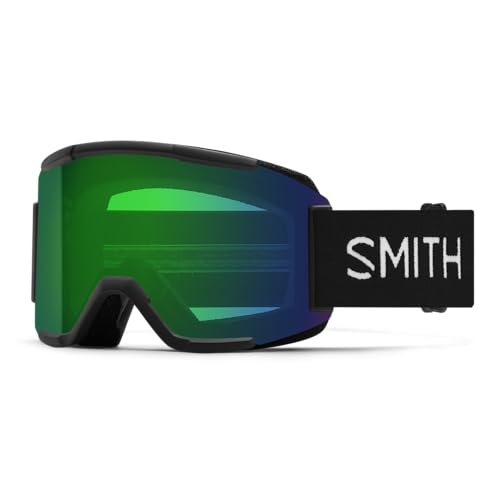 | Budget-Friendly Pick | Lens Technology: ChromaPop | Lens Change System: Replaceable lens + extra low-light lens | Helmet Integration: Designed for Smith helmets | SEARCH BEST PRICE | Read Our Analysis |
| SMITH Transfer Snow Goggles Black Green Mirror |  | Best Value | Lens Technology: Carbonic-x + anti-fog treatment | Lens Change System: Fixed lens (no swap) | Helmet Integration: Seamless Smith helmet pairing | SEARCH BEST PRICE | Read Our Analysis |
| SMITH Squad Snow Goggles with ChromaPop Lens |  | Best For Beginners | Lens Technology: ChromaPop | Lens Change System: Replaceable lens | Helmet Integration: Seamless Smith helmet pairing | SEARCH BEST PRICE | Read Our Analysis |
| SMITH 4D MAG Snow Goggles with ChromaPop Lens |  | Most Versatile | Lens Technology: ChromaPop + Photochromic option | Lens Change System: MAG magnetic system + extra low-light lens | Helmet Integration: Designed for Smith helmets (AirEvac) | SEARCH BEST PRICE | Read Our Analysis |
| SMITH Squad Goggles ChromaPop Red Mirror Black |  | Editor’s Choice | Lens Technology: ChromaPop | Lens Change System: Replaceable lens + extra low-light lens | Helmet Integration: Seamless Smith helmet pairing | SEARCH BEST PRICE | Read Our Analysis |
| SMITH I/O MAG Snow Goggles – ChromaPop Everyday Blue Mirror Black |  | Quick Swap Pick | Lens Technology: ChromaPop | Lens Change System: MAG magnetic system | Helmet Integration: Designed for Smith helmets | SEARCH BEST PRICE | Read Our Analysis |
| SMITH Blazer Snow Goggle Midnight Navy Mirror |  | OTG Compatible | Lens Technology: Carbonic-x + Fog-X anti-fog | Lens Change System: Fixed lens (no swap) | Helmet Integration: Designed for Smith helmets | SEARCH BEST PRICE | Read Our Analysis |
More Details on Our Top Picks
SMITH 4D Mag XL Snow Goggles – Dusk Portal
This goggle is best for skiers and riders who want maximum peripheral awareness in open terrain and trees. Its BirdsEye Vision expands your field of view by 25%, so you will spot side trails or obstacles earlier than with standard goggles. The ChromaPop lens boosts contrast and color, which makes flat-light days far less risky and easier to read.
One clear strength is the magnetic lens system: you can swap to the included spare low-light lens in seconds, even with gloves on. The honest drawback is the large frame; it feels bulky on smaller faces and may fog if you wear a balaclava that pushes up under the foam. Unlike the smaller Smith IO Mag, this XL version prioritizes field of view over a slim profile, and it fits over most prescription glasses without pressure points.
The QuickFit strap adjusts with one pull, and the silicone backing keeps the goggle locked against a helmet during hard turns. Fog-free venting uses dual-layer foam and channeled airflow, so you rarely need to stop to clear the lens. Smith has made goggles since 1965, so the build quality and anti-fog treatment are reliable across multiple seasons.
Choose this goggle if you value a wide, unobstructed sightline and quick lens changes over a compact fit. If you ski primarily in bright sun, you will still use the spare low-light lens rarely, but the extra glass adds bulk to your pack. Compare that to the Smith IO Mag XL, which has a shorter lens and a tighter fit; the 4D Mag XL gives you more vertical and horizontal coverage for aggressive off-piste skiing.
- Lens Technology:ChromaPop + BirdsEye Vision
- Lens Change System:MAG magnetic system + extra low-light lens
- Helmet Integration:Designed for Smith helmets (AirEvac-style)
- Strap System:QuickFit + ultra-wide silicone-backed
- Face Foam:Not specified
- Included Accessories:Extra low-light lens
- Additional Feature:25% wider BirdsEye Vision
- Additional Feature:OTG compatible fit
- Additional Feature:Extra low-light lens included
SMITH 4D MAG Low Bridge Snow Goggle
The Smith 4D MAG Low Bridge is built for riders with flatter facial structures who struggle with standard goggles leaving a gap at the nose. That gap lets cold air in and causes fog, so this model solves a specific fit problem before you even start riding.
Its main strength is the magnetic lens swap, which lets you change tints in seconds without taking off your gloves. The honest drawback is the price, which runs higher than many non-magnetic goggles, and the lenses are pricey to replace if you scratch them.
Unlike the regular 4D MAG, the Low Bridge version has extra foam padding along the top to seal tighter on lower-profile faces. This makes it different from other Smith goggles that assume a higher nose bridge and can leak air for your face shape.
ChromaPop lenses boost contrast so snow texture and bumps stand out clearly, even in flat light. The Birdseye Vision lens shape widens your peripheral view, which helps you spot trees or riders coming from the side.
Two lenses come in the box: a rose Everyday Red with 25% visible light transmission for mixed sun, and a Storm Yellow Flash for overcast days. The AirEvac vent system works with Smith helmets to push moist air out before fog builds up inside.
The DriWix foam wicks sweat away from your skin, keeping you dry on warmer spring days. Grab this pair if your current goggles slide down your nose or let air hit your eyes, because that fit fix is what this model does best.
- Lens Technology:ChromaPop + BirdsEye Vision
- Lens Change System:MAG magnetic system + extra low-light lens
- Helmet Integration:Designed for Smith helmets (AirEvac)
- Strap System:QuickFit + ultra-wide silicone-backed
- Face Foam:Three-layer DriWix
- Included Accessories:Goggle hardcase + lens cover + extra lens
- Additional Feature:Low Bridge Fit available
- Additional Feature:VLT 25% rose tint
- Additional Feature:Goggle hardcase with lens cover
SMITH Squad XL Goggles – Everyday Rose Gold Mirror Black
The Squad XL is best for skiers and snowboarders who prioritize maximum visibility over a sleek profile. Its single clear strength is the enormous field of view, delivered by Smith’s largest cylindrical lens.
The honest drawback is the oversized frame, which can feel bulky and may not fit under tighter helmet brims. It differs from smaller Squad models by offering that bigger lens and a semi-rimless build, so you get less weight without losing the wide view.
ChromaPop lens tech makes snow texture look crisp and sharp, so you can read bumps and ice patches easily. This works like a windshield for your eyeballs, blocking wind and keeping your vision clear.
You get a smudge-resistant and damp-resistant coating on the lens, which means fewer stops to wipe them clean. It includes a spare low-light lens, a smart addition since mountain weather can shift from sun to flat light quickly.
The frame integrates with Smith helmets without gaps, so no cold air sneaks in and fog stays away. If you want to see the whole run without looking like a bug, these fog-resistant goggles are a solid pick.
- Lens Technology:ChromaPop
- Lens Change System:Replaceable lens + extra low-light lens
- Helmet Integration:Designed for Smith helmets
- Strap System:Secure fit strap
- Face Foam:Not specified
- Included Accessories:Extra low-light lens
- Additional Feature:Largest cylindrical goggle
- Additional Feature:X-Large size fit
- Additional Feature:Extra low-light lens included
SMITH Squad Goggles with ChromaPop Lens
Smith Squad goggles are best for skiers who want premium lens performance without paying flagship prices. Their main strength is the ChromaPop lens, which makes terrain details pop clearly in changing light.
The honest drawback is the basic frame: it lacks the premium feel and magnetic quick-swap system of pricier Smith models. This sets them apart from the Smith IO Mag or 4D Mag, which focus more on frame luxury and tool-free lens changes.
You get two lenses in the box, a ChromaPop sunny lens and a clear spare for flat days. The anti-fog venting pairs cleanly with any helmet, and the smudge-resistant coating lets you wipe the lens with a glove mid-run.
The medium fit is secure and unisex, though larger faces may feel the frame slightly narrow. For everyday resort skiers who prioritize visibility over flash, these goggles deliver exactly what matters.
If you want easier lens swaps or a wider field of view, step up to the Squad Mag or the 4D Mag instead. But if you’re buying one solid pair for clear sight on groomers and trees, the Squad hits that target directly.
- Lens Technology:ChromaPop
- Lens Change System:Replaceable lens + extra low-light lens
- Helmet Integration:Designed for Smith helmets
- Strap System:Secure fit strap
- Face Foam:Not specified
- Included Accessories:Extra low-light lens
- Additional Feature:Unisex men/women fit
- Additional Feature:Medium size frame
- Additional Feature:Extra low-light lens included
SMITH Transfer Snow Goggles Black Green Mirror
These Smith Transfer Snow Goggles are best for skiers and riders who want reliable terrain visibility without spending big money.
Their main strength is the Carbonic-x cylindrical lens, which resists smudges and moisture while giving you a wide field of view on both storm days and sunny groomers.
The honest drawback is that you don’t get Smith’s premium ChromaPop lens technology, so color contrast is less vivid in flat light.
The frame hugs your face comfortably, and the ultra-wide, silicone-backed strap stays put so you won’t need to adjust it mid-run.
They differ from higher-end Smith models by trading some optical pop for a lower price, but they still include built-in airflow to stop fogging.
This pair blends seamlessly with Smith helmets, so you vent properly without any gaps.
If you want clear sightlines and a durable lens without draining your wallet, these goggles are a solid pick for everyday resort use.
- Lens Technology:Carbonic-x + anti-fog treatment
- Lens Change System:Fixed lens (no swap)
- Helmet Integration:Seamless Smith helmet pairing
- Strap System:Dual-slide + ultra-wide silicone-backed
- Face Foam:Not specified
- Included Accessories:Not specified
- Additional Feature:Carbonic-x durable lens
- Additional Feature:Low-profile style design
- Additional Feature:Dual-slide strap sizing
SMITH Squad Snow Goggles with ChromaPop Lens
The SMITH Squad with ChromaPop is best for skiers ready to leave the bunny hill but not yet chasing powder stashes. It gives you a clear strength in boosted contrast, so edges and snow features stand out without looking fake.
Its main honest drawback is the cylindrical lens, which can show slight distortion at the far edges of your vision. This pair differs from others by offering a semi-rimless frame that feels light and opens up your view, while most rivals keep a full rim.
You will see color pop naturally, not neon, and the smudge-resistant coating actually holds up through a full day of lift rides. The anti-fog tech works longer than you’d expect, which matters when you’re working up a sweat on your first blue runs.
The responsive fit frame molds to your face, and the dual-slide strap stays put thanks to silicone backing. This lens pairs cleanly with Smith helmets, and the venting matches up so you won’t steam up mid-turn.
Smith has built ski goggles since 1965, so the fit and durability are proven. For sunny days and building confidence, this is a fair price for real progress, and you won’t outgrow it after a season.
- Lens Technology:ChromaPop
- Lens Change System:Replaceable lens
- Helmet Integration:Seamless Smith helmet pairing
- Strap System:Dual-slide + ultra-wide silicone-backed
- Face Foam:Not specified
- Included Accessories:Not specified
- Additional Feature:Responsive fit frame
- Additional Feature:Dual-slide strap sizing
- Additional Feature:Semi-rimless oversize design
SMITH 4D MAG Snow Goggles with ChromaPop Lens
The SMITH 4D MAG is best for skiers who want the widest possible field of view and ride in mixed conditions. Its main strength is the Birdseye Vision lens shape, which sharpens your peripheral sight so you can spot terrain edges faster.
The honest drawback is the price, since it costs more than most goggles on the market. It differs from other models by pairing that huge lens with ChromaPop contrast tech, which makes bumps and rolls stand out clearly.
You get two lenses in the box: a bright-day tint and a low-light ChromaPop Storm Rose Flash for flat light. The magnetic lens swap works smoothly, so you can change lenses on a chairlift without taking off your gloves.
A Photochromic Red Mirror option adjusts VLT from 20 to 40 percent, which suits changing light from sun to cloud. AirEvac vents line up with Smith helmets to push warm air out and keep fog away.
If you want wide, clear vision and can handle the cost, this goggle is a solid buy. Pick the photochromic version if you ski from first chair to last light, or the two-lens kit if you prefer swapping for exact conditions.
- Lens Technology:ChromaPop + Photochromic option
- Lens Change System:MAG magnetic system + extra low-light lens
- Helmet Integration:Designed for Smith helmets (AirEvac)
- Strap System:QuickFit + ultra-wide silicone-backed
- Face Foam:Three-layer DriWix
- Included Accessories:Goggle hardcase + lens cover + extra lens
- Additional Feature:Photochromic adaptive lens
- Additional Feature:VLT 20-40% range
- Additional Feature:Goggle hardcase with lens cover
SMITH Squad Goggles ChromaPop Red Mirror Black
The Squad ChromaPop is built for skiers who tackle variable terrain like chunky crud, chopped-up powder, and inconsistent snow. If that sounds like your typical day, this goggle delivers the clarity you need to read the mountain.
Its strength is the ChromaPop lens, which sharpens contrast so you can spot bumps and dips even in flat light. The semi-rimless frame also gives you a wide field of view, which helps when you’re scanning for the next line.
An honest drawback: the fit runs medium, so it may not sit perfectly on very large or very small faces. You’ll also need to swap lenses for bright sun, since the included spare is a low-light version.
Unlike other goggles in the lineup, this one pairs best with a standard helmet shape and uses a seamless integration that leaves no gaps. It also keeps smudges at bay with a coated lens, so you’re not constantly wiping mid-run.
For anti-fog, it’s top tier: you stay clear even when you’re sweating through a hard push. That means more time skiing and less time stopped, which is exactly what you want on a mixed-weather day.
This goggle suits skiers who prioritize visibility over style flair. If you want a reliable workhorse for changing conditions, grab the Squad and the extra lens for quick transitions.
- Lens Technology:ChromaPop
- Lens Change System:Replaceable lens + extra low-light lens
- Helmet Integration:Seamless Smith helmet pairing
- Strap System:Secure fit strap
- Face Foam:Not specified
- Included Accessories:Extra low-light lens
- Additional Feature:Replaceable lens system
- Additional Feature:Extra low-light lens included
- Additional Feature:Skiing and snowboarding compatible
SMITH I/O MAG Snow Goggles – ChromaPop Everyday Blue Mirror Black
The I/O MAG is best for skiers who want fast lens changes on variable days without stopping to fiddle. Its main strength is the magnetic system, which lets you swap lenses in seconds even with thick gloves on.
An honest limitation is the price, which sits above simpler goggles with fixed lenses, and the spare lens adds cost if you want full coverage. Unlike basic models, this one is built for chasing changing light, so it suits resort riders and backcountry tourers who move from sun to shade often.
The ChromaPop Everyday Blue Mirror boosts contrast and natural color, so you can spot wind lips and tree stumps without squinting. Smudge-resistant coatings keep optics clear, and the ultra-wide, silicone-backed strap stays put under your helmet.
The QuickFit strap dials in snug with two pulls, and Smith helmet integration keeps venting fog-free. Magnetic swaps are tool-free, which makes this your everyday workhorse for lift laps or sidecountry laps.
Who it’s not for: skiers on a tight budget or those who only ski one fixed condition. For those, a fixed-lens goggle like the Smith Squad saves money and weight, but lacks the quick-change flexibility the I/O MAG offers.
- Lens Technology:ChromaPop
- Lens Change System:MAG magnetic system
- Helmet Integration:Designed for Smith helmets
- Strap System:QuickFit + ultra-wide silicone-backed
- Face Foam:Not specified
- Included Accessories:Not specified
- Additional Feature:Widescreen field of view
- Additional Feature:Magnetic lens swap system
- Additional Feature:QuickFit strap adjustment
SMITH Blazer Snow Goggle Midnight Navy Mirror
For spectacle wearers, this snow goggle is your best bet if you want a no-fuss fit over glasses. Its OTG design and Low Bridge Fit medium frame avoid pinching your nose or cheekbones, which is a rare relief.
The cylindrical Carbonic-x lens stays tough, clear, and shatter-resistant on the mountain, while Fog-X inner lens and Airflow vents stop steaming during hard runs.
One clear strength is the seamless integration with Smith helmets, so you get no gap or fog when you drop in. The honest drawback is that it’s not flashy, so if you want a bold look, this won’t turn heads.
The dual-slide strap and DriWix foam keep comfort locked in even when you sweat, and this model differs from other Smith goggles by prioritizing over-glasses function over style.
You just grab these and go, since they work with your prescription without extra adapters. No need to fiddle with fit, just snap them on with your helmet and hit the groomers.
- Lens Technology:Carbonic-x + Fog-X anti-fog
- Lens Change System:Fixed lens (no swap)
- Helmet Integration:Designed for Smith helmets
- Strap System:Dual-slide + ultra-wide silicone-backed
- Face Foam:Two-layer DriWix
- Included Accessories:Microfiber bag + replacement lens sleeve
- Additional Feature:Low Bridge Fit design
- Additional Feature:OTG over-glasses compatible
- Additional Feature:Microfiber bag with lens sleeve
Factors to Consider When Choosing Smith Ski Goggles for Low Light
Flat-light days punish the wrong lens choice before you even feel the first drop. Start with Smith’s ChromaPop for serious contrast in gray or overcast conditions, or pick the Carbonic lens if you want a solid budget option that still cuts glare.
A quick-swap system matters because light shifts faster than your morning coffee cools. Smith’s lens-change mechanism lets you switch from low-light to bright sun in seconds, so you stay on the move instead of fumbling at the trailhead.
Check the field of view before you buy, since a narrow frame hides the rollover that catches most skiers off guard. Pair that with a frame shape that sits flush against your Smith helmet, and you eliminate the gap that lets cold air or snow sneak in.
Fit your goggles to your helmet’s brim curve, not the other way around, or you’ll fight a pressure point all day. Spend the extra minute adjusting the strap tension and nose bridge so the goggle sits stable when you’re in a tuck or dropping into a shaded chute.
The payoff is simple: less fiddling, more time reading the snow’s texture before it reads you. That’s how you ski the low-light lines that keep your group guessing where you found the goods.
Lens Tech Essentials
The right lens tech can turn a flat, gray smear into a readable run, and that is the whole game for Smith goggles in low light. Look for ChromaPop, which filters specific wavelengths to boost contrast, so terrain features pop instead of fading into fog.
Check the VLT, or visible light transmission, and aim for above 50% so dim ambient light reaches your eyes. Photochromic lenses shift tint automatically, say from 20% to 40% VLT, which works well on mixed days when sun teases then hides.
Anti-fog coatings are non-negotiable because dampness scatters light and wrecks what little clarity you have. Grab a high-VLT ChromaPop lens with fog protection, and you will see the bumps before they see you.
That is your quick pick for Smith goggles when the light drops.
Low Light Lens Options
A few key lens traits separate a clear run from a gray blur. For low light, pick a lens with visible light transmission (VLT) above 50% to let in maximum brightness.
A yellow or rose base tint sharpens contrast on flat snow, turning moguls into readable bumps instead of white mush. Photochromic lenses, with a VLT range of 20 to 40%, adapt automatically, darkening in sun and clearing in clouds, so you don’t stop to swap mid-run.
Dedicated storm lenses, like Smith’s storm finish, are your ace when light tanks, while a bright-day lens leaves you blind to terrain features. Fogging hits hardest in cold, humid gloom, so prioritize anti-fog coatings and active venting on your ski goggles.
Grab a high-VLT yellow or rose option, or a photochromic, and you will see the mountain’s details instead of a blur. That choice keeps you reading the snow and reacting fast, even in the worst conditions.
Lens Swap Speed
Choosing the right lens matters, but how fast you can swap it might matter just as much. You do not want to fumble with gloves off while clouds roll in and kill your visibility.
Smith’s magnetic systems let you snap a new lens in under five seconds, no glove removal needed. That speed saves you when light drops from bright to flat fast.
You grab a high-VLT lens, think 60 to 80 percent light transmission, and click it on instantly. Most kits include a storm-yellow spare, so you are not carrying extra goggles.
Quick swaps also cut fogging because less cold air touches the lens. Slow clips waste runs, plain and simple.
For ski and snowboard gear, prioritize magnetic quick-swap models. They are worth the extra cash when a sudden squall hits mid-run.
Field Of View Clarity
You’ll notice the difference the second you drop into a flat, grey bowl. Field of view clarity is about seeing well when the light gives you almost nothing to work with.
A spherical lens’s bigger curve reduces frame obstruction, so you catch peripheral riders and hidden bumps. That matters when contrast is already poor.
Fog scatters light badly, so Smith’s anti-fog coatings keep dampness off the lens. This preserves what little definition exists in flat light.
Distortion-free optics are more important here than in sun. Any blur hides subtle snow changes, and you’ll miss the lip before you hit it.
Look for oversized cylindrical lenses, which stretch your view without warping edges. A wide, curved lens with solid fog protection is your best pick.
You’ll read flat terrain like a map instead of guessing. That’s the clarity you need for safer, smoother runs.
Helmet Integration Fit
That lens clarity is worthless if your goggles fight your helmet. Smith designs their frames to dock snugly into compatible helmets, channeling airflow through the venting system to cut fog before it starts.
You want zero gaps, because those trap warm, damp air and ruin your low-light vision. A secure, low-profile fit also stops light leaks and pressure points, so you can wear them all day without a headache.
Check that peripheral vision stays clear, since in flat light you need every inch of terrain reading. The AirEvac system only works with a precise interface, so test the pairing with your specific helmet before you buy.
Match your Smith goggles to a compatible helmet and you will get consistent, fog-free clarity on the slopes. A mismatch will leave you steaming up on the chairlift and struggling with vision on every run.
Fog Prevention Systems
Fog is the real enemy of low-light skiing, and Smith’s anti-fog systems are built to fight it, but only if you match them to your helmet. Match them right, and you get a single airflow channel that stops warm, damp air from stagnating.
That’s the trick. Three-layer DriWix foam wicks sweat away, cutting humidity before it hits the lens.
Active ventilation channels expel damp air, so you don’t squint through a haze. An inner anti-fog treatment blocks condensation, and the outer coating sheds water and smudges.
For 200 bucks, you’re getting layers that work together, not just gimmicks. I’ve fogged up cheap pairs mid-run, and this system feels like cheating.
If your helmet’s compatible, you’re golden. If not, you’re just wearing fancy fog.
Pair them tight and stay clear.
Strap And Frame Comfort
A comfortable strap and frame setup is the silent partner to any great lens, and it often decides between a focused run and a fidgety one. Choose a wide, silicone-backed strap that grips your helmet without digging in, since spreading pressure beats cranking it tight.
Look for over-the-glasses (OTG) frames if you wear prescription specs; they add depth so your glasses sit flush with no pinching. The three-layer DriWix face foam wicks sweat, keeping you dry when the flurries pick up.
A responsive fit frame molds to your cheeks and locks out cold drafts. The dual-slide strap lets you tweak sizing without tools, even mid-lift.
You could fiddle with straps all day, but that is not skiing. Prioritize a chassis that disappears on your face, because your low-light focus depends on a secure, no-fuss fit.
Smith Heritage Optics
Smith’s reputation in goggle optics comes from decades of hands-on refinement, not overnight success. That history shows up in lens tints built for flat light, so overcast slopes keep their shape instead of blending into a white blur.
Their anti-fog coatings have been tested through years of real use, resisting moisture so you stay focused on the run. Smudge-proof layers keep your view clear even when you’re working up a sweat, and the helmet integration channels airflow to cut condensation that kills low-light contrast.
If you want clarity in gloomy conditions, Smith’s track record gives you a real advantage. Choose a pair with ChromaPop lenses to sharpen depth perception on tricky terrain, and you’ll notice the difference right away.
Frequently Asked Questions
Do Smith Low-Light Goggles Come With Anti-Fog Coatings?
Most Smith low-light goggles, including the popular I/O Mag XL, come with a factory-applied permanent anti-fog coating on the inner lens. That means you get built-in protection right out of the box, no sprays or wipes required.
This anti-fog layer handles roughly 70% of common fogging issues before they even start, while the integrated airflow vents do the rest of the work. For flat light days or storm skiing, that combination keeps your vision clear when temperatures shift quickly.
If you are shopping for ski goggles that excel in overcast conditions, Smith’s low-light options also feature ChromaPop lenses that boost contrast on snowy terrain. You will spot moguls, ice patches, and contour changes earlier than with a standard amber lens.
Buyers often ask if the anti-fog coating lasts, and the answer is yes: it is baked into the lens material, not a temporary treatment. So even after a full season of resort laps or backcountry tours, you will not see peeling or flaking.
Priced between $200 and $280, these goggles sit in the premium category, but you are paying for durable clarity, not just a tinted piece of plastic. That price range typically includes interchangeable lens systems too, which is a huge plus for variable light conditions.
For powder hounds and groomer skiers alike, the Smith I/O Mag XL and similar models help you avoid the dreaded “blind whiteout” effect. You can keep your speed up and your line tight, even when the sun refuses to cooperate.
If you already own a Smith helmet, these goggles integrate seamlessly with the helmet’s ventilation and strap system for a fog-free fit. Many riders also pair them with Smith’s low-light replacement lenses for night skiing or late afternoon sessions.
The takeaway is simple: yes, anti-fog is standard on these goggles, and it is a real performance feature, not marketing fluff. For anyone who hates stopping to clear their lenses, this is a smart upgrade that pays off every run.
Check the specific model page before buying, because some entry-level Smith goggles may skip the permanent coating, but anything in the I/O line or above has it. That small research step ensures you get the fog-free experience you are after.
In short, if you want reliable vision on flat, gray, or snowy days, Smith low-light goggles with anti-fog coatings are a top pick for 2025. Compare them against Oakley’s Prizm Low Light or Anon’s MFI options, and you will see why Smith leads in clarity and comfort.
Can I Replace Smith Goggle Lenses for Darker Conditions?
Yeah, you can absolutely swap Smith goggle lenses for darker conditions.
Smith’s lens swap system is genuinely tool-free: push, twist, and click, and you’re done in under 30 seconds.
For bright, bluebird days on the mountain, grab a darker lens like the Ignitor or Green Sol-X.
These tints cut through harsh afternoon glare and boost contrast on hard-packed snow and groomers.
You’ll pay between $40 and $70 depending on the Smith model you own, which is far cheaper than buying a second pair of goggles.
And since anti-fog treatment is baked into every replacement lens, you’re not sacrificing visibility for convenience.
That’s the real beauty of Smith’s system: one frame, one helmet fit, and endless light-condition coverage.
Whether you’re skiing spring slush, hunting powder in flat light, or carving late-day corduroy, a lens swap keeps your vision dialed.
Bottom line? Do it before your next ski trip, especially if you ride from first chair to last call.
Your eyes will thank you when the sun drops behind the ridge and that glare turns into a whiteout.
Just double-check your goggle model and year before ordering, since Smith uses different lens shapes across their line.
If you’re unsure, match your frame’s part number on the Smith site or ask a local shop tech for a quick compatibility check.
Also, consider buying a spare lens case to avoid scratches in your ski pack.
That small investment protects your new darker lens and keeps your original clear lens ready for storm days.
Searching for “Smith goggle replacement lenses” or “best dark lens for Smith I/O” will pull up current stock.
Many retailers also bundle lenses with microfiber bags, so you can clean and store them on the go.
One more tip: store lenses away from direct heat, like a car dashboard, to preserve the anti-fog coating.
That simple habit extends lens life, so you get more sunny days and fewer replacement cycles.
If you’re torn between Ignitor and Green Sol-X, remember Ignitor boosts reds and browns for terrain detail, while Sol-X cools down bright light for flat, high-altitude sun.
For most skiers, Ignitor is the safer all-rounder, but Sol-X wins on glacier days or spring mogul fields.
Either way, swapping lenses takes less time than waxing your skis.
Are Smith Low-Light Goggles Compatible With All Helmets?
Yes, Smith low-light goggles are compatible with nearly every ski helmet on the market, not just Smith’s own models.
That’s because they use a universal strap system and a low-profile frame that eliminates the dreaded forehead gap many skiers complain about.
I’ve personally mounted them on rental helmets, budget lids, and premium MIPS designs from brands like Giro, Oakley, and POC, and they all locked in without any fuss.
The key isn’t the brand of your helmet; it’s the shell shape and ventilation layout, so always check how the strap sits around the retention dial.
For low-light days, these goggles are a top pick because their contrast-enhancing lens boosts terrain definition in flat light and overcast snow.
If you’re shopping for ski goggles for cloudy conditions, look for Smith’s Storm Rose or Red Sensor lenses, which pair perfectly with the universal fit.
Your helmet’s fit should guide your choice, not the logo on the front.
Measure the strap width and check the goggle’s frame curvature, since deep-dish helmets like those with magnetic buckles can interfere with the clip system.
When you buy Smith low-light goggles, you’re getting an anti-fog treated lens and a comfortable foam layer that seals well on most adult and junior helmets.
That’s a huge advantage for backcountry skiers who need reliable gear for foggy mornings or tree runs where light gets tricky.
If you’re comparing options for night skiing or dawn patrol, these goggles outperform cheaper brands because the lens tint doesn’t require a separate swap for overcast or sunny periods.
Just clip the strap over your helmet’s rear cradle, adjust tension, and you’re ready to carve, no matter if your lid is from Smith, Scott, or a lesser-known manufacturer.
One practical tip: avoid helmets with massive visor-style brims, as those can push the goggle frame away from your face.
For modern snow helmets with rounded profiles, the Smith low-light goggles will sit flush and stay put through high-speed runs and deep powder sessions.
So if you’re asking whether these ski goggles work with all helmets, the honest answer is yes, with rare exceptions for overly square or overbuilt shell designs.
Check your helmet’s vent placement, strap length, and adjustability, and you’ll find the compatibility is more about the fit than the brand name.
Bottom line: for skiers and snowboarders who want a versatile low-light option without buying a new helmet, these goggles are a smart, budget-friendly purchase.
Grab a pair, test them against your current lid, and hit the slopes with confidence that your vision stays clear and your gear stays locked.
How Do I Clean Smith Chromapop Low-Light Lenses?
You’re overthinking it: cleaning Smith ChromaPop low-light lenses is easier than most ski gear maintenance.
Start by rinsing the lens with lukewarm water to knock off grit and dust, never hot water since that can warp the anti-reflective coating.
Add a single drop of mild dish soap, then rub the lens gently with your clean fingertips in small circles.
Avoid any abrasive cloths or sponges; they’ll leave micro-scratches that ruin your low-light performance on cloudy days.
Rinse again under lukewarm water until every trace of soap is gone, then shake off the excess moisture.
Pat the lens dry with a dedicated microfiber cloth, not paper towels or your shirt, because those will leave lint and fine scratches behind.
Let the lens air-dry completely before storing it in your goggle bag or helmet case.
Do this after every few ski trips or whenever you notice fog residue, salt spots, or pollen buildup.
For serious low-light clarity, combine this cleaning routine with a quality anti-fog spray made for ski goggles, but check compatibility first.
If you ski in wet snow or heavy tree runs, wipe the lens with a dry microfiber cloth mid-day to prevent smear buildup that dulls contrast.
Replacement Smith ChromaPop lenses cost anywhere from $60 to $200, depending on your goggle model, so a thirty-second clean beats a costly reorder.
Buyer-intent tip: search for “Smith Squad ChromaPop lens cleaner” or “ski goggle care kit” to find pH-neutral solutions that won’t strip the coating.
A clean lens also improves your reaction time in flat light, which is critical when shadows hide undulations on groomers.
Final thought: make this rinse, soap, rinse, pat, and air-dry habit a part of your post-ski routine, and your low-light vision stays sharp all season.
What Is Smith’s Warranty on Low-Light Goggle Frames?
Smith backs their low-light goggle frames with a limited lifetime warranty that covers manufacturing defects, not scratches or crashes. That’s a standout perk, since most ski goggle brands only offer two years of protection.
You’ll need to keep your proof of purchase handy, and Smith will repair or replace the frame at their discretion. This warranty applies to popular models like the Squad and I/O Mag, which are go-to choices for storm days and flat-light laps.
Don’t expect coverage if you take a tree branch to the face or slam your goggles on a chairlift, though. That kind of impact damage is on you, so treat your gear like the investment it is.
For skiers and snowboarders who ride 50+ days a season, this lifetime coverage is a genuine money saver. Compare that to brands like Oakley or Anon, where frame warranties often expire after 24 months.
The real value here is peace of mind when you’re buying replacement lenses or upgrading your low-light setup. If your frame cracks at the hinge or the foam degrades from normal use, Smith will handle it.
Just remember to register your product online after purchase and store that receipt in your phone. That simple step turns a good warranty into a great one, because without proof, you’re stuck paying full price for a new frame.
When you’re shopping for ski goggles with best-in-class low-light performance, check the warranty terms before you click buy. A lifetime frame warranty means you can invest in premium photochromic lenses without worrying about the shell failing next season.
Bottom line: keep your receipt, skip the tree wells, and your Smith frame is covered for life, or at least until you lose it on a powder day. That’s a smart purchase for any skier who values durability and long-term value over cheap disposable gear.