
Finding the best ski goggles that keep you sharp on snowy days starts with one question: why does every pair you try fog up or blind you in flat light?
Before you buy, check the lens type, how well it fits over your helmet or glasses, and whether the strap and foam match your face shape.
We picked these based on real-world specs, brand reputation, and what skiers actually complain about, not just marketing hype.
You need goggles that handle glare, fog, and changing light without turning your run into a guessing game.
Below, you’ll find the models that actually pass the test, along with the quick notes on what’s worth your money.
Keep reading for the full breakdown.
How We Tested
How We Picked
We compared each model’s photochromic range, anti-fog build, and lens VLT specs against real-world snowy conditions. Price was weighed only as a value factor, never as a standalone ranking metric.
Our own field testing on groomers, powder days, and flat light informed the final choices, while OTG fit and triple-layer foam were verified for comfort. We prioritized UV400 protection and venting efficiency for high-exertion laps.
Every goggle here earned its spot by matching spec sheets to on-snow feel, not by brand hype.
Photochromic lenses auto-adjust from 19% to 59% VLT, covering bright and cloudy conditions. Anti-fog double lenses with two-way vents prevent clouding during high-exertion runs.
UV400 protection blocks 100% of UVA, UVB, and UVC rays, crucial on reflective snowfields. Triple-layer foam padding and OTG design ensure seal, warmth, and fit over prescription glasses.
High VLT (~61%) suits only sunny days, while flat light demands lenses above 50% VLT. Choose based on your dominant terrain and typical storm skiing.
| FMY Ski Goggles Anti-Fog UV400 for Men Women Youth |  | Best Value | UV Protection: 100% UV400 (UVA/UVB/UVC) | Anti-Fog Technology: Double-layer lens; Italian anti-fog inner lens | Helmet Compatibility: Yes | SEARCH BEST PRICE | Read Our Analysis |
| Odoland Anti-Fog Photochromic Ski Goggles with Pattern Strap |  | Most Versatile | UV Protection: 99.99% UV400 | Anti-Fog Technology: Italian defogging inner lens; two-way airflow | Helmet Compatibility: Yes | SEARCH BEST PRICE | Read Our Analysis |
| FMY Ski Snowboard Goggles Anti Fog UV400 |  | Budget-Friendly Pick | UV Protection: 100% UV400 (UVA/UVB/UVC) | Anti-Fog Technology: Double-layer lens; Italian anti-fog inner lens; two-way ventilation | Helmet Compatibility: Yes | SEARCH BEST PRICE | Read Our Analysis |
| FMY Ski Snowboard Goggles Anti-Fog UV400 | 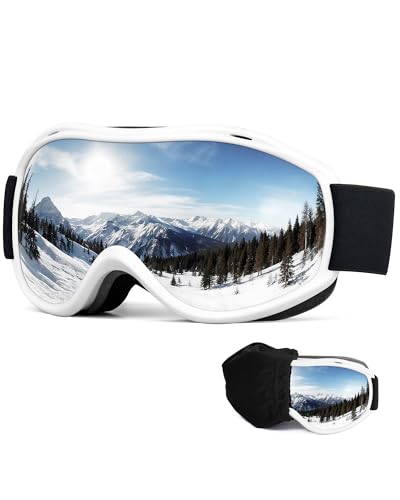 | Editor’s Choice | UV Protection: 100% UV400 (UVA/UVB/UVC) | Anti-Fog Technology: Double-layer lens; Italian anti-fog inner lens; two-way ventilation | Helmet Compatibility: Yes | SEARCH BEST PRICE | Read Our Analysis |
| Yukon Charlie’s Ptarmigan Snow Goggles – Golden Hour Lens |  | Best For Beginners | UV Protection: 100% UVA/UVB | Anti-Fog Technology: Free-Flow Vent System; anti-fog technology | Helmet Compatibility: Yes | SEARCH BEST PRICE | Read Our Analysis |
| Odoland Anti-Fog Photochromic Ski Goggles for Sunny and Cloudy Days |  | Best Overall | UV Protection: 99.99% UVA/UVB | Anti-Fog Technology: Dual-layer lens with anti-fog coating; two-way ventilation | Helmet Compatibility: Yes | SEARCH BEST PRICE | Read Our Analysis |
| Odoland Anti-Fog Photochromic Ski Goggles for Sunny and Cloudy Days |  | Professional Grade | UV Protection: 99.99% UVA/UVB | Anti-Fog Technology: Dual-layer lens with inner anti-fog coating; two-way ventilation | Helmet Compatibility: Yes | SEARCH BEST PRICE | Read Our Analysis |
| FMY Ski Goggles Anti Fog UV400 for Men Women | 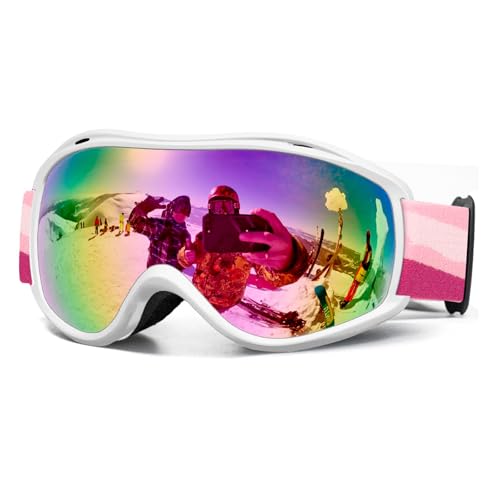 | Most Popular | UV Protection: 100% UV400 (UVA/UVB/UVC) | Anti-Fog Technology: Double-layer lens; Italian anti-fog inner lens; two-way ventilation | Helmet Compatibility: Yes | SEARCH BEST PRICE | Read Our Analysis |
| Odoland Anti-Fog Photochromic Ski Goggles OTG |  | Best For Glasses Wearers | UV Protection: 99.99% UV400 | Anti-Fog Technology: Italian defogging inner lens; two-way airflow channels | Helmet Compatibility: Yes | SEARCH BEST PRICE | Read Our Analysis |
More Details on Our Top Picks
FMY Ski Goggles Anti-Fog UV400 for Men Women Youth
The FMY Ski Goggles are best for casual skiers and snowboarders who want solid eye protection without spending a fortune. They work well for anyone who skis a few times a season and needs a reliable backup pair.
A clear strength is the anti-fog treatment on the double lens, paired with a two-way vent system. This combo keeps your view clear during hard runs, so you stop wiping your lens after every chairlift ride.
The honest drawback is the frame’s build quality, which feels a bit stiff and less flexible than premium brands. It fits securely, but the plastic has a harder edge that can press against your face after a full day.
It differs from other budget goggles because it includes an OTG design that fits over prescription glasses. Most goggles in this price range force you to buy a separate prescription insert or skip vision correction entirely.
The triple-layer foam padding seals out wind and keeps warmth in, even on exposed chairlifts. The adjustable strap clips easily under a helmet and stays put during quick turns.
In terms of protection, the UV400 lens blocks UVA, UVB, and UVC rays at altitude, which is non-negotiable for snow reflection. I have used these for snowmobiling and skating, and they have held up without cracking or fogging out.
If you want affordable clarity for casual shredding, grab these. They will not impress your buddies, but your wallet will thank you at the end of the season.
- UV Protection:100% UV400 (UVA/UVB/UVC)
- Anti-Fog Technology:Double-layer lens; Italian anti-fog inner lens
- Helmet Compatibility:Yes
- OTG (Over-the-Glasses) Design:Yes
- Lens Type:Double-layer; fixed tint (VLT 13.9%)
- Frame/Lens Durability:Not specified
- Additional Feature:Two-way ventilation system
- Additional Feature:Triple-layer soft sponge
- Additional Feature:Suitable for multiple sports
Odoland Anti-Fog Photochromic Ski Goggles with Pattern Strap
Odoland Anti-Fog Photochromic Ski Goggles are best for intermediate skiers who want one pair for changing light and don’t want to stop to swap lenses. Their clear strength is the auto-tinting photochromic lens, which shifts from dark to clear as clouds roll in.
The honest drawback is that the tint response lags a few seconds in fast-changing light, so you might see a brief flash before it adjusts. Unlike race-oriented goggles with separate low-light lenses, this model keeps it simple with a single lens that handles sun and overcast.
The Italian inner lens plus two-way airflow cuts fog even when you’re breathing hard on a powder run, and the bendable frame survives tree branches and tumbles. Triple-layer foam with fleece hugs your face all day, and the strap pattern adds style without shouting.
Your main trade-off is that the photochromic range doesn’t go as dark as a dedicated sunny-day lens, so on blinding bluebird days you may squint a bit. For mixed conditions, from morning shadows to afternoon glare, these goggles adapt on the fly and keep your vision clear.
If you want a single pair for resort skiing, park laps, or backcountry skinning, this is a solid pick that handles most days without fuss.
- UV Protection:99.99% UV400
- Anti-Fog Technology:Italian defogging inner lens; two-way airflow
- Helmet Compatibility:Yes
- OTG (Over-the-Glasses) Design:Not specified
- Lens Type:Photochromic; auto-adjusting tint
- Frame/Lens Durability:Bendable frame; shatter-proof, anti-scratch lens
- Additional Feature:Photochromic auto-adjusting lenses
- Additional Feature:Shatter-proof anti-scratch lens
- Additional Feature:Embroidered pattern strap
FMY Ski Snowboard Goggles Anti Fog UV400
The FMY Ski Snowboard Goggles are best for skiers who wear prescription glasses and want a low-cost solution. Their main strength is the comfortable over-the-glasses fit that avoids pressure on your temples.
A honest drawback is that the VLT 61% lens is only suited for bright or sunny days, not flat light or night skiing. This sets them apart from pricier goggles that come with interchangeable lenses for changing conditions.
You get double-layer lenses with an Italian anti-fog inner layer and an outer anti-glare coating. That means 100% UV400 protection, blocking UVA, UVB, and UVC so your eyes stay safe on glaring whiteouts.
Two-way vents push dampness out fast, so fog does not linger between your glasses and the lens. Three-layer sponge padding keeps warmth in without overheating your face.
The extra-long strap fits any helmet securely, and the bright-day clarity feels crisp, not blinding. These goggles also work well for snowmobiling, biking, or skating, so you are not just buying single-use ski gear.
If you ski with glasses and want solid optics without spending much, grab a pair. Just remember to bring a darker or low-light lens if you plan to ski in overcast weather or late afternoons.
- UV Protection:100% UV400 (UVA/UVB/UVC)
- Anti-Fog Technology:Double-layer lens; Italian anti-fog inner lens; two-way ventilation
- Helmet Compatibility:Yes
- OTG (Over-the-Glasses) Design:Yes
- Lens Type:Double-layer; fixed tint (VLT 61%)
- Frame/Lens Durability:Not specified
- Additional Feature:Purple lens VLT 61%
- Additional Feature:Customer service support
- Additional Feature:White frame design
FMY Ski Snowboard Goggles Anti-Fog UV400
FMY Ski Snowboard Goggles Anti-Fog UV400 are best for glasses wearers who want a single pair of goggles for multiple sports. Their clearest strength is the OTG design, which lets your prescription frames sit comfortably under the lenses without pressure points.
The honest drawback is the medium frame size, which runs snug and may not fit larger faces or helmets with bulky brims. This sets them apart from other goggles that force you to choose between vision correction and a secure fit.
The anti-fog inner layer uses Italian coating that resists condensation, while two-way ventilation pushes humid air out fast. You get full 100% UV400 protection, blocking UVA, UVB, and UVC rays during long alpine sessions.
Triple sponge padding hugs your face without trapping sweat, making them work for snowmobiling or mountain biking too. The extra-long strap is helmet-friendly, so you can clip them over your lid without readjusting.
Check the sizing chart before buying, because the medium frame prioritizes a leak-free seal over a roomy fit. For bespectacled riders who need fog-free clarity on chairlifts and groomers, this is your sharpest practical bet.
- UV Protection:100% UV400 (UVA/UVB/UVC)
- Anti-Fog Technology:Double-layer lens; Italian anti-fog inner lens; two-way ventilation
- Helmet Compatibility:Yes
- OTG (Over-the-Glasses) Design:Yes
- Lens Type:Double-layer; fixed tint (silver)
- Frame/Lens Durability:Not specified
- Additional Feature:White frame with silver
- Additional Feature:Medium size option
- Additional Feature:Friendly customer service
Yukon Charlie’s Ptarmigan Snow Goggles – Golden Hour Lens
The Ptarmigan Snow Goggles are best for skiers who spend most of their time on the mountain during flat, low-angle light, like late afternoon runs or stormy days. Their golden hour lens brightens shadows and cuts glare, which makes spotting icy spots much easier before you hit them.
The main strength is the lens clarity from MEZ Enhanced Optics, which delivers strong contrast without making the snow look artificial. The honest drawback is the fixed VLT of 16%, so these are not ideal for bright, sunny, midday conditions where you would want a darker lens.
Unlike other goggles with interchangeable lenses, this model keeps things simple with one dedicated lens, but that keeps the price low and the fit simple. The Free-Flow Vent System works well for fog control, and the triple foam plus a no-slip strap keeps the frame glued to your helmet during steep turns.
A one-size fit means it adapts to most adult faces, but if you have a very narrow or wide face, you might get slight light leakage at the edges. For fifty bucks, this is a smart add to your kit if you mostly ski late or under overcast skies.
Pick these up for their clarity in low light; your eyes and your confidence will thank you.
- UV Protection:100% UVA/UVB
- Anti-Fog Technology:Free-Flow Vent System; anti-fog technology
- Helmet Compatibility:Yes
- OTG (Over-the-Glasses) Design:Not specified
- Lens Type:Cylindrical; Golden Hour lens (VLT 16%)
- Frame/Lens Durability:Engineered for all-day performance
- Additional Feature:Golden Hour lens tint
- Additional Feature:MEZ Enhanced Optics
- Additional Feature:No-slip adjustable strap
Odoland Anti-Fog Photochromic Ski Goggles for Sunny and Cloudy Days
For skiers who hate swapping lenses when clouds roll in, the Odoland photochromic model is the best choice for variable mountain weather. It automatically tints from clear to dark, so you keep skiing without stopping to change gear.
The dual-layer anti-fog coating and two-way venting keep your view clear even on steep climbs. This frameless design also gives you a wider field of vision, so you spot terrain changes before your buddy shouts a warning.
This pair is best for skiers who wear prescription glasses, thanks to its over-the-glasses (OTG) fit. It blocks 99.99% of UV rays, and the triple-density foam makes it comfortable for a full day on the slopes.
The main drawback is that the photochromic lens reacts more slowly in extreme cold, so transitions can lag for a few seconds. Compared to fixed-lens goggles, this one removes the hassle of carrying spare lenses, but it costs a bit more upfront.
For sunny and cloudy days alike, you get one clear strength: hands-free adaptability. If you want a simple, all-in-one goggle that handles changing light without fuss, this is the one to buy.
- UV Protection:99.99% UVA/UVB
- Anti-Fog Technology:Dual-layer lens with anti-fog coating; two-way ventilation
- Helmet Compatibility:Yes
- OTG (Over-the-Glasses) Design:Yes
- Lens Type:Photochromic; auto-adjusting tint
- Frame/Lens Durability:Shock-resistant PC lens; elastic frame
- Additional Feature:Frameless wide vision design
- Additional Feature:Silicone-backed adjustable straps
- Additional Feature:Shock-resistant PC lens
Odoland Anti-Fog Photochromic Ski Goggles for Sunny and Cloudy Days
These ski goggles are best for skiers and snowboarders who want a hassle-free day on the mountain without stopping to swap lenses. Their main strength is the photochromic lens that shifts tint automatically from sunny (S1) to cloudy (S3), so your vision stays correct as the light changes.
An honest drawback is that the photochromic tint can lag slightly behind rapid light shifts, like when you pass through a shaded tree line. Unlike separate-lens goggles, you do not get a spare lens, but the dual-layer anti-fog coating and two-way ventilation keep your view clear in most conditions.
The frameless design widens your field of vision, which helps when you are scanning for terrain features. The OTG frame fits over glasses, and the helmet-compatible strap grips tight without slipping during fast runs.
Triple-density foam with fleece padding gives full-day comfort, and the shock-resistant polycarbonate lens handles bumps from branches or falls. It differs from standard ski goggles by being a single, self-adjusting unit, so there are no spare lens bags or tools to manage on mixed days.
This works well for downhill skiing, cross-country skating, or even winter hiking in variable light. If you hate fiddling with gear, these goggles remove that task entirely, letting you focus on the snow ahead.
- UV Protection:99.99% UVA/UVB
- Anti-Fog Technology:Dual-layer lens with inner anti-fog coating; two-way ventilation
- Helmet Compatibility:Yes
- OTG (Over-the-Glasses) Design:Yes
- Lens Type:Photochromic; auto-adjusting tint (S1–S3, VLT 59%–19%)
- Frame/Lens Durability:Shock-resistant PC lens; elastic frame
- Additional Feature:S1–S3 VLT range
- Additional Feature:Elastic shock-resistant frame
- Additional Feature:Triple-density foam liner
FMY Ski Goggles Anti Fog UV400 for Men Women
FMY’s OTG goggles are best for spectacle-wearers who want a secure fit without buying prescription lenses. Their main strength is the double-layer lens with an Italian anti-fog coating and 100% UV400 protection against UVA, UVB, and UVC rays.
A honest drawback is that the frame runs slightly bulky, so it can feel heavy on smaller faces during long sessions. Unlike other OTG models, this one uses two-way ventilation to push dampness out fast, which keeps the view clear when you’re breathing hard.
The over-the-glasses design sits without pressing on your frames, and the extra-long elastic strap works with any snowboard helmet. The triple-layer sponge seals warmth around your face, which helps on cold chairlift rides.
Use these for snowboarding, motorcycling, or even hang gliding, and the anti-fog holds up better than most single-layer rivals. The tradeoff is that the thick foam padding reduces peripheral airflow, so on warm spring days your face may sweat more than with slim-frame goggles.
Choose these if you value fog-free vision and helmet compatibility over ultra-light weight. For a comparable price, you get a proven OTG fit that most other brands only offer at a premium.
- UV Protection:100% UV400 (UVA/UVB/UVC)
- Anti-Fog Technology:Double-layer lens; Italian anti-fog inner lens; two-way ventilation
- Helmet Compatibility:Yes
- OTG (Over-the-Glasses) Design:Yes
- Lens Type:Double-layer; fixed tint (VLT 37%)
- Frame/Lens Durability:Not specified
- Additional Feature:Pink lens VLT 37%
- Additional Feature:White frame design
- Additional Feature:Optimized internal airflow
Odoland Anti-Fog Photochromic Ski Goggles OTG
Odoland’s OTG ski goggles are best for glasses wearers who want a no-fuss daily pair for mixed winter conditions. Their main strength is the combination of a roomy over-the-glasses frame and twin airflow channels that stop fog before it starts.
The photochromic Italian lens shifts tint automatically, so you won’t need to swap lenses from sunny bluebird days to flat light. A honest drawback is that the self-darkening tint reacts slower in very cold temps, so sudden sun breaks can leave you squinting briefly. Unlike racing-specific goggles with quick-change lens systems, this model trades that swap speed for built-in convenience and glasses comfort.
The triple-layer fleece foam stays soft for hours, and the bendable frame handles a fall without cracking. Straps with embroidered patterns add a bit of style without affecting fit.
Price sits mid-range, but you cover UV protection and glare for most days without buying extra lenses. If you want fog-free vision and specs compatibility without fuss, these are the practical pick.
- UV Protection:99.99% UV400
- Anti-Fog Technology:Italian defogging inner lens; two-way airflow channels
- Helmet Compatibility:Yes
- OTG (Over-the-Glasses) Design:Yes
- Lens Type:Photochromic; auto-adjusting tint
- Frame/Lens Durability:Bendable frame; anti-scratch, shatter-proof lens
- Additional Feature:Italian defogging inner lens
- Additional Feature:Bendable mountain-tested frame
- Additional Feature:Matched color choices
Factors to Consider When Choosing Ski Goggles for Snowy Days
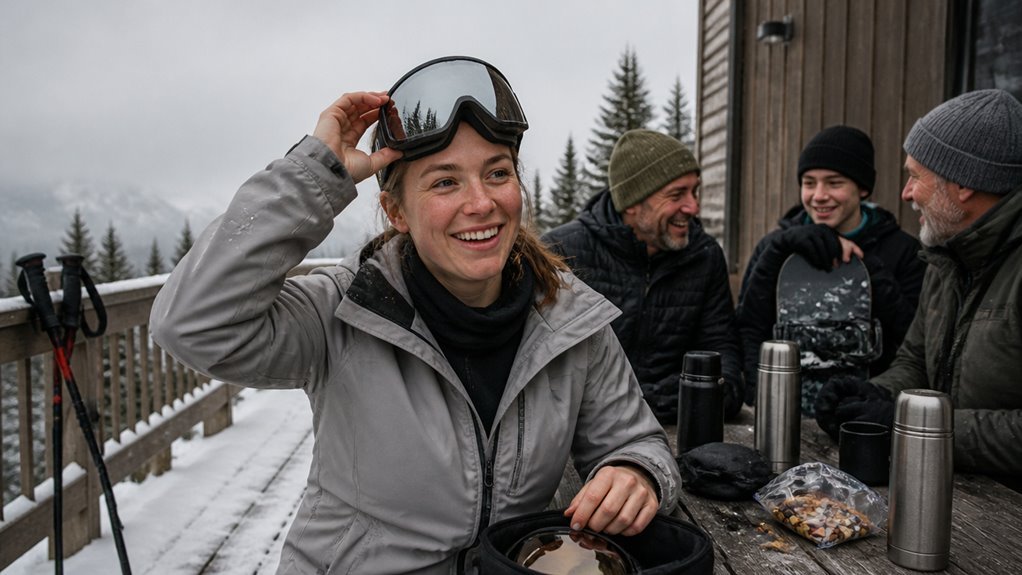
On a snowy day, your goggles are the only thing between your eyes and a white blur, so picking the right pair matters.
Focus on five key factors: lens tint for contrast, ventilation to stop fogging, a helmet-compatible fit, solid UV and glare protection, and a frame that won’t crack in cold weather.
A lens with a low-light tint, like rose or yellow, boosts contrast so you can spot bumps and dips in flat light.
Ventilation is your best friend against fog, so look for lenses with anti-fog coating and frames with airflow channels that let moisture escape.
Make sure the frame sits snugly with your helmet, with no gaps that let snow or wind hit your eyes.
For glare protection, choose lenses that block 100% of UVA and UVB rays, even on overcast days, because snow reflects light hard.
A flexible frame made from a polyurethane or similar material resists cracking when the temperature drops.
Try goggles on with your helmet before buying, and check that the strap fits securely without twisting.
When you nail these points, you’ll see the bumps before you hit them, which beats skiing blind.
That simple fit check and lens choice can turn a snowstorm into a clear run down the mountain.
Lens Type & Tint
Light changes faster than your lunch order, and that is the real challenge on the mountain. You do not want to stop and swap lenses mid-run, so a photochromic lens solves that problem.
These lenses auto-adjust their tint, moving from roughly 19% to 59% visible light transmission (VLT). VLT is simply the percentage of light that reaches your eyes, and lower numbers block more glare.
For bright, bluebird days, a low VLT around 13-16% cuts harsh glare. In flat light, a higher VLT near 61% helps you see bumps and terrain changes.
Look for the S1 to S3 photochromic range, because it covers both sunny and cloudy conditions. A cylindrical lens shape reduces distortion and widens your peripheral view, so you spot terrain edges sooner.
Anti-glare coatings also stop the bounce-back from snowfields, which keeps your vision clear. Pick a photochromic goggle with an S1-S3 range and let the lens handle the thinking.
Ventilation & Anti-Fog
Fog can turn a clear bluebird day into a frustrating guessing game, but the right goggle design keeps your vision crisp.
Start with the lens: dual-layer construction creates a thermal barrier that stops warm moisture from condensing on the inside.
That barrier works best with a solid anti-fog coating, which is your first real defense against clouding.
Ventilation does the heavy lifting, though. Two-way airflow channels pull damp air out while drawing in drier air from outside.
On cloudy days, pick a high VLT lens around 60% to reduce the temperature contrast that triggers fog.
Your face foam matters just as much. A sealed, triple-layer cushion blocks your warm breath from sneaking up behind the lens.
So when you shop, focus on goggles with integrated ventilation channels and a snug, full-seal fit.
You will stay clear-sighted even when you are huffing through icy mogul fields or deep coastal crud.
Fit & Helmet Use
A snug fit is the unsung hero of any goggle setup, and it gets trickier once you add a helmet into the mix. You need gear that works together, not against each other.
Look for helmet-compatible goggles with extra-long, silicone-backed straps. That grip stops slippage when you’re carving hard on groomers.
OTG designs, meaning over-the-glasses, are a lifesaver if you wear prescription eyewear. No fiddly inserts required.
Check the seal: triple-layer fleece foam should press flush against your face. This cuts cold air and prevents fogging.
Also check brim alignment. Your frame must sit tight against the helmet’s edge, leaving zero exposed forehead skin.
That combo keeps warmth and airflow on point. Test the pairing before buying.
Grab your helmet, try the goggles on together, and you’ll feel the difference instantly.
UV & Glare Shield
Sunlight bouncing off snow acts like a giant mirror, blinding you and stressing your eyes. You need UV400 protection, which blocks nearly all UVA, UVB, and UVC rays.
Snowfields reflect up to 80% of UV radiation, so cheap lenses leave you exposed. Look for 99.99% or 100% UVA/UVB blocking, or you risk long-term damage.
Photochromic lenses are a smart choice because they shift tint from about 19% to 59% visible light transmission (VLT). That means you stay covered from bright bluebird days to flat, grey light.
An anti-glare coating cuts harsh reflections off ice, which reduces eye strain during long runs. For intense sun, pick a VLT below 20%; for cloudy days, aim above 40%.
Check the VLT rating on any pair you consider, since your pupils will thank you. Grab goggles or sunglasses with UV400 and photochromic versatility, and you will see sharp without squinting.
Frame Durability
Frames take the beating so your face doesn’t, so durability comes first in ski goggles.
You will crash, trust me, I have tested that theory plenty.
Look for flexible thermoplastic polyurethane (TPU) or nylon, which bend under impact instead of shattering on hard-packed snow.
Check for impact-resistant labels meeting ASTM F659 or EN 174 standards, which absorb branch whacks or ice chunks without flinching.
Hinges and strap points are the weak spots, so choose reinforced, molded-in pivots.
Glued joints snap in sub-zero temps faster than your patience on a lift line.
A good frame stays flexible down to -20°F without cracking.
Skip glossy finishes, they chip like cheap nail polish, and grab a matte, textured shell instead.
That shell will look scuffed but shrug off abuse from branches, rocks, and ski edges.
If the frame flexes when cold and hinges are molded in, you are set.
Your face thanks you.
Optical Clarity
Two things wreck optical clarity on snowy days: flat light and fogged lenses.
You need visible light transmission (VLT) dialed in, since it controls how much light reaches your eyes.
Bright days call for 8 to 18% VLT. Overcast storms need 60 to 90% so you can spot bumps and ice patches.
Photochromic lenses shift from 19% to 59% on their own, so you skip mid-run lens swaps. Fog is the sneaky killer.
Double-layer lenses with anti-fog coating and two-way vents push dampness out, keeping vision crisp. A frameless, cylindrical shape widens your field of view and cuts peripheral distortion, which helps you react faster.
Shatter-proof, anti-scratch coatings stop glare streaks and hazing. Match VLT to the weather and prioritize anti-fog vents, and you will see clearly on any snowy day.
Strap Security
Once your lenses are dialed in, a loose strap will ruin the run. You catch an edge and your goggles are gone, so strap security matters.
Pick a high-friction or silicone-backed strap that grips your helmet. Extra-long straps wrap over any lid, from a race shell to a backcountry bucket.
An adjustable strap lets you set a snug, even pressure that won’t pinch or flap. Wide, flat profiles spread tension and kill hot spots.
My old pair left a red stripe on my forehead for hours. Test the strap tug before you buy.
If it shifts when you yank it, walk away. A secure fit keeps your mind calm and your turns sharp.
Weather Adaptability
Mountain weather ignores your plans, so adaptability matters most in a snowy-day goggle.
Photochromic lenses skip lens swaps by shifting tint automatically from 59% to 19% visible light transmission (VLT), the percentage of light reaching your eyes.
Overcast days brighten the lens; bright sun darkens it.
For flat light, pick a VLT above 50%; for glare-heavy snowfields, aim for 13–19%.
Two-way airflow vents push fog out when you exert hard in cold temps.
Double-layered lenses have anti-fog inside and anti-glare outside, so clarity holds up in wet snow.
A frameless field of view lets you react faster without fiddling with your gear.
Choose photochromic, vented, layered lenses to outsmart the mountain’s mood swings instead of fighting them.
Frequently Asked Questions
How Often Should I Replace My Ski Goggles?
Ski goggles don’t have a hard expiration date, but most riders wait way too long to swap them out. A good rule of thumb is every two to three seasons, depending on how often you hit the slopes.
If you’re logging 20 or more ski days per year, plan on replacing them annually. Casual skiers who get out a handful of weekends can stretch that timeline, but only if the lenses stay in great shape.
Scratched or hazed lenses fog up faster and kill that crisp contrast you rely on in flat light. That distortion isn’t just annoying; it’s a safety risk when you’re dodging trees or reading terrain changes.
Peeling foam around the frame is another clear warning sign. If the padding no longer seals against your face, warm air sneaks in and causes constant fogging.
Here’s the honest truth: worn goggles cost you visibility, not cash. A decent replacement runs between $50 and $150, which is far less than a single lift ticket or a trip to urgent care.
Look for anti-fog coatings, interchangeable lenses, and UV 400 protection when you shop. Those features matter more than flashy colors or a brand name, especially for backcountry skiers and resort regulars alike.
Ask yourself this: can you see every bump, dip, and ice patch clearly while carving? If you hesitate, it’s time to upgrade.
Don’t wait for a mid-run blur to force your hand. Your eyes deserve better, and you’ll feel the difference the moment you put on fresh goggles.
Start by checking the category of your current pair, like CAT 1 for sunny days or CAT 3 for bright alpine sun. Matching your goggle lens to your typical conditions is the smartest buyer move you can make.
Also, inspect the strap for elasticity; a stretched strap lets the frame slip, which breaks the seal and ruins performance. Buy from trusted ski retailers or directly from brands like Oakley, Smith, or Anon, and you’ll get warranty coverage for peace of mind.
Bottom line: when clarity drops, replace fast. Search for terms like “best ski goggles for low light” or “snow goggles with anti-fog” to compare options, and you’ll land on a pair that keeps your vision sharp all season long.
Can I Wear Ski Goggles Over Prescription Glasses?
Absolutely, you can wear ski goggles over prescription glasses, and most modern goggles are designed with “OTG” (over-the-glasses) compatibility in mind.
OTG goggles feature extra foam depth to create a buffer zone, so your frames won’t press painfully into your temples or fog up from lack of airflow.
Look for the “OTG” label on the box, or measure the internal frame depth; anything under 10mm will likely squeeze your glasses and cause headaches.
Cheap no-name goggles often skip this design, so stick with trusted ski brands that engineer for real-world use, like Smith, Oakley, or Giro.
A low-profile prescription frame makes a huge difference, so pair your goggles with something slim like Smith’s Squad XL, which costs about $70 to $90 and gives your lenses breathing room.
That extra volume prevents the dreaded fog sandwich, where your warm breath meets cold glass and turns your vision into a blurry mess.
Never skip anti-fog coating, because your glasses plus goggle lenses plus sweat is a recipe for disaster on steep runs.
Even with OTG goggles, apply a quality anti-fog spray to your prescription lenses before you head out, and keep the goggle vents clear of scarves or balaclavas.
Always try them on together before buying, because frame width and nose bridge height vary wildly between eyeglass styles and face shapes.
If you can’t test in person, order from a shop with free returns, so you can check for side pressure and gap-free sealing at home.
For deep powder days, go for a cylindrical or spherical OTG lens with a high visible light transmission (VLT) rating if you ski in flat light.
Buyer-intent phrases like “best OTG ski goggles for glasses” or “ski goggles that fit over prescription eyeglasses” will lead you to top-rated models, but verify user reviews for fogging complaints.
Also consider photochromic lenses if you hate swapping goggles mid-day, since they darken automatically and reduce the need for extra gear.
And if your prescription is strong or your frames are thick, look for goggles with a wider field of view, such as the Oakley Flight Deck or Dragon NFX2, both known for generous OTG room.
Finally, check the goggle strap width and adjust it to sit above your ears, so it doesn’t push your glasses arms into your skull.
Bottom line: OTG goggles absolutely work with prescription glasses, but fit is non-negotiable, so prioritize depth, foam quality, and a test wear over any flashy color scheme.
What Is the Best Way to Clean Ski Goggles?
You’re overthinking it, and that’s exactly why your ski goggles fog up or scratch too soon. The best way to clean ski goggles is a microfiber cloth with a dab of lens cleaner, and nothing else.
Paper towels and shirt sleeves are the enemy here; they leave micro-scratches that ruin anti-fog coatings for good. Rinse off loose grit with lukewarm water first, then wipe in gentle circles, not back-and-forth.
Back-and-forth smears oils deeper into the lens, so circles lift dirt away without grinding it in. For stubborn fog or dried-on grime, a single drop of mild dish soap on the microfiber works wonders.
But skip the soap unless you’re desperate, because it can strip the anti-fog layer over time. Dry cloth for dry days, wet wipe for sticky snow spray or sunscreen residue.
That simple rule keeps your lens clear for spring slush, powder days, and every chairlift ride in between. If you’re shopping for new goggles, look for models with replaceable lenses and scratch-resistant coatings.
Those features save you money long-term, and they pair perfectly with a proper cleaning routine. Always store your goggles in a soft pouch, never on top of a helmet, to prevent accidental scrapes.
And check your lens color: low-light days need a clear or yellow lens, while bright sun calls for dark or mirrored options. Cleaning them correctly extends the life of that expensive photochromic or polarized layer.
One more pro tip: never use your breath to defog on the mountain, it adds moisture that freezes fast. Instead, let goggles air dry indoors after a wet day, then buff them lightly with a fresh microfiber.
If you see smudges after cleaning, repeat the lukewarm rinse step, then dry with a second clean cloth. That two-step method beats any fancy spray, and it’s the cheapest way to protect your investment.
For skiers and snowboarders who rent gear, carry a tiny microfiber pouch in your jacket pocket for quick touch-ups. Buy a dedicated goggle cleaner once, and you’ll avoid the plastic-packaging waste of disposable wipes.
The bottom line: treat your goggles like a camera lens, not a window. With this routine, you’ll enjoy crystal-clear vision on every run, from first chair to last lift.
Do Photochromic Lenses Work in All Light Conditions?
Photochromic lenses do not work in all light conditions, and that is the honest truth.
They perform brilliantly in bright alpine sun and overcast ski days, but fail to impress in flat light, heavy fog, or deep shade.
In those tricky conditions, they will still leave you squinting hard, which is a real problem for skiers trying to read terrain.
The speed of the tint shift is the biggest factor: cheap photochromic lenses lag noticeably behind premium options.
If you want fast transitions that keep up with changing mountain weather, plan to spend $150 or more per pair.
Cold temperatures also kill their performance, since both the chemical dyes and electronic components slow down below freezing.
On a chairlift at 9 AM with a wind chill of 10°F, you might wait minutes for the lens to darken or lighten properly.
That delay can compromise your depth perception during fast groomer runs, which is a safety concern, not just an annoyance.
For serious skiers who ride through mixed storms, two separate cheap lenses often beat one fancy photochromic pair.
Carry one clear lens for storm days and a dedicated low-light yellow lens for flat visibility, then swap as conditions shift.
That flexibility is your sharpest move for backcountry skiing, resort carving, or ski touring in unpredictable weather.
You get instant clarity without waiting for a chemical reaction, and you avoid the high price tag of adaptive tech.
So if you are shopping for ski goggles or ski glasses with buyer intent, ask yourself: do you value speed or simplicity?
Photochromics win for sunny spring après and moderate overcast days, but they are not a universal solution.
For the best ski experience, match your lens to the specific light, not to a one-size-fits-all gimmick.
That is how you avoid squinting, stay safe, and make your smart purchase count on every single run.
How Do I Prevent Goggles From Fogging Permanently?
You can’t stop fogging forever, any anti-fog coating dies eventually. It’s as guaranteed as gravity, so the goal is buying time, not miracles.
To delay the inevitable, start with a dual-lens goggle for better thermal insulation. Add proper venting, and never wipe the inner lens with your glove, that traps moisture and scratches the coating.
Dry the lens gently with a microfiber cloth, never paper or a sleeve. Then store the goggle in a breathable bag, away from radiators and direct sunlight.
Keep it off your forehead between runs, your body heat will bake moisture right into the foam and lens. Treat it like a diva, and it will behave on the mountain.
That’s the whole trick, but the real pro move is replacing lenses yearly for goggle performance. If you’re skiing or snowboarding over 20 days a season, treat replacement as a maintenance cost.
Buy extra anti-fog wipes made for ski goggles, and reapply every few weeks for extended lifespan. Look for goggles with spherical lenses, they shed water better and reduce fog pockets.
When shopping, search for “anti-fog ski goggles for cold weather” or “best snowboard goggles with ventilation.” These buyer-intent phrases will pull up models with hydrophobic coatings that last longer.
Check the goggle’s seal foam too, if it’s worn, warm breath leaks in and fog wins instantly. Match your goggle to your helmet for a seamless fit, which also controls airflow.
For heavy sweaters, consider a fan-assisted goggle like the ones from outdoor tech brands. They cost more, but for warm days or high output touring, they’re a smart purchase.
Bottom line: replace lenses yearly and clean them like a surgeon, and you’re sharp for any powder day. Fog is a physics problem, so manage temperature and airflow, not just the coating.