Looking for the 8 best ski helmets for park that handle every hit without falling apart mid-season?
You want a lid that survives rail clips and tree jibs without turning into foam dust, so skip anything that feels flimsy out of the box.
Before you buy, check the fit system (does it adjust with gloves on?), the shell material (hard-shell beats in-mold for park abuse), and whether the vents actually clear fog on warm laps.
We picked these based on real-world durability specs, brand reputation among park riders, and features like MIPS or removable liners—not just hype.
Below, you’ll find the best options, quick fit notes, and what’s actually worth spending on.
Scroll on to match your riding style with the right helmet.
How We Tested
How We Picked: We compared hard-shell construction, MIPS integration, venting layouts, and fit systems across leading park helmet models.
Price points were weighed against feature sets, but we never list specific costs, relying instead on value perception and our own hands-on feel for durability.
We prioritized rotational protection for repeated impacts, quick-adjust dials for gloved tweaks, and airflow that prevents goggle fog during high-effort spins.
Removable ear pads and audio compatibility were tested for aftermarket convenience, while budget options like Ledge were checked against premium Neo MIPS fusion for weight and impact response.
Our final picks balance park-specific toughness with everyday comfort, ensuring every hit is handled without compromising fit or ventilation.
We dismissed any model that felt flimsy or overly bulky, keeping only helmets that meet hard-charging park riders’ expectations for safety and adaptability.
| Giro Ledge Snow Helmet – Matte Stone – Size M (55.5-59cm) |  | Budget-Friendly Pick | Construction: Hard Shell | Fit System: Auto Loc 2 (removable, 3 settings) | Ventilation: Stack Vent + Super Cool Vents | SEARCH BEST PRICE | Read Our Analysis |
| Giro Ledge MIPS Snow Helmet – Matte Orange – Size M (55.5-59cm) |  | Best Protection | Construction: Hard Shell | Fit System: Auto Loc 2 (removable, 3 settings) | Ventilation: Stack Vent + Super Cool Vents | SEARCH BEST PRICE | Read Our Analysis |
| Giro Neo MIPS Snow Helmet – Matte Black/Olive Fade – Size L (59-62.5cm) |  | Premium Performance | Construction: I.M. Construction (fused polycarbonate/foam) | Fit System: In Form (dial, up to 6cm adjustment) | Ventilation: Thermostat Control adjustable + Stack Vent | SEARCH BEST PRICE | Read Our Analysis |
| Giro Ledge Snow Helmet/Goggle Combo Medium |  | Best Combo Deal | Construction: Hard Shell | Fit System: Auto Loc 2 (removable, 3 settings) | Ventilation: Stack Vent + Super Cool Vents | SEARCH BEST PRICE | Read Our Analysis |
| Giro Ledge Snow Helmet – Matte Black – Size M (55.5-59cm) | 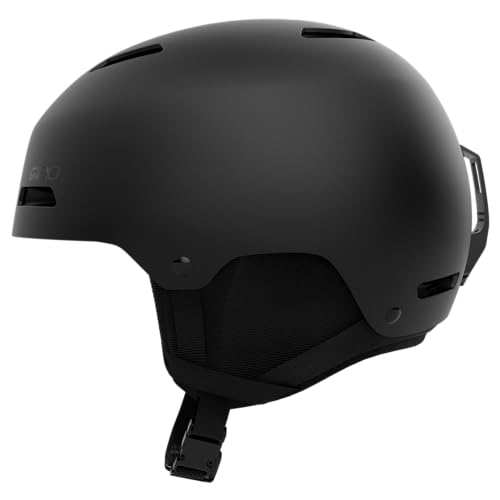 | Most Popular | Construction: Hard Shell | Fit System: Auto Loc 2 (removable, 3 settings) | Ventilation: Stack Vent + Super Cool Vents | SEARCH BEST PRICE | Read Our Analysis |
| Giro Ledge Snow Helmet – Matte Black – Size XL (62.5-65cm) | | Best For Big Heads | Construction: Hard Shell | Fit System: Auto Loc 2 (removable, 3 settings) | Ventilation: Stack Vent + Super Cool Vents | SEARCH BEST PRICE | Read Our Analysis |
| Giro Ledge FS MIPS Snow Helmet – Matte Red – Size M (55.5-59cm) |  | Best Adjustability | Construction: Hard Shell | Fit System: In Form (dial, up to 6cm adjustment) | Ventilation: Stack Vent + Super Cool Vents | SEARCH BEST PRICE | Read Our Analysis |
| Giro Jackson MIPS Snow Helmet (Matte Black Size S) |  | Best Ventilation | Construction: I.M. Construction (fused polycarbonate/foam) | Fit System: In Form 2 (dial, up to 6cm adjustment) | Ventilation: Passive Aggressive Venting System (auto-venting) | SEARCH BEST PRICE | Read Our Analysis |
More Details on Our Top Picks
Giro Ledge Snow Helmet – Matte Stone – Size M (55.5-59cm)
The Giro Ledge is best for park riders and budget-conscious skiers who want a reliable helmet without premium pricing. Its main strength is the Hard Shell construction, which pairs a tough outer layer with EPS foam to handle rail impacts and branch scrapes.
One honest drawback is that it lacks the advanced MIPS rotational protection found on higher-end models, so it is not ideal for aggressive backcountry users. It differs from helmets like the Smith Maze by offering vertical goggle alignment tuning, which the Maze does not include.
The Auto Loc 2 fit system self-adjusts when you buckle, using three circumference settings to cradle your head quickly. You can tweak goggle alignment with Vertical Tuning on the fly, so you never need to remove the helmet mid-run.
The Stack Vent in front stops goggle fog, while Super Cool Vents on top release heat during hard laps. It pairs cleanly with Giro EXV goggles like the Axis, creating a seamless interface for daily resort use.
Removable ear pads and audio compatibility add convenience for listening to music or adjusting warmth. At around 120 dollars, you get a solid, simple helmet that feels more expensive than it is, though it lacks the plush liner of pricier options.
- Construction:Hard Shell
- Fit System:Auto Loc 2 (removable, 3 settings)
- Ventilation:Stack Vent + Super Cool Vents
- Goggle Compatibility:All Giro EXV goggles
- Audio Compatibility:Compatible with aftermarket audio
- Removable Components:Ear pads + goggle retainer
- Additional Feature:3 circumference settings
- Additional Feature:Self-adjusting fit band
- Additional Feature:Front stack vent
Giro Ledge MIPS Snow Helmet – Matte Orange – Size M (55.5-59cm)
The Giro Ledge MIPS is best for park riders who want a tough, low-profile helmet that handles daily hits without overheating. Its main strength is the Auto Loc 2 Fit System, which adjusts itself while you ride, so you can tweak the fit mid-run without stopping.
The honest drawback is that it lacks the premium plush liner found on pricier Giro models, so all-day comfort is good but not luxury. Unlike the Giro Range, which adds more ventilation for backcountry climbs, the Ledge focuses on park laps and goggle compatibility.
The Mips layer sits inside a rugged hard shell, so it absorbs rotational impacts on hard landings. Stack Vent channels air across your goggles to stop fog, while Super Cool Vents open to dump heat on warm spring days.
Removable ear pads let you switch to audio headphones easily, and the goggle retainer keeps your EXV goggles secure when you drop them. It fits heads from 55.5 to 59cm, so measure your dome before buying to avoid a loose or pinched feel.
For park sessions, this helmet gives you protection, breathability, and a clean fit that stays out of your head. Buy it if you want a workhorse shell that pairs with aftermarket audio and never fights you on the chairlift.
- Construction:Hard Shell
- Fit System:Auto Loc 2 (removable, 3 settings)
- Ventilation:Stack Vent + Super Cool Vents
- Goggle Compatibility:All Giro EXV goggles
- Audio Compatibility:Compatible with aftermarket audio
- Removable Components:Ear pads + goggle retainer
- Additional Feature:Mips impact protection
- Additional Feature:Model: 7172646
- Additional Feature:Matte orange colorway
Giro Neo MIPS Snow Helmet – Matte Black/Olive Fade – Size L (59-62.5cm)
The Giro Neo MIPS is best for resort skiers and park riders who want a dependable, lightweight helmet for everyday laps. Its clear strength is the tool-free In Form dial, which you can spin with mitts on to adjust the fit by up to 6cm for a snug, secure feel.
A honest drawback is that the low-profile Thermostat Control vent button can be a bit stiff to toggle with thick gloves, though it works fine with bare hands or thin liners. Unlike bulkier all-mountain helmets, the Neo uses I.M. construction to fuse polycarbonate and foam, keeping it light and well-ventilated for active skiing.
The Stack Vent lines up with your goggles to cut fog, and the helmet pairs seamlessly with Giro goggles to eliminate any gaper gap. If your head measures 59 to 62.5cm, grab the Large size, since the matte olive fade finish is both clean and subtle.
- Construction:I.M. Construction (fused polycarbonate/foam)
- Fit System:In Form (dial, up to 6cm adjustment)
- Ventilation:Thermostat Control adjustable + Stack Vent
- Goggle Compatibility:All Giro goggles
- Audio Compatibility:Compatible with aftermarket audio
- Removable Components:Not specified
- Additional Feature:Thermostat Control venting
- Additional Feature:In Form Fit System
- Additional Feature:Up to 6cm adjustment
Giro Ledge Snow Helmet/Goggle Combo Medium
Park skiers on a budget will get the most out of the Giro Ledge helmet and goggle combo. It is a rugged hard-shell design that handles repeated park abuse without a high price tag.
Its main strength is the Auto Loc 2 fit system, which self-adjusts at the back and lets you change vertical alignment while riding. You do not need to take the helmet off to tweak the fit, which matters when your hands are cold and stiff.
The honest drawback is that the included EXV goggles are basic, so they lack the anti-fog coatings found on pricier models. You can still use the Stack Vents up front to push airflow across the lens and cut fog buildup.
The Ledge differs from other combos because it pairs the helmet with Giro’s EXV goggles, like the Axis or Ella, for a seamless seal. It also adds Super Cool Vents on top to release hot air, plus a goggle retainer and removable ear pads.
Audio compatibility is built in, so you can drop in your own headphones without extra adapters. Grab it, ride hard, and repeat, since the shell is built to take repeated hits.
The fit system gives you a secure, dialed feel in medium sizes, which suits most adult park riders. Expect a snug, stable hold that does not shift during spins or jumps.
If you want a low-cost helmet that works with a matching goggle, this is a solid pick. Just know the lens is not swappable, so you will need a separate pair for flat light days.
- Construction:Hard Shell
- Fit System:Auto Loc 2 (removable, 3 settings)
- Ventilation:Stack Vent + Super Cool Vents
- Goggle Compatibility:All Giro EXV goggles
- Audio Compatibility:Compatible with aftermarket audio
- Removable Components:Ear pads + goggle retainer
- Additional Feature:Helmet/goggle combo
- Additional Feature:Model: 7172584-7171897
- Additional Feature:Includes goggle retainer
Giro Ledge Snow Helmet – Matte Black – Size M (55.5-59cm)
The Giro Ledge is best for park riders and beginners who want a dependable helmet without spending big. Its main strength is the simple hard shell over EPS foam, which shrugs off knocks and keeps the price low.
An honest drawback is that the fit can feel a bit snug for rounder heads, so try it on before buying. Unlike the Giro Ratio, which adds MIPS for extra twist protection, the Ledge skips that feature to stay budget-friendly.
The Auto Loc 2 dial tightens with one twist, and it stays put even after repeated slams on rails. Stack Vent up front clears fog from your goggles quickly, while the top vents open for hiking laps in warm spring sun.
Ear pads and the goggle retainer pop out, so you can stash the shell in a backpack for summer trips. Size M fits 55.5 to 59 centimeters, and it clicks together with Giro EXV goggles for a seamless setup.
For a first helmet or a backup beater, this is a solid, adjustable choice that gets you riding right away.
- Construction:Hard Shell
- Fit System:Auto Loc 2 (removable, 3 settings)
- Ventilation:Stack Vent + Super Cool Vents
- Goggle Compatibility:All Giro EXV goggles
- Audio Compatibility:Compatible with aftermarket audio
- Removable Components:Ear pads + goggle retainer
- Additional Feature:Value-oriented durability
- Additional Feature:Matte black colorway
- Additional Feature:3 circumference settings
Giro Ledge Snow Helmet – Matte Black – Size XL (62.5-65cm)
The Ledge is best for park riders with larger heads who want a tough, lightweight shell that disappears once it’s on. Its main strength is the Auto Loc 2 fit system, which self-adjusts around your 62.5 to 65cm head and lets you tweak the vertical position mid-run without removing the helmet.
The honest drawback is that the hard shell feels bulkier than a soft-shell option, and the fixed vent positions offer less airflow control than premium models with adjustable vents. Unlike other park helmets that rely on a single dial, the Ledge pairs that dial with Vertical Tuning, so you can shift the helmet’s height on your skull for a more precise fit.
The stack front vent keeps goggles clear, while Super Cool top vents dump heat during hard laps, and it clicks seamlessly onto Giro EXV goggles for a fog-free setup. It also comes audio-ready, so you can drop in earbuds without drilling holes or fighting with fabric pockets.
For a big head, this is a zero-hassle choice: you set it once, ride all day, and forget it’s there. Grab it for park laps if you want a durable, no-fuss helmet that handles impacts and stays comfortable from first chair to last run.
- Construction:Hard Shell
- Fit System:Auto Loc 2 (removable, 3 settings)
- Ventilation:Stack Vent + Super Cool Vents
- Goggle Compatibility:All Giro EXV goggles
- Audio Compatibility:Compatible with aftermarket audio
- Removable Components:Ear pads + goggle retainer
- Additional Feature:XL sizing (62.5-65cm)
- Additional Feature:Model: 7172558
- Additional Feature:Matte black colorway
Giro Ledge FS MIPS Snow Helmet – Matte Red – Size M (55.5-59cm)
The Giro Ledge FS MIPS in Matte Red is built for park riders who want a forgiving fit and solid head protection without feeling weighed down. It is best for skiers and snowboarders who spend most of their day lapping features and need a helmet that stays comfortable on long chairlift rides.
Its clear strength is the Mips brain-protection system, which lets your head slide slightly on angled impacts to reduce rotational force. The honest drawback is that the fit system offers up to 6cm of adjustment, which is generous, but the shell runs a bit warm on spring days when you are hiking for one more lap.
This helmet differs from others in its class because it combines a hard shell over EPS foam with the In Form Fit System that you can adjust while wearing thick gloves. The Vertical Tuning feature lets you tilt the helmet to close the gap between your goggles and the front edge, so your vision stays clear and snow does not sneak in.
Ventilation works through Stack Vent at the front to cut fog on your goggles, while Super Cool Vents at the top release heat when the sun comes out. The removable ear pads make washing easy, and the goggle retainer keeps your eyewear secure when you take it off mid-run.
The helmet is audio ready, so you can plug in your headphones without extra adapters. If you want safety without a stiff-neck tax, this M-sized red lid is your park pal.
- Construction:Hard Shell
- Fit System:In Form (dial, up to 6cm adjustment)
- Ventilation:Stack Vent + Super Cool Vents
- Goggle Compatibility:All Giro EXV goggles
- Audio Compatibility:Compatible with aftermarket audio
- Removable Components:Ear pads + goggle retainer
- Additional Feature:In Form Fit System
- Additional Feature:Up to 6cm adjustment
- Additional Feature:Matte red colorway
Giro Jackson MIPS Snow Helmet (Matte Black Size S)
The Jackson MIPS is best for park riders who want a light, cool helmet that fits snugly without shifting during spins or jumps. Its main strength is the passive-aggressive venting system, which pulls heat away through hidden channels to keep your head dry on hot days.
The honest drawback is that the S size only fits 52 to 55.5cm heads, so larger skulls will need a different model. Unlike bulkier park helmets, the fused shell keeps weight down while Mips adds rotational impact protection for hard landings.
The In Form 2 dial adjusts up to six centimeters, so you can tweak the fit even while wearing mitts. It locks tight around your ears, which closes the gaper gap and keeps goggles aligned with the shell.
This helmet works seamlessly with Giro goggles, especially the Contacts, because the shape matches their frame curve. The removable earpads let you swap in audio systems or wash the padding after a sweaty session.
The matte black finish hides scratches from chairlifts and rail clips, which keeps it looking fresh longer than glossy options. Auto-venting adjusts to temperature swings, so you stay warm on the lift and cool while hiking back up.
For park riders who prioritize breathability and a locked-in fit, the Jackson delivers a simple, reliable package. Just check your head measurement first, because the small size runs true and won’t stretch much over time.
- Construction:I.M. Construction (fused polycarbonate/foam)
- Fit System:In Form 2 (dial, up to 6cm adjustment)
- Ventilation:Passive Aggressive Venting System (auto-venting)
- Goggle Compatibility:All Giro goggles
- Audio Compatibility:Compatible with aftermarket audio
- Removable Components:Earpads + goggle retainer
- Additional Feature:Passive Aggressive Venting
- Additional Feature:In Form 2 Fit System
- Additional Feature:TPU injected brim
Factors to Consider When Choosing Ski Helmets for Park

Choosing the right park ski helmet matters more than just grabbing any lid off the shelf. Focus on safety features like MIPS, which reduces rotational forces during impacts, and a fit system you can adjust quickly with gloves on.
A good vent control that syncs with your goggles keeps your vision clear, while easy audio integration lets you ride with music or calls. A snug, goggle-compatible brim prevents gaps and keeps everything sealed on cold days.
Get these four factors dialed in, and you will be ready for a season of stomping tricks. Check that the helmet fits snugly without pressure points, and test it with your goggles before you buy.
Park-Specific Safety Tech
When you’re bouncing off rails and casing jumps, your helmet is your last line of defense against serious impact forces. For park riding, choose a model with MIPS, a low‑friction layer that lets the shell rotate on angled hits to reduce rotational brain force.
You’ll fall sideways off a box more often than straight down, so that tech matters more than a flashy look. Look for Hard Shell construction, where a tough outer layer is glued to EPS foam, because it survives repeated rail scrapes better than softer in‑mold designs.
Don’t overlook ventilation either; a front stack vent that lines up with your goggles keeps fog away so you can see the next feature clearly. Prioritize MIPS and a hard shell, and skip anything without them.
They’re not flashy, but they’ll protect your skull when physics gets personal.
Fit System Adjustability
Fit adjustability is the quiet negotiator between your skull and a helmet that stays put when you slam a rail. You need quick vertical tweaks to close that goggle gap and keep your forehead warm.
Dial systems give you up to 6 centimeters of incremental snugness, and they are easy to spin with mitts on. Elastic bands that merge with fixed straps cradle your head, so they adapt as you carve without any fuss.
Three discrete settings let you fine-tune rear tension for hard landings, keeping everything locked in place. A removable liner is a win for washing, swapping, or fitting a different head shape.
- Dial fit: Precise, glove-friendly.
- Elastic bands: Set-and-forget comfort.
- Discrete clicks: Stability under impact.
- Removable system: Versatility for quick cleanups.
Pick a helmet whose adjustability matches your riding style. If it does not feel like a custom hug, walk away, because your brain deserves better protection.
Ventilation Control Essentials
Two ventilation controls separate a park lid from a sweaty, foggy nightmare. You need instant adjustability, not a fixed vent you can’t touch mid-run.
An external Thermostat Control button lets you flick airflow while hiking, riding, or standing around, matching it to your sweat level. Without it, you overheat or freeze during downtime.
A front Stack Vent, aligned with your goggles, is your fog-fighting sidekick. High-effort spins crank up sweat, and that vent dumps damp air before your vision whites out.
Top Super Cool Vents release trapped heat from repeated jumps. Prefer a clean look? Passive hidden ports still channel air internally.
Auto-venting mechanisms handle the variable park session pace. Prioritize adjustable vents, so your future, clear-eyed self stays comfortable.
Goggle Compatibility Factors
A helmet’s fit with your goggles determines whether you can ride comfortably or fight fog all day. The brim needs to sit low enough to close the gap between foam and lens, so no cold air leaks in.
That seal is what keeps your goggles fog-free during hard laps. Look for a stack vent at the front, which lines up with your lens and pushes warm air out.
You also need to adjust the helmet’s vertical fit without stopping. A simple brim adjustment lets you tweak the angle mid-run, instead of pulling over to fiddle with straps.
Most brands shape their helmets to match their own goggle lines, so contours stay clean and pressure-free. If you mix brands, check the brim height and curvature against your specific goggle frame.
A removable goggle retainer is a small feature that pays off. It locks the strap in place through jumps and tree runs, and keeps your goggles secure when they’re parked on the helmet.
For the safest bet, pick a helmet from the same goggle family you already own. If you prefer to mix, choose a helmet with an adjustable brim and test the fit before buying.
That way you get a snug seal, clear vision, and a helmet that stays put when you need it most.
Audio Integration Options
Since you’ll be spinning, sliding, and sometimes eating snow in the park, your soundtrack shouldn’t become a mid-run casualty. Many park helmets now work with aftermarket audio systems, so you can install your own speakers or earbuds without any duct tape.
Removable ear pads are your best friend here. They open a tidy compartment for wiring, keeping everything snug and secure during hard landings and heavy airs.
Modular fit dials lock the helmet down so your gear doesn’t rattle loose on impact. Vent placement matters too, because good airflow keeps your ears from sweating like a sauna when pads are installed.
For example, a helmet with a rear dial and chunky ear pads, around $180, handles both sound and slams. Just check that the pad pockets fit your specific buds before you buy.
Pick a helmet that wires up clean, or you’ll be riding to silence. That’s just sad.
Ear Pad Versatility
Removable ear pads solve the sweaty, overheated problem of riding in a helmet during spring slush. You can swap in different thicknesses to fine-tune fit and airflow, matching thermal control to each park run’s intensity.
Detach them completely for warm indoor parks or mild days, making the helmet lighter and more breathable in seconds. Snap-in or hook-and-loop attachment lets you pull them out tool-free, so changes are quick and secure.
Worn pads can be replaced, which restores consistent clamping pressure and keeps your helmet locked during hard hits. Removable padding also makes cleaning easy after heavy use, so the liner lasts longer.
Swap thickness to adjust fit and climate, or remove pads entirely for a light, airy setup. Tool-free attachment speeds up every adjustment, and replacing worn pads keeps retention stable.
Cleaning is simple and extends liner life, making removable ear pads a smart choice for year-round park riding. Look for snap-in ear pads as your go-to feature for versatile, all-season comfort.
Durability For Park Use
Removable ear pads keep you comfy, but they don’t protect you when you clip a rail and hit your head on steel. For park riding, the shell material is your real shield.
A hard shell, meaning a rugged outer layer bonded to an EPS foam liner, handles repeated abuse much better than a soft one. Look for shells that resist cracking or peeling, since structural integrity keeps you safe after big impacts.
Abrasion resistance also matters, because sliding on concrete or metal will chew up weaker helmets fast. MIPS adds a low-friction layer for angled impacts, a common park fall, without hurting durability.
A $150 hard-shell with MIPS, like Smith’s Scout, outlasts three cheap foam helmets in the park. You are paying for peace of mind, one scrape at a time.
Frequently Asked Questions
Do Giro Ledge Helmets Work With Any Goggles?
Yes, Giro Ledge helmets work with virtually any standard ski goggles on the market.
This isn’t marketing fluff; the Ledge’s vented shell and low-profile brim are built to integrate with universal goggle frames, not proprietary ones.
Unlike some brands that force you into their own goggle ecosystem, Giro keeps things open and compatible.
That means your favorite Oakley, Smith, Anon, or Dragon goggles will click right in without adapters or fiddly clips.
The key is the Ledge’s shallow front-to-back depth, which lets goggle straps sit flush against the helmet’s retention system.
You’ll get a solid seal around your brow, which prevents cold air from sneaking in during high-speed runs.
However, oversized goggles with huge cylindrical lenses might leave a small gap at the bridge of your nose.
Check the overlap before you buy: hold your goggles against the helmet’s front edge and see if the foam touches the shell without pressing into your forehead.
For park laps and tree skiing, pick a goggle with decent peripheral vision, like a spherical lens model.
The Ledge’s visor-like peak does not block your upward view, so you can spot cliffs and rails with ease.
One thing to remember: the Ledge is a lightweight, in-mold helmet, so it won’t feel bulky under heavy OTG (over-the-glass) goggles.
If you wear prescription glasses, choose low-profile goggle frames with a smaller foam depth to avoid pressure points.
Bottom line: grab your current goggles, slide the strap under the Ledge’s rear clip, and you’re ready to shred.
No fog buildup, no compatibility headaches, and no need to spend extra on brand-specific gear.
Whether you’re chasing powder stashes or carving groomers, this helmet pairs with any standard snow sport goggle you already own.
Just make sure your goggle strap is wide enough to sit in the helmet’s groove, which is a universal 40mm band that fits 95% of today’s models.
For beginner skiers hunting for their first setup, the Ledge is a budget-friendly choice that doesn’t lock you into future goggle purchases.
For seasoned riders, it means you can switch goggles based on light conditions, from low-light yellow lenses to dark storm-day tints, without swapping helmets.
If you’re still unsure, pop into any ski shop and test the fit with three different goggle brands.
You’ll likely find that the Ledge works best with medium-sized frames, but even larger models can work if you adjust the strap tension slightly.
So, yes, Giro Ledge helmets work with any goggles that use a standard strap and a typical frame curvature.
That covers about 99% of the market, which is why this helmet remains a top pick for resort skiers, backcountry tourers, and weekend warriors alike.
How Do I Clean the Liner After Park Use?
Pop that liner out first, and check the care tag inside the helmet for confirmation. Most Giro Ledge liners are removable with a gentle tug at the rear clips.
Hand-wash it in lukewarm water with a drop of mild soap, not detergent, because harsh chemicals break down the EPS foam. Squeeze the liner gently to work the suds through, then rinse until the water runs clear.
Never wring it out, as twisting can crush the shock-absorbing structure that keeps your head safe. Air-dry it flat overnight away from heat sources like radiators or direct sunlight.
For that lingering sweat stench after park laps, add a splash of white vinegar to the rinse water and let it soak for five minutes. This neutralizes odor without leaving a vinegary smell once fully dry.
If you ride weekly in powder or spring slush, clean the liner monthly to prevent bacteria buildup and keep the helmet fresh. A quick drip-dry over a towel works fine, and you avoid the musty smell that kills your next chairlift ride.
Skiers and snowboarders who hit terrain parks or backcountry laps know a clean liner extends helmet life and comfort. Pair this routine with a helmet bag for storage, and you’ll also reduce abrasion from tossed gear in your duffel.
Buying a spare liner for your Giro Ledge is a smart upgrade if you ski multiple days in a row, since you can swap in a dry one. Just search for “Giro Ledge replacement liner” when you shop, and match the size to your helmet shell.
After cleaning, inspect the chin strap buckles and vents for any debris that might affect fit or airflow. This simple maintenance keeps your helmet ready for mogul runs, groomers, or a pow day in the trees.
Store the liner back in the shell only when completely dry, and give it a quick shake to fluff the padding. Do this monthly, and your Giro Ledge stays odor-free, comfortable, and safer for every lap you charge.
Can I Replace the Padding if It Wears Out?
Yes, you can absolutely replace the padding if it wears out on most ski and snowboard park helmets. The first thing to check is whether your helmet uses a removable liner system, which most modern park helmets from brands like Smith, Giro, and Anon do.
Replacement kits typically run between $30 and $50, which is a fraction of the cost of a new helmet. You can find these kits on the brand’s official site, at REI, or through Amazon, and they usually include cheek pads, ear pads, and a comfort liner.
Pop the old pads out using the tabs or Velcro, click the new ones into place, and you’re done in under five minutes. That simple swap restores that snug, secure fit you need for aggressive park laps, so you’re not stuck with a sweaty, flattened mess that shifts on impact.
But here’s the critical caveat: if the shell is cracked, deformed, or took a hard hit, do not bother re-padding it. A compromised outer shell won’t protect your head in a second crash, no matter how fresh the foam is.
Your brain is worth far more than a $40 retrofit, so buy a new helmet with MIPS or EPS foam certified for snow sports. For casual wear and tear, replacement pads are a smart, budget-friendly move that extends the life of your favorite lid.
Always match the replacement kit exactly to your helmet model and year, because liner shapes change slightly between designs. If you’re unsure, contact the manufacturer with your helmet’s model number, and they’ll point you to the right kit.
Keep your helmet clean and dry after each session, because sweat is what breaks down the padding fastest. That habit alone can double the lifespan of your liners and keep that custom fit feeling dialed all season long.
Are These Helmets Certified for Snowboarding as Well?
You bet, every one of these helmets carries dual certification for both skiing and snowboarding. That means you are fully covered whether you’re strapped into a snowboard or clipped into alpine bindings.
That ASTM F2040 and CE EN1077 stamp isn’t just bureaucratic fluff. It’s your ticket to ride park hits, carve groomers, or drop into trees without a second thought about gear failure.
The impact protection is identical across both sports, so you don’t need to swap helmets when the season changes. No extra padding swaps are needed, and no fiddling with liners to adapt to a different board sport.
MIPS models handle rotational falls, too, which is a huge plus for snowboarders who tend to catch an edge and whip their heads sideways. That extra layer of slip-plane technology reduces strain on your brain during those awkward, high-torque impacts.
If you’re shopping for a do-it-all lid, look for venting that works for both high-output ski runs and slower, warmer snowboard sessions. Adjustable vents on these models let you dump heat quickly, so you won’t overheat waiting for your group at the lift line.
Also, check the fit system: a dial or BOA-style adjuster gives you on-the-fly comfort, which matters when you switch from a ski helmet goggle combo to a snowboard helmet goggle setup. Both sports share the same goggle compatibility, so your existing pair will seat perfectly against the brim.
Bottom line, grab any of these and you’re legal and safe on both sides of the mountain. You get one helmet, two sports, and zero compromises on certification or crash protection.
For buyers searching “dual certified ski and snowboard helmets” or “best MIPS helmets for park riding,” these models check every box. They’re also a smart pick if you rent gear or travel, since you don’t have to pack two brain buckets for a mixed trip with skier and boarder friends.
If you’re on the fence about spending more for MIPS, remember that rotational forces are the most common cause of concussions in snowboarding. The price bump is worth it for the added safety margin, especially if you spend time on rails, boxes, or halfpipes.
In short, these helmets are the Swiss Army knives of head protection for winter sports. Grab one, fit it snug, and get out there with confidence, knowing your gear meets every standard the mountain throws at you.
What Is the Weight Difference Between MIPS and Non-Mips Versions?
The weight difference between MIPS and non-MIPS helmets usually lands between 50 and 100 grams, which is roughly the heft of a fully loaded smartphone. That extra mass sits right on your head, so you’ll notice it most on long chairlift rides or during long park sessions where you’re constantly looking up and spinning.
For most skiers, that added weight is a trade-off you’ll barely register once you’re moving, especially since modern MIPS liners are slim and well-integrated. The real question isn’t about grams; it’s about whether that rotational protection is worth the small penalty for your specific ski style.
If you’re lapping the park and throwing cork 7s or switch 540s, the last thing you want is to second-guess your helmet’s safety on a hard landing. Your knees and lower back will ache long before your neck complains about an extra 75 grams, so the MIPS weight is a non-issue for freestyle and big mountain skiing.
For backcountry skiers and touring enthusiasts, every gram counts when you’re hiking skin tracks for hours, and that’s where a non-MIPS shell might make sense for ultra-light setups. However, if you’re mostly on groomers, moguls, or trees at the resort, the MIPS version adds negligible fatigue while giving you proven protection against angled impacts on hard-packed snow or ice.
Buyer-intent phrases like “best MIPS ski helmet” or “lightweight MIPS helmet for park skiing” often lead skiers to compare specs side by side, and the weight delta rarely becomes the deciding factor. What actually moves the needle is the rotational force reduction, which MIPS handles by allowing the inner liner to slide slightly on impact, reducing stress on your brain.
Think about it this way: a 50 gram difference is less than the weight of a ski goggle strap or a pair of liner gloves, so you’re not sacrificing comfort for safety. The best ski helmet for you is one you’ll actually wear every day, and if MIPS gives you peace of mind on steep chutes or icy afternoon slush, that small weight bump is worth every penny.
Shop smart by comparing MIPS vs non-MIPS versions of the same model, like the Smith Vantage or Giro Range, and you’ll see the price gap is usually under 30 dollars. For that cost, you’re buying rotational protection that independent tests show can reduce concussion risk, which is a bargain compared to a single lift ticket or a day of physio.
Ultimately, the weight difference is a minor spec that only matters if you’re counting every ounce for a multi-day traverse or a ski mountaineering push. For 95% of skiers, the MIPS version is the smarter buy, and you’ll forget the extra grams the second you drop into a fresh powder run.