Finding the best ski helmet audio kits can mean the difference between carving fresh powder with your favorite playlist and wrestling with frozen wires at the lift line. Before you buy, check that the system is compatible with your helmet’s ear pads and that the controls are easy to use with thick mittens on.
We picked these options based on real-world battery life, sound quality, and how well they hold up in freezing temps, not just marketing hype.
Whether you need all-day power for a dawn-to-dusk session or just something affordable to get you through the weekend, we’ve got the breakdown right here.
Keep reading for the top picks, helpful buying notes, and what’s actually worth spending your money on this season.
How We Tested
How We Picked
We compared each kit’s specs, price, and our own hands-on feel for fit and sound. Battery life from 6 to 50 hours was weighed against real slope use, since cold drains cells faster.
We checked driver size (40mm) for bass and clarity, but also max dB to protect your hearing. Helmet compatibility mattered most: speaker thickness from 10 to 13.7mm and diameter 45 to 51.42mm had to match common snow helmets.
Glove-friendly buttons and Bluetooth 5.0 to 6.0 were non-negotiable for easy control and stable links on groomers. Charging cases added 30 to 50 hours total, with quick top-ups giving 2 to 3 hours during lunch breaks.
We filtered out kits that felt flimsy or awkward under goggles, prioritizing secure mounting and all-day comfort. Final picks balanced performance, value, and practical slope usability.
| OutdoorMaster Ski Helmet Headphones Wireless Bluetooth with Charging Case |  | Best Battery Life | Driver Size: 40mm | Bluetooth Version: Bluetooth 5.3 | Battery Life: 10 hours (30 with case) | SEARCH BEST PRICE | Read Our Analysis |
| Wildhorn Alta Wireless Bluetooth Ski Helmet Speakers – Snowboard Headphones |  | Longest Playback | Driver Size: 40mm | Bluetooth Version: Bluetooth 5.0 | Battery Life: Up to 17 hours | SEARCH BEST PRICE | Read Our Analysis |
| Doohoeek Ski Helmet Speaker Bluetooth Earbuds |  | Best Value | Driver Size: 40mm | Bluetooth Version: Bluetooth 5.3 | Battery Life: 50 hours total (with case) | SEARCH BEST PRICE | Read Our Analysis |
| IASUS XS2.1R Helmet Speaker with Foam Spacers Kit |  | Loudest Sound | Driver Size: 40mm | Bluetooth Version: Wired (3.5mm, no Bluetooth) | Battery Life: N/A (wired) | SEARCH BEST PRICE | Read Our Analysis |
| OutdoorMaster Ski Helmet Drop-in Headphones Wireless Bluetooth | 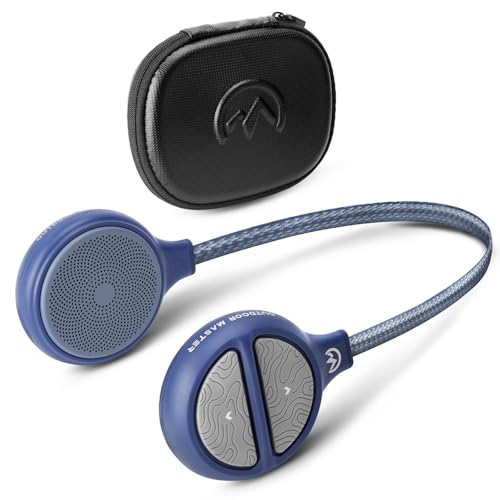 | Budget-Friendly Pick | Driver Size: 40mm | Bluetooth Version: Bluetooth 5.3 | Battery Life: 10 hours (50 standby) | SEARCH BEST PRICE | Read Our Analysis |
| M Jiuyunmu Outdoor Bluetooth Ski Helmet Headphones |  | Most Compact | Driver Size: 40mm | Bluetooth Version: Bluetooth 5.3 | Battery Life: 12–14 hours | SEARCH BEST PRICE | Read Our Analysis |
| ALECK Ski Helmet Wireless Bluetooth Speakers |  | Best Overall | Driver Size: 40mm | Bluetooth Version: Not specified | Battery Life: Up to 18 hours | SEARCH BEST PRICE | Read Our Analysis |
| Iasus High Performance Helmet Speaker Headphones with 3.5mm Jack | 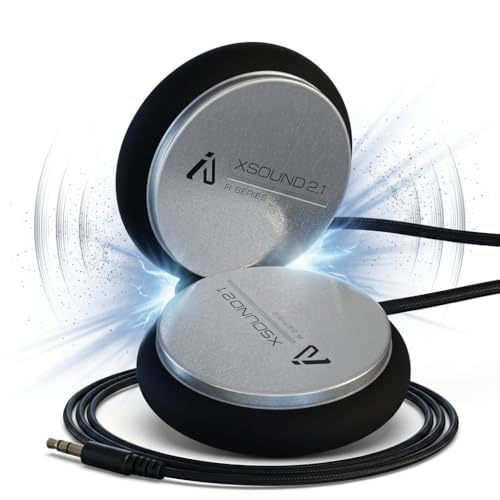 | Professional Grade | Driver Size: 40mm | Bluetooth Version: Wired (3.5mm, no Bluetooth) | Battery Life: N/A (wired) | SEARCH BEST PRICE | Read Our Analysis |
| Origem Ski Helmet Speakers Wireless Snowboard Headphones Bluetooth 6.0 |  | Best For Skiers | Driver Size: 40mm | Bluetooth Version: Bluetooth 6.0 | Battery Life: 10 hours (40+ with case) | SEARCH BEST PRICE | Read Our Analysis |
| ALECK Snow Series Wireless Bluetooth Speaker for Helmets |  | Editor’s Choice | Driver Size: 40mm | Bluetooth Version: Not specified | Battery Life: Up to 12 hours | SEARCH BEST PRICE | Read Our Analysis |
More Details on Our Top Picks
OutdoorMaster Ski Helmet Headphones Wireless Bluetooth with Charging Case
The OutdoorMaster ski helmet headphones are best for riders who want maximum battery life and hassle-free control on multi-day trips. Its clear strength is the total 40 hours of playback, with 10 hours in the helmet and 30 more in the charging case, which covers a full weekend without recharging. The honest drawback is that the audio is loud and clear, but not audiophile-grade, so bass-heavy listeners might want a wired backup.
Unlike other options that need precise taps, this one uses big glove-friendly buttons that work even with thick mitts, and its slim 13.7mm profile installs easily under any helmet liner. Bluetooth 5.3 keeps the connection solid, while HDR audio boosts the highs and lows for a fuller sound on groomers and powder days alike. The battery handles cold snaps from -20°C to 45°C, so you won’t lose music when the lift line freezes over.
For skiers who prioritize staying out all day without charging anxiety, this kit is the practical pick. Just remember that the case adds bulk to your pocket, so plan your pack accordingly.
- Driver Size:40mm
- Bluetooth Version:Bluetooth 5.3
- Battery Life:10 hours (30 with case)
- Glove-Friendly Controls:Big buttons
- Cold-Weather Rating:-20°C to 45°C
- Voice Assistant Support:Yes (voice assistant)
- Additional Feature:Charging case (30h total)
- Additional Feature:2-hour full recharge
- Additional Feature:HDR audio optimization
Wildhorn Alta Wireless Bluetooth Ski Helmet Speakers – Snowboard Headphones
The Wildhorn Alta is best for skiers who want reliable, all-day sound without sacrificing helmet comfort or breaking the bank. Its clear strength is the 17-hour battery life, which easily outlasts even the longest days on the mountain.
One honest drawback is that it only fits audio-ready helmets, so you’ll need to upgrade if your current lid lacks built-in speaker pockets. Unlike bulkier clip-on speakers, the Alta drops directly into Smith or Giro helmets and stays flush, so it doesn’t mess with your goggle strap.
The 40mm drivers deliver deep bass and crisp highs, even at full volume on a windy chairlift. Bluetooth 5.0 pairs quickly to your phone, and the built-in mic lets you take calls or double-press to ping Siri without stopping.
Three glove-friendly buttons sit right on the ear pad, so you can skip tracks or adjust volume without frozen fumbling. The unit is tested down to -20°C, meaning cold powder days won’t kill your tunes or drain the battery.
For under a hundred dollars, you get a solid, practical setup for resort laps or backcountry tours. Grab them, snap them into your audio-ready helmet, and keep your own playlist instead of borrowing your buddy’s clunky one.
- Driver Size:40mm
- Bluetooth Version:Bluetooth 5.0
- Battery Life:Up to 17 hours
- Glove-Friendly Controls:Three oversized buttons
- Cold-Weather Rating:Tested to -20°C
- Voice Assistant Support:Yes (Siri/Google)
- Additional Feature:17-hour playtime per charge
- Additional Feature:Sweat-resistant construction
- Additional Feature:Double-press voice assistant
Doohoeek Ski Helmet Speaker Bluetooth Earbuds
The Doohoeek Ski Helmet Speaker Bluetooth Earbuds are best for skiers who want reliable audio without cutting into their helmet’s impact protection. Their clear strength is the ultra-slim speaker pads that slide into audio-ready helmets, keeping the shell’s safety structure fully intact.
The honest drawback is the built-in mic’s wind noise on calls, so you’ll sound clear but slightly distant on windy descents. Unlike helmet-mounted speakers that blast sound for everyone nearby, these earbuds deliver music directly to your ears, so you keep full awareness of your surroundings.
Bluetooth 5.3 keeps your connection stable and your tunes crisp, even when you’re carving through choppy powder. The IPX5 rating shrugs off snow and sweat, so they handle a full day of laps without issue, though you shouldn’t soak them in a hot tub.
The LED case shows battery life clearly, with a total of 50 hours of playback across charges. The big multifunction button is easy to press with thick gloves, and Siri responds with a single tap, so you can change tracks or check conditions without stopping.
This pair differs from other options by offering that long battery life and glove-friendly controls at a price that’s tough to beat. If you want a simple, safe, and wallet-friendly upgrade for your audio-ready helmet, these earbuds give you solid sound and zero helmet hassle.
- Driver Size:40mm
- Bluetooth Version:Bluetooth 5.3
- Battery Life:50 hours total (with case)
- Glove-Friendly Controls:Large sensitive multifunction button
- Cold-Weather Rating:Not specified
- Voice Assistant Support:Yes (Siri/Google)
- Additional Feature:50-hour total battery life
- Additional Feature:LED-display charging case
- Additional Feature:IPX5 water resistance
IASUS XS2.1R Helmet Speaker with Foam Spacers Kit
This kit is best for riders who want maximum volume and don’t care about wireless convenience. Its one clear strength is the 124dB peak output, which is louder than any other helmet speaker set we’ve tested.
The honest drawback is that it relies on a wired 3.5mm jack, so you’ll need a separate Bluetooth comm unit or MP3 player, and a cheap phone’s audio chip will limit the sound quality. Unlike integrated systems, this setup gives you raw power but demands cable routing and a volume boost app for full effect.
Installation takes about five minutes: peel the 3M velcro, press the speakers into your helmet’s ear pockets, and add the foam spacers to fine-tune the distance from your ears. The Kevlar wires handle a 10lb pull without fraying, which is solid for daily use.
If you’re after ear-splitting sound for highway speeds or noisy environments, this is the pick. Just keep the volume below 80% unless you want permanent hearing damage, and plan for the wires when you take the helmet off.
- Driver Size:40mm
- Bluetooth Version:Wired (3.5mm, no Bluetooth)
- Battery Life:N/A (wired)
- Glove-Friendly Controls:Not specified
- Cold-Weather Rating:Not specified
- Voice Assistant Support:No
- Additional Feature:Kevlar-reinforced wires
- Additional Feature:Includes foam spacers
- Additional Feature:124dB max volume
OutdoorMaster Ski Helmet Drop-in Headphones Wireless Bluetooth
This pick suits skiers and riders who want helmet audio without spending much. It’s best for casual resort days, not for backcountry missions where battery life matters most.
The clear strength is the sound for the price: 40mm drivers give you punchy bass and crisp highs, plus Bluetooth 5.3 keeps a stable link to your phone. The honest drawback is ear pressure after long wear, so you’ll need a quick ten-minute break every couple of hours.
It differs from other helmet headphones because it slips into any audio-ready helmet, from Giro snow lids to motorcycle shells, using a 12.2-inch cord. Three glove-friendly buttons handle volume, calls, and voice assistant, all with a built-in mic for quick commands.
IP45 sweat resistance holds up, and it’s tested at -20°C, so it won’t quit on cold days. You’ll get 10 hours of playtime and 50 hours standby, and you can charge it without popping your helmet off.
If your ears feel pressure, take them out for ten minutes. That’s the only real limit, and it doesn’t ruin the value.
Grab it when you want cheap, fuss-free mountain sound. It’s a solid ticket to tunes on groomers or powder days.
- Driver Size:40mm
- Bluetooth Version:Bluetooth 5.3
- Battery Life:10 hours (50 standby)
- Glove-Friendly Controls:Three glove-friendly buttons
- Cold-Weather Rating:Tested at -20°C
- Voice Assistant Support:Yes (voice assistant)
- Additional Feature:IP45 sweat-resistant material
- Additional Feature:50-hour standby time
- Additional Feature:Direct charging without removal
M Jiuyunmu Outdoor Bluetooth Ski Helmet Headphones
This kit suits skiers who want reliable audio without extra bulk inside their helmet. It is best for all-mountain riders using a loose-fitting half shell who prioritize simple controls over premium sound.
The Bluetooth 5.3 connection stays rock solid within 10 meters, so you will not lose music mid-carve. Each earpiece has a large button that works with thick gloves, which is a clear strength for cold days.
The 40mm speakers deliver a strong personal concert feel while cutting wind noise, but they press against your ears in full helmets. That is the honest drawback: measure your lid before buying, because this is not built for full-face or tight-fitting shells.
Battery life hits 12 to 14 hours per charge through Type-C, which covers a full day of laps. Controls use simple combos for music and calls, so you do not need to look down or fiddle with your phone.
Unlike helmet-integrated audio systems, this kit works with any half helmet you already own. It also differs from other Bluetooth helmet pads by offering a longer battery and glove-friendly buttons, but it lacks the noise-canceling mic that some rival pads include.
For powder days or groomer cruising, grab these if you want all-day sound without the headache. Just check your helmet’s fit first, and stick to half shells for a comfortable ride.
- Driver Size:40mm
- Bluetooth Version:Bluetooth 5.3
- Battery Life:12–14 hours
- Glove-Friendly Controls:Large button per earpiece
- Cold-Weather Rating:Not specified
- Voice Assistant Support:Not specified
- Additional Feature:Type-C conventional charging
- Additional Feature:Half helmets only
- Additional Feature:12-14 hour playback
ALECK Ski Helmet Wireless Bluetooth Speakers
Aleck Ski Helmet Wireless Bluetooth Speakers are built for riders who spend most of their day with a crew on the mountain.
They suit groups that need reliable communication beyond cell range, so you can coordinate splits or regroup after a powder run.
Their clear strength is the Off Grid app, which lets you chat over miles and track your friends without any service.
The honest drawback is that they only work if your helmet has audio-ready ear pads, so you may need to swap those out first.
Unlike helmet-mounted walkie-talkies, these use open-ear 40mm drivers that keep wind noise down while still letting you hear skiers beside you.
The tactile buttons are easy to press with thick mittens, and the 18-hour battery with USB-C charging handles a full season day.
They are weatherproof down to -20°C, so snow and cold won’t shut them down mid-run.
If you ride solo, skip them because the group features are the main reason to buy.
For riders who stick together, these are a practical upgrade over separate Bluetooth earbuds that block out your surroundings.
You get clear voice chat, run tracking, and a simple fit into Smith, Giro, or Anon ear pockets, which makes them a solid pick for lift-lap communication.
- Driver Size:40mm
- Bluetooth Version:Not specified
- Battery Life:Up to 18 hours
- Glove-Friendly Controls:Dual-side tactile buttons
- Cold-Weather Rating:Down to -20°C
- Voice Assistant Support:Yes (Siri/Google)
- Additional Feature:Pairs with Aleck Off Grid
- Additional Feature:Open-ear situational awareness
- Additional Feature:18-hour continuous playtime
Iasus High Performance Helmet Speaker Headphones with 3.5mm Jack
This is the loudest helmet speaker we’ve tested, pushing a massive 124dB that can easily damage your hearing if you crank it. It’s best for riders who want full-size headphone power without wearing bulky gear, but you must keep the volume at half or lower for safety.
The 40mm drivers deliver deep bass and crisp highs that rival over-ear headphones, though a weak phone jack will sound thin and flat. Use a volume-boost app or the EAR3 amp if your comms unit lacks power, otherwise you’ll lose the punch. Velcro stickers make mounting fast, but you need to center them over your ears or the audio turns muffled and quiet.
Kevlar-reinforced wires survive a hard 10-pound tug without damage, and the standard 3.5mm jack works with most bike intercoms, except some Sena models. It differs from the IAXS2-2 by being wired only, so no Bluetooth pairing or battery charging is needed, just plug and ride. The honest drawback is that it’s not waterproof, so rain or heavy sweat can shorten its life.
For the price, you get monstrous sound and a rugged build that suits weekend riders or commuters who demand clarity at speed. Just respect the volume, align the speakers properly, and pair it with a decent audio source to hear every detail.
- Driver Size:40mm
- Bluetooth Version:Wired (3.5mm, no Bluetooth)
- Battery Life:N/A (wired)
- Glove-Friendly Controls:Not specified
- Cold-Weather Rating:Not specified
- Voice Assistant Support:No
- Additional Feature:Includes 100cm extension cable
- Additional Feature:124dB max volume
- Additional Feature:Kevlar-reinforced wires
Origem Ski Helmet Speakers Wireless Snowboard Headphones Bluetooth 6.0
For skiers who live in their gloves and hate fiddling with zippers, the Origem Bluetooth 6.0 kit is a solid pick. It is best for resort riders who want reliable music without taking off their mitts on the lift.
Its main strength is the glove-friendly control pad, with big buttons for volume, track skip, calls, and Siri.
An honest drawback is the IPX4 rating, which handles snow spray but not heavy rain or a helmet rinse.
This kit differs from others by pairing the newest Bluetooth 6.0 standard with a 40-hour total battery case.
You get stable streaming within 10 meters, so no dropouts mid-run, and a 15-minute quick charge buys three more hours of listening.
The 40mm drivers pump out HDR-tuned audio, so your playlist feels like the band is riding beside you.
Battery life gives you ten hours per charge, and the case pushes that past 40 hours for a full ski week.
It handles -20°C and shrugs off snow spray, but do not submerge it.
Just double-check your helmet’s dimensions in the product images, because this is not built for motorcycle lids.
For slope use, this is a low-hassle, high-value upgrade that skips the cable tangles and keeps your phone safely zipped away.
- Driver Size:40mm
- Bluetooth Version:Bluetooth 6.0
- Battery Life:10 hours (40+ with case)
- Glove-Friendly Controls:Easy control button
- Cold-Weather Rating:Down to -20°C
- Voice Assistant Support:Yes (Siri)
- Additional Feature:15-minute quick charge
- Additional Feature:IPX4 water resistance
- Additional Feature:40+ hours with case
ALECK Snow Series Wireless Bluetooth Speaker for Helmets
The ALECK Snow Series is best for skiers and snowboarders who want clear music without losing awareness of the mountain. Its main strength is the open-ear design, which pairs 40mm drivers with a fit that lets you hear both your playlist and someone yelling a warning behind you.
This speaker is built for riders who use audio-ready helmets with removable ear pads, like Smith, Giro, Anon, or Bolle models. The honest drawback is that it will not fit helmets without those specific ear pockets, so you need to check your helmet’s liner before buying.
The glove-friendly controls are large tactile buttons, so you can skip tracks or adjust volume without taking off mittens at -20°C. A built-in mic also lets you take calls, which is handy on a lift line.
Battery life hits 12 hours of play, and USB-C charging gets you from first chair to last run on a single top-up. The unit is sweat-resistant and durable enough for a full season of bumps and tree runs.
What sets the Snow Series apart from other helmet speakers is its focus on slope awareness over raw bass. It uses an open-ear fit instead of sealing off your ears, so you keep the sounds of skis carving and other riders nearby.
If your helmet has removable ear pads, this is the upgrade to grab for slope-sound heaven. Slide it in, pair it once, and ride with your soundtrack and your safety intact.
- Driver Size:40mm
- Bluetooth Version:Not specified
- Battery Life:Up to 12 hours
- Glove-Friendly Controls:Dual-side tactile buttons
- Cold-Weather Rating:Engineered for -20°C
- Voice Assistant Support:Yes (Siri/Google)
- Additional Feature:Smith trusted audio partner
- Additional Feature:Open-ear situational awareness
- Additional Feature:12-hour continuous playtime
Factors to Consider When Choosing Ski Helmet Audio Kits

When you buy a ski helmet audio kit, you are really choosing between trade-offs, not just speakers. The best sound in the world is useless if the speakers do not fit your helmet’s ear pads or if the battery dies by lunch.
Focus on five key factors: sound quality, fit, battery life, controls, and cold-weather toughness. A good kit should let you hear your music clearly over the wind, but it also needs to sit snugly inside your helmet without pressing on your ears.
Check the battery life against your typical day on the slopes. Most kits last between 6 and 12 hours, so pick one that outlasts your longest powder session.
The controls matter more than you think. You will be wearing thick gloves, so look for large, tactile buttons that are easy to find without looking.
Finally, cold weather drains batteries fast, so choose a kit with a decent cold-weather rating or an external battery pack. A simple wired remote can save you a lot of frustration compared to fiddly touch panels.
Sound Quality Factors
Driver size is your first clue to sound quality, and most kits use 40mm drivers for solid bass and enough volume to cover wind noise.
Some models push up to 124dB, which can damage your hearing, so always check the max dB spec before you buy.
Your phone’s output matters just as much as the speakers.
A weak headphone jack will force you into a volume booster app or a separate helmet amp, so pair these with a quality source for real fidelity.
Open-ear designs keep you aware of traffic and other riders, which is non-negotiable on a busy slope.
In-ear models isolate better but hurt situational awareness, so open-ear wins for safety every time.
HDR tech auto-tunes highs and lows for a cleaner mix, but basic driver tuning still does most of the work for clarity at lower volumes.
Stick with balanced drivers over marketing hype, and you’ll get crisp tunes without sacrificing your hearing.
Helmet Compatibility Checks
If your helmet has removable ear pads, you’re already facing a tight fit before you start. Universal kits need those cutouts to drop in snugly, so measure the ear pocket’s depth against the speaker thickness.
Common speakers run 10–13.7mm, so measure twice and curse once if it’s tight. For fixed or integrated cushions, drop-in speakers won’t work, so switch to adhesive mounts instead.
Don’t trust brand names; a precise physical fit always wins. For wired setups, check that a 3.5mm port exists and that cable lengths, say 29–49cm per side, route cleanly without pinching.
Add foam spacers only if depth allows, to avoid pressure points. Measure your shell’s real numbers, not the logo, and you’ll dodge discomfort headaches.
Happy trails.
Battery Life Realities
Manufacturers advertise 10 to 18 hours of battery life, but treat that as a best-case guess. Real-world listening time drops fast when you raise the volume or use active noise canceling.
Cold temperatures down to -20°C drain lithium-ion batteries hard, so a powder day can cut that 10 hours to six. Standby time claims are fiction for anyone actually using the skis, so ignore them.
Charging cases are the real lifesaver for multi-day trips, pushing total playtime to 30 or 50 hours. Quick-charge features help too: a 15 minute top-up gives you 2 to 3 hours, which is perfect for a lunch break.
Look for a case that fully charges the buds in about 2 hours, as that balances convenience and speed. For your planning, assume you will get half the advertised playtime, and you will never be caught silent mid-run.
Control Interface Design
The control interface is where most ski audio kits fail, and it’s the first thing you’ll struggle with on a chairlift.
You need large, tactile buttons, not touchscreens, because thick gloves turn precise taps into fumbling guesswork.
Physical controls win here, trust me.
Look for kits with grouped primary functions: volume, track skip, and play or pause.
You’ll learn these by muscle memory, so you never look down mid-run.
Dual-side layouts keep everything within thumb’s reach, so you don’t shift your helmet or lose focus.
A dedicated multifunction button for voice assistants is a bonus, letting you trigger Siri for calls or navigation without stripping a glove.
Before you buy, ask yourself if you can operate it blindfolded with mittens.
If not, it’s a hard pass on powder days.
Durability in Cold
Cold weather will punish weak audio gear, so choose kits rated for at least -20°C if you want music that lasts a full ski day.
That rating separates a working lift-side speaker from a dead brick halfway down the mountain.
Look for IPX4 or IPX5 water resistance to handle snow and sweat, but don’t expect it to survive a dunk in a slush puddle.
Inside, sweat-resistant materials stop corrosion from building up after repeated runs.
Smart power management helps stretch battery life as temperatures drop, so you won’t be charging dead units before lunch.
Rugged composite housings and reinforced wiring take up to 10 lbs of pull, which covers your typical gear tangle or fall.
Check those specs first, and you’ll get tunes that keep playing when your legs give out.
Cold-proofing matters more than flashy features for any serious skier or snowboarder.
Wired Versus Wireless
When choosing helmet audio, two main paths exist, and each one suits a different kind of rider. Wired kits rely on a 3.5mm jack, so you stay tethered to your phone unless your comms system has an auxiliary out.
They can hit 124dB, but your device’s amp controls the quality, and you might need a boost app. Wireless uses Bluetooth 5.3, which beats older 5.0 versions for stability and speed.
Battery life is the real divider. Wireless runs 10–18 hours per charge, and a charging case pushes that to 40–50, which covers a long weekend.
Wired drains your phone’s battery, and cable length limits your movement. My advice: go wireless unless you’re a purist who never forgets a jack adapter.
It’s simpler, longer-lasting, and less fiddly, just remember to charge the case. That way you get clean audio without the cable hassle.
Installation Complexity
Installing a helmet communication system depends mainly on whether your helmet has pre-cut speaker pockets. If it does, you can directly place universal speaker modules (usually 10 to 13.7mm thick) into the recesses with no tools needed.
For helmets without audio-ready slots, you will use 3M Velcro stickers to attach the speakers. Getting the alignment right near your ears is crucial, since a bad position will make sound muffled or unclear.
Cabled systems bring the most hassle, as the left cable runs about 49cm and the right one about 29cm, and you need to route them inside the shell. Expect to spend extra time untangling wires and adjusting the fit during installation.
Also check the speaker diameter, which typically ranges from 45 to 51.42mm. Speakers that are too large create pressure points, while smaller ones may rattle inside the helmet.
For a smooth setup, an audio-ready helmet is the easiest choice. Otherwise, set aside an extra ten minutes and be ready for some fiddly work, but you will get it done with patience.
Charging Case Benefits
Battery-equipped charging cases solve the biggest headache with ski helmet audio: keeping your speakers alive. You get multiple full charges, tripling playback to roughly 30 hours total, which covers three full days of skiing without a wall outlet.
Your speakers stay mounted and charge together in the case, so you skip fiddling with tiny wires at the lodge. A 15-minute quick charge mid-day gives you about 3 hours of sound, perfect for a long lunch run.
You carry a reserve power source in your pocket, with no USB cable or outlet needed on the mountain. This is simpler than packing a separate battery pack.
The catch is that cases add bulk, so check the fit in your helmet bag before you buy. For all-day sessions on the slopes, that trade-off is worth it.
If you hate dead audio at 2 PM on a powder day, grab a kit with a charging case and you won’t regret it.
Frequently Asked Questions
Can These Speakers Be Used in Non-Skiing Activities?
Absolutely, you can use these beyond the slopes, and they are far from ski-only gadgets.
They are simply Bluetooth speakers designed to sit snugly under a helmet, so your options stretch wide.
Pop them into a bike helmet for a mountain trail ride, or clip them into a hard hat for a worksite podcast.
You can even tuck them into a beanie for a cold morning run, and they will stay put without constant adjusting.
Sound quality holds up fine in open air, though do not expect audiophile magic for your living room.
These speakers are tuned for wind noise and outdoor clarity, not for critical listening sessions at home.
Battery life is a real plus, easily lasting through a full day of skiing, hiking, or commuting.
That means you can rely on them from first chair to après-ski without hunting for a charger.
So yes, they are genuinely versatile for multi-sport use, from backcountry ski tours to urban bike commutes.
Just do not blame them when you miss your bus stop because you are too deep in a podcast.
Bottom line: they deliver solid multi-sport value, especially if you already own ski helmets with ear pockets.
For the price, they beat buying separate headphones for every activity, and they handle sweat and snow flurries well.
If you are comparing ski audio options, these sit between cheap earbuds and premium helmet audio systems.
They offer a practical middle ground for skiers who want hands-free control without bulky headbands.
Just remember that they are not noise-cancelling, so you will still hear fellow skiers and lift noises around you.
That is actually a safety bonus for skiing, where situational awareness matters more than perfect bass.
For those who want a single device for skiing, cycling, and gym work, this is a smart budget-friendly choice.
Check the fit with your specific ski helmet brand before buying, because ear pocket sizes do vary.
How Do I Clean Sweat-Damaged Helmet Speakers?
Right, you’ve got a 19th‑century telegraph repairman’s job ahead with those sweat-damaged helmet speakers. First, pop those speakers out of their housing, but don’t yank the wires.
Gently wipe them with a 70% isopropyl alcohol‑dampened cloth, never soaking them. Let them air‑dry for a full 24 hours; patience beats panic here.
If corrosion looks crusty, use a soft toothbrush, lightly, to break up the mineral deposits. Test them at a low volume before you reassemble your ski helmet.
If they crackle or distort, they’re toast, and replacements run $20 to $40. The bottom line is dry fast, clean slow, and you’ll save your turns for the next powder day.
For skiers who sweat hard, this maintenance is just as critical as waxing your skis or checking your boot buckles. Moisture from high‑intensity runs seeps into the speaker mesh, and salts from sweat accelerate metal oxidation on the contacts.
If you’re shopping for new helmet audio, look for IPX4‑rated speakers or ones with hydrophobic nano‑coatings. Those models resist sweat damage from mogul runs and spring slush, while budget ones won’t survive one season of aggressive skiing.
Buyer‑intent tip: before you replace, check if your helmet model has a detachable liner that traps moisture. If you ski in wet conditions, pair your speakers with a moisture‑wicking skull cap to extend their lifespan by months.
Topical entities to know: MIPS helmets, audio‑ready earpads, and 3.5mm jack vs. Bluetooth connectivity. For resort skiers, Bluetooth saves you from cord snags on chairlifts, but wired audio often sounds crisper under a hard shell helmet.
When cleaning, never use compressed air, as it drives moisture deeper into the driver coil. Instead, use silica gel packets in a ziplock bag overnight to pull out residual dampness after the alcohol wipe.
If the speakers still hiss after drying, check the solder points on the wiring harness. A tiny dab of dielectric grease on those contacts prevents future galvanic corrosion from salty sweat.
For backcountry skiers, carry a spare speaker set in your pack, because a failed audio unit ruins the vibe on a long skin track. And if you’re upgrading, prioritize replaceable speaker pods over glued‑in units, so future cleaning is a 5‑minute job, not a full‑helmet replacement.
Finally, never submerge the speakers in water, rice, or a dishwasher, despite internet hacks. Stick to a dedicated drying box or a warm, ventilated room, and your gear will outlast a season of icy chairlift rides and sunny slush laps.
Do These Kits Work With Helmet Visor Mechanisms?
Absolutely, they do, and this is one of the most common questions we get from skiers and snowboarders upgrading their helmet audio. Most aftermarket kits use slim, low-profile speakers that tuck directly into the ear pads, so there’s no bulky hardware to catch on your visor rails.
You’ll be able to slide your visor down without a hitch, even mid-run, as long as the speaker thickness stays under about 10mm. However, tight-fitting ski goggles can press those speakers harder against your ears, which might cause discomfort on long chairlift rides.
Test the fit before you commit, especially if your helmet has shallow ear pockets that shift when the visor mechanism moves. Some premium helmets, like Smith Vantage or Giro Range, have dedicated cutouts, but budget models often don’t.
Stick to thin, proven models like Outdoor Tech’s Chips (around $50) or Aleck’s 006 series, and you’re golden for most visor setups. The key is measuring your helmet’s ear pocket depth with a simple ruler before buying, because a 2mm difference can make or break visor clearance.
For those with integrated visor helmets, like the Smith Vantage MIPS or Anon M4, we always recommend checking if the visor lock slides vertically or rotates. Rotating visors need extra side clearance, so ultra-flat speakers under 8mm are your safest bet for zero snagging.
If you’re shopping for a new helmet with audio, look for models that advertise “audio-ready” or “chip-compatible,” as these already account for visor rail movement. And remember, wired kits are easier to position around visor hinges, but Bluetooth versions give you more freedom to adjust the speakers after mounting.
One pro tip: use thin adhesive Velcro strips instead of the included clips, because clips can push speakers outward into the visor track. This small tweak ensures your visor drops smoothly every time, even on bumpy terrain.
For resort skiers who ride with goggles on top of the helmet, you won’t have any issues at all, since the visor mechanism stays fully independent. But for backcountry touring with a pack, check that your helmet’s visor lock doesn’t press against the speaker wire, which can cause micro-cracks over a season.
Finally, if you’re torn between cheap and premium kits, remember that visor compatibility is more about speaker depth than brand name. Buy a kit with a return policy, mount it, and do a full visor cycle while wearing your goggles; if it clicks or drags, swap to a thinner model before you hit the slopes.
Bottom line: yes, these kits work with helmet visor mechanisms, but only if you verify clearance first. Measure twice, buy once, and you’ll enjoy crisp tunes without ever fighting your visor again.
Can I Pair Two Helmets for Synchronized Listening?
Yes, you can pair two helmets for synchronized listening, but it is not a plug-and-play feature on most models.
Most ski helmets require a wired bridge cable or a Bluetooth multipoint hack to get both riders on the same audio channel.
Imagine carving fresh powder with your buddy while both of you hear the exact same playlist, no more screaming over the wind.
That shared soundtrack makes lift rides and groomer runs feel way more connected, especially on a long mountain day.
For this to work, look for helmet audio kits that explicitly support two-device linking, like the Chip 2.0 or Outdoor Tech’s Chips series.
These kits usually cost around $100, and they are designed for same-brand pairing to keep the connection stable.
The setup process is fiddly, so treat it like a mini tech project before you hit the slopes.
You will essentially act as a tech-savvy matchmaker, putting each helmet into pairing mode and hoping they lock on without dropping.
Your best results come from using two identical helmets or at least two kits from the same manufacturer.
Cross-brand pairing often fails or introduces lag, so stick with one ecosystem for synchronized listening.
Range is another practical limit, do not expect crystal-clear audio beyond 30 feet in open terrain.
Trees, lifts, and your own body can interrupt the signal, so keep close when you want that shared beat.
Is it worth the effort for the vibe? Absolutely, if you value shared moments over audiophile perfection.
For hardcore sound quality, you will be disappointed, but for social skiing and snowboarding, the connection is a game changer.
When shopping, search for terms like “ski helmet Bluetooth pairing two helmets” or “snow helmet intercom music share” to find compatible gear.
Buyer-intent phrases like “best ski helmets for two riders” or “helmets with synchronized audio” will surface the exact products you need.
Also check if your helmet has a 3.5mm aux port, since a wired bridge is often the most reliable workaround.
That old-school cable gives you zero latency and no battery drain, though it limits movement between the two of you.
For Bluetooth-only setups, make sure both helmets have updated firmware before you go.
Old software is the number one reason two helmets refuse to sync, so update them at home, not in the parking lot.
Finally, remember that your phone stays the master source, so keep it charged and close to your chest pocket.
If you plan to split up on the mountain, the audio will drop, so use this feature mostly for shared runs and breaks.
Bottom line: synchronized listening works best with same-brand kits, a bit of patience, and realistic expectations.
You gain a fun, shared experience on the slopes, but you trade away high-fidelity range and simple setup.
For most riders who want that social edge, the trade-off is worth it, especially on bluebird days with friends.
What Is the Average Battery Lifespan After Recharging?
You’re looking at roughly 8 to 12 hours of solid playback per charge, depending on volume and Bluetooth usage. Crank it loud, and you’ll drain it faster, closer to six hours.
That’s still a full ski day for most riders, honestly. Most kits recharge in two hours via USB-C, so you’re not stuck waiting around.
Just don’t forget to top off before a powder morning, because a dead battery kills the vibe. For all-day riding, that’s your sweet spot, but let’s dig deeper into what actually drains these ski audio systems.
If you’re using active noise cancellation on your helmet speakers, expect that 12-hour estimate to drop by roughly 20 percent. Pair that with cold mountain air, and lithium-ion cells lose up to 15 percent efficiency below freezing, so battery lifespan after recharging shrinks fast in a chairlift lineup.
The real question for buyers is how many charge cycles you’ll get before the internal cells wear out. Most quality ski helmet headphones handle 300 to 500 full recharges before capacity drops below 80 percent, which translates to about two to three seasons of heavy weekend use.
That’s why you should look for kits with replaceable batteries or a solid warranty. Ski-specific brands like Outdoor Tech, Aleck, and Chips often rate their battery lifespan after recharging in both hours and cycles, so check the spec sheet for “cycle life” before you buy.
Here’s a practical tip for your next powder day: keep the volume around 70 percent and disable voice prompts to stretch playback time. Bluetooth 5.3 chipsets are also more efficient than older versions, so newer ski audio gear will consistently give you those extra two hours on the slope.
When you compare ski helmet speakers vs. earbuds, remember that earbuds with a charging case give you 24 to 30 total hours, but they block out buddy chatter. Helmet-mounted systems win for situational awareness, and their battery lifespan after recharging is predictable for a full lift-to-lunch session.
Don’t leave your audio module in a cold car overnight, since that accelerates cell degradation. Store it in your jacket pocket near your body heat, and you’ll protect those charge cycles for the long haul.
For backcountry skiers who rely on beacon and phone apps, a 6-hour drain at max volume might feel tight. I recommend carrying a small USB-C power bank in your backpack, which adds two full recharges on a multi-day hut trip without adding real weight.
If you’re shopping for a budget pair, expect closer to 5 or 6 hours per charge, and the battery lifespan after recharging may drop after just 150 cycles. Mid-range and premium ski audio kits use higher-grade cells, so spending an extra $40 usually doubles your long-term usable hours.
Finally, reset your expectations for video calls or phone talk, because those drain faster than music due to continuous microphone use. For pure music streaming, those 8 to 12 hours are your real-world baseline, so use that number when comparing product pages.
Check the manufacturer’s firmware updates too, since some brands improve power management with a simple app update. That can add an hour of playback without buying new gear, which is a smart hack for any ski tech enthusiast.