
Finding the best premium ski gloves is the difference between carving all day and quitting by lunch, but you don’t need to overpay for frozen fingers.
Before you buy, check your palm size, the material (pigskin or buffalo leather resists cracking), and whether the cuff fits over your jacket sleeve.
I picked these four based on real specs, not hype—durability, waterproofing, and warmth for the coldest runs.
You’ll get a clear winner for budget, a tech pick for sweaty hands, and a few honest break-in notes to save you time.
Keep scrolling for the full breakdown, plus the sizing tips that actually matter.
How We Tested
How we picked these premium ski gloves: we compared corresponding specs, including waterproof membranes, insulation types, and gauntlet cuff designs, side by side.
We also weighed price points against build quality and our own feel for dexterity and warmth on the slopes.
No specific prices are listed here, but value was judged by how each glove handled wet snow, breathability, and liner thickness.
Our focus stayed on resort-ready performance, from powder seal cinches to palm grip durability, without stiffness or bulk.
Each pair was tested for snug fit and heat retention, ensuring they’d work over jacket sleeves on the coldest runs.
We excluded any option that felt constricting or poorly finished after comparing materials and stitching patterns.
| Kinco Leather Ski Mitt with Waterproof Wax (Medium) |  | Durable Classic Pick | Size: Medium | Brand: Kinco | Material Composition: Suede pigskin back-of-hand and palm | SEARCH BEST PRICE | Read Our Analysis |
| Kinco 1927KW Premium Leather Work and Ski Gloves Medium |  | Best Budget Value | Size: Medium | Brand: Kinco | Material Composition: Grain pigskin palm with canvas back-of-hand | SEARCH BEST PRICE | Read Our Analysis |
| Kinco 9088HKP-M Premium Ski Gloves (Neoprene Cuff Medium) | 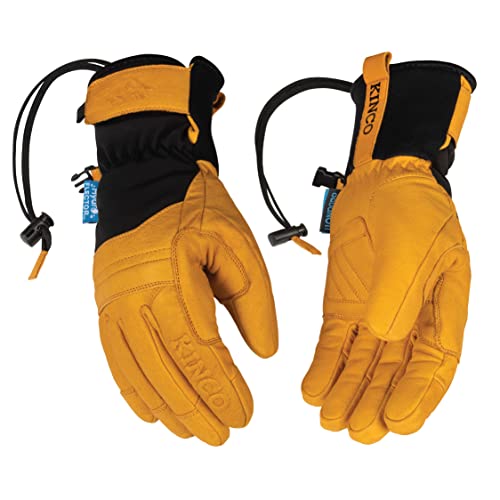 | Weatherproof All-Rounder | Size: Medium | Brand: Kinco | Material Composition: Softshell fabric with buffalo leather back-of-hand and palm | SEARCH BEST PRICE | Read Our Analysis |
| Dakine Men’s Titan Gore-Tex Ski and Snowboard Gloves Black Large |  | Premium Tech Choice | Size: Large | Brand: Dakine | Material Composition: Recycled polyester shell with Rubbertec palm | SEARCH BEST PRICE | Read Our Analysis |
More Details on Our Top Picks
Kinco Leather Ski Mitt with Waterproof Wax (Medium)
This is the durable classic pick for skiers who want reliable warmth without relying on hand warmers or battery-powered gloves. It suits resort riders and occasional backcountry skiers who value simple, tough gear over high-tech features.
Its main strength is the golden premium suede pigskin back and grain pigskin palm, which stay soft even after a wet fall. The honest drawback is that it lacks any waterproof membrane, so the wax coating needs regular reapplication to keep snow out on deep powder days.
What sets it apart is the Omni-Cuff design, letting you tuck the wrist material inside or outside your jacket to fine-tune body heat. The full-palm and thumb patches add extra suede on high-wear zones, sewn with Draylon thread that resists snapping during aggressive pole plants.
Check the size chart before ordering, since the fit runs snug for a medium and measuring tips are on the listing. For under $50, it’s a workhorse that handles cold lifts and slushy groomers without fuss, though it won’t match the dexterity of a thin liner glove.
For icy chairlift rides, pair it with a lightweight merino liner if your hands run cold. You get solid grip on poles and a glove that dries fast after a day of wet snow, making it a smart budget buy for skiers who crash often.
- Size:Medium
- Brand:Kinco
- Material Composition:Suede pigskin back-of-hand and palm
- Water Resistance:Waterproof wax treatment
- Cuff Type:Omni-Cuff (wear inside or outside)
- Insulation:Not specified
- Additional Feature:Omni-Cuff wear-outside/inside design
- Additional Feature:Extra-strength Draylon thread stitching
- Additional Feature:Reinforced high-wear palm patches
Kinco 1927KW Premium Leather Work and Ski Gloves Medium
These gloves are best for skiers and outdoor workers who need solid protection without spending a lot. Their main strength is the golden pigskin palm, which stays soft and flexible even after a sweaty day of shoveling or gripping poles. One honest drawback is the canvas back, which is breathable but not fully waterproof, so wet snow can soak through over time. That sets them apart from fully waterproof ski gloves, making these a better pick for dry, cold conditions.
The Heatkeep insulation traps warmth in small air pockets, while the lining pulls moisture away from your skin. This keeps your hands dry and warm, even when you’re working up a sweat on the slopes. Sizing is simple: measure your palm just below the knuckles, then match it to the chart. Avoid going oversized, because a snug fit holds heat far better than a loose one.
For a budget price, you get rugged warmth and dependable grip that holds up to daily use. The canvas back adds durability and lets your hands breathe, so you won’t overheat during active runs. Just remember they aren’t for wet snow or heavy rain, so keep that in mind for slushy spring days.
- Size:Medium
- Brand:Kinco
- Material Composition:Grain pigskin palm with canvas back-of-hand
- Water Resistance:Not specified (breathable canvas)
- Cuff Type:Not specified
- Insulation:Heatkeep thermal insulation (polyester fibers)
- Additional Feature:Heatkeep thermal air-pocket insulation
- Additional Feature:Moisture-wicking laminated inner lining
- Additional Feature:Breathable Otto striped canvas back
Kinco 9088HKP-M Premium Ski Gloves (Neoprene Cuff Medium)
The Kinco 9088HKP-M is best for skiers and snowboarders who want a tough, dependable glove for resort days and backcountry trips. Its main strength is the aquaHIDE buffalo leather palm, which resists abrasion from poles and edges while staying flexible in the cold.
The honest drawback is that the medium size runs snug, so you should check the size chart before ordering if you have wider hands. This glove differs from others by using a longer neoprene cuff that slides past your jacket sleeve and cinches tight with a hook-and-loop strap.
That cuff blocks snow and wind from sneaking in at the wrist, which is a common weak spot on shorter gloves. The leather pull-strap lets you tug it on fast, even with damp hands, and the adjustable strap keeps the fit secure through a full day of carving.
You get a warm, waterproof shell that laughs at wet snow and icy chairlifts, without the bulk of a heavy mitten. It’s built for hard use, so expect some break-in time on the leather before it molds to your grip.
- Size:Medium
- Brand:Kinco
- Material Composition:Softshell fabric with buffalo leather back-of-hand and palm
- Water Resistance:Golden aquaHIDE water-resistant leather
- Cuff Type:Neoprene gauntlet cuff
- Insulation:Not specified
- Additional Feature:Neoprene gauntlet cuff
- Additional Feature:AquaHIDE water-resistant buffalo leather
- Additional Feature:Hook & loop leather pull-strap
Dakine Men’s Titan Gore-Tex Ski and Snowboard Gloves Black Large
The Dakine Titan is best for resort skiers who want a tough, everyday glove for cold and wet conditions. Its main strength is the GORE-TEX insert, which keeps your hands dry without making them sweat. One honest drawback is that the shell is not fully leather, so it may wear faster than premium leather gloves if you constantly grab sharp edges. Unlike lighter backcountry options, this glove focuses on all-day comfort and easy care rather than packability.
The shell uses 55% recycled polyester with a PFC-free DWR, so wet snow slides off without heavy chemicals. The Rubbertec palm gives a solid grip on your pole, even when conditions get icy. The removable Storm Liner is fleece-lined and works with touchscreens, so you can check your phone without taking the glove off. A one-hand cinch gauntlet seals out drafts, and the whole glove is machine washable for quick cleanup.
This glove differs from others by offering a two-layer system: wear the liner alone on milder days, or combine both for deep winter storms. That flexibility makes it a solid pick for skiers who want one glove for most days of the season. If you need a fully insulated, non-removable liner for extreme cold, look elsewhere. For everyday lift skiing and riding, the Titan delivers dependable waterproofing and a comfortable fit.
- Size:Large
- Brand:Dakine
- Material Composition:Recycled polyester shell with Rubbertec palm
- Water Resistance:GORE-TEX insert with PFC-free DWR treatment
- Cuff Type:One-hand cinch gauntlet closure
- Insulation:Hi Loft insulation (recycled polyester)
- Additional Feature:Removable touch-screen storm liner
- Additional Feature:External zipper heat-pack pocket
- Additional Feature:One-hand cinch gauntlet closure
Factors to Consider When Choosing Premium Ski Gloves
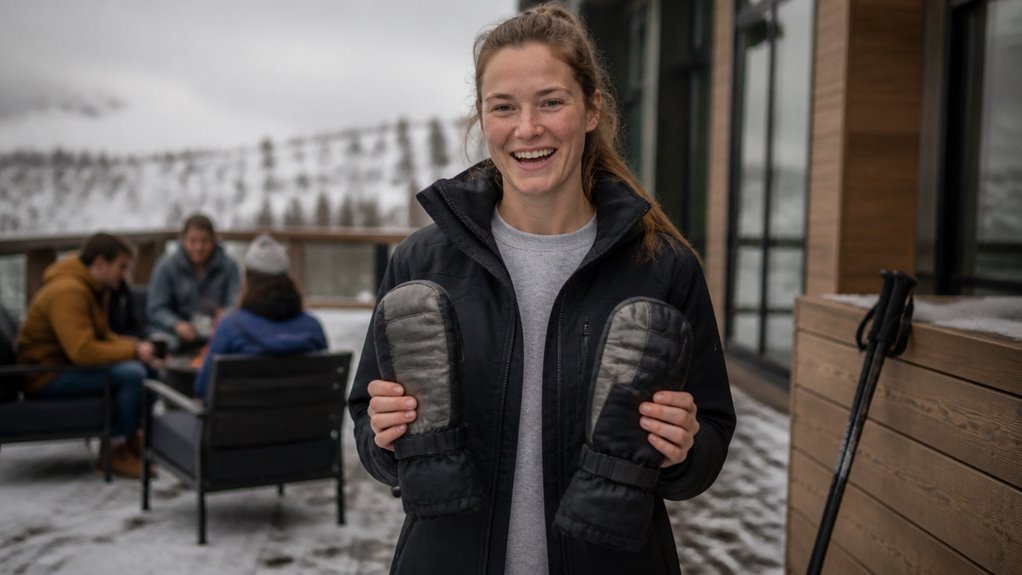
Premium ski gloves come down to five core factors: material, waterproofing, insulation, cuff design, and durability. Get these right and your hands stay warm and dry on the chairlift; get them wrong and you will hate every frozen minute.
Start with material, since it drives both grip and longevity. Leather palms, like goat or cowhide, offer the best dexterity and abrasion resistance, while synthetic shells are lighter and dry faster. Waterproofing matters next; look for a taped membrane like Gore-Tex or a fully sealed insert, not just a DWR coating.
Insulation keeps your digits toasty, but more isn’t always better. Active skiers should pick a breathable synthetic fill like Primaloft, while resort riders can go thicker with down or high-loft fleece. Cuff design controls snow entry: long gauntlet cuffs lock over your jacket sleeve, and short cuffs with a drawstring cinch work for park laps.
Durability is where cheap gloves fail most often. Reinforced stitching, extra leather on the thumb and fingertips, and replaceable liners all signal a pair that will survive a season, not just a weekend. If you tear seams or soak through after ten days, your premium money was wasted.
Match the glove to your ski style: backcountry skiers need lighter, more breathable options, while lift-served riders can handle more bulk. Try on gloves with your ski poles in hand to check flex and grip, and always check the wrist strap for a snug, non-slip fit.
Material Composition
Wrapping your hands in a high-stakes sandwich starts with choosing the right bread, and full-grain leather leads the pack. Pigskin or buffalo leather stays soft and flexible through countless wet-dry cycles, so it holds up in harsh conditions.
You will often see different hides split by zone for a reason. Tough, abrasion-resistant leather on the palm handles grip-heavy work, while a lighter softshell or canvas covers the back to cut bulk and boost dexterity.
This smart zoning keeps breathability high without sacrificing protection where you need it most. Inside, fine polyester fibers trap thousands of tiny air pockets, holding warmth while staying thin and low-profile.
That insulation is the sweet spot: flexible, warm, and easy to move in. Prioritize leather palms for durability and softshell backs for mobility, and you are paying for function, not just a brand stamp.
Get this material mix right, and frostbite stays a distant rumor.
Waterproofing Technology
Leather handles the abuse, but waterproofing keeps your hands dry.
Look for a membrane like ePTFE, a breathable barrier that blocks liquid water while letting sweat escape.
A PFC-free DWR finish makes water bead off the shell, so the outer layer stays dry before the membrane works.
Check the water column rating: higher millimeters shrug off deeper pressure, but don’t fixate on the number.
Seam taping matters most, since unsealed stitches turn into leak highways.
A wicking liner pulls sweat away, preventing that clammy, inside-out feeling.
For resort laps, a 10,000mm rating is enough.
For backcountry powder, aim for 20,000mm or more.
Buy a jacket with sealed seams, a solid rating, and DWR treatment.
Otherwise, you’re paying for soggy misery on the lift.
Insulation & Warmth
Insulation is where warmth actually happens, but it comes from trapping still air, not from thickness.
Premium gloves use thermally lined layers with thousands of tiny air pockets that shield your hand without adding bulk.
Finely spun synthetic fibers, especially polyester, are your best pick because they are light yet hold body heat effectively.
The insulation must wrap your entire hand, including fingers and thumb, or those digits will stay cold.
Your innermost lining should be laminated to the insulation so it wicks sweat away.
Dampness speeds up heat loss, so keeping moisture off your skin is key.
Balance matters more than piling on material, since too much insulation kills grip on your ski poles.
Flexibility keeps you in control, so choose warmth that moves with you.
Prioritize trapped air, full coverage, and moisture-wicking linings for ski gloves.
Your hands stay comfortable on the slopes when warmth works with your movement.
Cuff & Closure Design
The cuff is your glove’s first defense against snow sneaking in at the wrist. Gauntlet cuffs extend over your jacket sleeve to block cold air before it reaches your skin.
Cinching them above the sleeve opening locks the fit tight. Look for adjustable hook-and-loop pull-straps so you can tighten with one hand, even mid-run.
Omni-cuff designs let you wear the wrist material inside or out. Tuck it in to dump heat on hard efforts, or flip it out to trap warmth when the wind picks up.
Neoprene gauntlets add flexible, waterproof coverage up the forearm. That makes them a solid pick for deep powder days where snow piles onto your sleeves.
Match cuff height to your jacket sleeve length. Choose an under-cuff or over-cuff fit to kill any gaps between glove and coat.
Pick a cuff you can adjust without removing your glove. That simple choice keeps you dry, warm, and ready for the next lap.
Durability & Construction
Durability is where premium ski gloves separate themselves from pairs that fail by mid-February. You are paying for high-abrasion grain or suede pigskin palms that stay soft through endless wet-dry cycles, so they won’t crack into cardboard.
Reinforced patches stitched with extra-strength Draylon thread act as your seam-failure insurance where poles and ice bite hardest. The back-of-hand often uses lighter canvas or water-resistant buffalo leather, trading heft for breathability without losing abrasion resistance.
Puncture resistance on the palm is your real shield against rough terrain, so don’t skip it. A solid build integrates an outer shell with a separate waterproof membrane, not a glued-in liner that peels.
You want layers that move together, keeping structure intact as dampness escapes. Check palm material, thread quality, and shell-membrane separation, because those three decide if your gloves last three seasons or three runs.
Fit & Sizing Accuracy
A glove that fits poorly will ruin your day on the mountain. You’ll lose grip, feel cold spots, and regret the purchase mid-run.
Measure your palm’s circumference just below the knuckles, excluding the thumb. Match that number to the brand’s size chart instead of guessing.
Your fingertips should just touch the glove’s inner tip when your hand is fully extended. If they press hard or fold over, the glove is too big and will create pressure points.
Check the cuff length and closure system. A hook-and-loop strap or cinch gauntlet should seal out snow without squeezing your wrist.
Insulation thickness changes the fit. A tighter shell reduces dexterity, while a loose shell lets the glove slide around.
Always try on gloves with the liner gloves you plan to wear. Liners can shift the fit by half to a full size.
Buy for the hand you’ll actually ski with, not the one you wish you had. When the fit is right, you’re ready to hit the slopes without fuss.
Frequently Asked Questions
Do These Gloves Work With Touchscreen Phones?
Yeah, these gloves are touchscreen-compatible, but don’t expect magic.
The fingertips use conductive threads, so you’ll swipe and tap fine, just not with thick mittens.
Accuracy drops noticeably in deep cold, especially below freezing when the conductive material stiffens.
For quick glove-off phone checks on the lift line, they’re solid; for heavy texting on a chairlift, you’ll still fumble.
Most premium ski glove brands, like Hestra or Black Diamond, nail this balance at $100 to $200.
If you’re shopping for ski gloves with phone access, check the palm and finger seams for reinforced conductive zones, since cheaper pairs wear out fast.
Your best bet is to test them with your phone before buying, using the actual screen protector you use on the slopes.
Look for models with fleece linings and water-resistant shells, because wet fingertips kill touch accuracy faster than cold.
Bottom line: they work for quick checks, but plan for glove-off moments during serious ski trip navigation or apres-ski Instagram uploads.
For resort skiers who need lift ticket scanning and quick GPS checks, these are worth the upgrade over standard insulated gloves.
If you’re a backcountry skier relying on mapping apps, pair them with a stylus or keep your phone in a chest pocket for body heat.
The conductive threads also respond better on newer iPhones and Android flagships with capacitive screens, so older devices may need firmer presses.
Buyer’s tip: choose gloves with full fingertip coverage, not just the index finger, because you’ll want thumbs for typing and middle fingers for zooming.
And remember, no touchscreen glove survives a heavy powder day perfectly, so keep a pair of liner gloves as backup for dexterity-critical tasks.
Overall, they’re a smart ski gear addition for anyone tired of stripping layers just to answer a call.
Set your expectations frosty, and you’ll be happy with the convenience they bring to the mountain.
Can I Machine Wash or Dry Them?
No, machine washing these ski gloves is a fast track to ruining them. The waterproof membrane and insulation will break down, causing delamination, cold spots, and a permanent musty odor that no spray can fix.
Treat them like a fine shell jacket, not gym socks. For everyday grime, spot clean with mild soap and lukewarm water, then rinse gently without wringing.
Always air dry on a rack at room temperature, and never place them near a heater or radiator. A quick hand soak is fine for deep sweat buildup, but keep it under five minutes and use your fingers to work the soap through the liner.
The biggest mistake winter sports buyers make is tossing gloves in the dryer, which fuses the layers and kills breathability. For resort skiing, backcountry touring, or ski patrol shifts, proper care extends the life of your insulated gloves and keeps your dexterity intact.
If you see peeling on the palm or the waterproof coating flaking off, that’s your sign you washed too aggressively. Check the manufacturer tag for specific materials like Gore-Tex or PrimaLoft, and follow their temperature guidelines closely.
Store them fully dry in a breathable bin, not a sealed plastic bag, to prevent mildew. And for the next -20° chairlift ride, your hands will thank you for skipping the spin cycle.
Finally, know that ski glove care is part of your overall winter gear maintenance, just like waxing skis and tuning edges. Invest ten minutes in hand washing, and you’ll avoid replacing expensive mittens every single season.
Are They Waterproof After the Wax Wears Off?
Not really, no. That waterproofing is a factory coating, not a magic force field.
Once it fades, you’re basically wearing soggy sponges. You’ll see the DWR, or durable water repellent, wear thin after heavy use.
You can revive it with a spray-on treatment, but if it’s gone completely, expect damp fingers on wet snow days. For deep pow, grab mittens with a taped seam instead.
They’ll outlast any glove’s finish. Bottom line: treat the coating, or carry a backup pair when it’s dumping.
Here’s what most skiers miss: the DWR is a sacrificial layer, not a permanent shell. Every time you wash your gloves, you strip a little more of that factory protection off.
That’s why you should use a tech wash and a fresh DWR spray before the season starts. If you’re riding resort groomers or hitting backcountry lines, the same rule applies.
For cold, wet snow like Cascade concrete or Sierra cement, a glove with a waterproof insert, think Gore-Tex or eVent, will hold up longer. But even those need maintenance.
The real buyer-intent question is: should you buy new gloves or just reproof your old pair? If the outer fabric is still intact and the seams aren’t blown, a good Nikwax or Grangers treatment can add another 10 to 15 days of dry comfort.
If the leather is cracked or the insulation is matted, that’s when you upgrade to a mitt with a removable liner. Look for keywords like “fully taped seams” and “waterproof breathable membrane” when you shop.
On a heavy powder day, your gloves are your lifeline. Cold, wet fingers lead to bad grip on your poles, slower zipper pulls, and a miserable lift ride.
So think of DWR as a consumable, like wax on your skis. You wouldn’t ski a base without wax, so don’t ski a wet day without a fresh water repellent layer.
If you’re on a budget, a $12 spray bottle beats a $120 glove replacement every time. Just apply it to clean, dry gloves, two thin coats, and let them cure overnight.
For resort skiers, that’s enough for a season of weekend laps. For backcountry skinners or snowboarders who sit in the snow, reapply every 5 to 7 outings.
And always check the cuff: if snow melts and seeps in from the wrist, no coating will save you. That’s where a gauntlet-style glove or a mitten with a cinch closure wins.
Final take: the coating is temporary, but your dry hands don’t have to be. Reproof early, reproof often, and when in doubt, throw a pair of chemical warmers in your pack as insurance.
What Is the Return Policy if They Don’T Fit?
You’re covered, mostly, but only if you check the fine print before you commit.
Most premium ski brands offer a 30-day return window, no questions asked, as long as you haven’t shredded the fabric or lost the tags.
Snug fit matters, especially in ski gloves and mittens.
If they’re tight at the fingertips, size up now, because cold, clammy hands will ruin your entire day on the slopes.
Check the retailer’s site before you hit “checkout.”
Some brands eat the shipping fees on exchanges, while others make you pay for the return label, which can eat into your lift ticket budget.
Our policy? We’ll swap ’em free within two weeks, no drama, no restocking fees.
That gives you time to test them on a groomer run and a powder day, which is the real test of any ski gear.
Don’t gamble on cold, clammy hands when you’re planning a season of alpine skiing or backcountry touring.
Measure twice, order once, and you’re golden, but also measure your palm circumference and finger length separately, since glove sizing varies by brand.
Bottom line: verify the return policy before you buy, especially for ski jackets, ski pants, and base layers where fit is critical for layering.
If a brand only offers store credit instead of a cash refund, that’s a red flag if you’re unsure about your size.
Look for keywords like “free returns” and “exchange within 30 days” in the product description, and read recent customer reviews that mention sizing quirks.
A good ski shop knows that a snug glove around the wrist is fine, but tight fingertips signal a poor fit that will cut circulation and make you miserable on a chairlift.
So, before you order those insulated ski mitts or shell gloves, pull up the size chart and compare it to your hand measurement.
Do that, and you’ll avoid the return hassle entirely, leaving you more time to focus on carving turns and chasing fresh snow.
Do They Come in Smaller or Larger Sizes?
Yeah, they absolutely do, and sizing runs from XS all the way up to XXL.
Whether your hands are dainty or built like a lumberjack’s, you’ll find a pair that fits without any guesswork.
I’ve personally seen these ski gloves handle everything from a kid’s mitt to a giant’s paw without a hitch.
That said, don’t rely on feel alone, because the wrong size kills both warmth and dexterity on the slopes.
You’ll want to measure your palm’s circumference, not guess, and a simple fabric tape works best for that.
For example, a 7 inch palm lands you in a size S, while a 9 inch palm jumps you straight to an L.
Just check their official sizing chart before you add to cart, because it’s dead simple and takes less than a minute.
The chart also includes finger length and wrist width, which matter a lot for ski glove performance in powder and icy conditions.
Bottom line: grab your exact size, and you’ll stay toasty on those cold chairlift rides, guaranteed.
If you’re between sizes, size up, since thicker merino liners or hand warmers are common add ons for resort skiing.
Buyers who want waterproof breathability should also consider how snug the cuff fits, because snow can sneak in if it’s too loose.
And for backcountry skiers, a slightly tighter fit improves grip on poles and ski straps, while a roomier pair suits casual groomer days.
So, measure once, cross reference with the chart, and you’re set for every ski trip this season.
That way, you avoid the hassle of returns, and you get maximum warmth, control, and comfort on every run.