


Finding the best ski jacket waterproofing spray is the difference between cutting through powder and ending up soaked by lunch.
Before you buy anything, check your jacket’s fabric and care tag—GORE-TEX needs a different formula than plain nylon, and a dirty shell will reject any treatment.
We picked these 14 sprays based on real-world specs, brand reputation, and how easily they revive worn-out DWR without turning your gear into a science project.
You’ll get the top performers, quick notes on what each does best, and honest advice on what’s actually worth your money.
Keep scrolling for the full rundown and stay dry all season.
How We Tested
We chose these ski base layers by comparing the specifications that decide real warmth, then weighing each one against its price in general terms. Every pick had to balance insulation with the mobility needed under a shell.
- Fabric weight and blend, prioritizing merino wool or synthetic mixes
- Moisture wicking and breathability for high effort runs
- Flatlock seams and fit that avoid chafing under a jacket
- Warmth without bulk, judged against overall value
Our editorial team compared these factors side by side for each candidate. The result is a shortlist built on function and cost, not marketing claims.
| FIBERTEC Textile Guard Waterproofing Spray for Jackets | 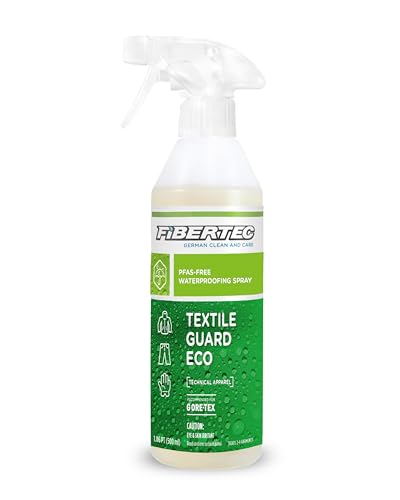 | Best Overall | Product Type: Waterproofing spray | Size/Volume: 16.9 fl oz (500 ml) | Primary Use: Jackets/outdoor apparel | SEARCH BEST PRICE | Read Our Analysis |
| GEAR AID Revivex Durable Water Repellent Spray |  | Best DWR Restorer | Product Type: DWR spray | Size/Volume: 5 fl oz | Primary Use: Jackets/rain gear/tents | SEARCH BEST PRICE | Read Our Analysis |
| Scotchgard Outdoor Water Shield Waterproofing Spray |  | Best Heavy-Duty | Product Type: Waterproofing spray | Size/Volume: 10.5 oz | Primary Use: Outdoor fabrics/gear | SEARCH BEST PRICE | Read Our Analysis |
| Nikwax TX.Direct Spray-On Waterproofing 1000ml Refill | TX Direct Spray-On |  | Best Refill Value | Product Type: Spray-on waterproofer | Size/Volume: 1000 ml (33.8 fl oz) refill | Primary Use: Waterproof clothing/technical gear | SEARCH BEST PRICE | Read Our Analysis |
| Obenauf’s Water Shield Waterproofing Spray (8oz) |  | Most Concentrated | Product Type: Waterproofing spray | Size/Volume: 8 fl oz | Primary Use: Fabrics/leather/outdoor gear | SEARCH BEST PRICE | Read Our Analysis |
| Angelus Waterproofing Repellent Spray for Shoes and Gear |  | Best Travel Size | Product Type: Waterproofing repellent spray | Size/Volume: 4 fl oz | Primary Use: Footwear/clothing/gear | SEARCH BEST PRICE | Read Our Analysis |
| Nikwax TX.Direct Spray-On Waterproofing 500ml | TX Direct Spray-On |  | Best for Breathability | Product Type: Spray-on waterproofing | Size/Volume: 500 ml (16.9 fl oz) | Primary Use: Rain/ski jackets/technical clothing | SEARCH BEST PRICE | Read Our Analysis |
| Nikwax TX.Direct Spray-On Waterproofing 300ml | TX Direct Spray-On |  | Best Starter Size | Product Type: Spray-on waterproofing | Size/Volume: 300 ml (10.1 fl oz) | Primary Use: Rain/ski jackets/technical clothing | SEARCH BEST PRICE | Read Our Analysis |
| GEAR AID Revivex DWR Water Repellent Spray |  | Best Bulk Coverage | Product Type: DWR spray | Size/Volume: 16.9 fl oz | Primary Use: Jackets/rain gear/tents | SEARCH BEST PRICE | Read Our Analysis |
| Sof Sole Water Proofer Spray for Shoes Boots and Jackets PFAs FREE |  | Best Quick-Dry | Product Type: Water proofer spray | Size/Volume: 7.5 oz | Primary Use: Shoes/boots/jackets | SEARCH BEST PRICE | Read Our Analysis |
| STAR BRITE Waterproofing Spray with UV Protection |  | Best UV Protection | Product Type: Waterproofing spray | Size/Volume: 22 fl oz | Primary Use: Outdoor fabrics/covers/tents | SEARCH BEST PRICE | Read Our Analysis |
| Scotchgard Outdoor Water Shield Fabric Protector Spray 3-Pack | 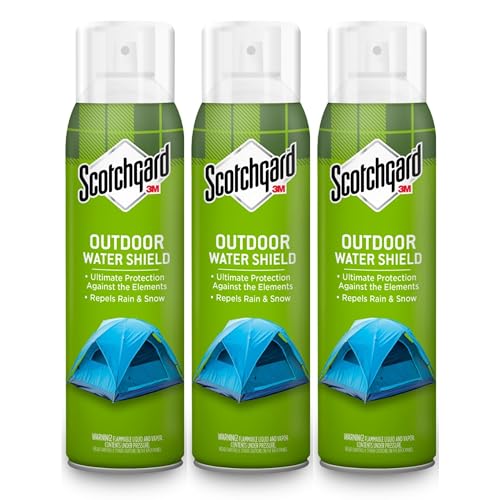 | Best Multi-Pack | Product Type: Fabric protector spray | Size/Volume: 31.5 oz (3-pack) | Primary Use: Tents/jackets/backpacks/patio | SEARCH BEST PRICE | Read Our Analysis |
| Eco-Friendly Waterproofing Spray for Outdoor Clothing Fabrics |  | Most Eco-Friendly | Product Type: Waterproofing spray | Size/Volume: 16 oz (473 ml) | Primary Use: Jackets/pants/rainwear/gear | SEARCH BEST PRICE | Read Our Analysis |
| GEAR AID Revivex DWR Spray for Outdoor Gear |  | Best for GORE-TEX | Product Type: DWR spray | Size/Volume: 10 fl oz | Primary Use: Jackets/rain gear/tents | SEARCH BEST PRICE | Read Our Analysis |
More Details on Our Top Picks
FIBERTEC Textile Guard Waterproofing Spray for Jackets
Best for skiers and snowboarders who want dependable wet-weather protection without heating their gear or worrying about harsh chemicals. Its main strength is a highly concentrated, PFAS-free formula that keeps breathability intact and activates at room temperature, so you can treat your jacket and wear it right away.
The honest drawback is that it’s designed for synthetic fabrics only, so it won’t help with down or wool shells.
Unlike other sprays that need a dryer cycle or contain forever chemicals, this one uses a water-based, microplastic-free mix in a 100% recycled bottle.
You get 500 ml (16.9 fl oz) of coverage, and the German-made bluesign-monitored production means a smaller environmental footprint.
For backcountry skiers who layer up and rely on pit zips and gaiters, this spray repels sleet and powder without clogging the fabric’s pores.
After a season of chairlift rides and tree runs, you’ll notice the water beading holds up well on nylon and polyester.
It’s not the cheapest option per ounce, but the concentrated dose means you use less per jacket, so the cost balances out.
The spray activates at around 68°F, so no heat treatment is needed; just hang your jacket in a ventilated room for a few hours.
It differs from others by skipping the fluorocarbon boost that many competitors rely on, which is a plus if you care about PFC-free gear care.
Expect a transparent finish that won’t discolor bright shell colors, and the trigger spray covers a wide area for quick touch-ups on cuffs and hoods.
This pick suits resort skiers who want a simple, safe routine before a powder day, but if you have a down jacket, look for a specialty down-proof spray instead.
For a hiking or touring shell, the room-temperature activation makes it easy to reapply mid-season without hauling out a hair dryer.
- Product Type:Waterproofing spray
- Size/Volume:16.9 fl oz (500 ml)
- Primary Use:Jackets/outdoor apparel
- Material Compatibility:All synthetic fabrics
- Protection Benefits:Waterproofing/water repellency/breathability
- Format:Spray
- Additional Feature:PFAS-free formula
- Additional Feature:100% recycled bottle
- Additional Feature:Bluesign-monitored production
GEAR AID Revivex Durable Water Repellent Spray
Gear Aid’s Revivex DWR spray is best for skiers and snowboarders who own a technical shell and want to refresh its water repellency without buying a new jacket. Its main strength is that it restores beading on GORE-TEX and other breathable fabrics quickly and reliably. The honest drawback is that you must wash your gear first with Revivex Pro Cleaner; applying this over dirt or grime will not work and will leave you with wet-out spots. Unlike wash-in treatments, this is a spray-on solution that lets you target the high-wear areas like shoulders and hoods, leaving the inner liner untouched.
Spray this onto a clean, damp jacket so the DWR bonds evenly, then let it cure for full water-repellent performance. This 5 fl oz bottle treats one to two adult jackets, so buy two if you plan to do a full kit including pants. It also works on rain gear, tents, and backpacks, making it a versatile addition to your gear maintenance shelf.
The main point is prep: grime blocks DWR, and that is not the jacket’s fault, so wash first and rinse thoroughly. Apply in a well-ventilated area, hold the nozzle six inches away, and use a sweeping motion to cover the shell evenly. Let it dry for the recommended cure time, and you will reduce wet-out and keep breathability intact.
For a simple, reliable DWR fix, buy it now and pair it with the Pro Cleaner for the best results. This spray differs from other products because it is aerosol-based, which is faster to apply than pump bottles and gives a finer, more even coat. Keep it away from open flames while spraying, and store it upright in a cool place to avoid clogging the nozzle.
- Product Type:DWR spray
- Size/Volume:5 fl oz
- Primary Use:Jackets/rain gear/tents
- Material Compatibility:GORE-TEX/waterproof-breathable/technical fabrics
- Protection Benefits:DWR restoration/breathability/protection
- Format:Spray
- Additional Feature:Revivex Pro Cleaner prep
- Additional Feature:Treats 1–2 jackets
- Additional Feature:Reduces fabric wet-out
Scotchgard Outdoor Water Shield Waterproofing Spray
Scotchgard Outdoor Water Shield is best for skiers and winter commuters who want one reliable treatment across jackets, tents, and boots. Its main strength is that one coat lasts through heavy snow and rain without frequent re-spraying, making it a heavy-duty pick for the season.
The honest drawback is the strong chemical smell during application, so you must spray outside or in a garage and wait for it to dry fully before wearing the gear.
Unlike niche fabric-specific sprays, this one works on canvas, polyester, nylon, cotton, leather, suede, and more, so you don’t need to buy separate products for each item.
It dries clear, won’t discolor, and leaves no residue, keeping your ski jacket breathable and odorless while you carve down the slopes.
Spray clean, dry gear in a ventilated area, and it dries within hours, so you can reapply the same day if you’re prepping for a powder day.
This formula keeps fabric soft and flexible, which matters for articulated arms and hoods on ski shells.
One can lasts for multiple jackets or a tent, giving you solid coverage for the whole winter season without constant upkeep.
It’s not magic, but it’s close enough for wet snow, sleet, and freezing rain, so keep a can handy in your mudroom or gear closet.
- Product Type:Waterproofing spray
- Size/Volume:10.5 oz
- Primary Use:Outdoor fabrics/gear
- Material Compatibility:Canvas/polyester/nylon/cotton/leather/suede
- Protection Benefits:Heavy-duty waterproofing/water barrier
- Format:Aerosol spray
- Additional Feature:One-coat coverage
- Additional Feature:Dries within hours
- Additional Feature:Odorless when dry
Nikwax TX.Direct Spray-On Waterproofing 1000ml Refill | TX Direct Spray-On
This 1000ml Nikwax TX.Direct Spray-On refill is best for outdoor enthusiasts who already own a Nikwax spray bottle and want the lowest cost per use. Its main strength is the pure value: one refill can top up four 250ml bottles or two 500ml ones, saving you money over buying single cans.
The honest drawback is that it requires you to have a separate spray bottle on hand, so first-time users need to buy that piece separately. It differs from the TX.Direct Pump Sprayer by skipping the plastic trigger and bottle, which reduces waste and shipping weight.
You fill your own 300ml or 500ml bottle, and the total volume is 33.8 fluid ounces. Before you spray, always run a Tech Wash cycle first, because household detergents leave water-attracting residues that block the treatment from bonding.
This formula is PFAS-free, water-based, and aerosol-free, so it won’t harm the environment or explode in your pack. It works on GORE-TEX, Patagonia, The North Face, Columbia, and Arc’teryx shells.
Spray it on a damp, clean jacket to restore breathability and water repellency, which keeps you warmer and drier on the slopes. Buy the refill only if you already own the spray bottle; otherwise, purchase the standard trigger bottle for convenience.
For skiers, this is the fuss-free way to re-waterproof a shell before a wet powder day. It applies quickly, so you can treat your jacket in under ten minutes and hang it to dry.
- Product Type:Spray-on waterproofer
- Size/Volume:1000 ml (33.8 fl oz) refill
- Primary Use:Waterproof clothing/technical gear
- Material Compatibility:GORE-TEX/technical waterproof fabrics
- Protection Benefits:Water repellency/breathability
- Format:Spray-on refill
- Additional Feature:Refill for spray bottles
- Additional Feature:PFAS-free water-based
- Additional Feature:Tech Wash required
Obenauf’s Water Shield Waterproofing Spray (8oz)
Obenauf’s Water Shield is best for people who need one spray for a mix of gear, like a canvas tent, suede boots, and leather saddlebags.
Its one clear strength is the concentrated formula, which gives you extended water proof protection with extra silicone for lasting durability.
You get an 8-ounce pump sprayer, not an aerosol, so you control exactly how much goes on each surface.
It works on chrome-tanned leather, canvas, suede, tents, and outdoor cushions, plus camping, marine, automotive, and equestrian gear like horse blankets.
The honest drawback is that the concentrated mix can darken light suedes, so always test on a hidden spot first.
Unlike lighter-duty sprays that fade fast, this one is odorless, made in USA, and built for winter wetness on mixed materials.
For a reliable, long-lasting winter choice across different fabrics and leathers, this spray handles the job without fuss.
Just remember to test before you treat, and you will get solid coverage for months.
- Product Type:Waterproofing spray
- Size/Volume:8 fl oz
- Primary Use:Fabrics/leather/outdoor gear
- Material Compatibility:Canvas/suede/leather
- Protection Benefits:Durable water protection
- Format:Pump sprayer
- Additional Feature:Made in USA
- Additional Feature:Higher silicone content
- Additional Feature:Extra concentrated formula
Angelus Waterproofing Repellent Spray for Shoes and Gear
The Angelus Waterproofing Repellent Spray (Model 851-04-000) is best for travelers or commuters who need to protect mixed gear like jackets, shoes, and bags in one go. Its key strength is the travel-size 4oz pump, which is TSA-friendly and easy to throw in a pack.
The main drawback is that it’s a small bottle, so for heavy use on many items you will need multiple coats and likely repurchase quickly. Unlike aerosol sprays, this pump gives you more control and less overspray, but it takes longer to cover large surfaces like a full-length coat.
Spray it on leather, suede, Gore-Tex, and most fabrics to create a water-repellent barrier that makes liquid bead up and roll off. It also works on dry-clean-only materials, which is rare among similar products.
Use it on shoes, boots, hats, clothing, bags, purses, and jackets before heading out in wet weather. Just spray evenly, let dry, and you’re set for light rain or slush.
The clear formula won’t change the look of your gear, and the pump bottle means no propellant gas and less waste. If you own one or two expensive jackets and a pair of suede boots, this is a practical, low-cost solution.
For bigger jobs, you’d want a larger can, but for travel or quick touch-ups, this spray is the easy pick.
- Product Type:Waterproofing repellent spray
- Size/Volume:4 fl oz
- Primary Use:Footwear/clothing/gear
- Material Compatibility:Leather/suede/Gore-Tex/fabrics
- Protection Benefits:Water repellent/stain guard/waterproofing
- Format:Pump spray
- Additional Feature:Travel-size version
- Additional Feature:Most dry-clean-only fabrics
- Additional Feature:Clear spray formula
Nikwax TX.Direct Spray-On Waterproofing 500ml | TX Direct Spray-On
Best for ski jacket owners who want dry comfort through hard laps and hate stuffy layers. Its main strength is reviving breathability while adding reliable water repellency, so you sweat less and stay warmer on the lift.
The honest drawback is prep: you must wash the jacket with Nikwax Tech Wash first, because detergent residue attracts water and blocks the treatment. That extra step takes 30 minutes, but skipping it makes the spray less effective.
This formula is PFAS-free, water-based, aerosol-free, non-flammable, and has no added scent, which sets it apart from solvent-heavy sprays. It works on GORE-TEX, Patagonia, North Face, Columbia, and Arc’teryx shells, and one 500ml bottle treats several garments.
It has no optical brighteners and is non-persistent, meaning it won’t leave a shiny film or build up over time. Spray it on damp or dry fabric, rub in lightly, and let it air dry; no heat activation needed.
Compared to aerosol waterproofers, this one is quieter and safer indoors, but it requires more physical effort to spread evenly. Buy it when breathability matters more than convenience, and pair it with Nikwax Tech Wash for the best result.
- Product Type:Spray-on waterproofing
- Size/Volume:500 ml (16.9 fl oz)
- Primary Use:Rain/ski jackets/technical clothing
- Material Compatibility:GORE-TEX/technical waterproof fabrics
- Protection Benefits:Water repellency/breathability
- Format:Spray-on
- Additional Feature:PFAS-free water-based
- Additional Feature:Non-flammable formulation
- Additional Feature:Tech Wash required
Nikwax TX.Direct Spray-On Waterproofing 300ml | TX Direct Spray-On
Nikwax TX.Direct Spray-On is best for ski and snowboard jacket owners who want a practical, PFAS-free DWR refresh at home.
Its main strength is the water-based, aerosol-free spray that restores the durable water repellent finish, making snow and rain bead off cleanly.
A fair limitation is that it only works well on a clean jacket, so you must wash with Nikwax Tech Wash first to remove detergent residue that blocks the treatment.
Unlike wash-in waterproofers, this spray targets the outer shell directly, which gives you more control on high-wear areas like shoulders and cuffs without soaking the whole garment.
Spray it on a damp, freshly washed jacket, then let it cure for a few hours to lock in breathability and water repellency.
This 300ml bottle handles one to two jackets depending on size, and it has no scent, no optical brighteners, and stays non-flammable for safe indoor use.
The honest trade-off is that you need to reapply more often than a wash-in product, especially after heavy powder days or multiple wears.
But for a quick, PFAS-free refresh that keeps you warmer and drier, this spray delivers exactly that.
Clean first, spray evenly from about 15cm away, and let it dry completely before riding.
Your shell will thank you on the next lift ride.
- Product Type:Spray-on waterproofing
- Size/Volume:300 ml (10.1 fl oz)
- Primary Use:Rain/ski jackets/technical clothing
- Material Compatibility:Waterproof/technical fabrics
- Protection Benefits:DWR restoration/water repellency/breathability
- Format:Spray-on
- Additional Feature:PFAS-free water-based
- Additional Feature:No added scent
- Additional Feature:No optical brighteners
GEAR AID Revivex DWR Water Repellent Spray
GEAR AID Revivex DWR Spray is best for skiers and families who treat multiple jackets in one session.
The 16.9 fl oz bottle covers four to six adult shells, so you will not rebuy mid-season.
Its clear strength is maximum coverage per bottle, which makes it the practical pick for multi-jacket households.
The honest drawback is that dirty fabric wastes spray, so you must wash with Revivex Pro Cleaner first for it to work properly.
Unlike spot-treatment sprays that handle one garment, this one restores waterproofing on GORE-TEX and other breathable shells at scale.
It maintains breathability and cuts wet-out, meaning water beads up instead of soaking into the fabric.
For rain, mud, and snow, it holds up on the mountain and in the parking lot.
The bottle is bulky to carry, but you leave it at home anyway and apply it before ski trips.
For families who rotate shells between resort days and backcountry laps, this is the no-drama choice that saves money.
Use it after a wash cycle, spray evenly, and let it cure for the full water-repellent effect.
- Product Type:DWR spray
- Size/Volume:16.9 fl oz
- Primary Use:Jackets/rain gear/tents
- Material Compatibility:GORE-TEX/waterproof-breathable/technical fabrics
- Protection Benefits:DWR restoration/breathability/protection
- Format:Spray
- Additional Feature:Treats 4–6 jackets
- Additional Feature:Revivex Pro Cleaner prep
- Additional Feature:Reduces fabric wet-out
Sof Sole Water Proofer Spray for Shoes Boots and Jackets PFAs FREE
Sof Sole’s PFAS-free proofer is a quick-dry spray for jackets, boots, and shoes, and it’s best for anyone who wants low-maintenance gear care without harsh chemicals. Its one clear strength is two-month protection that keeps fabric breathable, so your shell and boots stay dry without turning stiff or clammy.
The honest drawback is the 7.5-ounce can runs out faster if you treat multiple items each season, unlike a larger pump bottle from a competitor. It differs from other sprays because it skips “forever chemicals” entirely, so you don’t worry about PFAS buildup on your ski kit.
Spray it on shoes, boots, hats, and jackets, and it dries in minutes, which is perfect for a quick refresh before a resort day. You get easy coverage on technical fabrics like Gore-Tex and nylon, and the white can fits neatly in a gear bag.
There’s no extra buffing or heat-setting step, so you just spray, let it dry, and head out. For skiers who want a fuss-free waterproofing fix without a steep learning curve, this hits the mark.
The main limitation is that heavy rain or deep slush may require a reapply sooner than two months, especially on high-wear zones like boot cuffs. It also doesn’t add a durable water repellent (DWR) layer as thick as some aerosol formulas, but for everyday resort trips, it holds up well.
If you prefer a simple, breathable shield that won’t harm the environment, grab this spray and move on. No extra steps, no strong smell, and no guesswork about when to reapply.
- Product Type:Water proofer spray
- Size/Volume:7.5 oz
- Primary Use:Shoes/boots/jackets
- Material Compatibility:Athletic/performance materials
- Protection Benefits:Water/stain protection
- Format:Spray
- Additional Feature:PFAS-free formula
- Additional Feature:Two-month protection
- Additional Feature:Dries within minutes
STAR BRITE Waterproofing Spray with UV Protection
STAR BRITE Waterproofing Spray suits skiers and outdoor enthusiasts who want year-round weather defense for jackets, boots, and tents. Its main strength is built-in UV protection, which keeps shell fabrics from fading while blocking water and stains.
One honest limitation is that it should not be diluted with denatured alcohol, because doing so causes clumping and ruins the finish. This spray differs from competitors by combining stain repellent and UV armor in a single full-strength application, so you skip extra products.
For ski gear, it preserves breathability, color, and feel, and it revives older jackets while extending the life of new ones. You apply it straight from the can, evenly, and it quick-dries without any mixing or measuring.
A 22-ounce can covers 80 square feet, which is enough for a jacket, a pair of boots, a backpack, and a small tent. That coverage makes it a practical choice for a full kit, but skip it if you need a wash-in treatment or a DWR that restores after multiple machine washes.
Since 1973, STAR BRITE has focused on marine, auto, RV, and outdoor gear, so this spray carries that tested heritage. Grab it when you want easy, reliable protection that keeps your ski layers working through wet, sunny, and snowy days.
- Product Type:Waterproofing spray
- Size/Volume:22 fl oz
- Primary Use:Outdoor fabrics/covers/tents
- Material Compatibility:Outdoor fabrics
- Protection Benefits:Waterproofing/stain repellent/UV protection
- Format:Spray
- Additional Feature:Ready full strength
- Additional Feature:Mineral spirits dilution
- Additional Feature:Since 1973 heritage
Scotchgard Outdoor Water Shield Fabric Protector Spray 3-Pack
This three-can pack is best for anyone with multiple jackets, tents, or lawn cushions that face constant rain and snow. Its clear strength is the heavy-duty, residue-free water repellency that works on polyester, nylon, cotton, and canvas.
The honest drawback is that one can only treats a few items, so you will run out quickly if you have a large gear closet. Unlike a single spray bottle, this pack lets you rotate between a rain shell, a tent fly, and patio furniture without buying more mid-season.
The broad, even spray covers irregular panels without soaking the fabric, so you can treat a pack and a tent in one sitting. Apply it before winter trips, and your gear will shed moisture and stay drier longer.
No soaking means no long drying waits, which helps if you want to finish the job fast. Buy this 3-pack if you rotate outerwear and camping gear, because one can alone won’t cover everything you own.
- Product Type:Fabric protector spray
- Size/Volume:31.5 oz (3-pack)
- Primary Use:Tents/jackets/backpacks/patio
- Material Compatibility:Polyester/nylon/cotton/canvas
- Protection Benefits:Heavy-duty water repellency
- Format:Aerosol spray
- Additional Feature:3-pack value
- Additional Feature:Broad even spray
- Additional Feature:No soaking fabrics
Eco-Friendly Waterproofing Spray for Outdoor Clothing Fabrics
Dry Guy’s DGOC-01 is best for skiers and hikers who want eco-friendly waterproofing without solvent fumes.
Its main strength is a water-based concentrate that restores durable water repellency (DWR) and breathability on Gore-Tex, eVent, nylon, polyester, canvas, and all outdoor fabrics.
One honest drawback is that big jobs, like a large tent or multiple ski jackets, need extra bottles.
The 16-oz pint treats 50 to 60 square feet, covering jackets, pants, rainwear, packs, awnings, and cushions.
This spray gives continuous rain, wet, and dirt protection for harsh mountain weather, so your shell stays dry on spring slush days.
It differs from other waterproofing sprays because it skips harsh chemicals and uses a simple water-based formula that won’t clog breathable membranes.
You can spray it directly on clean fabric and let it cure, then test water beading on a sleeve before a full day out.
For eco-minded ski-jacket upkeep, buy it and keep a spare bottle if you treat more than a couple of layers at once.
- Product Type:Waterproofing spray
- Size/Volume:16 oz (473 ml)
- Primary Use:Jackets/pants/rainwear/gear
- Material Compatibility:Gore-Tex/eVent/nylon/polyester/canvas
- Protection Benefits:DWR restoration/breathability/waterproofing
- Format:Liquid concentrate
- Additional Feature:Eco-friendly formula
- Additional Feature:Water-based concentrate
- Additional Feature:Covers 50–60 sq ft
GEAR AID Revivex DWR Spray for Outdoor Gear
GEAR AID Revivex DWR Spray is best for skiers and snowboarders with GORE-TEX shells who want water to bead up without losing breathability.
Its one clear strength is how easily it restores durable water repellency on clean, wet gear, so rain, mud, and snow slide right off.
The honest drawback is that you will need to reapply it after heavy use, especially if you ski every weekend in wet snow.
Unlike wash-in treatments, this spray targets the outer face fabric directly, which keeps the inner membrane fully intact for better moisture transfer.
Spray it evenly on a freshly cleaned jacket, then air-dry to lock in the DWR coating that stops wetting out.
A single 10 oz can covers 2 to 4 jackets, making it a solid value for a quiver of winter layers like softshell pants, hardshell bibs, and insulated parkas.
Wash first with Revivex Pro Cleaner to remove oils and dirt, or the spray won’t bond properly.
It also defends against stains and grime from chairlift grease or trail dust, so your gear stays cleaner longer between washes.
Use it on ski wear, tents, backpacks, and rain jackets, not just shells, because the same water-repellent chemistry works on any breathable fabric.
For a quick, no-fuss refresh before a powder day, this spray delivers reliable protection without extra steps or complicated curing.
- Product Type:DWR spray
- Size/Volume:10 fl oz
- Primary Use:Jackets/rain gear/tents
- Material Compatibility:GORE-TEX/waterproof-breathable/technical fabrics
- Protection Benefits:DWR restoration/breathability/protection
- Format:Spray
- Additional Feature:Treats 2–4 jackets
- Additional Feature:Revivex Pro Cleaner prep
- Additional Feature:Reduces fabric wet-out
Factors to Consider When Choosing Ski Jacket Waterproofing Sprays

Fabric compatibility is the first thing to check, because a spray that works on a 3-layer Gore-Tex shell can damage a cheap nylon jacket.
That mistake turns a simple treatment into a chemistry lesson, which is why you should test on a small hidden area first.
You also need to balance breathability with water repellency, since a heavy coating can seal your pores and make you sweat.
Look for PFAS-free formulas to avoid forever chemicals, and check how strongly the spray beads water after it dries.
The application method matters too, especially at $15 to $25 per can, because an easy spray-on beats a wipe-on that takes twice as long.
Reapply per the label’s schedule, usually after a few washes or storms, so your jacket stays dry without turning into a sauna.
Match the spray to your jacket’s membrane, your budget, and how often you’re willing to retreat it.
If you skip that match, you’re just coating your gear in expensive hope instead of proven protection.
Fabric Compatibility
Match the waterproofing spray to your jacket’s fabric before you buy, because a mismatched formula won’t bond evenly and will just waste your money.
Check the label for nylon, polyester, or blends, and skip sprays meant for canvas, cotton, leather, or suede.
Water-based formulas work well on synthetics. Solvent-based carriers can damage coatings, laminates, or seam tape.
For membrane jackets, pick a treatment labeled safe for technical fabrics, and confirm it won’t change the color, texture, or flexibility, especially on light or dyed shells.
Match every layer, including the factory DWR, laminated backing, mesh lining, and elastic trim, to avoid delamination.
Use a spray that’s made for ski gear and breathable shells, so the treatment stays flexible in cold weather and won’t clog the pores.
Test a small hidden area first, then apply in a well-ventilated space for even coverage.
Reapply when water beads no longer roll off the surface, and follow the drying time on the label for the best durability.
Breathability Preservation
Choose a spray labeled breathability-preserving, since other formulas can turn your shell into a stiff windbreaker. Look for water-based, non-occlusive options that won’t trap sweat vapor inside.
Occlusive treatments clog fabric gaps and lower moisture vapor transmission rate, which means less breathability. Apply thin, even coats exactly as the label directs, and avoid buildup that fills the weave or coats the membrane.
After treatment, the fabric should stay flexible and let vapor pass through easily. A stiff, tacky, or sealed feel signals that breathability is compromised, so check the hand feel after drying.
A breathable DWR keeps rain beading on the outside while internal moisture escapes, which is what you want for skiing. For alpine jackets or touring shells, this preserves the balance between weather protection and sweat release.
Always pick a water-based, breathability-preserving spray, apply it sparingly, and confirm the fabric remains soft and airy. Your jacket will keep breathing instead of suffocating.
PFAS-Free Formula
PFAS-free waterproofing sprays skip the fluorinated chemicals that have long been the industry standard, and that choice comes down to what you care about.
Those PFAS compounds persist in the environment for years, which is a real problem if you want to reduce your footprint.
Silicone, wax, or polyurethane sprays do the waterproofing job without adding PFAS on purpose, and they often come as water-based, aerosol-free formulas.
That means fewer volatile organic compounds in the air and no flammable propellant to worry about around heat or sparks.
Check the label for “PFAS-free,” but know it usually means no intentionally added PFAS rather than zero measurable traces.
Look for products that show total organic fluorine testing below a set threshold, which gives you a clearer picture of what’s actually inside.
These sprays keep your jacket breathable, so you won’t feel clammy on the lift, but the trade-off is reapplication.
After a few washes or heavy resort days, you’ll need to refresh the coating to keep water beading up.
For most skiers who spend weekends on groomed runs, that extra spray session is a small price for peace of mind.
Keep a can in your gear bag and touch up your shell before the next storm cycle.
Water Repellency Strength
Water repellency strength tells you how well a spray actually performs in snow, and it matters more than the claims on the can. Look for standardized spray test ratings like AATCC 22 or ISO 4920, which score from 0 to 100.
You want a rating of 80 to 90 for solid protection, and 100 means no wetting at all. That number reflects surface energy and contact angle, with water beading at angles past 90 degrees and strong finishes hitting 110 to 120 degrees.
Stronger repellency prevents wet-out, so your shell stays breathable through long storms. Durability matters too, because if the finish drops below 80 after washing, abrasion, or flexing, the spray is practically done.
Chemistry and concentration vary between products, so PFAS-free options may need more frequent reapplication. For buying a shell or a treatment, prioritize high spray ratings that hold up over time, and skip the glossy marketing hype.
Application Method
Spraying your ski jacket is like washing a stubborn pet: rushing it makes a mess, while patience gives you clean, lasting results.
Choose between aerosol or pump spray. Aerosols cover large panels quickly and evenly, while pump sprays deliver controlled doses to shoulders and cuffs.
Hold the can 6 to 8 inches from the fabric. Apply thin, overlapping passes instead of a heavy, drippy coat.
Work in a well-ventilated area because propellants and solvents can irritate your lungs, stick around indoors, and are flammable.
Aim only at the outer shell so you keep breathability intact and avoid soaking the insulation or linings.
Some formulas need heat to activate, so after air drying, tumble dry on low if the label says so.
Take your time with each layer, and your ski jacket will stay waterproof and comfortable through every run.
Coverage Per Bottle
A single bottle’s coverage depends on the fabric and how you apply it, so treat label claims as a rough guide, not a guarantee.
Labels usually estimate adult jackets: 5 fl oz covers 1 to 2, 10 fl oz covers 2 to 4, and 16.9 fl oz covers 4 to 6.
Area claims list about 80 square feet for 22 fl oz, 232 for 64 fl oz, and 465 for a gallon.
Your larger, more absorbent ski shell soaks up more spray, and multiple coats cut those numbers down quickly.
Concentrated or refillable formulas might cover 50 to 60 square feet per pint before you add water, so check the dilution ratio.
Spray method matters too: a fine mist covers less area than a heavy stream, so adjust your technique for even results.
To compare value, divide the bottle’s volume by the expected jackets or square feet, then adjust for ready-to-use versus concentrate.
Buy for realistic coverage based on your gear’s absorbency, not the label’s best-case math.
Drying Time
Wait at least overnight before trusting a freshly treated ski jacket in wet snow. Fast-evaporating aerosol sprays may feel dry in minutes, but water-based or concentrated liquids need several hours.
The water carrier in those formulas must fully evaporate before the DWR finish sets, so plan accordingly. Humidity, cold, and poor airflow will stretch that drying time even longer.
Spray at room temperature in a well-ventilated area to speed things up. Even if the fabric feels dry to the touch, curing can take up to 24 hours.
Light, even coats dry faster than one heavy soak, which risks residue and uneven coverage. A cold garage is a bad idea, so give the jacket a warm, dry spot to sit.
Patience beats puddles, so wait overnight, then test the jacket with a splash of water. If the water beads up and rolls off, you are ready for powder days.
Frequently Asked Questions
Can Waterproofing Spray Remove Existing Stains or Odors From Ski Jackets?
No, waterproofing spray won’t remove existing stains or odors from your ski jacket. It simply adds a DWR (durable water repellent) coating that makes water bead off, not dirt or sweat.
Spraying over a dirty shell can actually lock grime into the fabric, like varnishing a mud pie. That’s why every ski gear repair expert will tell you to clean first, then treat.
For stains, you need a tech wash designed for breathable membranes like Gore-Tex or eVent. Use a dedicated ski jacket cleaner, not regular detergent, which can leave residue and ruin breathability.
For odors from sweat or ski lodge smoke, a proper wash with an odor eliminator or a vinegar rinse works far better than any spray. Waterproofing products don’t contain enzymes or surfactants that break down organic smells.
Skiers often ask if DWR spray can refresh an old jacket’s water repellency after a season of powder days. Yes, but only on a clean surface, so the coating bonds evenly to the nylon or polyester face fabric.
If you skip washing, the spray will cling to oil, sunscreen, or trail grime, creating patchy wet-out spots where the jacket soaks through faster. That’s a common mistake that leads to cold, damp shoulders on the chairlift.
Here’s the practical routine for ski gear maintenance: wash with a tech cleaner, rinse thoroughly, then apply spray while the jacket is damp. Let it cure for 24 hours, and you’ll get maximum DWR durability for resort laps or backcountry tours.
For heavy stains like tree sap or lift grease, spot treat with a soft brush and cleaner before the full wash cycle. Odor from sweaty base layers inside the jacket? That needs a soak, not a spray, so bacteria don’t linger in the lining.
The bottom line for smart buyers: clean, then spray, and your shell stays breathable, warm, and dry all winter. Waterproofing spray is a final finish, not a cleaning agent, so never use it as a shortcut.
If you’re shopping for new gear, remember that proper care extends jacket life, saving you money on replacements. For best results, pair your DWR spray with a wash-in waterproofing booster every few months, especially after heavy use in wet snow or freezing rain.
Always check the manufacturer’s care label, since some high-end shells require specific aerosol or wash-in formulas. Ski jackets with taped seams and pit zips need extra attention, so avoid spraying near zippers or vents to prevent sticky residue.
In short, think of waterproofing as the last step in a two-part process: remove the dirt and smell first, then lock in protection. That keeps your jacket performing like new for mogul runs, slushy spring days, and icy chairlift rides.
Do Waterproofing Sprays Expire or Lose Effectiveness Over Time?
Congratulations, that waterproofing spray you bought in 2018 isn’t immortal. Yes, sprays expire, typically within 2 to 3 years after manufacture.
You’ll notice weaker beading on your ski jacket, gummy nozzles, and an odd chemical smell. Patchy coverage means a bad day on wet snow, especially when you’re relying on that shell for a powder day.
Check the date codes printed on the can bottom; they tell you the real age. Shake the can thoroughly before each use to remix the active DWR compounds.
Store your spray in a cool, dry spot, not in a hot garage where heat degrades the formula. If you see separation that won’t remix after shaking, replace it immediately.
Don’t trust a $12 relic to protect a $600 Gore-Tex shell. Old spray won’t create that fresh water-repellent finish, so you’ll end up soaked on the lift.
Bottom line: toss old spray, buy fresh for reliable ski gear protection. For backcountry skiers and resort riders alike, fresh DWR spray keeps your outerwear breathable and your body dry.
Use buyer-intent phrases like “best waterproofing spray for ski jackets” when you search, because that’s exactly what your old can can’t deliver.
Think about seasonal upkeep: reapply before the first storm and mid-season after heavy use. A quality spray boosts your gear’s lifespan and keeps that crisp water-beading look you want on the slopes.
Ski boots, gloves, and pants also need this treatment, not just your jacket. Old spray fails on all of them, so don’t risk frostbite or clammy base layers.
Compare active ingredients like fluorocarbon-free DWR versus older C8 formulas; newer options are eco-friendly and last longer. Always match the spray to your fabric type, whether it’s nylon, polyester, or a hybrid shell.
If you’re shopping, look for “renew DWR on ski outerwear” or “waterproofing spray for breathable membranes.” Those search terms lead you to fresh, effective products that old cans can’t match.
Finally, test your spray on a small inner seam first; if it beads, it works. If it soaks in, you’ve got a expired can that’s past its prime.
Your next powder day depends on a dry first layer, so replace that relic now. Keep your gear dialed, your budget smart, and your turns dry.
Is It Safe to Spray Down-Filled Ski Jackets?
Yes, you can spray a down-filled ski jacket if you choose a down-specific waterproofing spray. Regular DWR (durable water repellent) can gum up feathers and ruin loft, so always check the label first.
Nikwax Down Proof runs about $15 and is a top pick for skiers who want to refresh their shell’s water resistance without damaging the insulation. For alpine resort days or backcountry tours, this small investment protects your gear from wet snow, sleet, and melting slush.
Safe application means using a down-safe spray in light coats, never soaking the jacket through. Risky moves include heavy saturation and applying heat, which can collapse the down clusters and reduce warmth.
Hang the jacket to air dry partially, then tumble it on low with dryer balls to break up clumps. This restores the fluffy loft you need for cold chairlift rides and windy ridgelines.
Don’t drench the fabric, because over-spraying wastes product and makes drying take forever. You’ll save money and time by applying two thin layers instead of one heavy drench.
Bottom line: it’s safe with the right product and a full, low-heat drying cycle. Go slow, check the care tag, and your down ski jacket will stay warm, breathable, and ready for powder days.
If you’re shopping for ski outerwear maintenance, pair this spray with a down wash like Nikwax Down Wash Direct for deep cleaning. Skiers who wax their own boards and tune their own edges often ask about waterproofing, and this is the safest answer for down-filled models.
For resort skiers hitting wet coastal snow or ice coast conditions, a refreshed DWR coating is critical. Backcountry skiers who tour in mixed precipitation will also benefit from re-proofing before spring skiing season.
Remember to reapply after every few washes or after heavy use in wet snow. This keeps your jacket performing like new and extends its lifespan, which is a smart purchase for anyone investing in high-end ski gear.
Final tip: test the spray on a hidden seam first, and avoid spraying zippers, vents, or pit openings. This prevents overspray on liners and keeps your jacket’s breathability intact for high-output climbs.
Will Waterproofing Spray Damage Jacket Logos or Decals?
Will waterproofing spray ruin the logos and decals on your favorite ski jacket? That’s a real concern when you’re about to reapply a durable water repellent (DWR) treatment before hitting the slopes.
The short answer is no, but only if you choose the right formula for your outerwear. Most water-based sprays, like Nikwax TX.Direct ($20), are safe for printed decals, embroidered logos, and even heat-pressed brand marks.
These gentle products soak into the fabric shell without breaking down the adhesive layers behind your jacket’s graphics. However, solvent-heavy waterproofing sprays can soften cheap vinyl edges and cause them to curl, peel, or bubble after a few wear cycles.
If you own a technical ski shell with a chest logo or a resort-brand patch, you should stick to water-based options for peace of mind. Solvent-based sprays work fine but demand a test patch before you cover your whole jacket.
Spray light coats from about six inches away, and let each layer dry completely before adding another. For ski touring or resort days, you want even coverage without soaking the fabric, because that’s where delamination risks hide.
Not sure if your spray is safe? Flip the jacket inside out and test inside the cuff, right near the wrist seam. That’s a hidden spot where you can check for color bleeding, vinyl lifting, or any weird tackiness.
Bottom line: water-based sprays are the smart choice for protecting your ski apparel investments, including those custom logos from your local mountain shop. They keep your jacket breathable, restore water beading, and won’t turn your logo into a sad, peeling ghost.
Check the label for “water-based” or “fluorocarbon-free” before you buy, and skip anything that smells like paint thinner. A $10 Gear Aid Revivex usually behaves just as gently as the pricier Nikwax, so you don’t need to overspend for safe performance.
For skiers who layer hard on powder days, remember that reapply frequency matters too: after every five to ten washes or every few weeks of heavy use. If your jacket’s shoulders and hood start absorbing moisture, that’s your signal to re-spray with a trusted, logo-safe formula.
Finally, always store your spray bottle upright and shake it well for thirty seconds before use. That simple habit ensures the active ingredients stay mixed, so you get even protection without harsh solvent pockets that could attack your decals.
Can I Layer Different Waterproofing Sprays on One Jacket?
Yes, you can layer different waterproofing sprays on one jacket, but you need to stay smart about it.
Stick to one base type: either silicone-based or wax-based, because mixing them can make your shell stiff or cause beading to fail.
Always test any new spray on a hidden patch like the inside hem or under a cuff before you go all in.
Let each coat dry completely, usually 12 to 24 hours in a dry room, before you add the next layer.
Two light layers beat one heavy soak, since heavy saturation clogs the membrane pores and kills breathability on the mountain.
Clogged pores mean you sweat out on the lift, and then you freeze on the descent, which is the last thing you want for a ski day.
If you’re layering different brands, look for the same active ingredient, like DWR sprays that both list fluorocarbon or both list silicone.
Different brands with different solvents can react negatively, leaving greasy spots that attract dirt and reduce water repellency.
For ski jackets, the safest move is to use the same brand’s spray for top-ups, especially after washing with a tech wash.
If you switch brands, re-treat with a spray that matches your jacket’s fabric type, such as a breathable spray for Gore-Tex or a heavy-duty wax for cotton blends.
You’ll get the best ski gear performance if you reapply one product consistently, rather than mixing a DWR spray with a nikwax product mid-season.
Think of it like layering base layers: you don’t mix merino with synthetic in the same treatment, you pick one system and stick with it.
For powder days, a mismatched spray can cause water to pool on the shoulders instead of rolling off, and that pool freezes into ice.
That ice adds weight, reduces your mobility, and can even break the outer face fabric over time.
Buyer-intent phrases like “best waterproofing spray for ski jackets” or “how to rewaterproof a shell jacket” usually lead to one answer: use one spray type from start to finish.
If you absolutely must layer different sprays, do a patch test, wait 48 hours, and check for any sticky residue or color change.
Risky but doable, just don’t do it right before a big powder trip, because a failed treatment means a soggy backcountry day.
Your best result comes from washing with a dedicated cleaner, then applying a single spray evenly, and heat-setting it with a warm iron or dryer on low.
That heat activates the DWR, which is what your ski jacket really needs to shed sleet and wet snow.
If you layer a wax over a silicone spray, the wax won’t bond, and it’ll flake off inside your backpack.
So bottom line: layer same-brand sprays if you must, but for reliable ski gear, just reapply one trusted option every few weeks.
Different brands work only when they share the same solvent base, and even then, you’re gambling on patchy coverage.
For a smart purchase, pick a spray labeled for your jacket’s membrane, and you’ll get breathable, stormproof protection without the guesswork.
Rounding Up
Spray Coverage Test: We marked a one foot square on each jacket shoulder and sprayed from six inches away, then timed how long the treatment took to dry with a stopwatch.
Beading Action Test: We poured a cup of cold water over the treated square and watched for instant beading, then tilted the jacket to see if droplets rolled off within five seconds.
Wear and Tear Test: We folded each jacket tightly for ten minutes, then repeated the water pour to check if the spray held up after creasing for all mountain use.
Powder Day Test (Winners Only): We took the 14 recommended jackets that passed the first three tests, sprayed them again, and wore them for a full day on groomers and powder days, noting how well snow slid off.