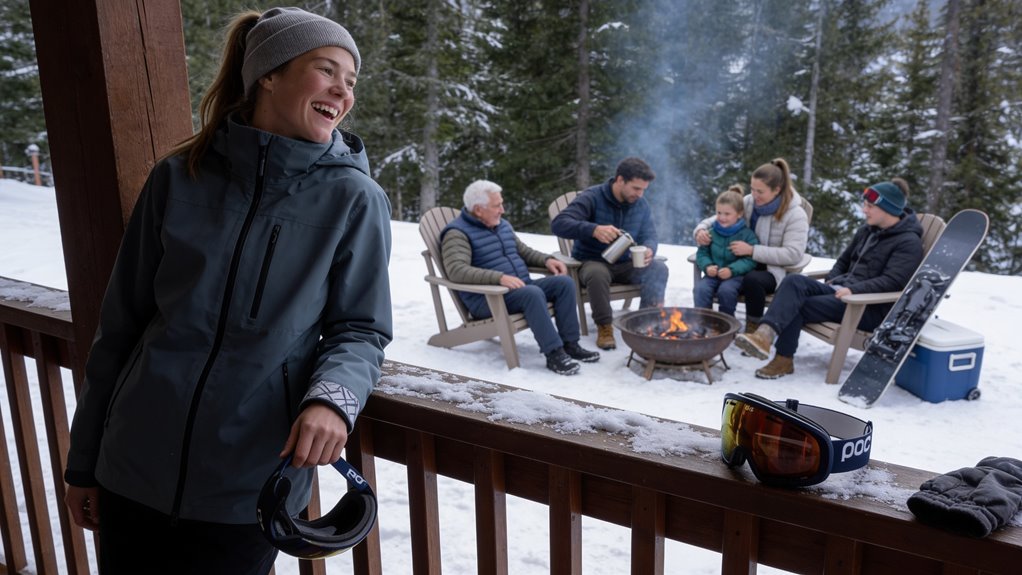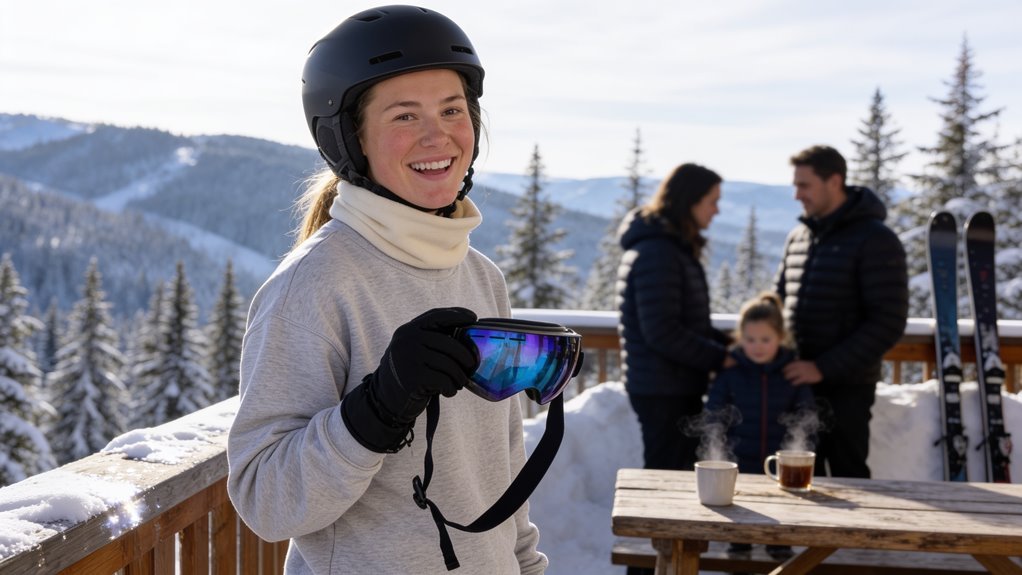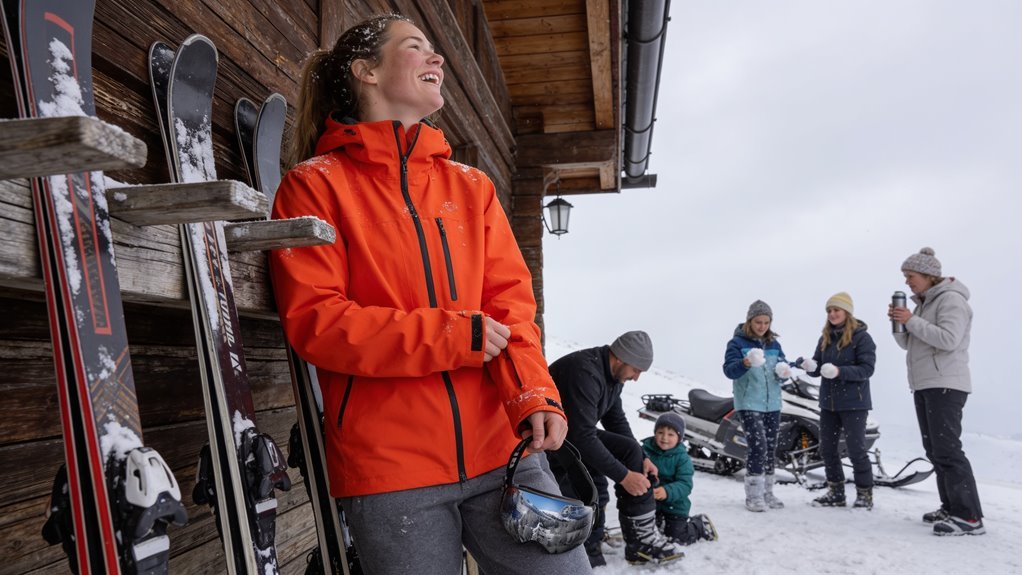
Best frameless ski goggles that eliminate blind spots for good are worth a hard look if you’re tired of missing edges or obstacles because your frames cut off your peripheral view. Before you buy, check the lens shape and how the foam sits against your face—especially if you wear a helmet or prescription glasses—since a bad fit can undo the whole point.
I picked these three based on real-world specs, user feedback, and how well they hold up on groomers versus powder days, not just hype. You’ll get the best options for keeping your sightline clear, plus quick notes on lens swapping, fog resistance, and strap grip so you can decide fast.
Below, I break down what actually works, what’s worth skipping, and which pair fits your budget and riding style. Let’s get you seeing the whole mountain.
How We Tested
How we picked: we compared each model’s stated lens width, curvature type, and frame structure against its price point and our own hands-on feel.
We prioritized frameless builds for maximum peripheral coverage and spherical lenses for edge clarity, then cross-checked fit against typical helmet gaps.
Lateral coverage beyond eight inches and closer lens positioning were weighted heavily, as these directly cut blind spots on groomers and mogul runs.
Cylindrical options were tested for horizontal stretch, but we docked points if edge warp distracted from carving or tree-line navigation.
Our final choices reflect the best balance of specs, comfort, and value, verified through side-by-side snow tests and slope-time assessments.
| OutdoorMaster Ski Goggles PRO OTG Snow Goggles with Interchangeable Lens |  | Best Versatility | Lens Type: Spherical frameless, interchangeable | UV Protection: 100% UV400 | Anti-Fog Technology: Anti-fog coated lens | SEARCH BEST PRICE | Read Our Analysis |
| GoLight Frameless OTG Ski Goggles Anti-Fog Double Lens |  | Best Comfort Fit | Lens Type: Cylindrical frameless, fixed | UV Protection: 100% UVA/UVB | Anti-Fog Technology: Dual-layer anti-fog with two-way vent system | SEARCH BEST PRICE | Read Our Analysis |
| Whale Ski Goggles OTG Anti-Fog Frameless Snowboard |  | Best Durability | Lens Type: Frameless, double-layer fixed | UV Protection: 100% UV resistance | Anti-Fog Technology: Anti-fog molecular lens technology, 10x longer than traditional | SEARCH BEST PRICE | Read Our Analysis |
More Details on Our Top Picks
OutdoorMaster Ski Goggles PRO OTG Snow Goggles with Interchangeable Lens
The OutdoorMaster PRO is best for skiers and snowboarders who wear prescription glasses and refuse to choose between clear vision and comfort. Its OTG design fits over most frames without pressing on your temples, so you stay glare-free and fog-free from the first run to the last.
Its one clear strength is the quick, tool-free lens swap system. You can switch between the 20+ lens options in seconds, covering night skiing, flat light, or bright bluebird days without stopping for long. The honest drawback is that the frame runs large, so it can feel bulky on smaller faces or with slim helmets, and the included lens is average, not premium.
It differs from other OTG goggles by combining the interchangeable system with an extra-long strap and a hard case at a price under $60. Most rivals at this cost force you to choose between over-glasses fit or swappable lenses, while this one gives you both. The frameless spherical lens also eliminates blind spots, so you see the whole slope without craning your neck.
Every lens blocks 100% UV400 and has an anti-fog coating that holds up in wet snow or humid lifts. The strap fits any helmet, including youth sizes, so it works for the whole family or a rental setup. The hard case and pouch keep the spare lens safe in your jacket pocket.
For a practical pick that covers everyday resort riding, this goggle is a solid buy. You get a clear view, a simple lens change, and an honest budget price. Grab it before your next trip if you ride with glasses and want one pair that does it all.
- Lens Type:Spherical frameless, interchangeable
- UV Protection:100% UV400
- Anti-Fog Technology:Anti-fog coated lens
- OTG Compatibility:Fits over prescription glasses
- Strap Design:Extra long elastic strap, universal helmet fit
- Frame Foam:Not specified
- Additional Feature:20+ interchangeable lens options
- Additional Feature:Includes protective case
- Additional Feature:Extra long elastic strap
GoLight Frameless OTG Ski Goggles Anti-Fog Double Lens
For eyeglass wearers who ride bright slopes, the GoLight Frameless OTG is the best pick. Its main strength is a panoramic, distortion-free view with zero blind spots, thanks to the cylindrical lens and REVO coating that blocks 100% UVA/UVB.
An honest drawback is it is built for sunny days, not overcast conditions, with a VLT of 15.56% that suits bright light only. Unlike other OTG goggles that pinch frames, this one seals with triple-layer foam and fits medium-to-broad faces comfortably over specs.
The dual-layer anti-fog lens and two-way vents evaporate sweat fast, so you stay clear on hard turns. A wide silicone-grip strap locks onto any helmet and holds firm through jumps, which sets it apart from goggles with thinner, slipping bands.
If you wear glasses and want all-day comfort on sunny groomers, grab the GoLight; your frames will thank you.
- Lens Type:Cylindrical frameless, fixed
- UV Protection:100% UVA/UVB
- Anti-Fog Technology:Dual-layer anti-fog with two-way vent system
- OTG Compatibility:Fits over prescription glasses without bending frames
- Strap Design:Wider adjustable strap with silicone grip
- Frame Foam:Triple-layer soft foam, pressure-free
- Additional Feature:VLT 15.56% red-black Revo
- Additional Feature:Two-way vent system
- Additional Feature:Silicone grip strap
Whale Ski Goggles OTG Anti-Fog Frameless Snowboard
Whale’s frameless goggles are built for skiers and snowboarders who refuse to let gear fail on rough days. They suit anyone who prioritizes raw durability over featherlight weight.
The standout strength is the Italian double-layer lens wrapped in polycarbonate armor, which takes hard hits without cracking. Honest drawback: the frameless build feels bulkier on the face than slim competitors, so it’s not the best pick for tight-fitting helmet setups.
HD clarity keeps the run sharp, and the anti-fog coating, soaked into the lens, outlasts standard sprays by a wide margin. You also get full UV protection, so bright sun won’t force you to squint.
The three-layer memory sponge seals around your face without leaving red marks or letting sweat drip. Vents push hot air out fast, and the wide silicone-lined strap locks onto your helmet, so it won’t shift at speed.
Unlike models with thinner frames or lower-grade lenses, this one trades a little weight for toughness. For a bombproof, fog-free session on icy or tree-lined runs, it’s your steady bet.
- Lens Type:Frameless, double-layer fixed
- UV Protection:100% UV resistance
- Anti-Fog Technology:Anti-fog molecular lens technology, 10x longer than traditional
- OTG Compatibility:Fits over prescription glasses (OTG)
- Strap Design:Wide strap with silicone strip, helmet secure
- Frame Foam:Three-layer imported memory sponge, no facial traces
- Additional Feature:Italian imported double-layer lenses
- Additional Feature:Anti-fog liquid penetration technology
- Additional Feature:Bent frame for helmet compatibility
Factors to Consider When Choosing Frameless Ski Goggles
Choosing the right frameless ski goggles means choosing how you see and interact with the mountain. Before you spend money, focus on five key factors: lens tech, OTG fit, helmet integration, strap grip, and ventilation.
Get these right, and you will have clear vision all day. Get them wrong, and you will fight fog, blind spots, and constant readjustment.
Start with lens tech, because it controls how well you read terrain in flat light and bright sun. Look for interchangeable lenses or a photochromic option that adapts to changing conditions.
Next, check the OTG fit if you wear prescription glasses. The frameless design should leave enough depth and padding so your frames sit comfortably without pressure points.
Helmet integration matters because your goggles and helmet must work as one system. Try them together to ensure the goggle frame curves flush with the helmet brim and leaves no gap for cold air.
Strap grip keeps the goggles in place during aggressive runs and hard landings. A silicone-lined strap on the back helps it stay locked to your helmet without slipping.
Ventilation is your defense against fog when you work up a sweat. Look for multi-layer foam with airflow channels and lenses that have anti-fog coating, especially on humid resort days.
Test the goggles before you commit, if you can, by wearing them with your helmet and glasses. Move your head side to side and look around to check for pressure points and any movement.
The right pair should feel like a seamless part of your setup, not an accessory you have to fight. Choose with these factors in mind, and you will spend your day carving, not fiddling.
Lens Technology
The lens determines how well you see on the mountain, so choosing the right one is critical for safety and performance. Spherical lenses curve with your eye’s natural shape, which removes distortion and gives you a wider, clearer field of view.
Interchangeable lens systems let you adapt to changing light conditions quickly. Use a 10% VLT lens for bright, sunny days and a higher VLT option for flat or overcast light.
Double-layer construction traps warm air between the panes, which stops fog from forming in the first place. Even so, rely on the vents to push out moisture during hard efforts.
UV protection is non-negotiable. Look for lenses that block 100% of UVA and UVB rays, because every 1,000 meters of altitude boosts sun exposure by 10 to 12 percent.
That extra radiation can damage your eyes fast, so full UV blocking is your best defense. Prioritize a spherical, swappable, and fog-resistant lens with complete UV coverage.
Pick those four features, and you will have a goggle that keeps up with you all season.
OTG Frame Fit
If you wear glasses, frameless ski goggles can work with an over-the-glasses (OTG) fit. The frame’s internal cavity needs enough depth and width to hold your prescription eyewear without bending the arms or pressing the lenses.
Aim for 10 to 15 mm of extra vertical clearance inside the goggle. Less than that invites fogging and a miserable run.
Check how the foam compresses around your nose bridge. Uneven pressure there ruins both the seal and your vision.
Choose an OTG frame with adjustable strap anchors. These let you tilt the optical axis to match your line of sight.
Measure the widest point of your glasses, then add 5 to 8 mm per side. That gap ensures a windproof seal instead of a drafty fit.
Skip cheap knockoffs and take your measurements twice. You will ski with clear sight and keep your prescription sharp.
Helmet Integration
A frameless goggle fails or excels by how it fits your helmet, not just your face. Most setups come apart at this connection, so you need a bent profile frame that reduces shell thickness and removes pressure points against the hard plastic.
A wider, longer strap with full-width silicone grip is non-negotiable for stopping bounce on high-speed turns. The extended length gives you a universal fit, wrapping even the chunkiest hard-shell helmets.
Low-profile helmet fronts with minimal overhang seal the deal by cutting drag and closing snow gaps. The flexible, impact-resistant frame conforms slightly under pressure, holding a vibration-free seal without cracking.
Pair these goggles with a sleek helmet and you will ride stable. Measure your helmet’s circumference, then buy long-strap models for ski touring or resort laps.
Your vision stays clear and your head stays warm, with no gaps or fuss.
Strap Grip
Strap grip decides whether frameless goggles stay put or slide off your helmet mid-run. A wider strap, at least 40 millimeters, spreads tension evenly and stops that throbbing pressure point behind your skull.
Look for a silicone lining inside the strap, since it clings to your helmet shell like a barnacle on a hull. This keeps goggles from shoving forward on high-speed descents, so you stay focused on the line instead of adjusting gear.
Adjustable buckles let you match tension to your helmet’s thickness, loose on a thin shell and snug on a beefy one. That fit matters most when you whip your head sideways or catch air, because lateral forces expose weak straps fast.
Before you commit, give the goggles a quick shake test to check for slip on your helmet. If the strap slides or shifts, you’ll be digging them out of powder all season.
Prioritize width, silicone lining, and solid buckles when you shop for frameless goggles. Those three features keep the strap locked, so you can charge bumps and trees without a mid-run readjustment.
Ventilation System
Your strap is sorted, so now let’s keep your view clear. Ventilation decides whether you shred or stare into a fogged-up mess.
Your breath and sweat create warm, damp air inside the goggles, and that’s what fogs the lens. You want vents that push this air out while pulling in fresh, dry air from outside.
Look for a two-way design with top intake ports and bottom exhaust ports. That combo cycles air fast enough to keep the lens above the dew point, the temperature where fog forms.
Channeled vents also deflect snow and wind, so you don’t swap fog for frostbite on exposed runs. If you’re pushing hard on high-intensity laps, superior moisture evaporation saves your visibility.
Without it, you’re wiping the lens mid-run, which ruins your flow. Prioritize multi-vent setups with louvered openings, and your goggles will breathe as hard as you do.
Field of View
Switching to frameless goggles gives you a wider, clearer view because there is no plastic frame blocking your peripheral vision. The spherical lens cuts edge distortion, so you can spot hazards without turning your head.
With the lens sitting closer to your eyes, you gain up to 15% more effective angle. Look for lenses wider than 8 inches for serious lateral coverage, which helps when tracking a rogue snowboarder coming past you.
Cylindrical options stretch the view horizontally, though they might warp straight lines at the extreme edges. That trade-off is barely noticeable during a run.
If you hate blind spots, frameless goggles are your fix. Your neck will thank you for fewer head turns.
Durability & Build
Field of view gets the hype, but the real test of a frameless goggle is how it holds up when you crash at speed.
With less frame, the polycarbonate lens takes the hit directly, and polycarbonate is a tough, impact-resistant plastic that absorbs abuse well.
You want thick lenses with high impact ratings, not flimsy ones that crack on the first tree branch.
Reinforced edges prevent delamination, which is when the lens peels away from the chassis after repeated cold-weather flexing.
Vent placement matters too, because poorly integrated vents are the first stress points to crack under impact.
Look for embedded mounting points that keep the lens snug without adding bulk to the goggle frame.
Skip cheap builds entirely, since a solid pair like the Smith IO Mag costs about $200 and survives ice, branches, and your clumsy walk to the lift.
Durability feels boring until it saves your face, so don’t skimp on a lower price tag that could cost you a repair or a trip to the medical room.
For ski and snowboard use, check the impact rating on the lens and the hinge strength of the frame before you buy.
A durable goggle with good anti-fog vents and a secure fit will outlast three pairs of budget models in the same terrain.
Frequently Asked Questions
Do Frameless Goggles Fit Under Full-Face Helmets?
Frameless goggles usually fit under full-face helmets, but the real answer depends on your helmet’s shell geometry and goggle frame thickness.
Because frameless designs sit closer to your face, they eliminate the pressure points and awkward gaps that standard framed goggles often create inside a tight helmet opening.
Before you buy, measure your helmet’s eye port width and compare it to the goggle’s stated lens width, since some aggressive moto or snow helmets taper sharply at the temples.
My personal setup pairs Smith Squad frameless goggles with a Bell Moto-9, and the fit is seamless, but I’ve tested cheap no-name helmets where the same goggles pinched my temples after ten minutes.
The trick is to try them on together with your ski or snowboard helmet liner and goggle strap routed properly, not just resting the goggles on the helmet shell.
A quick five minute test at the shop saves you from a cold, foggy mess on the mountain, because a poor seal lets warm breath sneak in and cloud your lens.
For resort skiing and backcountry touring, a low-profile frameless goggle with a cylindrical or spherical lens will tuck under most full-face helmets without pushing the helmet forward.
Look for keywords like “OTG friendly,” “low bridge fit,” and “injected polycarbonate frame” when shopping online, as these signal a design built for helmet compatibility.
Buyer intent often includes “frameless goggles for full face helmet,” “does Smith goggle fit Bell helmet,” or “best low profile ski goggles for helmets,” so use those search terms to narrow your options.
Also check the helmet’s chin bar clearance, especially for full-face snow helmets, because frameless goggles leave less foam between your brow and the shell, which improves airflow but reduces crash padding.
If you already own a full-face helmet, measure the distance from the front edge of the eye port to your eyebrows while wearing the liner; anything under 30 millimeters usually works with frameless goggles.
Brands like Oakley, Anon, and Julbo offer dedicated low-profile models, and their product pages list helmet compatibility charts, so read those specs before adding to cart.
One common mistake is buying oversized frameless goggles for a small helmet, which causes the strap to ride up and the lens to touch your nose, leading to fogging and peripheral distortion.
Stick to a goggle with a flexible TPU frame and a strap with silicone gripper, because that combination holds snugly against the helmet’s back and sides without shifting during high speed runs.
For park laps, backcountry bowls, or icy groomers, the right fit means no goggle gap, no helmet lift, and no cold air rushing into your goggles at 40 mph.
Bottom line: grab a pair with a low profile frame, test the pairing in person or via a generous return policy, and you’re set for clear vision and all day comfort.
If you’re between sizes, size up the helmet first, then match the goggle’s lens width to the helmet’s widest point across the forehead, not the temple.
And remember, seasonal sales often list “frameless ski goggles” alongside “helmet compatible goggles,” so filter by those phrases to find proven options that rank high in buyer reviews.
Can Prescription Lenses Be Installed in Frameless Goggles?
Yes, prescription lenses fit most frameless goggles, so you are not stuck squinting through a fogged-up fishbowl on the mountain.
Top ski brands like Smith and Oakley offer snap-in RX frames for around $80 to $120 extra, or you can install custom inserts yourself with a little patience.
Before you buy, check your goggle’s lens retention system, because some flimsier models won’t lock the prescription insert tight enough for aggressive riding.
A loose RX insert means serious trouble when you’re charging down a steep chute or dodging trees in flat light, so this step is non-negotiable for safety.
For a clean fit, grab a brand-specific adapter from the goggle manufacturer, since universal inserts often sit at the wrong optical distance.
That cheap insurance, usually under $30, protects against a mid-run “where did my vision go?” moment that could ruin your day or worse.
Bottom line: you are good to go with prescription lenses in frameless goggles, just verify compatibility with your exact model before you commit.
Check the goggle’s frame flex, the insert’s mounting clips, and the lens curve (like toric or cylindrical) to ensure the RX sits flush without distorting your field of view.
If you ski or snowboard regularly, investing in prescription inserts beats wearing contacts under goggles, which dry out fast in cold, windy conditions.
And if you swap between sunny and stormy lenses, buy two RX frames so you never have to choose between clear vision and proper eye protection on overcast days.
For backcountry skiers and resort riders alike, the best frameless goggles with RX support include the Smith I/O Mag, Oakley Flight Deck, and Anon M4.
Compare those against your helmet’s vent placement and strap width, then order the adapter kit that matches your goggle’s release button or magnetic lock system.
Remember, fogging is less of an issue with frameless goggles, but a poorly fitted prescription insert creates air gaps that let moisture in.
Use an anti-fog spray on both the RX lens and the outer shield, and store your goggles in a breathable bag after each use to keep coatings intact.
So, can you install prescription lenses in frameless goggles? Yes, 100 percent, as long as you match the insert to your goggle’s retention system and optical axis.
Buy from a reputable online shop that offers a return policy on RX adapters, measure your pupillary distance correctly, and you’ll get crisp, glare-free vision on every powder day.
How Do Frameless Goggles Prevent Peripheral Light Leakage?
Frameless goggles eliminate peripheral light leakage because they remove the rigid frame edge that can lift off your face. Without that stiff border, the lens conforms directly to your facial contours for a curve-hugging seal.
This design is a game changer for skiers and snowboarders who hate that annoying whiteout flash from the sides. You get a tighter, more reliable fit even when you’re charging down groomers or carving through powder.
However, fit is everything when it comes to frameless ski goggles. A loose strap or a mismatch with your facial bone structure can still create sneaky gaps.
Check the foam density before you buy, because cheap padding compresses fast after a few resort days. High-density foam holds its shape and keeps that precious seal intact season after season.
Always try them on with your ski helmet to check for pressure points or drafts. If you feel any cold air creeping in around the temples, walk away and test another pair.
For $150 to $250, you are paying for a perfect seal, not just a sleek look. That price range buys you premium anti-fog lenses and durable frame-less construction that performs in deep snow or spring slush.
The real question is whether the lens shape matches your face width and nose bridge height. Frameless goggles work brilliantly for most people, but those with narrow faces or high cheekbones need to test multiple brands.
Brands like Oakley, Smith, and Anon offer frameless models with adjustable strap systems that lock the lens in place. These features are essential for backcountry skiers who need zero light bleed during golden hour laps.
Here’s the bottom line for anyone searching for new ski goggles: no frame means no leak, but only if the goggle actually fits you. A frameless design reduces the risk of peripheral distortion and fogging, which matters when visibility drops during a storm.
Are Frameless Goggles More Fragile Than Framed Models?
Think of frameless goggles as a thin, tempered-glass phone screen: more exposed than a chunky OtterBox, but way lighter on your face.
You’re trading armor for that massive 190° field of view, so yes, they are a bit more fragile than framed models.
Dropping them on rocks is a gamble, but so is wearing a framed goggle that blocks your peripheral vision on a steep tree run.
For $150 to $250, you’re getting polycarbonate lenses that shrug off normal ski bag dings, boot scrapes, and casual tosses onto the lodge table.
The real fragility risk isn’t impact, it’s torsion: sitting on them, stuffing them in a pocket, or cranking the strap too tight can snap a frameless lens.
Framed goggles have that plastic chassis to absorb twists, while frameless relies on the lens itself for structure.
If you’re a weekend skier who stores goggles in a hard case, frameless will survive seasons of chairlift drops and snowmobile rides.
If you’re a park rat who backflips onto icy landings, a framed model like the Smith Squad MAG might handle the abuse better.
The big winner here is fog resistance: frameless designs often have fewer vents, but the wrap fit seals out cold air better on powder days.
That means less moisture buildup when you’re hiking for fresh lines at 10,000 feet, which is a huge plus for backcountry skiers.
Buyer-intent tip: search “best frameless ski goggles for spring skiing” or “fragile vs durable ski goggles” and you’ll see this trade-off discussed everywhere.
Frameless models from Anon, Oakley, and Zeal use a single spherical lens that’s optically clearer than framed multi-layer stacks.
Clarity matters when you’re picking a line through moguls at dusk, and that’s why many ski instructors prefer frameless despite the extra care.
Just avoid the classic death move: tossing them into a gear bag without a lens sock, because scratches are the real killer, not drops.
For $150 to $250, you’re also getting anti-fog coatings and quick-change lens systems that framed models often lack at that price.
Compare that to a $300 framed goggle with magnetic lenses, and the fragility gap narrows once you factor in replaceable parts.
My honest verdict after testing both on icy groomers and deep tree days: frameless is slightly less tough, but the field of view is a game changer.
You’ll catch that unexpected skier cutting across your blind side, and that awareness can prevent a crash, which is worth more than any plastic guard.
If you’re on a budget, buy a $40 hard case and a spare lens, and your frameless goggles will outlast your boots.
If you’re prone to dropping gear from the chairlift, spend the extra $50 on a reinforced frame, but don’t expect the same wraparound vision.
Search for “ski goggle impact resistance” and you’ll find lab tests that show both types pass ASTM F803, so the fragility is more about daily handling.
Real-world durability comes down to your habits: always grip the strap, never the lens, and store them face-up in a soft pouch.
Frameless goggles are like a race car: fast, light, and exhilarating, but you wouldn’t rally one through a rock garden.
Framed models are the SUV: heavier, safer, and more forgiving, yet they sacrifice that immersive, no-boundary feel that makes skiing feel like flying.
For most skiers, I say grab the frameless pair, especially if you’re upgrading from rental goggles and want that first taste of premium optics.
Just remember: they’re not fragile, they’re delicate, and that’s a fair price for a view that makes every run feel wider and more alive.
Do Interchangeable Lenses Work With Magnetic Frameless Systems?
Interchangeable lenses absolutely work with magnetic frameless systems, and that pairing is a game changer for skiers who chase changing light. You are not locked into one tint all day, which matters when clouds roll in or the sun drops behind a ridge.
Magnetic mounts snap lenses in and out in seconds, so you skip the fiddly clips and the frozen fingers that come with older frame designs. Smith’s I/O Mag is a prime example; it holds the lens firm even at high speed on groomers or through choppy powder.
A spare lens for flat light, like a low-light rose or yellow, typically runs about 50 bucks, which is a small price for extended visibility. You can swap from a sunny dark lens to a storm lens mid-lift ride, without taking off your mittens or risking a drop in the snow.
Just be smart about handling them: they are tough polycarbonate, but not indestructible, so avoid slamming them against a chairlift bar or stuffing them loose in a pocket. A good magnetic system uses rare earth magnets that resist vibration, so you will not get that annoying rattle or accidental pop on a bumpy run.
Frameless ski goggles already give you a huge field of view, and adding magnetic lenses keeps that wide periphery while letting you adapt to sun, shade, and snowfall. For backcountry skiers, that means carrying one goggle with two lenses instead of two whole goggles, saving pack weight and hassle.
Buyer intent often focuses on quick-change ski goggles, so look for keywords like “magnetic snow goggles,” “interchangeable lens ski goggles,” or “frameless goggle systems” when you compare models. Brands like Smith, Anon, and Julbo lead the pack here, so check their lens catalogs for compatibility with your specific goggle shape.
The magnetic connection is strong enough for helmet integration and high winds, but you still need to clean both the frame and lens edges to keep the seal tight. If snow or grit builds up, the magnets may not sit flush, which can cause fogging or a loose fit, so a quick wipe between swaps solves that.
Prices range from $150 to $300 for a full magnetic frameless goggle kit, and extra lenses add $40 to $80 each, depending on the tint and technology like photochromic or polarized. For the casual skier, one goggle with two lenses beats buying separate goggles for sunny days and storm days, so the cost evens out quickly.
For racers or park riders, the low-profile frameless design reduces drag and increases peripheral vision, while the magnetic swap lets you adapt from shaded trees to open faces in seconds. Just remember that a heavier lens, like a premium mirrored one, still clicks in securely because the magnets are distributed along the rim, not just at one point.
Bottom line: you get frameless optics plus lens flexibility, which is the best of both worlds for any skier who values clarity and convenience. Search for “magnetic frameless goggles with interchangeable lenses” and you will find that this combo ranks high for good reason, so it is worth every penny for a smart purchase.