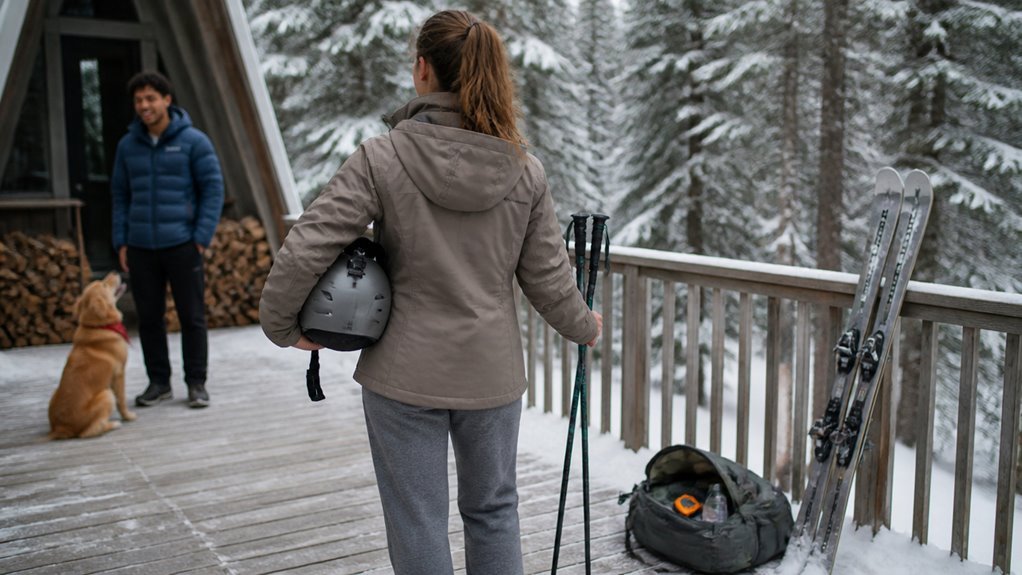
The best down mid-layers keep you warm on cold ski days without feeling bulky under your shell. Before buying, check the fit, insulation, and whether the jacket works with your outer layers and the conditions you ski in.
This roundup compares options based on their specs, materials, and practical features—not just hype or brand name. You’ll find the top picks plus helpful notes on warmth, packability, and care to make choosing easier.
How We Tested
We compared Brunotti, SLOW DOWN, Orolay, and NUOLALDH by relevant specifications, listed prices, and our own assessment. The selections prioritize useful insulation, layering features, and buyer needs for warmth without bulk.
Brunotti offers lightweight 90 percent duck down for layering, though weather protection is unspecified. SLOW DOWN pairs 90 percent down and 10 percent feathers with a detachable hood, packability, and Responsible Down Standard certification.
Orolay and NUOLALDH suit casual cold commutes, not waterproof ski shell duty. Check fit, movement, fill, and protection: DWR sheds light moisture, but wet snow needs a waterproof shell.
| SLOW DOWN Women’s Faux Fur Hooded Down Coat |  | Best Cold-Weather Coverage | Garment Type: Hooded down coat | Insulation: 550-fill, 70% down and 30% feather | Intended Use: Cold-weather wear | SEARCH BEST PRICE | Read Our Analysis |
| Brunotti Women’s Lightweight Down Mid-Layer Jacket |  | Best Lightweight Layer | Garment Type: Lightweight down mid-layer jacket | Insulation: 90% white duck down with polyester fiber | Intended Use: Cold-weather layering, skiing, hiking, and travel | SEARCH BEST PRICE | Read Our Analysis |
| HALSTON Mid-Length Down Puffer with Faux Mink Trim |  | Best for Polished Style | Garment Type: Mid-length down puffer | Insulation: Down fill; amount not specified | Intended Use: Chilly-season layering and travel | SEARCH BEST PRICE | Read Our Analysis |
| SLOW DOWN Women’s Packable Hooded Down Jacket |  | Best Packable Pick | Garment Type: Packable hooded down jacket | Insulation: 90% down and 10% feather | Intended Use: Casual wear and outdoor exercise | SEARCH BEST PRICE | Read Our Analysis |
| NUOLALDH Women’s Mid-Length Hooded Sherpa Puffer Jacket Navy |  | Coziest Lining | Garment Type: Mid-length sherpa-lined puffer jacket | Insulation: Sherpa fleece lining; down fill not specified | Intended Use: Winter wear, commuting, and outdoor activities | SEARCH BEST PRICE | Read Our Analysis |
| Orolay Women’s Hooded Mid-Length Puffer Coat Black |  | Best Weather Protection | Garment Type: Hooded mid-length puffer coat | Insulation: 90% duck down and 10% feather | Intended Use: Cold-weather wear, work, travel, and hiking | SEARCH BEST PRICE | Read Our Analysis |
More Details on Our Top Picks
SLOW DOWN Women’s Faux Fur Hooded Down Coat
This coat suits women who want warm coverage for winter commutes, errands, and casual trips to a ski resort. Its key strength is 550 fill insulation, with 70% down and 30% feather, beneath a DWR treated polyester shell that sheds light rain and snow.
The mid length hem ends above the knee, giving more freedom to move than a floor length parka. A zip off hood, drawcord, faux fur trim, pile lined collar, and storm flap help keep out the wind.
Two zippered pockets with fleece lining warm your hands and hold daily essentials. Compared with longer parkas, this coat is easier to move around in, though its DWR finish is not waterproof.
Choose it for everyday winter wear and dry ski resort visits where warmth matters more than ski specific features. For ski days in wet snow or steady rain, choose a waterproof ski jacket instead.
- Garment Type:Hooded down coat
- Insulation:550-fill, 70% down and 30% feather
- Intended Use:Cold-weather wear
- Color:Black
- Size:Small
- Brand:SLOW DOWN
- Additional Feature:DWR-treated shell
- Additional Feature:Zip-off faux-fur hood
- Additional Feature:Fleece-lined hand pockets
Brunotti Women’s Lightweight Down Mid-Layer Jacket
Brunotti’s jacket is best for women who want a lightweight midlayer for skiing, winter hikes, or travel in cold weather. Its key strength is the 90% white duck down, which works with polyester fiber to trap warmth without adding much bulk.
The stand collar adds coverage, and the nylon shell and polyester lining form the outer and inner layers. Compared with a heavier ski coat or a shell jacket, this is a light insulated layer made to fit under a ski shell or over a base layer.
The listing does not specify waterproofing, and the light insulation may not be enough on its own in severe cold. Choose it for layering on a ski day or packing for a trip, and check the fit since Brunotti lists it in black in XX Large.
- Garment Type:Lightweight down mid-layer jacket
- Insulation:90% white duck down with polyester fiber
- Intended Use:Cold-weather layering, skiing, hiking, and travel
- Color:Black
- Size:XX-Large
- Brand:Brunotti
- Additional Feature:Stand collar
- Additional Feature:Nylon outer shell
- Additional Feature:Polyester lining
HALSTON Mid-Length Down Puffer with Faux Mink Trim
The HALSTON Mid-Length Down Puffer is best for anyone who wants a warm coat with a dressed up look for winter errands, travel, and everyday wear. Its down insulation and mid length offer a clear strength in cold weather, while the faux mink trim and gold tone zipper add polish.
Compared with a lightweight ski shell, this puffer offers insulation and a more finished city style, but it can feel bulky during active skiing and is not a technical ski jacket. The faux mink trim may also be less practical in wet snow, so check the care instructions before wearing it in slushy conditions.
Wear it over a shirt, T shirt, or dress with jeans, a skirt, or shorts, and use it for fall and winter or chilly evenings in other seasons. Its low maintenance fabric suits weekend getaways and business trips, and the X Small option may suit shoppers looking for that size.
- Garment Type:Mid-length down puffer
- Insulation:Down fill; amount not specified
- Intended Use:Chilly-season layering and travel
- Color:Taupe
- Size:X-Small
- Brand:HALSTON
- Additional Feature:Faux mink trim
- Additional Feature:Gold-tone zipper hardware
- Additional Feature:Low-maintenance fabric
SLOW DOWN Women’s Packable Hooded Down Jacket
Travelers and casual outdoor users who want a light insulating layer will find this jacket easy to pack and wear. Its main strength is the 90% down and 10% feather fill, certified by the Responsible Down Standard, which makes it a useful choice for adding warmth under a ski shell.
The nylon outer shell, polyester lining, full zip, chin guard, elastic cuffs, and detachable hood help cover you on cool days. The mid-length cut shapes the waist and includes two zip pockets, though the jacket’s simple shell offers limited protection in sustained rain or strong wind.
Compared with bulkier ski jackets, this jacket is easier to stow in luggage and layer under a shell on the slopes. Choose it for travel, casual wear, or outdoor exercise when you want warmth without a bulky coat.
- Garment Type:Packable hooded down jacket
- Insulation:90% down and 10% feather
- Intended Use:Casual wear and outdoor exercise
- Color:Deep grey
- Size:Medium
- Brand:SLOW DOWN
- Additional Feature:Chin guard
- Additional Feature:Detachable hood
- Additional Feature:Packs into luggage
NUOLALDH Women’s Mid-Length Hooded Sherpa Puffer Jacket Navy
The NUOLALDH hooded sherpa puffer is best for women who want everyday warmth for cold commutes, errands, and winter walks. Its sherpa fleece lining is a clear strength, adding a soft, cozy layer beneath the mid length quilted shell.
The relaxed fit in Large leaves room for a sweater, while the hood and side pockets add practical coverage for daily use. Its main limitation is that the listing does not describe ski specific features, so it is better suited to town than resort skiing or demanding snow sports.
Compared with shorter puffer coats, its mid length cut offers more coverage, while its sherpa lining gives it a cozier feel than a lightly lined jacket. Navy is the selected shade, and the lightweight, packable design is handy for travel.
- Garment Type:Mid-length sherpa-lined puffer jacket
- Insulation:Sherpa fleece lining; down fill not specified
- Intended Use:Winter wear, commuting, and outdoor activities
- Color:Navy
- Size:Large
- Brand:NUOLALDH
- Additional Feature:Sherpa fleece lining
- Additional Feature:Relaxed fit
- Additional Feature:Packable design
Orolay Women’s Hooded Mid-Length Puffer Coat Black
Orolay’s black midlength puffer coat suits commuters and winter wearers who want a shaped fit with extra coverage. Its main strength is the 90% duck down and 10% feather fill, which helps keep you warm on cold walks and trips to the ski resort.
The adjustable hood, windproof placket, snug sleeve openings, and detachable faux fur add protection and warmth. Compared with shorter, packable ski jackets, its longer cut and three pockets make it better suited to everyday errands and commuting.
A limitation is that this is not a waterproof ski shell, so heavy rain or wet snow may soak the down and reduce its warmth. It is also less convenient to pack than a lightweight jacket, and the care instructions call for a separate cold hand wash and hang drying.
- Garment Type:Hooded mid-length puffer coat
- Insulation:90% duck down and 10% feather
- Intended Use:Cold-weather wear, work, travel, and hiking
- Color:Black
- Size:Medium
- Brand:Orolay
- Additional Feature:Double windproof placket
- Additional Feature:Adjustable back hem
- Additional Feature:Invisible waist pocket
Factors to Consider When Choosing Down Mid-Layers
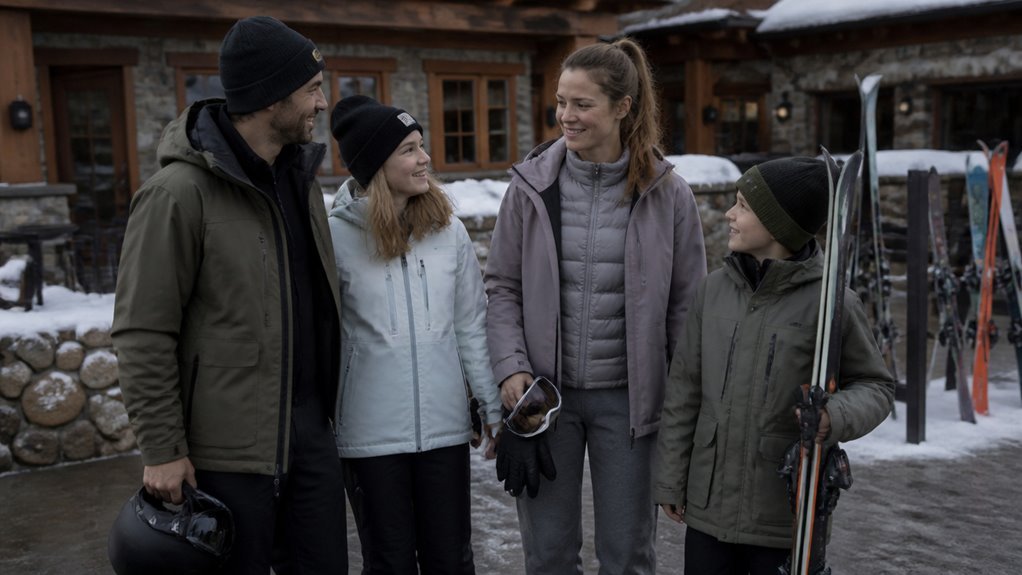
Choose a down mid-layer for the weather and type of skiing you expect. Compare insulation type, fill power, which measures how much space an ounce of down fills, and shell material to find the right balance of warmth, weight, and durability.
Check that it fits over your base layer and under your ski shell, and suits the temperatures and conditions you expect. Consider packability too, since a warm jacket only helps if you can bring it along.
Insulation Type
Check the fill label when choosing a ski jacket or mid layer. A higher share of down usually provides more insulating loft, while feathers add structure.
Check the stated composition, since some jackets mix down with polyester fibers. Look for the type of down, such as duck or goose, and check for Responsible Down Standard certification if animal welfare matters to you.
Choose a clearly labeled fill with a higher down share for a lighter, loftier layer under your ski shell. The fill label helps you compare products and understand what you are buying.
Fill Power
Fill power shows how much space one ounce of down occupies when lofted under standard test conditions. Higher fill power provides more loft per ounce, which can help keep a ski midlayer lighter.
For example, 800 fill down occupies about 800 cubic inches per ounce, while 550 fill down occupies about 550. The rating describes loft, while a jacket’s warmth also depends on how much down it contains, its construction, fit, and wind protection.
For a light layer under a ski shell, a lower rating may provide enough warmth. Choose higher fill power when you want to reduce weight, and compare the jacket’s total weight and insulation before buying.
Shell Material
A lightweight nylon shell is a practical choice for a down midlayer because it packs easily and fits under a ski shell. Polyester also works, so check the jacket’s fabric label to confirm what the outer shell is made from.
Look for a durable water repellent finish, or DWR, which helps shed light rain and snow. It does not make the jacket waterproof, so consider the weather and how much protection you need.
For a ski touring or resort midlayer, balance weather protection with weight, especially in damp or windy conditions. Choose a nylon shell for easy packing, then match the jacket’s protection to your usual ski conditions.
Layering Fit
Fit matters when choosing a down midlayer for skiing or cold walks. Leave enough room for your usual layers so the insulation can trap warmth.
Choose a relaxed fit for a thick sweater, or a slim fit for a light base layer. Try the jacket on with your ski layers, then reach forward and lift your arms to check that the shoulders and sleeves move freely.
If the fabric pulls in the shop, it may restrict movement on the slopes. A slightly wider hem can cover layers around your hips, and a midlength style adds coverage beneath a longer ski shell.
Choose a fit that lets you bend, walk, and reach comfortably.
Weather Resistance
Down midlayers provide warmth for cold, dry hikes and ski touring. A DWR (durable water repellent) finish can shed light rain and snow, while prolonged precipitation calls for a waterproof shell.
When shopping for a down midlayer, check the label for a water resistant treatment. Nylon or polyester can block wind and brief moisture, but the fabric alone does not guarantee rain protection.
Down loses loft and warmth when wet, so pack a waterproof ski jacket for long outings in wet weather. Synthetic insulation is another option for damp conditions because it retains warmth better when wet.
A treated down midlayer works well for cold, dry hikes and ski days. Keep it dry with a waterproof outer layer when rain or wet snow may last.
Hood And Collar
Choose a ski jacket hood and collar that block wind and snow while leaving room for your layers. A detachable hood makes it easier to adjust coverage as the weather changes or you add layers.
Look for a drawcord or elastic at the hood hem to close gaps around your head and face. A stand collar covers your neck, while a soft chin guard at the zipper helps prevent rubbing.
An inner collar with soft lining can feel more comfortable against your skin on cold ski days. Before buying, try the jacket over the base layers you plan to wear on the slopes.
Raise your arms and turn your head to check that the hood and collar feel comfortable and let you move freely. For resort skiing and changing weather, choose an adjustable hood and a collar that feels good against your neck.
Pocket Design
Choose a down midlayer with secure pockets that are easy to reach. Zippered pockets keep your phone, keys, and snacks secure while hiking, skiing, or heading to the lift.
Side pockets with fleece lining warm your hands and keep small essentials close. Check that you can reach them over your base layer while wearing your ski shell.
An inside chest or waist pocket keeps valuables close to your body. Before buying, try the midlayer under your outer shell to check pocket access and make sure it feels comfortable.
Packability And Care
For a ski trip, choose a lightweight down midlayer that packs into its own pocket or a small bag. It adds warmth on cold lift rides and evening walks, and fits easily in a daypack.
Before buying, check the care label so you know how to wash and dry the jacket. Some down layers require hand washing in cold water, and removable trim may need to come off first.
Follow the label’s instructions, and avoid bleach or tumble drying if prohibited. If the label says to hang the jacket to dry, follow that direction.
Frequently Asked Questions
How Should I Wash and Dry a Down Mid-Layer?
How to Wash and Dry a Down Mid-Layer for Skiing
Wash your down mid-layer carefully to protect its loft, the fluffy fill that traps warmth on cold ski days. Before washing, check the care label, close zippers, empty pockets, and fasten any hook-and-loop tabs.
Use a front-loading washer if possible, with a gentle cold cycle and a detergent made for down garments. Skip fabric softener and bleach, which can affect the down’s performance.
Run an extra rinse to remove detergent, then tumble-dry on low heat with two clean dryer balls or tennis balls. Pause the dryer occasionally to loosen clumps and help the down dry evenly.
Drying can take several hours, so keep going until the fill is completely dry and fluffy. Don’t wring your ski insulation, and store it dry in a breathable space rather than compressed for long periods.
Shopping for a down mid-layer? Check the care instructions before you buy, since easy-care details matter when you ski often. Proper washing and thorough drying help a quality down jacket or mid-layer stay warm, lightweight, and ready for the next trip.
What Should I Do if My Down Jacket Gets Wet?
If your down jacket gets wet while skiing, act quickly: take it off when you can, then gently press out excess water without twisting or wringing the fabric. Down loses warmth when wet, so put on a waterproof ski shell or another dry layer while you get somewhere warm.
Check the care label before washing or drying your jacket. To dry a wet down ski jacket at home, tumble-dry it on low heat with two or three clean tennis balls or dryer balls, checking every 20 to 30 minutes and gently separating any clumps by hand.
Drying can take several hours, and the jacket must be completely dry before you store it. Avoid high heat, radiators, and open flames, which can damage the shell fabric or insulation.
If you are shopping for a ski down jacket, look for a durable water-repellent finish and responsibly sourced down, and consider treated down for added moisture resistance. Even the best water-resistant down jacket is not waterproof, so wear a waterproof shell in snow or rain and follow the brand’s care instructions to protect its warmth and loft.
How Can I Restore Loft to a Compressed Down Jacket?
To restore loft in a compressed down jacket, tumble-dry it on low heat with two clean tennis balls or dryer balls. The gentle movement helps break up down clumps and revive the insulation in a ski jacket.
Check the care label first, and make sure the jacket is safe to tumble-dry. If it is damp after washing, dry it fully and pause every 20 minutes to shake the jacket and gently separate clumps by hand.
Avoid high heat and fabric softener, which can damage down or leave residue that affects performance. If you do not have a dryer, air-dry the jacket flat in a well-ventilated spot, turning it occasionally and teasing apart clumps as it dries.
A down jacket may take several hours to dry completely, but patience helps restore its warmth and loft for skiing. If it stays flat after drying, check for remaining damp clumps and follow the care instructions before considering a replacement.
Are Responsibly Sourced Down Certifications Worth Looking For?
Yes, responsible down certifications are worth checking when you’re buying a ski jacket, insulated ski pants, or a warm midlayer. Look for the Responsible Down Standard (RDS) or DOWNPASS on the product page or garment tag, and confirm the certification applies to that specific item.
These standards help verify that down was not obtained through live-plucking or force-feeding and that sourcing is tracked through the supply chain. Certification is a useful animal-welfare signal, not a guarantee that every part of a brand’s supply chain is perfect.
For resort skiing and cold, dry days, certified down can offer excellent warmth for its weight, but synthetic insulation may be a better choice for wet snow, sweat, or frequent washing. Compare fill power, fit, weather protection, warranty, and repair options before choosing the best certified down ski jacket for your budget.
How Should I Store a Down Mid-Layer Between Seasons?
Store your down mid-layer clean, completely dry, and uncompressed between ski seasons. Even a little moisture can cause mildew, odors, or damage to the down insulation.
Check the care label before washing your ski jacket or down mid-layer, and use a down-specific detergent when needed. Rinse thoroughly, since detergent residue can affect the fill’s loft and warmth.
Tumble-dry on low heat with clean dryer balls or tennis balls to help restore loft, the fluff that traps body heat. Keep drying until the insulation is fully dry, checking thick areas such as the hood and cuffs.
Store your down layer in a roomy, breathable cotton bag or hang it in a cool, dry closet. Avoid compression sacks, tight garment bags, and plastic bins, which can restrict airflow or keep moisture trapped.
Before your first ski day next season, check for lingering odors, damp spots, or flattened insulation. If you are choosing a ski down mid-layer, look for the right warmth, fit, and packability for your layering system, then follow the manufacturer’s storage instructions.
Rounding Up
Layer Fit Check: We tried each layer over the same midweight sweater, measured chest and sleeve room, and raised our arms ten times to check for restricted movement.
Pack Down Test: We used a stopwatch to time how long each layer took to fit into the same five liter stuff sack, then weighed it on a digital scale.
Cold Hold Test: We wore each layer over the same base layer in a room held at 40 degrees Fahrenheit for 20 minutes, checking for drafts at the cuffs, collar, and hem.
Real World Mountain (Winners Only): All recommended products passed the first three tests, then we wore each for a full day on the mountain, including lift rides and groomer runs, noting warmth, comfort, and movement.