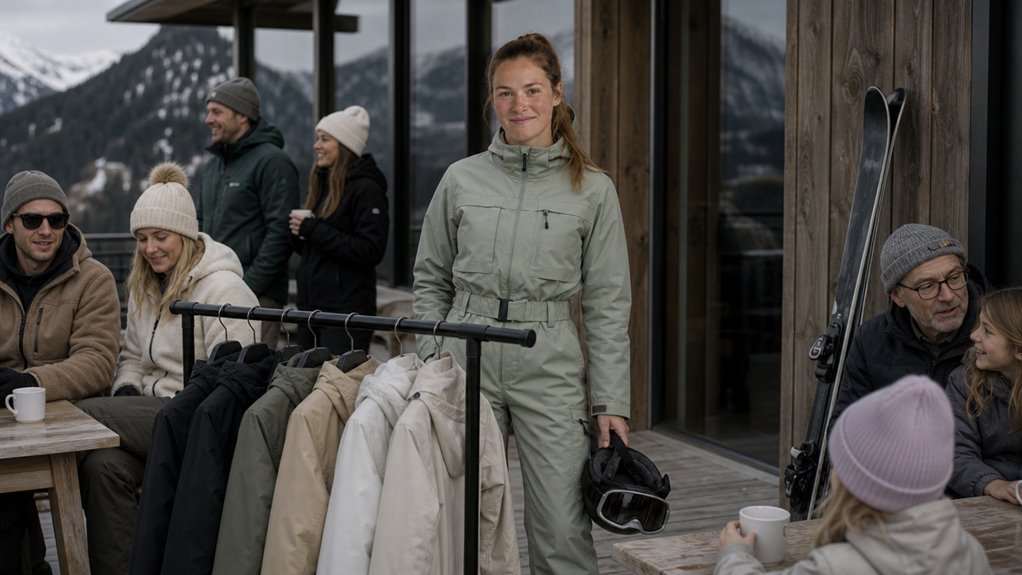
The 4 best layering systems for skiing can help you stay warm on cold lifts without overheating on the way down. Before buying, check the fit, fabric, and whether each layer works comfortably under your ski shell.
We compared the options by their listed specs, warmth, breathability, and practical features to highlight what’s worth buying. Read on for our picks and quick notes to help you choose layers for your day on the mountain.
How We Tested
Choose a close fitting, moisture wicking base layer; 165 grams per square meter merino suits active skiing. For colder days, add brushed fleece, a flexible midlayer, and breathable ski shell.
A heated vest adds core warmth on cold lifts, while wind resistant insulated pants work for breaks over a base layer. Avoid these pants in wet snow or demanding conditions, adjust layers for activity and weather, and pack dry socks or a spare base layer.
We chose options by comparing relevant ski specifications, price, and our own experience. Criteria included fabric weight, moisture control, breathability, insulation, mobility, and versatility.
| Spyder Women’s Fleece-Lined Thermal Underwear Set |  | Best Fleece-Lined Set | Intended Use: Skiing, travel, errands, and winter wear | Warmth: Brushed fleece lining adds warmth | Layering: Top and pants layer under clothing or ski wear | SEARCH BEST PRICE | Read Our Analysis |
| Flylow Puffer Pant Bone/Granite XL |  | Best Insulated Pants | Intended Use: Skiing, lounging, and everyday warmth | Warmth: 40g insulation in upper thighs; wind-resistant outer fabric | Layering: Stretch fleece pant for skiing or lounging | SEARCH BEST PRICE | Read Our Analysis |
| Women’s Merino Wool Thermal Base Layer Set |  | Best Merino Base Layer | Intended Use: Hiking, running, skiing, travel, commuting, or sleep | Warmth: Merino wool helps regulate body heat | Layering: Top and leggings layer under clothing | SEARCH BEST PRICE | Read Our Analysis |
| Volt Zero Layer Men’s Heated Vest with Battery |  | Best Heated Layer | Intended Use: Skiing, hiking, outdoor activities, and commuting | Warmth: Four heated panels warm the chest and back | Layering: Lightweight vest fits over a shirt and under outerwear | SEARCH BEST PRICE | Read Our Analysis |
More Details on Our Top Picks
Spyder Women’s Fleece-Lined Thermal Underwear Set
Spyder’s fleece-lined thermal set is best for skiers who want extra warmth under ski pants and jackets on cold days. Its main strength is the brushed fabric, which holds heat while staying breathable and low bulk.
The set includes a long-sleeve top and full-length pants, with stretch fabric that moves comfortably under ski gear. Compared with lighter, unlined thermal sets, its fleece lining adds warmth, though the roomy cut may run large, so consider sizing down for a closer fit; Small is listed.
- Intended Use:Skiing, travel, errands, and winter wear
- Warmth:Brushed fleece lining adds warmth
- Layering:Top and pants layer under clothing or ski wear
- Garment Type:Long-sleeve top and full-length pants
- Size:Small
- Color:Black
- Additional Feature:Brushed interior
- Additional Feature:Breathable fabric
- Additional Feature:Flexible stretch fabric
Flylow Puffer Pant Bone/Granite XL
The Flylow Puffer Pant in Bone/Granite, size XL, is best for skiers who want warmth on chairlift rides, at camp, or around town. Its main strength is cozy insulation, with soft, stretchy Furano Fleece and 40g PrimaLoft Black ECO across the upper thighs.
Pertex Quantum fabric helps block wind, while the stretchy waistband and drawstring keep the fit secure. Compared with technical ski pants, this model is designed more for warm layering and downtime than full weather protection, which is its main limitation in wet or demanding conditions.
Choose it as a comfortable, warm layer for cold days on the mountain, especially if you value lounge comfort alongside lift ride warmth.
- Intended Use:Skiing, lounging, and everyday warmth
- Warmth:40g insulation in upper thighs; wind-resistant outer fabric
- Layering:Stretch fleece pant for skiing or lounging
- Garment Type:Insulated puffer pants
- Size:X-Large
- Color:Bone/Granite
- Additional Feature:Gridded Furano Fleece
- Additional Feature:40g PrimaLoft Black ECO
- Additional Feature:Drawstring waistband
Women’s Merino Wool Thermal Base Layer Set
This 165 g merino wool base layer set is best for skiers who want comfortable warmth under ski clothes. Its key strength is the balance of light insulation and breathability for active days on the slopes.
Compared with heavier thermal sets, its 165 g fabric is lighter and easier to layer, but it may not feel warm enough on its own in severe cold. Add a midlayer when temperatures drop or you spend long periods on a cold chairlift.
The top and leggings are made from 100% superfine wool, feel soft from the first wear, wick sweat, and resist odor on ski days or trips lasting several days. They also work well for hiking, travel, cold commutes, and sleep.
Machine wash at 86°F; the fabric resists shrinking and keeps its shape. The set is OEKO TEX certified and includes socks or a neck warmer.
- Intended Use:Hiking, running, skiing, travel, commuting, or sleep
- Warmth:Merino wool helps regulate body heat
- Layering:Top and leggings layer under clothing
- Garment Type:Thermal top and leggings
- Size:Medium
- Color:Navy-165
- Additional Feature:100% Merino wool
- Additional Feature:OEKO-TEX Standard 100
- Additional Feature:Bonus socks or neck warmer
Volt Zero Layer Men’s Heated Vest with Battery
The Volt Zero Layer is best for skiers who want core warmth under a ski jacket while keeping their layers slim. Its four heating panels, two on the chest and two on the back, provide targeted warmth, and the thin fabric allows room to move on the slopes.
Unlike a standard insulated ski layer, this vest uses battery powered heat, which can help during cold lift rides and slow days on the mountain. Its main limitation is that you need to charge and carry the included 7 volt battery to use the heat.
The kit includes a wall charger, and the vest also suits winter hikes, commutes, and everyday wear. The black X Large fits a 46 to 48 inch chest, so check your measurements before ordering.
- Intended Use:Skiing, hiking, outdoor activities, and commuting
- Warmth:Four heated panels warm the chest and back
- Layering:Lightweight vest fits over a shirt and under outerwear
- Garment Type:Heated vest
- Size:X-Large
- Color:Black
- Additional Feature:Four heating panels
- Additional Feature:Rechargeable 7V battery
- Additional Feature:Wall charger included
Factors to Consider When Choosing Layering Systems for Skiing
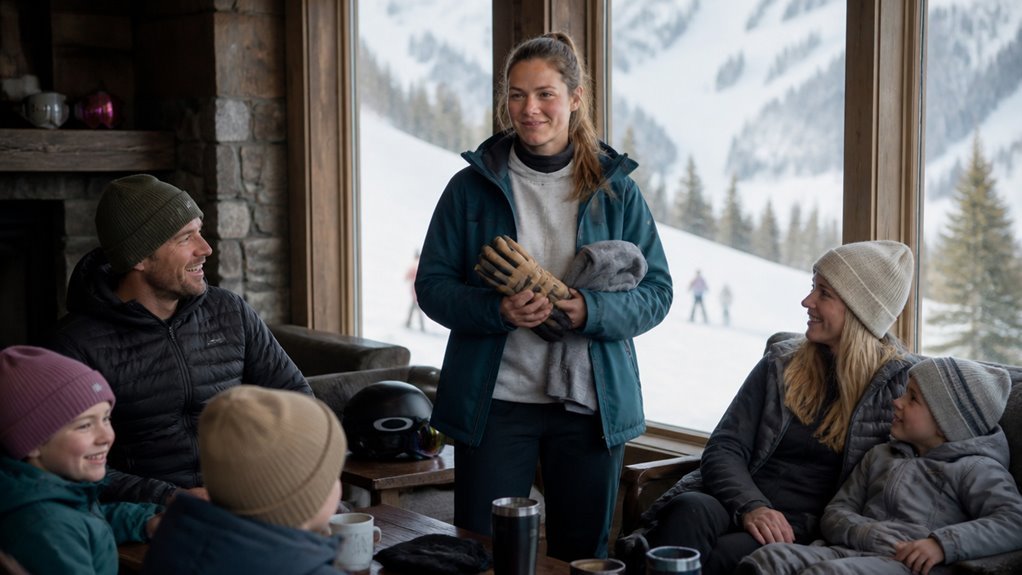
Choose a ski layering system for the conditions you expect on the mountain. A base layer that moves sweat away from your skin helps keep you dry as you ski.
Choose layers that let you bend and reach comfortably, and make sure they fit well together. Balance insulation, such as a fleece or down midlayer, with the warmth you need for the day.
Temperature And Weather
Plan your ski clothing for the coldest temperatures in the forecast, then adjust as the day changes. A setup that feels comfortable at 32°F (0°C) may leave you shivering near 10°F (-12°C).
Wind pulls heat from your body, especially on exposed ridges and chairlift rides. Choose a wind-resistant ski jacket or shell, and cover your ears with a warm hat or helmet liner.
For wet snow or rain, wear a water-resistant outer shell to keep your clothing dry. Adjustable layers let you add or remove warmth as temperatures and activity levels change.
Skiing generates heat, but lift rides and breaks can cool you quickly. Choose base layers and insulation that suit the forecast, and bring an extra layer if conditions may turn colder.
Moisture Management
Choose a ski base layer that moves sweat away from your skin so it can evaporate. Breathable merino wool or synthetic fabrics help you stay comfortable on the slopes.
Avoid cotton because it absorbs sweat and dries slowly, which can leave you cold on a lift ride or after a hard run. Open your jacket vents or remove a layer as you warm up, before sweat builds up.
After skiing, change out of damp base layers as soon as you can to reduce lingering moisture and heat loss. A dry base layer helps you stay comfortable from first chair to last run.
Fit And Mobility
Choose a ski base layer that lies smoothly against your skin and lets you move freely. If it feels roomy, try a smaller size.
Look for stretchy fabric that moves with you when you bend, reach, or plant a ski pole. Choose warm, low bulk layers that fit comfortably under your ski jacket and pants.
Check that the waistband stays in place without pinching. An adjustable drawstring can help you get a secure fit.
Before you buy, wear the layers over a thin shirt and test a squat, twist, and overhead reach.
Layering Compatibility
A good ski layering system keeps you warm, dry, and free to move on the mountain. Choose a base layer that sits close to your skin and moves sweat away from it.
Add a thin, flexible midlayer that fits smoothly under your ski jacket. Try each layer together and make sure you can bend your knees and lift your arms comfortably.
Check that cuffs, waistbands, and neck openings overlap to keep out snow and drafts. Choose a breathable shell with enough room for your layers, and make sure its zippers and vents work easily.
Insulation And Warmth
For most ski days, choose lightweight insulation that keeps you warm and lets you move comfortably beneath your ski shell. A brushed or fleece lined base layer adds soft warmth, while breathable fabric helps release excess heat and moisture.
Lightweight merino wool, around 165 g/m², can add warmth, wick sweat, and help regulate body temperature as conditions change. When choosing ski pants, look for wind resistant fabric and targeted insulation, such as warm panels over the thighs.
Choose layers that fit comfortably under your shell and support easy movement on the slopes. Add focused warmth where you need it, and avoid bulky layers that restrict your turns.
Activity And Duration
Choose ski layers that match your pace and time on the mountain. If you ski hard, wear breathable base layers and midlayers that let sweat escape.
If you take slow runs or spend long stretches on chairlifts, add insulation that keeps you warm while you’re still. Your legs may be working, but the lift ride gives them little chance to warm up.
For ski days lasting several hours, choose adjustable layers with vents. Open them as you move, then add warmth during breaks as conditions change.
On full day trips, pack dry spare socks or a base layer. Damp fabric can make you feel colder as the hours pass.
Frequently Asked Questions
How Should I Adjust My Layers When Temperatures Change During a Ski Day?
Start your ski day with a moisture-wicking base layer, a breathable midlayer, an insulating layer, and a waterproof ski shell so you can adapt to changing mountain weather. For resort skiing, choose layers that fit comfortably under your jacket without restricting movement, and look for breathable fabrics that help manage sweat.
When you’re hiking, skinning, or skiing hard, open your jacket vents and remove a layer before you get sweaty. If you’re comparing ski jackets or midlayers to buy, prioritize adjustable vents, quick-drying materials, and insulation suited to your usual temperatures.
Zip up when the wind picks up or you stop on the chairlift, then add a fleece or insulated vest if you’re still cold. If you start overheating, shed a layer rather than letting moisture build up against your skin.
Pack an extra layer in your ski backpack so you can adjust as conditions change throughout the day. Staying dry and comfortable matters more than wearing the bulkiest ski clothes.
What’s the Best Way to Prevent Overheating While Skiing?
Prevent overheating while skiing by venting your ski jacket early, before you start sweating. Open the pit zips, unzip the front, or loosen your cuffs on warm runs, then close them before a cold lift ride or a change in weather.
Choose a moisture-wicking base layer and a breathable ski jacket, then add a midlayer that suits the forecast and your activity level. If you’re shopping for ski clothing, look for adjustable vents and easy-to-layer pieces so you can regulate your temperature without stopping.
If you feel damp, remove a layer at the next safe stop and let sweat dry before you get chilled. Staying comfortable in changing mountain weather helps you ski longer and avoid the overheating-to-chill cycle.
How Often Should I Replace Ski Base Layers?
Replace ski base layers every three to five seasons if you ski regularly, but let condition and performance guide the decision. Replace merino wool or synthetic ski underwear sooner if it still smells after washing, has holes, or has stretched out and no longer fits snugly.
A good base layer should wick sweat away from your skin and feel comfortable under ski pants and a midlayer. If it sags, feels less warm, or leaves you damp on the slopes, it may be time to shop for replacement ski base layers.
Before buying, check the seams, cuffs, and fabric for wear, and follow the care label to help extend the garment’s life. Merino wool and synthetic base layer sets typically cost about $50 to $150, depending on fabric, brand, and features.
Can I Wear Regular Clothing Under Ski Layers?
Yes, you can wear regular clothes under ski layers, as long as they wick moisture, fit comfortably, and do not restrict movement. For skiing, a proper base layer is usually a better choice because it helps manage sweat and keeps you warm on the lift.
Choose a polyester or merino wool thermal shirt, a lightweight fleece mid-layer, ski pants, and a waterproof, breathable ski jacket. Avoid cotton T-shirts, jeans, and thick hoodies because they absorb moisture, dry slowly, and can leave you cold.
Your layers should fit close to your body without feeling tight, so your insulation and outer shell can work properly. When shopping for ski base layers, look for moisture-wicking fabric, flat seams, and a fabric weight suited to the weather and your activity level.
For mild resort days, a synthetic shirt and fleece may be enough beneath your ski jacket. In cold or wet conditions, choose merino wool or synthetic thermal underwear, and avoid cotton next to your skin.
How Should I Wash and Dry Ski Layers Between Trips?
Wash ski base layers and mid-layers after each trip, especially if they are sweaty or have picked up sunscreen, salt, or dirt. Check the care labels, close zippers, fasten hook-and-loop tabs, and wash garments inside out with a small amount of mild detergent.
Skip fabric softener, bleach, and dryer sheets because they can reduce moisture-wicking performance and affect technical fabrics. Wash ski jackets and shell pants separately with a cleaner made for waterproof clothing when needed, and add an extra rinse to remove detergent residue.
Air-dry ski layers, or tumble-dry on low only if the care label allows it. For some waterproof shells, gentle heat can help refresh the durable water repellent finish, but follow the garment maker’s instructions.
Make sure every layer is completely dry before storing it between ski trips to help prevent mildew and musty odors. With the right ski clothing care, quality base layers, insulated mid-layers, and waterproof shells can stay comfortable and perform well for more seasons.
Rounding Up
Layering Fit: We wore every system considered over the same base outfit, timed how long it took to get dressed, and recorded whether sleeves, waistbands, and cuffs stayed in place through 20 squats and 10 overhead reaches.
Heat Retention: We placed each system on the same weighted torso form in a cold room for 30 minutes and logged the temperature beneath the insulation every five minutes.
Moisture Handling: We weighed each base layer dry, added 30 milliliters of water, and wore it for 20 minutes of indoor cycling at the same pace. We weighed it again and noted dampness.
Mountain Day (Winners Only): All recommended products passed the first three tests, then we used each for a full day on the mountain, noting comfort, warmth, and mobility on lift rides and runs.