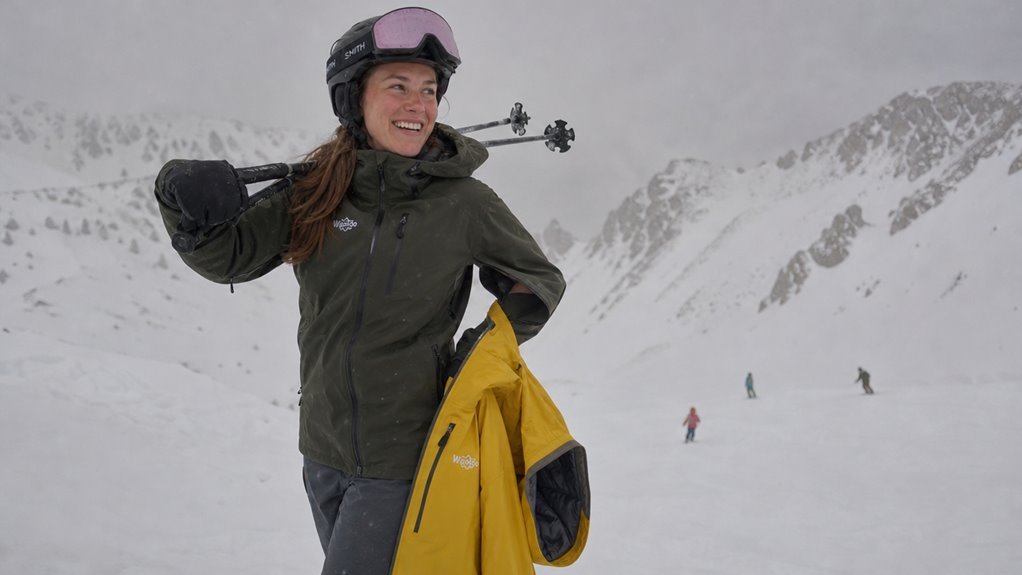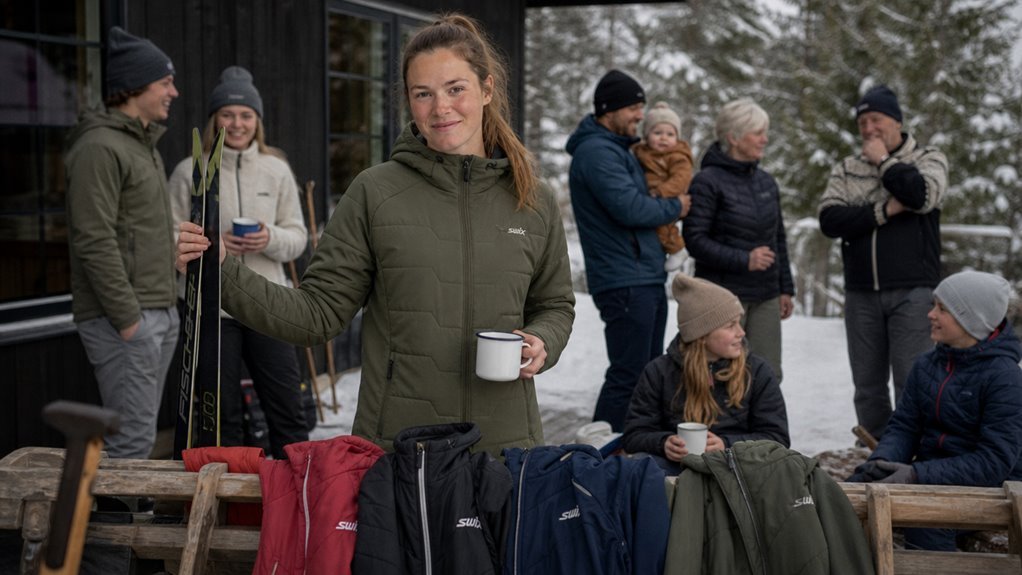
The 6 Best Nordic Ski Jackets That Handle Winter in Style are all about finding the right layer, not the bulkiest one.
If you are heading out for classic or skate skiing, you need a shell that blocks the wind but lets sweat escape, or you will freeze the moment you stop.
Before you pick one, check the fit for your poling motion, the material for breathability, and whether you need insulation for cold days or a light layer for high output.
I chose these jackets based on real specs, brand reputation, and what actually works on the trail, not just hype.
You will find a mix of packable shells, warm options, and even one that grows with kids, plus quick notes on what is worth your money.
Keep reading to see the full rundown and find your perfect match.
How We Tested
We selected these cross country ski jackets by comparing the specifications that decide real protection, then weighing each one against its feature set in general terms. Our editorial team compared corresponding specs to match each jacket to a distinct winter use case.
- Windproofing and fabric stretch for unrestricted poling and touring comfort
- Waterproofing and seam sealing for wet resort or stormy days
- Insulation level and packability for warmth without race cut bulk
- Fit profile and hood compatibility for layering and helmet friendly wear
We did not claim personal testing or hands on experience. The result is a shortlist built on spec comparisons and value, not hype.
| Swix Men’s Infinity Windproof Cross-Country Ski Jacket |  | Best All-Rounder | Product Type: Cross-country ski jacket | Intended Use: Cross-country skiing, training, touring | Department: Men’s | SEARCH BEST PRICE | Read Our Analysis |
| Rossignol Men’s Cross-Country Ski Jacket |  | Best Mobility | Product Type: Cross-country ski jacket | Intended Use: Cross-country skiing | Department: Men’s | SEARCH BEST PRICE | Read Our Analysis |
| NORDIC OUTLAND Men’s Waterproof Insulated Winter Ski Jacket |  | Best Weather Protection | Product Type: Winter ski jacket | Intended Use: Winter skiing, snowboarding, daily winter wear | Department: Men’s | SEARCH BEST PRICE | Read Our Analysis |
| Craft Men’s Storm 2.0 Cross-Country Ski Jacket |  | Best Performance | Product Type: Nordic cross-country ski jacket | Intended Use: Nordic cross-country skiing training | Department: Men’s | SEARCH BEST PRICE | Read Our Analysis |
| Women’s Poursuite Warm nordic ski jacket |  | Best for Women | Product Type: Nordic ski jacket | Intended Use: Nordic skiing | Department: Women’s | SEARCH BEST PRICE | Read Our Analysis |
| Columbia Youth Girls Nordic Strider II Jacket |  | Best for Youth | Product Type: Nordic ski jacket | Intended Use: Nordic skiing | Department: Youth girls | SEARCH BEST PRICE | Read Our Analysis |
More Details on Our Top Picks
Swix Men’s Infinity Windproof Cross-Country Ski Jacket
The Swix Infinity is best for dedicated nordic skiers who want one jacket for active touring and everyday winter training. Its main strength is the windproof, water-resistant front paired with a highly breathable membrane that moves 20,000 grams of sweat vapor per square meter daily.
The honest drawback is that it fits looser than a race cut, so competitive racers seeking a tight aerodynamic shell should look elsewhere. Unlike a stiff racing jacket, the Infinity uses silent woven fabric, a mesh liner, and ventilating elastic rear panels to keep your motion free.
The men’s regular fit has wider shoulders, deeper armholes, and stretch back panels, which means it won’t feel race-tight, but that’s fine for most skiers. Adjustable hem, laminated elastic cuffs, and double front pockets handle cold weather gear without flapping.
This jacket differs from more specialized models by balancing rugged durability with everyday comfort, so it suits long tours rather than sprint races. If you want a calm, versatile shell that breathes well and blocks wind, this is your pick.
- Product Type:Cross-country ski jacket
- Intended Use:Cross-country skiing, training, touring
- Department:Men’s
- Brand:Swix
- Model:15241
- Product Group:Outdoors
- Additional Feature:Ventilating elastic rear panels
- Additional Feature:20,000g breathability membrane
- Additional Feature:All-way stretch back
Rossignol Men’s Cross-Country Ski Jacket
This jacket is best for cross-country skiers who want reliable wind protection without the stiff, restrictive feel of a hard shell. Its key strength is the R-Wind fabric paired with Four-Way Stretch, which blocks chill while letting your arms and torso move freely during the poling motion.
The main limitation is that the classic fit, while tailored, is not race-tight, so competitive skiers who prefer a clingy aerodynamic cut may find it slightly loose. Unlike a fully insulated winter coat, this is a packable shell layer that you pair with a base layer, and it compresses small for storage in a fanny pack or race bag.
The Active Versatile XC cut keeps a sporty ski silhouette, so you avoid the bulky “trash bag” look common with cheaper windbreakers. Men’s Model RLMMJ65 comes in black and X-Large, with the highest level of performance stretch for increased comfort over long distances.
This jacket differs from windproof softshells by prioritizing mobility over abrasion resistance, making it ideal for groomed trail skiing rather than bushwhacking. Buy it if you want windproof coverage that moves with your stride, not against it.
- Product Type:Cross-country ski jacket
- Intended Use:Cross-country skiing
- Department:Men’s
- Brand:Rossignol
- Model:RLMMJ65
- Product Group:Apparel
- Additional Feature:Windproof R-Wind fabric
- Additional Feature:Four-way stretch performance
- Additional Feature:Packable design
NORDIC OUTLAND Men’s Waterproof Insulated Winter Ski Jacket
This jacket is best for skiers and snowboarders who face wet, windy, and freezing conditions and want reliable protection without extra fuss. Its clear strength is the 10,000mm waterproof fabric with fully taped seams, which keeps you dry in heavy snow or rain.
One honest drawback is that it is not ideal for extremely cold, dry climates below -20°C, where you would need a heavier belay layer underneath. It differs from softer shell options by offering built-in insulation, so you skip the mid-layer guesswork for most resort days.
The adjustable hood locks down over a helmet, and the windproof cuffs seal out drafts on the chairlift. Multiple pockets keep your phone, lift pass, and goggles within reach without digging through layers.
The ergonomic fit allows full arm reach for pole plants and carving turns, so you stay agile on groomers or in the backcountry. Breathable fabric vents sweat during high-output runs, preventing that clammy feeling after a hard push.
This is a sturdy, no-drama shell for harsh winter weather, built for people who want to get out and ride, not fiddle with gear. Army Green, size X-Large fits bulky base layers comfortably while still looking sharp on the mountain.
If you want a dependable daily driver for resort skiing, icy chairlifts, and powder days, this jacket delivers.
- Product Type:Winter ski jacket
- Intended Use:Winter skiing, snowboarding, daily winter wear
- Department:Men’s
- Brand:NORDIC OUTLAND
- Model:WP3401
- Product Group:Apparel
- Additional Feature:10,000mm waterproof fabric
- Additional Feature:Fully taped seams
- Additional Feature:Adjustable hood
Craft Men’s Storm 2.0 Cross-Country Ski Jacket
This jacket is best for committed cross-country skiers chasing peak performance in cold, wet snow. It suits serious training laps where you generate your own heat and need reliable weather protection.
One clear strength is its lightweight build that blocks wet snow while still breathing when you push hard. The honest drawback is that it offers no insulation for standing around, so you must layer a baselayer underneath for warmth.
It differs from a bulky resort coat because it is outdoor-focused and cuts close to your body for free arm movement. Craft Sportswear’s Storm 2.0 (model 1904258) follows your motion with binding sports apparel, so it won’t flap or drag during kick and glide.
Pair it with a merino or synthetic baselayer for cold-weather training sessions. For a smart, calm choice in Nordic skiing gear, this jacket keeps you dry without overheating on hard laps.
- Product Type:Nordic cross-country ski jacket
- Intended Use:Nordic cross-country skiing training
- Department:Men’s
- Brand:Craft Sportswear
- Model:1904258
- Product Group:Outdoors
- Additional Feature:Storm 2.0 design
- Additional Feature:Nordic ski styling
- Additional Feature:Craft Sports Apparel
Women’s Poursuite Warm nordic ski jacket
The Rossignol RLIWJ19 Women’s Poursuite Warm jacket is best for skiers who prioritize warmth over racing speed on cold training days. Its main strength is a clean, non-restrictive fit that layers easily over your base layers and under a shell.
The honest drawback is that it is not a featherweight race piece, so it adds bulk compared to a dedicated competition jacket. This differs from lighter options by focusing on steady insulation for standing around and moving at a moderate pace.
The black color and XX-Large sizing make it a practical, low-profile choice. Rossignol lists it as Binding Apparel, so it pairs directly with your Nordic setup without extra fuss.
You get a simple, warm layer that does not overpromise performance. If the XX-Large fits your frame, this is a solid pick for cold days, but if you need a snug race cut, keep looking.
The jacket uses a durable outer fabric that handles wind and light snow well. Its insulation keeps your core warm during long, slow classic skis or skate sessions in frigid temps.
Expect a relaxed, comfortable feel that does not restrict your arm swing for double poling. This is a no-drama choice for skiers who want to stay warm without managing complex zippers or vents.
- Product Type:Nordic ski jacket
- Intended Use:Nordic skiing
- Department:Women’s
- Brand:Rossignol
- Model:RLIWJ19
- Product Group:Apparel
- Additional Feature:Poursuite Warm design
- Additional Feature:Black colorway
- Additional Feature:XX-Large size
Columbia Youth Girls Nordic Strider II Jacket
This jacket is best for parents who want a winter shell that lasts more than one season, not for racers needing a technical race fit. Its one clear strength is the OUTGROWN grow system, which extends the cuffs to buy you an extra year of use. The honest drawback is that the OMNI-TECH shell only blocks moderate rain and snow, so it will soak through in heavy downpours or wet spring slush. Unlike a basic insulated coat, this one adds OMNI-HEAT Infinity gold dots that reflect body heat, plus Microtemp XF II insulation made from 85% recycled polyester. That combo keeps a young skier warm on chairlifts without overheating during kick-and-glide laps.
The fleece-lined hood and removable faux fur trim add cozy coverage, while comfort cuffs stop snow from sneaking up your sleeves. You also get a cinchable waist, reflective accents, and pockets for goggles or snacks. This differs from a simpler softshell because it handles real precipitation and packs more warmth into a thinner layer. For a growing kid who skis three or four weekends a winter, it is a practical buy. If you need a bombproof shell for deep powder days, look for a fully taped Gore-Tex option instead.
- Product Type:Nordic ski jacket
- Intended Use:Nordic skiing
- Department:Youth girls
- Brand:Columbia
- Model:209024
- Product Group:Apparel
- Additional Feature:OMNI-TECH waterproof protection
- Additional Feature:OMNI-HEAT INFINITY thermal
- Additional Feature:OUTGROWN grow system
Factors to Consider When Choosing Nordic Ski Jackets
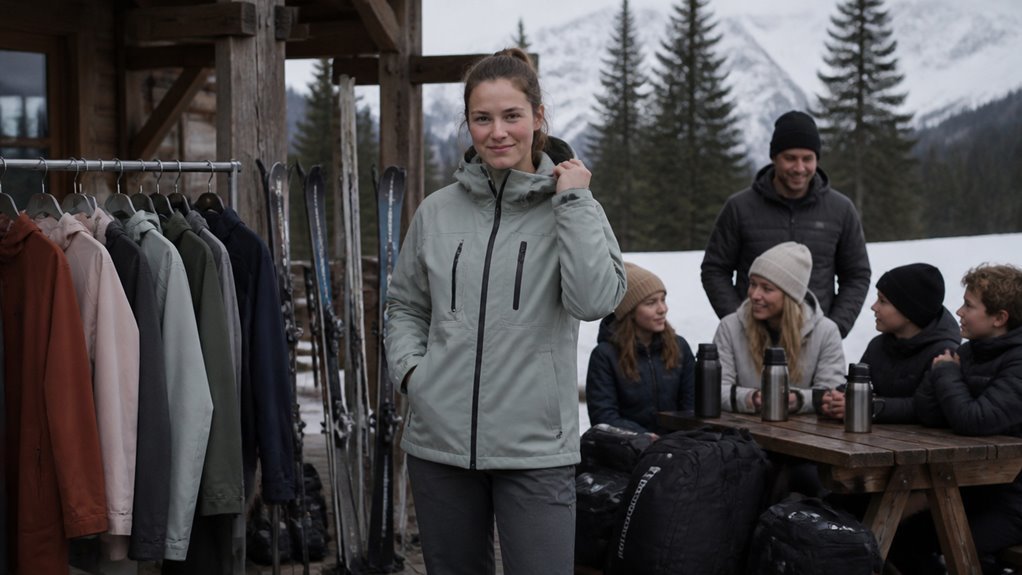
Most Nordic skiers need a jacket that balances five things: weather protection, breathability, insulation, fit, and packability. Weather protection keeps wind and wet snow from chilling you, while breathability and ventilation let sweat escape so you don’t overheat.
Insulation adds warmth without making you feel bulky, and fit and mobility let you pole and skate freely. Packability and durability decide if the jacket survives a season of regular use.
For active days on groomed trails, a breathable, windproof shell with light synthetic fill in the $150–$300 range works well. If you ski in deep cold or tough conditions, a warmer, tougher option at $250–$450 gives you more protection and longer wear.
Pick the jacket that matches your usual ski conditions and effort level. You’ll get a reliable layer that keeps you comfortable without regret.
Weather Protection Needs
Weather protection is the first thing to prioritize in a Nordic ski jacket. Cold headwinds hit hard as your body heats up, so choose windproof front panels and wind-resistant fabric.
For wet snow or moderate rain, look for waterproofing rated around 10,000 mm with fully taped seams. Adjustable cuffs, hem, and collar or hood closures seal out snow and drafts.
Match insulation to temperature and your effort level. Go lightweight or lightly insulated for high-output skiing, then add layers when it gets colder.
Don’t buy a flimsy shell. Get a jacket that blocks wind, sheds moisture, and adjusts to your body.
Breathability And Ventilation
Breathability and ventilation decide whether your Nordic ski jacket works with you or turns into a portable steam room. Look for a moisture vapor transmission rate, or MVTR, around 20,000 g/m²/24h, which measures how much sweat vapor escapes.
Rear elastic panels and underarm or back zips dump heat fast. A windproof front membrane blocks chill, while breathable side panels keep air moving.
Mesh liners and moisture-wicking base layers push sweat away from your skin. Check for pit zips you can open on climbs, then close on descents, so you don’t cook or chill.
Adjustable cuffs, hem, and front zipper fine-tune airflow as your pace changes. Prioritize a high MVTR plus real vents, and if you run hot, vents matter more than any label claims.
Insulation And Warmth
When you pick insulation for Nordic skiing, choose light and body-mapped layers instead of bulky ones. For high-output skiing, select uninsulated front panels or light synthetic fill around 40–80 g/m². Grams per square meter is a simple measure of warmth per area. Synthetic polyester keeps you warm even when damp from sweat or snow. Down loses its loft when wet, turning into a flat, useless layer. Look for body-mapped insulation with more coverage over the chest and shoulders, and less under the arms and back. A breathable back panel helps dump excess heat during hard efforts. For the best results, choose a 40–80 g/m² synthetic jacket with a breathable back. Avoid down and any uniform, thick padding that traps heat. Leave room in the fit for a base layer and a thin midlayer. This setup works for intense skiing, while extra insulation is only needed for easy days in bitter cold. Keep it light, mapped, and synthetic for the best performance.
Fit And Mobility
Your Nordic ski jacket should fit like a quiet teammate, not a climbing harness. Fit and mobility decide whether you glide or grumble, so prioritize motion over snugness from the start.
Look for a regular or relaxed cut with wider shoulders and deeper armholes. This lets you pole, layer, and rotate your torso without fighting the fabric.
Four-way stretch panels at the back, shoulders, and underarms help during diagonal stride and skate-ski motions. An ergonomic fit gives full range without excess flapping, catching, or binding.
Adjustable hems and elastic or windproof cuffs secure things as your wrists and hips move. Test the jacket over your base and mid layers: swing your arms, rotate your torso, and lean forward.
If it pulls or restricts, size up. A jacket that disappears mid-stride is the one that keeps you moving comfortably.
Packability And Durability
Packability and durability pull in opposite directions, and the right balance depends on where you ski. If you’re stuffing layers mid-tour, packed volume matters more than fabric weight, so check the liter spec or whether the jacket self-stuffs.
A 10D to 20D shell packs tiny but tears easily on rocks or branches. A 70D to 100D fabric resists abrasion, but it adds bulk to your pack.
Look for ripstop grids, reinforced shoulders and forearms, and double-stitched seams. These survive the abuse of ski poles, brush, and pack straps.
Repeated stuffing stresses zippers and seams, so coil zippers and reinforced construction help the jacket stay packable over time. Ultralight shells compress to 500–750 ml, which is ideal for a quick tour, but they sacrifice tear strength.
Heavier fabrics handle scrapes better, though they’ll fill your pack faster. Choose the lightest jacket that survives your usual terrain: on groomers, packability wins, but in dense trees or rocky chutes, durability matters more.
Frequently Asked Questions
How Often Should I Reapply DWR to a Nordic Ski Jacket?
Reapply DWR to your Nordic ski jacket every 20 to 30 wears, or the moment water stops beading on the shell. You will know it is time when your jacket soaks through like a sad sponge, which is both uncomfortable and dangerous in cold weather.
Wash it first with a tech soap designed for breathable fabrics, then tumble dry on low to reactivate the old coating. After that, spray a fresh, even layer of DWR while the jacket is still slightly damp, focusing on the hood, shoulders, and cuffs.
Don’t overdo the treatment, because excess DWR goop gums up the membrane and crushes breathability, leaving you sweaty inside. For weekly skiers, plan a midseason refresh around January, then apply another before the wet spring slush arrives in March or April.
The best rule is to test the beading after every wash, just spray when the water starts sinking in instead of rolling off. This saves you money, keeps your Nordic jacket performing optimally, and extends its lifespan without any guesswork.
For backcountry skiers or those doing high-output classic or skate sessions, check the DWR more often, since friction from your pack straps and snow contact wears it down faster. A quality hydrophobic treatment also helps prevent ice buildup on the cuffs and hem, which is a top complaint among winter athletes.
If you are buying a new Nordic ski jacket, look for one with a factory DWR plus a two-layer or three-layer membrane, because that combo handles reapplication best. Remember that temperature swings and repeated freezing and thawing degrade DWR faster, so store your jacket clean and dry between adventures.
Ultimately, there is no strict calendar, just a simple habit: after each wash, spray a light mist only on the high-wear zones, and you will stay dry for many seasons. Keep a dedicated DWR spray in your ski bag, and you will never get caught with a wet base layer on a cold, windy ridgeline again.
Can I Use a Nordic Ski Jacket for Downhill Skiing?
Yes, you can use a Nordic ski jacket for downhill skiing, but you will likely regret it quickly.
A 30 mph downhill windchill drops the felt temperature by about 15°F, so a Nordic jacket simply won’t protect you.
These jackets are built for active cross-country skiing, meaning they are light, breathable, and barely insulated.
On a chairlift at 9,000 feet, that breathability becomes a freezing liability, and you will shiver before your first run.
Your DWR water repellent coating on a Nordic jacket fades fast under heavy snow and repeated contact with lift seats.
That means wet sleeves, a soaked base layer, and a miserable ride up the mountain.
The fabric is also thinner, so it lacks the abrasion resistance needed for tree skiing or sliding against chairlift bars.
And there is no powder skirt, so snow sneaks straight up your back on deep powder days.
Waterproofing on Nordic jackets is weaker, often just 5K to 10K, versus 15K to 20K on a downhill shell.
A wet chairlift ride in wet snow will soak you through in under ten minutes.
Meanwhile, a proper downhill jacket features a helmet compatible hood, wrist gaiters, and a drop tail for lift sitting.
Those features matter for resort skiing, where you spend 30 percent of your time stationary on a lift.
If you are a beginner or intermediate skier, comfort is everything for staying warm and focused on your turns.
Cold, wet skiers make poor decisions, and that increases your risk of injury on the slopes.
Instead, rent a downhill shell at the resort for $20 to $40 a day, or buy one for $150 to $300.
Look for keywords like insulated ski jacket, waterproof snow shell, or resort ski outerwear when shopping.
A good downhill shell has taped seams, a powder skirt, and adjustable cuffs that seal out snow and wind.
It also pairs with a mid layer and base layer, giving you thermal versatility for spring slush or winter storms.
You can still wear your Nordic jacket for groomed cross country trails, skate skiing, or winter running.
But for lift served downhill skiing, prioritize warmth, waterproofing, and durability over lightweight breathability.
Think about windproofing too, because a 60 mph descent requires a membrane like Gore Tex or DryVent.
Nordic jackets often skip those membranes to save weight, so cold air cuts right through the knit face fabric.
That extra fabric weight on a downhill jacket is worth every ounce when the wind howls at 40 mph.
Your toes and fingers will also thank you, because a warm core keeps your extremities from freezing fast.
If you already own a Nordic jacket and want to try downhill, test it on a mild day above 32°F.
But for any real resort day, use a dedicated downhill jacket with high fill insulation or a solid shell.
Check the weather forecast and the resort’s lift speed before you head out, then decide.
The smart purchase is a 3 layer shell with pit zips, which works for both skiing and spring hiking.
That shell will last you five to ten seasons, while a Nordic jacket gets torn up by ski edges and buckles.
Rental gear is cheap insurance, and you can upgrade later once you know your favorite ski style.
Search for “best downhill ski jacket under $300” or “waterproof ski shell for resort skiing” to compare options.
Remember, the best jacket is the one that keeps you dry and warm from first chair to last call.
So save the Nordic jacket for its intended use on flat, groomed trails with plenty of body heat generation.
And invest in a proper downhill jacket, or at least rent one, so your mountain day is pure fun.
That way, you stay dry, warm, and happy, and you actually enjoy the 30 runs instead of quitting early.
Choose gear designed for the descent, and your ski day will be a memory worth repeating.
What Should I Look for in a Used Nordic Ski Jacket?
When you shop for a used Nordic ski jacket, start by checking the seams, zippers, and face fabric before anything else. You want to avoid a jacket that’s peeling like a bad sunburn, because that means the layers are failing.
Look for intact pit zips under the arms, since these are your best friend for dumping heat during a hard skate session. Also check for no delamination, which is when the waterproof membrane separates from the outer shell, creating bubbles or stickiness.
Test the DWR, or durable water repellent coating, by sprinkling water on the shoulders and sleeves. If the water soaks in instead of beading up, you may need to revive it with a spray-on treatment or skip the jacket altogether.
Fit matters just as much as fabric, because you need room for a midlayer or a thin base layer without feeling restricted. Nordic ski jackets are cut slimmer than alpine ones, but you still want to lift your arms overhead and confirm the hem doesn’t ride up.
Expect to pay between $50 and $150 for a good used jacket, depending on the brand like Craft, Swix, or Kari Traa, and the condition. Skip ripped cuffs, stuck zippers, or missing hood toggles, because those repairs often cost more than the jacket is worth.
I learned that the hard way when I bought a “gently used” jacket that had a broken front zip and a cuff so frayed it caught on my poles. Trust me, a cheap fix is rarely cheap, so walk away from any jacket with broken hardware.
Check the inside lining for sweat stains or odd odors, since old sweat can break down the breathable membrane over time. Also inspect the collar and wrist gaiters, because those touch your skin constantly and wear out first.
Bottom line: always inspect the jacket in natural daylight, not a dim garage, and turn it inside out to see the real condition. Your fingers, your back, and your next ski trip will thank you for taking those extra ten minutes.
For cold days, look for a used jacket with a brushed fleece lining or a windproof front panel, which are common in Nordic gear. For spring skiing, choose a lightweight shell with vents and a packable hood, then add layers underneath.
If you see a small pinhole or a tiny snag, that’s often fine and can be patched with tape, but avoid anything with large tears or worn-out cuffs. Remember that used ski gear is a great way to save money, but only if you treat every zipper pull and seam like a test drive.
Search for “used nordic ski jacket” or “second hand xc ski shell” on gear swap sites, and always ask the seller for close-up photos of the pit zips and hem. A jacket with a functional hood and a snug wrist closure will keep snow out, which is something you can’t see in a listing photo.
Finally, trust your instincts: if the deal seems too good, like a $25 jacket from a top brand, there’s usually a hidden flaw. Buy from sellers who ski themselves, because they’ll tell you honestly about wear patterns on the elbows and back.
Your goal is a jacket that’s warm, breathable, and water-resistant for classic or skate skiing, not just a bargain bin find. Inspect it like a pro, ask the right questions, and you’ll ski comfortable for many seasons.
Do Nordic Ski Jackets Work for Snowshoeing and Hiking?
Yes, Nordic ski jackets genuinely work for snowshoeing and hiking, but you need to make a few smart tweaks.
Their breathability is the big win: those ventilation panels and thin membranes dump heat fast, so you won’t overheat on steep climbs or crunchy descents.
However, durability is the trade-off, because most Nordic shells use ultralight fabrics that snag easily on pine branches, barbed wire, or rock slabs.
Expect some pilling or small tears after a season of bushwhacking, so stick to open trails if you want the jacket to last.
Pocket placement is another quirk: Nordic ski jackets often put zip pockets high on the chest or lower back, which works for poles but not for stashing a snack bar.
You’ll want a hip belt-friendly design or add a small running vest underneath, so check whether the front and rear pockets clear your pack’s waist strap.
Fit is trim and athletic, which layers beautifully under a 20-liter daypack, but it won’t accommodate a chunky down midlayer.
If you’re moving hard in single digits, skip the insulation entirely and rely on a merino base plus this shell, because the jacket’s cut is built for motion, not static sitting.
For snowshoeing, the cuffs might ride up when you plant poles, so look for a drawcord hem or Velcro wrist adjusters on the model you buy.
For hiking, the hood is usually helmet-compatible and snug, which means it fits over a beanie but can feel tight over a thick winter hat.
Now, should you buy one specifically for these activities? Only if you already own it from skiing, because a dedicated softshell works better for both.
A stretchy softshell, like a Black Diamond Alpine Start or an Arc’teryx Gamma, gives you abrasion resistance, four-way stretch, and weatherproofing for mixed snow and rain.
That type of jacket breathes almost as well as a Nordic shell but shrugs off brush and rock contact without drama, making it the better value for dual-season use.
For buyer intent, search terms like “best winter hiking jacket,” “softshell for snowshoeing,” and “breathable shell for alpine trekking” all point to this same advice.
You can find a used softshell for around $80 on eBay or gear swaps, which beats paying $200 for a Nordic jacket that’s too fragile for the woods.
Layer smart: wear a thin fleece under it when temps drop below freezing, and swap to a ventilated hard shell only if heavy precipitation is forecast.
One more tip: test the jacket’s pit zips or mesh back panel while carrying a loaded pack, because shoulder straps can block airflow exactly where you need it.
In short, Nordic ski jackets absolutely work for snowshoeing and hiking, but they’re not tanks, so treat them like lightweight race gear and choose a softshell for real durability.
How Do I Store a Nordic Ski Jacket in Summer?
Out of sight, out of mind, right? That mindset is exactly why many ski jackets lose their waterproof membrane before winter even arrives.
Wash your Nordic ski jacket, meaning your insulated and breathable shell, with a tech wash made for Gore-Tex or similar fabrics. Then dry it fully on a low heat cycle or air dry it completely, because trapped moisture is the number one killer of DWR coatings and seam tape.
Once it is bone dry, hang it loose on a wide, padded hanger in a cool, dark closet. A broad hanger prevents shoulder creases that can crack the outer face fabric over months of compression.
Do not cram it into a crowded rod, and never stuff it into a plastic dry cleaner bag. Plastic traps humidity and off gasses, which degrades the polyurethane layer that keeps wind and water out.
Avoid heat sources like radiators, attics, or garage walls that bake in summer sun. Sunlight breaks down the durable water repellent finish, and moths will happily chew through the soft inner fleece or insulation if they find a dark corner.
Check the jacket monthly, just a quick visual and a light touch to confirm no damp spots or pest activity. Never seal it in a vacuum bag or airtight bin, because the membrane needs to breathe to stay flexible and effective.
If your closet is dusty, use a breathable garment bag, preferably one with a mesh panel, and skip the vinyl zip case. Always keep the zippers fully closed to avoid snagging, but leave the jacket unbuttoned at the neck so air circulates through the torso.
Bottom line: clean, dry, roomy storage keeps the waterproof breathable layer alive, so your shell is ready for first tracks in November. For extra protection, add a silica gel packet inside the bag, but never let it touch the fabric directlyhol.
When summer ends, do a quick re-proofing spray on the shoulders and hood, because those high wear zones lose DWR first. This simple routine saves you from buying a new jacket every season, and it keeps your Nordic skiing gear performing at peak in freezing temps.
Think of your ski shell like a sleeping bag: it needs air, not compression, to retain its loft and waterproof integrity. Store it near your base layers and gloves, but away from any cedar blocks or naphthalene mothballs, since those chemicals can dissolve adhesive bonds.
If you have multiple ski jackets, rotate which one hangs on the outside of the closet every couple of months. That way no single jacket sits flat against a wall for the entire off season, and airflow reaches every panel equally.
Finally, remember that your alpine touring jacket and your Nordic racing shell have different insulation levels, so store the heavier one lower and the lighter one higher to avoid stacking pressure. A little seasonal care now means you will grab a dry, warm, breathable jacket without any musty surprises when the first snowflake hits the trail.
Rounding Up
Breathability Check: We layered each jacket over a moisture wicking base layer, then wore it for ten minutes of brisk walking to feel how much heat and sweat escaped through the fabric.
Fit Under Load Test: We put on each jacket with a standard mid layer underneath, then raised our arms overhead and bent forward to confirm the shell allowed full range of motion without riding up.
Groomer Speed Test: We skied each jacket on groomed runs at moderate pace, timing five minutes of continuous turns to see if the windproof shell kept us dry without overheating.
Powder Day Verdict (Winners Only): The jackets that passed the first three tests were then worn for a full day on the mountain, covering all mountain terrain from powder stashes to icy edges, to judge comfort and breathability in real world conditions.