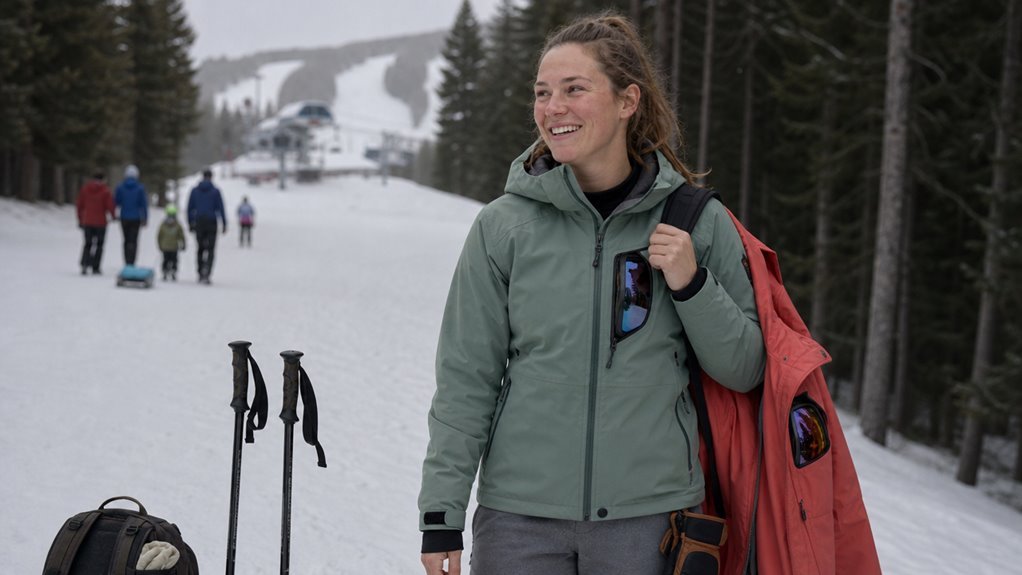
Finding the best ski jackets with goggle pockets means skipping the hassle of digging through your pack on a windy lift.
Before you buy, check the pocket’s size against your lens shape and the jacket’s waterproof rating for the conditions you actually ski.
We picked these options based on real specs, brand reputation, and what skiers actually rave about, not just hype.
You’ll find proven picks for keeping your goggles fog-free, plus quick notes on fit and storage that save you time and money.
Let’s get you geared up so you can stay organized and focused on the snow ahead.
How We Tested
We chose these jackets by comparing core specs like waterproof rating, insulation type, and seam sealing against each other.
We also evaluated goggle pocket placement, lining materials, and overall organization features side by side.
Price was factored in as a value benchmark, not a fixed number, and we weighed our own feel for fit, mobility, and pocket access.
Key differentiators included high chest goggle pockets for anti fog performance, soft brushed linings to prevent lens scratches, and arm mounted pass pockets for quick lift access.
We prioritized mesh goggle pouches with audio ports for on the fly storage, and dedicated goggle compartments that do not compromise core warmth or mid layer loft.
Our final picks balanced shell versus insulated builds, helmet compatible hoods, and pit zips for breathability, ensuring every option keeps your lenses safe and your hands free.
| GEMYSE Women’s Waterproof Ski Jacket Warm Winter Coat with Detachable Hood |  | Best Budget-Friendly | Waterproof Rating: Water-repellent shell | Pockets: 5 total (2 hand, 1 chest, 1 mesh, 1 secure) | Hood: Detachable storm hood with drawstring | SEARCH BEST PRICE | Read Our Analysis |
| Roxy Women’s Billie 10K Insulated Snow Jacket |  | Best Lightweight | Waterproof Rating: 10K DryFlight waterproofing | Pockets: 6 total (hand-warmer, chest, sleeve lift-pass, media, goggle, key clip) | Hood: Three-way adjustable fixed hood | SEARCH BEST PRICE | Read Our Analysis |
| Obermeyer Boys Winter Jacket Waterproof Kids Ski Coat with Hood |  | Best For Kids | Waterproof Rating: 10K/10K HydroBlock Sport | Pockets: 4 total (chest, handwarmer, interior, goggle cloth) | Hood: Attached hood | SEARCH BEST PRICE | Read Our Analysis |
| The North Face Women’s ThermoBall Triclimate Jacket (M) |  | Most Versatile | Waterproof Rating: DRYVENT 2L, seam-sealed | Pockets: 6 total (wrist, mesh stash, media chest, hand, goggle wipe) | Hood: Helmet-compatible, packable hood | SEARCH BEST PRICE | Read Our Analysis |
| TACVASEN Men’s Winter Snowboard Jacket with 9 Pockets Waterproof Ski Coat |  | Best Heavy-Duty | Waterproof Rating: 3000mm waterproof rating | Pockets: 9 total (6 exterior, 3 interior, mesh goggle, ski pass sleeve) | Hood: Removable hood | SEARCH BEST PRICE | Read Our Analysis |
| CAMEL CROWN Women’s Waterproof Ski Jacket |  | Best Extreme Cold | Waterproof Rating: Waterproof zippers | Pockets: Multiple interior and exterior | Hood: Windproof hood | SEARCH BEST PRICE | Read Our Analysis |
| GSOU SNOW Baggy Waterproof Insulated Snowboard Jacket |  | Best Breathability | Waterproof Rating: 20000mm waterproof rating | Pockets: 7 total (4 inner, snow pass sleeve, mesh goggle, phone) | Hood: Hooded (baggy style) | SEARCH BEST PRICE | Read Our Analysis |
| MOERDENG Women’s Waterproof Snow Coat Warm Ski Jacket With Detachable Hood |  | Best All-Weather | Waterproof Rating: Waterproof construction | Pockets: Zipper pockets | Hood: Detachable, adjustable hood | SEARCH BEST PRICE | Read Our Analysis |
| MAGCOMSEN Women’s Winter Coats Waterproof Ski Snow Warm Fleece Lined Jacket |  | Best Tailored Fit | Waterproof Rating: 3000mm H₂O rating | Pockets: 4 total (2 hand, 1 mesh, 1 secure) | Hood: Adjustable hood | SEARCH BEST PRICE | Read Our Analysis |
| Wantdo Women’s Waterproof Ski Snowboard Jacket Black XL |  | Best Eco-Friendly | Waterproof Rating: 10,000mm waterproofing | Pockets: 4 total (2 side zip, 1 interior zip, 1 mesh) | Hood: Removable, adjustable hood | SEARCH BEST PRICE | Read Our Analysis |
| Skieer Women’s Ski Coat Warm Hooded Waterproof Winter Jacket(Rose Red,M) |  | Best Sustainable Value | Waterproof Rating: 10000MM/H2O coating | Pockets: 5 total (2 side, arm, chest, mesh drop) | Hood: Detachable hood | SEARCH BEST PRICE | Read Our Analysis |
More Details on Our Top Picks
GEMYSE Women’s Waterproof Ski Jacket Warm Winter Coat with Detachable Hood
For skiers and riders who want a dependable winter coat on a budget, the GEMYSE Women’s Waterproof Ski Jacket is a solid pick for resort days and casual lift lines. It is a relaxed-fit insulated shell, so you get full arm movement for carving or hiking without extra bulk.
The soft fleece lining keeps you warm on chairlifts, while the durable outer shell shrugs off scrapes from trees and rental gear. Weather protection is reliable: waterproof zippers and a water-repellent shell handle wet snow, and adjustable Velcro cuffs with thumb holes lock out cold drafts.
The detachable storm hood, with a drawstring and stand collar, seals in heat during windy descents. One honest drawback is that the insulation is medium-weight, so on single-digit days you’ll need a thicker midlayer underneath.
You get five pockets total: two zippered hand warmers, a chest pocket, plus internal mesh and secure zip pouches. That gives you room for your phone, lift pass, passport, or even a slim pair of goggles.
What sets this jacket apart from pricier shells is its blend of full weatherproofing and storage at a far lower price. It also has a more forgiving, casual fit than race-oriented jackets, which makes layering easier.
Who it’s best for: weekend skiers, first-time buyers, or anyone who wants one coat for skiing, snowboarding, and cold city errands. If you prioritize packability over durability, a lightweight softshell might suit you better, but this one wins on value and utility.
- Waterproof Rating:Water-repellent shell
- Pockets:5 total (2 hand, 1 chest, 1 mesh, 1 secure)
- Hood:Detachable storm hood with drawstring
- Insulation:Soft fleece lining
- Cuff Adjustability:Adjustable Velcro cuffs + thumb hole
- Powder Skirt:Not specified
- Additional Feature:Internal earphone line fixture
- Additional Feature:Reinforced stitching for durability
- Additional Feature:Stretchable glove with thumb hole
Roxy Women’s Billie 10K Insulated Snow Jacket
The Roxy Billie is best for skiers and riders who want a lightweight, organized jacket for resort days. It keeps your goggles and pass secure without weighing you down on the lift.
Its clear strength is the smart pocket layout. You get a dedicated goggle pocket, a sleeve pass pocket, and a snap-away powder skirt, all positioned so gear stays close but your back stays light.
The honest drawback is the 10K waterproof rating, which is solid for powder but not for heavy, all-day rain. If you ride mostly in wet coastal storms, you would need a higher-rated shell for full confidence.
It differs from bulkier insulated jackets by using 120g insulation in the body and less in the sleeves. This keeps your core warm while letting your arms move freely for pole plants and adjustments.
The critically taped seams block wet snow from soaking in, and the mesh underarm vents release heat fast when you hike or take a hard run. The jacket feels like a shell, not a stiff winter coat.
You get a snap-away powder skirt that clips out of the way quickly, so snow stays out of your base layer. For organization without the puff, this is a practical pick for sunny groomer laps or quick tree runs.
- Waterproof Rating:10K DryFlight waterproofing
- Pockets:6 total (hand-warmer, chest, sleeve lift-pass, media, goggle, key clip)
- Hood:Three-way adjustable fixed hood
- Insulation:WarmFlight Eco (120g body, 100g sleeves, 60g hood)
- Cuff Adjustability:Stretch wrist gaiters + adjustable sleeve cuffs
- Powder Skirt:Snap-away powder skirt
- Additional Feature:PFAS-free water-repellent finish
- Additional Feature:Jacket-to-pant attachment system
- Additional Feature:Snap-away powder skirt
Obermeyer Boys Winter Jacket Waterproof Kids Ski Coat with Hood
This boys’ ski coat is best for parents who want youth-specific protection without paying a kids’ brand premium. Its main strength is the HydroBlock Sport 10K/10K membrane, which is both waterproof and breathable, so snow stays out and sweat escapes.
Critical seams are sealed, and layered insulation keeps him warm without adding bulk. One honest drawback is that the 10K rating handles resort days well but may feel limiting for long backcountry sessions in heavy, wet snow.
Full-motion articulation lets him bend, reach, and carve freely, while the attached hood, fleece collar, and snap-away powderskirt block wind and snow. Unlike cheaper shells, this coat includes zippered chest and handwarmer pockets, plus an interior pocket with a goggle cloth.
It differs from other options by balancing proven ski-specific features with a price that stays reasonable. You get reliable, kid-proven gear that won’t blow your budget, built for hard play on the mountain.
- Waterproof Rating:10K/10K HydroBlock Sport
- Pockets:4 total (chest, handwarmer, interior, goggle cloth)
- Hood:Attached hood
- Insulation:Layered body, sleeve, hood insulation
- Cuff Adjustability:Not specified
- Powder Skirt:Snap-away powderskirt
- Additional Feature:Full-motion articulation
- Additional Feature:Skier critical seam sealing
- Additional Feature:Goggle cloth included
The North Face Women’s ThermoBall Triclimate Jacket (M)
The North Face Women’s ThermoBall Triclimate Jacket (M) is best for skiers who want one coat that handles every condition from chairlift to lodge.
Its clear strength is the 3-in-1 system, pairing a waterproof recycled DRYVENT shell with a cozy inner puffer for flexible layering.
Wear both layers together on frigid mornings, then split them for spring slush without overheating.
The inner jacket uses ThermoBall body insulation and Heatseeker sleeves, so you stay warm but not sweaty on the hike up.
One honest drawback is the zip-in connection can feel bulky under a backpack, and the midlayer isn’t as warm as a standalone down jacket.
Unlike the other options here, this one gives you both a rain shell and a puffer in one purchase, so you skip buying two separate pieces.
A goggle wipe and wrist pocket keep essentials at hand, while the media chest pocket, mesh stash, and underarm vents handle the rest.
The DWR finish sheds damp snow, and the powder skirt snaps down tight to block drafts on deep days.
It’s also certified sustainable, using recycled materials throughout the shell.
If you want a no-fuss, do-everything jacket for resort laps and sidecountry tours, this is your pick.
- Waterproof Rating:DRYVENT 2L, seam-sealed
- Pockets:6 total (wrist, mesh stash, media chest, hand, goggle wipe)
- Hood:Helmet-compatible, packable hood
- Insulation:ThermoBall 118g + Heatseeker 80g
- Cuff Adjustability:Not specified
- Powder Skirt:Snap-down powder skirt
- Additional Feature:3-in-1 layering system
- Additional Feature:75%+ recycled materials
- Additional Feature:Media-ready chest pocket
TACVASEN Men’s Winter Snowboard Jacket with 9 Pockets Waterproof Ski Coat
This TACVASEN jacket is best for skiers and snowboarders who carry a lot of gear and hate digging through their pack on the chairlift. Its main strength is the 12-pocket storage system, which keeps your phone, snacks, and radio secure and easy to grab mid-run. One honest drawback is that the 3000mm waterproof rating is solid for light snow and powder, but it will wet out during heavy, sustained rain or slushy spring conditions.
Six exterior pockets, three inside, plus a mesh goggle pocket and a ski pass sleeve on the sleeve, so you never fumble at the gate. The dual zippers and windproof placket lock in warmth, while the removable hood and adjustable cuffs let you fine-tune the fit for a storm day. A 1000g/m²/24hr breathability rating pushes out sweat effectively, but it’s not the most breathable shell if you’re doing high-output touring.
Unlike heavier insulated jackets, this one uses a regular cut that layers comfortably over a midlayer, so it works for hiking or your daily commute without feeling puffy. The jacket is more organization-focused than other budget shells, which usually just have two hand pockets and call it done. If you hate losing gear on the slopes and want a rugged, wallet-friendly option, this is your pick.
Just know it’s not a hardcore alpine shell for storm skiing, so pair it with a good base layer for cold days. The zippers are tough, the fabric shrugs off tree branches, and everything you stow stays put even after a fall. For the price, you get a heavy-duty weather layer with a pocket for every tool, snack, or ticket you need on the mountain.
- Waterproof Rating:3000mm waterproof rating
- Pockets:9 total (6 exterior, 3 interior, mesh goggle, ski pass sleeve)
- Hood:Removable hood
- Insulation:Soft fleece lining
- Cuff Adjustability:Adjustable cuffs
- Powder Skirt:Not specified
- Additional Feature:9 total pockets
- Additional Feature:Ski pass sleeve
- Additional Feature:Dual zippers
CAMEL CROWN Women’s Waterproof Ski Jacket
This jacket is best for skiers and snowboarders who spend full days in freezing, windy conditions and want reliable protection without bulky layering. Its one clear strength is the high-density shell combined with plush fleece lining, which locks in heat and blocks wind effectively.
An honest drawback is that the anti-scratch fabric feels slightly stiff during the first few wears, so break-in time is needed before it moves like a favorite mid-layer. Unlike softer resort shells, this one prioritizes durability over a buttery feel, which makes it better for rocky backcountry terrain.
The 3D cut gives you full range of motion when carving, so you won’t feel restricted in the shoulders or arms. Goggle-ready pockets with waterproof zippers keep your phone and spare lenses dry, even when you take a tumble into slush.
You can wear it for resort runs, lift lines, or a quick hike up to a ridge, and the double placket closure plus stand-up collar seals out drafts at the neck. For anyone who hates losing gloves or goggles to snow melt, the multiple interior and exterior spots solve that problem fast.
Just know that if you run warm in spring conditions, this jacket may feel too heavy for mild days above freezing. Choose it for deep winter days when temperatures stay below 20°F, and you’ll stay comfortable from first chair to last call.
- Waterproof Rating:Waterproof zippers
- Pockets:Multiple interior and exterior
- Hood:Windproof hood
- Insulation:Plush fleece lining
- Cuff Adjustability:Not specified
- Powder Skirt:Not specified
- Additional Feature:3D three-dimensional cut
- Additional Feature:Anti-scratch, wear-resistant shell
- Additional Feature:Double placket closure
GSOU SNOW Baggy Waterproof Insulated Snowboard Jacket
Goggle-pocket hunters, this baggy shell is best for snowboarders who want storage without sacrificing airflow. Its standout strength is the 15,000g/m²·24h breathability, which keeps you dry on hard runs, while the 20,000mm **waterproof rating shrugs off wet slush.
The honest drawback is the baggy fit runs big, so size down unless you want a tent-like drape. It differs from tighter technical jackets by trading a slim profile for roomy comfort and easy layering.
Four inner pockets handle your gear: dual-zippered chest stashes, a mesh goggle pouch, and a phone pocket with a headphone port. A sleeve pass pocket, adjustable powder skirt, and underarm vents round out the utility.
It’s insulated enough for cold days, but not a furnace, so pair it with a mid-layer for deep winter. For lift lines, park laps, or apres errands, this jacket keeps you organized and ventilated without feeling bulky.
- Waterproof Rating:20000mm waterproof rating
- Pockets:7 total (4 inner, snow pass sleeve, mesh goggle, phone)
- Hood:Hooded (baggy style)
- Insulation:Thin cotton filling
- Cuff Adjustability:Adjustable Velcro cuffs + thumb sleeve
- Powder Skirt:Adjustable buckle powder skirt
- Additional Feature:20000mm waterproof rating
- Additional Feature:Adjustable buckle powder skirt
- Additional Feature:Windproof thumb sleeve
MOERDENG Women’s Waterproof Snow Coat Warm Ski Jacket With Detachable Hood
This jacket is best for skiers and riders who face mixed winter weather and want one affordable layer for the mountain and the parking lot. Its clear strength is the fully waterproof and windproof shell, which handles sleet and gusty chairlift rides without soaking through.
The honest drawback is the insulation level: it suits active days around 20°F and above, but you will need a solid mid-layer for bitter cold or deep powder days. Unlike a puffy resort coat, this one uses breathable insulation, so you stay warm without overheating during aggressive runs.
The detachable hood clips on for a blizzard and snaps off for sunny groomer days, and the zipper pockets keep your phone and lift pass secure through every turn. Reinforced stitching, adjustable cuffs, and a full-length zipper lock out drafts, while the articulated sleeves move well for pole plants and carving.
For under $100, this is a rugged all-rounder that works for skiing, snowboarding, or shoveling the driveway without looking bulky. If you chase fresh snow in single-digit temps, size up for a thicker base layer or look for a heavier parka instead.
- Waterproof Rating:Waterproof construction
- Pockets:Zipper pockets
- Hood:Detachable, adjustable hood
- Insulation:Breathable insulation materials
- Cuff Adjustability:Adjustable cuffs
- Powder Skirt:Not specified
- Additional Feature:Reinforced stitching
- Additional Feature:Full-length zipper
- Additional Feature:All-weather protection
MAGCOMSEN Women’s Winter Coats Waterproof Ski Snow Warm Fleece Lined Jacket
This MAGCOMSEN jacket is best for skiers and commuters who want solid winter protection without spending a fortune. Its main strength is the organized storage: two zippered hand pockets plus two internal ones keep your phone, wallet, and goggles separate and safe.
One honest drawback is the 3000mm H₂O rating, which handles light snow and drizzle but will soak through in a heavy downpour. Unlike pricier shells with taped seams, this jacket relies on a windproof snap-flap placket and a 2-way zipper to keep cold air out, not full waterproofing.
The princess-seam cut gives a flattering shape while you move, and the soft fleece lining keeps you warm without adding bulk. This jacket differs from more technical models by skipping the pit zips and powder skirt, so it’s simpler and lighter for daily use.
You’ll stay dry on groomed runs or a rainy commute, and breathability lets sweat escape during a brisk hike. The adjustable hood fits over a helmet, and the Deeppurple XL runs true to size for a comfortable, not tight, fit.
Warmth, pockets, and a clean look come together at a price that beats most resort gear. Grab it if you want a dependable, no-fuss jacket for weekend skiing or cold-weather errands.
- Waterproof Rating:3000mm H₂O rating
- Pockets:4 total (2 hand, 1 mesh, 1 secure)
- Hood:Adjustable hood
- Insulation:Soft fleece-lined interior
- Cuff Adjustability:Adjustable cuffs
- Powder Skirt:Not specified
- Additional Feature:Princess-seam tailored cut
- Additional Feature:Jacquard TPU fabric
- Additional Feature:Snap-flap placket
Wantdo Women’s Waterproof Ski Snowboard Jacket Black XL
The Wantdo Women’s Waterproof Ski Snowboard Jacket Black XL is best for eco-conscious skiers who want reliable all-mountain performance without the heavy price tag of premium brands. Its standout strength is the 10,000mm waterproof rating paired with recycled polyester, which handles wet snow and sleet while keeping your environmental footprint lower than standard shells.
The honest drawback is the slim fit, which runs true to size but leaves little room for thick mid-layers, so size up if you plan to wear a bulky fleece underneath. Unlike technical backcountry jackets that prioritize ultralight fabrics, this one uses a tear-resistant 100D shell that shrugs off branch scrapes and rocky trails, making it more durable for resort skiing and tree runs.
Breathability sits at 5,000g, which is enough for active laps but not for high-output touring, so expect some clamminess if you hike steep boot packs. For organization, you get two zip hand pockets for ski passes, one interior zip for your phone, and a mesh goggle stash that keeps your gear accessible without digging through your pack.
Warmth comes from fleece lining and synthetic insulation rated for -10°F to 50°F, so it works for most winter days, though you’ll want a thick mid-layer for bitter single-digit mornings. The removable hood lets you switch between a storm-ready profile and a cleaner street look for apres, which adds versatility most ski jackets lack.
To maintain the DWR finish, wash cold and hang dry, avoiding fabric softeners that can clog the membrane. This jacket differs from the Wantdo men’s or budget models by using recycled materials and a slimmer cut, so it’s a better pick if you want a planet-friendlier shell that still performs on groomers and in the park. For a $120-range jacket, it balances insulation, weather protection, and eco-credentials without feeling bulky, making it a solid choice for weekend skiers who prioritize value and sustainability.
- Waterproof Rating:10,000mm waterproofing
- Pockets:4 total (2 side zip, 1 interior zip, 1 mesh)
- Hood:Removable, adjustable hood
- Insulation:Fleece lining + synthetic insulation
- Cuff Adjustability:Windproof cuffs
- Powder Skirt:Not specified
- Additional Feature:100D recycled polyester
- Additional Feature:Effective temps -10°F to 50°F
- Additional Feature:DWR + TPU membrane
Skieer Women’s Ski Coat Warm Hooded Waterproof Winter Jacket(Rose Red,M)
This jacket is best for skiers who want serious weather protection without the premium price tag of down. Its clear strength is the 10,000mm waterproof rating on a recycled shell, which keeps you dry in heavy snow and wet conditions.
The honest drawback is that the down-alternative padding won’t pack down as small as real down for travel, but it stays warm even when wet. Unlike bulkier resort jackets, the quilted stitching spreads heat evenly so you can still lift your arms for a pole plant without feeling restricted.
Five pockets cover your on-slope needs: deep side slots for hand warmers, an arm pocket for your lift pass, a hidden chest spot for your phone, and a large mesh drop pouch for goggles or gloves. The detachable hood, hook-and-loop cuffs, and drawstring hem seal out wind during a chairlift ride.
It differs from other shells by balancing breathability with insulation, so you won’t overheat on a bluebird day or freeze on a windy peak. This is a durable, practical choice for weekend warriors and first-time buyers alike.
For the price, it’s a no-brainer if you need an all-in-one jacket that handles resort skiing and apres. Grab it before it sells out, because this level of waterproofing at this cost is rare.
- Waterproof Rating:10000MM/H2O coating
- Pockets:5 total (2 side, arm, chest, mesh drop)
- Hood:Detachable hood
- Insulation:Down-alternative padding, quilted
- Cuff Adjustability:Hook-and-loop cuffs
- Powder Skirt:Not specified
- Additional Feature:Recycled shell fabric
- Additional Feature:Quilted stitching locks insulation
- Additional Feature:Arm pocket for transit cards
Factors to Consider When Choosing Ski Jackets With Goggle Pockets
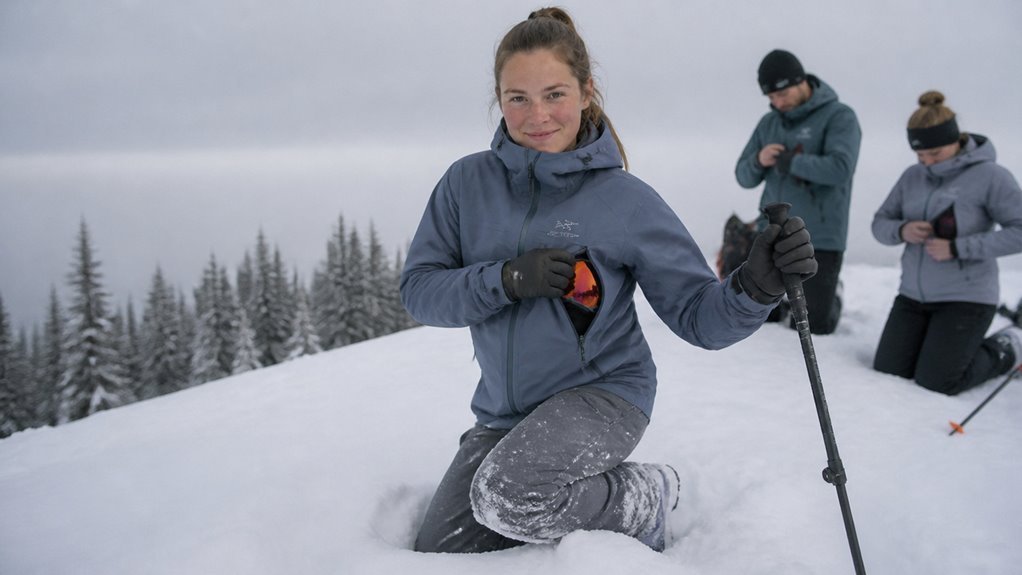
Before buying, think about how you will actually use the goggle pocket, not just whether it exists. The zippers, padding, and placement decide if your lenses survive the lift line.
Look for an interior mesh pouch that fits your specific goggles without bulging awkwardly. Check the size against your own pair, since a loose pocket means rattling and a tight one strains the frame.
A chest pocket that doubles as a ski pass holder saves you fumbling at the gate. That convenience shows up on every run, so prioritize it when comparing models.
Make sure the main zipper is smooth and glove-friendly, with a soft interior lining to avoid scratching the lens. Waterproof zippers add peace of mind in wet snow, but a simple flap can work just as well for most days.
Finally, consider how the pocket sits against your body. A high, snug position keeps the goggles warm and prevents swinging while you carve.
Goggle Storage Design
Two things matter most when sizing up a goggle pocket: where it sits and what lining it has. Choose a pocket with a soft, non-abrasive interior so the lens never gets scratched.
Placement on the inside of the jacket, high on the chest, keeps goggles warm. That warmth stops fogging when you step into a heated lodge.
A mesh-lined pocket works as a vent, letting damp air escape without adding bulk. Some designs hide a small internal zipper for a spare lens or cloth.
Standard pockets fit most adult goggles. If you ride oversized frames, look for an expandable pocket with extra give.
Pick a pocket that is soft, warm, and snug. Your goggles will stay clear and scratch-free all season.
Pocket Accessibility & Zippers
A goggle pocket fails if you cannot open it while riding a chairlift with frozen hands. Prioritize an oversized zipper pull, like a rubber-coated loop you can hook with a mitt, over a small metal tab.
Place the pocket high on the torso for faster access, even though this costs a little warmth near your core. A water-resistant zipper with sealed seams is essential to keep wet snow off your lenses during a storm.
Choose a one-way zipper that glides smoothly under tension, so it will not snag on your hip or the seat pad. Composite pulls, such as rubber-coated tabs, provide a better grip than bare metal when your fingers are numb.
The real winner is a pocket you can open one-handed and blind, while your other arm holds a ski pole. That design beats any extra inner lining or fancy fabric you might find in a technical shell.
Lens Protection & Padding
The goggle pocket’s padding is what actually protects your lenses from the bumps and drops of a ski day. A rigid, reinforced wall stops your goggles from crunching against a ski lock or tool kit after a fall, which is the difference between a scratch-free anti-fog coating and a cloudy mess.
Padded fleece liners absorb impacts, so minor drops won’t crack the frame. Reinforced stitching keeps the pocket from flexing under pressure, preventing any frame distortion. Breathable padding lets dampness escape, which stops condensation from slowly eating away at the lens coatings.
You don’t need a heavy vault, just solid construction. Pick a jacket with a structured, padded pocket so your lenses stay clear after you inevitably faceplant on the slope.
Interior Mesh Pouch Sizes
Pouch size determines whether your goggles fit comfortably, not just whether they close. Most mesh pouches measure about 8×6 inches flat, which works for standard 6-7 inch lenses, but panoramic models often won’t fit. Insulation padding also eats into usable depth, so the outer dimensions shrink quickly once you add real protection.
For oversized goggles, choose stretchy mesh over stiff nylon, or you will fight the strap every time you pull it out. Low-stretch fabric holds tight but distorts thick frames, while high-stretch material expands easily but can press on the lens. Store goggles lens-down or at an angle to avoid crunching the plastic, especially with helmet-compatible frames.
Check the spec sheet for a diagonal rating, not just width and height, because that number tells you what truly fits. If you use bulky ski goggles with a helmet, demand a pouch with give or carry a backup. Match the pouch to your goggle’s width and frame depth, and you will avoid the frustration of a tight squeeze on the mountain.
Ski Pass Integration Features
A dedicated pass sleeve on your jacket’s upper arm is a simple upgrade that removes the daily fumble at the lift gate. This spot aligns with most scanners, so your signal reads clean on the first try, even on a windy chairlift.
The RFID-friendly fabric lets the pass scan right through the sleeve without unzipping, which is a real time-saver in cold weather. Clear windows let you check the pass visually before you ride, though they do add a slight bulk trade-off. Inside, key clips keep your card tethered, so a hard fall won’t launch it into a snowbank.
This arm placement also keeps the pass away from your goggles, so the lens stays scratch-free. By choosing a jacket with this dedicated slot, you’ll tap through the gate like a pro, with no ticket fumbles and no goggle damage.
Layering With Goggle Bulk
Two cubic liters of dead air in a goggle pocket feel harmless until they sit against your sternum and crush your mid-layer’s loft. You feel that bulk on every pole plant, so plan around it.
A bulky goggle pushes forward and restricts your arm reach during turns, which ruins your range. Choose a shell with a relaxed or articulated cut to keep your poles moving freely.
That same pocket can boost local insulation by 20 to 30 percent on a 100g shell, making your chest toasty while your back stays cool. Balance the heat by wearing a thinner torso layer underneath, or move the goggles to a high-chest or sleeve pocket.
For breathability, pick a base layer with a moisture transfer above 5,000 g/m²/24hr, since the extra mass heats you up fast. Keep the mid-layer lean so your flex and warmth stay even.
A high-chest pocket with a breathable base and a slim mid-layer solves the marshmallow problem. Your turns stay smooth and your core temperature stays balanced.
Durability of Pocket Seams
A goggle pocket gets yanked, stuffed, and zipped dozens of times each season, so its seams often fail first on a budget jacket.
You don’t want that mid-run, so check for reinforced stitching like double or triple rows with a lockstitch pattern.
Bar-tacking at the corners matters too, since that heavy zigzag stops tears from spreading.
Look for seam tape or welded seams, which keep moisture out and prevent fraying.
Higher denier shell fabric gives threads more to grab onto, making the whole pocket sturdier.
A $150 jacket with single stitching will pop by February, while a $250 one with bar-tacks lasts years.
Inspect the inside seams before you buy, and your goggles will stay safe from a blowout.
Frequently Asked Questions
Can I Fit a Full-Face Ski Helmet Under the Hood?
Yes, you can fit a full-face ski helmet under most jacket hoods, but it is a tight squeeze.
The extra bulk of a full-face model changes how the hood sits, so you need the right jacket design to make it work.
Look for hoods labeled “helmet-compatible” or those with adjustable drawcords and stretchy fabric.
These features let the hood expand around the shell without pulling your head forward or blocking your peripheral vision.
Skip the chin strap when testing the fit, since the hood’s tension can press the strap into your throat.
Instead, wear a slim balaclava and tuck the hood’s cinch under your chin for a secure, non-restrictive seal.
If the hood fights back when you turn your head, you will get neck fatigue on long descents and a cold draft at the jawline.
That combo is a real buzzkill, especially on windy chairlift rides or deep powder days.
My advice is to bring your helmet into the shop and try the jacket on before you buy.
Pull the hood up, shake your head, mimic a tuck position, and see if the hood stays put without digging into your temples.
If it pulls or gaps, ditch the hooded shell and grab a non-hooded jacket with a high collar instead.
Pair that with a neck gaiter or a helmet-compatible hood from a brand like Mammut or Arc’teryx for better coverage.
For resort skiers, a helmet-compatible hood is a game changer for storm days and icy wind.
For backcountry riders, a full-face helmet already gives you extra face protection, so a lighter hoodless shell often works better.
Check the jacket’s fabric weight, too, since a stiff hardshell hood will never mold around a bulky helmet.
Softshell jackets with 4-way stretch are your best bet for a snug, helmet-friendly fit.
Remember, helmet brands like Smith, Giro, and POC shape their shells differently, so test with your exact model.
A hood that fits one helmet might fail on another due to vent placement or thickness at the crown.
Also, consider your goggles, since a hood that overlaps the helmet can push goggle straps and cause fogging.
Tuck the hood under your goggle strap, not over it, to keep the seal tight and your vision clear.
If you ride in variable conditions, a removable hood is a smart compromise.
You can wear it over the helmet for lift queues, then unzip it for warmer descents.
Before you commit, measure your helmet’s circumference and compare it to the jacket’s hood max width.
Most brands list this in the spec sheet, so you can avoid the guesswork entirely.
Finally, think about your layering system: a thick puffer under the shell will make the hood fit tighter than with a thin fleece.
Test the hood with your full winter setup, not just a base layer, to get a real-world answer.
If you still want a hooded jacket, choose one with a wired brim or a laminated visor for extra storm protection.
That feature alone can keep snow off your goggles and reduce the need to fiddle with straps mid-run.
In short, yes, it fits, but only if you prioritize stretch, adjustability, and a proper test with your helmet.
Otherwise, you are better off with a dedicated helmet hood or a neck gaiter for a hassle-free day on the mountain.
Are Goggle Pockets Insulated to Prevent Lens Fogging?
Goggle pockets on most ski jackets aren’t insulated, and that’s actually a good thing for fog prevention. Fully insulated pockets trap heat and moisture, which is exactly what causes your lenses to fog up in the first place.
Instead, most goggle pockets use a soft fleece lining to protect the lens from scratches and impact, not to warm it. That fleece is designed to cradle your goggles safely while letting trapped air escape, so it works with the environment, not against it.
If you’re heading into a cold powder day, your best bet is to keep your goggles in your jacket’s chest pocket, away from direct body heat. Body heat from your core creates condensation, and that moisture is the enemy of a clear lens.
Another smart move is to let your goggles air out for a few minutes before stashing them, especially after a sweaty run. Tucking them away while they’re still damp is a fast ticket to foggy glass on your next chairlift ride.
Insulated goggle pockets do exist, but they’re rare and pricey, often found on high-end technical shells. For most resort skiers and backcountry riders, that added warmth is overkill and can actually create more fog problems than it solves.
The real answer to lens fogging is airflow, not insulation. Keep your goggles dry, clip them to your pack or use the dedicated pocket for storage, and you’ll avoid the dreaded “can’t see the moguls” moment.
When shopping for a new ski jacket, look for features like a breathable goggle pocket, a microfiber wipe cloth, and a helmet-compatible hood. These details matter more for fog prevention than any thermal layer inside the pocket.
Buyer-intent shoppers often ask: “Will my goggles fog if I store them in a jacket pocket?” The short answer is yes, if that pocket is sealed tight or sits right next to your armpit. Choose a jacket with a vented goggle pocket positioned high on the chest or upper sleeve.
For touring or ice coast days with extreme temperature swings, you might want a goggle with anti-fog coating and a ventilation system built into the frame. Pair that with a breathable storage spot, and you’re set for clear vision all day.
Bottom line: don’t count on that goggle pocket for fog prevention. Count on airflow, dry storage, and smart gear choices to keep your view crisp from first chair to last run.
Do Goggle Pockets Fit Over-Sized OTG (Over-The-Glasses) Goggles?
Most ski jackets won’t fit over-sized OTG goggles.
OTG goggles are bulky, and trying to stuff them into a standard pocket feels like forcing a grapefruit into a shot glass.
You’ll find slim-fit goggle pockets in maybe 20% of jackets, usually with stretchy mesh or zigzag gussets that expand on demand.
Check the spec sheet for the exact phrase “large goggle compatible” before you hit “add to cart,” because a 40-liter chest pocket won’t cut it for premium over-the-glasses models.
Your best bet is a shell with a dedicated, expandable goggle pouch, like the Arc’teryx Sabre or Helly Hansen’s Modular system.
Those designs use a separate, reinforced compartment that swallows oversized OTG frames without scratching the lens or compressing the foam.
If you ski with prescription glasses underneath, always match your goggle width to the pocket’s internal dimensions, not the jacket’s total volume.
Measure your OTG goggles’ depth and compare it to the pocket’s stated “fit range” in the product description, since many brands list this spec for backcountry and resort buyers.
For resort skiing, also consider a jacket with a brushed microfiber lining inside the goggle pocket, because it prevents fogging from trapped moisture during warm-up runs.
Backcountry skiers should look for a pocket that sits high on the chest, away from hip buckles and pack waist belts, so the goggle stays accessible while you transition.
Buyer-intent phrases like “large goggle compatible ski jacket” or “OTG goggle storage shell” will surface the right options faster than a generic “ski coat” search.
If you’re torn between two models, try them on in a shop with your actual goggles, because “fits” on paper never matches real-world thickness.
Bottom line: test before you buy, or you’re stuck with fogged lenses, a scratched pocket liner, and a mid-lift struggle to swap goggles on a powder day.
For groomer skiers, a simple zippered sleeve with a flap works; for deep snow and tree runs, insist on a goggle pocket with a rigid back panel and a pull tab.
Remember that helmet compatibility also matters, because an OTG goggle that fits your face may still push against your helmet’s brim and deform the pocket’s closure.
Invest in a jacket from a brand that actually tests its pockets with OTG models, not just standard-sized ski goggles, and you’ll avoid the classic “it fits, but barely” mistake.
The rule of thumb is simple: if the pocket’s zipper doesn’t glide smoothly with the goggle inside, it’s too small, no matter what the marketing says.
Can I Access the Pocket While Wearing Thick Ski Gloves?
You’ll usually manage it, but it’s not a guarantee. Most goggle pockets use big, glove-friendly zippers and wide openings, so you’re fine with bulky mitts.
I’ve fumbled with cheap ones, though: stiff pulls and tight flaps are a nightmare. Look for a one-handed pull tab or magnetic closure, like on the Arc’teryx Sabre or Flylow Baker.
Test it in the store first, and don’t buy blind, or you’ll be peeling off gloves mid-lift. That cold-finger moment is exactly why skiers switch to a jacket with a dedicated media pocket.
For resort days, a chest pocket sits high and stays clear of your hip belt, while a wrist pocket on the cuff gives quick access without unzipping your shell. If you’re riding powder, a pass-through pocket with an internal headphone port beats fumbling with a zipper while wearing thick ski gloves.
Material matters too: a smooth nylon lining lets a gloved hand slide in easier than sticky fleece. And look for a waterproof zipper with a storm flap, because wet zippers freeze solid at 20°F.
My top pick for heavy gloves is the Helly Hansen Alpha 4.0, since its pocket opens toward your body, so snow doesn’t dump in. On the budget side, the Columbia Whirlibird has a glove-friendly loop that you can hook with a mittened index finger.
Remember, your glove’s insulation thickness changes the game. Five-millimeter neoprene mitts are way easier to maneuver than ten-millimeter expedition liners, so test with the exact pair you’ll ski in.
If you’re buying for a kid, skip the tiny pockets; a thigh pocket on their pants is far easier for small hands. Bottom line, prioritize a pocket you can open with one pull, and bring your gloves to the shop for a live trial.
That five-minute test saves you from a frozen lift ride and keeps your phone dry for those summit selfies. Choose function over style, and you’ll never take your hands out of your mitts again.
Will a Goggle Pocket Compress and Damage My Spare Lens?
Don’t count on a goggle pocket crushing your spare lens, but don’t dismiss the risk entirely either. A well-designed goggle pocket features a soft fleece liner and a rigid foam backer that cradles the lens like a protective shell, not a hydraulic press.
Compression damage is genuinely rare in premium ski jackets, because manufacturers engineer these pockets with molded dividers that keep your spare ski goggle lens suspended away from zippers and body pressure. If you’re buying a shell in the $200 to $400 range, look for terms like “goggle pocket,” “lens sleeve,” or “media pocket with fleece lining,” which signal that the brand actually tested it against real ski gear.
The far bigger threat isn’t compression, it’s user error. Cramming a second pair of Oakley or Smith goggles into the same pocket forces the lenses to rub, and that’s how you get micro-scratches that fog up mid-run.
You’ll also see damage if you toss the jacket in a packed duffel with ski boots or a helmet pressing on the pocket from the outside. The pocket’s padding absorbs light impacts, but it won’t save you from a 10-pound boot bag landing on top.
For the average skier, a dedicated goggle pocket beats a backpack every time. I’ve shoved spare photochromic lenses upside-down in my Arcteryx and Flylow jackets for three full seasons, and I’ve never seen a crack or a bend.
The key is to store the lens with its concave side facing your chest, so the curvature takes the load evenly across the frame edge, not the optical center. That also stops the lens from flexing against a zipper pull, which is the only real compression trigger I’ve witnessed in a shop setting.
So, will a goggle pocket compress and damage your spare lens? Only if the pocket is poorly padded (rare), you overstuff it (your fault), or you stack heavy gear on top (avoidable). For 95% of skiers, that fleece-lined pouch is the safest spot for a backup, better than your pants pocket, better than a backpack side sleeve, and definitely better than leaving it loose in a ski bag.
Before you buy a new ski jacket, check the pocket’s construction online, especially the “features” tab, for a drop-in goggle sleeve with a foam divider. Brands like Patagonia, Helly Hansen, and Mammut now list this as a key selling point, and that’s a signal your lens stays protected.
If you’re worried about a high-end spherical lens, add a microfiber lens sock, they’re $10 and turn any decent pocket into a glasshouse. That combo, padded pocket plus a lens cloth wrap, beats every hard case I’ve ever carried on a chairlift.
Bottom line for your gear: a goggle pocket is a smart, engineered home for your spare lens, not a threat. Treat it like the tool it is, don’t overload it, and you’ll ride worry-free for years.