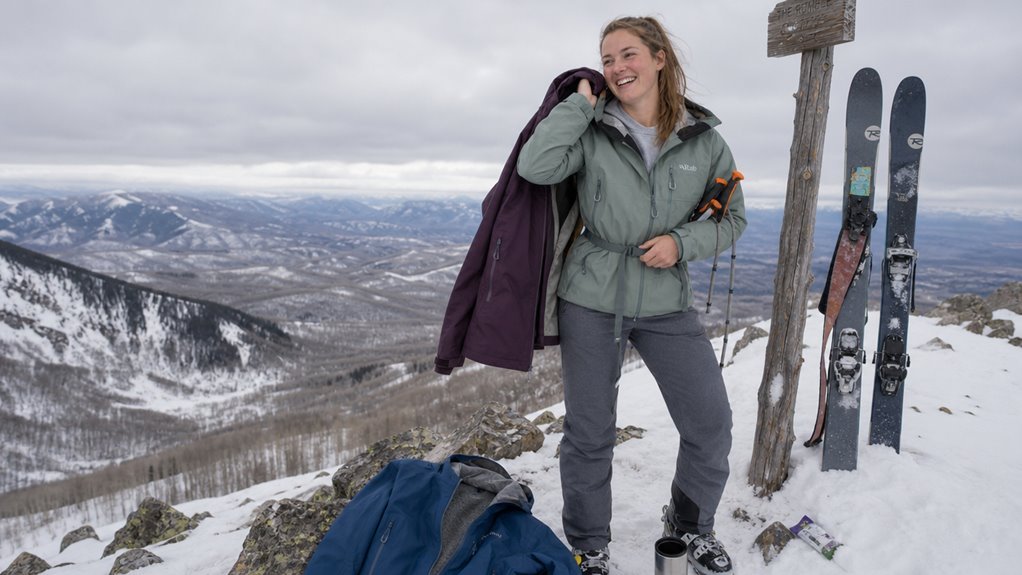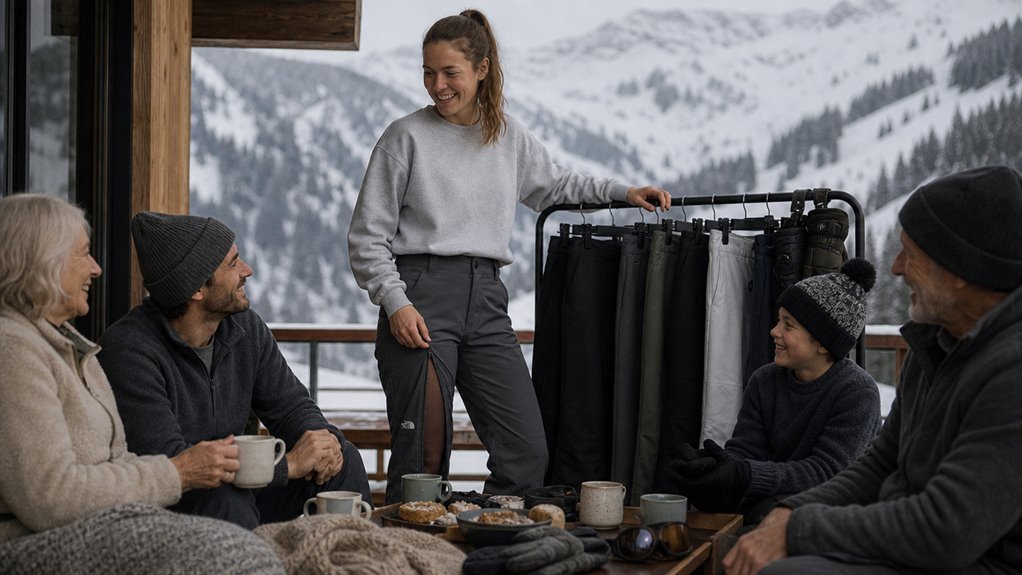
The 8 best ski pants with vents for steep and deep days come down to staying dry on the uphill and warm on the ride down.
If you’re sweating through the skin track or freezing on the lift, check fit, fabric, insulation, and vent placement before buying.
We picked these based on specs, brand reputation, and real rider feedback—not just hype.
You’ll get shell and insulated options, helpful notes, and clear guidance on what’s worth buying, so start with the roundup below.
How We Tested
We compared ski pants by waterproofing, venting, insulation, taped seams, fit, gaiters, powder skirts, and price. We used specs, not feeling, for steep bootpacks and deep snow.
Mesh lined thigh vents on North Face, Dakine, 686, Baleaf, GSOU, and Moosehill dump heat. For deep snow, choose 10K to 15K waterproofing and taped seams like GSOU SNOW and Dakine Staple.
Uninsulated ski shells like North Face Freestander and Dakine Staple need layering, while insulated Baleaf, GSOU, and Moosehill add warmth. Choose gaiters, powder skirts, adjustable cuffs, and GSOU’s high waist skirt to seal powder, though flared Baleaf may bunch on descents.
| The North Face Women’s Freestander Snow Bib |  | Best Women’s Bib | Ventilation: Zippered inner-thigh vents | Waterproofing: DRYVENT waterproof shell; seam-sealed | Breathability: DRYVENT breathable | SEARCH BEST PRICE | Read Our Analysis |
| Baleaf Women’s Insulated Snow Ski Pants (Black XL) |  | Best Baggy Fit | Ventilation: Thigh vent zippers | Waterproofing: Level-4 water-repellent; water resistant | Breathability: Breathable | SEARCH BEST PRICE | Read Our Analysis |
| Baleaf Women’s Insulated Snow Ski Pants (Black XL) |  | Best Flare Fit | Ventilation: Thigh vent zippers | Waterproofing: Water-resistant softshell | Breathability: Heat/moisture release via thigh vents | SEARCH BEST PRICE | Read Our Analysis |
| GSOU SNOW Women’s Waterproof Insulated Snowboard Ski Pants |  | Most Waterproof | Ventilation: Thigh vent zipper | Waterproofing: 15K waterproof; laminated seams | Breathability: 10K breathable | SEARCH BEST PRICE | Read Our Analysis |
| Dakine Men’s Staple 10K Waterproof Snowboard Pants |  | Best Men’s Snowboard | Ventilation: Zippered mesh-lined leg vents | Waterproofing: 10K waterproof; critically taped seams | Breathability: 10K breathability | SEARCH BEST PRICE | Read Our Analysis |
| Moosehill Men’s Fleece-Lined Snow Pants: Thigh Vents Grey 34W x 30L |  | Best For Warmth | Ventilation: Inner-thigh zippers with mesh backing | Waterproofing: Water-resistant; wind-resistant outer | Breathability: Airflow via inner-thigh vents | SEARCH BEST PRICE | Read Our Analysis |
| 686 Men’s Standard Shell Ski Pants |  | Most Durable | Ventilation: Air Flo mesh-lined inner leg vents | Waterproofing: Water-resistant; infiDRY 10K; critically taped seams | Breathability: Breathable | SEARCH BEST PRICE | Read Our Analysis |
| Baleaf Women’s Insulated Snow Ski Pants Blue XS |  | Best for Petite | Ventilation: Thigh vent zippers | Waterproofing: Water-resistant softshell | Breathability: Breathable via thigh vents | SEARCH BEST PRICE | Read Our Analysis |
More Details on Our Top Picks
The North Face Women’s Freestander Snow Bib
For women who run hot, The North Face Women’s Freestander Snow Bib is the bib to beat. Its main strength is a non insulated DRYVENT 2L shell that is waterproof, breathable, and seam sealed with a DWR finish that avoids PFCs.
When you work hard on a bootpack or carve groomers, open the inner thigh vents to dump heat fast. Durable ankle kickpatches take abuse from ski edges and keep the cuffs from wearing through.
Adjustable suspenders, belt loops, and ankle gaiters with gripper elastic help seal out snow. Secure zip hand pockets and a center bib pocket hold your phone, pass, and small essentials.
The regular fit leaves room for base layers and a midlayer when temperatures drop. The honest drawback is that this bib has no insulation, so it can feel cold on deep winter days unless you layer well.
It differs from many resort bibs because those often add synthetic or down insulation, while this one acts as a shell bib for riders who overheat. That makes it a strong pick for spring skiing, skinning, and wet Pacific Northwest days when breathability matters as much as waterproofing.
For all mountain versatility without the sweatbox effect, this bib keeps you dry, cool, and moving. Check the fit and layer it for the forecast before you buy.
- Ventilation:Zippered inner-thigh vents
- Waterproofing:DRYVENT waterproof shell; seam-sealed
- Breathability:DRYVENT breathable
- Snow Gaiters:Ankle gaiters with gripper elastic
- Insulation:Non-insulated shell
- Fit:Regular fit
- Additional Feature:Belt loops
- Additional Feature:Center bib pocket
- Additional Feature:Durable ankle kickpatches
Baleaf Women’s Insulated Snow Ski Pants (Black XL)
Baleaf Women’s Insulated Snow Ski Pants in Black XL offer a baggy fit for women who want roomy winter coverage while skiing or snowboarding. They work best for skiers and riders who layer thick thermals and want freedom around the hips and thighs.
Their main strength is fleece lining that traps heat in frigid conditions, paired with a Level 4 water repellent shell that handles light snow. The wide leg cut moves easily over base layers, so you can sit, crouch, and ride without tightness.
One honest limitation is that the roomy shape can feel bulky for fast, technical descents and may bunch under a slim jacket. Also, the shell repels light snow but is not a hard shell for wet, heavy storms or long rain.
Compared with slim ski pants, these Baleaf pants give you more space and warmth, with a looser feel. Drawstring waist and cuffs keep the fit snug, while snow gaiters and boot webbing block powder from getting over ski boots.
Thigh vent zippers release heat on high output ski laps, and dual zippered pockets hold a phone and keys. Wear them for skiing, snowboarding, hiking, or mountaineering when you want budget friendly coverage that layers well.
This pick differs from premium resort pants because it offers vents and insulation at a lower price. For roomy, vented, wallet friendly coverage, these pants are a solid choice.
- Ventilation:Thigh vent zippers
- Waterproofing:Level-4 water-repellent; water resistant
- Breathability:Breathable
- Snow Gaiters:Cuff snow gaiters with boot-securing webbing
- Insulation:Fleece-lined insulated
- Fit:Baggy wide-leg cut
- Additional Feature:Boot-securing webbing
- Additional Feature:Dual zippered pockets
- Additional Feature:Winter activity versatility
Baleaf Women’s Insulated Snow Ski Pants (Black XL)
If you want a flared ski pant that hugs your hips and flares just right, Baleaf Women’s Insulated Snow Ski Pants in Black XL is a strong place to start. These pants are best for women skiers and snowboarders who want a warm, flexible layer for resort days, lift rides, and winter hiking.
The main strength is the softshell with a fleece lining, which feels cozy inside while letting you bend and move on the slopes. The fabric blocks wind and sheds light snow and moisture, so your legs stay drier on long days.
Thigh vents let out heat and dampness when you work hard, and 3D knees with a raised rear waist follow your body as you ski. An adjustable waistband and drawcords keep the fit snug, while flared cuffs fit over ski boots, snow boots, or casual shoes.
Gaiters block snow from getting in, and the flared cut sets these apart from slim ski pants that stay tight from hip to ankle. One honest drawback is that the flared cuffs and softshell build can feel bulkier than a trim alpine pant, so they may not suit skiers who want a close, race style fit.
- Ventilation:Thigh vent zippers
- Waterproofing:Water-resistant softshell
- Breathability:Heat/moisture release via thigh vents
- Snow Gaiters:Built-in snow-proof gaiters
- Insulation:Fleece-lined insulated
- Fit:Classic flare fit
- Additional Feature:Zipper/snap closure
- Additional Feature:Zipper pockets
- Additional Feature:Durable cuffs
GSOU SNOW Women’s Waterproof Insulated Snowboard Ski Pants
GSOU SNOW women’s snowboard pants are best for riders who want a baggy fit, thigh vents, and strong storm protection. Their clear strength is 15K waterproofing with fully taped seams, plus 10K breathability for active ski and snowboard days.
You also get YKK zippers, a high windproof waist skirt, and thigh vents to dump heat on climbs. Powder gaiters keep snow out, while 100% polyester insulation handles temps near 5°F.
The baggy cut fits over layers, and five pockets hold phones and goggles. Compared with many snowboard pants, these lean looser and add more storage, but the drawback is hand wash only and no dryer.
Check the size chart before you buy. For storm days and deep snow, these are a smart, dry, warm winter buy for riders who want comfort and coverage.
- Ventilation:Thigh vent zipper
- Waterproofing:15K waterproof; laminated seams
- Breathability:10K breathable
- Snow Gaiters:Built-in powder gaiters; waist snow gaiter
- Insulation:Insulated
- Fit:Baggy loose design
- Additional Feature:Multiple color options
- Additional Feature:High-waisted windproof skirt
- Additional Feature:Five-pocket storage
Dakine Men’s Staple 10K Waterproof Snowboard Pants
The Dakine Staple 10K earns a top men’s snowboard pick spot for riders who run hot on the hill and want vented, weatherproof coverage. Its main strength is mesh lined leg vents that dump heat, then seal shut for cold lifts.
The honest drawback is that these pants are not insulated, so you need a warm base layer and midlayer on very cold days. They differ from many other snowboard pants by using a shell with two layers and 10K waterproofing, 10K breathability, and critically taped seams in key spots.
Fabric with mechanical stretch, a relaxed fit, full lining, and belt loops keep you moving on the mountain. You also get YKK zippers, zip hand pockets, and back pockets with hook and loop closures.
Coated taffeta boot gaiters and reinforced hems survive scrapes from ski edges. For vented, weatherproof coverage, choose the Staple when you want snowboard pants that manage heat on the hill.
- Ventilation:Zippered mesh-lined leg vents
- Waterproofing:10K waterproof; critically taped seams
- Breathability:10K breathability
- Snow Gaiters:Coated taffeta boot gaiters
- Insulation:Shell with full lining
- Fit:Relaxed fit
- Additional Feature:Mechanical-stretch shell
- Additional Feature:Reinforced bottom hems
- Additional Feature:Hook-and-loop back pockets
Moosehill Men’s Fleece-Lined Snow Pants: Thigh Vents Grey 34W x 30L
Moosehill men’s fleece lined snow pants are best for skiers and snowboarders who run hot on the descent and freeze on the lift.
A clear strength is the inner thigh zippers with mesh backing, which let you dump heat after runs while cutting snow entry.
Zip them shut for chairlift warmth, and use the zippered cuffs to ease putting ski boots on and off.
Built in snow flaps block powder, while the soft fleece lining traps heat and the polyester spandex shell resists wind and snow.
One honest drawback is the fixed 34W x 30L size and grey color, so this pair may not fit every skier or match every kit.
Compared with other snow pants, these differ by pairing thigh vents with fleece lining for skiers who want both heat control and insulation on resort laps.
Four zippered pockets include a right thigh phone slot for a 6.7 inch device and rear lift ticket storage.
They suit snowboarding, winter travel, and long days at the mountain when you need venting, warmth, and storage in one pair.
- Ventilation:Inner-thigh zippers with mesh backing
- Waterproofing:Water-resistant; wind-resistant outer
- Breathability:Airflow via inner-thigh vents
- Snow Gaiters:Built-in snow flaps
- Insulation:Fleece-lined
- Fit:Flexible fit
- Additional Feature:Four zippered pockets
- Additional Feature:Right-thigh phone pocket
- Additional Feature:Zippered boot cuffs
686 Men’s Standard Shell Ski Pants
The 686 Men’s Standard Shell Ski Pants are best for hot running, hard charging skiers who want a tough shell for resort laps and sidecountry tours. This pant gives you a durable outer layer that handles repeated wear.
Its main strength is infiDRY 10k nylon, which is waterproof and breathable, with critically taped seams. Air Flo mesh vents dump heat when you work hard on the skin track.
The 500D Horseshoe hem shrugs off ski edges, and the pant to jacket connect system, boot gaiters, lace hooks, and lift ticket eyelet add useful details. The modern fit runs XS to XXL, and large is roomy without being huge.
The tricot waistband, snap closure, and belt loops keep the fit secure. The honest drawback is that this pant has no insulation, so you need to layer up on cold days.
Compared with insulated ski pants, this 686 shell is lighter and more versatile, but it depends on your base layers and midlayers for warmth. It keeps you dry and blocks cold wind when you build the right layering system.
If you want a tough, vented shell that survives repeated wear, buy these. They work best as part of a layering setup for skiing and snowboarding.
- Ventilation:Air Flo mesh-lined inner leg vents
- Waterproofing:Water-resistant; infiDRY 10K; critically taped seams
- Breathability:Breathable
- Snow Gaiters:Boot gaiters; boot gussets
- Insulation:Shell design
- Fit:Modern fit
- Additional Feature:Pant jacket connect system
- Additional Feature:500D Horshoe hem
- Additional Feature:Lift ticket eyelet
Baleaf Women’s Insulated Snow Ski Pants Blue XS
Baleaf Women’s Insulated Snow Ski Pants in Blue XS are best for petite skiers and snowboarders who want warm coverage for resort runs, cold hikes, and daily winter wear. The clear strength is the softshell with fleece lining, which resists wind and water while keeping you dry on cold days.
This pair differs from heavier resort ski pants by using a flexible softshell build with thigh vent zippers, gaiters built into the ankle, an adjustable waist, rear drawcords, and leg cuffs. It also adds a flare fit, 3D knees, zipper pockets, and a snap closure for easy movement and secure storage.
One honest drawback is that no insulation rating is listed, so pair these pants with base layers or midlayers for very cold lift rides. Compared with basic rain shells, they offer more winter ski features, such as ankle seals and venting, which helps on active snowboarding or hiking days.
In blue XS, these insulated ski pants are a versatile pick for skiing, snowboarding, hiking, or everyday winter wear. Petite frames get a closer fit, and the softshell design makes them a useful choice when you want warmth without a bulky bib.
- Ventilation:Thigh vent zippers
- Waterproofing:Water-resistant softshell
- Breathability:Breathable via thigh vents
- Snow Gaiters:Built-in snow-proof gaiters
- Insulation:Fleece-lined insulated
- Fit:Flare fit
- Additional Feature:Outdoor work versatility
- Additional Feature:Daily wear styling
- Additional Feature:Pair different tops
Factors to Consider When Choosing Ski Pants With Vents
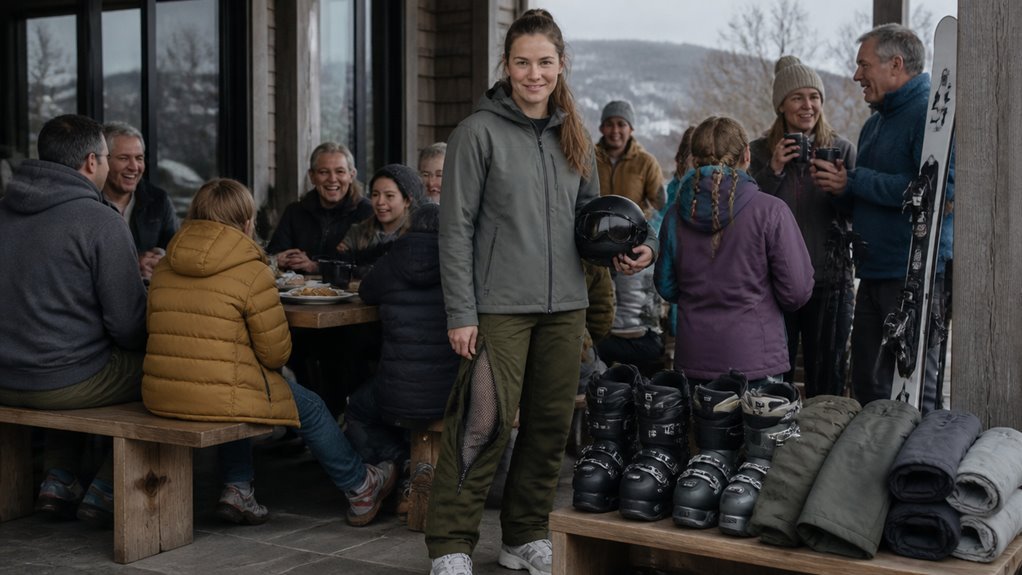
When you choose ski pants with vents, five details matter most: vent placement and size, zipper type and quality, mesh lining, breathability versus waterproofing, and price. Thigh vents around 10 to 12 inches give useful airflow on the mountain.
Zipper quality matters because cheap zippers can quit before lunch. YKK is a safe bet for durable zipper performance.
Mesh lining is netting that blocks snow while letting heat escape. The main trade off is breathability against waterproofing, and most pairs cost about $150 to $300.
Test layering and fit over your base and midlayers before you buy. If you run hot on spring resort laps, choose airflow, and if you ski wet powder, choose waterproofing.
Vent Placement And Size
Choose inner thigh vents first for most ski pants. You do not need to overthink vent size.
For low output resort days, 6 to 8 inches covers the basics. For ski touring or warm spring slush, 12 to 16 inches dumps heat fast.
Inner thigh vents hit a high heat zone, and your legs shield them from direct snow. Upper thigh vents cool your femoral region, where blood flow is high, so they dump upper body heat.
Lower or outer thigh vents cool the leg and feel nice, but they will not save your core. Mesh backing lets heat and moisture escape while it blocks loose snow.
Go longer for high output. Stay shorter for lift laps.
If you run hot, size up. If you tend to run cold, keep the shorter vent.
A 12 inch vent on a cold day becomes a snow funnel. When you buy ski pants with vents, think about how long the vent should be for your effort and weather.
Pick inner thigh placement, match length to effort, and check mesh backing. These steps help you compare ski pants vents before you buy.
Zipper Type And Quality
For vent zippers on ski pants, choose a water resistant setup with molded tooth zippers, size #5 or larger, locking sliders, and a storm flap. This setup keeps snowmelt and wind out and stays easy to use when you have mittens on.
Water resistant zippers use polyurethane coated tape to block moisture and wind. Molded tooth zippers have interlocking teeth that resist freezing and grit better than coil zippers, though coil zippers flex around curved leg panels.
Pick #5 or larger zippers for thigh vents that see heavy use. A #3 zipper is fine for low stress pockets.
Locking sliders or glove friendly pulls keep vents from sliding open or shut as you move. Look for reinforced bartacks at both ends and smooth, snag free tape, since these details reduce failure under tension.
For deep days, prioritize water resistant molded tooth zippers, #5 or larger, locking sliders, a storm flap, and bartacks. This is the durable choice that cuts down mid run swearing.
Mesh Lining Benefits
When you buy vented ski pants, mesh lining is a simple upgrade that works. You notice it on sweaty climbs and long lift rides.
Mesh behind open vent zippers lets extra heat and water vapor escape while it reduces loose snow entry. A porous mesh liner keeps air moving through inner thigh vents without fully exposing your skin or base layers to direct cold wind.
It also stops larger debris, such as snow clumps or ice particles, from passing through the opening. Mesh softens airflow, so you can leave vents open during high output activity and still get some protection when conditions turn colder and slower.
It adds very little weight and bulk, so breathability, mobility, and comfort stay high. For simple temperature control, choose ski pants with mesh lined vents.
Breathability Versus Waterproofing
When you shop for vented ski pants, you balance breathability and waterproofing, and advanced fabrics or vents can help you get more of both. Waterproofing uses a hydrostatic head rating such as 10,000 mm, while breathability uses a moisture vapor transmission rating such as 10,000 g/m²/24h, and those numbers measure different limits.
A highly waterproof fabric with low breathability blocks snow but traps sweat, so you feel clammy condensation inside your ski pants. Zippered vents let heat and moisture escape without lowering the waterproof rating, which helps on high exertion ski days.
Higher waterproofing often means thicker membranes, DWR coatings, and taped seams, and those features can cut breathability unless advanced materials or vents help. For wet, heavy snow, prioritize waterproofing and seam sealing when you choose ski pants.
For cold, dry, high exertion days, prioritize breathability and vents, and match the rating to your weather and output. Check both ratings before you buy ski pants so the pants fit how you ski.
Layering And Fit
Fit decides whether your vents work, and hangtags rarely explain that part. Size ski pants to fit over a base layer that wicks sweat and a light midlayer.
You need room to bend, squat, and sit. Look for an articulated cut, a prebent knee, or a gusseted crotch that adds room through the hips and thighs.
A restrictive fit kills mobility and traps heat. Use adjustable waistbands, suspenders, or belt loops to keep pants steady as layers change.
Cuffs, gaiters, and leg openings must fit over ski boots. Short hems expose ankles and block airflow.
Pair vents with breathable layers that wick sweat, and skip cotton. Cotton soaks sweat and then chills you.
Try ski pants on with your layers before you buy. If the pants fight your body or your ski boots, leave them in the shop.
Insulation And Venting
If you ski hard, insulated ski pants can make you overheat unless they have vents. Treat insulation and venting as a thermostat you wear that you can adjust.
Pick insulation first. Synthetic fill, fleece lining, or thermal layers trap heat, while shells add no warmth, so you rely on your base and midlayers.
Zippered vents on the inner thigh dump excess heat and dampness. Close them to keep warmth.
Openings with mesh backing reduce snow entry when open. Adjustable thigh vents let you tune temperature without taking off layers.
More fill means more warmth and more risk of overheating, so vents matter most in high fill pants. Buy vents you can reach and adjust during a run, because that beats regret.
Test every zipper pull while wearing gloves. A vent you cannot open is expensive decoration.
Weather And Activity
Ski vents need regular adjustment. Treat them like a mood ring for weather and effort.
On cold, dry, windy days below 20°F, keep them shut. Closed vents trap insulation and block wind chill so you stay warm on low effort lift laps.
If you are ski touring, bootpacking, or hiking, open thigh vents in your ski pants at 20 to 30°F. That dumps heat your body makes and dampness before you overheat.
In wet, heavy snow or freezing rain, seal them. Open vents can weaken waterproof protection and let slush sneak in.
On spring days above 32°F with strong sun, open vents. Add gaiters and water resistant fabric to block wet snow.
When buying ski gear for variable resort days, choose easily adjustable ski vents. Cold mornings, warm afternoons, and changing activity mean airflow should change too.
Match ski vent use to conditions and your effort level. Adjust early, stay dry, and ski longer.
Frequently Asked Questions
How Do I Wash Ski Pants Without Damaging the Waterproof Coating?
Wash your ski pants rarely, in a front-loading washer, on a cold, gentle cycle, using a dedicated tech wash like Nikwax Tech Wash ($15). Regular detergent, fabric softener, and bleach will strip the DWR (durable water repellent) and leave your ski pants wet and clammy.
Use a front-loader because top-loaders with central agitators can wreck seams, zippers, and waterproof breathable membranes. Tumble dry low to reactivate the DWR coating and restore that beading effect on snow days.
Skip dryer sheets too, since they leave residue that blocks the DWR and traps moisture. Follow that routine and your ski pants keep shedding snow without a soak-through, whether you are resort skiing or backcountry touring.
For the best results, close all zippers, hook and loop closures, and pockets before washing your ski pants. Brush off mud, salt, and pine sap first, then pretreat greasy stains with a small amount of tech wash.
If you do not have a front-loading washer, hand wash ski pants in a clean tub with cool water and tech wash. Rinse thoroughly until no suds remain, because leftover soap attracts water and kills DWR performance.
Never use Woolite, Tide, Gain, or any detergent with enzymes, dyes, perfumes, or fabric softeners on waterproof ski pants. Those additives can clog the waterproof membrane and shorten the life of your expensive ski apparel.
After washing, tumble dry your ski pants on low heat for 20 to 30 minutes to reactivate the DWR. If the care label allows, a medium heat cycle can help, but high heat can damage the membrane and seams.
If water still does not bead up after drying, it is time to reapply a DWR treatment. Look for a spray-on or wash-in product such as Nikwax TX Direct, Grangers Performance Repel Plus, or Gear Aid Revivex DWR.
Buy a ski pants care kit if you want everything in one purchase, including tech wash, DWR spray, and a wash bag. The best tech wash for ski pants is one that is gentle, biodegradable, and made for waterproof breathable fabrics.
For Gore-Tex, eVent, Pertex Shield, DryVent, or H2No ski pants, always check the manufacturer’s care guide before washing. Gore-Tex recommends tech wash and tumble drying to reactivate DWR, but some brands have specific instructions.
Wash your ski pants once or twice per season with tech wash, or more often if you ski 30 plus days. Spot clean small stains between washes to reduce wear on the waterproof coating and DWR finish.
Do not dry clean ski pants unless the label says it is safe, because dry cleaning solvents can damage the waterproof coating. Do not iron ski pants, and do not use a steam press, because heat and steam can ruin the membrane.
Store ski pants clean and dry in a cool, dark place, not in a damp basement or a hot garage. Hang them instead of folding them tightly, so the waterproof coating and DWR do not crack over summer.
If you already used regular detergent, wash the pants again with tech wash and rinse twice. Then tumble dry low and test with a few drops of water to see if the DWR needs a refresh.
Buyer intent tip: when shopping for ski pants, look for a waterproof rating, a breathability rating, and a DWR finish. A 20K/20K ski pant is great for resort skiing, while 10K/10K is fine for light snow and cold dry days.
Pair your wash routine with the right ski socks, ski gloves, and base layers to stay warm and dry. A clean, high-performing DWR on your ski pants means less soak-through and more comfort on the chairlift.
FAQ: You can use Nikwax Tech Wash on ski jackets and snowboard pants too. Yes, it is safe for most waterproof breathable gear, including ski jackets, snowboard pants, and ski bibs.
FAQ: Re-waterproof ski pants when water stops beading and the fabric looks wet. Apply a DWR spray or wash-in treatment after cleaning.
FAQ: Do not machine wash ski pants with other clothes. Wash them alone or with other technical ski gear, because lint, dye, and regular detergent residue can harm DWR.
Bottom line: follow this simple ski pants wash routine, and your waterproof coating will last longer. You will stay dry, warm, and ready for powder days without buying new ski pants every season.
Can I Repair a Torn Ski Pant Vent Zipper Myself?
Yes, you can repair a torn ski pant vent zipper yourself in many cases, especially if the zipper tape and waterproof membrane are still intact. This DIY ski pants repair is fussy, but it can save you money on replacement ski pants.
Start by checking the zipper tape, the fabric strip that holds the teeth. If that tape is shredded or the waterproof membrane is torn, stop and look into professional ski gear repair.
For a stuck or broken zipper slider, a replacement slider is often the cheapest fix. Budget about $5 to $12 for a quality YKK slider or compatible ski zipper repair kit.
If the zipper tape is loose but not torn, stitch it with heavy thread, such as upholstery thread or bonded nylon. This simple stitch can keep your ski touring pants or resort ski pants usable for another season.
Missing teeth are a bigger problem because the zipper track cannot seal correctly. A gear shop may charge $40 to $70 to replace the zipper, and that cost may be worth it on high-end ski pants from Arc’teryx, Patagonia, or The North Face.
Skip DIY repair if the waterproof membrane is torn, because your ski pants will leak and lose breathability. In that case, compare repair quotes with the price of new waterproof ski pants.
Otherwise, try the slider first because it is the easiest and most affordable ski pant zipper fix. Buy a slider that matches the zipper size, then test the vent zipper slowly before you head to the mountain.
For minor tears, DIY repair suits many ski pant vent zipper problems. For major damage, pros handle the repair, replacement, or warranty claim.
If you want the best ski pant repair kit, look for metal or molded plastic sliders, heavy thread, and a zipper stop tool. REI, Evo, Backcountry, and local ski gear shops can help you find replacement parts.
Before you buy new ski pants, weigh the ski pants zipper repair cost against a replacement pair. A cheap slider swap is a smart buy, while a full zipper replacement may push you toward a new Gore-Tex shell.
Are Vented Ski Pants Warm Enough for Lift-Served Days?
Are vented ski pants warm enough for lift-served days? Yes, vented ski pants can keep you warm on resort chairlifts when you layer smart.
Think of vents as your personal thermostat. Open thigh vents on the slow ride up, then seal those zippers for the cold descent.
For lift-served skiing, most riders do best with 40g synthetic insulation or less, or a shell ski pant plus a merino wool base layer. If you run cold, a 60g pair with vents can work, but you may need to manage zippers more often.
Merino wool base layers beat cotton because they manage sweat and stay warm when damp. Cotton traps moisture, gets cold, and makes any ski or snowboard pant feel clammy.
A budget of $150 to $250 gets you solid vented ski pants with waterproof and breathable fabrics. At that price, check for taped seams, a durable water repellent finish, and zippered thigh vents.
When you shop, compare vent placement, waterproof ratings, and return policies. Look for ski pants with vents from brands like Patagonia, The North Face, Helly Hansen, Spyder, and Flylow.
If you want the best vented ski pants for resort skiing, prioritize fit, vent placement, and insulation level. A trim but roomy cut lets you add a midlayer without restricting movement on groomers or moguls.
For deep winter at Jackson Hole, Whistler, or Stowe, pair shell pants with merino leggings and consider 40g insulated pants. You will stay cozy, not clammy, and your legs will not file a complaint.
Buyer intent tip: vented ski pants are a smart purchase for spring conditions, active skiers, and anyone who rides chairlifts. Zip up before the cold chairlift, and you can enjoy lift-served days without overheating.
Shop at REI, evo, or Backcountry to compare vented ski pants on sale. Read reviews about warmth, breathability, and sizing before you buy.
Do Vented Ski Pants Work for Snowboarding as Well as Skiing?
You might think vents only help skiers. That is wrong, because vented ski pants work for snowboarding too.
Vents dump heat whether you ride two planks or one, and that matters on lift rides, spring skiing, and sidecountry hikes. If you run hot in snowboard pants, look for mesh-lined vents that sit where your jacket and harness will not block airflow.
Your snowboard stance wears the seat and inner thighs, so check reinforced panels, 20k waterproofing, and articulated knees before you buy. Those buyer-intent details matter more than a vent zipper alone when you compare vented ski pants for resort and backcountry snowboarding.
Just do not expect vents to fix a soggy butt, because that is your pants’ waterproofing and seam sealing job. Check waterproof ratings, fully taped seams, and a cut that covers your seat when you crouch into your bindings.
So demo before you buy if you can, and read return policies if you cannot. Fit is the real make-or-break for vented snowboard pants, especially if you wear impact shorts, a base layer, or a bib.
Bottom line: yes, vented pants work for snowboarding if the cut fits your riding. Prioritize breathability, reinforced wear zones, 20k waterproofing, and mesh-lined vents, then pick ski pants with vents or snowboard pants that match your stance.
What Should I Wear Under Vented Ski Pants on Deep Days?
Wear a thin, moisture-wicking base layer in merino or synthetic fabric at 150 to 200 gsm, and skip cotton because it holds sweat and gets cold. For deep days, your ski touring base layer should manage sweat on the skin track and stay comfortable on lifts.
If you are shopping for the best base layer for vented ski pants, choose one light layer that dries fast and feels less clammy when the vents dump heat. Add insulated ski shorts only when temps drop below 10°F, and let the vents do the rest.
This simple setup works for resort skiing, sidecountry laps, and deep powder days without extra bulk. Pair it with quality vented ski pants and a smart ski layering system, and you get a practical buy that performs.
Choose a merino ski base layer or a synthetic ski base layer based on fit, price, and drying speed. Keep it thin, skip cotton, and use insulated shorts only for real cold, then let your vented ski pants handle the rest.
Rounding Up
Vent Sealing Test: We sprayed water at every closed vent for one minute, then blotted inside with a paper towel to check for leaks.
Waterproof Soak Test: We submerged each pant’s lower legs in a tub for five minutes, then pressed a dry cloth inside to check for moisture.
Mobility and Airflow Test: We wore each pair over a base layer, walked 20 steps, did 10 squats, and timed how long open vents took to cool us after two minutes of stair climbs.
Full Powder Day (Winners Only): We confirmed all recommended products passed the first three tests, then wore each pair for a full day on the mountain across groomers and powder days, noting vent access, coverage, and comfort.