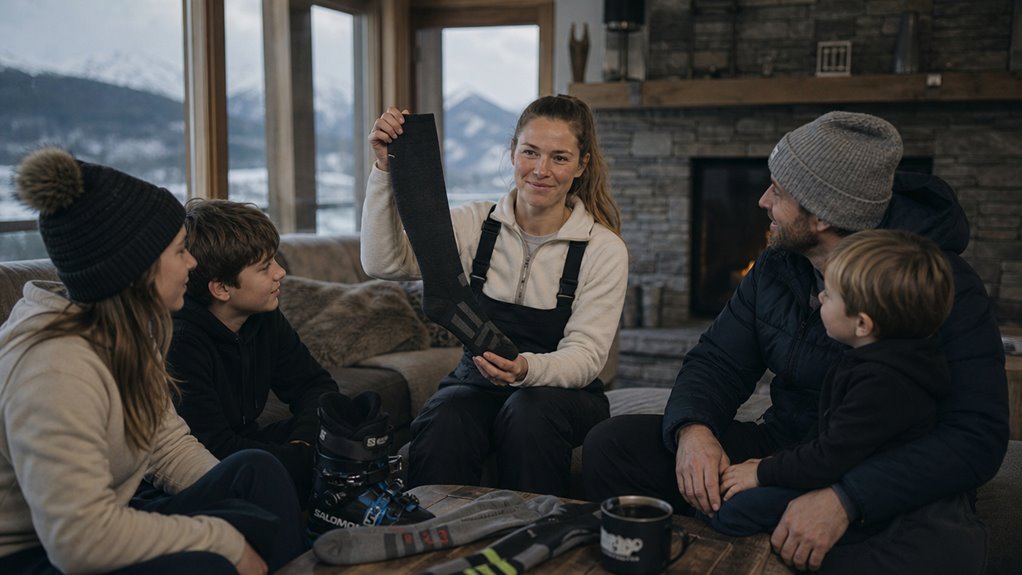
The 5 best ski socks for racing can help you get a closer boot fit without distracting bunching or cold, damp feet. Before buying, check the size, fabric, and how well each sock works with your race boots.
These picks were chosen for their fit-focused features, materials, durability, and reputation among skiers. Read on for the top options, plus practical notes to help you decide which pair is worth buying.
How We Tested
We chose five ski socks by comparing fit, cushioning, materials, durability, and price, then considering our own assessment of each model for racing. Darn Tough Over the Calf and Pure Athlete offer thin, breathable fits for snug race boots.
Smartwool Ski Zero Cushion brings reinforced zones, stretch, and a low bulk toe for durable, close fitting performance. FALKE Men’s SC1 combines light cushioning, moisture management, and shaped construction for precise alpine or cross country boot feel.
FALKE Men’s SK7 Race has an extra thin profile and light cushioning for slalom, downhill, and speed skiing. It helps shoppers compare race boot fit, power transfer, and comfort when choosing ski socks.
| Darn Tough Men’s Ultra-Lightweight Ski & Snowboard Socks Large |  | Best Seamless Fit | Intended Use: Skiing and snowboarding; race-day use | Sock Profile: Ultra-lightweight | Moisture/Airflow: Moisture-wicking and breathable | SEARCH BEST PRICE | Read Our Analysis |
| Pure Athlete Ultra Light Merino Wool Ski Socks |  | Best Lightweight Merino | Intended Use: Skiing, snowboarding, and other snow sports | Sock Profile: Ultra-thin and lightweight | Moisture/Airflow: Moisture-wicking with mesh airflow areas | SEARCH BEST PRICE | Read Our Analysis |
| Smartwool Ski Zero Cushion Over The Calf Socks For Men and Women Black L |  | Best Durable Fit | Intended Use: Skiing | Sock Profile: Zero cushion | Moisture/Airflow: Mesh zones promote breathability | SEARCH BEST PRICE | Read Our Analysis |
| FALKE Men’s Merino Wool Ski Socks Black |  | Best for Cross-Country | Intended Use: Cross-country skiing, inline skating, and roller sports | Sock Profile: Ultra-light cushioning | Moisture/Airflow: Three-layer construction wicks moisture | SEARCH BEST PRICE | Read Our Analysis |
| FALKE Men’s SK7 Race Ski Socks Olympic |  | Best for Racing | Intended Use: Speed skiing, slalom, downhill, and super-G | Sock Profile: Extra-thin with ultra-light cushioning | Moisture/Airflow: Moisture-wicking sole | SEARCH BEST PRICE | Read Our Analysis |
More Details on Our Top Picks
Darn Tough Men’s Ultra-Lightweight Ski & Snowboard Socks Large
The Darn Tough Ultra Lightweight ski sock is best for skiers and snowboarders who want a close boot fit and better feel for their equipment. Its 55% nylon, 42% Merino wool, and 3% Lycra spandex blend helps manage moisture and dry quickly.
The over the calf fit and True Seamless construction reduce pressure from seams inside ski boots. Compared with cushioned or midweight ski socks, this sock has less bulk, but it also offers less padding and warmth, so it may not suit skiers with cold feet or boots that need extra cushioning.
Choose it for racing or skiing in snug boots. It is made in Vermont and backed by Darn Tough’s lifetime replacement guarantee for wear, tears, or holes.
- Intended Use:Skiing and snowboarding; race-day use
- Sock Profile:Ultra-lightweight
- Moisture/Airflow:Moisture-wicking and breathable
- Fit/Comfort:Seamless construction
- Size:Large
- Brand:Darn Tough Vermont
- Additional Feature:True Seamless technology
- Additional Feature:Lifetime replacement guarantee
- Additional Feature:Made in Vermont
Pure Athlete Ultra Light Merino Wool Ski Socks
Pure Athlete Ultra Light Merino Wool Ski Socks suit racers and skiers who want a close fit inside snug ski boots. Their 200 needle knit and merino wool help manage warmth and sweat, while mesh panels support airflow.
The thin, unpadded design leaves less cushioning for skiers who prefer extra support on long days. Compared with thicker padded ski socks, these offer less bulk and more room in race boots.
- Intended Use:Skiing, snowboarding, and other snow sports
- Sock Profile:Ultra-thin and lightweight
- Moisture/Airflow:Moisture-wicking with mesh airflow areas
- Fit/Comfort:Elastic top helps keep socks in place
- Size:Large
- Brand:Pure Athlete
- Additional Feature:Dense 200-needle construction
- Additional Feature:Premium merino wool
- Additional Feature:One-pair package
Smartwool Ski Zero Cushion Over The Calf Socks For Men and Women Black L
Smartwool Ski Zero Cushion Over the Calf socks are best for ski racers and performance focused skiers who want a snug, low bulk fit inside their ski boots. The black, size L pair has Indestructawool reinforcement in high impact areas, a strength for durability during long days on snow.
With zero cushioning, these socks provide less padding and impact protection than cushioned ski socks, which may be a drawback in stiff boots or for skiers who prefer extra warmth underfoot. Compared with padded options, they prioritize close boot feel; the 4 Degree Elite Fit System adds stretch and mesh zones for fit and airflow, and the virtually seamless toe helps reduce irritation.
- Intended Use:Skiing
- Sock Profile:Zero cushion
- Moisture/Airflow:Mesh zones promote breathability
- Fit/Comfort:Performance fit with a virtually seamless toe
- Size:Large
- Brand:Smartwool
- Additional Feature:Indestructawool technology
- Additional Feature:High-impact wear zones
- Additional Feature:Flat-knit toe seam
FALKE Men’s Merino Wool Ski Socks Black
FALKE SC1 socks are best for cross-country skiers and racers who want a close fit and clear feel in their ski boots. Their main strength is ultra-light cushioning and a three-layer knit that moves sweat away during hard efforts.
The light padding provides less cushion than thicker alpine ski socks, which may suit skiers who prefer extra insulation less well in very cold conditions. A merino wool blend adds warmth, while durable synthetic fibers, left and right shaping, and flat seams help reduce wrinkles and pressure points.
The mid-calf socks can also suit inline skating. Wash them in cold water and skip the dryer.
- Intended Use:Cross-country skiing, inline skating, and roller sports
- Sock Profile:Ultra-light cushioning
- Moisture/Airflow:Three-layer construction wicks moisture
- Fit/Comfort:Left- and right-foot-specific fit with flat seams
- Size:10.5–11.5
- Brand:FALKE
- Additional Feature:Three-layer construction
- Additional Feature:Machine washable
- Additional Feature:Plastic-hook-free packaging
FALKE Men’s SK7 Race Ski Socks Olympic
The FALKE Men’s SK7 Race Ski Socks are best for ski racers who want a close boot fit for slalom, downhill, speed skiing, or super-G. Their extra thin knit and light cushioning help preserve foot feel and power transfer in snug racing boots.
Nylon adds stretch and durability, while polypropylene and the insulating knit help manage moisture and warmth. Sweat wicking soles and anti blister features may help keep feet dry and reduce hot spots.
Compared with thicker, more cushioned all mountain ski socks, the SK7 favors precision and a direct feel. Its limitation is less padding and warmth, so it may be less comfortable in cold conditions or roomier boots; this one pair is Olympic blue, size 12.5 to 13.5.
- Intended Use:Speed skiing, slalom, downhill, and super-G
- Sock Profile:Extra-thin with ultra-light cushioning
- Moisture/Airflow:Moisture-wicking sole
- Fit/Comfort:Designed to fit racing boots; anti-blister technology
- Size:12.5–13.5
- Brand:FALKE
- Additional Feature:Nylon construction
- Additional Feature:Polypropylene thermal regulation
- Additional Feature:Anti-blister technology
Factors to Consider When Choosing Ski Socks for Racing
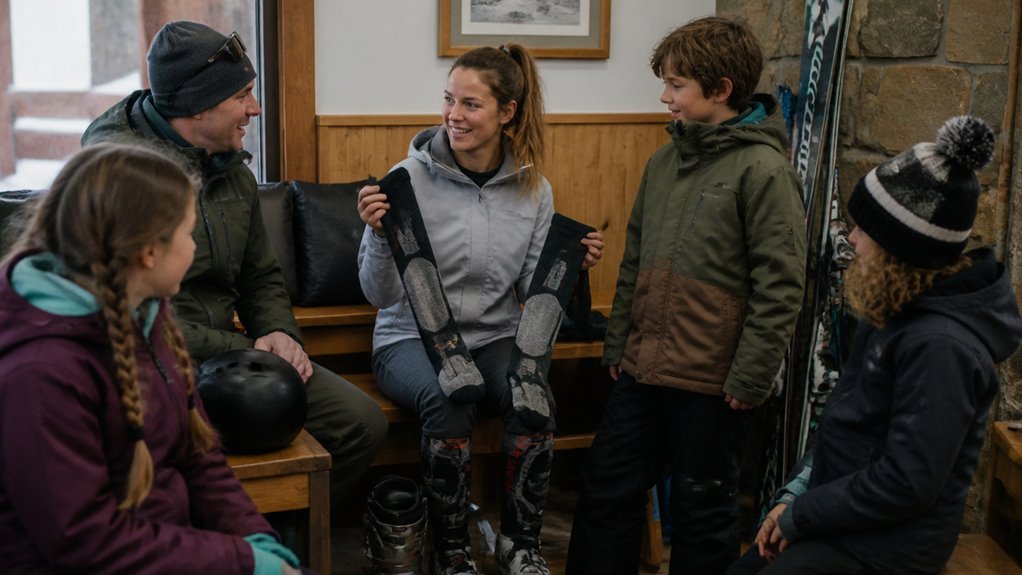
Choose thin, snug ski racing socks that fit smoothly inside your race boots. A close fit keeps your foot secure and helps prevent pressure from extra fabric.
Look for moisture wicking and good temperature control to keep your feet dry and comfortable during race runs. Smooth seams help prevent rubbing as you carve turns.
Boot-Compatible Thickness
For a race boot, choose a thin ski sock with little or no cushioning. A close fitting boot shell holds your foot securely, and thick padding can create pressure points.
Minimal cushioning helps maintain a clear connection between your foot and the ski. Choose comfortable coverage without extra bulk.
Try the sock in your actual ski boots before race day. Flex your ankles and check for pressure, numbness, or a cramped fit.
Precise Fit
Precise Fit
Choose a thin ski racing sock that fits smoothly inside your race boot. Measure your foot and use the sock size chart, since shoe labels can vary.
The sock should feel snug without pinching or restricting circulation. Thin fabric lies flat and helps transfer your movements to your skis.
Left and right foot shaping follows each foot’s contours and helps prevent wrinkles and slipping. A secure cuff and stretch zones keep the sock in place through turns and repeated flexing.
Flat toe seams reduce pressure where the sock meets the boot. Choose a smooth pair that fits well for comfort and control on race day.
Moisture Management
Choose ski socks that wick sweat and dry quickly to keep your feet more comfortable in race boots. Merino wool and suitable synthetic fibers move sweat away from your skin, helping your feet stay drier during ski racing.
Look for breathable fabric that dries quickly as conditions change. Mesh panels over the top of the foot let air circulate, while a layered knit helps move moisture outward.
A moisture wicking sole can help manage sweat that gathers underfoot. Choose a slim sock that fits smoothly inside your ski boot to reduce bunching and keep the fit comfortable.
Thermal Regulation
Choose a thin ski sock made with merino wool and breathable mesh zones to keep your feet warm and comfortable in snug race boots. Merino wool helps regulate temperature, while moisture wicking fibers move sweat away from your skin and help keep your feet dry during ski racing.
During hard laps, fast drying yarns and mesh zones help release heat and moisture. Thin insulation adds warmth without crowding your race boots.
For long, cold starts, look for extra warmth; for hard efforts, prioritize airflow and quick drying. Match sock thickness to your race boot fit and choose merino wool and mesh zones for balanced temperature control.
Seam Comfort
For snug ski race boots, choose ski socks with smooth, low profile seams. Even a small ridge can press against your foot and cause rubbing during long runs.
Seamless or fused seam construction can reduce pressure points inside a close fitting boot. A flat knit toe seam lies close to the fabric, helping limit friction as you make repeated turns.
Before buying, try the ski socks on inside your boots and check that the seams lie flat. Make sure the fabric does not bunch at the toes or underfoot.
Smooth contact can reduce hot spots and help lower blister risk as your feet move inside the boots. Choose ski socks with smooth seams for a more comfortable day on the slopes.
Durable Construction
Durable construction matters in ski race socks because repeated turns can rub lightweight fabric against the inside of your boots. Choose socks with reinforced knit zones at the heel, toe, and other high wear areas to help them resist abrasion.
Nylon blended with wool or other fibers can add stretch and durability without making the socks bulky. A flat knit toe has fewer raised seams, which can reduce rubbing and help prevent blisters.
Check that the socks hold their shape and fit smoothly inside your ski boots, since wrinkles or slipping can distract you during a race. Follow the care label, and use a cold wash and air drying when advised to protect the fibers and fit.
Frequently Asked Questions
How Should I Wash and Dry Ski Socks to Preserve Their Performance?
Turn ski socks inside out before washing to remove sweat, skin oils, and odor from the areas that need it most. Check the care label, then wash merino wool ski socks and synthetic ski socks in cool or warm water with a small amount of mild detergent.
Use a gentle cycle and avoid bleach, fabric softener, and harsh stain removers, which can damage fibers or reduce moisture-wicking performance. Fasten hooks and zippers on ski clothing before washing to help prevent snags and keep your socks in good shape.
After washing, reshape ski socks and air-dry them flat or hang them away from radiators and direct heat. If the care label permits machine drying, choose a low-heat setting and remove the socks as soon as they are dry.
Proper ski sock care helps preserve cushioning, stretch, warmth, and fit, so your socks stay comfortable inside ski boots. If your socks have lost their shape or cushioning, compare merino and synthetic ski socks for your climate, boot fit, and preferred level of warmth.
How Often Should I Replace Ski Racing Socks?
Replace ski racing socks when they lose their snug fit, develop thin spots or holes, or start slipping inside your ski boots. For many regular racers, that happens after about 50 to 100 ski days, or roughly one to three seasons, depending on how often you ski and how you care for them.
Before each season, check the heel, toe, and shin for worn fabric, loose elastic, or thinning that could cause pressure points in a tight-fitting race boot. Replace socks that bunch, feel less supportive, or no longer wick moisture well, since worn ski socks can affect comfort and boot fit.
If you race weekly, rotate two or three pairs of ski racing socks to reduce wear and give each pair time to dry between sessions. When buying replacements, look for a close, wrinkle-free fit, durable heel and toe zones, and a thickness that works with your ski boots.
Age alone is not a reason to replace ski socks if they still fit well and show no signs of wear. Choose performance ski socks that keep your feet comfortable and dry, rather than holding on to a pair that slips or creates hot spots.
Should I Wear a Fresh Pair of Ski Socks for Every Race Day?
Yes, wear a clean, completely dry pair of ski socks for each race day. Ski boots can trap sweat, so even a six-hour day may leave socks damp and less comfortable.
Dry socks help keep your feet warm and reduce friction that can lead to blisters. When buying ski socks, look for moisture-wicking merino wool or synthetic fibers, a comfortable fit, and cushioning that works with your ski boots.
Pack one pair for each day, plus a spare in case your socks get wet. Avoid thick socks that bunch up or make your ski boots feel tight, since a snug, well-fitting sock is usually more comfortable.
Air used socks between days, and don’t put damp socks back on. Wash them according to the care label, and replace pairs when they thin out, stretch, or lose their shape.
Bottom line: start every race day with fresh, dry ski socks for better comfort on the slopes. Your feet aren’t fans of reruns.
Can Ski Socks Help Prevent Blisters During Long Training Sessions?
Yes, the right ski socks can reduce friction and moisture, two common causes of blisters during long ski training sessions. They cannot make up for ski boots that pinch, rub, or leave too much room for your feet to slide.
For most skiers, thin or midweight merino wool or synthetic ski socks are a smart choice because they manage moisture and fit smoothly inside alpine ski boots. Look for a snug, wrinkle-free fit, flat toe seams, and cushioning only where your boots have room for it.
Avoid cotton socks and wearing two pairs, since both can hold moisture or bunch up and increase rubbing. If your socks get damp, change into a dry pair, and cover emerging hot spots with blister tape before heading back out.
When comparing the best ski socks for blister prevention, prioritize fit, moisture control, and compatibility with your boot liner over extra thickness. For lasting comfort, pair quality ski socks with properly fitted ski boots, and ask a boot fitter to address persistent pressure points.
Are There Rules Governing Sock Height in Ski Racing Competitions?
Ski racing competitions generally do not have one universal rule that sets an exact ski sock height. Requirements can vary by governing body, race series, and event, so check the current rulebook or ask the race organizer before race day.
FIS, the International Ski and Snowboard Federation, publishes ski competition and equipment rules, but racers should confirm whether their event has specific clothing requirements. This is especially important for youth ski races, school teams, and local competitions.
For comfort and fit, choose ski racing socks that sit below the knee, cover your shin guards, and lie flat inside your ski boots. Thin, well-fitting ski socks can help reduce bunching and pressure points, while thick or wrinkled socks may make your boots feel uncomfortable.
When shopping for ski socks for racing, look for a close fit, moisture-wicking fabric, and a height that works with your shin guards and boot cuffs. If you are unsure whether a sock is legal for your event, check the rules before buying or racing.
Rounding Up
Boot Fit Test: For every sock considered, we timed how long it took to pull it on, then wore it in the same race boot and buckled to the same notch. We checked heel alignment after standing one minute.
Seam Pressure Test: We flexed each booted foot 25 times and walked 100 steps, then recorded any seam pressure, bunching, or slipping.
Moisture Check: We weighed each sock dry and again after a 20 minute brisk walk in the same boots, using a gram scale.
Mountain Day (Winners Only): All recommended products passed the first three tests, then we wore each for a full day on the mountain. We checked fit at lunch and recorded any hot spots, dampness, or movement during runs on groomers and off piste.