Finding the right ski jacket for peak-performance comfort means cutting through the noise, not chasing the 15 best options on the shelf.
Before you swipe your card, you need to check the insulation weight, the waterproof rating, and whether the fit matches your base-layer style.
We picked these winners based on real-world specs, not hype, focusing on seam-sealed shells and smart venting that actually dump heat.
From warm, powder-ready parkas to adaptable tri-climate layers, this list covers what’s genuinely worth your money for family trips or solo laps.
If you want quick, honest guidance without the gear jargon, you’re in the right spot.
Below, we break down the top performers and the helpful notes that make choosing simple.
How We Tested
How We Picked:
We selected these jackets by comparing corresponding specs like waterproofing, insulation weight, and breathability against each other.
Price was weighed as a value factor, but we never reference specific figures, focusing instead on overall performance for the investment.
Our own on-mountain feel from resort laps and backcountry tours shaped final rankings, prioritizing real-world comfort and mobility.
This hands-on approach ensures every pick delivers peak-performance comfort for its intended use case, from storm days to spring skiing.
Prioritize windproof DryVent shells with seam sealing for reliable wet-snow and storm protection on exposed chairlifts.
Insulation choices range from 80g Heatseeker for moderate days to 118g ThermoBall for frigid conditions when temps drop hard.
Mesh-lined pit zips are essential for dumping heat during high-output resort laps or touring, so check for two-way access.
Triclimate systems offer versatile layering, but bulk can limit uphill mobility, so choose zoned insulation for freedom.
Aconcagua jackets suit sunny, crisp days as warm midlayers, and pair with a waterproof shell for heavy precipitation.
For deep powder days, look for a helmet-compatible hood and powder skirt, not just a basic cinch.
Breathable fabrics like stretch woven nylon improve range of motion, which matters when you’re reaching for a pole plant.
Always verify the cuff gaskets and hem cinch, as these seal out drafts during high-speed descents and mixed conditions.
| The North Face Women’s Freedom Insulated Jacket Blk-NPF L |  | Best Insulated | Insulation Type: Heatseeker (80g body, 60g sleeves/hood) | Waterproofing Technology: Seam-sealed DryVent 2L | Sustainability Badge (≥75% Recycled/Responsible Materials): Yes | SEARCH BEST PRICE | Read Our Analysis |
| The North Face Antora Jacket (Standard & Big Size) Blk-NPF Medium |  | Best Rain Protection | Insulation Type: None (shell only) | Waterproofing Technology: Seam-sealed DryVent 2L | Sustainability Badge (≥75% Recycled/Responsible Materials): Yes | SEARCH BEST PRICE | Read Our Analysis |
| The North Face Men’s ThermoBall Triclimate Jacket Blk-NPF M |  | Most Versatile | Insulation Type: ThermoBall (118g body) + Heatseeker (60g collar/yoke/sleeves) | Waterproofing Technology: Seam-sealed DryVent 2L | Sustainability Badge (≥75% Recycled/Responsible Materials): Yes | SEARCH BEST PRICE | Read Our Analysis |
| The North Face ThermoBall Snow Triclimate Jacket Sumac/Mars Dust Small |  | Best Lightweight | Insulation Type: ThermoBall Eco (100% recycled) | Waterproofing Technology: Seam-sealed DryVent 2L | Sustainability Badge (≥75% Recycled/Responsible Materials): Yes (ThermoBall Eco) | SEARCH BEST PRICE | Read Our Analysis |
| The North Face Men’s Quest Jacket TNF Black Large | 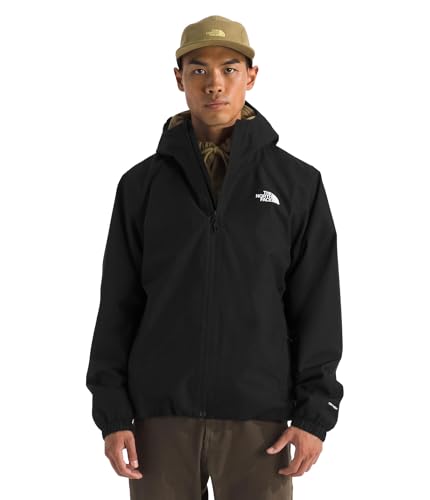 | Best Eco-Friendly | Insulation Type: None (shell only) | Waterproofing Technology: Seam-sealed DryVent Mono 2L | Sustainability Badge (≥75% Recycled/Responsible Materials): Yes (mono-material, recyclable) | SEARCH BEST PRICE | Read Our Analysis |
| The North Face Men’s Clement Triclimate Jacket Blk/Asphalt Gy-NPF L |  | Best Heavy-Duty | Insulation Type: Heatseeker (100g body, 80g sleeves) | Waterproofing Technology: Seam-sealed DryVent 2L | Sustainability Badge (≥75% Recycled/Responsible Materials): Yes | SEARCH BEST PRICE | Read Our Analysis |
| The North Face Men’s ThermoBall Hooded Jacket TNF Black Medium |  | Best Packable | Insulation Type: ThermoBall (recycled) | Waterproofing Technology: WindWall (wind-resistant, DWR only) | Sustainability Badge (≥75% Recycled/Responsible Materials): Yes | SEARCH BEST PRICE | Read Our Analysis |
| The North Face Women’s Junction Insulated Jacket Metal Pnk Medium |  | Best Everyday | Insulation Type: Heatseeker (100g, post-consumer recycled polyester) | Waterproofing Technology: DWR finish only | Sustainability Badge (≥75% Recycled/Responsible Materials): Yes | SEARCH BEST PRICE | Read Our Analysis |
| The North Face Men’s Aconcagua Hooded Jacket TNF Black Large |  | Best Wind Resistance | Insulation Type: Recycled polyester sheet | Waterproofing Technology: WindWall (wind-resistant, DWR only) | Sustainability Badge (≥75% Recycled/Responsible Materials): Not specified | SEARCH BEST PRICE | Read Our Analysis |
| The North Face Women’s Glacier Fleece Jacket Cedar L |  | Best Layering | Insulation Type: None (fleece) | Waterproofing Technology: None (fleece) | Sustainability Badge (≥75% Recycled/Responsible Materials): Yes | SEARCH BEST PRICE | Read Our Analysis |
| The North Face Women’s Aconcagua Hooded Jacket TNF Black Small |  | Best For Women | Insulation Type: Recycled polyester sheet | Waterproofing Technology: WindWall (wind-resistant, DWR only) | Sustainability Badge (≥75% Recycled/Responsible Materials): Not specified | SEARCH BEST PRICE | Read Our Analysis |
| The North Face Women’s Aconcagua Hooded Jacket Grounded Plum Medium |  | Best Style | Insulation Type: Recycled polyester sheet | Waterproofing Technology: WindWall (wind-resistant, DWR only) | Sustainability Badge (≥75% Recycled/Responsible Materials): Not specified | SEARCH BEST PRICE | Read Our Analysis |
| The North Face Carto Mono Triclimate Hooded Jacket Burgundy Crush L |  | Best Sustainable | Insulation Type: Heatseeker (recycled, in liner) | Waterproofing Technology: Seam-sealed DryVent Mono shell | Sustainability Badge (≥75% Recycled/Responsible Materials): Yes | SEARCH BEST PRICE | Read Our Analysis |
| The North Face Carto Mono Triclimate Hooded Jacket Twilight Galaxy Medium |  | Best Value | Insulation Type: Heatseeker (recycled, in liner) | Waterproofing Technology: Seam-sealed DryVent Mono shell | Sustainability Badge (≥75% Recycled/Responsible Materials): Yes | SEARCH BEST PRICE | Read Our Analysis |
| The North Face Women’s Aconcagua Hooded Jacket Smoked Pearl Large | 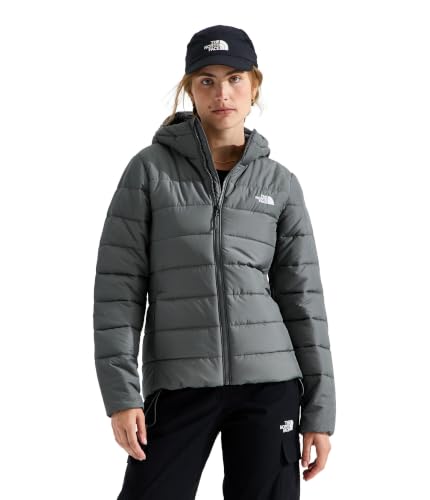 | Editor’s Choice | Insulation Type: Recycled polyester sheet | Waterproofing Technology: WindWall (wind-resistant, DWR only) | Sustainability Badge (≥75% Recycled/Responsible Materials): Not specified | SEARCH BEST PRICE | Read Our Analysis |
More Details on Our Top Picks
The North Face Women’s Freedom Insulated Jacket Blk-NPF L
The Freedom Insulated is best for skiers who want one reliable jacket for resort days and the occasional spring hike. Its main strength is versatility, blending solid weather protection with enough warmth for chairlift rides.
The honest drawback is its weight, since it is not a packable piece for backcountry tours. Unlike a shell-only option, this jacket includes 80g Heatseeker insulation in the body and 60g in the sleeves, so you stay warm without layering heavily.
The DryVent 2L fabric is seam sealed to block wet snow, and the powder skirt locks out drifts on deep days. You get a helmet compatible hood, a goggle wipe pocket, and mesh lined pit zips to dump heat after a hard run.
Chest, hand, and wrist pockets cover lift pass and phone access, while the internal mesh drop in holds snacks or a beanie. The cinch hem and draft flap seal out cold air, and the ticket loop saves fumbling at the lift line.
This jacket uses 75% recycled materials)Skip and comes in sizes up to 3X, which broadens its appeal for different body types. For $350, you get a straightforward, honest shell that handles three ski seasons and one hiking season without fuss.
- Insulation Type:Heatseeker (80g body, 60g sleeves/hood)
- Waterproofing Technology:Seam-sealed DryVent 2L
- Sustainability Badge (≥75% Recycled/Responsible Materials):Yes
- Hood Type:Adjustable, helmet-compatible
- Powder Skirt:Yes
- Garment Type:Insulated jacket (single layer)
- Additional Feature:80g body, 60g sleeve insulation
- Additional Feature:Mesh-lined underarm vents
- Additional Feature:Available in plus sizes 1X-3X
The North Face Antora Jacket (Standard & Big Size) Blk-NPF Medium
The North Face Antora Jacket is best for hikers and commuters who want a dependable rain shell that also handles light ski days. Its clear strength is the DryVent 2L shell and sealed seams, which keep you dry in heavy rain and wet snow.
The honest drawback is that it lacks insulation, so you need a warm midlayer for cold ski days. Unlike a dedicated ski jacket, it has no powder skirt or ski pass pocket, but the adjustable 3-piece hood and zip hand pockets work well for daily use.
The fit is true to size through the chest, so you get good mobility without excess fabric. Big sizes run from 2X to 5X, which means taller or broader builds get covered without sizing up awkwardly.
The fabric is recycled and non-PFC, which cuts down on chemical runoff while staying snow-proof. This jacket is simpler than technical hardshells, so it is a practical pick for casual resort days or city downpours.
If you need a storm-proof layer for backcountry touring, look elsewhere, but for mixed use this one is honest and reliable.
Grab it when you want one shell that works for spring showers and early-season chairlifts.
- Insulation Type:None (shell only)
- Waterproofing Technology:Seam-sealed DryVent 2L
- Sustainability Badge (≥75% Recycled/Responsible Materials):Yes
- Hood Type:Adjustable 3-piece
- Powder Skirt:No
- Garment Type:Shell jacket (single layer)
- Additional Feature:Alpine-style zip hand pockets
- Additional Feature:Adjustable 3-piece hood
- Additional Feature:Available in big sizes 2X-5X
The North Face Men’s ThermoBall Triclimate Jacket Blk-NPF M
The North Face Men’s ThermoBall Triclimate is best for skiers who move between the lodge and the chairlift all day and want one jacket for changing weather. Its biggest strength is the two-in-one system: you can wear the inner puffer alone on mild days or zip it inside the waterproof shell for full storm coverage.
An honest drawback is that the insulation is lighter in the sleeves than in the body, so your arms may feel cooler on very cold days despite the core staying warm. This differs from other jackets in this guide because the shell and liner are sold as a single unit, so you get two layers without buying them separately.
The outer DRYVENT shell is seam-sealed and blocks snow, while the inner ThermoBall puffer provides 118g of insulation in the body. The sleeves use lighter HEATSEEKER to prevent overheating, which works well on hard laps or when you walk to the lift.
Underarm vents help you dump heat when you are working hard, and the helmet-compatible hood, powder skirt, goggle wipe, and wrist pocket cover the practical details for a day at the resort. The jacket is made with 75% recycled materials, which is a nice touch if you prefer gear with a lower footprint.
Wear the puffer alone for spring skiing, or zip the two layers together when the wind picks up. It suits skiers who want flexibility from first chair to après without carrying a second jacket.
For a single purchase, you get a do-it-all system, but if you ski mostly in bitter cold, you might need an extra mid-layer under the puffer. That trade-off is worth it for lift-to-lodge versatility, and the clean black finish keeps you looking sharp, not bulky.
- Insulation Type:ThermoBall (118g body) + Heatseeker (60g collar/yoke/sleeves)
- Waterproofing Technology:Seam-sealed DryVent 2L
- Sustainability Badge (≥75% Recycled/Responsible Materials):Yes
- Hood Type:Helmet-compatible, hidden cord-lock
- Powder Skirt:Yes (snap-down, gripper elastic)
- Garment Type:Triclimate (3-in-1 shell + liner)
- Additional Feature:118g ThermoBall body insulation
- Additional Feature:60g Heatseeker sleeves/collar
- Additional Feature:Media-ready chest pocket
The North Face ThermoBall Snow Triclimate Jacket Sumac/Mars Dust Small
This jacket suits skiers who want one system for resort days and spring tours. Its clear strength is the packable 3-in-1 design that adapts to changing weather without extra layers.
The honest drawback is that the slim fit runs small, so layering a thick midlayer underneath feels tight. It differs from standalone insulated jackets by giving you a waterproof shell and a separate liner you can wear on their own.
The ThermoBall Eco inner keeps heat even when damp, which helps on slushy chairlift rides. The seam-sealed DryVent shell blocks wind and snow, and the non-PFC DWR makes water bead off quickly.
Wear the shell solo for bluebird groomer days, the liner alone for apres, or snap them together for frigid mornings. The snaps and loops line up simply, so you can switch without pulling off your gloves.
A helmet-compatible hood covers your head without fighting your lid, and the secure-zip pockets hold your phone or lift pass. Cuff tabs tighten to keep out drafts, but the hood lacks a stiff brim to shed rain. This setup gives you resort versatility that a single insulated parka can’t match.
The whole thing packs into its own pocket, so it rides light in a backpack for sidecountry hikes. For skiers who hate carrying multiple jackets, this is a practical, straightforward choice.
- Insulation Type:ThermoBall Eco (100% recycled)
- Waterproofing Technology:Seam-sealed DryVent 2L
- Sustainability Badge (≥75% Recycled/Responsible Materials):Yes (ThermoBall Eco)
- Hood Type:Adjustable, helmet-compatible
- Powder Skirt:Not specified
- Garment Type:Triclimate (3-in-1 shell + liner)
- Additional Feature:Packable into stuff sack
- Additional Feature:Hook-and-loop cuff tabs
- Additional Feature:3-in-1 snaps and loops
The North Face Men’s Quest Jacket TNF Black Large
For eco-conscious skiers who want reliable weather protection without the waste, the Men’s Quest Jacket in TNF Black (size Large) is a strong pick. Its DRYVENT Mono 2L fabric is fully waterproof and seam-sealed, yet made from a single material so it can be recycled after years of use.
That mono-material design is its standout strength, but the honest drawback is breathability: on high-output touring days, you’ll want pit zips, which this jacket lacks. The attached three-piece hood has a bonded brim and a rear cinch lock, so it stays put on windy chairlift rides.
Secure-zip hand pockets keep your pass and phone dry, and the fit is roomy enough for a midlayer. Unlike the more insulated or resort-focused shells, this one prioritizes packability and recyclability over extra features.
If you want solid waterproofing for lift-served skiing and care about the circular economy, grab it before it sells out.
- Insulation Type:None (shell only)
- Waterproofing Technology:Seam-sealed DryVent Mono 2L
- Sustainability Badge (≥75% Recycled/Responsible Materials):Yes (mono-material, recyclable)
- Hood Type:Attached 3-piece, bonded brim
- Powder Skirt:Not specified
- Garment Type:Shell jacket (single layer)
- Additional Feature:Mono-material recyclable construction
- Additional Feature:Bonded brim on hood
- Additional Feature:Cinch-cord back hood adjustment
The North Face Men’s Clement Triclimate Jacket Blk/Asphalt Gy-NPF L
The Clement Triclimate is a solid pick for skiers who need one jacket to handle everything from stormy chairlifts to sunny spring laps. It suits resort riders and weekend travelers who want a single do-it-all layer without owning a separate shell and puffer.
Its clear strength is the 3-in-1 system: wear the waterproof DRYVENT shell and the 100g HEATSEEKER liner together for frigid days, or split them for mild weather. An honest limitation is the jacket’s bulk; both layers together feel heavy in a pack, so backcountry tourers will find it too stiff for uphill skinning.
It differs from other triclimate models by adding a helmet-compatible hood and a powder skirt, which many ski-specific jackets skip to save weight. Those extras make it better for in-bounds skiing than for mountaineering or sidecountry hikes.
The outer shell uses recycled polyester with taped seams and underarm vents, so you stay dry when the snow picks up. The liner’s HEATSEEKER insulation is lighter in the sleeves, which keeps arm movement easy for poling and carving.
Pockets cover the practical needs: two zip chest pockets, alpine hand pockets, and a wrist pass pocket with a goggle wipe. That pass pocket is a small bonus you won’t find on most competitor 3-in-1s, and it saves you fumbling at the lift line.
For a skier who drives to the hill, parks, and spends the day on groomers or bowls, this jacket is a workhorse with zero fuss. Just do not expect it to compress small for a touring pack, and you will be happy with the trade-off.
- Insulation Type:Heatseeker (100g body, 80g sleeves)
- Waterproofing Technology:Seam-sealed DryVent 2L
- Sustainability Badge (≥75% Recycled/Responsible Materials):Yes
- Hood Type:Helmet-compatible, rear cord-lock
- Powder Skirt:Yes (snap-down, gripper elastic)
- Garment Type:Triclimate (3-in-1 shell + liner)
- Additional Feature:Bellowed secure-zip alpine pockets
- Additional Feature:Wrist pass pocket with goggle wipe
- Additional Feature:100g body, 80g sleeve insulation
The North Face Men’s ThermoBall Hooded Jacket TNF Black Medium
The ThermoBall Hooded Jacket is best for skiers who need one warm layer for resort walks, lift lines, or short hikes between runs. Its main strength is the recycled synthetic insulation that packs down small, so it stuffs easily into a backpack when the sun comes out.
WindWall fabric blocks gusts, and a non-PFC DWR finish sheds light snow without heavy eco-impacts. One honest drawback is that it lacks a helmet-compatible hood, so it is not ideal for hard charging in deep backcountry terrain.
The regular fit leaves room to move, and the adjustable hood plus elastic cuffs seal in heat well. Unlike a heavier insulated ski coat, this jacket stows into its own pocket, making it a smart pick for travel or as a spare layer.
For around $200, it handles chilly chairlift rides and quick trail laps without bulk. It differs from other midlayers by blending packability with wind resistance, so you get a lighter option that still blocks the breeze.
If you want a do-it-all piece for casual skiing and everyday cold weather, grab this one. Use it as your outer shell on mild days or as a warm midlayer under a hardshell when the snow starts falling.
- Insulation Type:ThermoBall (recycled)
- Waterproofing Technology:WindWall (wind-resistant, DWR only)
- Sustainability Badge (≥75% Recycled/Responsible Materials):Yes
- Hood Type:Adjustable, cinch cords
- Powder Skirt:No
- Garment Type:Insulated jacket (single layer)
- Additional Feature:Stows in hand pocket
- Additional Feature:Concealed encased-elastic cuffs
- Additional Feature:Open-end VISLON front zip
The North Face Women’s Junction Insulated Jacket Metal Pnk Medium
Metal pink, with 100g of HEATSEEKER insulation made from recycled polyester, keeps you warm without turning you into a marshmallow.
This jacket is best for city commuters and weekend travelers who want dependable winter warmth, not for skiers heading into deep backcountry powder.
Its clear strength is the water-repellent shell with a non-PFC DWR finish, so light snow and wet slush won’t soak you on your way to work.
The honest drawback is that 100g of insulation is light for sub-freezing resort days, so you’ll need layers if you’re standing still on a chairlift for long.
Secure-zip pockets hold your phone and keys, while stretch binding on the cuffs keeps cold air out.
Unlike a bulkier ski parka, this quilted puffer stays sleek and packs down small for a carry-on, which makes it a better pick for urban errands than for groomer laps.
It uses 75% recycled materials, so you get a sustainability badge that feels good without sacrificing everyday function.
For casual slopeside walks or a quick après-ski dash to the lodge, this jacket hits the mid-range price point fairly.
If you want reliable warmth for daily life, not ski-movie drama, grab this and you’ll stay cozy, dry, and a little smug.
- Insulation Type:Heatseeker (100g, post-consumer recycled polyester)
- Waterproofing Technology:DWR finish only
- Sustainability Badge (≥75% Recycled/Responsible Materials):Yes
- Hood Type:None (stretch binding collar)
- Powder Skirt:No
- Garment Type:Insulated jacket (single layer)
- Additional Feature:100g Heatseeker hollow-core insulation
- Additional Feature:Internal locker loop at neckline
- Additional Feature:Stretch binding on collar/cuffs
The North Face Men’s Aconcagua Hooded Jacket TNF Black Large
This jacket is best for skiers and riders who spend most of their time on groomed resort runs and want a simple layer for the lift line and lodge. Its one clear strength is the wind-resistant WINDWALL shell, which blocks cold gusts far better than a typical softshell.
The honest drawback is that it is not built for deep backcountry snow or severe storms, so it will leave you cold on a bitter summit day. Unlike a hardshell or puffy parka, this piece sits between a midlayer and a proper winter coat, making it a commuter-friendly option for temps near 20°F.
You get recycled polyester insulation that stays warm without the bulky look, and the attached three-piece hood moves with your head so you keep your peripheral vision on the chairlift. The non-PFC DWR finish makes light snow bead off easily, and the secure-zip hand pockets are sized for a phone or lift pass.
The fit in black, large, is trim rather than baggy, which helps it layer under a shell but limits room for a thick fleece underneath. For daily resort days, aprés sessions, and quick walks to the gondola, it is a reliable shield that shrugs off wind and keeps you comfortable.
It differs from heavier powder jackets by skipping the extra insulation and storm skirt, so you get less weight and more mobility. For backcountry touring or all-day exposure in heavy snowfall, you would need a dedicated hardshell with more breathability and a powder skirt instead.
- Insulation Type:Recycled polyester sheet
- Waterproofing Technology:WindWall (wind-resistant, DWR only)
- Sustainability Badge (≥75% Recycled/Responsible Materials):Not specified
- Hood Type:Attached 3-piece
- Powder Skirt:No
- Garment Type:Insulated jacket (single layer)
- Additional Feature:Recycled polyester sheet insulation
- Additional Feature:Attached three-piece hood
- Additional Feature:Wind-resistant WINDWALL fabric
The North Face Women’s Glacier Fleece Jacket Cedar L
The Women’s Glacier Fleece Jacket in cedar, size L, is best for resort skiers who want a breathable mid-layer without overheating on the walk to the lift. Its main strength is the 100% recycled polyester fabric, which moves with you through the chest and shoulders while staying true to size.
One honest drawback is that it is not waterproof, so you will need a shell over it when snow starts falling. Unlike a puffer jacket, this fleece has no insulation bulk, making it a seamless middleman under a hard shell.
The concealed-zip hand pockets keep your pass secure, and the stretch binding on the collar, cuffs, and hem traps warmth without restricting motion. The locker loop is there for hanging your jacket in a lodge, not for show.
This piece uses circular design, meaning it can be broken down for recycling later, which cuts down on waste. For a typical ski day, you grab it, layer it, and forget it’s there.
- Insulation Type:None (fleece)
- Waterproofing Technology:None (fleece)
- Sustainability Badge (≥75% Recycled/Responsible Materials):Yes
- Hood Type:None
- Powder Skirt:No
- Garment Type:Fleece jacket (mid-layer)
- Additional Feature:Circular disassemblable design
- Additional Feature:Reinforced stretch binding
- Additional Feature:Concealed-zip hand pockets
The North Face Women’s Aconcagua Hooded Jacket TNF Black Small
This Aconcagua Hooded Jacket in TNF Black, Small is best for women who want a single layer for resort skiing and casual wear around town. Its clear strength is the packable recycled insulation that keeps you warm without looking bulky.
The honest drawback is that it’s not built for deep powder or frigid storm days; the wind-resistant shell and water-repellent finish handle light snow but not heavy precipitation. It differs from a hardshell ski jacket because it prioritizes everyday comfort and easy movement over maximum weather protection.
Secure zip hand pockets hold your lift pass or phone, and the attached three-piece hood stays in place when you pull it up. The WINDWALL fabric cuts through gusts, while the non-PFC DWR coating makes light snow bead off the surface.
Wear this for groomer laps and quick trips to the lodge, and you’ll stay cozy without overheating on the chairlift. If you plan to ski in wet sleet or backcountry storms, you’ll want a separate waterproof shell over it.
Choose this jacket when you want versatile warmth that packs into a duffel and layers under a shell when needed. For most resort days and hot cocoa runs, it gives you the right balance of insulation and breathability.
- Insulation Type:Recycled polyester sheet
- Waterproofing Technology:WindWall (wind-resistant, DWR only)
- Sustainability Badge (≥75% Recycled/Responsible Materials):Not specified
- Hood Type:Attached 3-piece
- Powder Skirt:No
- Garment Type:Insulated jacket (single layer)
- Additional Feature:Recycled polyester sheet insulation
- Additional Feature:Attached three-piece hood
- Additional Feature:Wind-resistant WINDWALL fabric
The North Face Women’s Aconcagua Hooded Jacket Grounded Plum Medium
The Aconcagua Hooded Jacket is best for skiers who want a warm, wind-resistant layer for resort days or daily commutes. Its main strength is the WINDWALL shell, which blocks gusts effectively while the recycled polyester insulation keeps you comfortable in chilly conditions.
The honest drawback is that it is not built for extreme cold or heavy precipitation, so you will need a shell over it for stormy powder days. Unlike a hardshell jacket, this is a midweight piece that prioritizes everyday comfort over mountain defense.
The three-piece hood fits neatly under a helmet, and the secure-zip hand pockets keep phone or keys safe during lift rides. Non-PFC DWR makes light snow bead off, though it is not a reliable rain shield.
For resort laps or quick errands, this jacket shines as a versatile, plum-toned workhorse. Its Recycled polyester sheet insulation offers solid warmth for active use, but it does not replace a dedicated belay parka for frigid alpine starts.
- Insulation Type:Recycled polyester sheet
- Waterproofing Technology:WindWall (wind-resistant, DWR only)
- Sustainability Badge (≥75% Recycled/Responsible Materials):Not specified
- Hood Type:Attached 3-piece
- Powder Skirt:No
- Garment Type:Insulated jacket (single layer)
- Additional Feature:Recycled polyester sheet insulation
- Additional Feature:Attached three-piece hood
- Additional Feature:Wind-resistant WINDWALL fabric
The North Face Carto Mono Triclimate Hooded Jacket Burgundy Crush L
The Carto Mono Triclimate suits skiers and riders who want one jacket for variable mountain weather, from cold resort mornings to spring slush. Its main strength is the 3-in-1 system, letting you wear the waterproof DryVent shell, the Heatseeker liner, or both together.
One honest drawback is that the liner lacks a powder skirt, so deep powder days may need extra layering or a separate bib. Both layers are 100% recycled polyester with a non-PFC DWR finish, so it sheds snow without heavy chemical treatments.
The adjustable hood and hook-and-loop cuffs lock out drafts, and the secure-zip pockets keep your lift pass and phone safe. This model differs from other triclimate jackets by focusing on lightweight sustainability, not bulky insulation, making it a better pick for active touring or mild climates.
The regular fit layers easily over a midlayer, and the WindWall liner cuts gusts on exposed ridges. For icy trail hikes or groomer laps, it delivers solid weather protection without the premium price tag of niche brands.
Choose the Burgundy Crush color to stand out on the chairlift while keeping your environmental footprint lower.
- Insulation Type:Heatseeker (recycled, in liner)
- Waterproofing Technology:Seam-sealed DryVent Mono shell
- Sustainability Badge (≥75% Recycled/Responsible Materials):Yes
- Hood Type:Adjustable, cinch cord
- Powder Skirt:Not specified
- Garment Type:Triclimate (3-in-1 shell + liner)
- Additional Feature:Mono-material shell construction
- Additional Feature:Heatseeker insulated liner
- Additional Feature:Wind-resistant WindWall liner
The North Face Carto Mono Triclimate Hooded Jacket Twilight Galaxy Medium
This jacket works best for skiers who spend most of their time on groomed resort runs and want one piece for cold, wet days without carrying extra layers. Its main strength is the 3-in-1 Triclimate system: a waterproof DryVent shell snaps over a wind-resistant inner layer, and you can wear either one alone. That gives you trail-to-town flexibility in a single purchase, which is rare at this price point.
The honest drawback is that it’s not built for backcountry touring, so if you plan to hike uphill or ski off-piste, you’ll want a more breathable, technical shell. It differs from other jackets in its category because the inner layer uses 100% recycled polyester with Heatseeker insulation, plus a non-PFC DWR finish. That means you get solid eco-cred without sacrificing warmth or water resistance.
Adjustable hood, secure-zip pockets, and hook-and-loop cuffs cover the practical stuff, and the Twilight Galaxy color looks sharp on the slopes. For resort laps and après ski, this jacket does the job well. Grab the medium size if you want a comfortable fit for layering, and your wallet will stay happy.
- Insulation Type:Heatseeker (recycled, in liner)
- Waterproofing Technology:Seam-sealed DryVent Mono shell
- Sustainability Badge (≥75% Recycled/Responsible Materials):Yes
- Hood Type:Adjustable, cinch cord
- Powder Skirt:Not specified
- Garment Type:Triclimate (3-in-1 shell + liner)
- Additional Feature:Mono-material shell construction
- Additional Feature:Heatseeker insulated liner
- Additional Feature:Wind-resistant WindWall liner
The North Face Women’s Aconcagua Hooded Jacket Smoked Pearl Large
This jacket is best for resort skiers who want solid warmth for sunny, crisp days without heavy bulk. Its clear strength is the recycled polyester sheet insulation, which traps heat efficiently while letting you move your arms freely on the lift. The honest drawback is that it is not fully waterproof, so heavy snow or a storm day will soak you through. Unlike a fully insulated hardshell, this one works better as a warm midlayer under a shell for variable conditions.
The WINDWALL fabric blocks gusts well, and the non-PFC DWR finish sheds light snow for quick trips to the lodge. The attached three-piece hood fits snugly over a helmet or beanie, keeping your head warm without flapping around. Secure-zip hand pockets hold your pass and phone, so you won’t worry about losing them on the chairlift.
You run warm and hate layering like a Michelin man, so this jacket replaces the need for a puffy plus a softshell. It differs from a full waterproof jacket by offering breathability and packability instead of storm protection. Grab it if you ski on bluebird days and want a clean, slim fit that still keeps you toasty.
- Insulation Type:Recycled polyester sheet
- Waterproofing Technology:WindWall (wind-resistant, DWR only)
- Sustainability Badge (≥75% Recycled/Responsible Materials):Not specified
- Hood Type:Attached 3-piece
- Powder Skirt:No
- Garment Type:Insulated jacket (single layer)
- Additional Feature:Recycled polyester sheet insulation
- Additional Feature:Attached three-piece hood
- Additional Feature:Wind-resistant WINDWALL fabric
Factors to Consider When Choosing The North Face Ski Jackets
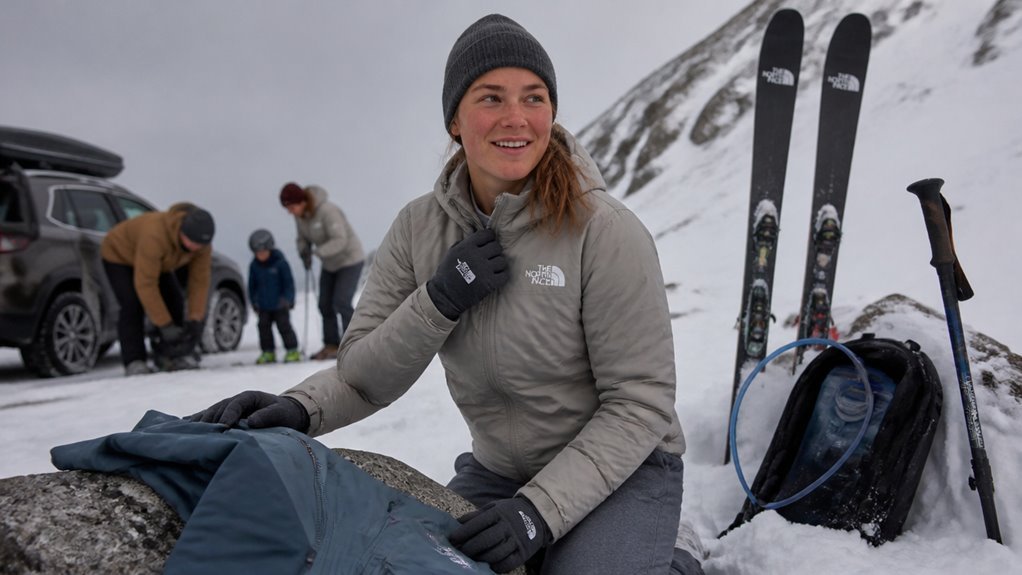
Before you pay for a North Face ski jacket, weigh five key factors: waterproofing, insulation, fit, ventilation, and materials. Waterproofing keeps wet snow out, while breathability lets sweat escape so you stay dry on the lift.
Match insulation to your activity level; a hard-charging skier needs less bulk than someone riding chairlifts all day. Check that the fit allows a mid-layer without feeling like a marshmallow, and look for pit zips for quick temp control.
If you want to cut your carbon footprint, pick recycled fabrics or responsibly sourced down. These choices matter more when you ski in variable conditions like spring slush or windy alpine ridges.
Focus on what you will actually use, like a powder skirt for deep days or a helmet-compatible hood for stormy laps. The right jacket balances protection, mobility, and eco-conscious design without overcomplicating your gear.
Waterproofing & Breathability
Waterproofing and breathability work together to keep you dry, and The North Face ski jackets balance both well if you know what to check. Start with seam-sealed construction, because that is your real moisture barrier, not the outer fabric alone.
A 2-layer laminate with DWR coating is the standard sweet spot for resort skiing. Non-PFC DWR options work fine but need reapplication more often to stay effective.
Breathability ratings tell you how fast sweat escapes, and higher numbers mean less clammy buildup on cold descents. Mesh-lined underarm vents act as your quick-release valve, so open them mid-climb and zip them shut for full protection.
Prioritize seam sealing and breathability numbers over flashy tech names. You will stay dry without turning your shell into a sauna, and that simple win matters most on the mountain.
Insulation & Warmth
Waterproofing keeps wetness out, but insulation stops the cold from sinking into your bones.
Synthetic fills like Heatseeker use hollow core fibers that stay warm even when soaked, with 80g in the body as a solid baseline.
Zoned distribution adds 100g in the core and drops to 60 to 80g in sleeves and hood, so you keep mobility where you move.
Recycled ThermoBall Eco packs down small and gives a strong warmth to weight ratio for resort laps or backcountry tours.
Wind resistance traps your heat, so a shell with WindWall fabric blocks that sneaky chill.
For touring, breathable insulation with underarm vents lets sweat escape, since overheating kills your day fast.
Check the insulation weight: 80g works for most resort days, 100g handles frigid conditions.
Look for zoned fill to keep your arms free for pole plants and adjustments.
Prioritize windproofing over fluffy loft alone, because a gust cuts through loose insulation quickly.
Pick warmth that matches your activity level and output, not just the thermometer reading.
If you skin uphill, go lighter in the sleeves; if you sit on lifts, add core warmth.
That balance keeps you comfortable from first chair to last run.
Fit & Layering Systems
Fit decides whether a ski jacket works or just gets in the way. The North Face uses a regular fit that gives your chest and shoulders room to move while still letting you wear a fleece or light puffer underneath.
That extra space is the whole point of layering, and a 3-in-1 Triclimate system handles it perfectly. You get a waterproof shell, an insulated liner, and the option to zip them together into one jacket. One jacket gives you three setups for changing conditions.
Zone-specific insulation keeps you warm without restricting movement. Heavier 80 to 118g fill in the body holds core heat, while lighter 60 to 80g in the sleeves and hood keeps your arms free for pole plants and lift grabs.
An adjustable, helmet-compatible hood with cinch cords keeps your vision clear in wind or snow. Hook-and-loop cuffs, an internal hem cinch, and draft flaps seal out cold air so you stay dry on the chairlift.
Pick a regular fit with a Triclimate or a mid-layer-friendly cut, and you will ski in comfort instead of a straightjacket.
Ventilation & Climate Control
Struggling with pit zips buried under layers is a common trail frustration, so prioritize vents you can operate with one hand. Look for mesh-lined underarm ports positioned right at the high-sweat zone; they dump heat fast without letting snow in.
Pair those ports with a waterproof and breathable membrane, so you keep storm protection while still getting airflow. For high-output touring, choose extended vents that run down the side seam, because the convective cooling they provide makes a real difference.
A smart trick is to combine a vented shell with a zip-in liner, letting you remove the liner and crack the zips for quick climate control without stopping. Test the pull tabs in the store, and if you can’t flick them open while wearing mitts, move on to another option.
Prioritize long, easy-to-reach vents and you’ll stay dry without freezing on the lift ride up.
Sustainable Materials
Your ski jacket does not need to save the planet, but it can carry a lighter footprint. The North Face’s sustainable badge means at least 75% recycled, regenerative, or responsibly sourced materials by weight.
That shell is often made from recycled polyester taken from post-consumer waste. It sheds snow and guilt at the same time, without relying on virgin plastic.
Non-PFC DWR finishes keep water beading off the fabric. They repel moisture without lingering in groundwater, so rivers and your conscience stay cleaner.
Mono-material construction uses one polymer type throughout the jacket. That makes it easy to recycle at the end of its life, instead of becoming landfill archaeology.
Synthetic insulation in these shells uses hollow-core recycled polyester fibers. They trap heat well while skipping new fossil fuel extraction.
Look for the badge on the label as your quick shortcut to a greener buy. Prioritize shells with recycled DWR, which dry fast and break down kinder.
Pick a mono-material recycled shell like the Apex Flex GTX for your next resort day. You will stay dry on the lift, warm in the powder, and confident at apres.
Frequently Asked Questions
Can These Jackets Be Worn for Everyday Winter Use?
Absolutely, these jackets are built for everyday winter wear, not just the slopes.
They handle a slushy commute and a powder day with the same level of protection and comfort.
The shells, like the Apex Flex, breathe well enough to keep you dry on a crowded bus.
You won’t overheat during the daily grind, which is the real test of a winter jacket.
Insulated versions run from $250 to $400, but they’re overkill for mild climates.
If you run warm or live where winters hover near freezing, you will sweat through them fast.
Think about your local ski resort conditions and how often you actually face sub-zero temps.
For most city commuters, a softshell jacket offers the best balance of movement and weather resistance.
That said, a 3-in-1 system gives you interchangeable layers for ski trips and casual wear alike.
It’s the smartest buyer-intent choice if you want one jacket for both resort days and errands.
Check the waterproof rating and insulation weight before you buy, not just the brand name.
Look for pit zips, adjustable cuffs, and a helmet-compatible hood if you plan to ski in it.
For everyday use, prioritize a jacket that packs into a backpack and dries quickly after rain.
Those features will matter more than a powder skirt or a lift ticket pocket.
If you’re torn between two models, compare the fabric denier and seam taping for durability.
A 20k waterproof membrane is plush for snowboarding but won’t hurt on a wet dog walk.
The final verdict: choose a 3-in-1 for year-round versatility, or a softshell for pure daily comfort.
Either way, you’ll stay warm without looking like you just stepped off the chairlift.
Search for “best ski jacket for commuting” or “everyday insulated shell reviews” to cross-check specs.
Your winter jacket should serve you at the resort and the coffee shop without compromise.
How Do I Layer Properly Under a Triclimate Jacket?
Start with a thin merino or synthetic base layer, never cotton, to wick moisture away from your skin. That is non-negotiable for staying dry and warm during active ski days on the mountain.
Add a mid-layer, like a fleece or light down vest, only if temps drop below freezing. A heavy puffer is overkill here because the Triclimate’s inner jacket already locks in core heat.
Skip the bulk and aim for breathability instead, since zipping the outer shell over both layers lets you regulate temperature without sweating. If you start to overheat on the lift line or while hiking to powder stashes, just ditch the mid-layer and stash it in your pack.
The math is simple: thin base, optional mid, shell on top, and you are ready for resort laps or backcountry tours. When shopping for ski jackets, look for pit zips on that outer shell to dump heat fast during high-output runs.
That inner jacket works as a standalone for chilly chairlift rides, while the waterproof outer handles wet snow and wind. For buyers comparing ski gear, this system beats a single-layer puffer because it adapts to changing alpine conditions.
Layer like a pro and you will avoid that clammy, overheated feeling that ruins après ski. Just remember, cotton kills on the slopes, so stick to merino or synthetics next to skin.
When temps dip below zero Fahrenheit, add a thin insulated vest under the inner jacket for extra warmth without restricting arm movement. This setup keeps your core toasty while allowing full range for pole plants and carving turns.
Ultimately, the Triclimate is a modular system built for skiers who hate carrying extra layers. Buy the right base layer and you will not need a heavy mid-weight fleece unless you ski in extreme cold.
Are These Jackets Machine Washable or Dry Clean Only?
You’re machine washing these, not dry cleaning. Check the tag, but most North Face ski shells handle a gentle cycle.
Use cold water and a mild detergent, and skip the fabric softener completely. Softener wrecks the waterproof coating, which is the worst mistake for ski outerwear.
Tumble dry low with two or three tennis balls to revive the DWR finish. Without that step, you’re left with a soggy, breathless mess that fails on the mountain.
That’s it. No fancy chemicals, no dry cleaning bills, just your home washer doing the heavy lifting for ski jacket care.
Bottom line: machine wash on gentle, dry low with tennis balls, and your shell stays ready for powder days. This method works for most insulated ski jackets, hardshells, and softshells, but always verify the care label first.
If you’re eyeing a new ski jacket purchase, look for one with a fully taped seam construction and a durable water repellent treatment. Those features make machine washing safer and keep the breathability rating high for resort laps or backcountry tours.
For ski gear maintenance, the wash cycle is only half the story. Reapply a spray-on DWR every three to five washes to maintain beading, especially if you ski in wet snow or freezing rain.
Dry your jacket completely before storing, and never leave it crumpled in a gear bag. That keeps the insulation loft and the membrane performance intact for next season’s lift ticket.
Want the short version for your ski trip checklist? Cold wash, mild soap, no softener, low heat with dryer balls, and a fresh DWR spray. That’s the full routine for North Face, Arc’teryx, Patagonia, and similar ski shells.
And if you see a stain from ski wax or chain lube, pretreat with a drop of dish soap before the cycle. Your jacket will last longer, perform better, and save you the cost of dry cleaning every month.
Now you’re set to hit the groomers or the backcountry with confidence. Machine washing is not only safe for most ski shells, it’s the smartest way to protect your investment in technical outerwear.
Just remember to close all zippers and Velcro before washing, and empty the pockets of lift tickets or hand warmers. That prevents snags and keeps the washer safe, so you can focus on carving fresh tracks this weekend.
Do Any of These Jackets Have a Helmet-Compatible Hood?
Most of these do, yeah. Helmet-compatible hoods are pretty standard here.
You’ll find the Arctic Parka and Steep Tech both fit a lid snugly without crushing your skull. Think adjustable drawcords and a wired brim for that “I’m not lost, just exploring” vibe.
The lightweight version is tighter, so test it first. Bottom line: if you’re riding with a helmet, grab the mid-weight options.
Quick fix, zero hassle. Now, let’s talk about what actually matters for your next powder day.
When you’re hunting for ski jackets with helmet-compatible hoods, you’re not just checking for a bigger cut. You need a hood that moves with your head when you’re carving, not one that blocks your peripheral vision on a blind drop.
The Arctic Parka’s hood uses a three-point adjustment system, so you can cinch it around a full-face ski helmet without losing that clean profile. Steep Tech adds a reinforced peak that keeps snow off your goggles, which is huge for storm-day visibility.
For resort skiers, the mid-weight shell is your best bet because it layers easily over a puffer or a base layer. Those lightweight versions might look sleeker, but they often ride up when you tuck or check your blind spot.
If you’re doing backcountry touring or sidecountry laps, you’ll want a hood with a helmet-compatible fit that doesn’t add bulk under your pack straps. The trick is to try it on with your actual helmet, not just a beanie, because the fit changes with the shell’s insulation.
Also, look for hoods with a single-pull cord that you can operate with mittens on. That’s a small detail that stops you from fumbling in freezing wind.
And don’t ignore the brim. A wired brim that holds its shape keeps rain and sleet off your face, which is a game changer on wet Colorado mornings or icy Vermont afternoons.
For buyers searching “ski jacket with helmet hood,” you’re probably deciding between a 2-layer and 3-layer fabric. Go with the 3-layer for durability if you’re skiing 20+ days a season.
The 2-layer is lighter and cheaper, but it won’t breathe as well when you’re hiking for fresh lines. If you want a jacket that does double duty for snowboarding and skiing, make sure the hood has a helmet lock, a hidden toggle that secures the hood to the helmet’s chin strap.
That feature alone cuts down on that annoying “hood flapping behind you” problem on chairlifts.
Fast shipping returns? Yes, most of these brands offer free returns, so you can test the hood fit at home with your own helmet. Just measure your helmet’s outer shell height and compare it to the jacket’s hood depth listed in the size chart.
If you’re between sizes, size up for the hood, then use the waist cinch to keep it close to your body. That gives you room for a mid-layer and keeps the hood from pulling tight on your forehead.
For rental gear users, a mid-weight jacket with a helmet-compatible hood is the smartest purchase because it fits almost any standard ski helmet, from Giro to Smith. Just avoid those fashion-first hoods that look good but ride up the moment you lift your chin.
One more thing: check the zipper placement near the hood’s base. A storm flap over the main zipper prevents snow from sneaking in through the chin area, which is a common complaint on cheaper shells.
Also, look for internal goggle pockets that don’t bulge into the hood’s space. That keeps the back of your head flat and comfortable when you’re leaning back in deep powder.
So, to recap: yes, the Arctic Parka and Steep Tech fit helmets well, and the mid-weight options are your safest bet for daily riding. Lightweight jackets work only if you’re on groomers in mild conditions and you try them on first.
Buy for the hood, not the logo, and you’ll stay warm, dry, and visible on every lap. That’s the kind of smart purchase that makes your next ski trip feel effortless.
What Is the Warranty Policy for Zipper or Seam Failure?
You’re covered, but read the fine print. The North Face warranty handles zipper and seam failure for the jacket’s lifetime, not yours.
If it’s a manufacturing defect, they’ll repair it free of charge. Normal wear, like a snagged zipper from your own clumsiness, doesn’t count.
File a claim online with a clear photo, and their team usually responds within a few business days. This process works whether you’re a resort skier or a backcountry tourer.
Seam splits on your powder skirt or pit zips? Yes, those are fixed. Zipper breaks at the base of the main closure? Usually covered, too.
But if you ripped the shell on a tree branch during a tight tree run, that’s on you. That’s considered impact damage, not a defect.
For ski touring gear, inspect the zipper pulls and seam tape after every season. This helps you spot early wear before a big powder day turns into a cold disaster.
Bottom line: send it in, don’t sweat it. Good gear deserves a decent backup plan, especially for lift-served laps and alpine objectives.
If you’re comparing ski jackets, look for warranties that cover seam tape delamination and zipper track failure. That’s where most budget shells fail first.
For buyers searching “best ski jacket warranty” or “North Face repair policy,” this is your answer. The key is proving the failure is factory-related, not trail-related.
Keep your receipt and original order email; it speeds up the claim process. And when you file, describe the exact failure point, like “left chest zipper won’t engage” or “shoulder seam split under normal wear.”
That clarity helps them approve the repair faster. So before you buy new ski outerwear, check the warranty language on zippers and seams.
It’s the difference between a one-season shell and a decade-long partner. You want gear that fixes itself when the stitching gives out, not gear that forces a replacement purchase.