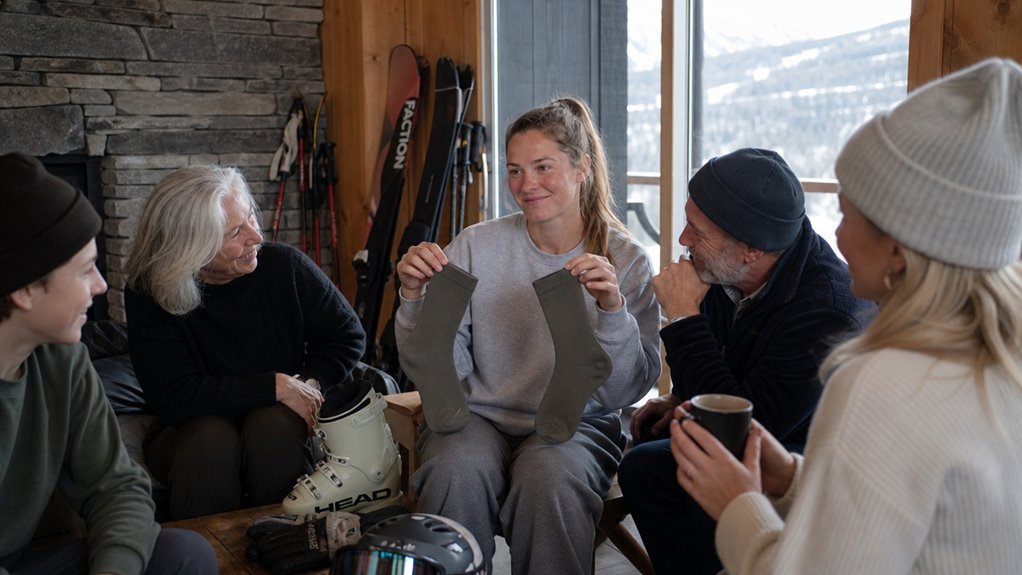
The best thin ski socks keep your feet comfortable without crowding a snug ski boot.
Before buying, check the size, material, cushioning, and fit with your boots; these picks were chosen for practical features and reliable performance, not hype alone.
Below, you’ll find standout options, quick fit tips, and notes on which socks are worth considering for your needs.
The roundup makes it easier to find a pair that helps keep feet comfortable on the mountain.
How We Tested
We compared materials, cushioning, fit, breathability, moisture control, specifications, price, and our assessment for skiing. Smartwool Zero Cushion Over the Calf offers merino rich fabric and mesh; Darn Tough RFL OTC suits ultralight racers.
Darn Tough provides moisture management and lifetime replacement coverage. Fox River Wick Dry and Alturas liners wick sweat under ski socks, but add little warmth or cushioning.
Pure Athlete Ultra Light blends merino and instep mesh, while Smartwool Kids Light Cushion adds padding with little boot bulk. Choose zero cushioning for tight boots or light cushioning for padding, and prioritize a snug, breathable, moisture wicking fit.
| Fox River Wick Dry Ultra-Lightweight Liner Crew Socks |  | Best Liner Layer | Sock Type: Ultra-lightweight liner crew sock | Intended Use: Hiking, work, and outdoor excursions | Size: Large | SEARCH BEST PRICE | Read Our Analysis |
| Smartwool Ski Zero Cushion Over The Calf Socks For Men and Women Black L |  | Best Performance Fit | Sock Type: Zero-cushion ski sock | Intended Use: Skiing | Size: Large | SEARCH BEST PRICE | Read Our Analysis |
| Smartwool Women’s Ski Zero Cushion Over The Calf Socks BLACK Medium |  | Best Women’s Fit | Sock Type: Zero-cushion ski sock | Intended Use: Skiing | Size: Medium | SEARCH BEST PRICE | Read Our Analysis |
| Smartwool Kids’ Light Cushion Ski Socks Medium |  | Best for Kids | Sock Type: Light-cushion ski sock | Intended Use: Skiing | Size: Medium | SEARCH BEST PRICE | Read Our Analysis |
| Wickdry Alturas White Large Sock Liners |  | Best Blister Defense | Sock Type: Ultra-lightweight sock liner | Intended Use: Hiking, work, and boots | Size: Large (9–12) | SEARCH BEST PRICE | Read Our Analysis |
| Pure Athlete Merino Wool Ski Socks (Large) |  | Best Lightweight Warmth | Sock Type: Ultra-light ski sock | Intended Use: Skiing, snowboarding, and snow sports | Size: Large | SEARCH BEST PRICE | Read Our Analysis |
| Pure Athlete Merino Wool Ski Socks 3 Pairs |  | Best Multipack Value | Sock Type: Ultra-light ski sock | Intended Use: Skiing, snowboarding, and snow sports | Size: Large | SEARCH BEST PRICE | Read Our Analysis |
| Darn Tough Men’s RFL OTC Ski Socks |  | Best Lifetime Guarantee | Sock Type: Ultra-lightweight ski and snowboard sock | Intended Use: Skiing and snowboarding | Size: Large | SEARCH BEST PRICE | Read Our Analysis |
| Smartwool Zero Cushion Merino Ski Socks Over-Calf |  | Best Merino Comfort | Sock Type: Zero-cushion ski sock | Intended Use: Skiing | Size: Medium | SEARCH BEST PRICE | Read Our Analysis |
More Details on Our Top Picks
Fox River Wick Dry Ultra-Lightweight Liner Crew Socks
Fox River’s Wick Dry crew socks are best for skiers who want a thin liner under a ski sock, or a lightweight option for hiking and outdoor work. Their main strength is moisture management: the polypropylene blend helps move sweat away from the skin, which may reduce dampness linked to blisters.
Because they are ultra lightweight, they offer little insulation and may not be warm enough on their own in cold ski boots. Compared with thicker ski socks, they provide a slimmer liner layer with less cushioning.
The blend is 93% polypropylene, 6% nylon, and 1% spandex for stretch. This listing includes one olive pair in Large, with a crew height that reaches above the ankle.
- Sock Type:Ultra-lightweight liner crew sock
- Intended Use:Hiking, work, and outdoor excursions
- Size:Large
- Color:Olive
- Brand:Fox River
- Sock Height:Crew
- Additional Feature:Wick Dry moisture management
- Additional Feature:93% polypropylene blend
- Additional Feature:Helps reduce blisters
Smartwool Ski Zero Cushion Over The Calf Socks For Men and Women Black L
Smartwool Ski Zero Cushion Over the Calf socks are best for skiers who want a close fit inside their ski boots and prefer little padding. Their zero cushion design gives you direct boot contact, while the over the calf height covers your lower leg.
Their main strength is a secure fit, supported by the 4 Degree Elite Fit System, breathable mesh zones, and Indestructawool reinforcement in high impact areas. Compared with cushioned ski socks, they have less bulk, but they may feel too thin if you want extra padding or warmth.
Flat knit toe seams help reduce irritation, and size Large is available in black. Check the size chart to confirm the fit, since a sock that is too loose or tight can affect comfort in ski boots.
- Sock Type:Zero-cushion ski sock
- Intended Use:Skiing
- Size:Large
- Color:Black
- Brand:Smartwool
- Sock Height:Over the calf
- Additional Feature:Indestructawool wear zones
- Additional Feature:4 Degree Elite Fit
- Additional Feature:Virtually Seamless toe
Smartwool Women’s Ski Zero Cushion Over The Calf Socks BLACK Medium
These women’s ski socks are best for skiers who want a thin fit inside snug ski boots. Their zero cushioning and over the calf coverage keep bulk low, making them a good choice compared with thicker, padded ski socks.
The 4 Degree Elite Fit System uses stretch and mesh zones to help the socks stay in place and let heat escape. Indestructawool reinforcement adds durability in high impact areas, while the Virtually Seamless toe seam helps reduce irritation.
The main limitation is less padding underfoot, so they may feel less comfortable in boots that need extra cushioning. Model SW001865, black, size Medium; a strong option for a close fit and breathability when your boots already fit well.
- Sock Type:Zero-cushion ski sock
- Intended Use:Skiing
- Size:Medium
- Color:Black
- Brand:Smartwool
- Sock Height:Over the calf
- Additional Feature:Indestructawool wear zones
- Additional Feature:Strategic stretch zones
- Additional Feature:Flat-knit toe seam
Smartwool Kids’ Light Cushion Ski Socks Medium
These Smartwool Kids’ Light Cushion Ski Socks are best for young skiers who want a close fitting, knee high sock for days on the slopes. Their main strength is light cushioning across the shin, calf, and foot, which adds padding without taking up much room in ski boots.
Merino wool helps manage moisture and temperature, while the virtually seamless toe can reduce rubbing during long days on snow. The light cushioning offers less warmth and padding than thicker ski socks, so it may not suit kids who need extra insulation on very cold days.
The mountain print adds kid friendly style, and durable construction suits repeat ski trips. Compared with thicker ski socks, this pair favors a less bulky boot fit over extra padding.
Wash the socks inside out on a gentle cold or warm cycle, then tumble dry on low to help preserve the fabric. Choose them for young skiers who prefer a streamlined fit and light warmth.
- Sock Type:Light-cushion ski sock
- Intended Use:Skiing
- Size:Medium
- Color:Alpine Blue
- Brand:Smartwool
- Sock Height:Over the calf
- Additional Feature:Merino wool temperature regulation
- Additional Feature:Shin, calf, foot cushioning
- Additional Feature:Playful mountain print
Wickdry Alturas White Large Sock Liners
Fox River WickDry Alturas liners are best for hikers, workers, and skiers who want a thin layer under boots or ski socks. Their main strength is the smooth knit, which helps move sweat away and reduce damp friction that can lead to blisters.
Wear them beneath ski socks for a light liner layer during ski days. Their thin construction provides little warmth or cushioning on its own, so they may not suit buyers looking for plush comfort.
Compared with thicker cushioned liners, the Alturas prioritizes blister protection and a low profile inside boots. Size Large fits sizes 9 to 12, and the white liner is Model 4478.
- Sock Type:Ultra-lightweight sock liner
- Intended Use:Hiking, work, and boots
- Size:Large (9–12)
- Color:White
- Brand:Fox River
- Sock Height:Not specified
- Additional Feature:Smooth flat-knit construction
- Additional Feature:Moisture-wicking fabric
- Additional Feature:Blister prevention
Pure Athlete Merino Wool Ski Socks (Large)
Pure Athlete’s Ultra Light Ski Socks are best for skiers and snowboarders who want a thin merino layer inside a close fitting boot. Their key strength is a 200 needle knit that provides merino warmth with a slim profile.
Merino wool helps regulate foot temperature, while the sweat wicking fabric helps keep feet dry. Small mesh panels across the top of the foot support airflow, and the elastic top helps keep the socks in place.
Compared with thicker ski socks, this pair takes up less room in your boots, but its ultra thin design offers limited cushioning. This Large, black pair includes one pair of model 214 socks for skiing, snowboarding, and other snow sports.
- Sock Type:Ultra-light ski sock
- Intended Use:Skiing, snowboarding, and snow sports
- Size:Large
- Color:Black
- Brand:Pure Athlete
- Sock Height:Not specified
- Additional Feature:Dense 200-needle knit
- Additional Feature:Mesh airflow panels
- Additional Feature:Elastic stay-put top
Pure Athlete Merino Wool Ski Socks 3 Pairs
Pure Athlete Merino Wool Ski Socks are best for skiers and snowboarders who want a slim fit in snug boots. Their main strength is warmth with little bulk, thanks to a dense 200 needle knit and lightweight feel.
Choose another style if you prefer thicker cushioning, since these socks provide a thin layer underfoot. Compared with more heavily padded ski socks, this three pair set takes up less room in boots and suits a closer fit.
Merino wool helps regulate foot temperature and wick sweat, while mesh panels add airflow across the instep and help retain warmth. Elastic at the top helps keep the socks in place during long days on the slopes.
You get three black pairs in size large, model 214, for skiing or snowboarding. Check your boot fit, since sock thickness and fit can affect comfort.
- Sock Type:Ultra-light ski sock
- Intended Use:Skiing, snowboarding, and snow sports
- Size:Large
- Color:Black
- Brand:Pure Athlete
- Sock Height:Not specified
- Additional Feature:Three-pair pack
- Additional Feature:Dense 200-needle knit
- Additional Feature:Mesh airflow panels
Darn Tough Men’s RFL OTC Ski Socks
The Darn Tough RFL OTC is best for ski racers and skiers who prefer a close-fitting, low-bulk sock inside a snug boot. Its ultra-lightweight, over-the-calf design stays under the boot cuff, and True Seamless construction helps prevent a noticeable seam ridge.
The nylon, Merino wool, and Lycra blend wicks moisture, breathes, and dries quickly, while Merino wool helps regulate temperature in different conditions. Compared with thicker, cushioned ski socks, the RFL offers less bulk and a closer feel, but its thin construction provides less cushioning and insulation.
Darn Tough covers wear, tears, and holes with lifetime replacement, adding value for frequent use. Choose it for race days or a precise boot fit; choose a thicker sock if you want more cushioning.
- Sock Type:Ultra-lightweight ski and snowboard sock
- Intended Use:Skiing and snowboarding
- Size:Large
- Color:Black
- Brand:Darn Tough Vermont
- Sock Height:Over the calf
- Additional Feature:True Seamless construction
- Additional Feature:Fast-drying Merino wool
- Additional Feature:Lifetime replacement guarantee
Smartwool Zero Cushion Merino Ski Socks Over-Calf
Best for skiers who want a close boot fit, Smartwool Ski Day Print socks offer zero cushion for a slim feel inside ski boots. Their minimal padding sets them apart from cushioned ski socks.
The main limitation is the lack of underfoot padding, which may feel less comfortable to skiers who prefer cushioning. Merino wool helps manage warmth and moisture, while nylon adds durability.
These over the calf socks come in medium for men and women. The blend is 55% merino wool, 29% recycled nylon, 12% nylon, 3% elastane, and 1% polyester, and Laguna Blue adds a touch of color.
- Sock Type:Zero-cushion ski sock
- Intended Use:Skiing
- Size:Medium
- Color:Laguna Blue
- Brand:Smartwool
- Sock Height:Over the calf
- Additional Feature:55% Merino wool
- Additional Feature:Recycled nylon content
- Additional Feature:Ski Day Print design
Factors to Consider When Choosing Thin Ski Socks
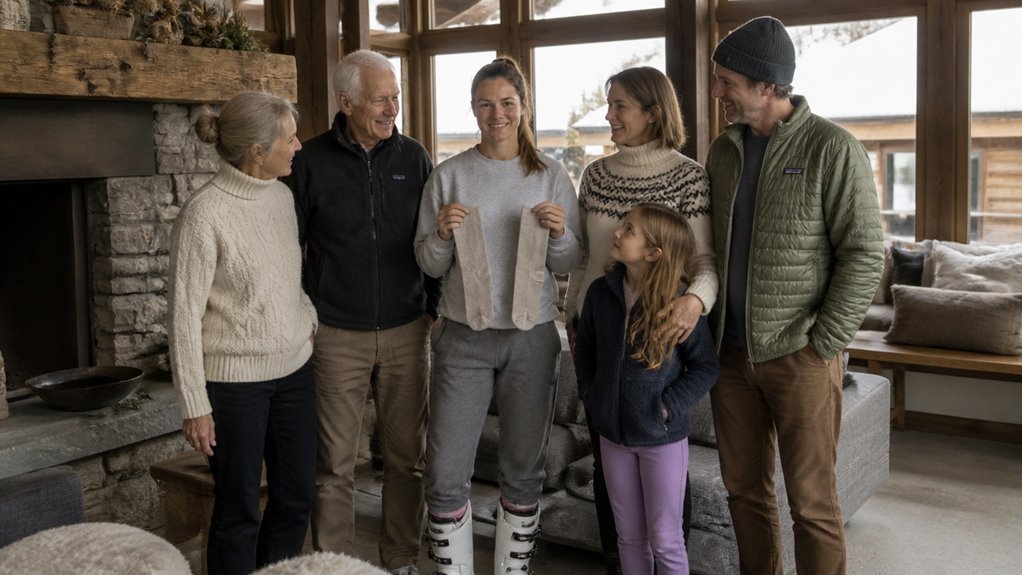
Choose thin ski socks that fit your ski boots and suit your skiing conditions. Compare sock thickness, materials such as merino wool or synthetics, and warmth.
Look for fabric that moves sweat away from your skin and lets heat escape. Choose a snug, stretchy fit that avoids pressure points and keeps your toes comfortable.
Sock Thickness
When your ski boot fits closely, choose an ultralight or zero cushion ski sock. A thinner sock gives your foot more room and helps the boot fit as designed.
Choose zero cushioning for the thinnest feel, or light cushioning for a little padding at the shin, calf, or underfoot. If your boot shell feels snug, extra sock fabric can increase pressure and discomfort.
A tightly knit sock can retain warmth while staying slim because its stitches are closely packed. Avoid wearing two pairs of socks, since extra layers can squeeze your feet and make your ski boots feel tight.
Material and Warmth
A thin ski sock can keep your feet warm when its fibers manage heat and sweat well. Merino wool ski socks help regulate foot temperature, while lightweight blends can offer insulation and breathability.
A fine gauge knit uses closely spaced stitches to hold warmth without adding bulk inside your ski boots. Some ski socks include mesh zones for airflow and denser knitting in other areas to retain body heat.
For cold days on the slopes, look for a lightweight merino blend with dense coverage. Check the fiber content and knit, then choose a ski sock that fits comfortably inside your boots.
Moisture Management
Dry feet help you stay comfortable in thin ski socks and snug ski boots. Choose moisture wicking fibers that pull sweat away from your skin and help reduce friction and blister risk.
Polypropylene moves perspiration away quickly. Merino wool manages moisture and helps regulate temperature as conditions change, from sunny lift rides to colder, shaded runs.
Check the fiber details before buying ski socks, and choose a pair suited to your usual conditions. For moisture control without extra bulk, look for thin merino wool or polypropylene socks that fit smoothly inside your ski boots.
Breathability and Ventilation
Thin, breathable ski socks can help keep your feet comfortable in snug ski boots. Look for mesh panels across the top of the foot to improve airflow without leaving your toes exposed to cold air.
Moisture wicking fibers move sweat away from your skin, helping your feet feel drier during long runs and time in the lift line. Merino wool can also help regulate foot temperature and manage moisture as your activity level changes.
When shopping for ski socks, check the ventilation features as well as the warmth rating. Breathable panels and moisture managing fibers can help keep your feet dry without adding bulk.
Fit and Stretch
Choose thin ski socks that fit smoothly against your foot and lower leg. This helps prevent bunching inside snug ski boots and keeps the fabric comfortable as you ski.
Look for flexible stretch zones that move with your foot and help the sock stay in place as you flex and turn. A gently elasticized cuff can reduce slipping, but it should not squeeze your leg or restrict circulation.
Check that the heel and toe sit in the right places, since shifting fabric can fold and create pressure points. A flat toe seam can feel more comfortable in snug boots, so try the socks on with your ski boots and choose a pair that stays aligned.
Cushioning Needs
Choose ski sock cushioning based on your boot fit and where you need pressure relief. Zero cushioning keeps the sock thin and gives you a precise feel underfoot, which can work well in a close fitting ski boot.
Light cushioning at the shin, calf, or foot can ease pressure while keeping the sock slim. Check where your boot presses or rubs, then choose padding in that area.
In a tight boot, extra padding can increase pressure. In a roomier boot, a little cushioning may improve comfort.
If you are prone to blisters, choose a smooth fitting ski sock that stays in place, since bunching can cause friction. Start with the least cushioning that solves the problem, then check the fit in your ski boots.
Height and Coverage
Choose thin ski socks that rise above your ski boot cuff and cover your calf. This keeps the boot’s upper edge from rubbing bare skin while you ski.
Match sock height to the boot shaft, the tall section around your lower leg, and check that the sock covers your shin and calf. Pull the fabric smooth under the cuff, since folds can bunch up and create pressure points.
Seam Comfort and Durability
A smooth, flat-knit toe can reduce friction and pressure inside snug ski boots. Even a small seam can rub against your toes during a long day on the slopes.
When shopping for thin ski socks, look for a flat-knit or nearly seamless toe and smooth seams that help prevent blisters. Reinforced zones add durability in high-wear areas that face repeated pressure and friction.
A little stretch helps ski socks stay in place and resist bunching, which can irritate skin and wear out the fabric. Choose socks with smooth seams and reinforced zones for lasting comfort on the mountain.
Frequently Asked Questions
How Should Thin Ski Socks Be Washed to Preserve Their Performance?
Turn thin ski socks inside out and wash them in cool water with a small amount of mild detergent, following the care label for merino wool or synthetic blends. Choose a gentle machine cycle or hand-wash to protect moisture-wicking fibers and the snug fit that helps prevent bunching inside ski boots.
Skip bleach and fabric softener, which can damage fibers or leave a coating that reduces sweat management. Rinse thoroughly, then lay your socks flat to air-dry away from radiators and direct heat, since high temperatures can shrink merino wool and weaken stretch fibers.
Proper care helps preserve cushioning, breathability, and a precise ski boot fit over many days on the mountain. If you’re shopping for replacement ski socks, compare merino wool and synthetic options by warmth, moisture control, and fit with your boots.
Can Thin Ski Socks Be Safely Tumble-Dried?
Yes, thin ski socks can be tumble-dried if the care label allows it. Use a low-heat or delicate setting to help protect the fit and performance of your ski socks.
High heat can shrink merino wool and damage the elastic in wool or synthetic ski socks. For merino ski socks, air-drying is usually the gentlest option.
Skip fabric softener because it can coat fibers and reduce moisture-wicking performance. This matters on the slopes, where breathable socks help move sweat away from your skin and keep your feet comfortable.
After washing, lay socks flat or hang them to dry, and avoid placing them directly on a heater. When buying ski socks, check the care instructions so you know whether they are machine-washable and dryer-safe.
How Many Ski Sock Pairs Should I Pack for a Week-Long Trip?
For a week-long ski trip, pack four pairs of ski socks if you can wash and fully dry them, or seven pairs if you cannot. A clean, dry pair each day helps reduce sweat buildup, rubbing, and cold feet inside ski boots.
Choose purpose-built ski socks made from merino wool or synthetic moisture-wicking fabric, rather than cotton, which holds moisture. Look for a comfortable fit and a thickness that works with your ski boots, since overly thick socks can make boots feel tight and restrict circulation.
Pack one extra pair if you expect wet snow, long days on the slopes, or limited drying time. Rotate your socks and let each pair dry completely overnight, using a boot or gear dryer if available.
Keep spare ski socks in your day bag or car, but avoid doubling up inside your boots. If you are buying ski socks for your trip, consider picking up a lightweight merino pair for warmth and moisture control.
How Can I Dry Ski Socks Overnight While Traveling?
To dry ski socks overnight while traveling, first press them inside a clean, dry towel for about 10 minutes to remove excess moisture. Then hang each sock separately in a well-ventilated spot, such as near an open window or in a bathroom with the fan running.
Aim a small fan at your merino wool or synthetic ski socks to improve airflow and speed up drying. Avoid radiators, hair dryers on high heat, and direct contact with heaters, since heat can damage elastic fibers and shrink some ski socks.
If your hotel room is humid, spread the socks over a luggage rack or hang them near an air-conditioning vent, leaving space between each one. For faster drying after washing, gently squeeze the socks instead of twisting them, then roll them in a towel before hanging.
A spare pair of moisture-wicking ski socks is a smart purchase for ski trips, especially when you plan to ski on consecutive days. For the best comfort on the mountain, look for ski socks made from merino wool or quick-drying synthetic blends, and pack a dry pair for your next day on the slopes.
When Should I Replace My Thin Ski Socks?
Replace thin ski socks when you notice holes, thinning fabric, stretched cuffs, or see-through spots, especially around the heel and toe. These are common signs that merino wool or synthetic ski socks have worn out and may no longer keep your feet comfortable on the slopes.
Check your ski socks before each season, or more often if you ski frequently, and replace them if they slide down, bunch inside your ski boots, or stay damp after washing. A few pills are usually cosmetic, but lingering odor, lost cushioning, or a poor fit means it is time for a new pair.
Choose replacement ski socks with a smooth, close fit and cushioning suited to your boots, since bulky socks can create pressure points and cold feet. If you are buying new thin ski socks, look for moisture-wicking merino wool or synthetic fabric designed for a snug fit in alpine ski boots.
Rounding Up
Boot Fit Check: We tried every sock in the same ski boot, buckled to the same setting. We checked the toes, heel, and instep for folds or pressure points.
Thickness Check: We measured the fabric at the toe, heel, and cuff with a digital caliper, recording each reading in millimeters.
Moisture Test: We placed 5 milliliters of water on the inner forefoot and used a stopwatch to time how long it took to spread through the fabric.
Real World (Winners Only): All recommended products passed the first three tests, then we wore each for a full day on the mountain. We noted comfort, warmth, and whether the socks shifted inside our boots.