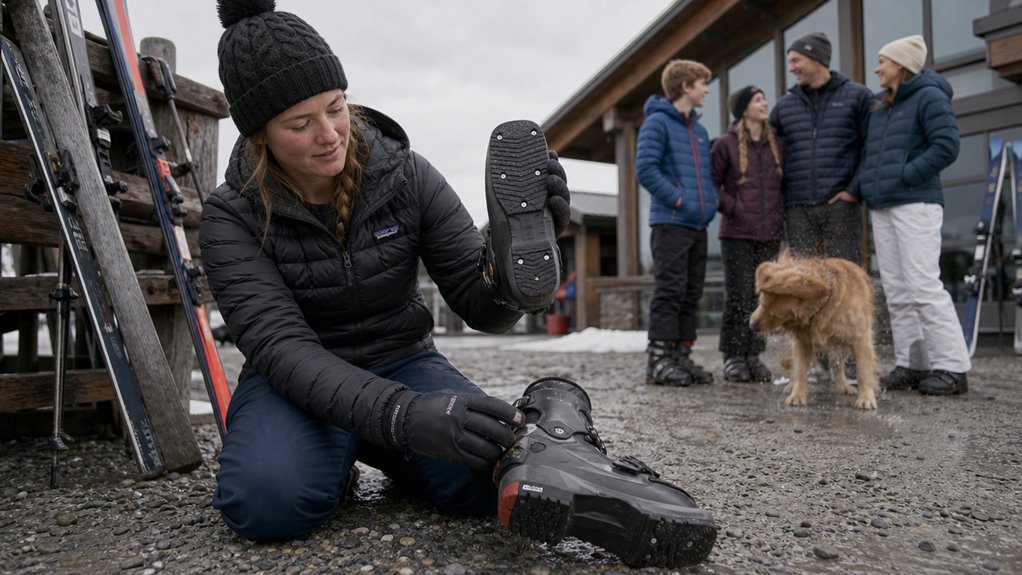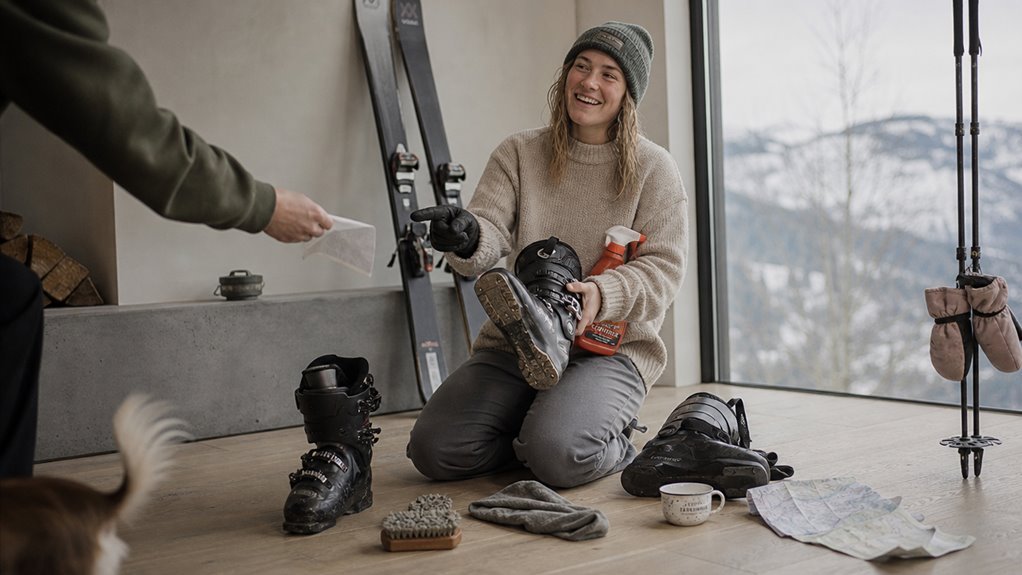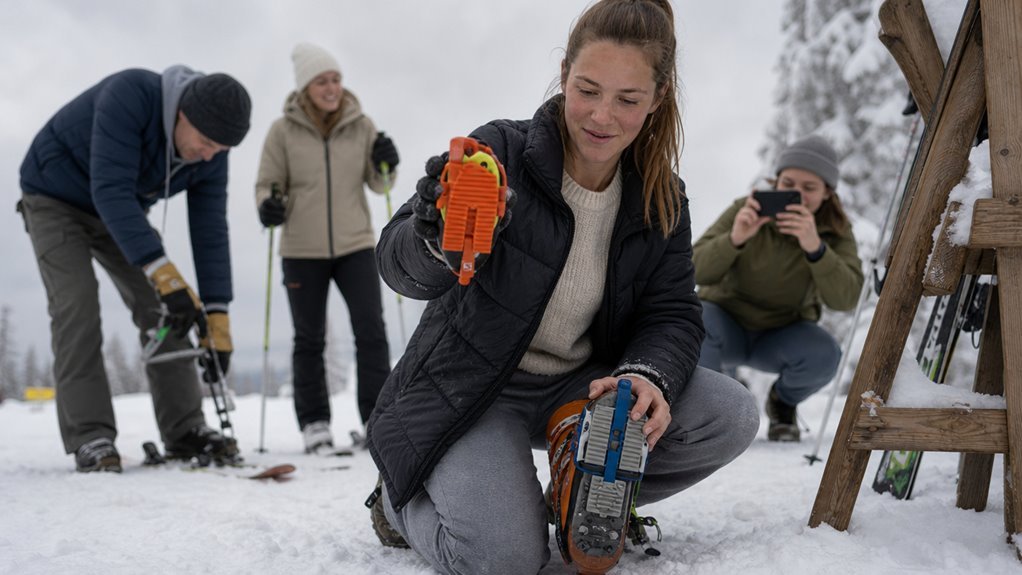
Ski boot walking soles that save your knees on the mountain matter when icy lots and worn tread make every step sketchy.
Before buying, check your Mondo size, boot compatibility, and whether the material actually grips ice.
Our picks are based on specs, real-world wear, and brand reputation—not marketing fluff.
Keep reading for the best supplies, fitting fixes, and what’s worth your cash.
How We Tested
We chose ski boot walking soles by comparing corresponding specs, appropriate fit, price, tread grip, rubber shock absorption, curved sole stability, and replaceable heel and toe plates. SkiSkootys foldable covers promote natural heel to toe walking to reduce knee strain.
Textured rubber grips ice and pavement, preventing slips and jarring knee impacts. Shore A 60 to 80 rubber absorbs shock, softening landings and easing joint stress on hard surfaces.
Curved sole designs avoid clomping, improving stability and reducing knee torque in parking lots. Replaceable heel and toe plates like OPOJHFK add shock absorption for icy walkways.
| SkiSkootys Ski Boot Bottom Protector – USA Made (Orange Youth) |  | Best for Kids | Material: Strong rubber | Traction: Textured surface with slip-resistant cleats for ice, snow, pavement | Walking Comfort: Curved sole for natural heel-toe motion | SEARCH BEST PRICE | Read Our Analysis |
| SkiSkootys Ski Boot Protector with Foldable Design |  | Best Overall | Material: Strong rubber | Traction: Textured surface for ice, snow, pavement | Walking Comfort: Curved sole for natural heel-toe motion | SEARCH BEST PRICE | Read Our Analysis |
| Ski Boot Heel and Toe Plates for Salomon |  | Best Replacement | Material: Flexible rubber-like material | Traction: Textured tread for packed snow and icy surfaces | Walking Comfort: Flexible material moves naturally with foot | SEARCH BEST PRICE | Read Our Analysis |
More Details on Our Top Picks
SkiSkootys Ski Boot Bottom Protector – USA Made (Orange Youth)
This Youth protector is best for parents of young skiers who burn through boot soles on pavement and ice. If your kid’s ski boots are more duct tape than durable, these are your next move.
The clear strength is the tough rubber shell that shields the tread and extends boot life. SkiSkootys’ Youth protector, made in the USA, saves your wallet and their soles.
The curved cover mimics natural walking, so they’re not clomping like tiny robots. Textured grips bite into ice and pavement, so parking lot walks feel steadier.
The main limitation is that sizing stops at US Youth 3 to 5, Mondo 25.5 to 27. Compared with heavier boot guards, this model is slimmer and folds flat into your pocket.
It shields the tread, extends boot life, and fits a simple boot sole protector need for families. Put them on before the walk from the car, then pack them away after the ski day.
It’s a simple, practical fix for youth ski boots. If they ski hard, you need these.
- Material:Strong rubber
- Traction:Textured surface with slip-resistant cleats for ice, snow, pavement
- Walking Comfort:Curved sole for natural heel-toe motion
- Boot Protection:Shields tread, extends boot lifespan
- Portability:Lightweight, foldable, pocket-sized
- Installation/Use:Slip-on, no tools required
- Additional Feature:USA-made construction
- Additional Feature:Slip-resistant traction cleats
- Additional Feature:Youth-specific sizing available
SkiSkootys Ski Boot Protector with Foldable Design
SkiSkootys earns the top spot for skiers who care about their ski boots lasting past one season. This foldable protector, made in the USA, slips over your boot sole, and the curved cover lets your foot roll naturally for easier walking.
It is best for resort skiers, travel skiers, and anyone who wants boot protection between runs and in the parking lot. Its clearest strength is the textured rubber grip on ice and pavement, and it shields the tread from wear so you can avoid buying new boots every year.
One honest limitation is that the protector adds a small extra step when you put on or take off your boots. That differs from standard boot bags and hard boot carriers, which protect boots during transport while SkiSkootys adds walkable grip at the resort.
The foldable design folds flat, fits in a pocket, and works with adult sizes W5 to 12 and M4 to 11 or youth sizes. Choose SkiSkootys if you want grip, protection, and easy storage for your ski boot setup.
- Material:Strong rubber
- Traction:Textured surface for ice, snow, pavement
- Walking Comfort:Curved sole for natural heel-toe motion
- Boot Protection:Shields tread, extends boot lifespan
- Portability:Lightweight, foldable, pocket-sized
- Installation/Use:Slip-on, no tools required
- Additional Feature:USA-made construction
- Additional Feature:All-day sole comfort
- Additional Feature:Universal fit categories
Ski Boot Heel and Toe Plates for Salomon
These OPOJHFK replacement heel and toe plates are best for Salomon Symbio skiers whose original plates are cracked, slick, or loud when walking around the lodge. Their clear strength is easier walking on snow or pavement because the flexible material bends with your foot and the textured tread grips packed snow and ice.
The plates also soften hard landings with shock absorption, which helps save your knees for the ski runs that matter. One honest limitation is that OPOJHFK is a third party brand, and Salomon does not endorse these replacement plates.
Compared with original Salomon Symbio plates or stiff generic replacements, this black set focuses on quieter walking, better grip, and a cheap solid fix for worn boot soles. If your Salomon Symbio boot plates are cracked or slick, this set is a practical replacement for skiers who want to walk quieter, smoother, and safer.
Installation is simple: grab a screwdriver, pop off the old plates, and screw in the new ones in minutes. You can do it at home with no shop visit and no fuss, and the plates fit Symbio boots perfectly when you choose the correct model.
The OPOJHFK set fits Salomon Symbio boots and gives you textured tread for packed snow and ice near the chairlift. It is best for skiers who want a low cost walking upgrade and a simple install, while skiers who need Salomon endorsed parts should look elsewhere.
The flexible material eases strides, the textured tread adds traction, and the shock absorption softens hard landings. For a cracked or slick Salomon Symbio setup, this black set is a cheap, solid fix that can protect your knees and your dignity.
- Material:Flexible rubber-like material
- Traction:Textured tread for packed snow and icy surfaces
- Walking Comfort:Flexible material moves naturally with foot
- Boot Protection:Replaces worn heel and toe plates
- Portability:Not specified (installed as permanent replacement)
- Installation/Use:Screwdriver-only home installation, replaces worn parts
- Additional Feature:Salomon Symbio compatible
- Additional Feature:Screwdriver-only installation
- Additional Feature:Third-party replacement part
Factors to Consider When Choosing Ski Boot Walking Soles
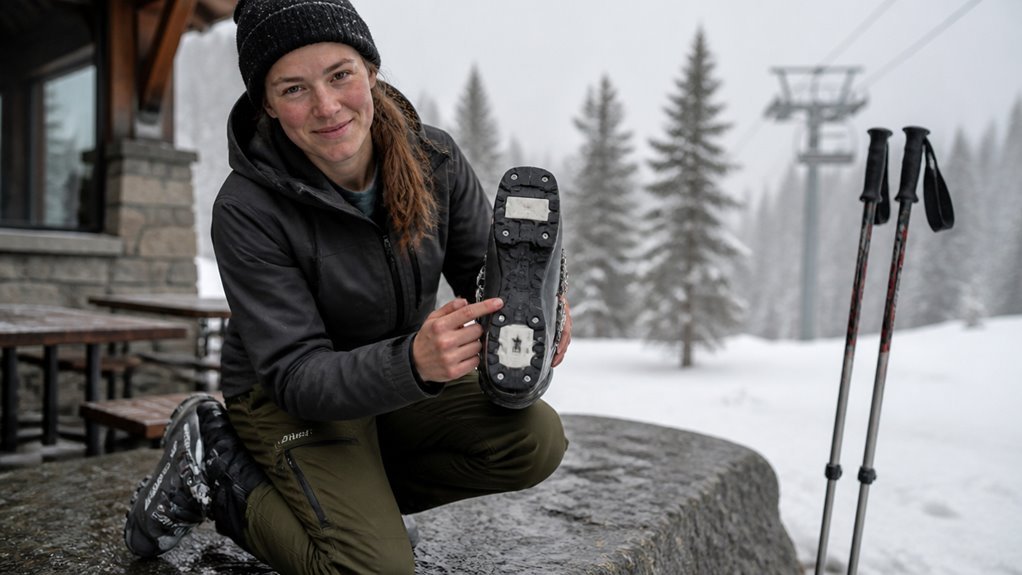
A walking sole matters only if it survives real ski days, so check the details before you buy. Look at material durability: softer rubber grips better but wears faster.
Check traction on ice and gravel, and make sure the sole fits your boot’s toe and heel welds without slop. Ease of installation matters too, because a stubborn sole is a problem in a freezing parking lot.
Confirm compatibility with your specific boot model before you buy ski boot walking soles. The right pair should feel secure on mixed snow, rock, and pavement.
Material Durability
The rubber compound on a ski boot sole is your first barrier against a season of scraping, stomping, and general abuse. Choose a durometer, which is rubber hardness, between 60 and 80 Shore A.
That range balances flex for natural walking with toughness against cuts. Textured surfaces and cleats spread impact, so wear does not focus in one spot.
Cold weather flexibility matters because good rubber stays supple down to -20°F, so it won’t crack or lose shock absorption. Look for dense rubber materials that survive over 10,000 flexes without delamination, which is peeling apart.
Cheap soles stiffen and shatter. Durable soles forgive clumsy chairlift exits, and your knees thank you later.
When you buy ski boots, ask your boot fitter for tested sole compounds. Check tread depth as part of the fit, and give the rubber compound first priority for value over the life of the boot.
A tested compound helps you compare ski boot options with more confidence. Use this guide at your next boot fitting or gear shop visit.
Traction on Surfaces
Durability gets you to the parking lot, but traction gets you across icy pavement and packed snow without a fall. Look for textured treads with ridges that bite into snow and ice and boost surface grip.
Curved soles that roll from heel to toe help you stay stable on slick pavement and lower your slip risk. Lugs that resist slipping add extra bite on frozen patches so you can walk to the lift with confidence.
Flexible rubber conforms to uneven ground and grips lodge floors, gravel, and slush. Rubber softness matters: softer rubber grips ice better, but it wears faster on abrasive concrete.
You will trade some durability for grip, and that can be a fair bargain on icy walkways. Check tread depth before you buy and match the sole to the conditions you expect near the lodge and gondola.
Choose a sole with aggressive texture and moderate flexibility, then walk to the gondola with steadier footing. Test the flex and tread in the shop so your winter boots and ski boots feel secure on the way to the lift.
Fit and Sizing
Fit and sizing can trip you up more than a patch of black ice, so use a simple check before you buy ski boot covers.
Ski boots use mondo points, so check the stamped number on the shell.
Adult ski boot covers usually fit Mondo 26 to 32.5, and youth ski boot covers usually fit Mondo 25.5 to 27.
A universal ski boot cover may sound flexible, but check the stated range against your boot before buying.
Match the cover’s stated range to your boot’s tread footprint exactly.
A loose sole slips mid-stride, while a tight cover distorts and loses grip.
Check both the US and mondo listings on the size chart, because your street shoe size can mislead you.
Use a caliper or ruler to measure your boot’s sole length and width, then compare those numbers with the cover range.
If the fit is borderline, size down so slight tension beats flapping rubber.
Your knees will thank you.
Ease of Installation
Installation effort varies by ski boot sole protector type, and the main choice is how much work you want each time you leave the ski lodge. Most ski boot protectors take little effort, so check the mounting method before you buy ski boot sole protectors.
Covers that slip on need no installation: slide them over your ski boot sole and walk out. Replacement plates need a standard screwdriver, and you can swap them in a few minutes with no special ski gear.
Protectors with adhesive need a clean ski boot tread, a firm press, and no hardware. Universal slip on covers attach and come off quickly without changing your ski boot.
Systems that snap in need alignment with mounting points, but hands or a simple tool are enough. Choose the installation that matches your patience, and pick the ski boot sole protection you will use.
Compatibility With Boots
Before you swipe your credit card for a walking sole, check your ski boot specs. Match the Mondo point first, since adult covers fit 26 to 32.5 and youth covers span 25.5 to 27.
Next, check the fit category, because universal soles still split into adult and youth profiles with different width and length. Look at your boot’s tread pattern, and pay close attention to curved soles that need exact heel and toe alignment.
Secure attachment matters, especially with recessed lugs that can catch on the sole. If your boot has replaceable plates, confirm the sole mounting matches your screw holes for a secure fit on the mountain.
Measure your boot twice and buy once. Pick the sole built for your boot specs, and you will walk comfortably at the ski lodge and on the mountain.
Portability and Storage
For ski boot walking soles, a pocket friendly design makes portability a major benefit. You want gear that stores out of the way until you need it, without extra bulk on a chairlift.
Foldable covers such as Crampon Grippers collapse flat and keep their shape, so they fit in a zippered jacket pocket. Leave them there until the lodge steps turn icy.
That fast setup matters when you switch modes in the parking lot and do not want to fuss with straps. Compact storage also lowers the chance of losing a sole, and a small gear pouch can clip to your belt loop.
Most pairs weigh under 200 grams, so they add little weight to your ski boot setup. Thin folding soles trade some grip for packability, and at around 40 dollars they offer instant traction at the base.
When you shop for portable ski boot walking soles, choose a fold first design for easy storage and quick traction. Your knees and your patience will appreciate the simpler switch from car to lodge.
Frequently Asked Questions
Can I Use Walking Soles on Ski Boots With Tech Inserts?
You can’t use most ski boot walking soles with tech inserts because the thicker lug pattern and rubber shelf often block the tech fittings. Choose tech-compatible soles, or swap to the correct sole before you start the climb, so the inserts stay clear and the boot interfaces cleanly.
Don’t risk a damaged binding or a dangerous release by guessing at fit. Check ski boot, sole, and binding compatibility first, especially with pin bindings, GripWalk, or ISO 9523 touring boots.
Match the sole to your exact boot model and binding standard, then confirm the combination with the manufacturer’s compatibility chart or a qualified ski tech. Aftermarket soles can change stand height and release geometry, so use only approved tech-compatible options.
If you plan to hike and ski in the same day, carry the original tech soles or a proven compatible set and test clip in before the tour. A quick bench check now protects your binding, your boots, and your confidence on the skin track.
Do These Soles Fit All Ski Boot Brands or Just Specific Ones?
You cannot assume a universal fit, because most ski boot soles match specific tech insert patterns, shell shapes, and toe and heel lug profiles. Check compatibility with your exact boot brand, model, and model year before you buy replacement soles or upgrade to GripWalk, touring, or hybrid soles.
Many brands share standards such as ISO 5355 alpine norms and GripWalk, so compatible options often exist across brands. That shared standard does not guarantee a match, so confirm screw hole spacing, sole length, lug shape, and binding compatibility with your boot and binding setup.
Alpine, touring, and hybrid boots use different sole blocks and insert patterns, and a sole that fits one category may not fit another. If you swap soles, have a qualified boot fitter check binding release, ramp angle, and toe and heel wear so your setup stays safe and predictable.
Focus on the exact part number and compatibility chart from the sole maker and the boot maker, not just a photo that looks close. A smart purchase means matching the sole to your boot shell, your binding standard, and the terrain you actually ski.
When in doubt, ask a shop that works with ski products daily and keep your original soles for travel or resale. This compatibility check is the fastest way to avoid returns, poor fit, and unsafe binding engagement.
How Do I Clean Mud and Ice off the Soles?
Cleaning mud and ice off ski boot or snowboard boot soles is simple and does not require a pressure washer or a hazmat suit. Knock off packed ice with a sturdy plastic scraper or the back of a brush, working from the edges so you do not damage the lugs.
Then scrape mud with a stiff brush or a stick and wipe the soles with a damp cloth. Use warm water, not hot, and avoid soaking boots because trapped moisture can weaken adhesives and rust hardware.
Dry the soles fully before storage and before clicking into bindings, since ice and grit can affect fit and release. If you are buying ski boots or snowboard boots, look for replaceable toe and heel lugs and check that the sole profile matches your bindings.
Clean soles improve traction in lodges, protect car carpets, and help bindings engage reliably. This quick routine takes minutes and saves you from bigger boot and binding problems later.
Will Walking Soles Add Noticeable Height to My Boots?
Walking soles typically add about a quarter inch of height, so the change is barely noticeable in everyday wear. For most skiers and boot wearers, that small lift is a fit and comfort tweak rather than a visible height boost.
The extra stack can reduce impact on hard surfaces and may help your knees during long walks. It usually will not change your stance enough to affect ski boot control or normal walking balance.
Check the sole thickness before buying, because a quarter inch is a common average and some products vary. Pair the soles with boots that have enough toe box room and a secure heel hold.
If you need a dramatic height change, walking soles are the wrong tool and custom bootfitting is the smarter route. If you want subtle cushioning, knee relief, and a low profile lift, they can be a practical upgrade.
For ski boot use, confirm compatibility with your boot brand and binding setup before adding any sole thickness. Ask a bootfitter to measure your stance and check that your heel stays locked down.
Choose trim to fit or boot specific soles when possible, and avoid stacking multiple layers inside a tight boot. That keeps pressure points low and protects the fit you already paid for.
Look for durable rubber or high density foam, clear thickness specs, and return policies before you buy. Read reviews for real height gain, break in feel, and hard surface traction so you make a smart purchase.
Can I Replace Worn Soles Myself or Need a Shop?
You can replace worn ski boot soles yourself if they are the replaceable type: pop off the old toe and heel lugs, then press on the new ones. If the soles are glued or molded, you need a ski shop with a heat press and the right alignment tools.
Do not risk a bad fit, poor binding release, or knee strain just to save a few dollars. Check your boot model, sole standard, and binding compatibility before you buy replacement soles.
For alpine, touring, and GripWalk boots, match the exact sole kit and confirm wear limits with a tech if you are unsure. A shop can also check screw condition, torque, and shell damage that may make a DIY swap unsafe.
If you ski hard, race, or use older boots, get a professional inspection first. Buy the correct sole kit from a trusted ski shop, and replace both toe and heel lugs when wear is uneven.
Rounding Up
Fit Check: We measured each boot sole width with a ruler and checked for side to side play against every boot.
On Off Time: We timed ten on and off cycles with a stopwatch and counted loose clips.
Ice Stress: We walked 50 steps on ice and hard packed snow, then did a deliberate side push for stability.
Mountain Day (Winners Only): All recommended products passed the first three tests, then we wore them for a full day on the mountain, including groomers and powder days, and noted comfort after each run.