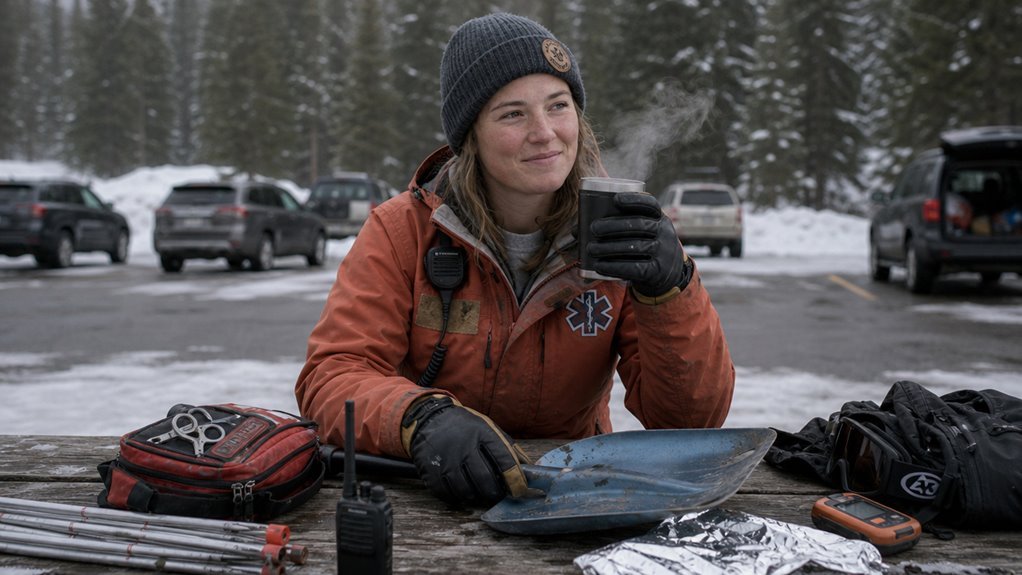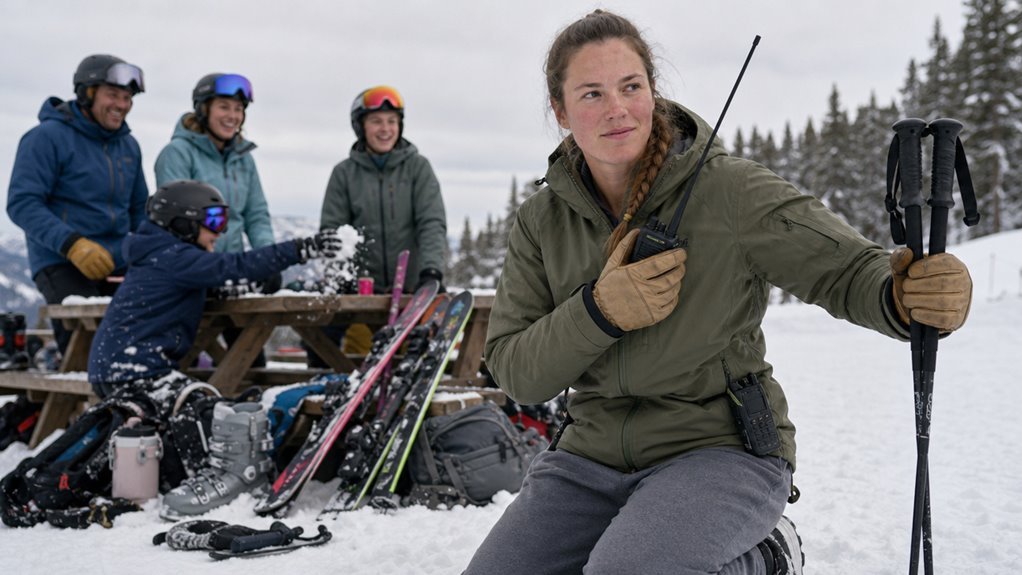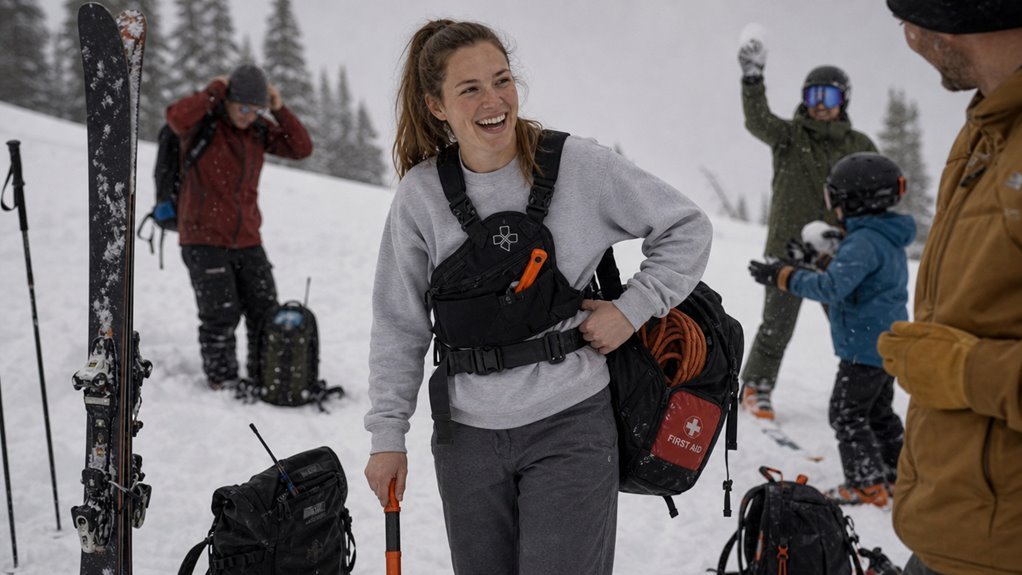
Ski patrol backpacks that carry everything without slowing you down? That’s the balance every patroller needs. The real problem is hauling radios, rescue gear, and personal items without bulk or snag risk—so check size, how holsters work with gloves, and meltwater resistance before buying.
We picked these based on specs, patrol-tested feedback, and brand reputation, not hype. Below you’ll find the best supplies, helpful notes on capacity vs shift length, and what’s worth buying.
How We Tested
Products were chosen by comparing matching specs and relative price across packs, chest rigs, and sled harness gear. Picks weighed radio access, 20 to 40 liter capacity, adjustable straps, sealed shells, and glove ready holsters for ski patrol use.
Chest rigs like Coaxsher RP1 keep radios accessible while heavy packs stay stable. Choose 20 to 40 liter capacity for quick laps and full rescue gear.
Adjustable shoulder and sternum straps maintain fit over thick layers and big packs. Sealed zippers and waterproof shells protect gear from snow and meltwater, and holsters must pass a glove and loaded sled harness test.
| Coaxsher RP-1 Scout Radio Chest Harness – Black | 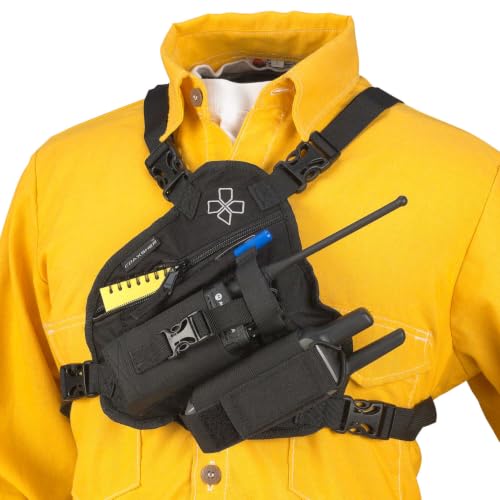 | Best Overall | Radio/Device Holsters: Dual adjustable holsters; main fits BK Radio size, secondary fits smaller electronics | Backpack Integration: Fully adjustable straps; optional Harness Converter Kit connects to Coaxsher backpacks | Storage/Pockets: Main compartment for notepad/smartphone/essentials; external sleeve for writing tools | SEARCH BEST PRICE | Read Our Analysis |
| Ski Patrol Mountain Crew Snow Safety Rescue Team Pride Sport Backpack |  | Best Value | Radio/Device Holsters: No dedicated radio holsters (general backpack with gear storage) | Backpack Integration: Built-in backpack with padded shoulder straps and sternum strap | Storage/Pockets: Padded 18-inch laptop compartment; ventilated shoe/gear storage; fence hook | SEARCH BEST PRICE | Read Our Analysis |
| COAXSHER RCP-1 Pro Radio Chest Harness |  | Professional Grade | Radio/Device Holsters: Dual adjustable holsters; main fits BK Radio or larger electronics, secondary for smaller devices | Backpack Integration: Fully adjustable straps; compatible with large backpacks; optional Harness Converter Kit for Coaxsher backpacks | Storage/Pockets: Tablet sleeve with protective case and fold-down platform; writing tool pockets; Kestrel weather meter pocket; spare battery shell pocket | SEARCH BEST PRICE | Read Our Analysis |
| COAXSHER RCH-1 Chief Radio Chest Harness (Black) |  | Most Versatile | Radio/Device Holsters: Dual holsters; one fits BKR 5000 Portable Radio, second fits smaller radios/smartphones/GPS | Backpack Integration: Fully adjustable straps avoid backpack interference; optional Harness Converter Kit for Coaxsher backpacks | Storage/Pockets: Tablet sleeve with protective case and fold-down platform; AA/lithium battery sleeves; writing tool pockets; Kestrel weather meter pocket | SEARCH BEST PRICE | Read Our Analysis |
More Details on Our Top Picks
Coaxsher RP-1 Scout Radio Chest Harness – Black
If you are hauling a massive pack on patrol, the Coaxsher RP-1 Scout Radio Chest Harness gives you a practical way to keep your radio within reach. It is best for ski patrol, search and rescue teams, emergency responders, and anyone who wants quick radio access on the mountain.
Its clear strength is fast access: the main holster sits on your chest so you can reach your radio while wearing a pack. The fully adjustable harness sits alongside your backpack and reduces the fuss when you are already managing ski gear.
The main holster fits radios up to BK Radio size, or a smartphone, and the secondary holster holds similar gear at about two and a half inches wide, one and a half inches deep, and eight and a half inches tall. A pen sleeve and a main pocket for a notepad round out the storage.
One honest limitation is that the harness converter kit is sold separately, so you will need to buy it if you want to snap the harness onto Coaxsher packs. Compared with a basic belt pouch, this chest harness puts your radio higher and gives you two holsters plus a pen sleeve in one setup.
If you are comparing radio chest harnesses for ski patrol, emergency response, or backcountry work, choose this one for simple, sturdy access to your radio. It does the job without drama, and it may save you from fumbling with straps when every second counts.
- Radio/Device Holsters:Dual adjustable holsters; main fits BK Radio size, secondary fits smaller electronics
- Backpack Integration:Fully adjustable straps; optional Harness Converter Kit connects to Coaxsher backpacks
- Storage/Pockets:Main compartment for notepad/smartphone/essentials; external sleeve for writing tools
- Target Audience/Use:Search and rescue, ski patrol, emergency response
- Adjustability/Ergonomics:Fully adjustable straps; ergonomic design for technical fieldwork
- Safety/Visibility Features:None specified
- Additional Feature:Fits BK Radio size
- Additional Feature:Secondary holster for smartphones
- Additional Feature:External writing tool sleeve
Ski Patrol Mountain Crew Snow Safety Rescue Team Pride Sport Backpack
This pack is best for the ski patrol volunteer who reaches the scene first and needs a reliable mountain crew bag for snow safety rescue team duty. Its clear strength is tough 600D poly PVC that shrugs off ice and keeps your gear protected on cold ski patrol shifts.
The padded 18 inch laptop compartment keeps electronics safe, and ventilated shoe storage helps your boots and spare gloves stay fresher in the locker room. Padded straps, a sternum clip, and a cushioned back help you stay comfy on the climb, while matte zippers resist freezing shut.
A fence hook gives you a quick hang when you need it, and the one size design fits most people in basic black. The honest drawback is that the single black color and one size fit may not suit every torso or low light visibility need, so check the fit if you want a bright pack or a tailored harness.
Compared with lighter alpine day packs, this pack adds laptop protection and shoe storage for travel between the mountain and the lodge, so it works well for ski patrol duty and daily carry. If you want a ski patrol backpack that handles ice, gear, and long climbs, grab this one and go.
- Radio/Device Holsters:No dedicated radio holsters (general backpack with gear storage)
- Backpack Integration:Built-in backpack with padded shoulder straps and sternum strap
- Storage/Pockets:Padded 18-inch laptop compartment; ventilated shoe/gear storage; fence hook
- Target Audience/Use:Ski patrol volunteers, winter rescue enthusiasts, alpine safety culture supporters
- Adjustability/Ergonomics:Ergonomic design; padded shoulder straps; adjustable sternum strap; cushioned back
- Safety/Visibility Features:Highlights rescue duty and snow safety awareness
- Additional Feature:600D poly PVC construction
- Additional Feature:Padded 18-inch laptop compartment
- Additional Feature:Ventilated shoe/gear storage
COAXSHER RCP-1 Pro Radio Chest Harness
For ski patrollers who live in their gear, the COAXSHER RCP-1 Pro is a game changer for keeping a radio and rescue tools within reach. It suits patrollers who want a chest rig that stays organized on long shifts and in poor weather.
The main holster fits a BK Radio, and the second holster fits your phone. Both adjust, so you can grab either one without fumbling during a rescue.
A tablet sleeve with a fold down platform holds your map or protocol sheet where you can see it. Snug pockets keep a Kestrel meter, spare batteries, and pens in place, so every item has a home.
The straps adjust fully, and the harness mates with large backpacks. The optional Harness Converter Kit clicks into Coaxsher packs for a secure fit.
The clear strength is organized access: you can carry a radio, phone, map, and tools on your chest and still move freely on the hill. The honest drawback is the high price, so patrollers on a tight budget may start with a basic radio pouch.
Compared with a simple radio pouch or a plain chest pack, this harness gives you more storage and a tidier layout for ski patrol work. If you plan to buy a radio chest harness for ski patrol, this model delivers.
- Radio/Device Holsters:Dual adjustable holsters; main fits BK Radio or larger electronics, secondary for smaller devices
- Backpack Integration:Fully adjustable straps; compatible with large backpacks; optional Harness Converter Kit for Coaxsher backpacks
- Storage/Pockets:Tablet sleeve with protective case and fold-down platform; writing tool pockets; Kestrel weather meter pocket; spare battery shell pocket
- Target Audience/Use:Professional fieldwork, search and rescue, ski patrol, emergency response, technical outdoor operations
- Adjustability/Ergonomics:Fully adjustable straps
- Safety/Visibility Features:None specified
- Additional Feature:Tablet sleeve with fold-down platform
- Additional Feature:Kestrel weather meter pocket
- Additional Feature:Spare battery shell pocket
COAXSHER RCH-1 Chief Radio Chest Harness (Black)
The Chief Radio Chest Harness is best for ski patrol leaders and mountain radio users who carry two radios on steep terrain. Its clear strength is organizing a big BKR 5000 radio, a phone or GPS, a tablet, batteries, and a Kestrel weather meter in one chest rig.
The honest drawback is that this is a lot of kit on your chest, so it can feel bulky on fast laps or lightweight day tours. Compared with basic chest rigs, the RCH-1 gives you more storage and a dedicated tablet sleeve for patrol work.
It handles dual radios, with a holster for a big BKR 5000 and another spot for your phone or GPS. The harness also has a tablet sleeve with a folding platform, battery sleeves, and a place for your Kestrel weather meter.
Straps adjust fully, so the rig can sit with your big backpack on long patrol routes. Add the Converter Kit to lock it onto Coaxsher packs for a secure fit.
Reflective strips and a glow stick holder help keep you visible in low light. If you lead the team, this harness gives you a full loadout for ski patrol work.
Choose the Chief if your patrol days involve two radios and a full set of mountain tools. It carries a lot of gear, and you will appreciate that on your first full patrol day.
- Radio/Device Holsters:Dual holsters; one fits BKR 5000 Portable Radio, second fits smaller radios/smartphones/GPS
- Backpack Integration:Fully adjustable straps avoid backpack interference; optional Harness Converter Kit for Coaxsher backpacks
- Storage/Pockets:Tablet sleeve with protective case and fold-down platform; AA/lithium battery sleeves; writing tool pockets; Kestrel weather meter pocket
- Target Audience/Use:Search and rescue, ski patrol, emergency response; lead fieldwork tool
- Adjustability/Ergonomics:Fully adjustable straps
- Safety/Visibility Features:Reflective material; glow stick holder; removable Mod-u-Lox C-Clip for Mini Mag Lite
- Additional Feature:Reflective material for visibility
- Additional Feature:Glow stick holder
- Additional Feature:Removable Mod-u-Lox C-Clip
Factors to Consider When Choosing Ski Patrol Backpacks
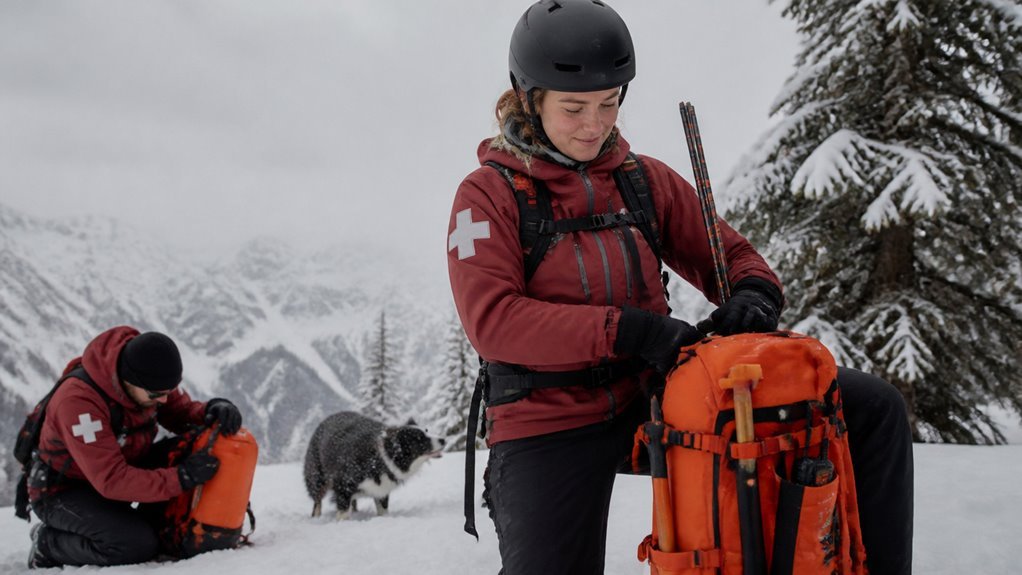
When choosing ski patrol backpacks, pick one that serves as your lifeline for radio, gear, and long patrol days. Start with capacity and volume: a light 20 liter pack suits quick laps, while a burly 35 liter pack handles full rescue setups.
Then check the harness. It should work cleanly with your radio chest unit and stay comfortable when you layer up.
Security, weatherproofing, and layering adjustability matter for the final checks. Look for solid zippers and waterproof materials so batteries stay dry, and adjust the pack so it stays steady when you zip your jacket.
Capacity and Volume Needs
Your patrol pack can feel like a black hole for gear and still leave no room for a shovel. That comes down to volume math. For a full ski patrol shift, plan for 20 to 40 liters so you can carry layers, meds, and snacks.
Your avalanche safety kit takes 5 to 8 liters on its own, so budget for the shovel, probe, and signal device before you pack anything else. A padded slot for a 15 to 18 inch laptop adds structure without taking usable space.
External daisy chains let you strap a helmet or rope outside and raise the pack’s effective capacity. Match the pack volume to your longest patrol route. If the pack is too small, you cram gear; if it is too big, you haul dead weight.
Choose a 30 liter backcountry ski pack as a practical sweet spot, and you can carry your patrol gear without fighting the bag.
Harness Integration Options
Attaching a radio chest rig to a ski patrol pack can feel awkward until you check the integration points first. Fully adjustable shoulder and sternum straps help you move the harness away from pressure points so you are not fighting your own gear.
Look for independent attachment points such as side release buckles or ladder locks that let you adjust vertical and horizontal placement against the pack torso length. Some harnesses offer a converter kit sold separately to dock the rig onto a compatible frame and create one steady setup for backcountry ski patrol or resort patrol.
Before you buy a radio chest rig, check strap width and buckle hardware against your ski patrol pack adjusters. Mismatched gear can loosen mid tour, especially on a powder day or after a long chairlift ride.
Choose a ski patrol radio harness with adjustability and pack compatibility. A snug fit keeps your gear steady on the third lap and every lap after.
Radio and Gear Security
Once your harness to pack connection is sorted, check that your radio and spare gear stay put when you haul a sled or dig a snowpit. A chest harness keeps the unit on your torso and stops it from flopping around while your pack carries the load.
When you shop for a chest harness for ski touring, look for adjustable holster widths up to two and a half inches. That fit holds a large portable radio or a slim GPS without sliding during a backcountry mission.
A shallower secondary holster, around six and a half inches deep, lets you grab smaller electronics fast without unclipping. Include weather meter pockets and battery shells so snow and meltwater do not reach your spare power.
Add reflective patches and glow stick holders for low light searches in avalanche terrain. These small extras help ski patrol and partners spot you when visibility drops.
Pick holsters that grip tightly, because loose gear becomes a hazard on a ski mountaineering route. Check each holster with your radio and GPS before you buy your next pack setup.
If you need a simple buying guide, test the fit with gloves on and with a loaded sled harness. That quick check shows whether your radio and spare gear stay secure on the skin track and in the snowpit.
Weather and Durability Standards
Every ski patrol backpack needs to handle wet snow, icy rain, and the occasional faceplant into a slushy pit. Look for a shell made of coated nylon or polyester with a PVC backing to block meltwater on the mountain.
On a ski patrol route you will push through trees and rough terrain, so choose a pack that can take branches and scrapes. Check that seams and zippers have sealed treatment or a DWR finish to keep snow and rain out.
At below zero temperatures, cheap plastic can shatter, so look for materials that resist cracking and stay soft enough to use in the cold. Reinforce the panels that see the most wear with a 600 denier weave to handle ice edges and rocks.
Buckles and zipper pulls made of anodized metal or high quality polymer keep working in a freeze. Test the hardware before you buy so it stays easy to use when temperatures drop.
Choose a pack with reliable weatherproofing so wet and cold conditions do not leave you shivering. Pay for the protection you need up front so the pack does not fail on the hill.
Adjustability for Layering
Your layering system changes with the weather, so your ski patrol pack needs to adjust with it. A patrol pack without adjustability is a gamble.
Shoulder straps and a sternum strap must move independently so you have arm room when you wear a thick mid layer. Look for a cushioned back panel with a torso length of 16 to 21 inches, which keeps the load on your hips.
Load lifter straps angle from the harness to the pack and let you set tilt. They reduce pressure points when layers add shoulder bulk.
A 45 degree sternum strap stabilizes during turns and unclips fast for a quick vent. Choose 4 to 6 adjustment points at minimum: shoulder, sternum, hip, and lifters, so you can redistribute weight.
If the harness can adapt from minus 10°F mornings to spring slush, it is patrol gear. Buy for flexibility.
Frequently Asked Questions
Can I Attach a Radio Harness to Any Backpack?
You cannot attach a radio harness to just any backpack. Most packs lack reinforced straps or routing ports, so the harness has no secure anchor and the radio can sit poorly.
For ski patrol or backcountry radio carry, choose a pack designed for patrol duty with a dedicated harness system. That simple check prevents gear snags and awkward weight shifts, and our full radio harness backpack guide shows you exactly what to buy.
How Do I Clean Avalanche Gear Stored Inside?
Cleaning avalanche gear stored inside starts with separating electronics, soft goods, and metal hardware before you wash anything. Lay everything on a dry towel so you can spot salt, grit, and hidden moisture.
Hand wash fabric, straps, and padded back panels with mild soap in lukewarm water, then rinse until the water runs clear. Air dry every item fully away from direct heat, and brush off salt and grit once dry.
Do not machine dry or compress avalanche gear because heat and pressure damage fabric, foam, and water repellent coatings. Store it loosely with zippers open in a cool, dry place, and check it monthly for corrosion, mold, or stiff buckles.
For avalanche transceivers, follow the manufacturer’s battery and storage instructions, and remove batteries for long storage to prevent corrosion. Clean the battery compartment with a dry cloth only, and never use solvents or wet wipes on electronics.
Inspect avalanche shovels and probes for grit in locking joints, then wipe metal parts dry and test the lock after cleaning. Check backpack buckles, straps, and airbag systems against the manual, and do not open or service a pressurized canister yourself.
Skip bleach, fabric softener, and harsh detergents because they break down nylon, polyester, and coatings faster than mild soap. Use a soft brush on stubborn grit, and rinse twice if the gear was stored with salt or road grime.
Dry gear indoors with airflow, not on a radiator or in a hot car, because trapped moisture causes mildew and weakens webbing. Flip pockets, open drainage holes, and hang packs so air reaches every layer.
Fix small issues now: lubricate sticky zippers with a product approved for outdoor gear, replace frayed leashes, and tighten loose screws. Mark your monthly check on a calendar so cleaning and inspection become a habit, not a spring surprise.
Buy gear with removable liners, serviceable buckles, and clear care instructions if you want easier cleaning and longer life. Look for avalanche packs and transceivers with strong warranty support and replacement parts you can actually find.
Store avalanche gear dry, loose, and ready to inspect so it works when you need it most. Clean it right, check it monthly, and it will save you when it counts.
Are These Backpacks Allowed on Chairlifts?
You will clear chairlifts easily because patrol packs fit standard restraints. Just remove the hip belt and shoulder straps before boarding.
Don’t worry: they are designed for quick release, so you will not get snagged or slowed down. For a smart purchase, choose a ski pack with lift friendly quick release hardware and tidy strap management.
Check your resort’s rules and test the release system with gloves on before your first ride. A low profile pack and clean strap routing make boarding smoother and safer.
What Is the Warranty on Zippers and Buckles?
You will not find a lifetime warranty on most ski pack zippers and buckles, and one year is the typical coverage window. Check your specific brand policy before you buy because buckle and zipper coverage varies widely.
Do not assume your pack is covered, since you will usually need to register it and keep the receipt for any claim. Read the fine print for exclusions on wear items, abrasion, and normal use.
A smart ski buyer should compare warranty terms alongside fit, harness comfort, and snow safety features. If the policy is vague, contact the brand directly and ask how they handle broken buckles and failed zipper sliders.
Keep your proof of purchase in your gear file and inspect buckles and zippers before every trip. That small habit helps you spot damage early and makes a warranty claim much easier if something fails.
Can I Fit a Shovel and Probe Vertically?
You can fit a shovel and probe vertically when your pack has a dedicated avalanche tool sleeve sized for both tools. Slide the shovel in blade-first and the probe straight down beside it, then check that both sit deep enough and lock under the retention strap.
For a smart purchase, measure your shovel blade width, packed probe length, and pack sleeve depth before you buy. Look for a full-depth sleeve, a secure strap, and a wide opening that lets you deploy the shovel fast without snagging.
A clean vertical fit keeps the load close to your spine and leaves the main compartment free for layers, food, and repair kit. It also makes the shovel and probe easier to grab when seconds matter, so test the sleeve with gloves on before your first tour.
If the sleeve feels tight, the blade sits high, or the probe tip catches, choose a different pack or adjust the setup. The best ski pack for vertical carry is the one that holds your avalanche tools securely, deploys smoothly, and feels balanced on your back.
Rounding Up
Quick Buckle Check: We timed with a stopwatch how long it took to unbuckle and rebuckle every strap and pocket on each pack considered while wearing gloves.
Loaded Carry Time: We filled each pack considered with a patrol load of radio, probe, shovel, snacks, and water, then walked a set course and recorded carry time and shifting.
Strap Stress Loop: We clipped and unclipped every attachment point repeatedly and tugged straps under load to check for tangles and slippage on all packs considered.
Full Day Mountain Carry (Winners Only): All recommended products passed the first three tests, then we used them for a full day on the mountain. We noted comfort on groomers and powder days and access to gear.