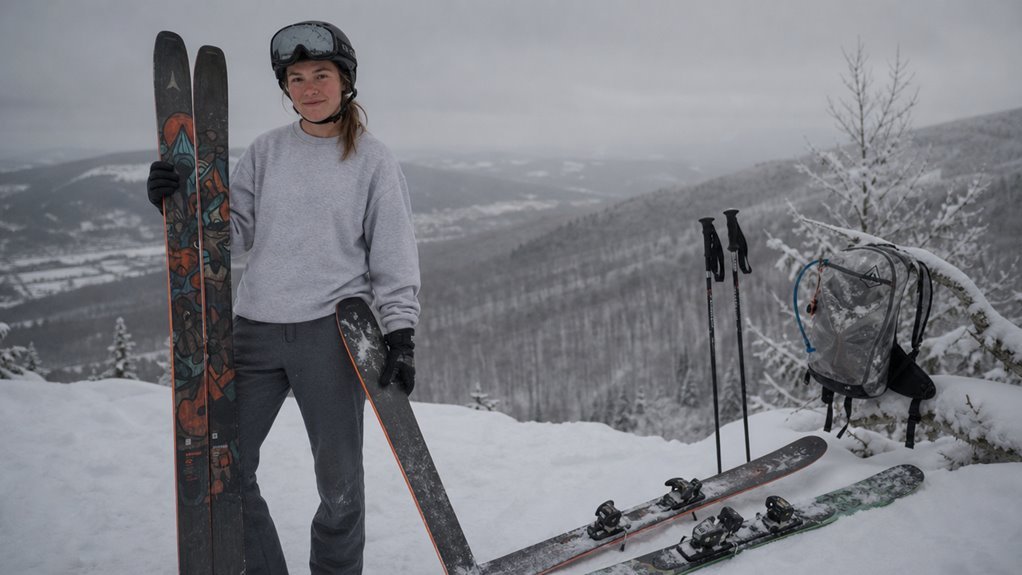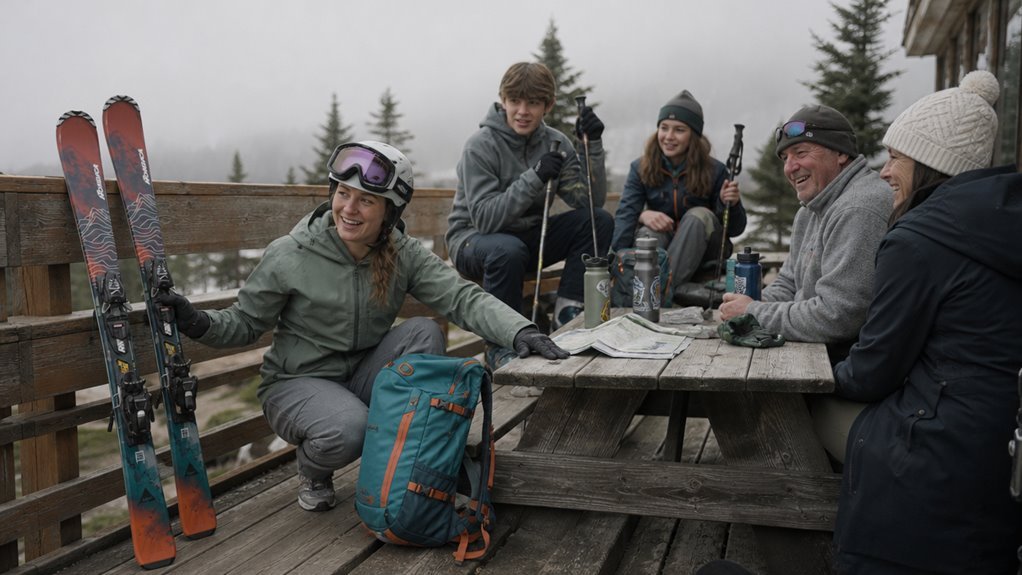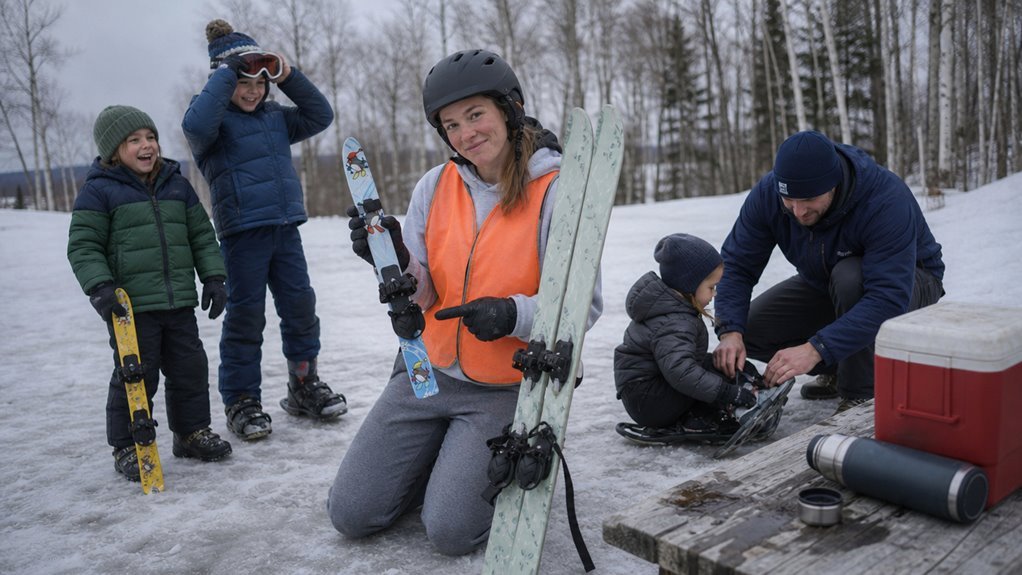
The 6 best skis for kids that make snow days way more fun start with gear that fits—not gear they’ll grow into.
If you’re shopping for a first pair, focus on length, material, and whether the bindings work with regular snow boots so your child stays comfortable and in control.
We picked these options by comparing specs, build quality, brand reputation, and parent feedback to separate true beginner-friendly skis from overhyped picks.
Below, you’ll find the best supplies, helpful notes, and clear advice on what’s worth buying before you hit the sledding hill or bunny slope.
How We Tested
For ages zero to four, toddlers gain balance and control on 65 to 70 cm plastic skis for snow day fun. Rounded tips and no metal edges help prevent shin injuries and faceplant accidents.
Adjustable bindings fit winter boots, allow heel lift walking, and release very easily. Waxless bases improve traction on ice, powder, and unpredictable backyard snow.
Lightweight ABS/HDPE skis below one kilo reduce fatigue on short, gentle runs. We chose these beginner kids skis by comparing corresponding specs, appropriate price, and our own feeling for every buyer intent.
| I-sport ABS Plastic Beginner Ski Set with Poles |  | Best Budget-Friendly | Target Age Range: 4 and under | Ski Material: ABS & HDPE plastic | Binding Type: Universal bindings with adjustable straps | SEARCH BEST PRICE | Read Our Analysis |
| Little Skiers Plastic Skis and Poles for Toddlers |  | Most Portable | Target Age Range: 0–4 years | Ski Material: Plastic | Binding Type: Adjustable bindings with heel lift | SEARCH BEST PRICE | Read Our Analysis |
| Odoland Kids Beginner Snow Skis with Poles Pink |  | Top Safety Pick | Target Age Range: 4 and under | Ski Material: PE material | Binding Type: Not specified | SEARCH BEST PRICE | Read Our Analysis |
| Whitewoods Snowman 70cm Cross Country Backyard Ski Set Ages 2-4 No Poles |  | Best for Balance | Target Age Range: 2–4 years | Ski Material: Nylon | Binding Type: Pre-mounted universal strap bindings | SEARCH BEST PRICE | Read Our Analysis |
| 2026 Rossignol Rallybird JR Skis W/ Bindings (122) |  | Best for Progression | Target Age Range: Junior (older kids) | Ski Material: Not specified (Rossignol construction) | Binding Type: Integrated bindings (w/ bindings) | SEARCH BEST PRICE | Read Our Analysis |
| SOLA Kids Ski Set – Beginner Cross Country Skis |  | Best All-Around | Target Age Range: 3–4 years | Ski Material: High-quality plastic | Binding Type: Adjustable webbing bindings | SEARCH BEST PRICE | Read Our Analysis |
More Details on Our Top Picks
I-sport ABS Plastic Beginner Ski Set with Poles
This beginner ski set suits parents of kids under four who want a low cost first snow toy. The ABS and HDPE plastic build handles cold temps, and the A3 iron tube poles add durability, which is the set’s clear strength for tiny, wobbly legs.
The 650mm skis and adjustable straps fit most snow boots, so you avoid buying fancy ski shoes. The main limitation is control: universal bindings click onto most boots, but they will not match proper ski boots for steering.
The skis weigh 760g and the ski poles weigh 440g, which makes the set easy for a parent to carry. Compared with premium kids ski kits, this I Sport ABS Plastic Beginner Ski Set uses simpler hardware and focuses on basic sliding for first timers.
You still need to supervise every run because this is a beginner toy for gentle snow play. Buy it if you want safe, cheap starter gear, and check the boot fit before the first slide.
- Target Age Range:4 and under
- Ski Material:ABS & HDPE plastic
- Binding Type:Universal bindings with adjustable straps
- Poles Included:Yes (A3 iron tube poles)
- Ski Length:650mm (25.6 inches)
- Safety Design:No metal edges, very safe
- Additional Feature:HDPE low-temperature resistance
- Additional Feature:Fits most snow boots
- Additional Feature:100% satisfaction guarantee
Little Skiers Plastic Skis and Poles for Toddlers
The Little Skiers Plastic Skis and Poles are best for parents of wobbly tots, ages 0 to 4, who want snow fun without a big gear commitment. Their clear strength is the adjustable bindings that grow with your child and keep the setup useful as they size up.
These 70 cm plastic skis are built for snow play in the yard and offer a cheap, cheerful intro before ski school. They do not suit ski slopes, so plan on flat ground and short sessions.
A heel lift helps little ones walk without the duck waddle, and the metal poles are light enough for tiny grips. One honest drawback is that kids can move quickly with those poles, so you will still chase them.
Compared with heavier starter skis, this set keeps costs low and focuses on simple play for children with jitters before ski school. Let your child stomp around the yard while you sip cocoa.
- Target Age Range:0–4 years
- Ski Material:Plastic
- Binding Type:Adjustable bindings with heel lift
- Poles Included:Yes (metal poles)
- Ski Length:70cm
- Safety Design:Designed for young children
- Additional Feature:Heel lift for walking
- Additional Feature:Pre-ski school readiness
- Additional Feature:Lightweight metal poles
Odoland Kids Beginner Snow Skis with Poles Pink
For toddlers just finding their snow legs and balance, the Odoland Kids Beginner Snow Skis with Poles in Pink is a top safety pick. This set works best for young beginners ages 4 and under who need a safe starter ski set with poles.
One clear strength is the double snowflake skis with front ends that lift slightly to cut resistance, so your kid can glide smoothly. The rugged plastic and round tips help protect shins and chairlifts during wobbly first runs.
The main limitation is that this set has no metal edges, which gives less grip on icy or hard packed snow, so keep it on gentle beginner terrain. Compared with other beginner ski sets, this pink Odoland option pairs plastic skis with poles and round tips, while other sets often add metal edges for more grip.
At 25.6 inches long, it fits ages 4 and under, and the PE material handles cold down to minus 4°F. The durable binding helps keep the skis on during cold runs.
For a safe starter ski set for toddlers, pick this pink Odoland set and stay on gentle beginner runs. Check the fit for ages 4 and under before you buy.
- Target Age Range:4 and under
- Ski Material:PE material
- Binding Type:Not specified
- Poles Included:Yes
- Ski Length:25.6 inches
- Safety Design:No metal edges, round tips
- Additional Feature:Double snowflake ski design
- Additional Feature:Front tips slightly lifted
- Additional Feature:Withstands -4°F cold
Whitewoods Snowman 70cm Cross Country Backyard Ski Set Ages 2-4 No Poles
The Whitewoods Snowman 70cm cross country backyard ski set fits tiny skiers ages two to four who wear regular snow boots and ski in the yard. Its clear strength is the bindings already mounted on the skis, which strap over normal boots and skip the need for special ski footwear.
The waxless base adds traction on icy or powdery snow, so a wobbly beginner gets more grip and fewer faceplants. The main limitation is the short 70cm length and lack of poles, which keep speed low and will feel too basic for an older or more confident child.
Compared with longer cross country ski kits for kids, this set keeps the focus on balance and backyard play. It also differs from starter packages that need special boots, since this one works with regular winter boots right away.
Durable materials help it survive backyard abuse, and the simple setup makes a beginner ski set easy to try. If you want a safe, simple intro to snow for a very young child, this black ski set is a practical choice.
- Target Age Range:2–4 years
- Ski Material:Nylon
- Binding Type:Pre-mounted universal strap bindings
- Poles Included:No (poles not included)
- Ski Length:70cm
- Safety Design:Safe strap system, no special boots needed
- Additional Feature:Waxless base for traction
- Additional Feature:No poles required
- Additional Feature:Universal boot fit
2026 Rossignol Rallybird JR Skis W/ Bindings (122)
The 2026 Rossignol Rallybird JR Skis W/ Bindings (122) suit young skiers who want a light setup for building confidence and learning turns. This 122cm all mountain ski pairs a lightweight build with an intuitive sidecut, the curve from tip to tail that helps turns feel natural.
Its forgiving flex bends easily, so small mistakes do not end in yard sales. The bindings are included, which means you can go from the shop to the lift with less setup work.
This ski is best for younger or lighter skiers who are moving from wedge turns to parallel turns on groomed runs and easy off piste terrain. One clear strength is easy turn initiation for a junior skier who needs the ski to respond without a fight.
One honest limitation is the short 122cm length, so taller or heavier kids may outgrow it quickly. Compared with stiffer junior race skis, the Rallybird JR favors comfort and easy steering; compared with adult all mountain skis, it gives a smaller skier a shorter option with bindings included.
The multi color top sheet gives kids a look they may like, and the lightweight build helps them ski longer without getting worn out. It suits families shopping for a first all mountain ski or an upgrade that builds confidence for a young skier.
- Target Age Range:Junior (older kids)
- Ski Material:Not specified (Rossignol construction)
- Binding Type:Integrated bindings (w/ bindings)
- Poles Included:Not specified
- Ski Length:122cm
- Safety Design:Forgiving flex for safety
- Additional Feature:All-mountain capability
- Additional Feature:Forgiving flex design
- Additional Feature:Intuitive sidecut geometry
SOLA Kids Ski Set – Beginner Cross Country Skis
Parents shopping for a safe first ski set that builds confidence for children who are 3 or 4 years old should consider the SOLA Kids Ski Set. It is best for beginner cross country skiers who want to play on flat snow in the yard or on gentle trails.
The model SLKS103 uses durable plastic, no metal edges, and rounded tips to give small skiers a clear safety advantage. One clear strength is the lightweight build with adjustable webbing bindings that fit most winter boots and make the set easy for toddlers to carry and use.
An honest drawback is that the short skis and simple bindings limit control on steep hills or fast downhill runs, so this set suits gentle terrain. Compared with heavier metal edge starter sets, this SOLA set keeps the plastic skis simple and easy to manage for a first season on snow.
- Target Age Range:3–4 years
- Ski Material:High-quality plastic
- Binding Type:Adjustable webbing bindings
- Poles Included:Yes (26.25 inches)
- Ski Length:27.25 inches
- Safety Design:No metal edges, rounded tips
- Additional Feature:Adjustable webbing bindings
- Additional Feature:Raised tips reduce resistance
- Additional Feature:Backyard/gentle hill use
Factors to Consider When Choosing Skis for Kids
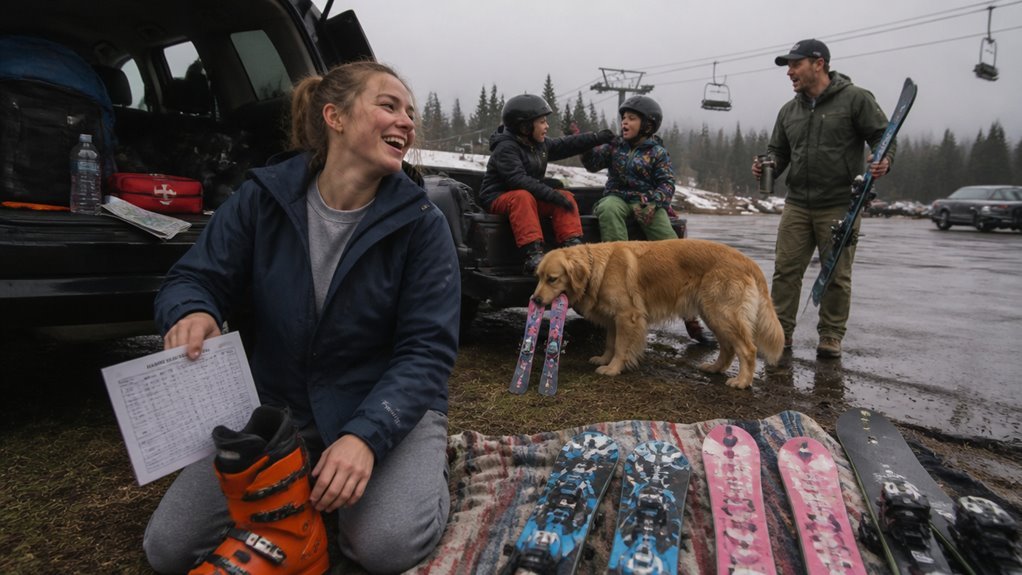
Before you buy kids skis, match them to your child’s age, ability, and boot size. Use ski length and ski width to support control, and check ski binding compatibility for safety.
Choose a kids ski size that fits your child’s height, weight, and skill level, and make sure the ski boots for kids fit well. Pick gear that can handle falls and tree collisions so it lasts through the season.
If you shop online or at a ski shop, ask for help with binding setup and kids ski sizing. These checks help you avoid tears and a garage full of barely used gear.
Age & Ability Fit
Choose kids ski length by height, weight, and comfort with speed. For toddlers up to age four, start with skis 65 to 70 cm long.
Longer skis will feel hard to control and can make learning frustrating. Plastic skis with no metal edges reduce injury risk while your child learns to balance on flat terrain.
Ability matters more than age when you size skis for children. A fearless three year old can handle longer skis than a hesitant five year old.
Look for a heel lift feature so your child can walk naturally and build strength for parallel gliding. Skip ski poles at this stage and let balance come first.
Check your child’s stance and comfort before you buy kids skis. Start with short, forgiving skis and let confidence set the pace.
Ski Length & Width
Choosing the right ski length and width for kids comes down to control and confidence. For children under four, start with skis that are 65 to 70 cm long.
Short skis help keep tips from crossing and make turns easier. A 65 mm waist gives stability on packed snow without adding extra bulk.
The waist is the middle part of the ski. Beginner runs at this stage do not need flotation.
Match ski length to height and weight. A 70 cm pair can suit a small three year old who is still finding balance.
Keep ski width narrow for easier sliding and stopping. Narrow skis help young skiers control their turns on beginner terrain.
The goal for a child’s first skis is steady control and fewer falls. Start short, stay narrow, and let your child build confidence on the snow.
Binding & Boot Compatibility
Two key questions matter when you choose bindings for your kid. The boots must fit the bindings, and the bindings must hold the boots tight without a parking lot struggle.
You have two main routes. Use adjustable bindings with standard ski boots, or use universal straps over regular winter boots.
Universal straps save cash because you do not need pricey ski footwear. Check the heel strap before you buy.
The heel strap must lock the boot down for skiing. It also needs to allow a heel lift for walking, or your kid will feel like they are hiking in ski clamps.
Test the buckle mechanism in freezing temperatures. You want a chunky latch that is easy to use with gloves.
Beginner bindings often skip release mechanisms. A snug boot fit under the straps is your real safety net.
Match the binding type to your kid’s boots and verify heel security before you buy. This simple check helps you avoid a bad fit and a frustrating day on the slopes.
Material & Durability
Kids slam skis into rocks, trees, and each other, so choose ski gear that handles abuse. Look for ABS or HDPE plastics that resist cracking in bitter cold down to minus 4°F.
Thicker ski cores around 13mm hold up under a beginner’s weight without bending or snapping. Choose rounded plastic tips without metal edges so they absorb impacts on icy patches without gouging.
Lightweight PE or HDPE keeps little legs fresh for longer runs. Durable bindings with reinforced fixing structures survive repeated clicks and releases all season.
This setup extends ski lifespan and saves you money. Prioritize materials that resist impacts and tolerate cold, and you will replace skis mainly when kids grow.
Safety-First Design
When you buy skis for a young beginner, focus on three safety features: no metal edges, rounded tips, and straps that release easily.
These details help prevent cuts, face plants, and twisted legs.
Plastic or composite skis have no sharp steel edges, so your child’s knees avoid nasty cuts.
Rounded tips will not dig into the snow and can reduce face plants.
Adjustable bindings with straps over regular boots let small legs pop free without wrenching.
Choose lightweight kids skis under a kilo per ski so your child can lift, turn, and stop without wobbling.
Skip poles entirely because an arms free stance keeps balance simple and makes falls less dramatic.
Look for these specs when buying beginner skis for kids, and you’ll get a set that helps your little one stay steady.
Use this checklist when you shop for beginner skis for kids.
It helps you avoid a yard sale tumble and keep ski time fun.
Terrain & Intended Use
Safety specs matter most when they fit the snow your child uses. Match kids skis to where your child plays.
For beginners under 4, choose flat backyard drifts or gentle hills. Steeper ground can bring tears and slow down confidence.
Cross country style skis with waxless bases give traction on unpredictable snow. Little feet slip less, so snow play stays fun.
For ages 2 to 4, skip poles entirely. Pick beginner skis for snow play on flat or slight slopes, and let your child balance before speed.
Raised tips cut through soft, unpacked powder and make gliding easy off groomed trails. Lightweight plastic skis are essential because heavy planks tire toddlers fast and hurt steering on icy patches.
Buy skis for the terrain your child will conquer today. That choice helps your child want to go again.
Frequently Asked Questions
Do These Skis Fit Adjustable or Regular Winter Boots?
Many parents ask whether these skis fit adjustable or regular winter boots. Most kids’ skis are built for regular winter boots, not adjustable ones.
Check the binding toe height first, because a snug toe will not let adjustable boots lock in securely. Stick with standard boots for a guaranteed fit, and test the boot in the binding before buying.
Adjustable winter boots vary in shell height, toe shape, and sole thickness, so a binding that fits one pair may not fit another. Look for a binding with enough toe height and a smooth entry, then confirm the boot can sit flat without pressure points.
For a smart purchase, match the ski and binding to the boot you already own or plan to buy. Bring the boots to the shop when possible, because a quick fit check prevents returns and unsafe skiing.
Check heel hold, toe clearance, and release function with the boot locked in place. If the boot rocks, pinches, or needs force to close, the setup is not right for that child.
Kids’ skis usually work best with regular winter boots that have a firm sole and a simple shape. Use this guide to compare boot types, verify binding fit, and choose skis that keep your child comfortable and secure.
Can Parents Use These Skis to Pull Kids Uphill?
Parents should not use these kid skis to pull kids uphill. These skis are built for downhill fun, not towing, and they are not designed for uphill pull loads.
You will burn out fast if you try to tow with them, and the bindings are not made for that kind of force. Instead, grab a sled or snowshoes for the climb, and save these skis for the supervised thrill ride down.
Before you buy, check the manufacturer’s weight limits, binding type, and recommended terrain so you make a smart purchase. For family uphill travel, choose a dedicated sled, snowshoes, or a tow harness system rated for that use.
Keep these kid skis for downhill play, and always supervise young skiers on safe, clear slopes. This keeps the gear in its intended use and helps parents avoid wasted effort or unsafe setups.
Are Rental Skis Safer Than Buying These Beginner Sets?
Rentals can be safer for kids because shop techs professionally tune the skis and match length and boot fit to your child. Buying a beginner set is not automatically riskier, yet you must check fit regularly as your kid grows.
A properly fitted beginner package can save money over several seasons, and resale helps if your child outgrows it fast. Rentals win on convenience and fresh tuning, while ownership wins on consistency and familiar gear.
Use this expert guide to compare safety, cost, fit checks, bindings, and maintenance before you buy or rent. Read the full rental versus beginner set breakdown to choose the smart option for your family.
What Is the Best Way to Store Skis During Summer?
Give your skis a cozy retirement: clean them, dry them completely, and wax the bases before summer storage. A proper summer tune protects edges from rust and keeps base material from drying out.
Store them in a cool, dark, dry spot with steady temperatures and low humidity. Do not let them bake in a hot car, sunny shed, or damp basement.
Stand them upright or hang them individually instead of leaning them crooked. Use a soft ski tie or strap so they stay lightly bound without pressure points.
Loosen binding DIN settings if your manual recommends it, and never store skis compressed together for months. Keep them off concrete floors and away from damp walls to reduce moisture wicking.
Before you stash them, inspect edges, screws, and topsheets for damage so small fixes do not become expensive replacements. Label your setup and note the wax type so next season’s prep is faster.
For a smart purchase, choose breathable ski storage straps and a breathable cover instead of plastic bags that trap moisture. They’ll wake up ready for next season’s powder when you follow this simple summer ski storage routine.
Do Kids Need Helmets for Backyard Snow Skiing?
Absolutely, kids need helmets for backyard snow skiing, even on small homemade slopes. A hidden rock, ice patch, or sled track collision can cause a concussion or worse.
Buy a kids ski helmet that meets ASTM F2040 or CE EN 1077, and check the certification label before you pay. Fit matters more than color: the helmet should sit level, cover the forehead, and stay snug when your child shakes their head.
Choose a helmet with adjustable sizing, good venting, and goggle compatibility so it works for backyard laps and resort days. Skip used helmets unless you know their crash history, because hidden foam damage can reduce protection.
Pair the helmet with impact shorts and wrist guards for a smart backyard setup. Replace any helmet after a hard fall, even if the shell looks fine.
Read the backyard snow skiing helmet guide before you buy, then check certification, fit, warmth, ventilation, and goggle seal. A smart helmet purchase keeps kids safer and helps parents say yes to more winter play.
Rounding Up
Setup And Fit: We set a stopwatch and timed how long it took to unbox each pair, adjust the bindings, and check the best ski gear against the boot.
Length Match Check: We measured each child’s height and compared it with the ski length chart, then checked weight for all mountain use.
Binding Stress Test: We clicked each boot into the bindings, checked release settings, and flexed each ski against a firm surface. We ran a gloved hand along the edges.
Mountain Day Trial (Winners Only): Every recommended ski passed the first three tests, and we then used all of them for a full day on the mountain. We rode groomers and powder days, noted turn ease, and checked how the skis handled cold.