Looking for the 3 Best Skis Under $500 That’ll Make You Look Like a Seasoned Pro?
The real challenge is finding forgiving, confidence-building skis without blowing your budget, so check length and ability level, terrain style, construction, and binding compatibility before buying.
We picked these based on specs, brand reputation, and real-world rider feedback, then filtered for value.
Below you’ll find the best gear picks, helpful notes on tradeoffs, and clear guidance on what’s worth buying—so keep reading for the full roundup.
How We Tested
We compared corresponding specs, appropriate price, and our own feeling on snow across every model. Our buyer focused shortlist favors park play and budget system value, not pro speed charging despite the seasoned pro headline.
Check for poplar wood cores and reinforced sidewalls to maintain edge grip and durability. Expect 50 to 100 active days because durability is the first compromise at this budget ceiling.
The Rossignol Arcade 80 with bindings is our best budget system value. Flat skis need extra bindings, so system skis keep total costs affordable and truly budget friendly.
| LINE Ruckus Skis 145 Lightweight Freestyle Alpine |  | Best for Beginners | Construction Core: Aspen veneer core | Durability Enhancements: 4D Fibercap wrap, impact-resistant | Skill Level Target: Beginners entering terrain parks | SEARCH BEST PRICE | Read Our Analysis |
| Rossignol Arcade 80° Xpress All Mountain Skis |  | Best All-Mountain | Construction Core: Poplar wood core | Durability Enhancements: VAS vibration-absorbing system, cap construction | Skill Level Target: Beginner to intermediate skiers | SEARCH BEST PRICE | Read Our Analysis |
| Atomic Bent 85 Men’s Downhill Alpine Skis (Multi 150cm) |  | Best Budget Pick | Construction Core: Poplar light woodcore with Densolite foam | Durability Enhancements: Resist Edge Park thickening, Dura Cap sidewall | Skill Level Target: Balanced park and all-mountain use | SEARCH BEST PRICE | Read Our Analysis |
More Details on Our Top Picks
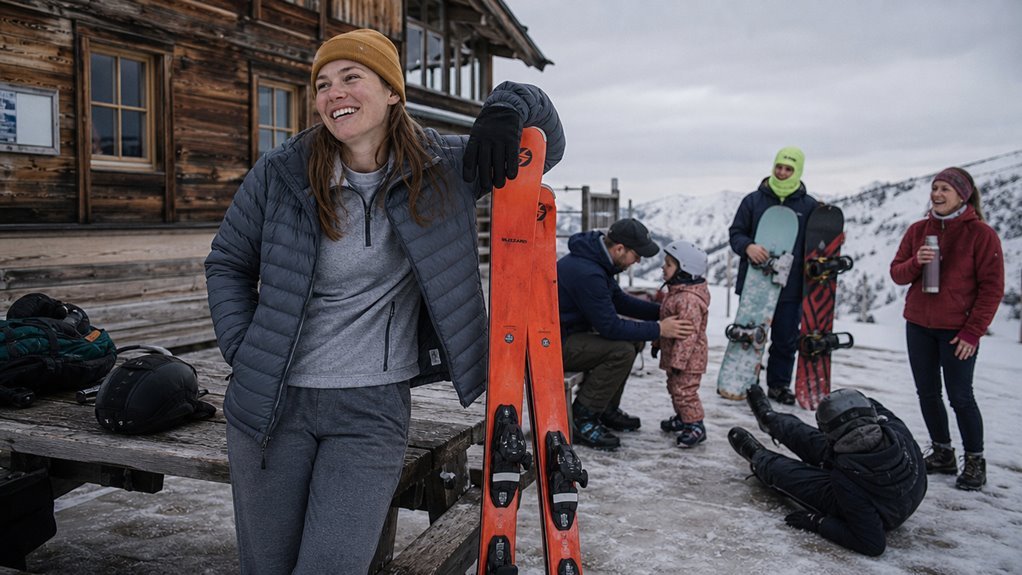
LINE Ruckus Skis 145 Lightweight Freestyle Alpine
The LINE Ruckus is best for park newcomers and freestyle riders who want to learn spins, rail slides, and box hits without fighting a stiff ski. Its clear strength is a forgiving symmetric flex with an Aspen veneer core and 4D Fibercap wrap, so sketchy landings and repeated park laps feel easier to recover from.
If you want a lightweight freestyle ski for daily park sessions, the Ruckus is easy to throw around and ride switch. The honest drawback is that it ships flat with no bindings mounted, so you must choose and mount bindings, which adds cost and setup time.
Compared with stiffer park skis, this model gives you more room for error on landings and quicker slalom style snaps from the 5CUT sidecarves. Compared with heavier all mountain skis, it favors park laps and easy switch riding, while it can feel less settled when you charge rough snow at speed.
It remains a solid all mountain tool for lower speed runs and mixed terrain near the park. Grab the LINE Ruckus if you want to learn park tricks, improve your switch riding, and look less silly while you build confidence.
- Construction Core:Aspen veneer core
- Durability Enhancements:4D Fibercap wrap, impact-resistant
- Skill Level Target:Beginners entering terrain parks
- Terrain Versatility:All-mountain capable, park-focused
- Turn Shape Capability:5CUT multi-radius sidecut, quick snaps to long carves
- Binding Configuration:Flat option, no pre-mounted bindings
- Additional Feature:Symmetric flex for switch riding
- Additional Feature:Blend of five turn radii
- Additional Feature:No pre-mounted bindings
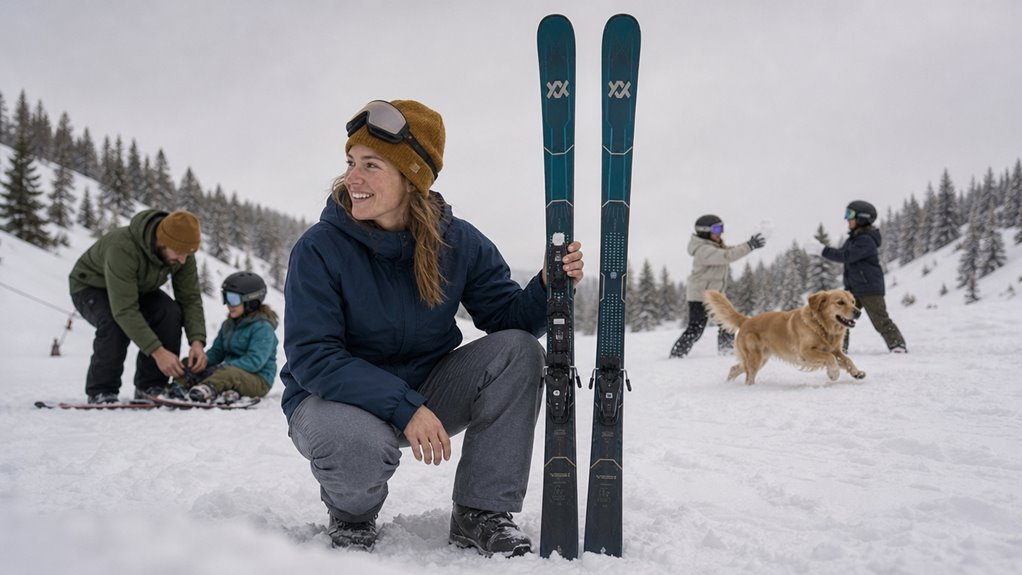
Rossignol Arcade 80° Xpress All Mountain Skis
The Rossignol Arcade 80° Xpress All Mountain Skis are a smart buy for beginners to intermediates who want easy carving and confidence on groomers. Their clear strength is the tip and tail rocker that balances playfulness with precision, so you stay in control on hardpack.
The extended sidecut keeps you glued at speed and stays forgiving at low speed, which helps you build confidence. A Poplar wood core soaks up vibration for race proven stability without chatter.
The Fiberglass layup gives crisp flex and response for quick turns. Cap construction trims weight, so lift lines feel easier and the ski feels light on your feet.
The Sintered base glides fast and shrugs off scrapes. Xpress bindings come included, so you can get rolling for under $500.
For advanced skiers who charge hard, this ski can feel soft and short on top end speed. Compared with wider all mountain skis, the 80 mm waist turns faster on groomers and gives up some float in deeper snow.
It differs from race skis by offering a more forgiving flex and a friendlier price. If you want a confidence building all mountain tool for learning and improving, the Arcade 80 is a practical pick.
- Construction Core:Poplar wood core
- Durability Enhancements:VAS vibration-absorbing system, cap construction
- Skill Level Target:Beginner to intermediate skiers
- Terrain Versatility:All-mountain on hardpack and mixed terrain
- Turn Shape Capability:Extended sidecut, high-speed grip, low-speed handling
- Binding Configuration:Includes Xpress bindings
- Additional Feature:Tip & tail rocker profile
- Additional Feature:Vibration-absorbing VAS system
- Additional Feature:Includes Xpress bindings
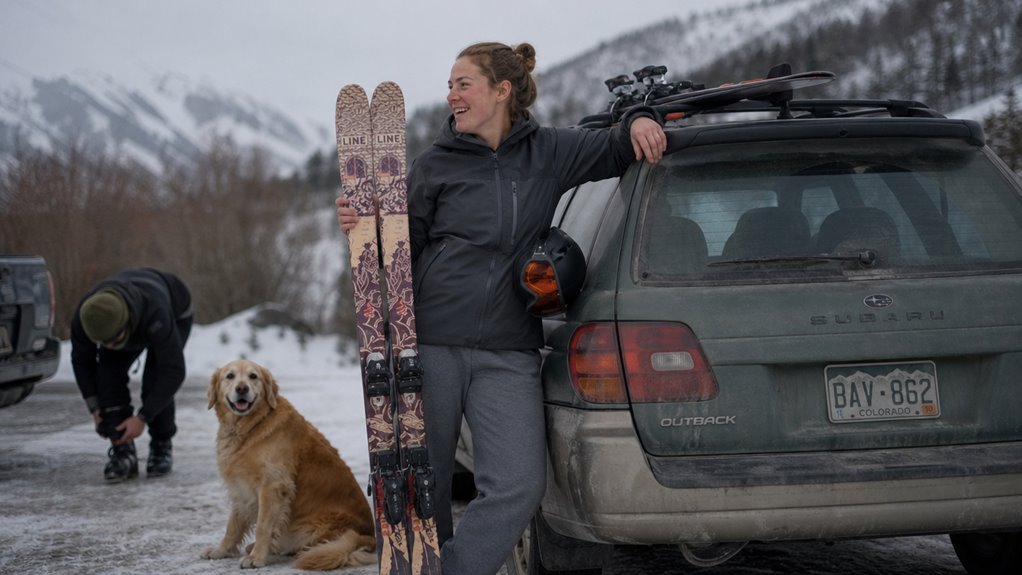
Atomic Bent 85 Men’s Downhill Alpine Skis (Multi 150cm)
The Atomic Bent 85 in 150cm squeezes park performance into a $480 package that still handles everyday slopes. It suits park focused skiers on a budget who want one ski for rails, boxes, and groomer laps.
Its clear strength is the Resist Edge Park reinforcement, which helps the ski survive repeated rail hits. A poplar wood core adds stability, and a Densolite foam layer keeps the ride damp and agile.
This setup helps quiet crusty morning chatter without making the ski feel heavy. The Dura Cap sidewall supports edge grip, while the shorter 150cm length stays nimble for jibs and easy to manage on packed snow.
Compared with wider freestyle skis, this model turns quickly and feels lighter in the park. One honest limit is that the 85mm waist and foam layer lose some float in deep snow and stability at high speed.
It differs from more aggressive all mountain skis by favoring budget park use and quick handling over charging through rough terrain.
- Construction Core:Poplar light woodcore with Densolite foam
- Durability Enhancements:Resist Edge Park thickening, Dura Cap sidewall
- Skill Level Target:Balanced park and all-mountain use
- Terrain Versatility:Park and all-mountain balanced
- Turn Shape Capability:Reinforced edges, rounded sidewall improves grip and toughness
- Binding Configuration:No binding details specified (ski only)
- Additional Feature:Poplar woodcore with foam layer
- Additional Feature:Reinforced rail-durable edges
- Additional Feature:Dura Cap sidewall design
Factors to Consider When Choosing Skis Under $500
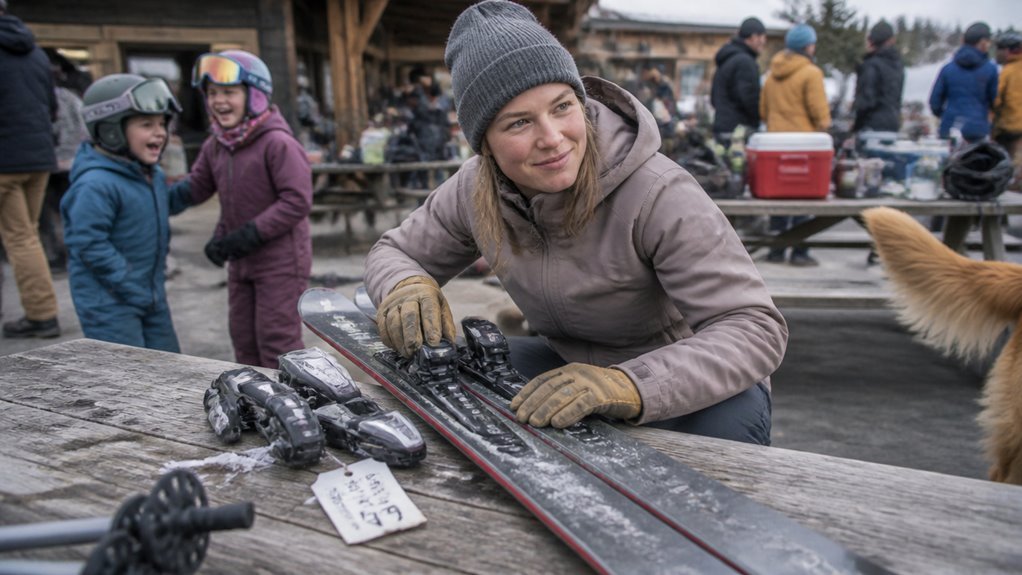
Set a firm budget before you pay, because staying under $500 puts you in reach of dependable all mountain skis for most days at the resort. Check your ability level first, since beginner skiers need a softer flex and expert skiers need a ski that can handle speed and hard snow.
Look at ski length, waist width, and turn radius for the terrain you ride most, whether that is groomers, bumps, or light powder. Ask whether the price includes bindings, and confirm the bindings match your ski boots and release settings.
If you buy used skis or a package deal, check the base, edges, and binding condition before you hand over cash. A good ski shop can help you compare fit and value, so you leave with gear that suits your level and the snow you expect.
Budget Range Revelance
When you shop for skis on a budget under $500, you are solving a math problem. You trade premium wood cores for lighter composites, and those composites may lose their snap after a few seasons.
Packages that include bindings often add bindings that do not adjust and sit in a lower grade. That limits boot compatibility and hurts resale value, so few buyers want those used skis.
Price cuts can also hide in shorter lengths or narrower waists. Those shapes make it harder to perform in powder or at high speed, even if you feel confident on the snow.
Warranty support is thinner at this price because manufacturers do not spend much time on gear with low margins. You are choosing among durability, versatility, and price, and you can only pick two.
For a resort ski used on groomers, this budget can work well. Just do not expect a powder ski that floats and charges at speed.
Know the math before you buy, and you can ski smart on a budget. Check the bindings, lengths, waists, and warranty so your money goes toward the right ski for your terrain.
Skill Level Matching
Ski flex matters as much as price when you shop for a ski under $500. Match it to your skill level to save money and avoid a season of frustration.
For beginner skis, choose a forgiving symmetric flex that rides the same forward or switch. This helps you learn spins without harsh landings.
Pair that flex with a lighter poplar core to reduce swing weight. That lighter core helps while your balance is still improving.
For intermediate skis, look for tip and tail rocker profiles that feel playful and precise on hardpack. A sidecut with multiple radii helps you snap quick turns now and grow into longer carves later.
Skip bindings that are already mounted, because a flat ski lets you adjust the mount point as you improve. Buy for your current ability level so you get useful performance from day one.
Construction Priorities
For a ski under $500, focus on construction. A poplar wood core gives you a light, damp ride and cuts vibration without adding extra weight.
Reinforced sidewalls send your energy to the edges for better grip. Check for them when you compare skis.
Hybrid or cap builds save weight, so the ski is easier to swing while keeping stiffness. Densified foam layers add agility and reduce chatter to save your legs on long runs.
Thickened edges at contact points stand up to rail abuse, so you can avoid replacing them by March. When you shop, check for a poplar core, reinforced sidewalls, and durable edges.
Binding Setup Choices
Every binding setup decision comes down to one question about how much hassle and cost you will accept later. Flat skis cost less upfront, but bindings add $150 to $300 and can push a setup over budget.
System skis with bindings already mounted keep the total under $500, with one price and less guesswork. Still check the fit details before you buy.
Your brake width must match the ski waist, so a 90mm ski needs a 90 to 100mm brake. Your boot sole length also has to line up with the heel piece.
Get a shop to set your DIN settings, especially if you buy used bindings. Used bindings may need a remount, which adds a cost you did not plan for.
If your budget is under $500, buy system skis. You will spend less time on setup math and more time skiing.
Terrain Versatility
Binding setup matters less once the snow falls, and where you point the skis matters most.
For under $500, look for all mountain skis that use tip and tail rocker plus camber underfoot.
Tip and tail rocker helps you float in powder, and camber underfoot grips hardpack.
That setup covers most of your day on the mountain.
Look for a symmetric flex with equal tip and tail heights so you can ride switch in the park.
A multi radius sidecut blends turn shapes, helping you whip through tight moguls or lay down long carves.
A poplar wood core reduces swing weight for easier turns in trees and bumps.
Durable sidewalls grip icy edges when you move from groomers to rails.
Grab a ski with rocker camber rocker, balanced flex, and a wood core.
You can handle varied terrain without breaking the bank.
Durability Expectations
In the under $500 ski segment, durability is the first compromise you will notice. You trade dense hardwoods for softer poplar or aspen cores, which are lighter but flex out faster.
Expect about 50 to 100 active days before fatigue or edge separation appears. Premium builds often reach 150 or more active days.
When you shop budget skis, look for reinforced edges or cap sidewall construction. These features are your armor against rail and park abuse.
A sintered base glides better and lasts longer, but it is rare at this price. If the spec sheet lists an extruded base, expect less glide and a shorter service life.
Vibration damping layers cut chatter and core stress, which can stretch your ski’s life without adding much weight. Read the ski specs closely so you know what you are buying.
These skis are a fun tool for quick sessions and park laps, so baby them and avoid rock gardens. Treat them as a short term purchase, since most will wear out before you pay off your car loan.
Frequently Asked Questions
Do Skis Under $500 Include Bindings?
Shoppers often ask whether skis under $500 include bindings, and the answer is a mix. The listing wording is the fastest way to tell, so read the title and specs first.
Many skis under $500 are flat skis, so you will buy bindings separately. Some are package deals with basic bindings included, and system skis often include integrated bindings.
Always check the listing specifics before you commit, because binding compatibility and mounting costs can change the true price. Compare the flat ski plus binding total against a package deal, and factor in mounting fees.
Budget roughly $100 to $300 for bindings plus mounting unless the listing clearly includes them. Check binding DIN range, ski waist width, boot sole length, and whether the shop will mount and adjust the bindings.
If the listing says flat, budget for bindings and mounting before you buy. If it says system or package, confirm the exact binding model, adjustment range, and return policy before checkout.
Integrated system bindings may only fit that ski, so replacement options can be limited. For a smart purchase, match the binding to your boot sole length and ability level, then verify the final out the door price.
The same question about skis under $500 and bindings has a simple answer: sometimes yes, sometimes no. Read the product title, specs, and included items list before you pay.
Can Beginners Use Freestyle Skis Safely?
Yes, beginners can use freestyle skis safely when they match ski flex, length, and terrain to their current skill level. Treat freestyle skis as a learning tool, not a shortcut, because they reward strong edge control and balanced pressure.
Freestyle skis demand aggressive handling, so hesitant turns get punished and sloppy stance gets exposed. You can learn faster on playful skis, yet you also raise the risk of catching edges until your fundamentals are solid.
Start with a softer flex and a shorter length, then confirm your boots and bindings fit your weight and skiing style. Add lessons early, practice edge control on gentle groomers, and wear a helmet plus wrist and knee protection before park laps.
Demo or rent before you buy so you can compare rocker, camber, and swing weight on real snow. Use this beginner freestyle ski buying guide to shortlist safe setups, set a budget, and avoid gear that fights your progression.
Are 145CM Skis Suitable for Adult Men?
145 cm skis can be suitable for adult men, but the answer depends on weight, ability, terrain, and ski design rather than height alone. If you are a heavier or aggressive adult male skier, 145 cm skis will likely feel unstable and hooky at speed, especially on hardpack and crud.
Do not dismiss them entirely if your goal is playful park action. A lighter adult male who wants freestyle flex, quick edge changes, and low swing weight can make 145 cm skis work well in the terrain park and on soft groomers.
Check the ski waist width, rocker profile, turn radius, and manufacturer size chart before buying. Pair 145 cm skis with the right boot setup and binding, and choose a longer length if you ski fast, charge variable snow, or weigh more than the ski target rider range.
Compare 145 cm skis against 155 cm and 160 cm options for adult men before you buy. Read the full article for an adult male ski length guide, park ski sizing tips, and weight based recommendations so you buy the right skis the first time.
Use the sizing advice as a practical buying checklist, not a hard rule, because ski construction and your personal goals change what length works. Focus on the ski model, your weight, your ability, and the snow you ride most often, then pick the length that supports control and confidence.
How Often Should I Wax Budget Skis?
You should wax budget skis every 3 to 5 ski days, not every trip. Think of Mark: he skied 20 times without waxing, and his $450 skis felt like bricks by day 10.
Don’t repeat that mistake. Grab a $10 bar of all temperature wax and you’ll glide closer to $800 gear for a fraction of the cost.
Budget skis still deserve smart care because a healthy base protects the core and keeps the ski feeling lively. Waxing often also makes skiing easier, which matters more on entry level gear where small friction changes are easy to feel.
Use ski days as your timer, not calendar days. If you ski short evenings on cold man made snow, 3 to 5 days is a safe rhythm, while warm spring slush can burn through wax faster.
Check the base before every outing: look for dry white patches, fuzzy texture, or areas that soak up water. If the base looks chalky or the ski drags on flat runouts, wax now instead of waiting for day five.
New skis usually ship with storage wax, not a true glide wax for your snow. Scrape or brush that factory coating and wax before the first real ski day so the base starts clean.
Temperature matters for budget wax choices. A simple all temperature bar works for most casual skiers, but matching cold, warm, or wet snow wax will improve glide without a big spend.
Clean dirt and old wax before adding fresh wax, especially if you skied early season rocks or spring grit. A clean base holds wax better and helps you avoid base burn over time.
You do not need a shop every time if you are willing to learn a basic iron, scraper, and brush routine. A $30 to $60 starter kit pays for itself quickly if you ski often.
Pay a shop when the base is deeply scraped, the ski needs a stone grind, or you want a professional structure for specific snow. Routine waxing is easy to do at home and keeps shop visits for real repairs.
Use a storage wax at the end of the season if the skis will sit for months. Leave a thicker layer on the base, skip the scrape, and clean it off before the next winter.
Budget skis can last many seasons when waxed often and stored well. The goal is not race speed, it is smooth glide, easier turns, and fewer costly base repairs.
Bottom line: wax every 3 to 5 ski days, check the base often, and adjust for snow and conditions. That simple habit is the cheapest performance upgrade you can make to budget skis.
What’s the Best Ski Length for My Height?
Use height as your starting point: your ski length should usually fall between your chin and the top of your head. That range gives most skiers a safe balance of stability and control.
Your weight matters just as much as your height because a heavier skier needs more support from the ski. If you are lighter than average for your height, size down slightly for easier turn initiation.
Match length to ability and terrain: beginners and park skiers often prefer shorter skis for quicker turns. Advanced riders and big mountain skiers often go longer for float, edge hold, and high speed stability.
Ski design changes the math, so check rocker, camber, turn radius, and effective edge before you buy. A rockered ski can feel shorter on snow, while a traditional camber ski can feel longer and more demanding.
Use our ski length chart and weight based calculator to compare sizes, then confirm with your local shop or a demo day. The best ski length is the one that fits your height, weight, ability, and the conditions you ride most.
Rounding Up
Flex Check: We flexed each ski by hand and measured tip and tail deflection with a ruler to compare stiffness for all mountain use.
Groomer Grip: We ran each ski through repeated edge to edge turns on firm groomers and noted grip, rebound, and stability at speed.
Powder Float: We tested each pair in cut up powder days and tracked how well the tips stayed up and how much we had to lean back.
Full Mountain Day (Winners Only): Every recommended product passed the first three tests, so we used all of them for a full day on the mountain across groomers and powder. We noted how the best ski gear felt from first chair to last run.