The best sunscreen for snow helps protect your family on bright ski days, when UV rays bounce off the slopes.
Before buying, check for broad-spectrum SPF 30 or higher, water resistance, and a formula that suits your skin and is easy to reapply.
We chose these picks based on their protection, practical features, and brand reputation—not hype alone.
Read on for helpful application tips and the sunscreens worth packing for your next day on the mountain.
How We Tested
We chose winter sunscreens by comparing specifications, price, and our own impressions. We prioritized broad spectrum UVA and UVB coverage, SPF, water resistance, skin suitability, and easy reapplication.
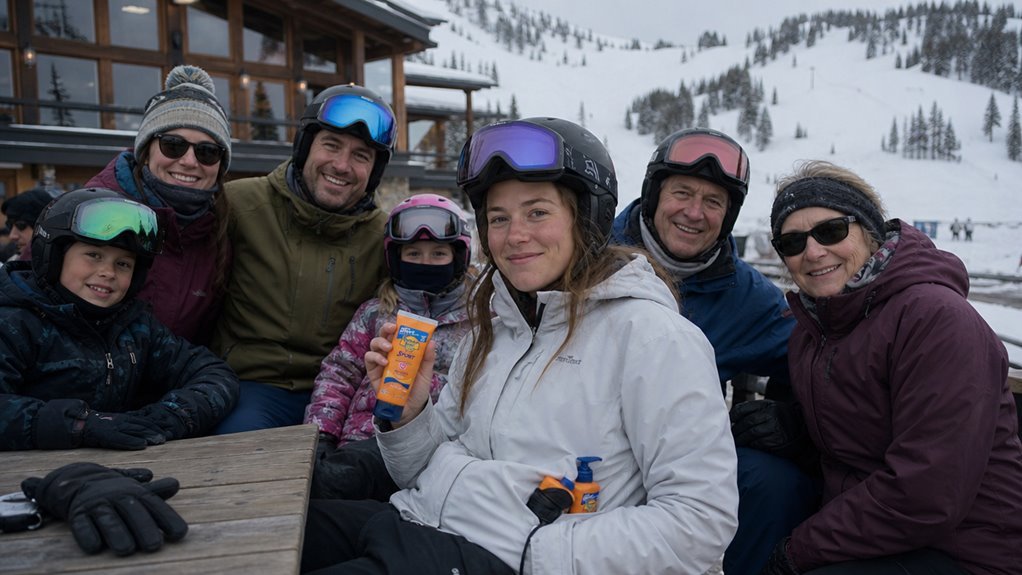
Snow reflects sunlight, so protect exposed skin even on cloudy ski days. Banana Boat Sport and Coppertone WaterBabies offer SPF 50; water resistant formulas rated up to 80 minutes suit skiing when reapplied as directed.
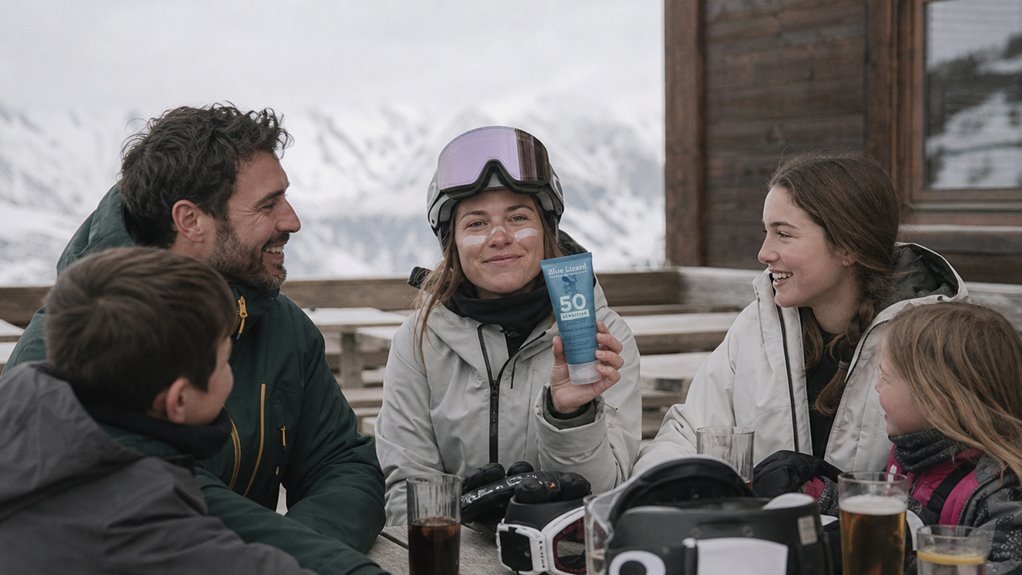
UTU SPF 50 and Spooge Face Shots SPF 30 are portable options for face and lips. Fragrance free Blue Lizard Sensitive Mineral SPF 50 suits sensitive skin, but its thick feel may leave a white cast.


More Details on Our Top Picks
Banana Boat Sport SPF 50 Sunscreen Lotion Family Size
Banana Boat Sport SPF 50 is best for families who need sunscreen for ski days, sledding, and other long outings in the snow. Its 12 ounce bottle is a clear strength, giving several people more to share than a compact sunscreen bottle.
Its broad spectrum formula protects against UVA and UVB rays, and its water and sweat resistant wear suits active days on the slopes. Compared with smaller, everyday sunscreen options, it stands out for its family size and sport focused use.
The lotion includes aloe and vitamin E and rubs in clear without a greasy feel or white cast. Its main limitation is that you still need to reapply as directed on the label, especially during a full day outdoors.
- SPF:SPF 50
- Format:Lotion
- Size:12 fl oz
- Brand:Banana Boat
- Use Focus:Outdoor activities
- Formula Highlights:Aloe and vitamin E; oxybenzone- and octinoxate-free
- Additional Feature:Water-, sweat-, heat-resistant
- Additional Feature:Up to 12-hour moisturization
- Additional Feature:Rubs in clear
UTU SPF 50 Face & Lip Mineral Sunscreen
UTU’s 20 g SPF 50 mineral balm is best for skiers and snowboarders who want face and lip protection in one compact package. Its key strength is UVA and UVB protection from zinc that is not engineered at nanosize, in a balm that is easy to carry on the slopes.
The balm combines face and lip coverage, setting it apart from larger lotions designed for broader body coverage. Its 20 g size limits how much skin it can cover, so it is less practical for whole family use.
Snow Mushroom, Sea Buckthorn, Ceramide NP, and vitamin E help support skin hydration, and the formula is vegan and made without animal testing. Apply evenly to your face, lips, and hands 15 minutes before sun exposure, then reapply every two hours.
- SPF:SPF 50
- Format:Mineral face-and-lip balm
- Size:20 g (0.7 oz)
- Brand:UTU
- Use Focus:Face, lips, and hands
- Formula Highlights:Non-nano zinc; snow mushroom, sea buckthorn, and ceramide NP
- Additional Feature:Non-nano zinc formula
- Additional Feature:Wind and cold protection
- Additional Feature:Refillable packaging options
Spooge Face Shots Trio SPF 30 Mineral Sunscreen
For skiers who want portable face protection on lift days, Spooge Face Shots Trio offers SPF 30 with 22% zinc oxide and broad spectrum coverage. Its stick format is easy to carry and apply to exposed skin, and the formula is designed to avoid the chalky cast some mineral sunscreens leave.
Edelweiss provides antioxidant support, ceramides support the moisture barrier, and raspberry seed oil helps hydrate. Compared with sunscreen lotions, this trio is easier to pack for the slopes, though each 0.17 fl oz stick holds only a small amount and works best for face coverage.
Snow glare, altitude, and wind can make sunscreen especially useful on ski days. Apply it 20 minutes before heading out, let it dry for 30 to 45 seconds, and reapply every 80 minutes when sweating or swimming, or every two hours otherwise.
- SPF:SPF 30
- Format:Mineral face sunscreen trio
- Size:0.17 fl oz
- Brand:Spooge
- Use Focus:Mountain activities; face and other exposed skin
- Formula Highlights:22% zinc oxide; edelweiss, ceramides, and raspberry seed oil
- Additional Feature:30–45-second dry time
- Additional Feature:Tested on skiers
- Additional Feature:Reapply every 80 minutes
CeraVe Tinted Mineral Face Sunscreen SPF 30
CeraVe Tinted Mineral Face Sunscreen SPF 30 is a good choice for skiers and other snow sports fans who want mineral sun protection with less visible white cast. Zinc oxide and titanium dioxide provide mineral SPF 30 protection, while iron oxides add tint to help the sunscreen blend into skin.
The tint is its clearest advantage over untinted mineral sunscreens, and the formula can be worn alone or under makeup as a tinted primer. Its main limitation is the three shade options, which may not suit every skin tone, so check the shade match before buying.
Hyaluronic acid helps hydrate, niacinamide helps calm skin, and three ceramides support the skin barrier. It is fragrance-free and noncomedogenic, making it a practical option for sensitive, oily, dry, or acne-prone skin; reapply every two hours during a ski day and after sweating or wiping your face.
- SPF:SPF 30
- Format:Tinted mineral face moisturizer
- Size:1.7 fl oz
- Brand:CeraVe
- Use Focus:Face; can be worn under makeup
- Formula Highlights:Zinc oxide, titanium dioxide, iron oxides, hyaluronic acid, niacinamide, and ceramides
- Additional Feature:Three flexible shades
- Additional Feature:Works under makeup
- Additional Feature:Natural-looking glow
Banana Boat Sport SPF 50 Sunscreen Spray 2-Pack
Banana Boat Sport SPF 50 is best for skiers and snowboarders who want quick coverage and easy reapplication during a day on the slopes. Its key strength is SPF 50 broad spectrum protection against UVA and UVB rays, with a formula made to resist sweat, water, and heat.
The continuous spray covers large areas quickly, and the formula dries fast, rubs in clear, and feels nongreasy. Compared with lotions or sticks, it is quicker to apply over your arms and legs, though wind can make even coverage harder, so check your application and follow the label directions for your face.
The formula includes aloe and vitamin E, which the product says help hydrate for up to 12 hours, and it contains no oxybenzone or octinoxate. The two pack includes two 6 oz bottles, and the sunscreen is dermatologist and clinically tested, making it a practical option for ski days.
- SPF:SPF 50
- Format:Continuous spray
- Size:6 oz per bottle
- Brand:Banana Boat
- Use Focus:Outdoor use and on-the-go reapplication
- Formula Highlights:Aloe and vitamin E; oxybenzone- and octinoxate-free
- Additional Feature:Up to 12-hour moisturization
- Additional Feature:Quick-drying formula
- Additional Feature:Clear across skin tones
Coppertone WaterBabies SPF 50 Baby Sunscreen Lotion
Coppertone WaterBabies SPF 50 is best for parents who want a familiar lotion for babies and young children during ski days, sledding, and other snowy outings. Its SPF 50 UVA and UVB protection is a clear strength, and the 8 ounce bottle gives families lotion for more than one application.
Snow reflects sunlight, so apply sunscreen to exposed skin even on cloudy days. The lotion resists water for 80 minutes, but it needs to be reapplied as directed and may be less convenient than a sunscreen stick when applying with cold hands.
Unlike sticks or sprays, this product comes as a lotion, which some parents may prefer for spreading over cheeks and other exposed areas. Its formula is hypoallergenic and dermatologist tested, and it is free of PABA, dyes, octinoxate, and oxybenzone; for babies under 6 months, ask a doctor before using sunscreen.
- SPF:SPF 50
- Format:Baby lotion
- Size:8 fl oz
- Brand:Coppertone
- Use Focus:Babies’ outdoor play, beach, and pool
- Formula Highlights:Hypoallergenic; free of PABA, dyes, octinoxate, and oxybenzone
- Additional Feature:Helps block 98% UVB
- Additional Feature:Pediatrician-recommended brand
- Additional Feature:Hypoallergenic formula
Knours KOOLSOL Centella Mineral Sunscreen SPF 50
Knours KOOLSOL Centella Mineral Sunscreen SPF 50 is a travel friendly daily face sunscreen for skiers and snowboarders who want a light mineral formula for bright days on snow. Its SPF 50 broad spectrum protection comes from 10% zinc oxide, which helps protect skin from UVA and UVB rays.
Its main strength is its sheer, water based fluid texture, which feels less greasy than many richer face sunscreens and can sit under makeup. The 50 mL bottle is easy to pack for a ski trip, though it may run out quickly if you reapply often.
Centella, aloe, snow mushroom, niacinamide, and panthenol help soothe and moisturize skin. Although the formula aims to limit white cast, zinc oxide may still leave a visible cast on some skin tones, so test it before a full day on the slopes.
- SPF:SPF 50
- Format:Mineral fluid
- Size:50 mL
- Brand:Knours KOOLSOL
- Use Focus:Daily use
- Formula Highlights:Zinc oxide; centella, snow mushroom, niacinamide, panthenol, and aloe
- Additional Feature:Women-founded brand
- Additional Feature:Made in the U.S.
- Additional Feature:Scent fades quickly
Hawaiian Tropic Sheer Touch SPF 30 Sunscreen Lotion
Hawaiian Tropic Sheer Touch SPF 30 is best for resort skiers who want a radiant finish and a sunscreen that feels light under ski layers. Its clear strength is broad-spectrum UVA/UVB protection with an oil-free feel and water resistance for up to 80 minutes.
It stands out from many ski sunscreen options with its luminous finish, vitamins C and E, and tropical papaya, mango, and plumeria scent. The formula is also oxybenzone-free and comes in an 8-ounce bottle that works well for trips.
One limitation is its SPF 30, which may be less protection than skiers seeking a higher SPF prefer. Reapply as directed, especially during long days on the slopes.
- SPF:SPF 30
- Format:Lotion
- Size:8 fl oz
- Brand:Hawaiian Tropic
- Use Focus:Sun protection; water-resistant use
- Formula Highlights:Vitamins C and E; papaya, mango, and plumeria
- Additional Feature:80-minute water resistance
- Additional Feature:Radiant, luminous finish
- Additional Feature:Island-inspired tropical scent
SunScoop Hydrating Face & Body Sunscreen Spray SPF 60
SunScoop Hydrating Face & Body Sunscreen Spray SPF 60 is best for skiers who want high SPF and quick coverage for face and body. Its standout strength is the spray format, which makes sunscreen touchups convenient during a ski day.
The formula feels lightweight, absorbs quickly, and leaves a dewy, non-sticky finish with no white cast. It offers broad-spectrum UVA and UVB protection, has a PA++++ rating for strong UVA protection, and is water-resistant.
Zinc oxide, octocrylene, and avobenzone provide sun protection. Aloe, oat milk, chamomile, and rosemary extracts help soothe skin.
One limitation is the 125 ml size, which may run out quickly with frequent face and body use. Its spray format sets it apart from lotion options, and you’ll need to reapply as directed after sweating or rinsing.
- SPF:SPF 60
- Format:Face-and-body spray
- Size:125 mL (4.23 fl oz)
- Brand:SunScoop
- Use Focus:Face and body
- Formula Highlights:Zinc oxide and octocrylene; rosemary, chamomile, aloe, and oat milk extracts
- Additional Feature:PA++++ rating
- Additional Feature:Non-comedogenic
- Additional Feature:Dewy finish
Hawaiian Tropic Weightless Hydration SPF 30 Face Sunscreen
Hawaiian Tropic Weightless Hydration SPF 30 is best for makeup wearers who want a lightweight face sunscreen for sunny ski days. Its standout strength is that it layers under makeup without a white cast, which is useful when sunlight reflects off the snow.
Its main difference from richer or more sport focused face sunscreens is its light feel and promise of up to 12 hours of hydration. The oil free, non-comedogenic formula provides broad spectrum UVA and UVB protection and resists water for up to 80 minutes.
One drawback is its signature scent, which may not suit people sensitive to fragrance. The 1.7 ounce size fits in a purse or ski jacket pocket, and the vegan, dermatologist tested formula is easy to carry for bright days on the slopes.
- SPF:SPF 30
- Format:Face lotion
- Size:1.7 fl oz (50 mL)
- Brand:Hawaiian Tropic
- Use Focus:Face; layers under makeup
- Formula Highlights:Oil-free, non-comedogenic, and vegan
- Additional Feature:80-minute water resistance
- Additional Feature:Up to 12-hour hydration
- Additional Feature:Layers under makeup
Blue Lizard Sensitive Mineral Sunscreen SPF 50 Lotion
Blue Lizard Sensitive Mineral Sunscreen SPF 50 is best for people with easily irritated skin who want protection for ski days and bright winter outings. Its zinc oxide and titanium dioxide provide broad spectrum UVA and UVB protection, while SPF 50 helps block up to 98% of UVB rays.
The mineral filters are a clear strength and set this sunscreen apart from options that use chemical filters. One limitation is that mineral sunscreen can leave a white cast or feel thick when applied generously.
The fragrance free, hypoallergenic, paraben free, water resistant formula also contains aloe vera. The 3 ounce tube is handy for daily use and family trips; follow the label directions and reapply after sweating or toweling.
- SPF:SPF 50
- Format:Mineral lotion
- Size:3 fl oz
- Brand:Blue Lizard
- Use Focus:Sensitive skin; whole-family use
- Formula Highlights:Zinc oxide and titanium dioxide; organic aloe vera
- Additional Feature:Helps block 98% UVB
- Additional Feature:Hypoallergenic formula
- Additional Feature:Trusted for 20+ years
Banana Boat Sport SPF 30 Sunscreen Lotion (2-Pack)
Banana Boat Sport SPF 30 is best for skiers, snowboarders, and families who want portable sunscreen for a day at the resort. The two 3 ounce bottles fit easily in a ski bag and provide broad spectrum UVA/UVB protection.
A key strength is its lightweight, non-greasy feel, which suits active days on the slopes, and its water and sweat resistance lasts up to 80 minutes. The formula is free from oxybenzone and octinoxate, but you still need to reapply as directed.
One limitation is that SPF 30 may not suit long days in intense sun, when you may prefer a higher SPF. Compared with single bottle options, this set gives you two compact bottles for travel, while higher SPF products provide a higher level of sun protection.
- SPF:SPF 30
- Format:Lotion
- Size:3 fl oz per bottle
- Brand:Banana Boat
- Use Focus:Sports and outdoor activities
- Formula Highlights:Lightweight; free from oxybenzone and octinoxate
- Additional Feature:80-minute water resistance
- Additional Feature:Lightweight, breathable feel
- Additional Feature:Clinically proven protection
Banana Boat Sport Ultra SPF 30 Sunscreen (24-Pack)
Banana Boat Sport Ultra SPF 30 is best for families and ski groups who want sunscreen that is easy to share on the mountain. Its main strength is the 24 one ounce bottles, which fit in jacket pockets and give each skier a personal supply.
It provides broad spectrum UVA/UVB protection in a lightweight, oil free formula that skips oxybenzone and octinoxate. The small bottles are convenient to carry, but they can run out quickly during a long ski trip.
Compared with a single large sunscreen bottle, this pack makes it easier for family members to carry and share their own supply. It is water and sweat resistant for up to 80 minutes, so reapply after that time and follow the label.
- SPF:SPF 30
- Format:Lotion
- Size:1 fl oz per bottle
- Brand:Banana Boat
- Use Focus:Sports and family activities
- Formula Highlights:Oil-free; free from oxybenzone and octinoxate
- Additional Feature:80-minute water resistance
- Additional Feature:Oil-free feel
- Additional Feature:Clinically proven protection
Spooge Face Shots Mineral Sunscreen SPF 30 | Zinc Oxide Sunscreen | 3.4oz
Spooge Face Shots is best for skiers and outdoor users who want mineral SPF 30 for the slopes and everyday use. Its main strength is zinc oxide protection from UVA and UVB rays, with a ski friendly focus for days when snow glare adds to sun exposure.
The 3.4 ounce tube is described as light and non greasy, and it includes edelweiss, ceramides, and raspberry seed oil to support the skin barrier. It stands out for its zinc oxide formula and ski focused positioning; one limitation is that water resistance is not specified, so check the label and reapply as directed, especially during sweaty days.
It is also described as dermatologist developed, vegan, cruelty free, and reef safe. Consider it for winter outings, beach days, and errands if you want breathable mineral coverage in a single face sunscreen.
- SPF:SPF 30
- Format:Mineral sunscreen
- Size:3.4 fl oz
- Brand:Spooge
- Use Focus:Everyday, all-season use
- Formula Highlights:Zinc oxide; edelweiss, ceramides, and raspberry seed oil
- Additional Feature:Dermatologist-developed formula
- Additional Feature:Leaping Bunny Certified
- Additional Feature:Planet-positive positioning
Coppertone Sport Sunscreen Lotion SPF 50 Travel Size
Coppertone Sport Sunscreen Lotion SPF 50 is best for skiers and snowboarders who want a compact 3-ounce bottle for lift rides and outdoor days. Its main strength is SPF 50 protection with water resistance for up to 80 minutes, which helps during sweaty runs or warm afternoons in layers.
The small bottle is easy to pack, but it may run out quickly during repeated applications or group trips. Reapply as directed, especially after long sessions, and remember that SPF measures protection from UVB rays.
Its travel-size lotion format is easier to pack than a larger bottle and differs from solid sunscreen sticks. The formula has no PABA, oxybenzone, octinoxate, parabens, or dyes, making it a practical option for a snow-day bag.
- SPF:SPF 50
- Format:Lotion
- Size:3 fl oz
- Brand:Coppertone
- Use Focus:Outdoor and sports use
- Formula Highlights:Free from PABA, oxybenzone, octinoxate, parabens, and dyes
- Additional Feature:80-minute water resistance
- Additional Feature:Stays on through heat
- Additional Feature:Dye-free formula
Factors to Consider When Choosing Sunscreen for Snow
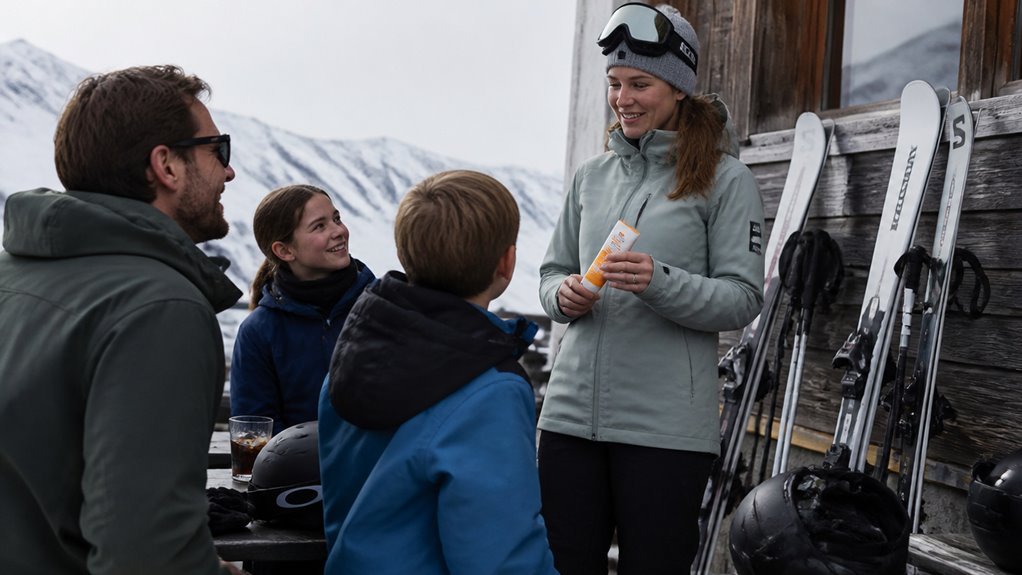
For skiing or snowboarding, choose a broad-spectrum sunscreen with SPF 30 or higher to protect against UVA and UVB rays. Snow reflects sunlight, and UV exposure increases at high elevations, so your skin gets more exposure on the slopes.
If you plan to ski for several hours or work up a sweat, look for water-resistant sunscreen and reapply it as directed on the label. This helps you choose sunscreen that can keep up with a day on the mountain.
Broad-Spectrum Protection
Choose a broad spectrum sunscreen for skiing and snow days. It protects your skin from UVA rays, which contribute to skin aging, and UVB rays, which cause sunburn.
Snow reflects ultraviolet rays onto exposed skin, so your face, ears, and neck can get extra exposure even in cold weather. Clouds do not block all UV rays.
UV exposure increases at higher elevations, making sunscreen a useful part of your ski kit. Apply it to every exposed area before heading to the slopes, including around your goggles and helmet.
Look for “broad spectrum” on the label, and follow the directions for reapplying. Choose a water resistant sunscreen if you expect to sweat or spend long hours skiing.
SPF Level
For ski days, choose sunscreen with at least SPF 30. SPF 50 is a practical choice for long hours on the slopes or at high elevations.
Choose a broad-spectrum formula that protects against UVA and UVB rays, and check the label before you buy. SPF measures protection from UVB rays, which can burn your skin.
When applied as directed, SPF 30 filters about 97% of UVB rays, while SPF 50 filters about 98%. The difference is small, so apply enough sunscreen even when you choose a higher SPF.
Spread sunscreen generously and evenly over exposed skin, including your face, ears, and neck. Reapply at least every two hours, and sooner after sweating or swimming.
Snow can reflect UV rays, so use SPF 50 for extended days outdoors, such as long days skiing or riding chairlifts. Your jacket covers some skin, but exposed areas still need sunscreen.
Snow Reflection
Fresh snow can reflect up to about 80% of ultraviolet (UV) rays, so your exposure on a ski day can nearly double. Apply broad-spectrum ski sunscreen to exposed skin, even on cloudy days.
Reflected UV can reach your skin from below and from the sides. Cover your chin, nose, ears, and any skin exposed around your helmet, goggles, or neck gaiter.
Apply sunscreen before heading to the ski slope, and follow the label for reapplication. Reapply after wiping your face or taking a break.
Ski goggles help shield your eyes from glare, while sunscreen protects your skin. Check for exposed patches before you head out.
High-Altitude Exposure
At high elevations, UV exposure rises about 10% for every 1,000 meters (3,280 feet) you climb because thinner air filters less radiation. Cold weather does not prevent sunburn, so wear broad-spectrum sunscreen on every ski day.
Broad-spectrum sunscreen protects against both main types of ultraviolet rays. At altitude, UV rays reach your skin from above, and snow reflects them back from below.
Clouds can still let UV rays through, so apply sunscreen to exposed skin before heading to the slopes, even on gray days. Reapply regularly, and choose water-resistant broad-spectrum sunscreen for skiing or snowboarding.
Water Resistance
Choose a water-resistant sunscreen for skiing, since sweat and wet snow can reduce protection on the slopes. Check the label for how long the sunscreen is water resistant, which may be up to 80 minutes, and follow its directions after sweating or getting wet.
The stated time reflects how long the sunscreen was tested for water resistance. Reapply at least every two hours, and sooner after sweating or water exposure if the label advises.
Keep your sunscreen easy to reach so you can reapply during ski breaks, even with cold fingers. Before you buy, check the bottle for water-resistance wording and the stated minutes, then choose a formula that fits your plans.
Cold-Weather Hydration
For skiing, choose a moisturizing, broad-spectrum sunscreen to protect exposed skin from UV rays and help ease dryness from cold wind. A comfortable face sunscreen can make it easier to keep protection on throughout a day on the slopes.
Look for ceramides, which support the skin’s moisture barrier, and hyaluronic acid, which helps skin hold moisture. Aloe vera and vitamin E are also common ingredients in moisturizing sunscreens.
Some formulas claim up to 12 hours of moisturization, though skiing, scarves, and reapplication can affect how long skin feels comfortable. Snow mushroom appears in some products and is reported to hold up to 500 times its weight in water, which may help support moisture.
Skin Coverage
Apply sunscreen to every area of exposed skin before skiing or snowboarding. Snow reflects ultraviolet rays from below and above, so your face needs protection from more than overhead sun.
Choose a broad spectrum, water resistant sunscreen with SPF 30 or higher, and spread it evenly over your neck, ears, and hands. Check your hairline, the backs of your hands, and the skin around your ears, where coverage is easy to miss.
Cover any skin left bare by your ski clothes or gear, including gaps at your collar and cuffs and the area around your goggles. Protect your lips with a lip balm that has SPF and is made for lip use.
Before heading to the ski lift, check for exposed skin and cover any missed spots. Reapply sunscreen as directed on the label, especially after sweating, wiping your face, or spending several hours outside.
Reapplication Schedule
Plan sunscreen reapplication before your ski day, and check the label for when to apply it before heading to the lift. Some sunscreens need 15 to 20 minutes before sun exposure.
Reapply at least every two hours while skiing or spending time outdoors, including on cloudy or cold days. Snow reflects ultraviolet, or UV, rays and adds to the exposure from direct sunlight.
Reapply sooner after heavy sweating, swimming, or towel drying, since these can reduce protection. Check the label for the sunscreen’s water resistance period. Some products call for reapplication after 80 minutes of swimming or sweating.
Water resistant sunscreen is not waterproof, so follow the label’s schedule throughout your day on the mountain.
Frequently Asked Questions
Why Is Sunscreen Important on Cloudy Winter Days?
Clouds can reduce sunlight, but they do not block all UV rays, so exposed skin can still get sun damage on cloudy winter days. Snow reflects UV light back onto your face, making sunscreen for skiing and other snow sports especially important.
Choose a broad-spectrum SPF 30 or higher sunscreen that suits your skin, and apply it to your face, ears, neck, and any other exposed skin before heading outside. Use an SPF 30 or higher lip balm too, and consider a water-resistant formula for long days on the slopes.
Reapply sunscreen every two hours, and sooner after sweating, wiping your face, or taking a break from skiing. A helmet, goggles, and warm layers help protect you, but winter sunscreen remains an essential part of your ski gear.
How Often Should You Reapply Sunscreen While Skiing?
Reapply sunscreen while skiing at least every two hours, and sooner after heavy sweating, wiping your face, or stopping for lunch. Snow reflects UV rays, so your nose, cheeks, ears, and chin can get extra exposure even on cloudy days.
Choose a broad-spectrum, water-resistant SPF 30 or higher sunscreen for skiing, and apply it about 15 minutes before heading outdoors. Check the product label for reapplication instructions, especially after sweating or wiping your face.
For an easy-to-carry ski sunscreen, consider a compact tube or face stick you can keep in your jacket pocket. Apply it generously to exposed skin, including around your goggles, without getting it in your eyes.
Protect your lips with SPF lip balm, and remember exposed areas like your neck and the backs of your hands. A quick sunscreen top-up during a lift break can help prevent a painful sunburn from becoming your ski trip souvenir.
Can Snow Cause Sunburn Beneath Your Chin?
Yes, snow can reflect ultraviolet (UV) rays upward, exposing skin beneath your chin while skiing or snowboarding. This reflected light can contribute to sunburn, especially at high elevations where UV exposure is stronger.
Before heading to the ski resort, apply broad-spectrum, water-resistant SPF 30 or higher to your chin, jawline, and neck. Reapply at least every two hours, and sooner after sweating, wiping your face, or adjusting your ski gear.
For extra coverage, wear a neck gaiter or sun-protective balaclava that fits comfortably under your ski helmet. A compact ski sunscreen and SPF lip balm are practical additions to your resort-day kit.
Should You Wear Sunscreen Under Ski Goggles?
Yes, wear sunscreen under ski goggles on any skin the frame leaves exposed, especially your nose, cheeks, and the area around your eyes. Snow reflects ultraviolet (UV) rays, and higher elevation increases UV exposure, even on cloudy days.
Choose a broad-spectrum, water-resistant sunscreen with SPF 30 or higher for skiing or snowboarding. Apply it about 15 minutes before heading outside, and let it absorb before putting on your ski goggles.
Use a lightweight, non-greasy formula around your goggles to reduce the chance of sunscreen smearing onto the lenses or affecting their anti-fog coating. Reapply every two hours, and sooner after sweating, wiping your face, or taking a long break.
Protect your lips with SPF lip balm, and cover exposed ears and the skin below your goggle line. UV-protective ski goggles help shield your eyes and nearby skin, but they do not replace sunscreen on exposed areas.
How Can You Remove Sunscreen From Winter Clothing?
To remove sunscreen from a ski jacket, ski pants, or base layer, treat the stain before washing. Gently scrape off any excess sunscreen, then blot the fabric with a clean cloth instead of rubbing it.
Apply a small amount of liquid laundry detergent or a technical-wear cleaner made for waterproof ski clothing. Work it into the stain gently, wait about 10 minutes, and rinse with cool water.
Wash the garment according to its care label, using the warmest water temperature allowed. For a waterproof-breathable shell, choose a cleaner recommended by the jacket’s manufacturer and skip regular detergent if the label advises it.
Check the stain before putting the garment in the dryer, since heat can make sunscreen marks harder to remove. If the mark remains, repeat the treatment and wash again before drying.
Mineral sunscreen containing zinc oxide or titanium dioxide, and some formulas containing avobenzone, can leave especially stubborn marks. Avoid bleach, fabric softener, and harsh scrubbing, which can damage technical fabrics or affect a ski jacket’s DWR water-repellent finish.
If water stops beading on your clean jacket, check the care instructions before applying a compatible DWR treatment. For delicate insulation or expensive technical outerwear, use the manufacturer’s recommended cleaner to protect your gear.
Rounding Up
Pack Fit: We measured each sunscreen container with a ruler and kitchen scale, then tried opening and closing it while wearing ski gloves.
Spread Test: We applied 1 gram of each sunscreen to a marked 10 by 10 centimeter patch and timed how long it took to cover the full area.
Reapply Check: We set a timer for the reapplication interval on each label, then reapplied 1 gram to the marked patch while wearing gloves and recorded the time.
Real World Test (Winners Only): All recommended products passed the first three tests, then we used each for a full day on the mountain, following label directions and reapplying as directed. We noted how easy they were to apply and reapply during ski breaks.