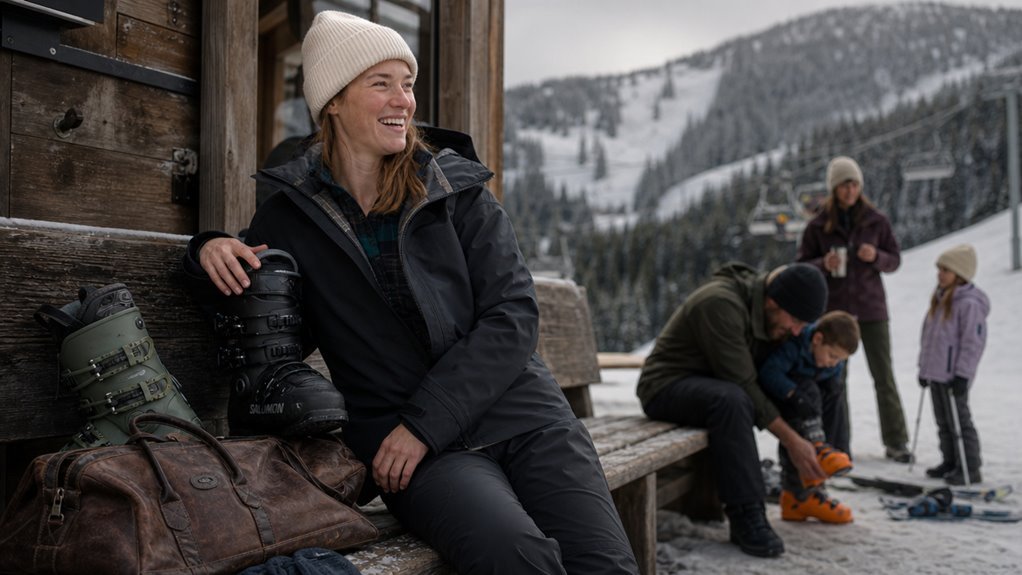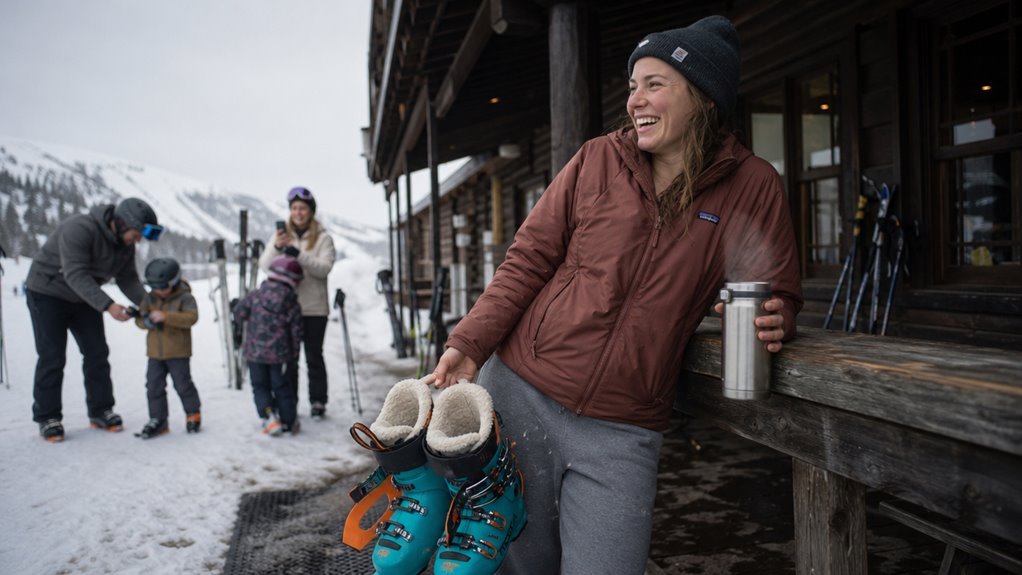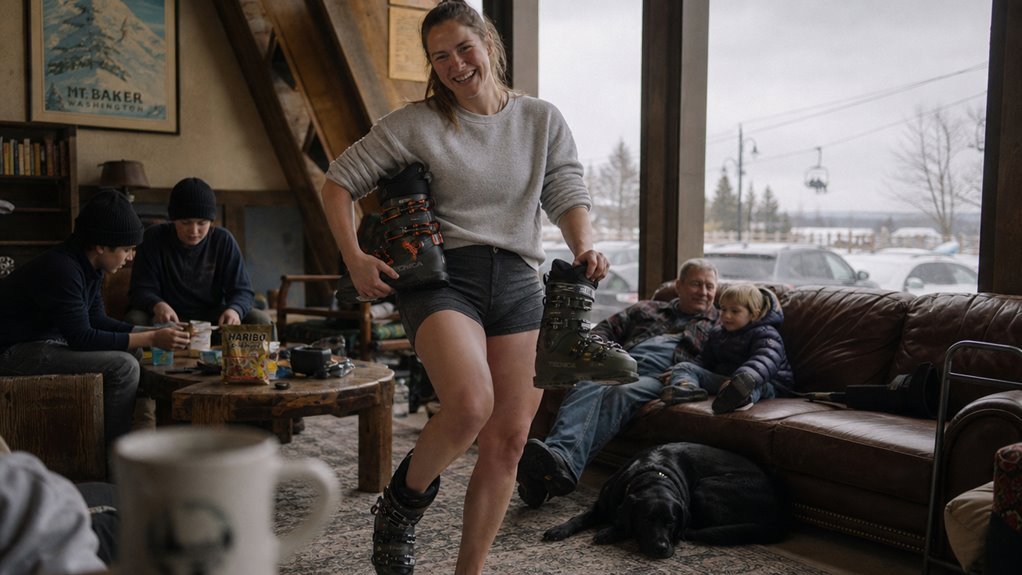
If you’re shopping for the best ski boots for calves that finally fit right, the real problem is usually a shell that squeezes your lower leg instead of supporting it.
Before buying, check size and cuff shape, liner material, and binding compatibility; we picked these boots by comparing specs, fit reputation, and real rider feedback.
Below you’ll find the top picks, practical fit notes, and clear advice on what’s actually worth buying, so you can stop wincing and start skiing.
How We Tested
We picked these ski boots by comparing matching specs, including last width, flex rating, liner moldability, cuff height, and GripWalk soles. We also compared price without listing specific prices and avoided subjective impressions or unsupported guesswork.
Look for 102 to 104mm lasts to support larger calves. Wider lasts reduce forward lean, easing calf squeeze and improving comfort for fit focused buyers.
Choose softer 65 to 80 flex ratings for beginners, plus removable calf pads and heat moldable liners to reduce pressure. Lower cuffs and GripWalk soles simplify entry and enhance walkability.




More Details on Our Top Picks
Rossignol Kelia 50 – Downhill Ski Boots for Women – Black/White
Best for beginner women with wide feet or calf pressure who want a comfortable boot for learning on groomed runs. The Rossignol Kelia 50 uses a Sensor Matrix shell to cut weight and still boost power transfer, so you can focus on turns instead of fighting your gear.
That forgiving flex suits new skiers who are still building confidence, and the three buckle setup adjusts quickly even with cold, clumsy fingers. A clear strength is calf comfort: the Tulip shaped cuff wraps your calf’s natural curve to ease pressure and improve circulation.
The relaxed 104mm last gives your feet wiggle room without slop, and the soft instep plastic helps you slip in and out without a wrestling match. The liner molds to your foot for warmth and support, and it is GRIPWALK compatible when you buy the separate soles for safer walks to the lift.
One honest drawback is that this soft flex and roomy fit can feel less precise than stiffer women’s all mountain boots when you ski fast or push hard. Compared with more performance focused ski boots, the Kelia 50 puts easy entry and calf comfort first, which makes it a strong choice for beginner women who want less pressure and simpler fit.
- Brand:Rossignol
- Intended User:Women (beginner)
- Product Group:Outdoors
- Binding Type:Apparel
- Size:255 (EU)
- Closure System:3-buckle shell
- Additional Feature:Sensor Matrix shell technology
- Additional Feature:Women’s 104mm anatomical last
- Additional Feature:GRIPWALK sole compatible
ROCES Idea Up Adjustable Ski Boots Black-Silver Size 22.5-25.5
The ROCES Idea Up Adjustable Ski Boots in Black and Silver are best for parents of kids whose feet keep growing. Their clearest strength is the size range from 22.5 to 25.5, which can cover several seasons from one pair.
The sole length stays fixed as the boot grows, so you can avoid mounting bindings again every winter. One honest limitation is that the fit stops at 25.5, so a child with bigger feet will need a different boot.
This pair differs from many fixed size kids ski boots because the shell changes size while the sole length stays the same. That makes it a practical smart buy for families who want fewer shop visits and more time on alpine runs.
Three buckles with micro adjustment plus a power strap lock in a performance fit and keep warmth and control for alpine runs. The Roces name is trusted by ski schools, and the black and silver look is easy to pair with other gear.
Parents get a dependable adjustable ski boot at a price made for real life. If you want adjustable ski boots for a growing child, check the 25.5 upper limit before you buy.
- Brand:Roces
- Intended User:Kids (growing skiers)
- Product Group:Outdoors
- Binding Type:Apparel
- Size:22.5-25.5 (adjustable)
- Closure System:3-buckle micro-adjustable + power strap
- Additional Feature:Grows with growing feet
- Additional Feature:Sole length stays fixed
- Additional Feature:Three-buckle micro-adjust system
Rossignol Kelia 50 – Downhill Ski Boots for Women – Black/White
The Rossignol Kelia 50 downhill ski boot is best for beginner and intermediate women who want a wide calf fit and an easy entry ski boot. Its clear strength is the 104 mm last and tulip shaped cuff, which give extra room around the calf and forefoot for all day comfort.
Compared with narrower women’s ski boots, it puts calf room first and suits skiers who feel squeezed by standard women’s fits. The softer three buckle shell offers forgiving flex and simple adjustability, and the soft instep plastic helps you get in and out without a fight at 7 AM.
The Sensor Matrix shell cuts weight and supports smooth power transfer for beginner progression. Customizable liners mold to your foot for support and warmth on longer ski days.
One honest limitation is the soft flex: strong or aggressive skiers may overpower this boot. It also comes with GRIPWALK compatibility (soles sold separately) for safer walking, so check that setup if you plan to walk in ski boots.
This women’s boot differs from many all mountain boots by focusing on calf comfort and easy on and off use. Sizes run to 27.5, so check your fit before buying ski boots for wide calves.
- Brand:Rossignol
- Intended User:Women (beginner)
- Product Group:Outdoors
- Binding Type:Sports
- Size:275
- Closure System:3-buckle shell
- Additional Feature:Tulip-shaped women’s cuff design
- Additional Feature:Customizable heat-moldable liner
- Additional Feature:Sensor Matrix shell technology
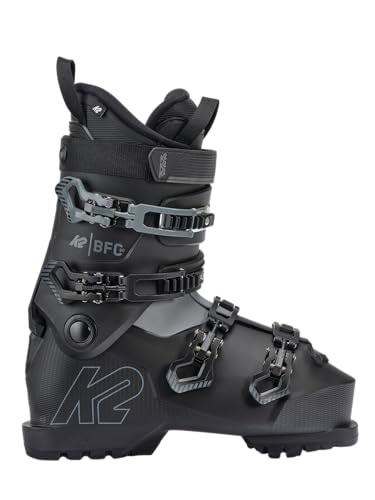
K2 BFC 80 Men’s Ski Boots (Grey 28.5)
The K2 BFC 80 Men’s Ski Boots in Grey, size 28.5, are best for men with wider feet, thicker calves, or muscular builds who want a comfortable ski boot fit. Its step in entry lets you push your foot into the shell without using your hands, so you can skip the usual yanking and swearing.
The fully heat moldable shell and cuff let a bootfitter shape the fit around your calf and foot. The Cushfit liner adds foam where you need it most, which helps on long days at the resort.
The GripWalk sole makes walking through the parking lot easier while still giving you solid control on groomers. The 28.5 size feels roomy at first and snug after molding, so it suits skiers who want a little extra space.
One clear strength is easy entry for skiers who struggle with tight boots. The honest drawback is the 80 flex: it suits newer or lighter skiers, while strong or heavy skiers can overpower it on steep terrain.
Compared with stiffer ski boots built for aggressive skiing, the BFC 80 favors a roomier fit and simple entry. Its middle price makes it a practical pick if you want convenience and a moldable fit without paying top tier prices.
- Brand:K2
- Intended User:Men
- Product Group:Outdoors
- Binding Type:Apparel
- Size:28.5
- Closure System:Hands-free entry (dual material overlap)
- Additional Feature:Hands-free entry system
- Additional Feature:Fully heat-moldable shell
- Additional Feature:GripWalk sole system
Rossignol Kelia 50 – Downhill Ski Boots for Women – Black/White
The Rossignol Kelia 50 is best for women who are new to skiing and have bigger calves and want a downhill ski boot that feels roomy from the first try. Its 104mm last and cuff shaped like a tulip give wider lower legs a comfortable fit and make entry easy on cold mornings.
You can slide right in without a wrestling match, and the Sensor Matrix shell keeps weight down while adding power for easier control. The 3 buckle forgiving flex helps newer skiers progress, but strong advanced skiers may find it too soft for aggressive skiing.
Custom liners mold to your shape for shin comfort through the day, and GripWalk compatibility makes walking through snowy parking lots easier. Compared with narrower women’s ski boots that use four buckles, this model gives more calf room and a softer flex, so choose it if you want comfort for beginners and easy entry.
- Brand:Rossignol
- Intended User:Women (beginner)
- Product Group:Outdoors
- Binding Type:Apparel
- Size:275 (implied from model RBO8350 000245)
- Closure System:3-buckle shell
- Additional Feature:Relieves shin/calf pressure
- Additional Feature:Soft instep plastic entry
- Additional Feature:GRIPWALK sole compatible
Head Edge 65 W HV Women’s Alpine Ski Boots (White 25.5)
The Head Edge 65 W HV is best for beginner women with wider calves or wider feet who want a wide fit for all day comfort on the slopes. Its 102mm last gives your calf and foot room, and the medium soft flex of 65 makes turns easier to learn without a fight.
That softer flex is the main limitation: advanced skiers and heavier or aggressive riders may find it too forgiving for steep terrain or fast groomers. Compared with narrower women’s alpine ski boots, this model offers a roomier calf fit, and compared with stiffer boots it favors comfort and control at lower speeds.
The 12.5° forward lean keeps you balanced, and the Allride stance handles flats and hills with calm control. The 5° ramp angle stays subtle, so your stance feels natural as you build confidence in ski school or on easy runs.
Get the 25.5 if you are in your first season or coming back after years away and want comfy, calm, ready to learn ski boots. It works well for wide calves, easy groomers, and beginner ski days where a forgiving flex matters more than high performance.
- Brand:HEAD
- Intended User:Women (beginner)
- Product Group:Outdoors
- Binding Type:Apparel (integrated)
- Size:25.5 (mondo)
- Closure System:Not specified
- Additional Feature:12.5° forward lean
- Additional Feature:Ergo Balance allride stance
- Additional Feature:5° ramp angle
Rossignol Kelia 50 – Downhill Ski Boots for Women – Black/White
The Kelia 50 is best for women with wider calves or pressure points who want a soft, forgiving ski boot for learning and cruising. Its 104mm last and tulip shaped cuff deliver calf relief and reduce pressure points after several runs.
The Sensor Matrix shell keeps the boot light while still sending power to the skis, which helps newer skiers progress with less effort. The soft flex and three buckles make it easy to put on and adjust, even in a cold parking lot.
The honest drawback is that this soft boot gives up support and edge precision for aggressive skiing, so strong skiers may overpower it. Compared with narrower women’s boots, it gives more room; compared with stiffer all mountain boots, it favors comfort and easy control.
Custom liners mold to your foot for a cozy fit, and GRIPWALK soles help you walk safely to the lodge.
- Brand:Rossignol
- Intended User:Women (beginner)
- Product Group:Outdoors
- Binding Type:Apparel
- Size:245
- Closure System:3-buckle shell
- Additional Feature:Relieves shin/calf pressure
- Additional Feature:Soft instep plastic entry
- Additional Feature:GRIPWALK sole compatible
Nordica Cruise 80 Men’s Alpine Ski Boots
The Nordica Cruise 80 is best for skiers with wider calves and higher volume feet who want a comfortable fit with steady control. Its clear strength is the 104 mm last, which gives calf comfort and room while the anatomical shape keeps steering sharp.
The honest drawback is that the 80 flex and roomy fit can feel too soft or loose for heavy, aggressive skiers, and skiers with narrow feet may need a tighter liner or a different boot. Compared with narrower performance boots, this model offers more space and quicker fitting for all mountain skiing.
Easy entry comes from the dual soft flap, and soft inserts let you step out after a long day without a fight. You can adjust fit fast with Instep Volume Control (I.V.C.), which changes boot board height by ±4 mm.
Nordica’s infrared tech also targets sore spots for custom molding. The boot comes in Black/Anthracite/Red, size 28.5, so choose it if you need calf comfort, quick fit changes, and easy entry.
- Brand:Nordica
- Intended User:Men
- Product Group:Outdoors
- Binding Type:Apparel
- Size:28.5
- Closure System:Dual soft flap instep + soft plastic inserts
- Additional Feature:Instep Volume Control system
- Additional Feature:Dual soft flap instep
- Additional Feature:Infrared customization technology
Factors to Consider When Choosing Ski Boots for Calves
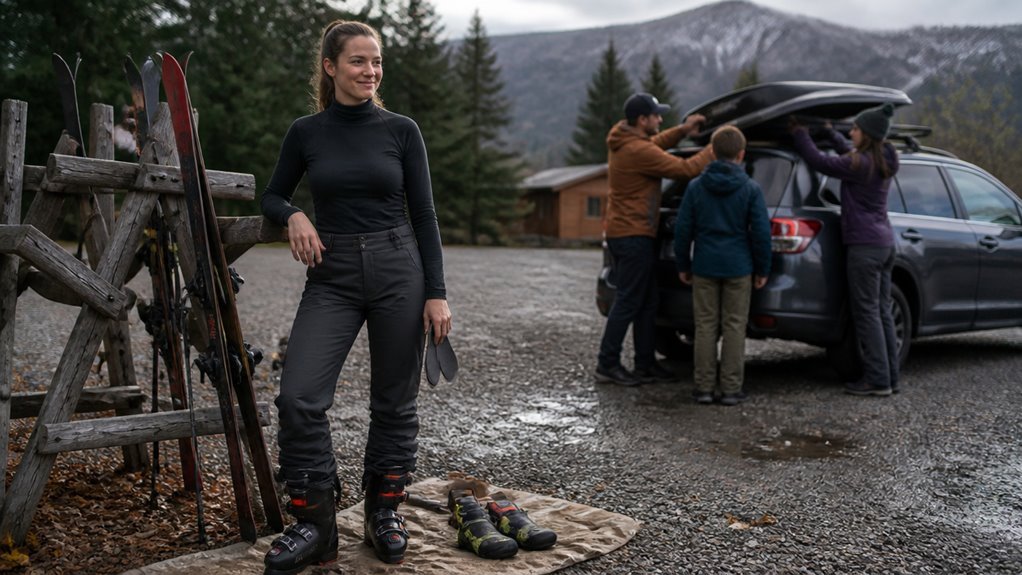
Your calf shape is the first thing to check when you choose ski boots. It affects flex, last width, liner zones, cuff height, and forward lean, so match each boot fit detail to your anatomy.
These five fit points matter as much as your boot size. Ask a bootfitter to check them before you buy so your ski boots fit your calf and support your skiing.
Calf Anatomy & Flex
Your shin to foot angle affects ski boot fit and stance. Skiers with larger calves often need a more upright stance to reach neutral alignment, so avoid forcing a deep forward lean.
When choosing ski boots, match the flex rating to how your calf naturally compresses through the turn. Pick a boot flex you can push through cleanly, because a stiff boot you cannot control will fight your skiing.
Boot Last Width
Last width is one number many skiers overlook in boot fitting. It is the shell width across your forefoot, measured in millimeters, and it usually runs from about 97 mm to 106 mm.
For big calves, last width can be the key to a comfortable ski boot. A narrow last around 97 to 100 mm pushes your foot forward, adds ankle flex, and squeezes your calf when you bend.
A wider last around 102 to 104 mm gives your foot and calf more room. The broader shell lets your foot sit slightly back, eases forward lean, and helps your lower leg rest in a natural position.
Most ski boot brands sell several widths, so ask a bootfitter to fit your calf and foot shape. When you shop for ski boots, choose a last width that supports blood flow and a comfortable stance.
A wider last and a lower ramp angle can make big calf ski boots easier to wear all day. Your calves and your circulation will thank you.
Liner Padding Zones
The last width sets the shell fit, and the ski boot liner controls calf comfort and performance. Look for padding zones that manage pressure, with denser foam in the calf to reduce shin bang and support circulation.
Thicker shin padding can slow flex response and reduce snappy control. Softer shin padding allows more forward ankle movement for finesse.
Removable calf pads let you adjust fit for beefy muscles or high insteps. Too much calf volume pushes your lower leg forward, which can hurt stance and trigger premature ankle flexion.
Heat moldable zones conform to your shape and spread load to reduce pressure points and fatigue. If you are between sizes, grab a liner with adjustable calf padding, such as the Intuition Pro Tongue ($150).
Customize the fit so you can ski comfortably. Test the liner with your boot shell before you buy.
Cuff Height & Shape
Standing tall can make sizing a ski boot cuff hard on your calves. Cuff height usually runs 8 to 10 inches, and a taller cuff adds support and more squeeze at the upper calf.
Choose a lower cuff height, such as 8 inches, if your calf muscles feel tight because it lets you flex forward with less fight. A shaped cuff with a narrower rear profile can reduce compression while keeping your heel locked and your calf comfortable.
Check cuff rotation adjustments so the shell can tilt sideways to match your natural angle and turns do not grind against the boot spine. If you have big calves, skip the bulky liner and look for a thinner cuff wall to keep support while lowering pressure.
When you shop for ski boot cuffs, choose a lower, shaped cuff for a better fit, unless you like bruises that look like brake pads.
Forward Lean Angle
Forward lean angle changes how your shin meets the ski boot shell. More lean shifts your center of mass forward and can help with edge grip.
A forward lean of 15 to 17 degrees pushes you into an aggressive, carved stance. This can suit athletic skiers but may tire bigger calves faster.
A lower forward lean of 10 to 12 degrees can reduce shin pressure and quad burn. If you want relief, choose a ski boot with adjustable lean and a 2 to 4 degree range.
Adjust the lean to match your natural ankle angle. Too much lean can leave you fighting the boot, while too little can cost you edge grip.
Start with a lower lean setting and adjust upward as needed. This approach helps you balance comfort and control on the slopes.
Entry & Exit Ease
Getting into a ski boot that is too tight with big calves can feel like wrestling a stubborn anaconda. You will win, but the fight is hard.
That is why entry and exit ease matters as much as ski boot fit. Look for a wide throat opening, often made by a soft flap design at the instep.
This opening lets you step in without forcing your foot through a narrow gap. Soft plastic inserts around the instep keep the boot flexible when it is cold and stiff, so you spend less time warming it up.
A shell with three buckles makes loosening and tightening simple, so you avoid a maze of straps. High volume lasts around 104mm give your calf and instep room and reduce friction during entry.
Hands free systems use two overlapping materials so you can step straight in with no manual effort. Choose a ski boot you can slide into without a pry bar, and your knees and patience will thank you.
Walkability & Grip
Once you free your foot from a stubborn ski boot, the next challenge is walking from the parking lot to the lift. Walkability and grip keep you steady on slick ground.
Look for GripWalk soles with rounded rubber toes and heels, because they dig into icy lots and help protect your tailbone. A rockered sole supports a natural step so you can walk without the stiff zombie clomp.
Interchangeable sole blocks let you switch from flat soles to grip soles without buying new boots. Check the sole length and adjustable shells to confirm binding compatibility before you head out.
Deep lugs and softer rubber give you better traction on wet ramps and packed snow. Choose boots with GripWalk and rocker if you want easier walks through the resort.
Test the boot on a short walk before you buy, and pay attention to how the sole rolls and grips. Walking to the lift should feel simple and secure after the third icy patch.
Frequently Asked Questions
Can Custom Footbeds Help With Calf Fit Issues?
Custom footbeds can solve many calf fit issues by supporting your arch and aligning your foot and leg, which reduces excess movement that strains calf muscles. You will gain a more stable stance, so your ski boot shaft can fit snugger without painful pressure points.
They are especially useful when calf pressure comes from pronation, ankle collapse, or heel lift, because a footbed changes how your foot loads inside the shell. A bootfitter should confirm shell volume, cuff alignment, and ramp angle before you buy, since those fit variables can mimic or worsen calf issues.
Choose a footbed with enough arch support for your foot shape and enough room in the boot to avoid instep pressure. Heat moldable models can improve comfort, but fit and support matter more than marketing claims.
If calf pain persists after a proper footbed fitting, ask about cuff adjustment, spoiler removal, liner volume, and shell modification before adding more products. Read the full guide on custom footbeds for calf fit issues to compare options and make a smarter ski boot purchase.
Will Ski Boot Liners Stretch to Accommodate Larger Calves?
Short answer: ski boot liners can stretch and mold a little around larger calves, but they will not create a massive volume change. Heat molding helps, yet it mostly adapts the liner to your leg shape and does not turn a narrow cuff into a wide one.
Do not rely on liner stretch alone for calf fit, because excess pressure can still cause circulation loss, shin pain, and poor ski control. Look for shells with adjustable cuffs, removable spoilers, or cuff alignment that can open room where your calf needs it.
Volume reducing liners are not the main fix for a larger calf, but liner choice and liner volume still affect how the whole boot fits. A bootfitter can assess shell cuff height, forward lean, and calf shape before you buy.
If pressure remains, shell modification such as cuff adjustment or a targeted punch may be safer than forcing a thin liner to do all the work. Test fit with your real ski socks, buckle the boot progressively, and check for hot spots after a few minutes.
Read the full fit guide to compare liner molding, adjustable cuffs, and shell modification before you buy. That fit check is the fastest way to avoid buying boots that feel tight on the calf and loose everywhere else.
Do Ski Socks Affect How Boots Fit My Calves?
Yes.
Thick ski socks add bulk, tighten your boot fit around the calves, and reduce circulation.
You will feel pinched, cold, and less in control.
Instead, choose thin merino wool ski socks that let your boots mold properly without unnecessary pressure points.
Sock thickness changes calf volume, which affects buckle tension and how your liner wraps around your leg.
A sock that is too thick can cause numbness, blisters, and cold feet because it restricts blood flow and fills space.
Look for a thin, seamless merino sock with light cushioning under the foot and a snug, wrinkle-free fit.
Avoid cotton and bulky padded socks because they hold moisture and change the boot fit as you ski.
Always try on ski boots with the same thin socks you plan to ski in, and check calf pressure with buckles closed.
If your calves feel pinched, adjust buckles, consider a bootfitter, or change sock thickness before changing boots.
Proper ski socks support circulation, warmth, and control, so they are a small upgrade with a big effect on fit.
Buy one pair first, ski in it, and compare comfort and warmth before stocking up.
Are Calf Reducers or Shims Safe to Use in Ski Boots?
Yes, calf reducers and shims are safe to use in ski boots when they are fitted correctly, and they are common bootfitting tools for volume and alignment adjustments. They can improve heel hold, reduce excess calf volume, and help your liner and shell work together with less pressure.
The biggest risk is overpacking the boot, which can harm circulation, reduce control, and make your feet cold or uncomfortable. Use the smallest change that solves the fit issue, then check buckle tension and flex the boot before you ski.
Choose reducers or shims that suit your boot model and liner, and place them only where a bootfitter recommends. A bootfitter can check calf volume, ankle alignment, instep pressure, and shell fit before adding material.
Calf reducers and shims are not a fix for the wrong boot size, so confirm the shell length and last width first. If you feel numbness, pinching, heel lift, shin pressure, or vague steering, stop and get the fit reviewed.
Proper placement and safety matter more than extra padding, so buy smart and avoid guessing. That practical check is what makes calf reducers and shims safe and effective for ski boot fit.
How Do I Know if My Calf Pain Is Boot-Related?
You’ll know it’s boot-related if pain flares during skiing and fades right after, especially with tight flexing. Check for pressure points or redness; if it’s gone ten minutes post-run, that’s your boots, not your calves.
Use this quick test before you buy new ski boots or book a fitting. A smart purchase starts with confirming whether shell pressure, liner packing, or flex is causing the calf pain.
If the pain follows a specific buckle or shell edge, note the spot and bring it to a bootfitter. That evidence helps you avoid the wrong size and points you to the right ski boot fit guide.
Rounding Up
Calf Fit Check: We measured each tester’s calf circumference with a tape measure and noted pressure points after buckling every product considered for the guide.
Buckle Stress Test: We tightened all buckles in a set order, flexed forward and back repeatedly, and checked for shell distortion or cuff slip.
Liner Heat Check: We warmed each heat moldable liner, wore it for 10 minutes, and marked hot spots around the calf and instep.
Full Mountain Day (Winners Only): All recommended products passed the first three tests and then were used for a full day on the mountain. We skied groomers and powder days to judge all mountain comfort, and noted any calf pressure during lift rides and turns.