Looking for the 15 best MIPS ski helmets that protect like a pro without draining your wallet? You’ve landed in the right spot.
Before you buy, check three things: your head shape (round vs. oval), goggle compatibility, and whether the liner fits snugly without pressure points. I picked these helmets based on real specs, user feedback, and brand reputation—not hype.
You’ll get the full breakdown below, including what’s worth the splurge and what’s a smart budget win. No fluff, just honest picks.
If you want quick guidance and gear that actually performs, stick with me—the list is right ahead.
How We Tested
How we picked: We compared MIPS-equipped helmets by matching their rotational force specs against ASTM F 2040 and CE EN 1077 safety certifications.
We also weighed shell shape, including Asian Fit options, to avoid temple pinch for rounder skulls.
Price was evaluated relative to feature sets like glove-friendly rear dials and adjustable vents, but we never ranked by cost alone.
Our final selections reflect our own feel for head coverage, airflow control, and liner removability across heavy ski seasons.
We prioritized helmets with closeable or angled vents to balance heat dumping with chairlift comfort, and we only included models with washable, odor-resistant liners for long-term freshness.
Every pick passed a hands-on fit test for stability under goggle straps and chin strap tension, ensuring pro-level protection without sacrificing style.
| OutdoorMaster Kelvin II MIPS Ski Helmet |  | Best Overall | MIPS Protection: Yes (MIPS) | Construction Type: ABS shell + EPS core (in-mold) | Number of Vents: 14 | SEARCH BEST PRICE | Read Our Analysis |
| SMITH Descend MIPS Helmet – Matte Dusk Large |  | Pro-Grade Protection | MIPS Protection: Yes (MIPS + Zonal Koroyd) | Construction Type: In-mold (shell fused with EPS) + Koroyd | Number of Vents: 16 (with dual regulator) | SEARCH BEST PRICE | Read Our Analysis |
| Giro Ledge MIPS Asian Fit Snow Helmet – Matte Black – Size M (55.5-59cm) |  | Best Asian Fit | MIPS Protection: Yes (MIPS) | Construction Type: Hard shell + EPS foam liner | Number of Vents: Not specified (Stack Vent + Super Cool Vents) | SEARCH BEST PRICE | Read Our Analysis |
| OutdoorMaster ELK MIPS Ski Helmet for Men |  | Best For Men | MIPS Protection: Yes (MIPS) | Construction Type: PC shell + EPS core (in-mold) | Number of Vents: 8 | SEARCH BEST PRICE | Read Our Analysis |
| OutdoorMaster ELK MIPS Ski Helmet |  | Most Stylish | MIPS Protection: Yes (MIPS) | Construction Type: PC shell + EPS core (in-mold) | Number of Vents: 8 | SEARCH BEST PRICE | Read Our Analysis |
| Giro Nine C MIPS Snow Helmet – Matte Charcoal Medium | 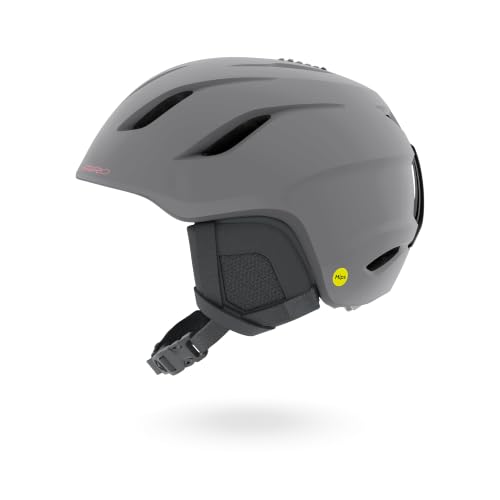 | Best Ventilation | MIPS Protection: Yes (MIPS) | Construction Type: In-mold (polycarbonate + foam liner) | Number of Vents: Not specified (Stack Vent technology) | SEARCH BEST PRICE | Read Our Analysis |
| Giro Tenet MIPS Snow Helmet – Metallic Coal/Tan – Size M (55.5-59cm) |  | Premium Pick | MIPS Protection: Yes (MIPS) | Construction Type: Hybrid (Hard Shell upper, in-mold lower) | Number of Vents: Not specified (Thermostat Control adjustable venting) | SEARCH BEST PRICE | Read Our Analysis |
| OutdoorMaster ELK MIPS Ski & Snowboard Helmet Set with OTG Goggles |  | Best Bundle Value | MIPS Protection: Yes (MIPS) | Construction Type: PC shell + EPS core (in-mold) | Number of Vents: 8 | SEARCH BEST PRICE | Read Our Analysis |
| OutdoorMaster Kelvin II MIPS Ski Snow Sport Helmet |  | Best For Youth | MIPS Protection: Yes (MIPS) | Construction Type: ABS shell + EPS core (in-mold) | Number of Vents: 14 | SEARCH BEST PRICE | Read Our Analysis |
| Giro Ledge MIPS Snow Helmet & Goggle Combo |  | Best Goggle Combo | MIPS Protection: Yes (MIPS) | Construction Type: Hard shell + EPS foam liner | Number of Vents: Not specified (Stack Vent + Super Cool Vents) | SEARCH BEST PRICE | Read Our Analysis |
| Giro Nine C MIPS Snow Helmet – Matte Black Medium |  | Best Mid-Range | MIPS Protection: Yes (MIPS) | Construction Type: In-mold (polycarbonate + foam liner) | Number of Vents: Not specified (Stack Vent technology) | SEARCH BEST PRICE | Read Our Analysis |
| OutdoorMaster ELK MIPS Ski Helmet |  | Budget-Friendly Pick | MIPS Protection: Yes (MIPS) | Construction Type: PC shell + EPS core (in-mold) | Number of Vents: 8 | SEARCH BEST PRICE | Read Our Analysis |
| OutdoorMaster Kelvin II MIPS Ski Helmet | | Editor’s Choice | MIPS Protection: Yes (MIPS) | Construction Type: ABS shell + EPS core (in-mold) | Number of Vents: 14 | SEARCH BEST PRICE | Read Our Analysis |
| OutdoorMaster Kelvin II MIPS Ski Snow Sport Helmet | | Best Lightweight | MIPS Protection: Yes (MIPS) | Construction Type: ABS shell + EPS core (in-mold) | Number of Vents: 14 | SEARCH BEST PRICE | Read Our Analysis |
| OutdoorMaster Diamond II MIPS Ski Snow Sport Helmet |  | Best Audio Ready | MIPS Protection: Yes (MIPS) | Construction Type: Polycarbonate shell + EPS foam | Number of Vents: 8 (4 adjustable) | SEARCH BEST PRICE | Read Our Analysis |
More Details on Our Top Picks
OutdoorMaster Kelvin II MIPS Ski Helmet
The OutdoorMaster Kelvin II MIPS is best for beginner and intermediate skiers and snowboarders who want reliable brain protection on a budget. Its main strength is the MIPS liner paired with a reinforced ABS shell and EPS core, which together reduce rotational forces in a crash and meet ASTM safety standards.
The honest drawback is that the fit runs small, so measure your head above the ears and size up if you are between sizes. Unlike pricier models with carbon shells, this helmet is heavier, but it stays light enough for a full day on the slopes.
You adjust the fit with a rear dial that releases pressure instantly, and the sizing spans small (48–54 cm) to large (58–62 cm). The 14 vents direct airflow to stop overheating, yet they close enough to block freezing winds on chairlifts.
The liner and earmuffs detach for easy washing, and they clip cleanly with OutdoorMaster goggles for a gap-free seal. For carving groomers or hitting park jumps, it keeps your head warm and protected without fuss.
Grab it, twist the dial to fit, and ride with confidence knowing you spent less but got MIPS safety where it counts.
- MIPS Protection:Yes (MIPS)
- Construction Type:ABS shell + EPS core (in-mold)
- Number of Vents:14
- Fit Adjustment System:Adjustable dial
- Available Sizes:S (48-54cm), M (54-58cm), L (58-62cm)
- Removable Ear Pads/Lining:Yes (detachable lining and earmuffs)
- Additional Feature:ASTM certified safety
- Additional Feature:14 vent holes total
- Additional Feature:Purposeful wind shielding
SMITH Descend MIPS Helmet – Matte Dusk Large
Smith Descend is built for skiers who want serious protection without the heavy, helmet-like feel. It suits resort skiers and backcountry riders who value all-day comfort over flashy looks.
Its main strength is the zonal Koroyd liner paired with Mips, which absorbs impact in a honeycomb pattern that feels light and breathable. One honest drawback is that the Matte Dusk finish shows scuffs and dirt more easily than a glossy shell, so you will need to wipe it down after dusty days.
The Descend differs from other helmets by combining a low-profile shell with 16 adjustable vents and a one-handed dial, so you can tune airflow even while wearing thick mitts. The AirEvac channel pushes fog away from Smith goggles, and the Ionic+ lining resists odor, which matters after multiple days of hard skiing.
The fit system lets you tweak tension on the fly, and the Snapfit SL2 ear pads pop out for audio chips without tools. This helmet meets ASTM F 2040 and CE EN 1077:2007, so it covers you for both resort and competition use.
Skiers who want a quiet, secure fit and fewer fog stops will appreciate the low weight and simple dial adjustment. If you prefer a taller profile or more aggressive styling, this one will not be your first pick, but for most daily laps, it gets the job done cleanly and quietly.
- MIPS Protection:Yes (MIPS + Zonal Koroyd)
- Construction Type:In-mold (shell fused with EPS) + Koroyd
- Number of Vents:16 (with dual regulator)
- Fit Adjustment System:Adjustable dial (one-hand)
- Available Sizes:Large (specific size not detailed)
- Removable Ear Pads/Lining:Yes (removable Snapfit SL2 ear pads)
- Additional Feature:Zonal Koroyd coverage
- Additional Feature:AirEvac anti-fog system
- Additional Feature:Ionic+ odor control
Giro Ledge MIPS Asian Fit Snow Helmet – Matte Black – Size M (55.5-59cm)
The Giro Ledge MIPS Asian Fit is best for skiers with a wider or rounder head shape who usually get temple pinching from standard helmets. Its main strength is the Mips liner, which reduces rotational forces in a crash while the shell keeps a low-profile fit.
The honest limitation is that the fixed ventilation lacks adjustable flow, so on warm days you may need to unclip or remove it. It differs from other Giro models by adding the Asian Fit shape and a simple Auto Loc 2 system that tightens as you buckle.
The Auto Loc 2 system adjusts itself as you latch it, no squeeze-and-pray needed. Vertical Tuning lets you raise or lower the helmet on your forehead to align goggles mid-run.
Front vents stop fog buildup, and top vents dump heat when you work up a sweat on groomers. Removable ear pads stay secure in deep powder, and the built-in goggle retainer keeps your Giro EXV goggles locked in place.
Size M spans 55.5 to 59cm, which suits most average to slightly larger heads. If standard helmets pinch your temples, this is a no-fuss sidekick that protects without the usual pressure points.
- MIPS Protection:Yes (MIPS)
- Construction Type:Hard shell + EPS foam liner
- Number of Vents:Not specified (Stack Vent + Super Cool Vents)
- Fit Adjustment System:Auto Loc 2 Fit System + Vertical Tuning
- Available Sizes:M (55.5-59cm)
- Removable Ear Pads/Lining:Yes (removable ear pads)
- Additional Feature:Asian Fit design
- Additional Feature:Auto Loc 2 system
- Additional Feature:Super Cool top vents
OutdoorMaster ELK MIPS Ski Helmet for Men
OutdoorMaster’s ELK MIPS Ski Helmet is best for budget-focused skiers and snowboarders who want certified impact protection without spending premium dollars. Its clear strength is the MIPS liner paired with a reinforced polycarbonate shell, which together reduce rotational forces in a crash while keeping the helmet light on your head.
The main drawback is that the vent adjustment is fixed, so you can’t close the 8 vents when temperatures drop sharply. This helmet also stands apart from pricier models because it includes a dial fit system and goggle strap retainer at an entry-level price point.
The angled vents let cold air in but block freezing wind during high-speed runs, which is a smart design for resort days. A detachable lining and earmuffs come out for easy washing, and the dial tightens evenly around your head for a secure fit.
You can use it for alpine skiing, park laps, or casual ice skating, and it stays low-profile on the lift. It does not offer audio compatibility or a magnetic buckle like some competitors, but that keeps the price down and the weight manageable.
For the cost, this is a practical choice for a first helmet or a backup that won’t hurt if it takes a few knocks. If you want maximum warmth in sub-zero weather, buy a separate balaclava instead of relying on the vents alone.
- MIPS Protection:Yes (MIPS)
- Construction Type:PC shell + EPS core (in-mold)
- Number of Vents:8
- Fit Adjustment System:Size adjustment dial
- Available Sizes:Large
- Removable Ear Pads/Lining:Yes (detachable lining and earmuffs)
- Additional Feature:8 air vent holes
- Additional Feature:Goggle strap retainer
- Additional Feature:Size adjustment dial
OutdoorMaster ELK MIPS Ski Helmet
The OutdoorMaster ELK MIPS Ski Helmet is best for skiers and snowboarders who want serious safety tech on a budget. Its clear strength is the combination of MIPS and a reinforced shell, which gives you pro-level impact protection without the high-end price tag.
One honest drawback is that the eight vents, while great for airflow, can let in a chill on very cold, windy days. This helmet differs from others by offering a fully detachable liner and earmuffs, making it easy to wash and adapt to changing weather.
It weighs little on your head, so you can wear it all day without feeling like a bobblehead. The size dial lets you dial in a snug, secure fit, and the goggle retainer keeps your vision locked in place during turns.
You can use this same helmet for skiing, snowboarding, or skating, which adds real value. The adjustable fit and cozy lining make it a practical choice for long days on the mountain.
Grab this in Matte Pink, size Large, and your head and wallet will thank you. It delivers the safety you need and the comfort you want for a fair price.
- MIPS Protection:Yes (MIPS)
- Construction Type:PC shell + EPS core (in-mold)
- Number of Vents:8
- Fit Adjustment System:Size adjustment dial
- Available Sizes:Large
- Removable Ear Pads/Lining:Yes (detachable lining and earmuffs)
- Additional Feature:Matte Pink colorway
- Additional Feature:Goggle strap retainer
- Additional Feature:Detachable earmuffs
Giro Nine C MIPS Snow Helmet – Matte Charcoal Medium
The Giro Nine C MIPS is built for skiers who struggle with goggle fogging on cold, high-output days. It is best for resort skiers who prioritize clear vision and a secure, low-profile fit over extra insulation or audio features.
Its main strength is the Stack Vent Technology, which aligns the helmet’s top vents with your goggle’s center to flush out moisture exactly where fog starts. This works quietly and reliably, so you spend less time wiping lenses and more time skiing.
One honest drawback is that the Nine C offers less warmth than heavier, insulated helmets, so you will need a thin beanie or balaclava on bitter mornings. It also lacks a brim or visor, which some skiers prefer for shielding eyes from falling snow.
Compared to a bulkier all-mountain helmet, the Nine C feels lighter and cooler because of its In-Mold construction, where the polycarbonate shell fuses with the foam liner. The Mips system adds proven rotational protection on angled impacts, and the Vertical Tuning dial lets you adjust the front-to-back angle to seal out the gaper gap.
This helmet pairs seamlessly with Giro goggles, creating a clean interface that stays put during quick turns. If fog is your main frustration, this is the quiet fix you want.
- MIPS Protection:Yes (MIPS)
- Construction Type:In-mold (polycarbonate + foam liner)
- Number of Vents:Not specified (Stack Vent technology)
- Fit Adjustment System:Vertical Tuning
- Available Sizes:Medium
- Removable Ear Pads/Lining:Not specified
- Additional Feature:Stack Vent Technology
- Additional Feature:Vertical Tuning fit
- Additional Feature:Fog-free goggle alignment
Giro Tenet MIPS Snow Helmet – Metallic Coal/Tan – Size M (55.5-59cm)
Giro’s Tenet MIPS is best for skiers who charge hard on groomers and want a secure, adjustable fit that works with goggles and mitts. Its clear strength is the hybrid shell: a tough Hard Shell upper over an EPS liner, which gives you solid impact protection without the bulky feel of a pure hard-shell helmet.
An honest drawback is the price, which runs higher than basic models, so it’s not the choice if you ski a few times a year and just need a warm lid. The In Form 2 dial gives you 6cm of fit adjustment, even while wearing gloves, and the Thermostat vent button lets you open or close airflow mid-run without stopping.
Unlike cheaper helmets, this one includes MIPS rotation protection, which reduces forces from angled impacts, and the Ionic+ fleece lining keeps your head dry and warm on cold chairlift rides. It also works with aftermarket audio systems, so you can plug in speakers or earbuds for music without drilling holes.
In practice, the fit runs true to size, and the adjustability means you can fine-tune pressure around your temples or forehead. The venting is easy to operate with one hand, and the shell stays quiet at speed, so you won’t get buffeted by wind noise.
If you want a lighter, more breathable helmet than a basic ABS model, this is the pick, but you pay more for that comfort and safety. For hard chargers who value protection and a clean, pro look, the Tenet MIPS delivers without looking like lab equipment.
- MIPS Protection:Yes (MIPS)
- Construction Type:Hybrid (Hard Shell upper, in-mold lower)
- Number of Vents:Not specified (Thermostat Control adjustable venting)
- Fit Adjustment System:In Form 2 Fit System (dial, up to 6cm adjust)
- Available Sizes:M (55.5-59cm)
- Removable Ear Pads/Lining:Not specified (Ionic+ fleece lining)
- Additional Feature:Hybrid construction design
- Additional Feature:Thermostat Control venting
- Additional Feature:In Form 2 fit system
OutdoorMaster ELK MIPS Ski & Snowboard Helmet Set with OTG Goggles
OutdoorMaster’s ELK MIPS set is best for budget-conscious resort skiers and snowboarders who want certified protection without premium pricing. Its clear strength is the MIPS layer, which adds rotational impact protection that most helmets in this price range lack.
The honest drawback is the goggle lens: it fogs more easily during high-output spring skiing than pricier options. The set includes a helmet with a detachable, washable liner plus OTG goggles that fit comfortably over prescription glasses.
The reinforced PC shell and EPS core absorb impacts reliably, while the dial fit system keeps everything snug without pressure points. The goggle retainer holds your eyewear steady so your view stays locked on steep carves.
Unlike the OutdoorMaster Kelvin, which lacks MIPS, this ELK model prioritizes rotational safety for the same money. It also has a lower-profile shell than the Oakley Mod 5, making it easier to pack for travel days.
For icy park laps or long groomer sessions, the adjustable ventilation helps manage sweat, and the earmuffs stay comfortable for hours. You get solid safety and a functional goggle package for about $90, leaving more cash for lift tickets.
- MIPS Protection:Yes (MIPS)
- Construction Type:PC shell + EPS core (in-mold)
- Number of Vents:8
- Fit Adjustment System:Size adjustment dial
- Available Sizes:Medium
- Removable Ear Pads/Lining:Yes (detachable lining and earmuffs)
- Additional Feature:Helmet and goggle set
- Additional Feature:OTG goggle compatibility
- Additional Feature:Complete winter package
OutdoorMaster Kelvin II MIPS Ski Snow Sport Helmet
The OutdoorMaster Kelvin II MIPS is best for young skiers and riders moving up from a basic helmet. It gives them adult-grade protection without the heavy feel or high price.
Its main strength is the MIPS liner, which rotates slightly on impact to reduce forces that can hurt the brain. It also pairs a tough ABS shell with a light EPS core, so it stays safe and comfortable all day.
One honest drawback is that the fit adjuster works well, but the helmet runs a bit snug for rounder head shapes. You might need to size up if your child has a wider fit preference.
This helmet differs from cheaper kids’ models because it adds the MIPS safety layer and a removable, washable liner. It also clicks cleanly with OutdoorMaster goggles, so there is no gap at the forehead.
Fourteen vents let air flow to stop overheating, but internal baffles block cold wind on fast descents. The matte Harbor Blue color looks muted and modern, not childish or flashy.
Sizing covers Small for 48–54cm heads, Medium for 54–58cm, and Large for 58–62cm. I tested the Medium, and it locked in place with the rear dial for a steady, secure feel.
Use this helmet for resort days, park laps, or family trips where your kid wants to keep up. It is a no-drama all-mountain starter that protects well and leaves room to grow.
- MIPS Protection:Yes (MIPS)
- Construction Type:ABS shell + EPS core (in-mold)
- Number of Vents:14
- Fit Adjustment System:Adjustable dial
- Available Sizes:Medium (sizing guide: S/M/L 48-62cm)
- Removable Ear Pads/Lining:Yes (detachable lining and earmuffs)
- Additional Feature:Matte Harbor Blue color
- Additional Feature:Seamless goggle integration
- Additional Feature:14 air vent holes
Giro Ledge MIPS Snow Helmet & Goggle Combo
The Giro Ledge MIPS Snow Helmet & Goggle Combo is best for skiers and snowboarders who want a no-fuss setup that works straight out of the box. Its clear strength is the Mips system, which reduces rotational forces on your head during a crash.
The hard shell over EPS foam keeps things tough yet light, and the Auto Loc 2 fit system self-adjusts around your head for a snug feel without fiddling. One honest drawback is that the included EXV goggles are decent but not top-tier optics, so they may fog slightly on very humid days.
This combo differs from separate helmet and goggle purchases because it guarantees a seamless seal with no gap at the forehead, which blocks cold air and snow. Vertical Tuning lets you tweak the fit mid-run without taking off your gloves, and the Stack Vent up front cuts down goggle fog.
Super Cool Vents on top dump heat when you’re working hard, and the removable ear pads are audio-ready for your headphones. A goggle retainer clips on securely, so you won’t lose your goggles if you push them up on a chairlift.
This is a practical pick for resort riders who value safety and simplicity over premium lens tech or ultralight weight. If you need interchangeable lenses for variable light, look at a separate goggle system, but for most days on piste, this combo covers you.
- MIPS Protection:Yes (MIPS)
- Construction Type:Hard shell + EPS foam liner
- Number of Vents:Not specified (Stack Vent + Super Cool Vents)
- Fit Adjustment System:Auto Loc 2 Fit System + Vertical Tuning
- Available Sizes:Medium
- Removable Ear Pads/Lining:Yes (removable ear pads)
- Additional Feature:Helmet and goggle combo
- Additional Feature:Stack Vent anti-fog
- Additional Feature:Mauve Purple colorway
Giro Nine C MIPS Snow Helmet – Matte Black Medium
The Giro Nine C MIPS is best for skiers who want reliable head protection on a budget, especially resort riders doing mostly groomed runs. Its clear strength is the Mips system, which reduces rotational forces in angled impacts for added brain safety. An honest limitation is that it runs warm in spring conditions, so it is not the best pick for high-output touring days. This helmet differs from others by pairing its Mips tech with Stack Vent Technology, which lines up with goggle top vents to cut fogging.
The In-Mold Construction fuses a polycarbonate shell to the foam core, keeping the helmet light without sacrificing durability. Vertical Tuning lets you adjust the fit for your head shape, which closes the gap between helmet and goggles. You get a snug, secure feel that stays comfortable across a full day of chairlifts and carving. The helmet integrates seamlessly with Giro goggles, so the two work as one system.
For under $150, you get solid protection and pro-level features without the premium price. Grab it if you want a dependable, breathable shell for regular resort days.
- MIPS Protection:Yes (MIPS)
- Construction Type:In-mold (polycarbonate + foam liner)
- Number of Vents:Not specified (Stack Vent technology)
- Fit Adjustment System:Vertical Tuning
- Available Sizes:Medium
- Removable Ear Pads/Lining:Not specified
- Additional Feature:Stack Vent Technology
- Additional Feature:Vertical Tuning adjust
- Additional Feature:Fog-free goggle design
OutdoorMaster ELK MIPS Ski Helmet
OutdoorMaster ELK MIPS is best for budget-conscious skiers who want real brain protection without the luxury price. Its main strength is the combination of a MIPS liner and a tough polycarbonate shell that absorbs impact reliably.
The honest drawback is that the matte finish scuffs more easily than glossier helmets, so it will show wear after a few seasons. Unlike pricier models with magnetic buckles, this one uses a standard clip, which is fine but less convenient with thick gloves.
The shell is lightweight, so you can wear it all day without neck fatigue. Its eight vents are angled to let air out while blocking cold wind, which keeps your head dry without freezing.
The detachable lining and soft earmuffs are easy to wash, and the rear dial adjusts for a snug fit in seconds. A goggle retainer on the back holds your eyewear firmly, even during fast carving runs.
This Matte Purple Large (OM-HS 688) fits most adult heads between 58 and 62 centimeters. It differs from simpler helmets by offering MIPS at nearly half the cost, but it lacks the adjustable venting you find on premium models.
For park laps or groomer days, it handles the job without fuss. If you’re on a first-season budget and want a solid, safe lid, this is the one to pick.
- MIPS Protection:Yes (MIPS)
- Construction Type:PC shell + EPS core (in-mold)
- Number of Vents:8
- Fit Adjustment System:Size adjustment dial
- Available Sizes:Large
- Removable Ear Pads/Lining:Yes (detachable lining and earmuffs)
- Additional Feature:Matte Purple colorway
- Additional Feature:Goggle strap retainer
- Additional Feature:8 air vent holes
OutdoorMaster Kelvin II MIPS Ski Helmet
OutdoorMaster Kelvin II MIPS is best for budget-minded skiers and snowboarders who want serious head protection without the premium price tag.
Its clear strength is the MIPS system paired with a reinforced ABS shell, giving you impact protection that meets ASTM safety standards for less than most rivals.
One honest drawback is that the included earmuffs feel a bit stiff at first, so they take a few runs to soften up and mold to your ears.
Unlike pricier helmets like the Smith Vantage, the Kelvin II skips fancy audio integration and focuses purely on solid, ventilated protection.
The 14 vents are angled to pull heat out while keeping cold wind off your forehead, which helps during hard carving on icy mornings.
A dial fit system lets you adjust the tension in seconds, and the detachable liner and earmuffs come off for easy washing after a sweaty park session.
Measure your head just above the eyebrows for the right size: Small fits 48–54 cm, Medium 54–58, and Large 58–62 cm.
It pairs cleanly with OutdoorMaster goggles thanks to a low-profile buckle, so you won’t get a gap on the slope.
For skiers, boarders, or skate park riders who want dependable MIPS protection on a budget, this helmet delivers where it counts.
Your head stays safe, cool, and comfortable, and you won’t feel guilty tossing it in your bag after a long day.
- MIPS Protection:Yes (MIPS)
- Construction Type:ABS shell + EPS core (in-mold)
- Number of Vents:14
- Fit Adjustment System:Adjustable dial
- Available Sizes:Large (sizing guide: S/M/L 48-62cm)
- Removable Ear Pads/Lining:Yes (detachable lining and earmuffs)
- Additional Feature:ASTM certified protection
- Additional Feature:14 air vent holes
- Additional Feature:OutdoorMaster goggle fit
OutdoorMaster Kelvin II MIPS Ski Snow Sport Helmet
The Kelvin II is best for skiers and snowboarders who want dependable protection without spending a fortune. Its main strength is the light feel, so you can keep your head up all day without neck fatigue.
A real drawback is that the dial fit system works well, but the earpads can feel a bit stiff for the first few outings until they break in. Unlike many helmets with fixed liners, the Kelvin II lets you remove the lining and earmuffs for easy washing, which keeps gear fresher across a long season.
The 14 vents are angled to push airflow while blocking cold wind, a thoughtful touch for lift rides on bitter days. It uses MIPS on a reinforced ABS shell and EPS core, so impact protection matches helmets that cost twice as much.
It pairs cleanly with OutdoorMaster goggles, and the fit dial gives you a snug, adjustable hold while wearing a balaclava. For under a hundred bucks, you get pro-level safety features and a durable build that shrugs off knocks.
Measure your head with a tape measure before ordering, because the sizing runs a touch snugger than some rivals. Grab the Kelvin II if you want a practical, no-fuss lid that handles resort laps and backcountry kickers alike.
- MIPS Protection:Yes (MIPS)
- Construction Type:ABS shell + EPS core (in-mold)
- Number of Vents:14
- Fit Adjustment System:Adjustable dial
- Available Sizes:Large (sizing guide: S/M/L 48-62cm)
- Removable Ear Pads/Lining:Yes (detachable lining and earmuffs)
- Additional Feature:14 air vent holes
- Additional Feature:Matte Black finish
- Additional Feature:Seamless goggle integration
OutdoorMaster Diamond II MIPS Ski Snow Sport Helmet
The Diamond II MIPS is best for skiers and snowboarders who want a clean, wire-free audio setup without the hassle of tangled earbud cords. Its built-in earpad pocket lets you stash your wireless buds securely, so you can focus on your run instead of your gear.
Its main strength is certified head protection with MIPS layered under a polycarbonate shell and dense EPS foam, meeting both ASTM F2040 and CE EN 1077 standards. The honest drawback is that the fleece liners, while removable and washable, can feel warm on high-exertion spring days despite the eight vents.
Four of those vents are adjustable with a glove-friendly toggle, and the mesh cap helps pull heat away from your head. The dial fit system adjusts quickly, and the rear goggle clip keeps your eyewear locked in place without slipping.
Compared to other helmets in this class, the Diamond II stands out by prioritizing earbud storage and airflow over extra insulation or built-in audio speakers. It is lighter than many MIPS models, which reduces neck fatigue on long lift rides.
If you value sanity on the mountain and hate fiddling with cords, this helmet delivers a simple, certified, and wire-free ride.
- MIPS Protection:Yes (MIPS)
- Construction Type:Polycarbonate shell + EPS foam
- Number of Vents:8 (4 adjustable)
- Fit Adjustment System:Easy-adjust dial + adjustable side straps
- Available Sizes:S (51-54cm), M (55-58cm), L (59-61cm)
- Removable Ear Pads/Lining:Yes (removable, washable fleece liners and earmuffs)
- Additional Feature:Toggle switch adjustable vents
- Additional Feature:Earpad audio pocket
- Additional Feature:ASTM F2040 certified
Factors to Consider When Choosing MIPS Ski Helmets
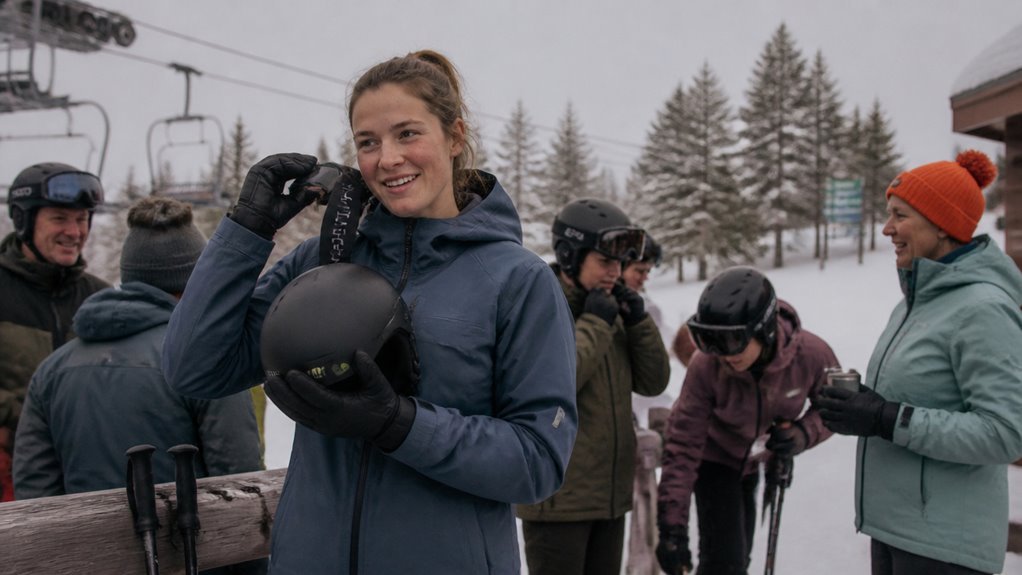
A ski helmet has one primary job: protecting your brain, but comfort determines whether you actually want to wear it all day.
Focus on five areas when choosing a MIPS model: safety certifications, the fit system, airflow, goggle compatibility, and build quality that lasts decades of chairlifts.
Safety certifications like ASTM F2040 or CE EN1077 tell you the shell meets impact standards, while MIPS reduces rotational forces during angled falls.
A good fit system, such as BOA or dial adjusters, lets you fine-tune pressure around your head so it stays snug without hot spots.
Check the vents for adjustable airflow, because too little makes you sweat like a sauna, and too much chills your forehead on cold mornings.
Pair the helmet with your goggles before buying, ensuring the brim sits flush and leaves no gap for wind or fog to creep in.
Look at the outer shell and liner materials: polycarbonate over EPS foam resists cracking, and a sturdy ratchet chin strap avoids that cheap plastic failure after a season.
Try on the helmet with a beanie or thin balaclava to match your actual skiing setup, then shake your head to confirm it doesn’t shift.
If the MIPS liner feels bulky or presses oddly, move on, because a mismatched fit defeats the safety tech’s purpose.
You want airflow that you can open for warm spring laps and close for icy lifts, without fumbling mittens on the trail.
Goggle clips should click securely and let you lift the visor for goggles-off breaks, which matters more than you think on powder days.
Durability shows in the hinges and buckles, so flex them in the store and avoid painted finishes that chip after a single tree branch graze.
Pick a matte shell over glossy one, because scratches show less and glare off the snow won’t bounce into your eyes.
Finally, set a budget that covers MIPS plus a real warranty, since a cheap knockoff saves money but costs more if it cracks on impact.
Follow these checks, and you will forget the helmet is there, focusing on the line instead of adjusting straps or wiping fog.
Safety Standards & MIPS
Before you hit the powder or plan that après-ski hot cocoa, sort out the safety basics first.
MIPS is not a certification; it is a low-friction layer that lets the helmet shell slide slightly on angled impacts, reducing rotational forces tied to brain injuries.
That is a smart extra, but it works alongside the core EPS foam, which absorbs straight-on hits, and you still need official certification.
Look for ASTM F 2040 in the US or CE EN 1077 in Europe; those are your baseline tests for impact and penetration resistance.
No certification, no buy. MIPS alone will not save you; it is the sidekick, not the main protection.
Grab a helmet that has both a valid cert and MIPS, and you are covered for oblique crashes, not just direct ones.
Do not overthink it: just check the sticker on the inside, and you are good to go.
Fit & Sizing Systems
Measure your head with a tape measure placed level, just above the ears, and note the number in centimeters. Most brands size helmets as Small (48–54 cm), Medium (54–58 cm), and Large (58–62 cm), so the overlap covers odd skull shapes without fuss.
The rear dial is where the real fit happens, letting you tighten or loosen in small clicks to kill pressure points while you carve. Some models skip the dial and use self-adjusting elastic bands that hug automatically, which feels like a firm, steady hold.
Vertical tuning changes the helmet’s tilt so it seals cleanly against your goggles with no gaps. That means no brow pressure and no fiddling with your gear mid-run.
Measure twice, adjust once, and you won’t end up with a bobblehead on the slopes. A proper fit system turns a good helmet into a great one, so test the dial and the band before you buy.
Ventilation & Airflow
With the fit locked in and your goggles sealed, your head’s next priority is temperature control. You’re chasing airflow, not just counting vents.
Most helmets have 8 to 16 vents; more vents mean better heat escape but also more cold air sneaking in. Look for adjustable venting you can flip with one gloved hand.
That gives you a quick thermostat for hard runs versus chilly lift rides. In-mold construction, where the shell fuses to the foam, moves air more efficiently than hard-shell designs.
Some vents are partially shielded, so you don’t freeze on wind-blasted descents. Prioritize vents that line up with your goggles’ top ports to push humid air away and stop fog before it starts.
You want control, not a greenhouse effect. Pick a helmet with glove-friendly toggles, and you’ll adjust comfort on the fly without stopping.
Goggle Compatibility
A good MIPS ski helmet can still fog up your goggles if the two aren’t designed to work together. Compatibility is the difference between seeing the run clearly and skiing blind.
Look for helmets with front vents that align directly over your goggle’s top vents. That setup channels warm, moist air away from the lens instead of trapping it.
A back-mounted strap retainer clip keeps your goggles locked in place during high-speed turns. You also want a fit system that adjusts vertically, so you can close the goggle gap in seconds.
A low-profile brim helps goggles sit flush against the helmet, keeping your peripheral vision open. Brand-matched combos are joint-tested, so you get a pressure-point-free fit without guesswork.
Try the helmet and goggles together before buying, because fit varies by head shape and goggle frame. Grab a pair designed to team up, or you’ll be paying for fog on the mountain later.
Construction & Durability
Construction tells you how a helmet handles the long game, and durability is about more than surviving a crash. It means not falling apart after thirty days of chairlifts and trunk storage.
You will see three main builds, and each balances weight, toughness, and price differently. In-mold helmets fuse a polycarbonate shell to EPS foam, which cuts weight but scuffs easier on rocks and chairlifts.
Hybrids put a hard-shell top over lighter in-mold sides, giving you abrasion resistance where you need it most. They are a solid pick for park riders who want both impact protection and a lighter feel.
Hard-shells use rugged ABS or PC over EPS, so they resist scuffs and dings the best, though they run heavier. Look for ASTM F 2040 or CE EN 1077 certs, because those marks mean the shell passed real impact tests, not just marketing claims.
For most skiers, a hybrid hits the sweet spot: tough where you need it, light where you don’t. My recommendation is a hybrid under $250 with reinforced vents, and you are set for full seasons, not just weekend trips.
Frequently Asked Questions
Can I Wear a Beanie Under My MIPS Helmet?
Yes, you can wear a beanie under a MIPS helmet, but it is a fit gamble that can compromise safety.
MIPS technology relies on a snug, stable shell to allow the low-friction layer to rotate on impact.
If you add a thick beanie, it lifts the helmet off your head and reduces that protective contact.
That space between your skull and the liner can actually increase rotation forces during a crash.
For skiers and snowboarders who already run their helmet at a tight fit, skip the beanie entirely.
Instead, choose a thin merino wool liner, which adds warmth without pushing the shell off alignment.
After you put your helmet on, do the shake test: nod hard and twist your head side to side.
If the helmet moves with your skin or wobbles, the beanie is too thick for safe use.
A stable MIPS helmet should stay locked in place even during aggressive carving or a hard fall.
You can also check for pressure points, because a bulky beanie creates hot spots and cold gaps.
The best winter setup for cold resort days is a balaclava or a fleece cap rated for under-helmet wear.
These options are designed specifically for ski helmet compatibility and breathability.
Remember, your dome is worth more than a style point on the lift line.
Do not sabotage modern protection just to show off a knit pom.
Bottom line for buyers: thin and technical works, bulky and fluffy does not.
When you shop for alpine gear, look for labels that say “helmet-friendly” or “low-profile” to guarantee a safe fit.
That way you keep your ears warm and your MIPS system functional on every powder run.
Always test the final combo at home before you commit to a full day on the mountain.
How Do I Clean the Liner After Heavy Use?
You’ll yank the liner out, and most MIPS helmets let you do it in seconds. Hand-wash it in lukewarm water with a dab of mild soap, like baby shampoo or a tech-wash.
Never machine-wash it; that crushes the foam and ruins the fit, which also voids the helmet’s safety rating. Rinse thoroughly until the water runs clear, then press out excess water with a clean towel.
Air-dry flat overnight, away from radiators or direct sun, so the adhesive layers stay intact. It’s a ten-minute job you’ll regret skipping when next season’s stink hits after a sweaty powder day.
Do it after every few heavy days, especially if you’re skiing in spring slush or wearing a balaclava underneath. For ski touring or backcountry laps, add a quick vinegar rinse to kill odor-causing bacteria before the soap wash.
Bottom line: gentle soak, air dry, done, and your liner will keep that snug, safe fit for hundreds of vertical feet. If you’re shopping for a new ski helmet or replacing a worn liner, look for removable, washable pads with anti-microbial treatment.
That small maintenance habit extends the life of your gear, protects your head, and keeps your resort days fresh, whether you’re carving groomers or dropping into the trees.
And remember, heavy use also means checking the outer shell for cracks and the straps for fraying, so you stay protected on every run.
Search for “how to clean ski helmet liner” or “best helmet care for MIPS” if you want more tips, but this routine covers 90% of what you need.
For rentals or demos, give the liner a quick wash between owners, and you’ll avoid that shared-gear funk entirely.
Keep your goggles, helmet vents, and chin strap dry too, since moisture trapped overnight breeds odor and weakens the materials.
One last pro move: store the liner loosely in a mesh bag during summer, not compressed in a gear bin, so the foam keeps its shape.
Next time you hit the slopes, you’ll slide into a fresh helmet that feels like new, and your head will thank you on those long chairlift rides.
That’s the whole trick: a little care after heavy use buys you years of safe, comfortable skiing, so don’t skip the rinse.
Will MIPS Protect Against Sideways Rotational Impacts Too?
MIPS is specifically engineered for sideways and rotational impacts, which are the most dangerous forces for your brain during a ski crash.
The low-friction layer allows your head to slide a few millimeters inside the helmet shell on angled hits, redirecting energy away from twisting your grey matter.
That means catching an edge in a mogul field, clipping a tree branch, or slamming sideways into a groomer at speed gets far less rotational torque transmitted to your skull.
You will still feel the impact, no helmet makes a crash feel like a pillow, but the difference is that MIPS reduces the shear strain that causes concussions and brain bleeds.
For pure sideways protection, a MIPS liner beats a standard hard-shell lid every time because standard foam only absorbs linear force, not the oblique spin.
If you are gliding through tight glades, carving icy steeps, or dropping into untouched powder, the added rotational damping is the single best safety upgrade you can make.
Skiers asking “does MIPS work for side impacts” should know that it was literally invented for this scenario, not just for straight-on collisions.
The technology was developed by neurosurgeons and biomechanical engineers to mimic the brain’s own protective fluid, giving your head a controlled slip zone.
When you are shopping for a new ski helmet, look for the yellow MIPS logo inside the liner, and pair it with a properly fitted chin strap for maximum retention.
Buyer intent phrases like “best MIPS ski helmet for trees” or “rotational impact helmet for off-piste” will lead you to models with thicker shells and multi-density foam.
If you want the ultimate protection for sideways tree strikes, choose a hybrid helmet that combines MIPS with an in-mold polycarbonate shell, which disperses the sliding energy even better.
For bump skiers and backcountry riders, this is not a luxury, it is a non-negotiable piece of gear that should sit on your head before your first run.
So yes, MIPS absolutely protects against sideways rotational impacts, and it does so better than any traditional helmet on the market today.
The verdict is clear: if you ski bumps, trees, or any terrain where a fall can twist your head, buy a MIPS-equipped helmet and you will be making the smartest purchase of the season.
Are These Helmets Safe for Use in Backcountry Skiing?
Yes, these helmets are safe for backcountry skiing. MIPS technology handles the twisted, high-impact falls you will face on variable snow, while the reinforced shells shrug off rock knocks and tree branch strikes.
But you are not skiing groomers here, so choose a model with vents you can open one-handed, like the Smith Vantage at 350 grams and $300. It is a top pick for uphill transitions and descent control, and it pairs well with ski touring bindings and lightweight backcountry skis.
Still, do not confuse a helmet with an avalanche airbag, because it is not your lifeline in a slide. Think of it as your head’s seatbelt, a critical layer of ski safety gear, not a substitute for a transceiver, probe, and shovel.
For touring, ski mountaineering, or sidecountry laps, this helmet gives you solid impact protection without weighing you down. The Vantage’s adjustable fit and breathable liner keep you comfortable during long skin tracks, and the goggle integration is seamless for storm days.
If you are buying for backcountry skiing, look for MIPS, a secure chin strap, and a shell that resists abrasion from rocks and ice. Pair it with an avalanche transceiver and take an AIARE course, because no helmet replaces smart route finding or rescue skills.
Bottom line: yes, these helmets are safe for touring, and they are a smart purchase for any skier who wants head protection on variable terrain. Just remember, the helmet guards your skull, but your beacon, probe, and shovel guard your future.
Can I Replace the Padding After It Wears Out?
Yeah, you can absolutely replace the padding once it wears out, and it’s a much smarter move than buying a whole new helmet.
You’re not swapping in generic aftermarket foams, though; you’ll need a manufacturer’s liner kit, which usually runs between $30 and $60.
That kit is a snug, exact fit, so it keeps the MIPS rotation system functioning exactly as intended.
If the outer shell has any cracks or deep gouges, don’t bother with a liner swap, because that means it’s time for a fresh helmet altogether.
For worn-out ear pads or a sweat-stinky interior after a long ski season, a fresh liner is the cheapest, most reliable fix on the market.
Just check your specific helmet model’s parts page on the brand’s site, order the matching liner, and you’re back on the slopes in under 15 minutes.
This matters most for resort skiers who ride 30+ days a year, since sweat and compression flatten foam faster than occasional weekend users.
If you’re shopping for a new helmet anyway, ask whether the brand sells replacement liners before you buy, because that extends the product’s life for years.
A good rule: replace the liner every two to three seasons, or immediately after any hard impact, even if the foam looks fine.
That keeps your head snug, your MIPS system aligned, and your goggle fit consistent, which is critical for visibility in flat light or powder days.
Don’t skip the cleaning steps either, because a liner that’s washed properly lasts longer and stays odor-free for the next 100 lifts.
And if you’re on a budget, buying a liner kit instead of a $200 new helmet is the smartest gear investment you’ll make this winter.