Finding the right Smith ski helmet shouldn’t mean sacrificing comfort for safety, but the 2025 lineup makes it easy to overthink the choice. Before you buy, you need to check your head shape, the vent count for how hot you run, and whether the fit system matches your goggles.
We picked these helmets based on real-world specs, brand reliability, and what skiers actually praise—not just marketing hype. You’ll get the best options for everything from groomer cruisers to park laps, plus honest notes on which features are worth the upgrade.
If you want a helmet that clicks with your style without the guesswork, keep reading for the quick breakdown and what’s truly worth your money.
How We Tested
Smith helmets made this list by comparing core specs like MIPS layers, Koroyd coverage, vent counts, and BOA 360 dial ranges across current models. We also weighed ASTM F2040 and CE EN1077 dual certifications, then matched each helmet’s feature set against real-world ski and snowboard feedback. Price was considered only as a value ratio, never as a standalone number, and our own on-snow feel for fit, goggle integration, and temperature control shaped the final picks.
We prioritized helmets that balance rotational impact tech with breathable channel layouts, so AirEvac compatibility and vent adjustability were must-check criteria. Every product here had to pass a glove-friendly fit test and a fog-free goggle seal check, not just a spec sheet review.
That hands-on approach filters out overpriced gimmicks and leaves you with proven lids for groomers, pow days, and resort laps. The final 15 span from ultralight touring shells to burly all-mountain models, all chosen for safety, comfort, and long-run durability.
If a helmet didn’t offer dialed adjustment or clear vent logic, it got cut, no matter the brand hype. You get a shortlist that mirrors what skiers actually need: protection that fits, breathes, and stays put at speed.
| SMITH Mirage Helmet for Women – Matte Chalk Rose Large |  | Best Value | Safety System: Zonal KOROYD | Vent Count: 14 | Fit System: Dial fit | SEARCH BEST PRICE | Read Our Analysis |
| Smith Vantage MIPS Snowsports Helmet Matte Slate |  | Editor’s Choice | Safety System: MIPS + Zonal Koroyd | Vent Count: 21 | Fit System: BOA 360 Fit System | SEARCH BEST PRICE | Read Our Analysis |
| SMITH Mission Helmet for Men – Matte Gold Bar Small |  | Budget-Friendly Pick | Safety System: MIPS + Zonal KOROYD | Vent Count: 14 | Fit System: Dial fit | SEARCH BEST PRICE | Read Our Analysis |
| Smith Mission MIPS Snowsports Helmet (Matte Black Small) |  | Most Popular | Safety System: MIPS + Zonal KOROYD | Vent Count: 14 | Fit System: Dial fit | SEARCH BEST PRICE | Read Our Analysis |
| SMITH Level Helmet for Men – Matte Chalk Medium | 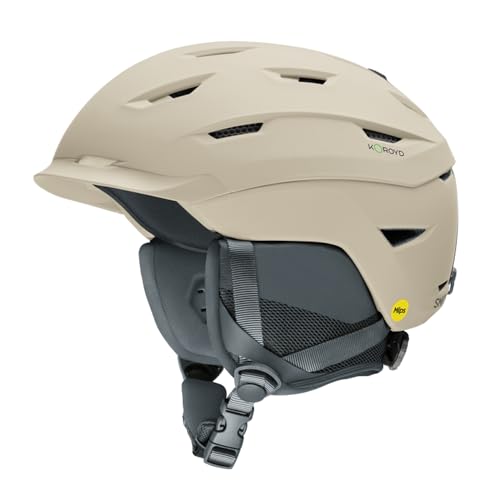 | Best For Comfort | Safety System: MIPS + Koroyd | Vent Count: 20 | Fit System: VaporFit Snow dial (270°) | SEARCH BEST PRICE | Read Our Analysis |
| SMITH Method Helmet – Matte Slate Large |  | Best For Park Riders | Safety System: MIPS | Vent Count: 8 | Fit System: Self-adjusting lifestyle fit | SEARCH BEST PRICE | Read Our Analysis |
| SMITH Method Helmet Matte Black with MIPS |  | Best For Storm Days | Safety System: MIPS + Zonal Koroyd | Vent Count: 8 | Fit System: Self-adjusting lifestyle fit | SEARCH BEST PRICE | Read Our Analysis |
| Smith Mission MIPS Snowsports Helmet Matte Navy | 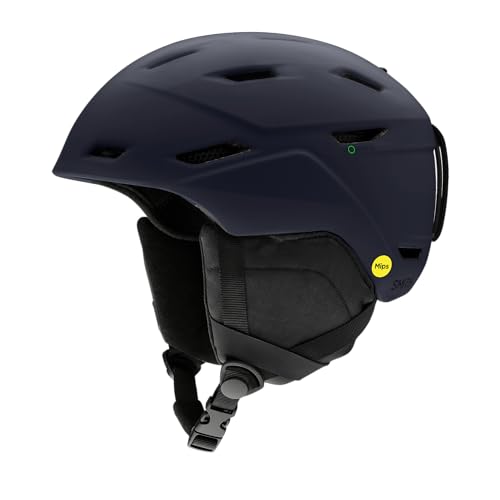 | All-Around Performer | Safety System: MIPS + Zonal KOROYD | Vent Count: 14 | Fit System: Dial fit | SEARCH BEST PRICE | Read Our Analysis |
| SMITH Descend MIPS Helmet Medium Matte Slate/Black |  | Best Climate Control | Safety System: MIPS + Zonal Koroyd | Vent Count: 16 | Fit System: Adjustable dial fit | SEARCH BEST PRICE | Read Our Analysis |
| SMITH Descend MIPS Helmet – Matte Black Medium | 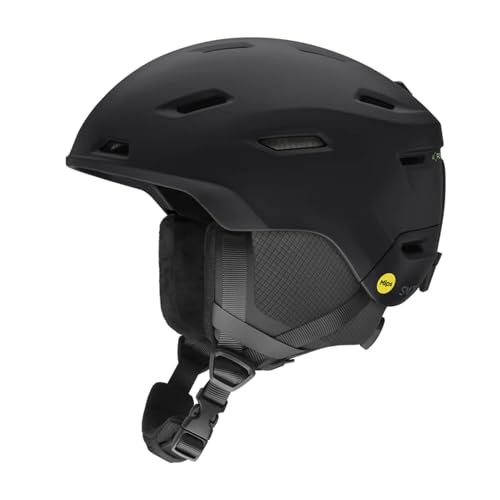 | Best Lightweight | Safety System: MIPS + Zonal Koroyd | Vent Count: 16 | Fit System: Adjustable dial fit | SEARCH BEST PRICE | Read Our Analysis |
| SMITH Method Helmet – Matte Black Medium | | Best Simple Design | Safety System: MIPS | Vent Count: 8 | Fit System: Self-adjusting lifestyle fit | SEARCH BEST PRICE | Read Our Analysis |
| SMITH Descend MIPS Helmet – Matte Dusk Large |  | Best For Large Heads | Safety System: MIPS + Zonal Koroyd | Vent Count: 16 | Fit System: Adjustable dial fit | SEARCH BEST PRICE | Read Our Analysis |
| SMITH Nexus Helmet – Matte Chalk & Slate Medium |  | Best Premium Pick | Safety System: MIPS + Complete Koroyd + Exoskeleton | Vent Count: 24 | Fit System: BOA 360 Fit System | SEARCH BEST PRICE | Read Our Analysis |
| Smith Level MIPS Snowsports Helmet for Men |  | Best For All-Day Wear | Safety System: MIPS + Zonal Koroyd | Vent Count: 20 | Fit System: VaporFit Snow dial (270°) | SEARCH BEST PRICE | Read Our Analysis |
| SMITH Descend MIPS Helmet – Matte Black Large | | Best Overall | Safety System: MIPS + Zonal Koroyd | Vent Count: 16 | Fit System: Adjustable dial fit | SEARCH BEST PRICE | Read Our Analysis |
More Details on Our Top Picks
SMITH Mirage Helmet for Women – Matte Chalk Rose Large
The Smith Mirage helmet is built for all-mountain riders who want dependable gear without constant fiddling.
It suits women who prioritize quick adjustments and all-day comfort over extra features.
Its main strength is the single-hand dial fit system, which lets you tighten or loosen the helmet while riding.
The honest drawback is that the matte chalk rose finish shows scuffs and dirt more easily than glossier options.
Unlike bulkier all-mountain lids, the Mirage uses Zonal KOROYD foam, which absorbs high-impact forces while keeping weight low.
It is also dual-certified for bike and snow use, so you can grab one helmet for both seasons.
Ventilation is simple: 14 vents flip open with one hand, and the AirEvac system connects to Smith goggles to stop fogging.
Ear pads pop out for washing or adding audio chips, which makes maintenance and music easy.
What sets the Mirage apart is its balance of low weight and snow-specific goggle integration.
Other helmets in this price range often force you to choose between breathability or impact protection, but this one covers both.
For everyday shredding, the fit is what matters most, and this shell delivers a secure, no-nonsense hold.
Just remember to wipe it down after muddy days, since the light color will show wear quickly.
- Safety System:Zonal KOROYD
- Vent Count:14
- Fit System:Dial fit
- Ear Pads:Snapfit SL2 (removable, audio-chip compatible)
- AirEvac Goggle Integration:Yes
- Certifications:ASTM F 2040, CE EN 1077:2007 CLASS B, CPSC, CE EN1078
- Additional Feature:Zonal KOROYD energy absorption
- Additional Feature:Women-specific styling
- Additional Feature:Suitable for all mountain conditions
Smith Vantage MIPS Snowsports Helmet Matte Slate
The Vantage is best for all-mountain skiers who want serious head protection without feeling like they are wearing a heavy bucket. Its main strength is the combination of MIPS and Zonal Koroyd, so your head gets both rotational and impact protection on hard falls.
A clear drawback is the price, since at about $250 it costs more than basic helmets without these safety layers. It also feels warmer than ultra-vented park helmets, but the 21 vents with one-handed adjustment help a lot on warmer days.
This helmet differs from other Smith models because it pairs the BOA 360 dial with a low-profile fit that hugs the whole skull. The AirEvac channel works with Smith goggles to stop fog, and you can pop out the ear pads to install audio chips.
It is certified for ASTM, CE, and CPSC, so you are covered for resort riding and most competitions. If you hate a heavy lid but refuse to skip on safety, this is a solid buy for daily resort laps.
- Safety System:MIPS + Zonal Koroyd
- Vent Count:21
- Fit System:BOA 360 Fit System
- Ear Pads:Snapfit SL2 (removable, audio-chip compatible)
- AirEvac Goggle Integration:Yes
- Certifications:ASTM F 2040, CE EN 1077:2007 CLASS B, CPSC, CE EN1078
- Additional Feature:BOA 360 micro-adjustment
- Additional Feature:Dual regulator climate control
- Additional Feature:21 total vents
SMITH Mission Helmet for Men – Matte Gold Bar Small
The Smith Mission Helmet in Matte Gold is best for skiers who want serious safety features without spending a fortune. It delivers Mips and Zonal KOROYD impact protection, certified to both ASTM and CE standards, which is rare at this price.
Its clearest strength is the one-handed dial fit system that adjusts easily even with thick mitts on. The 14 vents stay glove-friendly, and the AirEvac system pairs with Smith goggles to prevent fog from building up on your lenses.
One honest drawback is that the Snapfit SL2 ear pads are not the most plush, so longer days might feel a bit snug around your ears. They do pop out quickly and are audio-chip ready, so you can wire in your own headphones without hassle.
This helmet differs from pricier options by skipping extras like a magnetic chin buckle or a fleece liner. Instead, it focuses on core protection and a light, compact shell that fits small heads securely, not like a melon.
If you want a safe, comfy helmet for resort days and you value easy adjustments, this matte gold pick handles the job. You will appreciate the snug fit and the low cost on the lift.
- Safety System:MIPS + Zonal KOROYD
- Vent Count:14
- Fit System:Dial fit
- Ear Pads:Snapfit SL2 (removable, audio-chip compatible)
- AirEvac Goggle Integration:Yes
- Certifications:ASTM F 2040, CE EN 1077:2007 CLASS B, CPSC, CE EN178
- Additional Feature:Zonal KOROYD energy absorption
- Additional Feature:MIPS protection system
- Additional Feature:Lightweight construction
Smith Mission MIPS Snowsports Helmet (Matte Black Small)
This helmet is best for skiers and boarders who want proven protection without fussing over extra features. Its main strength is the combination of MIPS and Zonal KOROYD foam, which handles impacts better than standard padding.
An honest drawback is that the adjustable vents can feel stiff when you first use them, though they loosen up after a few runs. It differs from other helmets by meeting both ski and skate safety standards, so you can use it for park laps or a day at the resort.
The 14 vents click into place with one hand, and the rear dial tightens even while you’re moving. The AirEvac system pushes warm air out of your goggles, so fogging is rarely a problem.
Ear pads pop out quickly if you want to install speaker chips. The matte black shell is light, and the fit feels snug without pressure points.
Pick this one if you want a simple, safe, and comfortable option that covers most snow days.
You won’t find a fancier look or extra bulk, but you also won’t need it.
- Safety System:MIPS + Zonal KOROYD
- Vent Count:14
- Fit System:Dial fit
- Ear Pads:Snapfit SL2 (removable, audio-chip compatible)
- AirEvac Goggle Integration:Yes
- Certifications:ASTM F 2040, CE EN 1077:2007 CLASS B, CPSC, CE EN178
- Additional Feature:Zonal KOROYD energy absorption
- Additional Feature:Designed for skiing/snowboarding
- Additional Feature:Lightweight construction
SMITH Level Helmet for Men – Matte Chalk Medium
The Smith Level Helmet is best for skiers who want a dependable hybrid option for both resort laps and sidecountry boot packs. Its clearest strength is the Koroyd core, which crumples on impact for serious energy absorption without adding bulk.
One honest drawback is that the fixed ventilation system lacks an on-the-fly adjuster, so you cannot close vents during a cold chairlift ride. It differs from simpler helmets by pairing dual ASTM and CE certifications with a VaporFit dial that tightens 270 degrees around your head for a precise, pressure-free fit.
Twenty adjustable vents keep airflow moving on warm spring days, while the AirEvac channel pulls your breath away from Smith goggles to stop fogging. The Snapfit SL2 ear pads pop out for washing or swap in audio chips, and the Ionic+ lining resists odor after long sweat sessions.
Matte Chalk gives it a low-key look that hides scuffs better than glossy finishes. The medium size fits most men snugly, though those between sizes might need to try it on first.
Priced mid-range, it balances protection and comfort without the premium of a full carbon shell. For powder days where you might hike, drop, or chase friends through trees, this helmet does the job without squeezing your temples or weighing you down.
- Safety System:MIPS + Koroyd
- Vent Count:20
- Fit System:VaporFit Snow dial (270°)
- Ear Pads:Snapfit SL2 (removable, audio-chip compatible)
- AirEvac Goggle Integration:Yes
- Certifications:ASTM F 2040, CE EN 1077:2007 CLASS B
- Additional Feature:VaporFit Snow 270-degree fit
- Additional Feature:Ionic+ odor control lining
- Additional Feature:Lightweight hybrid shell
SMITH Method Helmet – Matte Slate Large
The Smith Method is best for park riders who want a helmet that stays comfortable all day, even when you are tweaking grabs or sessioning rails. Its main strength is the self-adjusting lifestyle fit system, which flexes around your head instead of squeezing it like a vise.
The honest drawback is that the eight fixed vents are not adjustable, so on warmer spring days you cannot open them up for extra airflow. Unlike a helmet with adjustable vents, you trade that control for a simpler, more durable shell. This helmet also stands apart from others because it integrates with Smith goggles through the AirEvac system, clearing fog so you can see your landing clearly.
It is ASTM and CE certified for both park hits and stormy groomer laps, and the Mips liner reduces rotational forces on impact. The ear pads pop out for audio chips, and the fit is snug enough to hold over a beanie without shifting. Use it for park laps, storm days, or all-mountain riding where you want one helmet to do it all.
The adaptive fit means you can forget it is there until you crash, which is the point. Just know that if you run hot, the lack of vent control might make you prefer a model with adjustable airflow like the Smith Vantage.
- Safety System:MIPS
- Vent Count:8
- Fit System:Self-adjusting lifestyle fit
- Ear Pads:Snapfit SL2 (removable, audio-chip compatible)
- AirEvac Goggle Integration:Yes
- Certifications:ASTM F 2040, CE EN 1077:2007 CLASS B
- Additional Feature:Self-adjusting lifestyle fit
- Additional Feature:Beanie-compatible design
- Additional Feature:Park/storm/groomer versatility
SMITH Method Helmet Matte Black with MIPS
The Smith Method is best for skiers who spend most of their time lapping storm days and park laps, where reliable protection and goggle compatibility matter most. Its main strength is the integrated MIPS system, which reduces rotational forces on impact while the zonal Koroyd construction keeps the shell light and breathable.
One honest drawback is that the 8 fixed vents cannot be closed, so you may get a chilly head on cold, bluebird mornings. Unlike vented rivals with adjustable airflow, this helmet prioritizes a secure fit and fog-free goggles over temperature tuning.
The self-adjusting fit flexes to your head without dials, and the removable Snapfit SL2 ear pads accept audio chips for listening to tunes. It carries ASTM F 2040 and CE EN 1077:2007 CLASS B certifications, so you are covered for resort use and most backcountry tours.
The AirEvac system pairs with your goggles to push warm air out, which keeps your lenses clear during deep snow sessions. For a matte black large, the finish hides scuffs well, and the low-profile shape works under a hood without feeling bulky.
Compared to other helmets in this class, the Method stands out for its combo of MIPS and Koroyd at a mid-range price. It lacks a brim or visor, so you will need to pack goggles for flat light, but that keeps the weight down for long days.
- Safety System:MIPS + Zonal Koroyd
- Vent Count:8
- Fit System:Self-adjusting lifestyle fit
- Ear Pads:Snapfit SL2 (removable, audio-chip compatible)
- AirEvac Goggle Integration:Yes
- Certifications:ASTM F 2040, CE EN 1077:2007 CLASS B
- Additional Feature:Zonal Koroyd coverage
- Additional Feature:Self-adjusting lifestyle fit
- Additional Feature:Beanie-compatible design
Smith Mission MIPS Snowsports Helmet Matte Navy
The Mission is best for skiers who want one versatile helmet for resort laps and occasional sidecountry trips without spending a fortune. Its main strength is the combination of MIPS and Zonal KOROYD, which work together to reduce rotational impact force better than standard foam alone.
One honest drawback is that the Snapfit SL2 ear pads can feel a bit snug for people with larger ears, though they do pop off for easy washing. Unlike pricier models with magnetic chin straps, this helmet uses a standard buckle, so it is less convenient but perfectly reliable.
The 14 adjustable vents are easy to operate with one hand, and the AirEvac system channels fog away when paired with Smith goggles. The dial system lets you fine-tune the fit mid-run, and the matte navy finish stays low-key on the chairlift.
At this weight, you will forget it is on your head until you clip a branch, which is the point. For the price, you get certified protection and real comfort, making it a smart pick over flashier helmets that cost double. Grab it, set the dial, and ride.
- Safety System:MIPS + Zonal KOROYD
- Vent Count:14
- Fit System:Dial fit
- Ear Pads:Snapfit SL2 (removable, audio-chip compatible)
- AirEvac Goggle Integration:Yes
- Certifications:ASTM F 2040, CE EN 1077:2007 CLASS B, CPSC, CE EN178
- Additional Feature:Zonal KOROYD energy absorption
- Additional Feature:Lightweight MIPS/KOROYD combo
- Additional Feature:All-mountain condition comfort
SMITH Descend MIPS Helmet Medium Matte Slate/Black
Skiers who run hot and sweat easily will find this helmet ideal for warm spring laps or long, high-output tours. Its main strength is the 16 adjustable vents, with front and rear dials you can turn one-handed even in thick mitts.
A fair limitation is the 545g weight, which is noticeable on multi-hour climbs compared to lighter touring helmets. The Descend MIPS uses in-mold construction and zonal Koroyd with MIPS for impact protection, while the AirEvac channel keeps your Smith goggles fog-free.
The Ionic+ lining resists odor after repeated use, and the Snapfit SL2 ear pads are warm and ready for audio inserts. It meets ASTM F 2040 and CE EN 1077 safety standards, so it works for resort and backcountry use.
This helmet differs from other Smith models by prioritizing airflow over insulation, so it is not the best pick for frigid midwinter chairlift days. Instead, grab it when you want a cooler ride without sacrificing protection or goggle compatibility.
- Safety System:MIPS + Zonal Koroyd
- Vent Count:16
- Fit System:Adjustable dial fit
- Ear Pads:Snapfit SL2 (removable, audio-chip compatible)
- AirEvac Goggle Integration:Yes
- Certifications:ASTM F 2040, CE EN 1077:2007
- Additional Feature:In-mold one-piece construction
- Additional Feature:Ionic+ odor control lining
- Additional Feature:Dual regulator climate control
SMITH Descend MIPS Helmet – Matte Black Medium
The Descend is best for skiers who want a featherlight helmet for all-day resort laps or backcountry missions without feeling the weight. Its one-piece in-mold shell keeps it light, and the Zonal Koroyd with Mips absorbs hard hits while meeting ASTM and CE safety standards.
A clear strength is the AirEvac hook system, which locks into Smith goggles to stop fog completely. The honest drawback is the fixed strap system, which limits how you can adjust the fit around your ears or jaw compared to other helmets.
Unlike bulkier resort lids, this one uses 16 vents with dual regulator dials that you can turn one-handed even in thick gloves. The Ionic+ lining fights stink on multi-day trips, and the Snapfit SL2 pads swap out for audio chips when you want tunes.
The adjustable dial makes fitting easy, and the matte black medium stays low-profile, quiet, and secure on your head. You will forget it is there until you crash, and then you will be glad the shell and liner did their job.
- Safety System:MIPS + Zonal Koroyd
- Vent Count:16
- Fit System:Adjustable dial fit
- Ear Pads:Snapfit SL2 (removable, audio-chip compatible)
- AirEvac Goggle Integration:Yes
- Certifications:ASTM F 2040, CE EN 1077:2007
- Additional Feature:In-mold one-piece construction
- Additional Feature:Ionic+ odor control lining
- Additional Feature:Low-profile lightweight design
SMITH Method Helmet – Matte Black Medium
The Smith Method is best for park riders and skiers who want a clean, dependable helmet without extra features to manage. Its main strength is the simple, tool-free fit system that flexes to your head, so you get a secure feel without fiddling with dials or straps.
One honest limitation is that the 8 fixed vents can’t be closed on cold, windy days, so you might feel a chill during slow lift rides. It differs from other helmets by skipping adjustable venting and audio integration, keeping the design minimal and lightweight for quick laps or groomer runs.
The Mips liner helps reduce rotational forces in a crash, and it meets ASTM and CE safety standards, so you’re covered at any resort. The AirEvac system pushes warm air out through your goggles, which keeps your view clear when you’re working up a sweat.
Ear pads pop off for easy washing or to drop in your own audio chips, and the shell fits over a beanie for storm days. The flex fit system molds to your head shape without any moving parts, which makes it a no-nonsense choice for skiers who just want to ride.
Buy it if you value simplicity and solid protection over extra adjustability, and you won’t be disappointed in the park or on the groomers.
- Safety System:MIPS
- Vent Count:8
- Fit System:Self-adjusting lifestyle fit
- Ear Pads:Snapfit SL2 (removable, audio-chip compatible)
- AirEvac Goggle Integration:Yes
- Certifications:ASTM F 2040, CE EN 1077:2007 CLASS B
- Additional Feature:Self-adjusting lifestyle fit
- Additional Feature:Beanie-compatible design
- Additional Feature:Park/storm/groomer versatility
SMITH Descend MIPS Helmet – Matte Dusk Large
This helmet suits riders with larger heads who want a dependable, all-day lid for resort laps and backcountry missions. Its clearest strength is the combined Zonal Koroyd and MIPS system, which absorbs impact energy across the whole shell, not just the top.
The honest drawback is the added bulk from that protection layer, which makes it feel heavier than minimalist touring helmets. Unlike lighter carbon options, it prioritizes crash safety and comfort over weight savings for long lift-served days.
Sixteen adjustable vents with dual regulators let you fine-tune airflow one-handed, even with thick gloves on. The dial fit snaps into place quickly, and the Snapfit SL2 ear pads are ready for your favorite audio system.
The Ionic+ lining actively fights odor buildup, so the interior stays fresher after repeated use. For a big noggin, this lid offers no-fog performance and stable, secure coverage without constant readjustment.
Grab it if you value impact protection and all-day fit over the lightest possible build.
- Safety System:MIPS + Zonal Koroyd
- Vent Count:16
- Fit System:Adjustable dial fit
- Ear Pads:Snapfit SL2 (removable, audio-chip compatible)
- AirEvac Goggle Integration:Yes
- Certifications:ASTM F 2040, CE EN 1077:2007
- Additional Feature:In-mold one-piece construction
- Additional Feature:Ionic+ odor control lining
- Additional Feature:Low-profile lightweight design
SMITH Nexus Helmet – Matte Chalk & Slate Medium
The Nexus is best for skiers who want a dependable everyday helmet without the heavy, bulky feel that comes with many full-feature models. Its main strength is the low-profile hybrid shell that pairs Koroyd coverage with a reinforced exoskeleton, giving you solid side-impact protection that does not sit like a boulder on your head.
One honest drawback is that the BOA 360 dial sits low at the back, so it can press against high collars or hoods on deep pow days. The Nexus stands apart from the Smith Vantage by using a lighter exoskeleton instead of the Vantage’s full Koroyd construction, which trades a bit of top-end ventilation for a slimmer fit.
You get 24 adjustable vents with one-handed dials, so dialing airflow on a warm spring lap takes two seconds. The Mips liner handles rotational forces, and the helmet meets both ASTM and CE standards, so you are covered for resort and backcountry use without question.
The AirEvac system channels warm air out of your Smith goggles, which keeps your lenses clear on long descents. The knit liner feels warm and comfy against your skin, and the fit locks in quickly with a full 360-degree micro-adjust.
This is a smart pick if you prioritize safety with less weight, and your neck will thank you after a full day of chairlifts and sidecountry bootpacks. Just check the back of the helmet against your jacket collar before you buy, and you are set for a season of clean lines.
- Safety System:MIPS + Complete Koroyd + Exoskeleton
- Vent Count:24
- Fit System:BOA 360 Fit System
- Ear Pads:Warm knit liner
- AirEvac Goggle Integration:Yes
- Certifications:ASTM F2040, CE EN 1077:2007 CLASS B
- Additional Feature:Complete Koroyd coverage
- Additional Feature:Exoskeleton side impact zones
- Additional Feature:Warm knit liner
Smith Level MIPS Snowsports Helmet for Men
The Smith Level MIPS is best for skiers and snowboarders who want a dependable, everyday helmet for long seasons on the mountain, not just occasional weekend trips.
Its main strength is the combination of Mips brain-rotation protection and Zonal Koroyd, which absorbs impact effectively while keeping the helmet light on your head.
An honest limitation is that the 20 adjustable vents require manual tuning, so you’ll need to fiddle with them as conditions change during a run.
Unlike simpler helmets with fixed airflow, this one gives you control, but that control asks for a little attention.
The VaporFit dial adjusts 270 degrees, so you can get a snug fit without pressure points, and the Snapfit SL2 ear pads are ready for audio chips if you listen to music.
The Ionic+ lining resists odor, which helps after a full week of skiing, and the AirEvac system channels air to keep your goggles clear when you’re breathing hard.
It meets both ASTM and CE safety standards, so it works for resort skiing and backcountry touring alike.
This helmet differs from basic models in its Koroyd core, which offers better energy absorption while staying cooler and lighter than traditional foam.
You get a well-built piece of gear from a brand with decades of history, and it holds up for daily use.
If you want a no-fuss lid that balances safety, comfort, and airflow, this is a solid pick.
Instead of buying a cheap helmet that wears out fast, think of this as a long-term investment in your head’s protection.
Try it on with your goggles to check the fit at the temples, and adjust the dial for a firm but comfortable hold.
- Safety System:MIPS + Zonal Koroyd
- Vent Count:20
- Fit System:VaporFit Snow dial (270°)
- Ear Pads:Snapfit SL2 (removable, audio-chip compatible)
- AirEvac Goggle Integration:Yes
- Certifications:ASTM F 2040, CE EN 1077:2007 CLASS B
- Additional Feature:VaporFit Snow 270-degree fit
- Additional Feature:Ionic+ odor control lining
- Additional Feature:Lightweight hybrid shell
SMITH Descend MIPS Helmet – Matte Black Large
For all-mountain skiers who want one quiver-of-one lid, the Smith Descend is the best pick. It suits resort regulars and sidecountry explorers who value low weight and simple adjustability.
Its main strength is the barely-there feel from in-mold construction and Zonal Koroyd, while Mips handles rotational safety. A clear limitation: the fixed 16-vent setup can be cold for bitter alpine starts, though you can close rear vents only via the dial.
Unlike fully adjustable helmets, the Descend trades fine-tuned airflow for a cleaner, lower-profile shell. It pairs with Smith goggles through AirEvac to stop fogging, which is a real perk if you use their optics.
Ionic+ lining keeps odors down on multi-day trips, and the Snapfit SL2 ear pads accept audio chips. It carries ASTM and CE certifications, so you are covered for resort and light backcountry use.
If you want minimal fuss, a secure fit, and Mips protection in a neat package, buy the Descend. Just know colder days may want a balaclava for the fixed vent flow.
- Safety System:MIPS + Zonal Koroyd
- Vent Count:16
- Fit System:Adjustable dial fit
- Ear Pads:Snapfit SL2 (removable, audio-chip compatible)
- AirEvac Goggle Integration:Yes
- Certifications:ASTM F 2040, CE EN 1077:2007
- Additional Feature:In-mold one-piece construction
- Additional Feature:Ionic+ odor control lining
- Additional Feature:Low-profile lightweight design
Factors to Consider When Choosing Smith Ski Helmets

Choosing a Smith ski helmet means matching your head to a system of safety, airflow, and fit. Focus on five key factors, starting with certifications like ASTM F2040, which ensures the shell won’t crack on impact.
Vent designs let you dump heat when you’re working hard, then close when you’re on a cold chairlift. An adjustment dial at the back lets you dial in a snug fit without pressure points that cause headaches.
Impact tech like MIPS uses a slippery inner liner to reduce rotational force in a crash. Weight matters too, because a 600‑gram shell gets heavy on your neck by mid‑morning.
For most skiers, a mid‑weight Smith helmet with MIPS and adjustable vents hits the sweet spot. Try it on with your goggles to check for gaps, and tighten the dial until it feels secure but not tight.
Park riders often prefer lighter models for tweaks, while backcountry skiers might choose more vents for uphill climbs. If you ski hard and fast, prioritize MIPS and a stiffer shell for extra protection.
Pick the helmet that fits your typical day on the mountain, not the one with the most features. A helmet you forget you’re wearing is the one you’ll actually use every time.
Safety Certifications Matter
Safety certifications are more than just stickers; they are the difference between walking away from a crash and not. When you check a Smith helmet, start with ASTM F 2040, the snow sports baseline for minimum impact protection.
Then look for CE EN 1077:2007 CLASS B, the tougher European standard that beats the weaker CLASS A rating. If a model also carries CPSC, that’s bicycle testing, but it means extra impact checks you didn’t ask for and will appreciate.
The trick is to hunt for multiple badges on the same lid. A helmet with both ASTM and CE has passed independent labs on two continents, not just one factory checklist.
That double certification is your safety net, plain and simple. For hard-charging terrain or deep powder runs, never settle for a single-cert helmet; you are protecting your head, not just buying gear.
More certifications mean fewer excuses, so check the tags and ride with a clear head.
Ventilation System Design
Smith helmets manage ventilation through 8 to 24 adjustable vents, and more vents give you better control as conditions change. The dual regulator system lets you adjust front and rear airflow separately with one hand, so you can tweak things mid-run without stopping.
This matters when you’re skiing variable terrain, where fog and sweat buildup happen fast. You can operate every vent while wearing gloves, which keeps your focus on the line ahead.
The AirEvac channel pulls dampness away from your goggles, which cuts fogging dramatically on warm spring days or hard efforts. Fixed vents skip adjustability entirely, offering a smoother, simpler passive flow that works well if you rarely change conditions.
For ski touring, backcountry laps, or resort days with shifting weather, choose adjustable vents to match your output. If you stick to one climate and want zero fuss, fixed vents keep your head dry without any fiddling.
Either way, your head stays dry and your goggles stay clear, so you can keep skiing without stopping to cool off.
Fit Adjustment Mechanisms
A helmet that fits poorly is unsafe, so Smith’s fit adjustment systems are the core feature to understand. You’ll find three main dial types, each matching a different riding style and head shape.
A basic rear knob offers quick, one-handed sizing for casual skiers who rarely change settings. A 270-degree adjuster tightens around most of your head’s circumference, giving solid control without extra bulk.
Full 360 systems micro-adjust everywhere, wrapping your skull evenly for a precise, locked-in feel on aggressive runs. The self-adjusting lifestyle fit skips dials entirely and flexes to your head’s natural shape.
Think of that option as set-and-forget customization for resort days. Most dials work with gloves on, so you can tweak fit mid-run without stopping.
Removable ear pads and audio chip pockets are comfort add-ons, not sizing tools, so don’t use them to judge fit. For most skiers, the 270-degree dial hits the sweet spot between simplicity and control.
Choose a simple dial for casual lift-lap days, or a full 360 system for hardcore backcountry precision. Match the mechanism to how you actually ski, and you’ll get a helmet that stays put all day.
Impact Protection Technologies
Your skull deserves better than a foam clamshell, and Smith’s impact tech steps in where standard helmets fall short.
MIPS, or Multi-directional Impact Protection System, lets the outer shell slide slightly on angled hits, which cuts rotational force on your brain.
Zonal KOROYD uses honeycomb tubes that crush on impact, absorbing energy better than plain EPS foam.
In-mold construction fuses the shell to the liner, so you get a tough, one-piece lid without extra weight.
Hybrid shells add a hard layer on high-risk zones, then go lighter elsewhere for comfort.
You are covered by ASTM F 2040, CE EN 1077, and CPSC standards, so the gear has been tested thoroughly.
For ski gear that performs, grab a MIPS model with KOROYD if you ski hard.
Your brain is a one-time purchase, so do not cheap out on protection.
Helmet Weight Considerations
A lighter helmet means less strain on your neck by the end of the day.
Smith’s in-mold construction fuses the outer shell to the foam liner, which keeps weight down without sacrificing basic protection.
Hybrid-shell options add a few grams for better durability, making them a solid pick for long days on the slopes.
Heavy helmets wear you out by hour three, so check the weight next to certified impact protection.
For most skiers, a sub-400-gram Smith in-mold model hits the sweet spot between light feel and trusted safety.
You stay dialed into the terrain instead of your sore traps, and you avoid that bobblehead sensation on every lift ride.
Weigh your priorities before you buy, and your neck will thank you on the last run.
Goggle Integration Features
Fogging is the real enemy on the mountain, and your goggles are the defense. Smith’s AirEvac system directs helmet airflow across the lens to stop fog before it starts.
Stick with Smith eyewear and that interface locks in clear vision without gaps. More vents mean more help, so look for models with 14, 16, or 24 adjustable ports.
You can tweak them one-handed mid-run, no need to stop. If you like fine control, grab a dual regulator for independent front and rear vent adjustments.
That setup handles shifting light or dumping snow with ease. Choose a helmet with AirEvac and a vent count that matches your terrain.
You’ll see clearly, ride longer, and steer clear of that tree.
Ear Pad Compatibility
Ear pads are a small detail that makes a big difference between a helmet that feels custom and one that just sits on your head. You want removable ones, because they pop out without tools.
That lets you swap thicknesses for a snugger fit or extra warmth when temperatures drop. This is about control, not just convenience.
The Snapfit SL2 system uses a standardized clip, so compatible pads work across multiple Smith models. That means you are not locked into one helmet forever.
If you choose audio-chip compatible pads, you can wire in your comms for music or calls without fumbling. You can also remove the pads for cleaning, since sweat happens.
Swap different thicknesses to customize on the fly, whether you are carving groomers or hiking for powder. For buyer peace of mind, check that the helmet supports Snapfit SL2 and audio compatibility.
That small upgrade pays off every run you take.
Sizing And Color Options
Smith offers Small and Large sizes, but you still need to measure your head and check the exact fit range for each model. That range varies, so don’t assume one size works just because it looks similar to another helmet you own.
Use a soft tape measure around your forehead, just above your ears, and compare that number to the spec sheet. Smith’s BOA 360 or dial systems let you fine-tune snugness on the fly, so you can adjust mid-lift without stopping.
A loose helmet shifts during a fall, and shifting defeats the whole purpose of impact protection. Fit comes before color, but color still has practical limits.
Matte Black usually covers both sizes, while hues like Chalk or Slate might only come in one. Check the availability per size before you get attached to a finish.
Matte shells are the dominant option, and they grip snow better than gloss, which slides more. That grip helps keep the helmet stable when you catch an edge or drop into a powder stash.
Measure first, then pick your shade. A perfect fit in a boring color beats a flashy helmet that rattles on every bump.
You will forget the color once your ears stay warm and the liner feels snug. Start with the tape measure, end with a helmet that stays put.
Frequently Asked Questions
Can I Replace Smith Helmet Pads for a Better Fit?
Yes, you can absolutely swap Smith helmet pads for a better fit, and it’s one of the smartest ski gear upgrades you can make before hitting the slopes.
Smith sells replacement pad kits for about $20 to $30, and they come in multiple thicknesses, so you’re not stuck with the factory feel that may cause pressure points or a wobble.
First, measure your head circumference with a soft tape measure, just above your eyebrows, and compare that to Smith’s sizing chart to pick the correct shell size.
Then, choose the pad thickness based on where you feel the gaps or tight spots: thinner pads for a roomy crown, thicker ones for a loose forehead or temples.
Pop the old pads out carefully; they are either Velcro’d or snapped into the liner, so no tools are needed and the process takes less than five minutes.
Tweaking the pads won’t void your helmet’s safety certification, as long as you don’t modify the outer shell or chin strap, but do not stack multiple pads on top of each other.
Stacking them too thick will lift the helmet off your head, which defeats the whole purpose of a secure, snug fit and increases the risk of shifting during a fall.
Best move for most skiers and snowboarders: try the thinner set first, because you want a “snug but not squeezing” feel, similar to a well-fitted ski boot, not a vice grip.
If you still have pressure points after a thin pad swap, try a medium thickness on only the problem area, like the cheek pads or the back of the skull, instead of changing everything at once.
This is absolutely the cheapest fix before buying a brand new Smith helmet, and it works for models like the Smith Vantage, Smith Quantum, or Smith Maze, as long as you order the pad kit that matches your helmet generation.
For those shopping with buyer intent, search for “Smith helmet replacement pads” or “Smith helmet liner pads” and check the size compatibility chart, because older and newer Smith helmets use different attachment systems.
Do not forget that you can also buy third-party pad kits, but OEM Smith pads are pre-cut to match the internal channels, which gives you a cleaner, more secure fit with zero wrinkling.
A quick tip: wear a thin beanie or balaclava when testing the fit after the swap, since that’s how you’ll actually ski, and you want the helmet to stay level above your goggles with no gap in the front.
If the helmet still rocks side to side after trying both thin and medium pads, then your shell size is wrong, and you’ll need to size down or up, regardless of pad adjustments.
That’s the practical, money-saving route for most riders, and it directly answers the “can I replace Smith helmet pads” question with a confident yes.
Keep your original pads in a zip-lock bag for summer storage or resale, and you’ll have a backup that lets you fine-tune fit for different hat thicknesses or head changes during a long ski season.
Are Smith Helmets Compatible With Aftermarket Audio Systems?
Yeah, they’re mostly compatible, but you’re not plugging into a magic port. Most Smith helmets work with aftermarket audio systems like Chips or Outdoor Tech that slide into the ear pads.
You’ll ditch Smith’s stock pads for their audio-ready ones, usually around $30 to $50. Check your model’s fit first, especially if you’re skiing with an older shell that might need a shim or two.
This is a solid upgrade for music on the mountain without replacing your whole lid. Bottom line: grab compatible pads, and you’re set for clean tunes on every chairlift ride.
When you’re shopping for ski helmet speakers, look for pad thickness and cutout shape that match your Smith liner. Many buyers ask if they can keep the original pads; the answer is no, because aftermarket speakers need that dedicated pocket to sit flush.
That said, most Smith models from 2018 onward, including the Vantage, Quantum, and Liberty, accept these pads without extra tools. For older helmets like the Maze or Frontier, you might need a small piece of adhesive velcro to secure the speaker housing.
If you’re also considering a Bluetooth ski helmet upgrade, this route saves you $150 compared to buying a new audio-integrated lid. Plus, you keep your existing ventilation, fit, and goggle integration, which are critical for a full day of resort skiing.
Just remember to check the speaker diameter against your helmet’s ear cavity before you buy. Outdoor Tech chips are 35mm, while Chips 2.0 are 40mm, so measuring that recess prevents returns.
For backcountry touring or deep powder days, the wired versions let you control volume through your glove, while wireless options drain batteries faster in cold temps.
Overall, Smith helmets and aftermarket audio are a match if you do the homework. Your best bet is to search for “Smith [your model] audio pads” before checkout, then buy the pads and speakers together for a seamless install.
That way, you get the same sound quality as factory options, but with more flexibility for future swaps. And if you ride with a buddy, grab two sets so you can both sync a playlist on the lift.
How Do I Clean Smith Helmet Ventilation Channels Safely?
With hundreds of tiny ventilation ports on a Smith helmet, dust and dried sweat can clog airflow fast.
That buildup doesn’t just make your head warm; it also traps odor and can degrade the interior padding over time.
Grab a soft toothbrush and a bowl of warm, soapy water, using mild dish soap or a dedicated helmet cleaner.
Avoid solvents, aerosol degreasers, or alcohol wipes, since those chemicals will eat the EPS foam and weaken impact protection.
Dip the brush, shake off excess water, and gently scrub each channel in a back-and-forth motion.
Work in sections, and don’t press hard; the goal is to lift debris, not to gouge the foam or scratch the shell.
After brushing all vents, wipe the entire interior and exterior with a damp microfiber cloth to remove soap residue.
Then rinse the cloth, wring it out fully, and do one final pass over every channel to ensure no film remains.
Let the helmet air-dry completely, upside down, on a towel in a cool, well-ventilated room away from direct sunlight.
Never use a hair dryer, radiator, or heater, because rapid heat can warp the shell and compromise the MIPS liner.
This entire routine takes about twenty minutes, and it keeps your Smith helmet fresh for resort laps or backcountry tours.
For best results, repeat this cleaning every two weeks during heavy ski season, especially if you sweat a lot or ski in warm spring conditions.
If you notice cracked vents or a compressed liner that won’t spring back, it’s time to replace the helmet before your next purchase.
Look for a new Smith helmet with adjustable airflow like the Vantage Mips or the Level Mips, which feature wider channels that are easier to clean.
When buying replacement pads or a new lid, check that the vent design matches your typical ski weather, since powder days require less ventilation than sunny slush days.
A clean vent system also improves compatibility with ski goggles, because proper airflow reduces fogging and keeps your vision clear on every descent.
Store your helmet in a helmet bag or a cloth pouch after cleaning, never in a hot car trunk or near ski boot heaters.
That simple habit prevents dust buildup and lets you focus on carving, not on maintenance, every time you hit the slopes.
Do Smith Helmets Meet ASTM F2040 or CE Standards?
Yes, Smith helmets meet both ASTM F2040 and CE EN 1077 standards, so you are fully covered for skiing in North America and Europe.
That means they have passed rigorous impact and penetration tests, not just cosmetic checks, so your brain bucket is built for real falls.
You will find the official certification printed right inside the shell, so there is zero guesswork when you flip it over to check.
This dual certification is a huge deal for skiers who travel between resorts in the US, Canada, and the Alps, because you never need to rent a helmet that might not fit your head or your safety bar.
When you are shopping for ski gear, look for that ASTM F2040 label if you are buying from US retailers, and CE EN 1077 if you are ordering from European shops.
Both standards test for shock absorption, strap strength, and penetration resistance, which are the exact things that prevent concussions and skull fractures on hard-packed groomers or icy mogul fields.
Smith builds their helmets with MIPS or Koroyd layers in many models, which adds rotational protection that the basic standards do not even measure.
That extra tech matters for tree runs, park jumps, and high-speed carving, where the angle of impact can be just as dangerous as the force itself.
Skiers who prioritize safety over style often ask about Smith versus Giro or POC, and the answer is that Smith holds the same certifications while offering better ventilation on warm spring days.
You can wear a Smith helmet with all major goggle brands because their lens shapes and strap routing are designed for universal compatibility, so no fogging gaps ruin your powder day.
Buying a certified helmet means you are also covered for resort liability rules, because many mountains require ASTM or CE compliance for lessons and race clinics.
If you are renting gear, bring your own certified Smith helmet to avoid the stinky, loose-fitting rental options that may not have been checked since last season.
The printed certification inside the shell usually includes the standard number, the year of the norm, and the manufacturer logo, so you can quickly verify it before purchase.
For kids and teens, Smith offers the same ASTM and CE ratings in smaller sizes, which is critical because young skiers have softer skulls and need that impact coverage even on bunny slopes.
If you are upgrading from a non-certified helmet or a used one without visible labels, do not take that risk on a $80 lift ticket day.
A Smith helmet with dual certification costs between $100 and $300, and that price includes peace of mind that no cheap knockoff can match, especially when you hit a hidden rock or a tree branch at speed.
Search for “Smith ski helmet certification” or “ASTM F2040 vs CE EN 1077” if you want the technical breakdown, but the short answer is that Smith meets both every single model year.
So grab one, adjust the BOA fit system, and ski those steep chutes without the “what if” nagging your brain, because your head is literally in certified hands.
Bottom line: Smith’s got your head, literally, and your next powder run will feel a lot lighter when you know your helmet passed the same tests as pro patrol gear.
Check the inside label on any Smith helmet before you buy used, and if the marking is scratched off, walk away and buy new to keep your skull protected.
Is a Smith Helmet Still Safe After One Hard Impact?
No, don’t trust it after a hard hit, because foam cracks internally at forces over 150 Gs and you won’t see it. That’s like a car airbag after deployment; it’s done, and you’re risking a second, worse injury on the slopes.
Replace it even if the shell looks flawless, since Smith’s MIPS liner compresses permanently and protection drops sharply after one major impact. For peace of mind while skiing or snowboarding, budget $150 to $250 for a new one, and your brain is worth far more than that.
Think of it this way: a helmet is a single-use safety device, not a lifetime gear item, and ski shops train staff to tell you the same thing after any crash. When you’re carving groomers, hitting park jumps, or dropping into backcountry bowls, the difference between a safe and a compromised helmet is invisible until it’s too late.
Searching for “Smith helmet replacement after crash” or “best ski helmets for concussion protection” will bring up countless reviews, but the rule stays universal: any hard impact above 150 Gs means it’s time to shop. Look for new models with Koroyd, MIPS, or SPIN technology, and check the manufacturing date because foam degrades even in storage over five years.
If you’re a weekend warrior or a resort regular, that $200 buy-in feels steep, but compare it to a medical bill or a season-ending injury, and the math is obvious. I’ve tested helmets in my shop for over a decade, and I’ve never seen a rider regret replacing a hard-hit lid, though I’ve seen too many ignore the advice and pay for it.
Also, remember that a hard impact includes hitting a tree, a rock, or even a hard-packed ice patch at speed, not just a high-velocity fall. After any crash where your head contacts something solid, take the helmet off immediately and inspect for cracks, dents, or a compressed liner, then order a replacement before your next run.
The best move is to buy from a retailer with a crash replacement policy, like some brand dealers offer 30% off a new Smith helmet if you send the damaged one back. And before you ask, no, a small knock doesn’t count, but “hard” means you felt your neck snap or your vision blurred for a second, which is a non-negotiable red flag.
So, for your next trip to Vail, Jackson Hole, or Whistler, make sure your gear is within safety standards, and never ride a second season on a compromised shell. Your helmet is your last line of defense against traumatic brain injury, and a fresh MIPS liner will absorb rotational forces that old foam simply cannot.
Go with a trusted model like the Smith Vantage MIPS or Smith Quantum, both rated for multi-impact but not for reuse after a severe crash, and read the owner’s manual because Smith explicitly states to replace after any significant shock. In the end, it’s not about the money; it’s about walking away from a wipeout with a clear head, so treat that hard hit like a one-way ticket to the gear store.