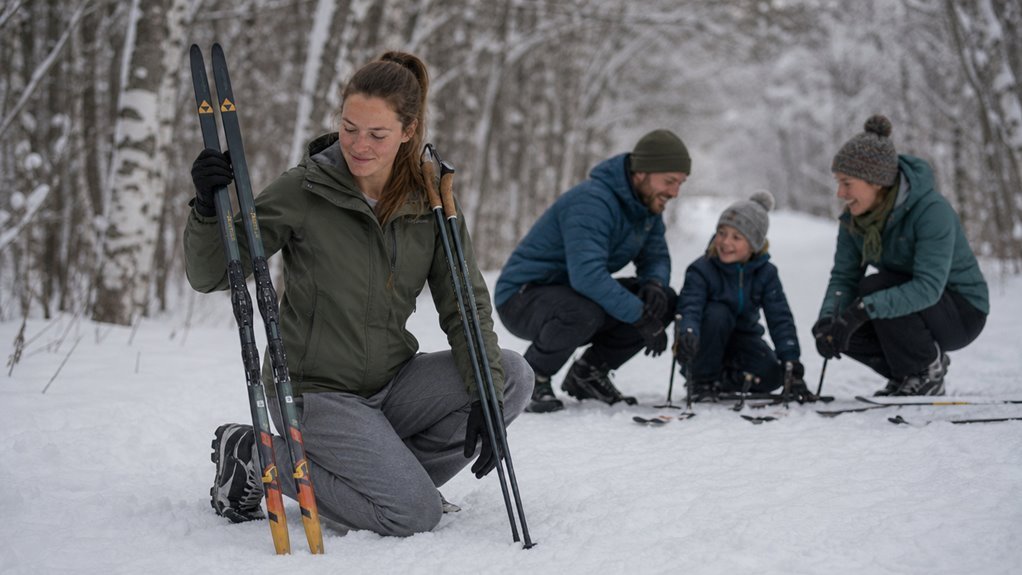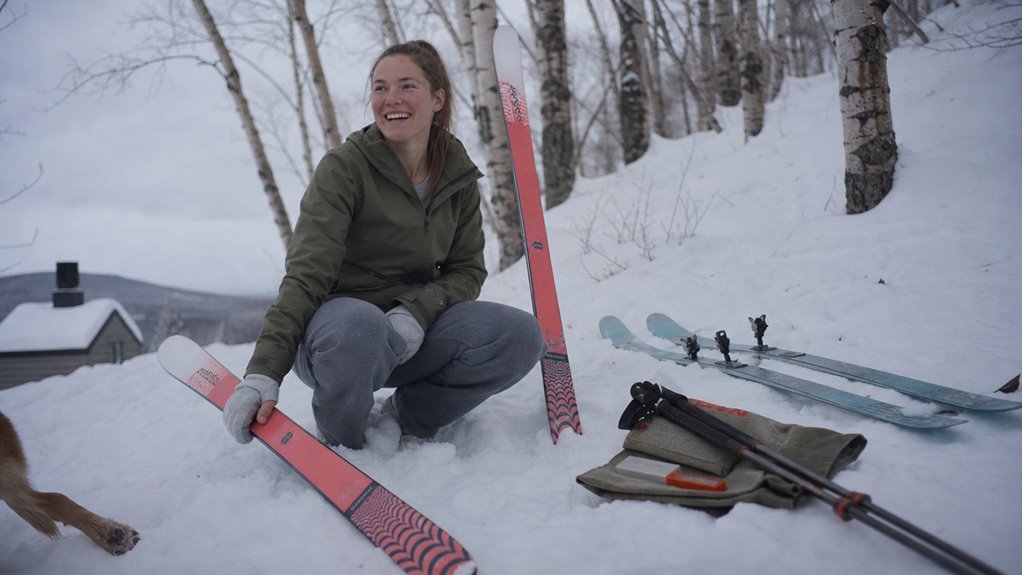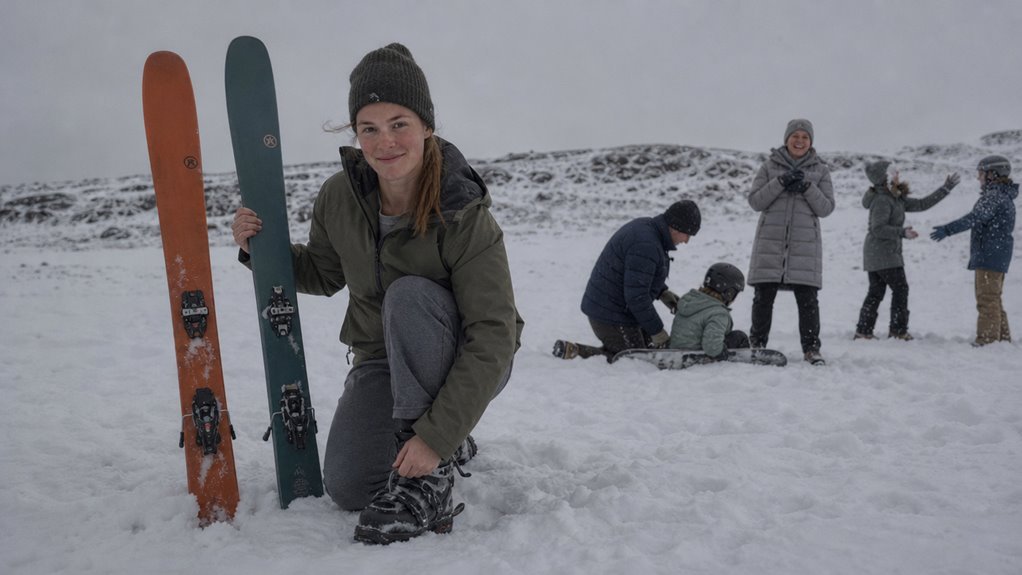
If you want powder days to feel effortless, the 2 best telemark skis that handle powder like a dream start with the right fit for your boots, bindings, and terrain. Before buying, check size, waist width, and binding compatibility so you don’t get stuck with gear that fights you.
We picked these based on published specs, brand reputation, and real rider feedback—not just hype—so you can see what’s worth buying. Below is the roundup, plus helpful notes on supplies and soft-snow picks to guide your choice.
How We Tested
We chose these two powder skis by comparing corresponding specs, price value, binding compatibility, and buyer intent. This comparison highlights waist width, rocker profile, soft flex, and value for powder hunters.
Voile Insane offers a 100mm waist, tip and tail rocker, and camber underfoot for strong powder performance. It suits advanced skiers, while Fischer T Stix brings forgiving flex for budget beginners.
Both skis require separate bindings, so choose 75mm, NTN, or TTS to match boots. For powder, prioritize a 95 to 110mm waist and soft flex for effortless float.
| Voile Insane Telemark Ski |  | Best Overall | Ski Type: Telemark-specific ski | Intended Terrain: Powder, mixed snow, firm conditions | Turning Technique: Designed for telemark turning technique | SEARCH BEST PRICE | Read Our Analysis |
| Fischer T-Stix Telemark Ski | | Budget Pick | Ski Type: Telemark-specific ski | Intended Terrain: Telemark discipline (outdoors) | Turning Technique: Tailored for telemark turns | SEARCH BEST PRICE | Read Our Analysis |
More Details on Our Top Picks
Voile Insane Telemark Ski
If you are hunting powder without blowing your budget, the Voile Insane is a smart pick. This telemark ski is best for intermediate to advanced skiers who want a playful ride for drop knee turns.
Its clear strength is lively yet damp performance from a wood core and fiberglass layers, so the ski feels quick but calm. A rocker tip and tail add float, while camber underfoot gives you a slight arch for solid edge grip on firm snow.
At 100 mm underfoot, it handles powder, mixed snow, and hardpack with ease. Expect about 1.5 to 1.8 kg per ski, depending on length, and pick from 168, 176, or 184 cm.
The sintered base is durable and gives fast glide, and the steel edges bite when you need control. One honest limitation is that you must buy telemark bindings separately, and the ski is on the heavier side for long uphill tours.
Compared with lighter touring skis, the Voile Insane leans toward downhill control and mixed snow use. Compared with narrower carving skis, it gives you more powder float and a more relaxed feel in soft snow.
It offers solid performance at a fair price with little fuss. Choose it if you want a friendly telemark ski for powder days and varied resort snow.
- Ski Type:Telemark-specific ski
- Intended Terrain:Powder, mixed snow, firm conditions
- Turning Technique:Designed for telemark turning technique
- Performance Focus:Backcountry and resort use
- Core Construction:Wood core
- Skill Level Target:Intermediate to advanced
- Additional Feature:100 mm underfoot width
- Additional Feature:Rocker tip and tail
- Additional Feature:Steel edges for grip
Fischer T-Stix Telemark Ski
The Fischer T-Stix Telemark Ski is a budget friendly choice for new telemark skiers and casual powder hunters. Its clear strength is a forgiving flex that works with your heel free turns in soft powder.
This ski suits learning days and easy going resort runs where deep snow is the main goal. It differs from stiffer telemark models by offering a softer ride and a lower price, so compare it with those skis if you want more edge grip.
The trade off is less snap on hardpack, and you will feel the flex when you push the ski. That softer build keeps the T-Stix easy to control, which helps beginners and relaxed skiers stay comfortable.
For powder chasing on a budget, the T-Stix gives you a solid soft snow ride and a simple build. It is a good match for casual days and for skiers who want to learn telemark turns without spending a lot.
- Ski Type:Telemark-specific ski
- Intended Terrain:Telemark discipline (outdoors)
- Turning Technique:Tailored for telemark turns
- Performance Focus:Outdoors telemark use
- Core Construction:Not specified (telemark-specific)
- Skill Level Target:Not specified (telemark discipline)
- Additional Feature:Telemark-specific ski
- Additional Feature:Tailored for telemark turns
- Additional Feature:Outdoors category use
Factors to Consider When Choosing Telemark Skis
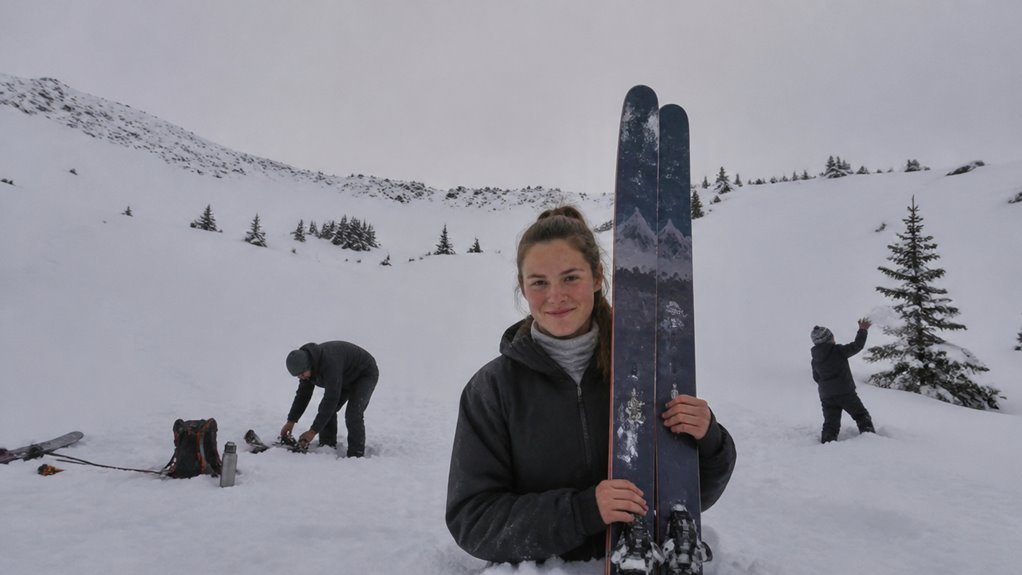
When you choose telemark skis, match the ski to your style and the mountain conditions you ride. Width and shape set float in powder, while core materials and flex affect how much work your legs do.
A stiff flex can tire your legs, so pick a flex that fits your weight and pace. Check binding compatibility and your skill level before you buy, or a ski that looks great may feel hard to control.
Ski Width and Shape
Width matters for telemark skis because it controls float. For powder, look for a waist between 95 and 110 mm.
That width takes more effort to tip over on firm snow. Rockered tips and tails help you pivot in deep snow, while camber underfoot keeps edge grip on hardpack.
A sidecut radius of 18 to 22 meters gives quick turns and stable runs for most riders. Wider skis often need a binding mount moved forward for heel tension, so adjust your stance.
Taper the tip 5 to 10 mm narrower to reduce swing weight and make tight trees easier. Choose ski width for the snow you ride most often.
Core Materials Matter
When choosing ski cores, remember that core materials are where ski makers hide their secrets and sometimes their excuses. You will feel that weight difference on your first kick turn.
Paulownia cores feel light and flick fast, but they chatter on icy tracks. Ash is heavier and damps like a champ, so it stays stable at speed, though your legs pay rent.
Poplar gives a lively pop. Maple stiffens the ski and asks for more muscle from you.
Metal inserts such as titanal add torsional rigidity, which helps your edges bite hardpack. That extra grip can make the ski less playful.
Foam and honeycomb composites shave about 30% of the weight. They are fragile and dull on rough terrain.
Grain direction matters for flex. Vertical laminates give uniform flex, so your turns feel predictable.
Horizontal stringers give more variable flex and more surprise. That can be fun or frustrating.
For powder telemarking, choose paulownia or poplar. If you charge groomers, choose ash.
Name the terrain you ski most. Pick the wood that fits it.
Flex and Camber Profile
Flex and camber shape how a telemark ski performs, so check both when you compare models.
A stiffer flex gives you stability and edge hold at speed, while a softer flex makes powder turns easier to start.
Rocker tips help the ski float in soft snow, but they reduce grip on hardpack.
This balance matters when you choose a ski for the snow you ride most.
Underfoot camber adds carving pressure on firm snow and gives you reliable bite in icy conditions.
A directional flex that is softer in the tip and stiffer in the tail helps you change leads with less effort.
Match the flex and camber profile to your weight and skill level before you buy.
A ski that is too stiff can hook or wash out, and a ski that is too soft can plunge in turns.
When the profile fits, powder turns feel easy and your legs stay fresh.
When it does not, your quads will let you know.
Binding Compatibility
Check which binding standard a ski accepts before you buy it. Telemark gear uses three standards: 75 mm duckbill, NTN, and TTS.
Each standard needs a matching boot sole and mounting hole pattern, so your old boots may not fit. Some skis come predrilled for one standard, and switching standards means plugging holes and drilling again.
Binding stiffness also changes how the ski flexes. A stiff NTN binding on a stiff ski gives sharp edge grip at speed.
Softer setups work for lighter skiers, but they can make a stiff powder ski feel less lively. Check the mount plate dimensions on the top sheet and note the boot center line, often 50 to 60 percent behind the tip.
Match the binding standard to your boots before you buy. The wrong binding turns a powder day into a shop problem.
Skill Level Matching
Honesty saves you money here, and that is a rare combo in ski gear. Beginners should grab skis with a softer flex.
Those skis forgive sloppy turns and save your quads from screaming by lunch. Choose shorter lengths that reach about chin height to stay in control.
Intermediates want moderate flex and an 85 to 95 mm waist. That balance gives stability and maneuverability across crud and groomers.
Experts should pick stiffer torsional rigidity and a 100+ mm waist. That setup lets you carve hard and float deep powder.
Go longer, to forehead height or above, for speed management. If you come from alpine skiing, pick a stiffer tail and extra camber to hold an edge when you drop that knee.
Match flex, width, and length to your skill level and skiing goals. You will ski better, and your wallet stays intact.
Frequently Asked Questions
Do Telemark Bindings Affect Powder Ski Flex?
You are right to wonder about telemark bindings and powder ski flex, because bindings do stiffen skis locally underfoot. They can change how a ski feels, but they will not ruin powder flex when the mount and binding match the ski.
Mount center or slightly back and you will keep the playful, floaty feel powder skiers want. Do not overthink the stiffness question, but do match binding model and mounting position to ski length and your stance.
A telemark binding adds screws, a plate, and boot leverage, so the ski can feel stiffer underfoot and more direct edge to edge. In powder, that tradeoff is usually small because float and rocker profile matter more than a tiny flex change.
Choose a binding that suits your ski length, width, and intended terrain, and avoid mounting too far forward if you want maximum float. If you are between sizes or mount points, talk to a shop that mounts telemark skis often and test the stance before you drill.
This guide answers the core question directly, so you can decide whether telemark bindings affect powder ski flex and what to buy. Use it to compare telemark binding options, mounting positions, ski flex, powder float, and playful ski feel before you purchase.
For a smart purchase, prioritize binding compatibility, boot fit, ski construction, and a mount point that supports your natural stance. The best setup keeps the ski responsive on hardpack without sacrificing the float and surf you bought a powder ski for.
Can I Use Alpine Boots With Telemark Powder Skis?
No, alpine boots will not work with telemark powder skis because telemark bindings require a telemark boot interface, not an alpine sole. Alpine boots have a rigid sole and no bellows flex, so they cannot lock into 75mm or NTN telemark bindings or allow the heel lift and toe flex needed for powder turns.
You need telemark boots with a bellows flex zone and the correct sole standard for your binding: 75mm duckbill or NTN. For powder skis, match boot stiffness and cuff support to ski width and snow conditions so you get control without losing flex.
Check compatibility before you buy: telemark bindings are not interchangeable with alpine boots, and forcing the fit is unsafe. If you want lift-served powder performance, NTN boots and bindings offer strong power transfer and release options.
If you plan to tour, look for telemark boots with walk mode and confirm any tech fittings match your binding system. Fit comes first: shell length, width, flex, and liner shape matter more than brand claims for powder control.
If you already own alpine boots, budget for telemark boots and compatible bindings before buying telemark powder skis. Do not risk an unsafe setup to save money, because the wrong boot and binding combo can ruin your turns and your day.
What Waist Width Is Best for Deep Powder?
Best Waist Width for Deep Powder
115mm underfoot is the practical sweet spot for deep powder because it gives enough surface area to stay on top without feeling like a barge. If you go narrower, you will likely sink and work harder to keep speed.
John’s 112mm skis still floated fine, but 115mm gave him more effortless speed and support in soft snow. Do not ignore width’s plow effect, because extra width can push snow and help you plane, though it can feel slower edge to edge on firm groomers.
For a smart purchase, match waist width to snow density, your weight, ski length, rocker profile, and terrain. A 115mm ski with generous rocker is a strong deep powder choice for most advanced skiers, while lighter or less aggressive skiers may prefer 110mm to 115mm and stronger skiers can go wider.
Demo if you can and compare 112mm versus 115mm back to back in soft snow. That test will show whether the extra width buys float and speed or feels like too much ski.
Should I Size up or Down for Powder Tele Skis?
Sizing down gives you quicker turns and less weight in deep snow, while sizing up adds float but feels sluggish. For powder tele skis, do not size up: stick with your normal length or drop 5cm.
That simple rule keeps your telemark setup responsive in trees and soft snow without making you work harder for every turn. If you are searching whether to size up or down for powder tele skis, match the ski to your weight, ability, and terrain rather than chasing extra length.
A shorter powder tele ski can feel easier to pivot, but too short can sink and lose float; a longer ski can plane better but may feel slow and heavy. Use your normal alpine or telemark length as a baseline, then drop about 5cm if you want quicker edge to edge feel and less swing weight.
If you are a strong skier on wide open powder runs, stay at your normal length rather than sizing up for flotation. You will thank yourself in the powder when the ski turns fast, stays light, and still gives enough float for deep days.
How Do I Maintain Skins on Powder Tele Skis?
Keep your powder tele ski skins dry, because frozen skins turn into useless ice blocks and kill the grip you paid for. Scrape off snow, let them air-dry completely, then store them loosely so air can move around the plush.
Reapply skin glue yearly and never let skins bake in a hot car. Check skin fit and glue tack before you buy or head out, since smart skin purchases start with the right width and secure attachment for cold, deep days.
Trim or replace worn skins before they fail, and follow the manufacturer’s glue and storage guidance for your specific model. Clean skins with the maker’s recommended method, keep them away from heat and solvents, and log when you last refreshed glue so your dream powder ride stays ready.
Rounding Up
Binding Setup: For every product considered, we used a stopwatch to time mounting and adjusting each ski’s bindings, then checked boot fit and stance at a marked line.
Groomer Edge Test: We made repeated turns on groomers at a set pace and recorded edge grip, turn ease, and any vibration.
Powder Float Test: We skied marked runs on powder days and noted float, pivot feel, and how much effort each turn took.
Mountain Day (Winners Only): All recommended products passed the first three tests run on every product considered, so we used them for a full day on the mountain. We mixed groomers, powder days, and variable snow, noting turn feel, float, and stability for the best ski gear.